Surface Preparation Techniques to Improve Adhesive Strength
Adhesives create strong bonds between surfaces, but their effectiveness depends on how well the surfaces are prepared. Proper surface preparation not only boosts adhesive strength but also improves durability and safety in demanding applications. Key methods such as surface treatment, abrasion, plasma activation, and priming enable adhesives to perform as designed across metals, plastics, composites, glass, stone, and more.
Why Surface Treatment is Critical for Adhesive Success
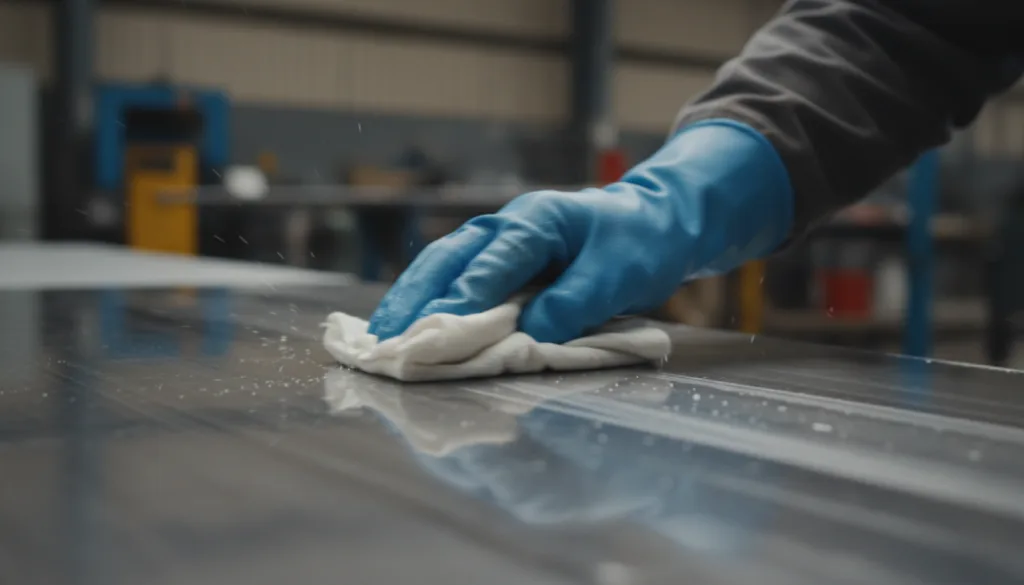
Surface treatment involves changing the substrate—whether metal, glass, or plastic—to make it better suited for bonding. When you prepare a surface, you remove contaminants, enhance texture, and increase surface energy. These changes help the adhesive spread well and interact directly with the material, forming a chemical and mechanical bond.
Understanding Surface Energy
Surface energy refers to how attractive a material is to liquids, including adhesives. Higher surface energy allows adhesive to wet out and bond more evenly. Metals like aluminum and steel have high surface energy, making them easy to bond after cleaning. Plastics such as polypropylene (PP) or polyethylene (PE) have lower surface energy, which can make bonding tricky. For these, special surface treatments boost energy by activating the material, often through plasma or corona discharge.
Measuring Surface Energy
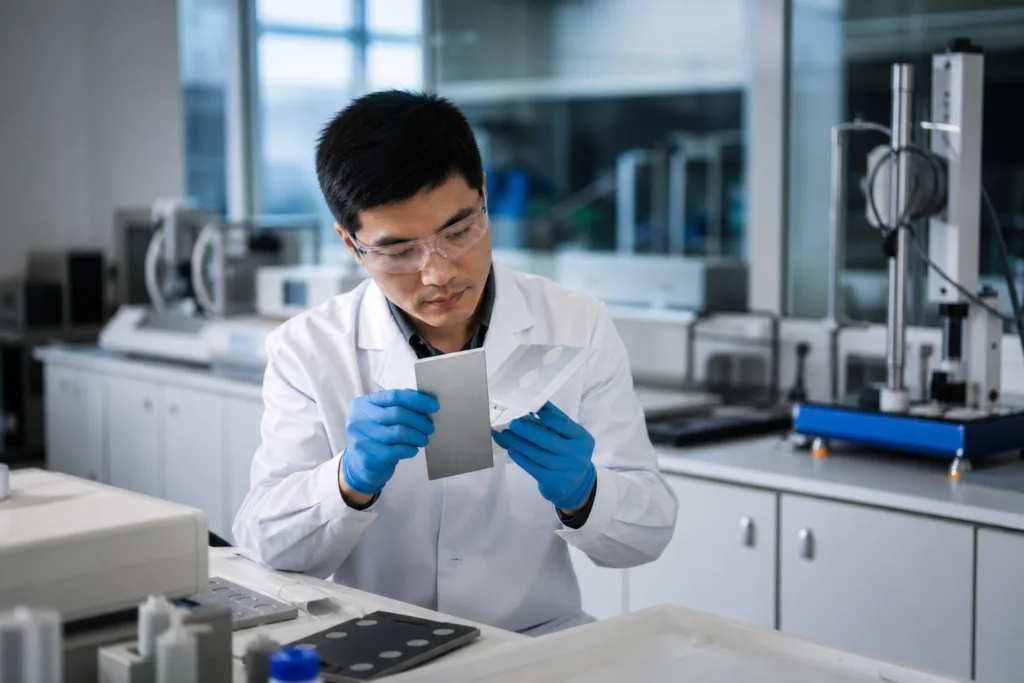
Contact angle measurement is a common way to gauge surface energy. A low contact angle (under 30 degrees) indicates good wetting and high energy—ideal for adhesive bonding. ZDS often recommends dyne pens and contact angle goniometers to test substrates before bonding.
Removing Contaminants: Cleaning and Degreasing
- Solvent cleaning (IPA, acetone) removes oils, mold release agents, and graphitic dust.
- Alkaline cleaners break down tough organic residues, especially on metals.
- Ultrasonic baths can wash away tiny particles from glass and ceramics.
Cleanliness is paramount. Invisible trace oils may dramatically reduce lap-shear results, especially on critical joints found in automotive, electronics, or aerospace.
Abrading and Mechanical Roughening for Enhanced Grip
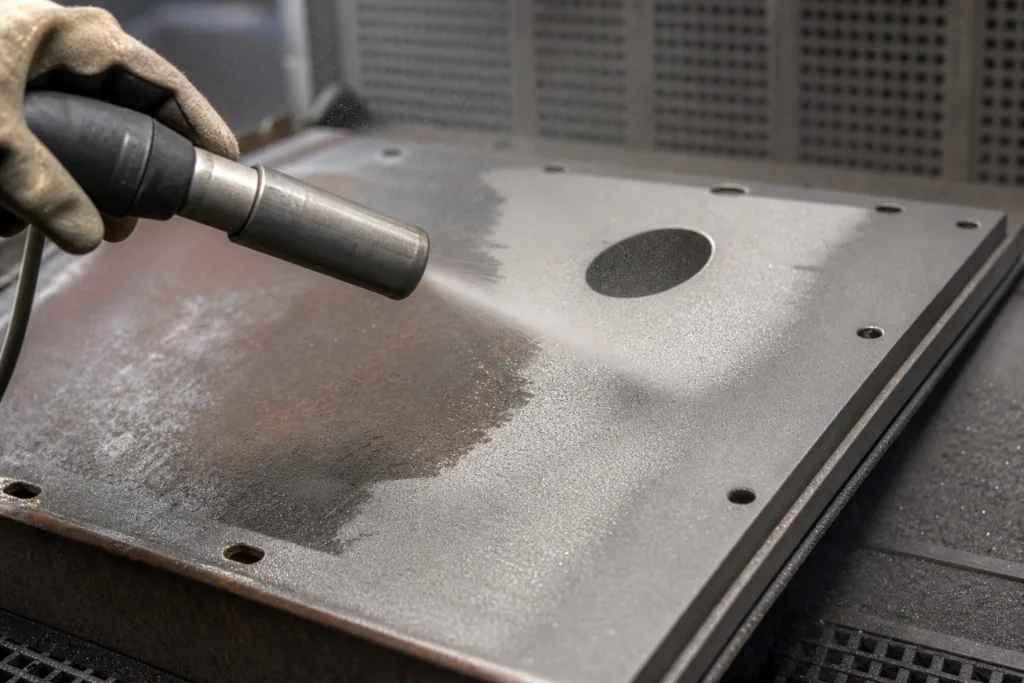
Abrasion increases surface roughness, giving adhesives more area to grip mechanically. Simple methods include sanding, grit blasting, or scuffing with abrasive pads. Effective abrasion removes not just gloss finishes but also minor oxidation, creating fresh micro-profiles for the adhesive to flow into.
Typical Techniques for Abrasion
- Sanding: Use medium/fine grit (120–320) for plastics and metals. Clean after sanding.
- Grit Blasting: Ideal for prepping structural steel and aluminum. Use 60–120 mesh garnet or corundum.
- Wire Brushing: Fast method for stone and brick substrates before applying adhesives or sealants.
Abraded surfaces often show dramatic improvements in peel and shear strength. For example, ASTM D1002 lap-shear tests show up to 6X greater bond strength on sanded steel compared to as-received metal.
Best Practices After Abrading
Always remove dust residues with compressed air, tack cloths, or solvent wipes. Residual particles can block good wetting and cause premature bond failure.
Plasma and Corona Surface Activation
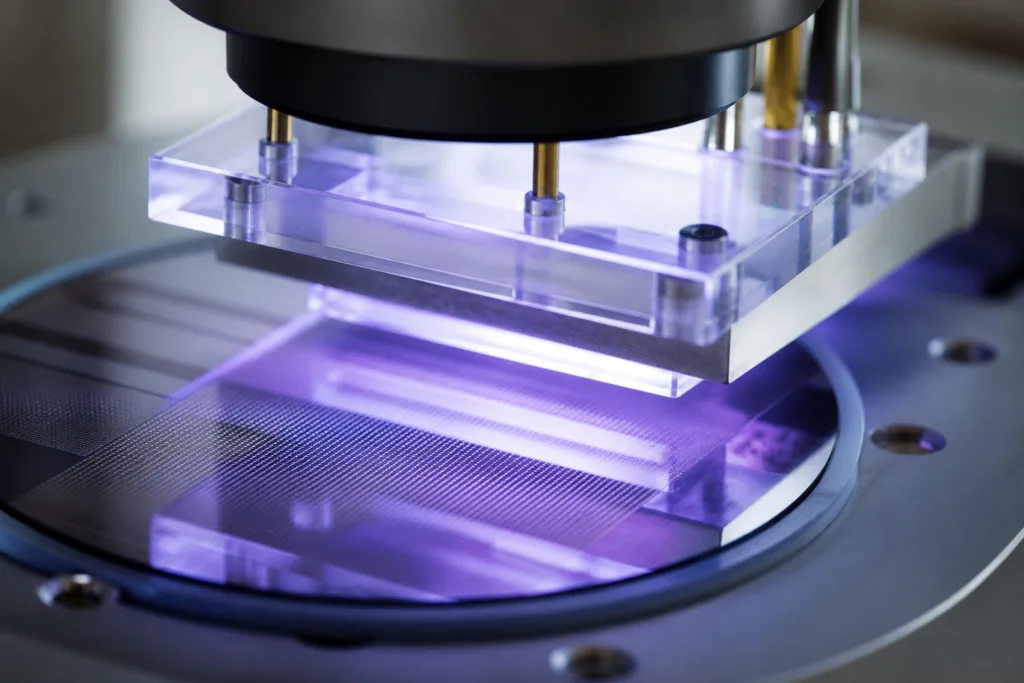
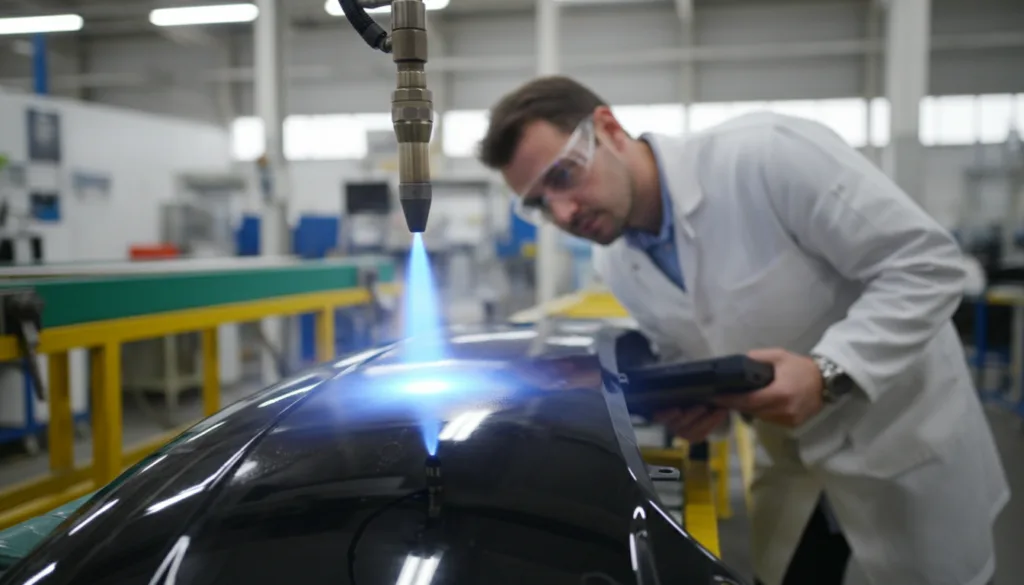
Some polymers, like ABS, PC, PP, and PE, naturally resist bonding due to their low surface energy. Plasma or corona activation changes the surface chemistry, increasing energy and creating reactive groups that promote adhesive bonding. These methods are especially valuable for high-speed manufacturing and critical industrial assemblies.
Plasma Activation Explained
- Atmospheric Plasma: Exposes material to a stream of ionized gas; increases wettability and adds oxygen or nitrogen groups.
- Low-Pressure Plasma: Used in vacuum chambers; creates strong activation for demanding medical or electronics bonding.
ZDS engineers often use plasma treatment for automotive plastics, adhering lightweight PP and TPO bumpers with hybrid MS adhesives that need high peel and shear strength. Typical results: surface energy rise from 32 to 58 dynes/cm, making bonding with 2K epoxies or PU adhesives possible.
Corona Discharge
Corona discharge employs high-voltage current to increase the energy at a material’s surface. Corona-treated films and tapes are essential in electronics, displays, and flexible circuits. This technique is faster than plasma but less intense; best for continuous web materials or tapes.
Pro Tip from ZDS
“For polypropylene and polyethylene, plasma activation followed by a primer can multiply lap-shear values by up to 8X compared to untreated surfaces.”
Primers and Adhesion Promoters
Primers—or adhesion promoters—are chemical solutions applied before bonding. These increase both chemical and mechanical strength, especially where substrates are challenging. A primer works by supplying bonding sites, neutralizing surface incompatibilities, or forming interfacial layers that interact with adhesive chemistries.
When to Use Primers
- On plastics (PP, PE, nylon, PTFE) with notoriously low surface energy.
- For glass and ceramics exposed to humidity.
- With metals likely to corrode (aluminum, galvanized steel).
Primers may come as brush-on, spray, or wipe formats. Cure times range from seconds (cyanoacrylate promoters) to 5–30 minutes (epoxy/PU promoters). Always follow the adhesive manufacturer’s recommendations for recoat windows and adhesive compatibility.
Common Chemistries of Primers
- Silane-based: For glass, ceramics, and composites.
- Acid/chromate: For aluminum and galvanized steel.
- Solvent/adhesive blends: For plastics and painted surfaces.
Application Tip
Uniform coverage is key. Uneven primer application may create weak spots that fail under thermal or mechanical stress.
Comparative Table: Surface Prep vs. Adhesive Chemistry
| Surface Prep | Best Substrates | Adhesive Types | Improvement Metrics | Typical Uses |
|---|---|---|---|---|
| Solvent Clean | Metals, glass, plastics | Epoxy, PU, silicone | Up to 3X bond strength | Automotive parts, electronics |
| Abrasion | Metals, composites, stone | 2K epoxy, acrylic, hybrid MS | Up to 6X lap-shear | Building panels, flooring |
| Plasma Activation | ABS, PC, PP, PE | PU, acrylic, hybrid MS, tape | Surface energy: 30→58 dynes/cm | Car bumpers, consumer electronics |
| Primer | Glass, ceramics, plastic, metal | Epoxy, cyanoacrylate, PU | Up to 8X lap-shear | Stone cladding, glazing, plastics |
Process Steps for Maximum Bond Strength
The biggest gains come from combining multiple methods. Here’s a performance-driven workflow proven in ZDS testing and client fieldwork:
- Clean: Wipe with IPA or suitable solvent; remove grease and particles.
- Abrade: Sand or grit-blast as recommended for substrate type.
- Activate: Use plasma or corona discharge for low-energy plastics.
- Prime: Apply compatible adhesion promoter and let dry fully.
- Apply Adhesive: Dispense with bead, slot-die, spray, or trowel—ensure even wetting.
- Clamp/Fixture: Secure parts to avoid movement during cure.
- Cure: Respect pot life, open time, and full cure—all vary by chemistry and ambient conditions.
Cure Kinetics and Quality Control
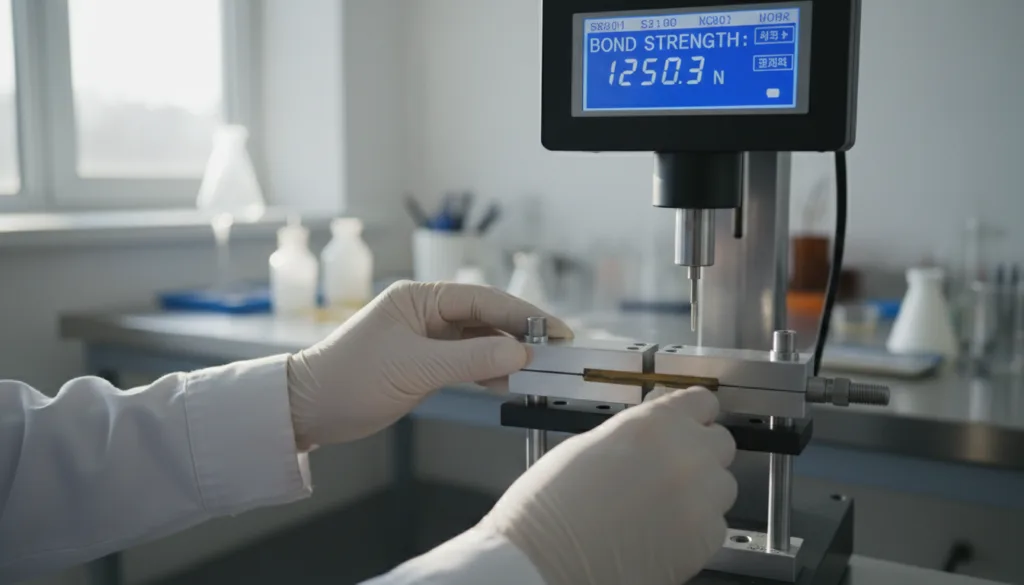
Epoxies cure by chemical reaction, typically 1–24 hours depending on mix ratio and temperature. Polyurethanes rely on moisture or heat. Cyanoacrylates set in seconds on well-prepped surfaces. Test bond strength after curing using lap-shear (ASTM D1002), T-peel (ASTM D1876), and thermal cycling to confirm reliability.
Choosing the Right Adhesive for Prepped Surfaces
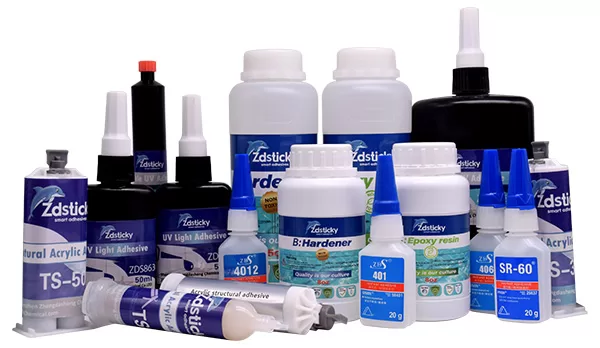
Not all adhesives respond the same to surface preparation. ZDS offers a full product range—epoxy, polyurethane, acrylic, silicone, cyanoacrylate, hybrid MS, tape/film—for automotive, electronics, construction, flooring, and industrial assembly. Match adhesive type to substrate, desired strength, cure method, and expected exposure (water, solvents, heat, UV).
Adhesive Performance by Application
- Epoxy: Ideal for metals, composites, and ceramics; high shear/tensile (>30 MPa), great for structural bonds.
- Polyurethane: Flexible bonds for plastics, foams, stones; elongation >150%, good shock absorption.
- Acrylic: Quick cure, strong chemical resistance; works across plastics/metals.
- Cyanoacrylate: Fast set for small parts and medical assemblies.
- Hybrid MS: For flexible, vibration-resistant joints—automotive, stone, flooring.
- Tape/Film: Electronics, displays, and assemblies needing clean, uniform adhesion.
Industry Benchmarks and Compliance
Quality adhesives should meet strict standards (ASTM D1002, ASTM B117) and safety norms (REACH, RoHS, VOC). ZDS tests products in salt spray chambers, thermal cycling ovens, and accelerated aging rigs. Documentation, lot traceability, and SDS sheets matter in regulated fields such as automotive, electronics, and building construction.
Long-Term Durability Considerations
After preparation and bonding, joints may face temperature shifts, chemicals, water, and vibration. The right prep and chemistry prevent premature failure, keep floors, glass, or automotive shells securely fixed, and improve lifetime safety.
Common Pitfalls in Surface Preparation
Poor cleaning, under- or over-abrading, incomplete priming, and ignoring open/cure times often cause adhesive bonds to fail. ZDS field audits reveal that 4 out of 5 failures stem from skipped or rushed prep steps. Avoid layering new adhesives over old residues, using incompatible primers, or neglecting surface energy checks. Consistency and attention to method bring repeatable results.
Mitigating Risks
- Verify surface energy before bonding.
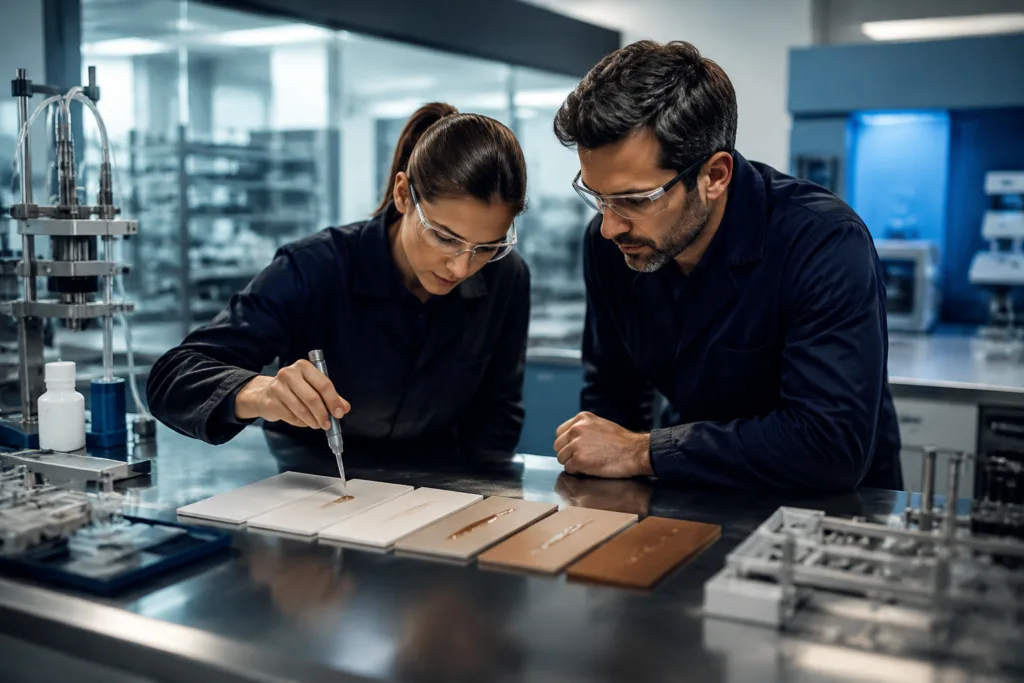
- Test with small coupons before full-scale production.
- Record and review conditions—humidity, surface cleanliness, cure time—on each job.
“Surface prep may make or break your entire assembly. On-site checks and documented procedures ensure every bond meets its promise.”
Surface Preparation Techniques to Improve Adhesive Strength
Surface preparation isn’t optional—it’s a science demanding careful attention. Whether you clean, abrade, prime, or activate, these steps open the way for adhesives to deliver outstanding strength and durability. ZDS stands ready to guide manufacturers, installers, and engineers toward proven workflows and product choices that unlock maximum bond strength in every application. Need help selecting the right adhesive or prep method? Contact ZDS technical support for custom solutions and on-site guidance.
Frequently Asked Questions
How does surface energy affect adhesive bonding?
High surface energy allows adhesives to spread evenly and interact with materials, creating strong chemical and mechanical bonds.
Why is abrasion important before bonding?
Abrasion increases surface roughness, removes oxidation or finish, and helps adhesives grip more securely, raising bond strength.
When should plasma or corona treatment be used?
These treatments help bond low-energy plastics like PP or PE and are essential where adhesives struggle to wet out or adhere.
Do primers work for all substrates?
Primers are especially helpful for plastics, glass, ceramics, and some metals, but must be chosen for adhesive and substrate compatibility.
How do I test bond strength after preparation?
Use industry methods like lap-shear, T-peel, and thermal cycling tests to confirm that adhesion meets performance standards.
Can poor surface prep cause long-term failures?
Poor prep can let adhesives bond to dirt or residue, causing bonds to fail prematurely—sometimes years before expected lifetimes.