Introduction: Jetting vs. Needle Dispensing for Narrow Bezel Phones
The relentless pursuit of thinner, sleeker mobile devices has led smartphone manufacturers to the narrow bezel phone—a design revolution where visible screen borders shrink to mere millimeters. To achieve the precision required in assembling these advanced devices, engineers must choose between two high-precision dispensing technologies: jetting and needle dispensing. Both have propelled forward the field of precision manufacturing, yet each bears unique strengths and limitations for the intricate demands of narrow bezel designs.
This article delves into the differences, practicalities, and real-world performance of jetting vs. needle dispensing for narrow bezel phone assembly. We’ll examine aspects like accuracy, throughput, adhesive type compatibility, and offer concrete examples from top electronics manufacturers.
Understanding Dispensing Technologies in Precision Manufacturing

Manufacturing narrow bezel phones requires adhesives to be applied with impeccable control. The wrong method can risk visual defects, inconsistent bonds, or process inefficiencies. Jetting and needle dispensing stand at the core of today’s precision adhesive manufacturing, and understanding their working principles is vital for selecting the right approach.
What Is Needle Dispensing?
Needle dispensing, a method widely used since the early rise of consumer electronics, involves a precision needle applying adhesives directly onto a substrate. Flow is managed through pressure, screw, or volumetric pump systems. The technique has been continuously refined to support thinner needles and tighter process controls in recent years.
What Is Jetting Technology?
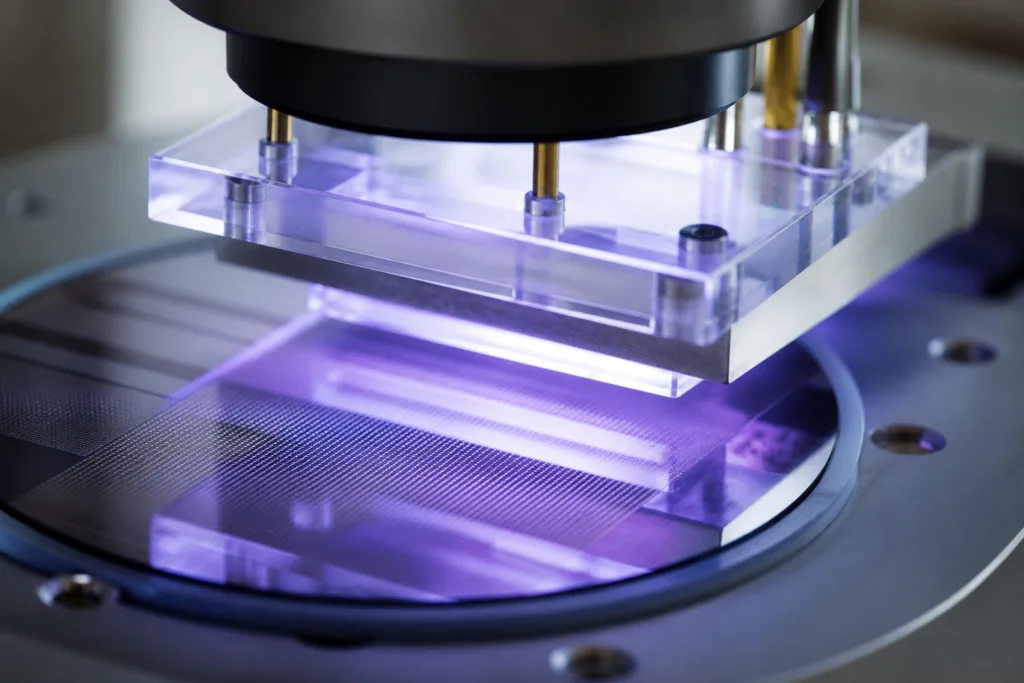
Jetting is a non-contact dispensing technique that propels droplets of adhesive, flux, or other fluids using rapid pulses. Instead of making physical contact, the jetting head shoots precise micro-doses from above, making it suitable for hard-to-access spots like ultra-narrow bezels, fine traces, and complex assemblies. This non-contact method is revolutionizing next-gen device assembly.
Precision Requirements in Narrow Bezel Phone Manufacturing
Building narrow bezel phones isn’t just about good looks. The real challenge lies in fusing glass and display panels with razor-thin tolerances. Any excess adhesive can cause overflow onto the display or impede automated assembly. Manufacturers must achieve:
- Ultra-low adhesive volumes (under 0.5 mm beads)
- High placement accuracy (often < ±50 μm)
- Consistent bonding strength across all units
The right dispensing method is a key piece in this quality puzzle.
Jetting: Advantages for Narrow Bezel Phones
Jetting technology comes with a suite of strengths for mobile device manufacturing:
- No contact: Avoids disturbing delicate circuitry or damaging soft substrates found near narrow bezels.
- Fast cycle times: Delivers up to 500+ shots/second, ideal for high-throughput production lines.
- High accuracy: Capable of precise fluid placement, minimizing the risk of bleed or spillage in tight spaces.
- Flexible programming: Supports complex dispensing patterns and rapid bead changes without changing tools.
For ultra-modern phone frames where 1 mm can make or break design intent, jetting enables placement unreachable by most needles.
Needle Dispensing: Strengths and Persisting Use Cases
Despite the rise of jetting, needle dispensing still excels in several scenarios:
- Wide adhesive compatibility: Handles a broad range of viscosities, including high-viscosity epoxies and silicones.
- Cost-effective: Equipment and maintenance costs tend to be lower, making it attractive for established production setups.
- Fine control for larger beads: Suitable for traditional bezels and thicker adhesive lines where contact is not a risk.
Many manufacturers retain needle dispensing for structural applications outside the most cramped bezel regions.
Limitations of Jetting in Narrow Bezel Applications
Yet, jetting is not a universal solution. Common drawbacks include:
- Material restrictions: Struggles with certain high-viscosity adhesives (e.g., heavily filled epoxies for drop resistance)—careful material selection is critical.
- Maintenance and clogging: Fine jets may clog, especially with particulate-laden adhesives common in rugged device assembly.
- Higher initial investment: Jetting systems are more costly to purchase and maintain, demanding careful ROI calculations.
Adhesive manufacturers often collaborate with jetting equipment providers to match fluid rheology to jetting parameters, ensuring stable production.
Limitations of Needle Dispensing for Precision Electronics
The tried-and-true needle is not without its stumbling blocks, particularly in the domain of narrow bezels:
- Mechanical interference: Can disturb or damage sensitive devices due to direct contact.
- Slow relative speeds: Contact method is inherently slower than jetting’s rapid-fire drops.
- Poor access: Physically unable to reach certain ultra-tight corners or deep cavities present in ultra-thin phone designs.
As the push towards slimmer chassis continues, these issues can become production bottlenecks—especially when combined with the tightest aesthetic requirements.
Comparing Jetting vs. Needle Dispensing at a Glance
| Factor | Jetting | Needle Dispensing |
|---|---|---|
| Contact method | Non-contact | Direct physical contact |
| Minimum bead size | ~0.2 mm | ~0.4 mm |
| Cycle speed | Up to 500+ shots/sec | 50–200 shots/sec |
| Material compatibility | Low to mid-viscosity | Broad (including high-viscosity) |
| Maintenance | Needs cleaning, risk of clogging | Easier, less clogging risk |
| Capital cost | High | Lower |
Material Compatibility: Jetting vs. Needle Dispensing
When choosing which dispensing system to implement, adhesive compatibility is a decisive factor. Jetting excels with low- to medium-viscosity UV cure adhesives and acrylics—products often used in bezel bonding. Needle dispensing can accommodate a full spectrum: from watery cyanoacrylates to thick, filled epoxies and silicones used for high-impact frames. For a deep dive into material choices, see our industrial adhesives selection guide.
Throughput and Production Speed Analysis
Assembly line efficiency can make or break a manufacturing operation. Jetting’s rapid fire can reduce beat times per unit by 20–50% in scenarios involving thousands of micro-beads or dots. Needle systems, though slower, offer process dependability where complex edge-following (continuous beads) is required. The right choice will depend on whether your design necessitates thousands of precision beads or continuous, robust adhesive lines.
Achieving Consistent Bead Control and Placement
Consistency in adhesive placement and bead geometry is crucial for both performance and appearance. Jetting offers superior process repeatability for short, separated dots and precise lines; it also dramatically reduces over-spill, a common cosmetic defect at ultra-narrow bezels. Combined with machine vision inspection, manufacturers have achieved under ±3% variance in bead dimensions. Needle systems lag behind here but remain reliable for less cosmetically sensitive or physically accessible regions.

Impact on Device Design and Miniaturization
The evolution of non-contact dispensing is tightly linked to device miniaturization. Jetting enables designers to push the limits of screen-to-body ratio, unobstructed by mechanical probe size. This flexibility supports creative layouts, tighter layering, and more intricate functional stacking in today’s top-tier smartphones.
Case Study: Leading Smartphone OEMs Adopt Jetting for Bezel Bonding
Several top smartphone OEMs (original equipment manufacturers) have pivoted to jetting technology for display and bezel assembly. For example, a 2025 case study from a major Asian handset maker showed:
- Defect rate on micro-bezel bonds fell by 40% after switching to jetting
- Bezel width reduced from 1.3 mm to 0.7 mm—without process slowdowns
- Material waste decreased by 18%, lowering overall adhesive spend
This illustrates a clear trend: the tightest tolerances combined with high output volumes often tip the scale in favor of jetting.
Jetting vs. Needle Dispensing for Narrow Bezel Phones
For most new narrow bezel phone designs, jetting offers a superior solution, especially as device layers compress and ornamental gaps vanish. However, needle dispensing holds its ground in ruggedized, high-strength zones or secondary bonding areas, where high-viscosity adhesives or large beads provide structural value. Multistage hybrid production lines balance both methods, maximizing the strengths of each. For complex hybrids, manufacturers consult adhesive suppliers with broad product portfolios to pre-test jetting and needle compatibility.
Practical Production Tips for Process Engineers
- Test all candidate adhesives for jetting/needle compatibility in real conditions (including viscosity stability and open time).
- Integrate inline inspection systems to monitor bead geometry in high-throughput contexts.
- Optimize purge cycles and cleaning routines to limit jet head clogging and bead inconsistency.
Quality Control Standards in Narrow Bezel Bonding
Quality assurance for adhesives in narrow bezel assembly should include:
- Lap shear and peel testing of bonds
- Visual/camera-based inspection for overflow
- Accelerated thermal cycling to check adhesive fatigue at micro-interfaces
For benchmarks of adhesive strength and comparison with epoxy systems, see this UV adhesive vs epoxy strength analysis.
How ZDS Adhesive Approaches Jetting and Needle Dispensing
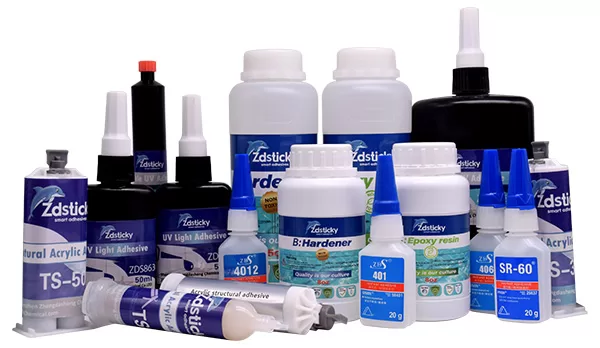
ZDS Adhesive, an industrial adhesive manufacturer, works with process engineers to match material rheology, open time, and cure mechanism to the unique needs of both jetting and needle methods. Typical recommendations include:
- UV-cure acrylates for rapid jetting in fine bezel lines below 1 mm
- Structural epoxies or silicones for needle dispensing in high-load areas
Field experience shows that substrate energy, humidity control, and bead shape are common root causes of adhesive failures—making pre-production validation tests critical for robust outcomes.
Cost and Investment Considerations
Jetting systems demand higher up-front investment, justified by throughput or critical geometry requirements. Needle systems offer budget-friendly entry, but ongoing labor and yield loss from rework may offset savings in premium phone production.
Environmental & Sustainability Impacts
Efficient dispensing helps limit adhesive waste and reduce VOC emissions, especially for environmentally-regulated regions. Jetting’s precise metering can enable manufacturers to meet sustainability targets faster by limiting over-application. Review material safety data in context with workflow automation for minimal waste, referencing advanced adhesive solutions for compliant options.
Emerging Trends: AI in Precision Dispensing Control
As of 2026, artificial intelligence-driven robots equipped with adaptive vision are optimizing bead placement, spotting minor flow issues, and self-calibrating jetting systems. Expect sub-10 μm dot placement to become routine in flagship phone plants within the next two years.
Common Pitfalls and Failure Modes
- Jetting: Clogging due to improper adhesive selection or irregular viscosities.
- Needle: Drags or smears from incorrect Z-height calibration.
- Both: Environmental issues (temperature/humidity swings) leading to inconsistent cure or bond strength.
Jetting vs. Needle Dispensing for Narrow Bezel Phones: Final Considerations

As device miniaturization pushes the edge of physical limits, jetting emerges as the dominant contender for narrow bezel phone production, while needle dispensing remains a reliable backup for robust structural demands. Each technology brings its own playbook for success—and limitations to watch for.
Frequently Asked Questions
What is the major advantage of jetting over needle dispensing?
Jetting provides non-contact, high-speed adhesive placement, making it ideal for extremely narrow or hard-to-reach bezel zones in phone assembly—often improving speed and reducing risk of component damage.
Are all adhesives suitable for jetting technology?
No, only low- to medium-viscosity adhesives (such as certain UV acrylates and epoxies) are compatible with most jetting heads, while thicker or heavily filled adhesives often require needle dispensing.
Can needle dispensing be used in all mobile device manufacturing processes?
While widely used, needle dispensing struggles with modern narrow bezel designs due to access limitations; it excels in structural areas where contact is possible and larger beads are needed.
How do manufacturers prevent jetting head clogging?
Frequent cleaning, proper adhesive material selection, and continuous monitoring of viscosity are essential to minimize jetting head clogging and maintain production yields.
Does switching to jetting always increase production costs?
Jetting may have a higher initial setup cost, but can lead to significant savings in material usage, higher throughput, and reduced defect rates—offsetting investment over large production runs.
What quality checks are recommended during bezel bonding?
Critical checks include bead geometry inspection with machine vision, lap shear and peel strength tests, as well as thermal and humidity cycling to ensure long-term bond reliability.
Related Reading
- 12 Essential Benefits of UV Curing Adhesives in Electronics Production
- Proven Surface Prep Steps to Boost Adhesive Strength in Manufacturing
- Mastering Industrial Adhesives for Advanced Electronics Assembly
- How Well Does UV Glue Bond to Glass for Electronics?
- Choosing the Right UV Adhesive for Glass Components