Introduction: Understanding 1-Part vs. 2-Part Epoxy—Mixing Ratios & Curing Profiles
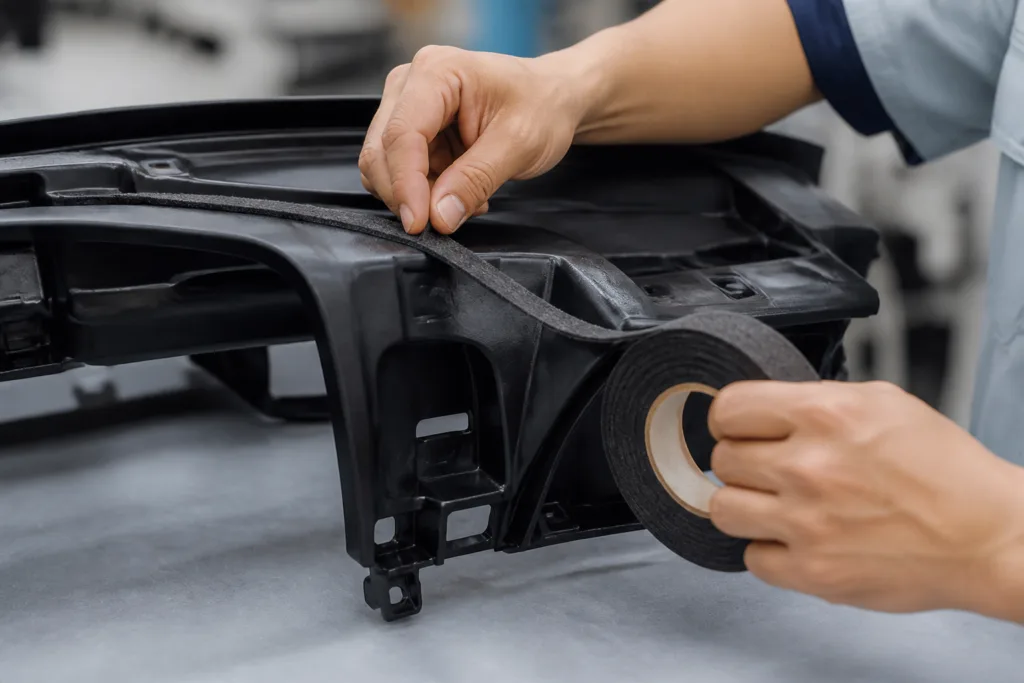
Epoxy adhesives have become essential across industries ranging from electronics assembly to automotive manufacturing and metal fabrication. When choosing an epoxy solution, understanding the significant differences between 1-part (single-component) and 2-part (two-component) systems can improve project outcomes, reduce failures, and ensure optimal performance. This article explores 1-Part vs. 2-Part Epoxy: Mixing Ratios & Curing Profiles, the role of accurate mixing, real-world curing behaviors, and how these factors affect adhesion and mechanical durability.
What Is Epoxy? The Basics You Need to Know

Epoxy is a class of thermosetting polymers widely used as structural adhesives, coatings, potting compounds, and sealants. Their popularity stems from their strong adhesion to metals, plastics, glass, and composites, along with high chemical and temperature resistance. Two main types exist: 1-part epoxies, which cure via heat activation, and 2-part epoxies, which require a precise mix of resin and hardener.
The Science of Mixing Ratios: Why It Matters
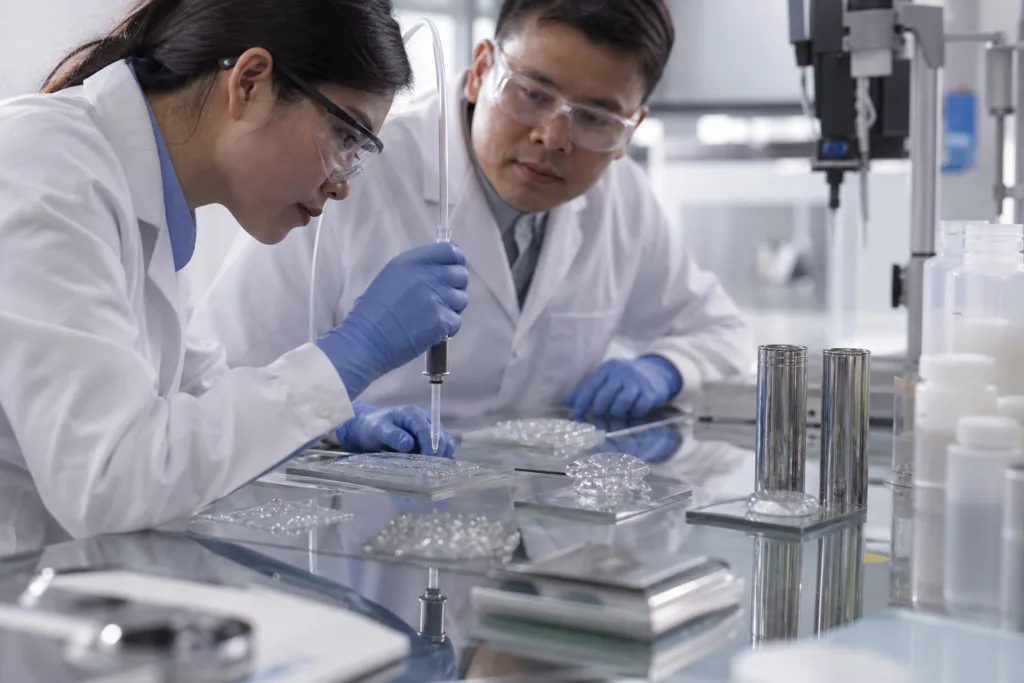
Mixing ratios directly control how well an epoxy cures and how the final bond performs. For 2-part epoxies, the most common ratios are 1:1 and 2:1 by volume or weight, but some specialty formulas may require 4:1, 5:1, or even more precise calculations. An incorrect mix can lead to weak bonds, improper curing, and premature failure. 1-part epoxies, in contrast, come pre-formulated—eliminating the need for user mixing, which minimizes the risk of human error.
Exploring 1-Part Epoxy Systems: Strengths and Limitations
1-part epoxy adhesives are single-component materials that require only heat to cure—typically between 120°C and 180°C. These systems are especially popular in high-speed manufacturing environments where process consistency and automation are vital. Advantages include:
- No mixing required: Ready to apply, saving time and labor
- Excellent shelf stability when stored properly
- Predictable curing profiles (usually 5–30 minutes at heat)
However, they also have some drawbacks—mainly the need for high heat, limiting their use on temperature-sensitive substrates or in field repairs.
Analyzing 2-Part Epoxy Systems: Mixing Ratios, Curing, and Versatility
2-part epoxies require precise mixing of resin (Part A) and hardener (Part B). They cure at room temperature or can be accelerated with heat. Key points include:
- Customizable pot life and cure speed based on product selection
- Broad substrate compatibility (metals, plastics, ceramics, composites, etc.)
- Wide range of mechanical properties—from rigid to flexible
- Suitable for both structural and flexible bonding
The main limitation with 2-part epoxies is mixing accuracy. Manual errors affect final bond strength and chemical resistance. Automated meter-mix-dispense systems reduce these risks in industrial settings.
A Critical Comparison: 1-Part vs. 2-Part Epoxy—Mixing, Curing, Performance
| Feature | 1-Part Epoxy | 2-Part Epoxy |
|---|---|---|
| Mixing | No mixing required | Accurate resin/hardener mix essential |
| Curing Activation | Heat (120–180°C) | Room temp, with optional heat |
| Open/Pot Life | Long (stored cold), fixed once applied | 5 to 120 min (varies by formulation) |
| Fixture Time | 5–30 min (heat required) | 30 min–24 hrs (depends on temp/ratio) |
| Strength | High and repeatable | Wide range—tunable for application |
| Applications | Electronics, automotive, pre-assembly | Repair, field use, structural bonding |
| Performance Consistency | High (if handling controlled) | Dependent on mix accuracy and cure |
How Mixing Ratios Affect Curing and Adhesion
For 2-part epoxies, the correct ratio ensures a chemical balance between epoxy resin and hardener (curing agent). Too much hardener leaves unreacted chemicals, lowering chemical resistance and increasing brittleness. Too little hardener results in incomplete curing and softer, weaker bonds. Automated equipment delivers precision and repeatability, which is essential in demanding sectors like automotive adhesive applications.
Curing Profiles: Heat vs. Room Temperature Explained
The way an epoxy cures governs not just bond strength but also factory throughput and usability for repairs. 1-part epoxies need oven or induction heat to cure, making them ideal for high-speed production lines. 2-part epoxies can often cure at room temperature (RT), though added heat accelerates cure and boosts final properties. Selecting a system depends on substrate sensitivity, part size, available equipment, and cycle time pressures.
Real-World Strength Properties: What to Expect
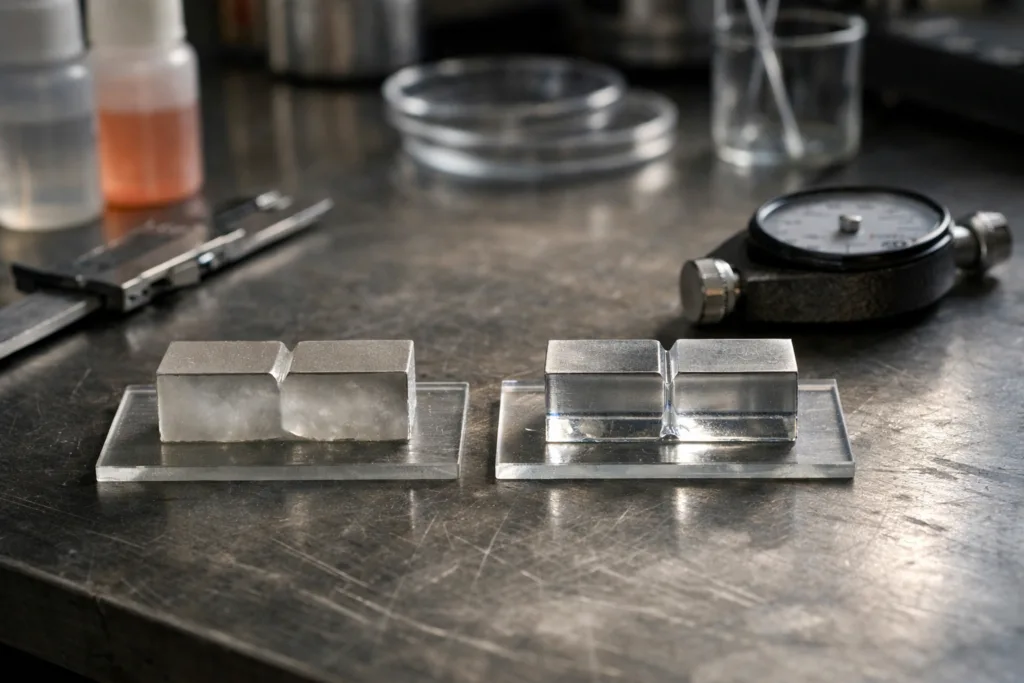
Strength in epoxy bonds gets measured in terms of lap shear, peel, impact, and compressive tests. 1-part epoxies typically achieve lap shear strengths above 20 MPa (2900 psi), with tight process control. 2-part epoxies also reach or exceed these numbers but allow for more variation—the right mix and cure conditions are essential. For high-performance applications (like metal bonding in metalworking environments), always reference certified test data and adapt to real-world production settings.
Performance in Metalworking: Which Epoxy to Choose?
Metal bonding often demands high strength, good gap-filling, and specific resistance to chemicals or temperatures. Here’s how both systems fare:
- 1-part epoxies: Superior for consistencies and process-controlled lines—electrical motor assembly, appliance casings, and automotive modules are typical examples.
- 2-part epoxies: Preferred for maintenance, repairs, and large structural joints—such as machinery frames or vehicle chassis—where precise heat is hard to apply.
Environmental and Chemical Resistance—1-Part vs. 2-Part
Both systems show excellent resistance to water, oil, solvents, and dilute acids/alkalis after full cure. However, certain 2-part epoxies can be tailored for surfacing on stainless steel, aluminum, and galvanized metals, enhancing corrosion resistance. UV resistance is inherently limited with standard epoxies, though hybrid options may help in specific cases. Always check the technical datasheet for compatibility with your working environment.
Practical Tips: How to Choose Between 1-Part and 2-Part Epoxy
- If your operation needs speed and has access to controlled heating, 1-part epoxies cut down on mixing errors and improve throughput.
- For field work, repairs, or large joints, 2-part epoxies offer more flexibility—just be meticulous with your mixing ratios!
- Budget for the correct dispensing tools—manual for small jobs, automated for high-volume assembly lines.
Improving Epoxy Adhesion and Performance: Key Process Factors
Regardless of type, these steps boost adhesion and mechanical integrity:
- Thoroughly clean and degrease surfaces
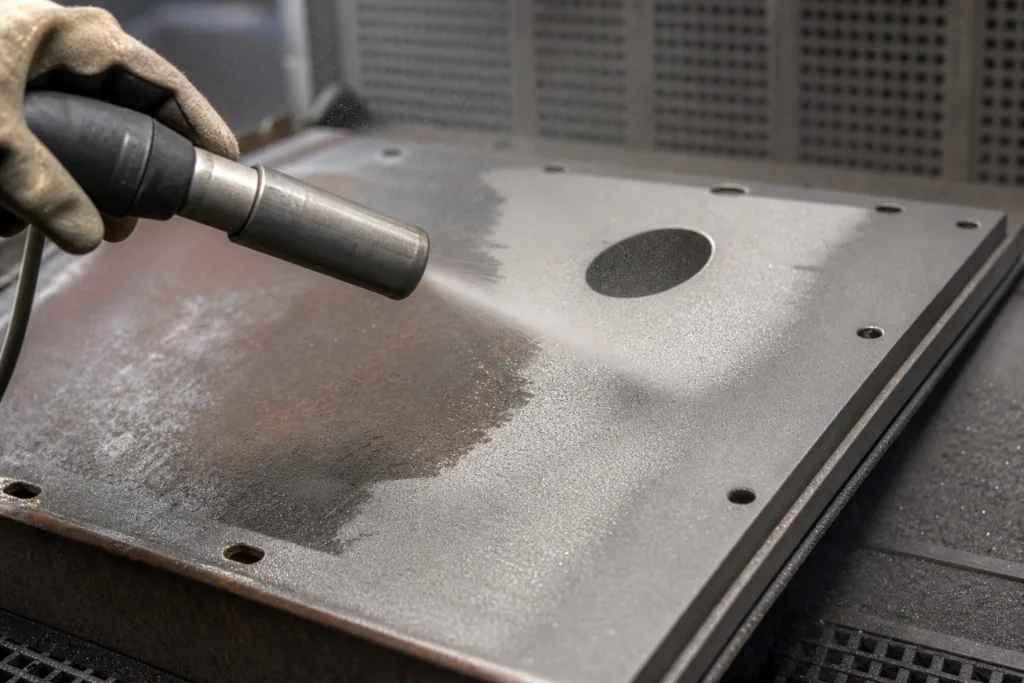
- Roughen metal surfaces (e.g., light sanding or grit blasting)
- Apply primer or surface conditioner if working with low-energy substrates like PE/PP
- Use temperature and humidity control for critical work
- Avoid contamination between mix and application
Review the best surface preparation techniques for strongest results.
Common Pitfalls in Epoxy Application (and How to Avoid Them)
- Incorrect ratio mixing for 2-part adhesives
- Trapped air bubbles or moisture in the bondline
- Poor-quality substrates or dirty surfaces
- Insufficient open/working time (pot life overruns)
- Overheating with 1-part systems, leading to thermal degradation
Careful planning and quality checks are non-negotiables for robust, durable adhesion.
When to Use 1-Part vs. 2-Part Epoxy: Application Case Studies
In 2026, production managers for automotive sensors often pick 1-part epoxies for PCB-to-housing seals because they cure quickly in automated heat ovens. In contrast, heavy equipment maintenance teams rely on 2-part epoxies for on-the-spot frame repairs, thanks to the adjustable pot life and ambient curing.
Industry Insights: ZDS Adhesive’s Real-World Experience
From an application engineering standpoint at ZDS Adhesive, an industrial adhesive manufacturer, careful selection between 1-part and 2-part systems boils down to key parameters: substrate metal type, thermal sensitivity, bond area, expected mechanical load, and available cure profile (oven, IR, room temperature). Real-world data shows that for terne-plated steel, a properly mixed 2-part system survives thermal cycling (–40°C to 120°C, 500 cycles) without cohesive failure—provided factory mix control remains within 3% by weight. Always validate with lap shear and chemical aging tests before scaling production.
Innovations and Future Trends in Epoxy Adhesive Technology
New hybrid epoxies blend 1-part convenience with dual-cure (heat + UV or visible light) activation. Smart meter-mix-dispense robots enhance quality in 2026, especially for high-precision markets. Meanwhile, low-temperature-curing 1-part systems open doors for new, heat-sensitive components.
Conclusion: Making the Right Choice for Mixing Ratios & Curing Profiles

Understanding the subtle but significant differences in mixing ratios and curing profiles of 1-part and 2-part epoxies is essential for reliable, high-performance bonding. Match the adhesive system to your process and part requirements—taking mixing precision, cure climate, substrate, and mechanical load into account. Thoughtful selection and process control minimize waste, improve productivity, and deliver predictable bond performance for years to come.
Frequently Asked Questions
When is a 1-part epoxy better than a 2-part epoxy?
Use a 1-part epoxy when you have controlled heating equipment and need speed and consistency in production, especially for automated assembly lines making electronic or automotive components.
What happens if I mix a 2-part epoxy at the wrong ratio?
Mixing at the wrong ratio causes weak curing, soft or brittle bonds, chemical resistance loss, and can compromise safety or product quality, especially for load-bearing joints.
How long do I have to use a mixed 2-part epoxy?
The working or pot life depends on the formulation—typically between 5 and 120 minutes. Always check the manufacturer’s datasheet for the exact open time at your working temperature.
Does curing temperature affect epoxy strength?
Yes, proper curing (whether heat or room temperature) is vital. Improper or insufficient curing can lower mechanical strength, reduce adhesion, and expose the bond to premature failure.
Which epoxy type is more resistant to chemicals?
Both types offer strong resistance to chemicals after full cure, but certain 2-part epoxies can be customized for higher chemical or temperature resistance based on application needs.
Can epoxies bond metals with oily or dirty surfaces?
No, surfaces must be cleaned and degreased first. For best adhesion, lightly abrade the surface and consider using a primer on challenging metals or low-energy substrates.
Related Reading
- Industrial Epoxy Adhesives: Real-World Strength & Longevity Explained
- Epoxy vs. Silicone vs. Polyurethane: A Manufacturer’s Comparison Guide
- How to Choose the Right Industrial Adhesive—Expert Steps & Mistakes to Avoid
- Top Causes of Industrial Adhesive Failures and Proven Fixes
- Comprehensive Guide to Industrial Adhesive Types, Uses & Selection in 2026