Understanding the Essentials: PUR Hot Melt vs. Epoxy Adhesives for Phone Back Cover Bonding
When it comes to PUR Hot Melt vs. Epoxy: Phone Back Cover Bonding Guide, decision-makers—from OEMs to repair technicians—face crucial choices that affect long-term device durability and process efficiency. This comprehensive guide demystifies the characteristics, strengths, and limitations of each adhesive type, provides actionable advice for selection, and delivers hands-on tips to help you create bonds that stand up to real-world demands.
What Are PUR Hot Melt Adhesives?

Polyurethane Reactive (PUR) hot melt adhesives are one-part, moisture-curing materials activated with heat. Widely used in electronics, these adhesives combine the quick assembly benefits of traditional hot melts with the durable, flexible bond characteristics typical of cured polyurethanes.
Key Features of PUR Hot Melt Adhesives
- Fast initial set (seconds to minutes)
- Reactive curing for stronger, long-term bonds
- Good flexibility and impact resistance
- Works well with plastics, especially low surface energy substrates
What Are Epoxy Adhesives?
Epoxy adhesives are generally two-part and cure via chemical reaction at room or elevated temperatures. In electronics assembly—and specifically phone back cover bonding—epoxy offers high strength, rigidity, and resistance to a broad range of environmental stresses.
Key Features of Epoxy Adhesives
- Exceptional mechanical strength and rigidity
- Excellent chemical and thermal resistance
- Can fill gaps and bond dissimilar materials
- Longer cure times—ranging from minutes (for 1-part) to hours (for most 2-part epoxies)
PUR Hot Melt vs. Epoxy: Phone Back Cover Bonding Guide
Choosing between PUR hot melt and epoxy adhesives for bonding phone back covers requires factoring in production goals, end-use performance, and substrate compatibility. Let’s compare them side by side:
| Property | PUR Hot Melt | Epoxy |
|---|---|---|
| Initial Handling Time | 30 sec – 2 min | 5 min – 8 hr (varies) |
| Full Cure Time | 24 hr (moisture cure) | 1–24 hr (temp/catalyst-dependent) |
| Bonding Strength | High (good for plastics) | Very high (excellent for most rigid plastics/metals) |
| Flexibility | Flexible after cure | Rigid or semi-rigid |
| Temperature Resistance | up to 120–140°C | up to 180–220°C |
| Moisture/Chemical Resistance | Good | Excellent |
| Ease of Use | Simple, 1-part, fast cycle | Mixing required, more complex |
| Reworkability | Moderate | Poor (strong, often permanent) |
For detailed background on industrial adhesives, see the adhesive solutions overview on the ZDS Adhesive website.
Performance Comparison in Phone Back Cover Assembly
Based on real-world manufacturing lines, the following differences emerge when PUR hot melt and epoxy adhesives are tested for phone back cover bonding:
Bond Line Thickness and Aesthetics
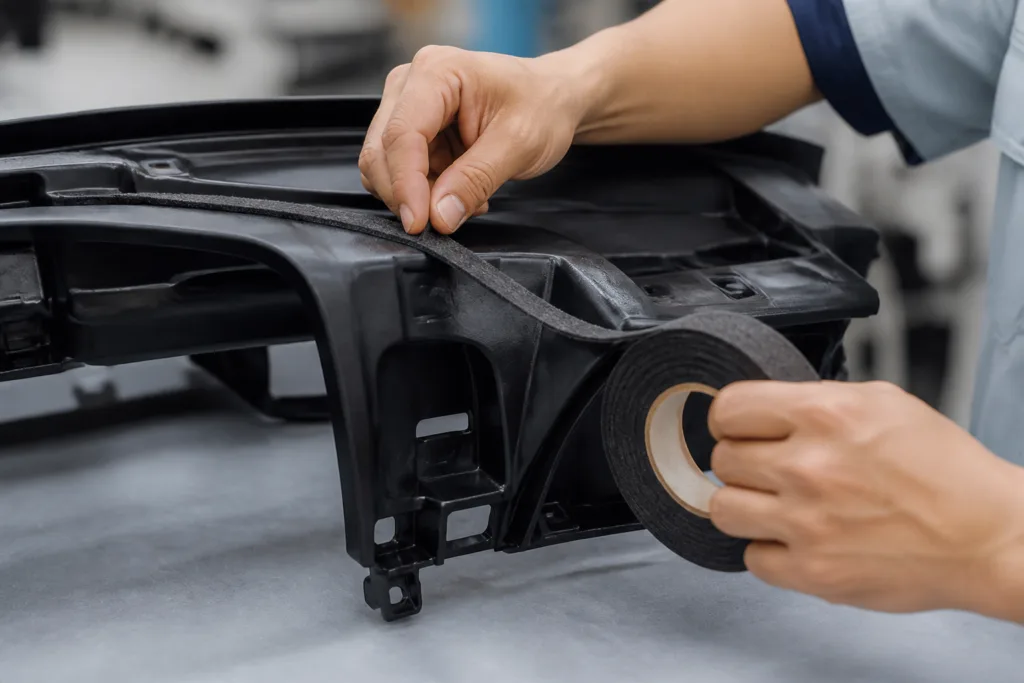
- PUR hot melt can be dispensed with minimal squeeze-out, offering a neater appearance for premium phones.
- Epoxies are more tolerant of gaps, but excessive application can show through clear/colored back covers.
Thermal and Drop Resistance
- PUR hot melt absorbs impact thanks to its flexibility, which helps phone covers survive minor falls.
- Epoxies outperform PUR under high-heat or high-stress conditions but are more prone to cracking if the device flexes.
Speed of Assembly
- PUR hot melt wins for high-volume lines thanks to its rapid handling strength, reducing fixturing time.
- Epoxies require longer curing or heat ovens—slowing throughput for large batches.
For more on mixing and curing profiles for epoxies, check the epoxy mixing/curing guide.
Material Compatibility: Plastics Used in Phone Back Covers
Today’s smartphones often use polycarbonate (PC), acrylic (PMMA), or glass-filled polymers for their back covers. PUR hot melts bond extremely well to these plastics—even to lower surface energy options without extensive surface prep. Epoxies, on the other hand, may need surface treatment (sanding, corona or plasma) to ensure reliable strength.
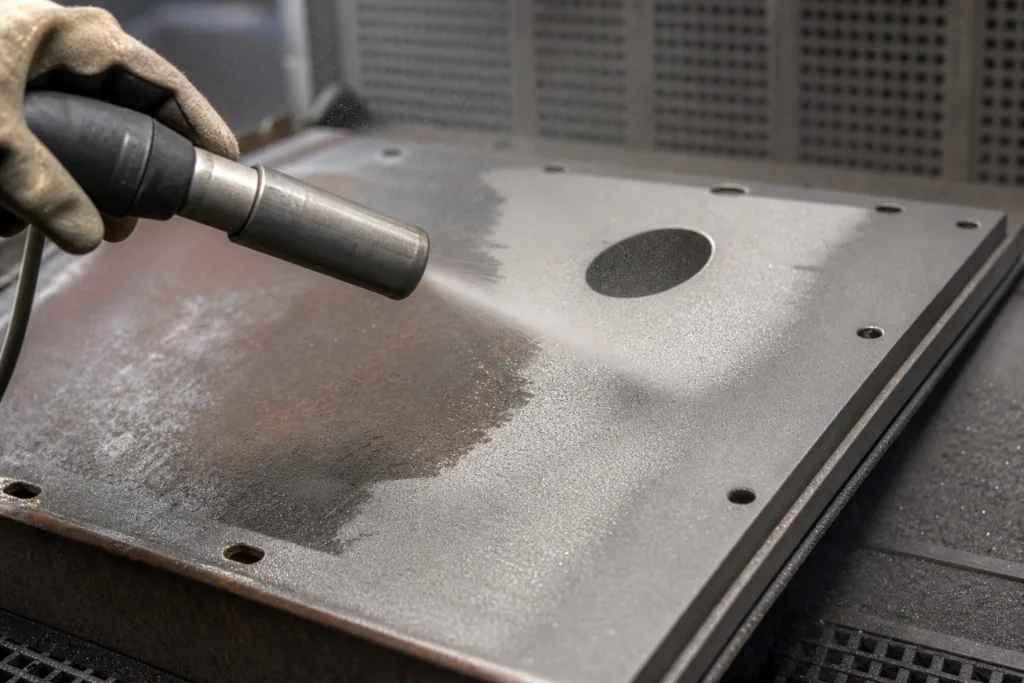
Surface Preparation Tips
- Wipe with isopropanol to remove mold release agents.
- Light scuffing increases adhesive grip for both adhesive types.
- Plasma/UV surface treatment increases surface energy for ABS/PP substrates.
Deeper tips are explored at surface preparation techniques.
Practical Application: Step-by-Step Guidelines
For PUR Hot Melt
- Heat adhesive to specified temperature (typically 130–160°C).
- Dispense using a precise nozzle around the cover’s mating area.
- Position the cover within open time (usually under 2 minutes).
- Apply uniform pressure until handling strength is achieved (often 1–2 minutes).
- Let device rest for full cure (24 hours) before exposure to high stresses.
For Epoxy Adhesives
- Mix resin and hardener thoroughly in the correct ratio (follow TDS).
- Apply evenly to one or both surfaces with minimal excess.
- Fixturing is essential—clamp for the duration of open time (5–60 minutes based on formulation).
- Full cure might require several hours or elevated temperature (per the product data sheet).
- Avoid movement or vibration during cure for best bond integrity.
Advantages and Disadvantages at a Glance
| Adhesive Type | Advantages | Disadvantages |
|---|---|---|
| PUR Hot Melt |
|
|
| Epoxy |
|
|
When to Choose PUR Hot Melt for Phone Assembly?
PUR hot melt is preferred when:
- The production line demands speed and minimal fixturing.
- Device use cases require moderate temperature and high impact resistance.
- Most substrate combinations are plastic-plastic or plastic-metal, especially with challenging low-energy surfaces.
When to Choose Epoxy for Phone Back Cover Bonding?
Epoxies excel when:

- Ultimate bond strength and heat resistance are top priorities.
- Plastic-glass or plastic-metal combinations are common.
- The device will be exposed to chemical cleaners, UV, or significant flexural loads.
Common Pitfalls and How to Avoid Them
Failures in phone back cover bonding often stem from improper surface prep, incorrect adhesive selection, or deviations from recommended cure profiles. Always review product technical data sheets and adapt for your assembly process variables such as temperature, humidity, and mating gap. Engage in small-scale process trials before rollout to identify unexpected weaknesses.
Industry Advice: Insights from ZDS Adhesive
From an assembly-line viewpoint at ZDS Adhesive, an industrial adhesive manufacturer, “material selection for phone back cover assembly should begin with a checklist: substrate type (PC, PMMA, glass), end-use temperature, time-to-bond required, and rework policy. For high-throughput plastics, PUR hot melt leads on cycle time; for mixed materials or performance niches, epoxies are the safer bet. Surface preparation quality sets the stage for consistent results.”
Environmental and Safety Considerations
PUR hot melts offer lower VOC emissions and simplified waste management versus many fast-setting epoxies. However, both types should be used in well-ventilated areas, with personal protective equipment such as gloves and safety glasses. Storing adhesives within recommended temperature ranges is essential to maintain performance and shelf-life.
Future Trends in Phone Back Cover Bonding Adhesives
Recent years have seen a shift toward hybrid hot melts and fast-cure epoxies that combine speed and strength for demanding consumer electronics. Expect further innovations in UV-initiated PUR systems and snap-cure epoxies, expanding design flexibility for tomorrow’s smartphone designers.
Conclusion

In summary, both PUR hot melt and epoxy adhesives offer distinct advantages for phone back cover bonding. Selection hinges on the underlying substrates, speed requirements, and the eventual use environment of the device. Proactive surface preparation, adherence to process parameters, and fitting the adhesive’s strengths to project needs are core to preventing failures and ensuring consistent, robust assemblies. By understanding each adhesive’s properties—and integrating practical, process-driven decision rules—manufacturers can deliver durable, high-quality phones to the market.
Frequently Asked Questions
Is PUR hot melt safe for sensitive phone electronics?
Yes, when properly applied and cured, PUR hot melt does not outgas materials harmful to electronics. Avoid excess adhesive near circuit paths.
Which adhesive is more resistant to dropping the phone?
PUR hot melt tends to absorb energy better, minimizing fracture risk in minor drops, while epoxy excels in rigid, high-strength applications.
How important is surface preparation before bonding?
Surface preparation is critical for both adhesive types. Cleaning and light abrasion ensure maximum adhesive contact and reduce failure risk.
Can PUR hot melt or epoxy be removed for repairs?
PUR hot melt is easier to remove with localized heat. Epoxy bonds are often permanent and require significant effort to break without damaging parts.
What is typical open time for PUR hot melt in phone assembly?
PUR hot melt offers an open time of 30 seconds to 2 minutes, allowing flexible, rapid assembly prior to initial cure set.
Are there alternatives to PUR hot melt and epoxy for this application?
Yes, high-performance silicone or acrylic structural adhesives are sometimes used, particularly for flexible or transparent components.
Related Reading
- Compare Industrial Epoxy, Silicone & Polyurethane for Modern Electronics
- How Strong Are UV Adhesives Compared to Epoxy? Debunking Myths in Electronics Bonding
- Best UV Glue for Plastic: Top Picks for Electronic Components
- Master 1-Part vs 2-Part Epoxy: Mixing Ratios & Curing Profiles Made Simple
- Boost Phone Assembly Quality with Expert Surface Preparation for Adhesives