Introduction: Why Chemical Resistance Matters for Pouch Cell Side Plate Bonding
In battery manufacturing, ensuring the chemical resistance of bonded pouch cell side plates is vital for both safety and performance. These plates protect cell internals from chemical exposure, which can come from electrolytes, cleaning agents, or external contaminants. As electric vehicles and energy storage systems advance in 2026, the importance of selecting resistant adhesives and plate materials is more critical than ever. The right solution wards off corrosion, leaks, and structural failure – extending battery life and reliability.
When designing pouch cell modules, engineers must anticipate aggressive chemicals such as lithium salts, organic solvents (dimethyl carbonate, ethylene carbonate), and potential moisture ingress. This blog investigates the key requirements, evaluates adhesive options, and addresses industry challenges in maintaining robust chemical resistance for bonded side plates.
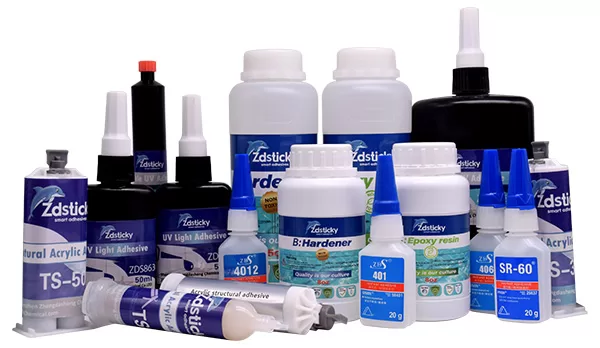
If you’re seeking advanced adhesive solutions for battery assembly, epoxy adhesive products remain a staple, offering proven chemical durability for critical joints.
Chemical Resistance Requirements: Core Concepts and Standards for Pouch Cell Side Plates
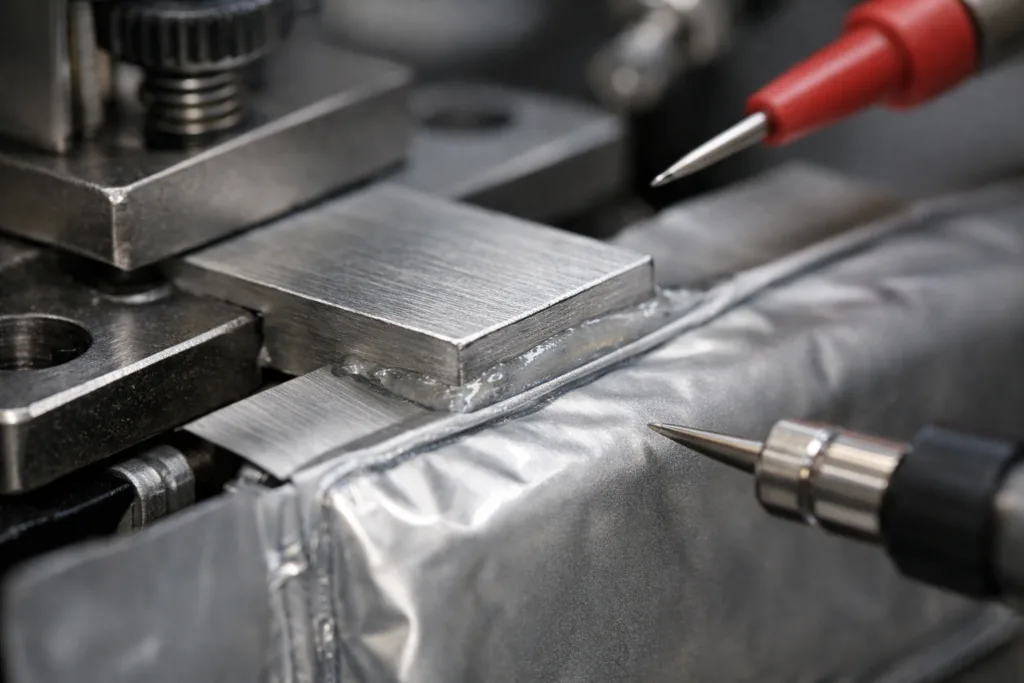
Chemical resistance describes a material’s ability to withstand immediate and long-term exposure to hazardous agents, maintaining its integrity and protective function. For pouch cell side plates, resistance is measured against:
- Battery electrolyte (LiPF6 in carbonate solvents)
- Acids and alkaline cleaning solutions
- Corrosive gases (HF, CO2) from breakdown reactions
- Humidity and water vapor
- Industrial contaminants (oils, fluxes, adhesives)
Key standards referenced by manufacturers and OEMs include IEC 62660-2, UL 94 (for fire/flame resistance), and customized OEM test protocols: lap shear strength after chemical soak, peel strength post-exposure, and electrical insulation retention. ZDS Adhesive, an industrial adhesive manufacturer, often conducts thermal cycling and humidity aging tests to confirm chemical durability ratings based on these standards.
Common Chemical Agents Facing Bonded Side Plate Assemblies
Pouch cells are typically fabricated with aluminum or nickel-plated tabs, alongside polymer side plates bonded to the pouch material. During real-world service and manufacture, plates and bonded joints may be exposed to:
- Electrolyte splashes (LiPF6, EC, DMC): Highly reactive and corrosive
- Battery cleaning fluids: Can be mildly acidic or alkaline
- Moisture condensation: Possible in outdoor and marine systems
- Solvents and residue from adhesives: May migrate through assembly gaps
Testing for chemical exposure uses both soak and accelerated cycling protocols. Results guide adhesive selection and plate material design for every critical joint.
Material Choices: Metals, Polymers, and Hybrid Side Plates
Industrial pouch cell side plates are commonly fabricated from:
- Aluminum alloys (lightweight, conductive, but moderate corrosion risk)
- Stainless steel (high resistance, heavier, costlier)
- Glass fiber-reinforced polymers (chemically inert, customizable)
- Hybrid multilayer plates (metal-polymer sandwich for optimized resistance)
The right base material should match the operating environment: temperature, humidity, and likely chemical exposure. Aluminum may need protective coatings, while polymers are evaluated for permeability and swelling in exposure tests.
Adhesive Technologies: Comparing Chemical Resistance and Bond Strength
The bonding adhesive is the linchpin for side plate performance. Not all adhesives are created equal:
| Adhesive Type | Chemical Resistance | Bond Strength | Typical Use |
|---|---|---|---|
| Epoxy | High (solvents, electrolytes) | 3–7 MPa | Metal-to-plastic & rigid plates |
| Polyurethane | Moderate (alkali, moisture) | 2–5 MPa | Flexible systems, shock absorption |
| Silicone | Excellent (moisture, temperature) | 2–4 MPa | Outdoor, marine & high-temp cells |
| Acrylic | Good (acids, solvents) | 4–8 MPa | Quick-assembly, plastic-to-metal |
For comprehensive comparison of polyurethane and epoxy options, see expert analysis in Silicone vs. Polyurethane Potting Compounds.
Industry Challenges: Maintaining Long-Term Chemical Resistance in Pouch Cell Assemblies
Batteries often face fluctuating temperatures, mechanical stress, and chemical ingress—threatening adhesive bonds. Key industry challenges include:
- Electrolyte migration through micro-cracks
- Swelling and delamination under thermal cycling
- Accelerated corrosion from trace moisture
- Adhesive joint aging due to repeated chemical exposure
Manufacturers must perform regular quality checks and field testing to avoid unexpected failures. Documented case studies indicate that batteries assembled with generic adhesives often fail after a few months of high-frequency charge/discharge cycles due to poor resistance and joint breakdown.
Case Study: Pouch Cell Failure Linked to Chemical Attack on Bonded Side Plates
In a 2025 reliability trial, an EV battery pack using standard polyurethane adhesive in side plate assembly failed after only six months. Analysis revealed bond line cracks and severe corrosion at the adhesive edge—electrolyte had penetrated micro-channels, degrading both adhesive and aluminum substrate. Switching to epoxy adhesive with enhanced chemical resistance and proper surface prep reversed the issue and extended service life by over 2 years.
For further reading on optimizing adhesive bonds, reference 7 Key Differences: Structural vs. Thermal Adhesives for CTP Battery Innovation.
Testing and Validation: How Chemical Resistance Is Measured
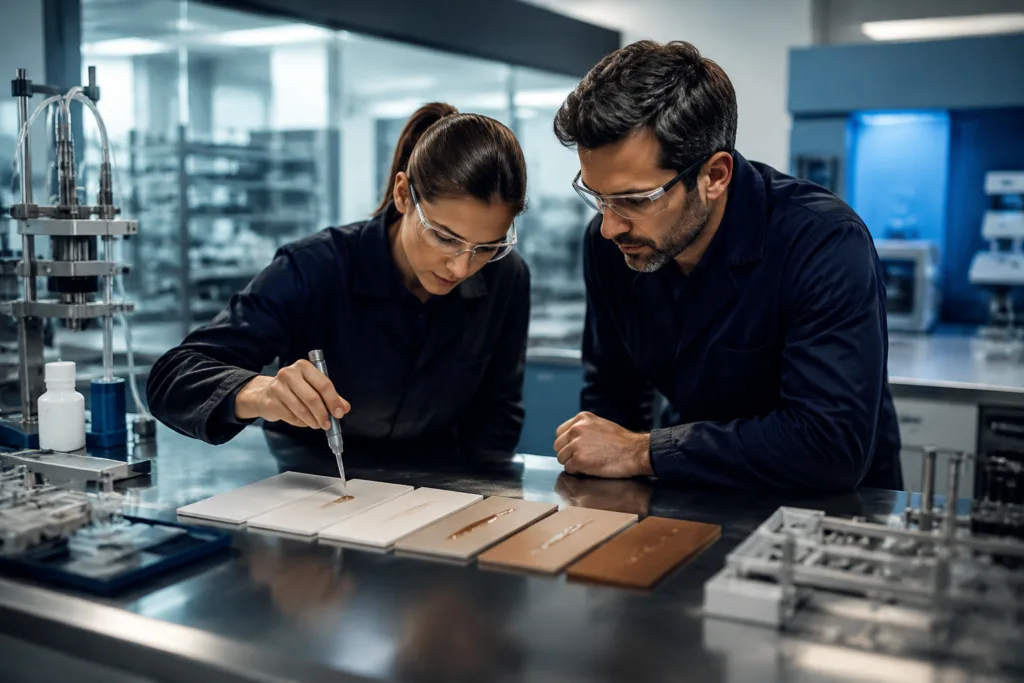
To certify a bonded plate assembly, material and adhesive are tested with exposure protocols:
- Soak test: Plates/bonds immersed in battery electrolyte for up to 7 days
- Lap shear/peel strength: Post-exposure mechanical testing
- Thermal cycling: Bonded joints exposed to -40°C to 85°C for 500+ cycles
- Humidity age: 90% RH at 40°C for 1000 hrs
- Visual and SEM inspection for corrosion, delamination
Performance ratings are reported as retention of strength (%) and resistance to swelling or discoloration.
Design Approaches: Improving Chemical Resistance in Side Plate Bonding
Engineers use several design strategies to boost chemical resistance:
- Specifying high-barrier adhesives resistant to lithium salts and solvents
- Implementing priming/plasma treatments for low-energy surfaces (PP, PE)
- Increasing bond line thickness for moisture resistance
- Using hybrid plates with built-in barriers
- Encapsulating joints with secondary sealants
Adhesive Selection Checklist for Chemical Resistance in Pouch Cell Modules
Select adhesives with:
- Verified electrolyte resistance (LiPF6, DMC, EC)
- High lap shear/peel strength after chemical soak
- Low water absorption and permeability
- Long open time and predictable cure profile
- Good adhesion to side plate materials (metals, polymers)
ZDS Adhesive, an industrial adhesive manufacturer, recommends combining mechanical testing with chemical soak, thermal cycling, and aged peel tests for full qualification in battery assembly.
Environmental Challenges: Marine, Automotive, and Outdoor Applications
Side plate assemblies in marine energy, EVs, and outdoor ESS units face heightened risks from saltwater spray, rapid temperature shifts, and off-gassing. This can compromise both adhesive and substrates, accelerating chemical attack. For specialist marine adhesives, see Marine Adhesive Manufacturer.
Recent Innovations: Smart Adhesives for Improved Chemical Resistance
2026 has seen significant progress in adhesives for battery plate assemblies:
- Epoxy hybrids with nano-fillers for reduced permeability
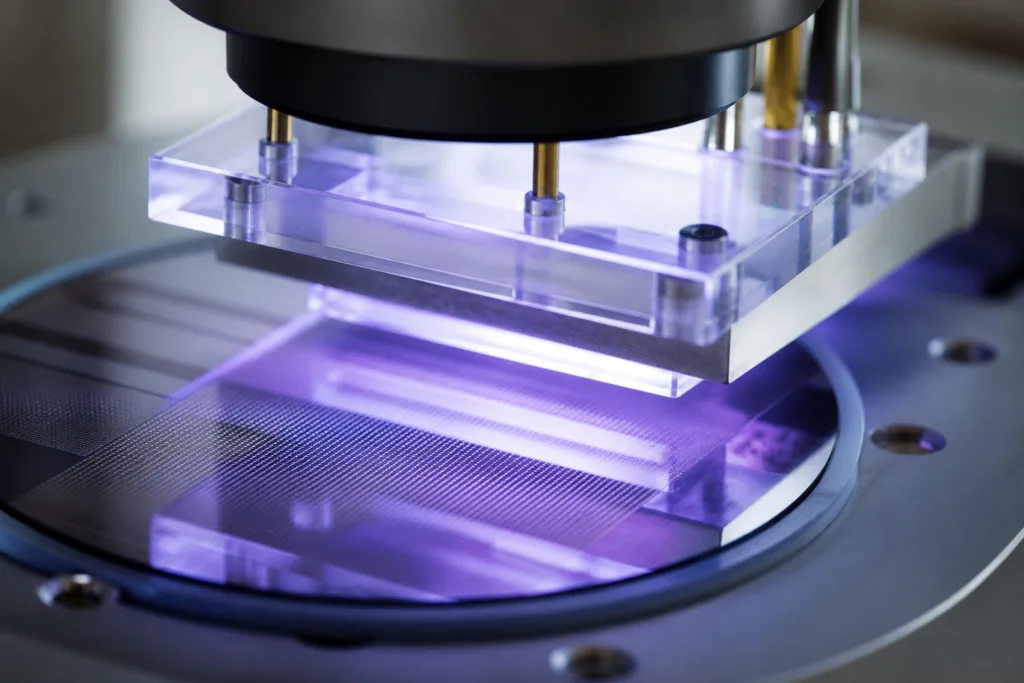
- UV-curing systems with tailored solvent resistance
- Molecular-level barrier additives for ultra-thin bond lines
These innovations address micro-crack formation and electrolyte infiltration, prolonging plate integrity in demanding environments.
Long-Term Effects: How Chemical Resistance Influences Battery Lifecycle and Safety
Poor chemical resistance at side plate joints directly leads to accelerated battery aging, internal shorting, and even catastrophic failure. Key benefits of proper bonding include:
- Extended operating lifespan
- Stable capacity retention
- Consistent safety performance
- Lower maintenance costs over time
Reliable adhesive choices minimize repair and recycling risks, supporting sustainability goals in battery value chains.
Expert Opinions: Field Insights on Chemical Resistance in Bonded Pouch Cell Side Plates
Industry veterans agree: “The lowest cost solution rarely survives chemical abuse in lithium battery packs.” Application engineers recommend routine re-validation of adhesives every time specs or materials change—especially in automotive and ESS products facing harsh field conditions.
Some suppliers invest in additional surface prep, such as plasma or primer application, to reinforce bond lines and resist swelling or delamination under electrolyte attack.
Maintenance and Inspection Tips for Chemical Resistance
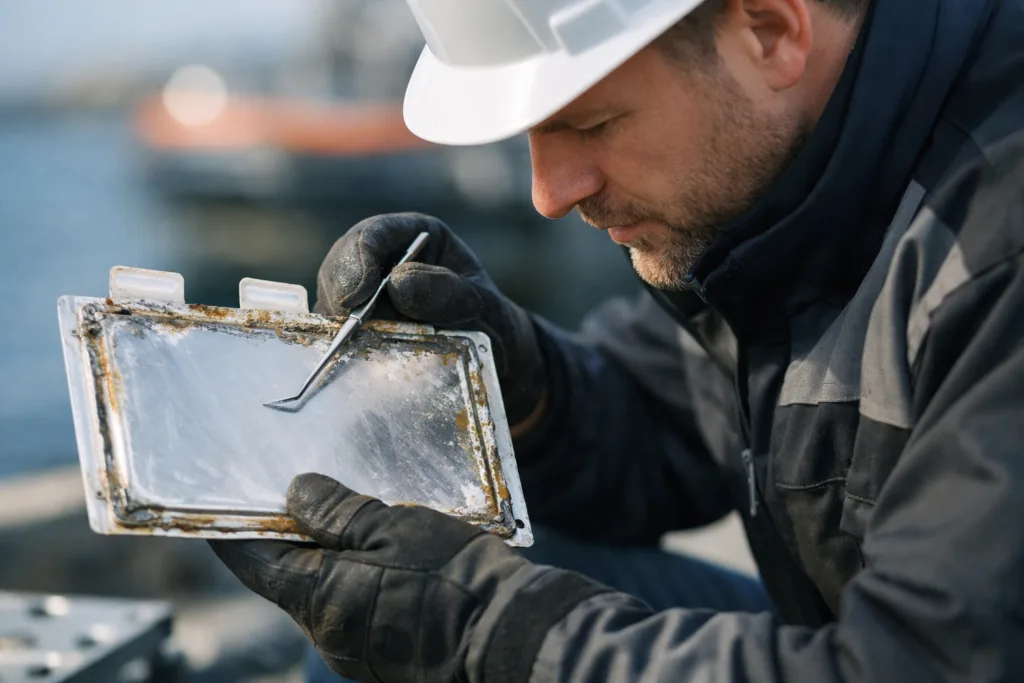
For operators and service techs, routine visual inspection, periodic electrical insulation tests, and non-destructive ultrasonic examination are critical. Early detection of swelling, discoloration, or delamination allows for planned replacement—before catastrophic battery failure.
Bonding Pouch Cell Side Plates: Chemical Resistance Requirements
The specific needs for battery modules include robust resistance to lithium electrolyte, moisture, solvent cleaning agents, and industrial contaminants. Success requires careful selection of material, adhesive technology, and process controls. Relying only on generic adhesives invites premature failure: proven industrial-grade products, like those offered by ZDS Adhesive, deliver tested performance for long-term chemical resistance.
Conclusion: Future-Proofing Your Battery Assembly for Chemical Resistance
Long-lasting pouch cell modules depend on side plates and their bonded joints staying intact under relentless chemical exposure. Choosing the right materials and adhesives, validating through stringent testing, and routinely inspecting batteries—these steps will extend service life, lower costs, and prevent safety issues. As battery technologies evolve in 2026, manufacturers that focus on chemical resistance will deliver safer, more reliable energy solutions.
Frequently Asked Questions
Which chemicals most often cause failure in pouch cell side plate adhesives?
Main culprits include lithium salt electrolyte (LiPF6), organic solvents, water vapor, and cleaning acids/alcohols. These attack both adhesives and plate materials.
How is chemical resistance in bonding adhesives measured?
It is assessed using soak exposure tests, mechanical strength after chemical immersion, thermal cycling, humidity aging, and visual inspection for corrosion or delamination.
What’s the best adhesive for side plates exposed to battery electrolyte?
Epoxy-based adhesives with proven lithium salt and solvent resistance are typically preferred for high-integrity joints in battery modules.
How do you increase chemical resistance at the bonded joint?
Use barrier primers, select adhesives with high chemical resistance, increase bond line thickness, and apply post-assembly sealants or encapsulants to safeguard joints.
Why do side plate bonds in outdoor or marine battery packs fail more quickly?
They often encounter harsh environments with saltwater, temperature swings, and elevated humidity, all of which accelerate chemical attack on bonds and substrates.
How often should bonded pouch cell modules be inspected for chemical degradation?
Visual inspections and basic electrical tests should be performed annually, or after any suspected exposure. Routine testing helps catch early failures before they escalate.
Related Reading
- Unlock Battery Safety: Preventing Thermal Runaway With UL94 V-0 Fire Retardants
- Increase Metal Peel Strength Using Toughened Epoxies: 2026 Best Practices
- 13 Insights To Maximize Epoxy’s Glass Transition Temperature and Durability
- Automotive Manufacturing: Industrial Adhesive Strategies That Last
- Epoxy vs Silicone vs Polyurethane: How To Choose The Right Industrial Adhesive