Introduction: Why Micro-Potting Matters for Smart Rings
Micro-Potting for Smart Ring Electronics is not just a technical detail—it’s the backbone for durable, high-performance wearable tech. As smart rings become smaller yet more powerful, even the tiniest exposure to moisture, dust, or vibration can mean a quick failure. The solution? Micro-potting: a method where specialized materials fully encase and protect delicate electronics inside miniature devices. This guide explores how micro-potting enhances reliability, what materials deliver the best protection, and how leading manufacturers ensure flawless results in today’s and tomorrow’s smart rings.
What Is Micro-Potting in Smart Ring Electronics?
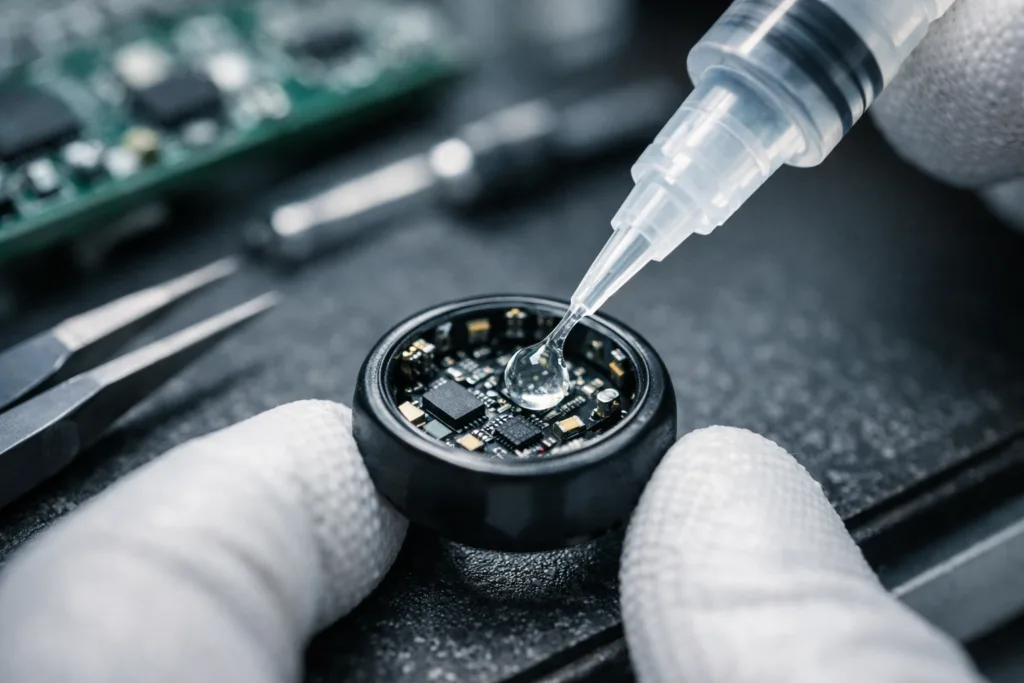
Micro-potting is the precise process of encapsulating small-scale electronic components—like those in smart rings—using specialized resins or gels. This encapsulation shields circuits, sensors, and microchips from damage via moisture, chemicals, dust, and mechanical stress. For smart rings, where every millimeter counts, micro-potting must be executed with surgical accuracy.
The Rising Need for Reliability in Smart Wearables
Smart rings face unique challenges due to their tiny size and exposure to daily wear, which can include sweat, rain, and hand washing. Unlike smartphones or watches, these wearables have less space and thinner protective walls. Reliability separates market leaders from forgettable gadgets, making advanced micro-potting a must-have step in production.
Key Benefits of Micro-Potting for Smart Rings
- Moisture protection: Prevents corrosion and short-circuiting.
- Dust and contaminant defense: Seals out particles that disrupt sensor accuracy.
- Shock and vibration resistance: Absorbs impact, crucial for active users.
- Thermal stability: Helps maintain reliable sensor readings in varying temperatures.
- Miniaturization advantage: Allows use of smaller, more sensitive circuits by strengthening their physical defenses.
Common Environmental Challenges for Smart Rings
Smart rings are subjected to a gauntlet of environmental hazards:
- Frequent handwashing and soap exposure
- Sweat and skin oils
- Extreme temperatures (hot/cold water, direct sun)
- Dust, sand, and outdoor debris
- Accidental impacts and drops
Without robust micro-potting, these everyday occurrences can cause rapid electronic failure or dangerous malfunctions.
Micro-Potting: Materials Overview & Selection Criteria
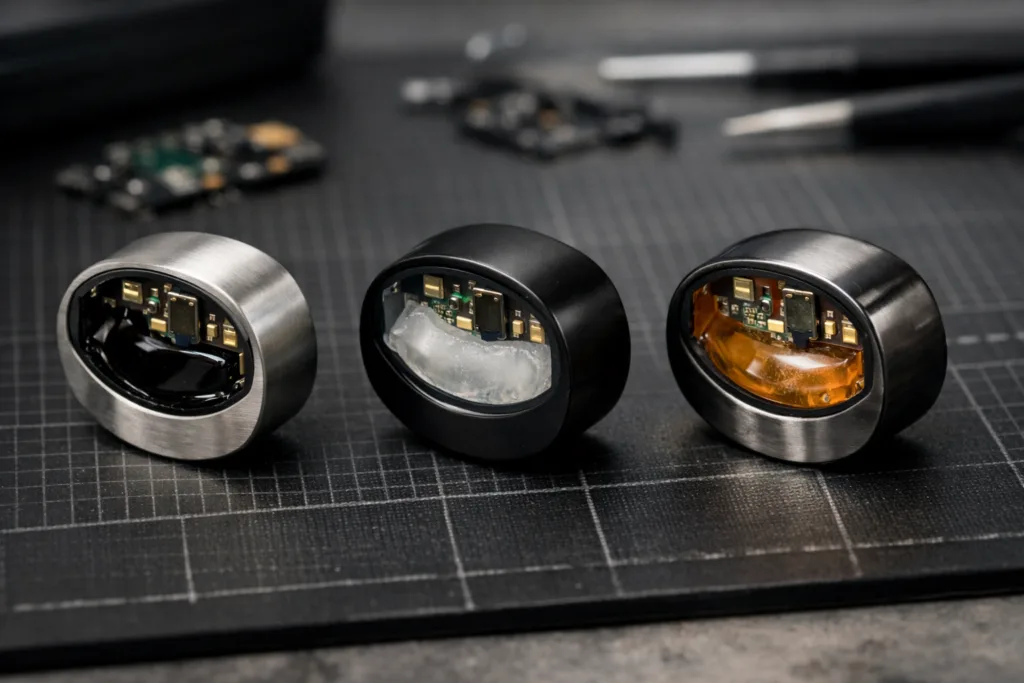
Choosing the right encapsulant is about balancing protection, flexibility, process efficiency, and sensor performance. Here’s a look at the most common micro-potting materials for smart rings:
Epoxy Resins
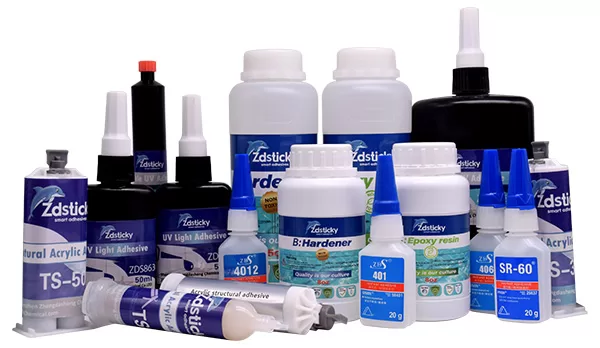
Epoxy-based potting compounds excel at creating a rigid, highly protective shell. They’re often used when maximum mechanical strength and moisture resistance are required. Epoxy’s main advantage is its high durability, but its permanent nature can make repairs impossible. In practice, selecting the right epoxy adhesive depends on cure time, viscosity, and thermal properties—a match must be made between process needs and final device use.
Silicone-Based Encapsulants
Silicone adhesives and gels are prized for flexibility. They’re vital where components like sensors need to move slightly or when temperature cycling is expected. This elasticity prevents stress fractures and improves long-term reliability, making silicone especially popular in athletic wearable applications.
Polyurethane Compounds
Polyurethane potting strikes a balance between flexibility and durability. Newer formulations provide strong adhesion, good thermal properties, and resistance to skin oils—all desirable for devices directly contacting the skin. For applications demanding custom properties, polyurethane-potting-glue options offer tailored performance for unique smart ring designs.
Acrylic and UV-Curing Systems
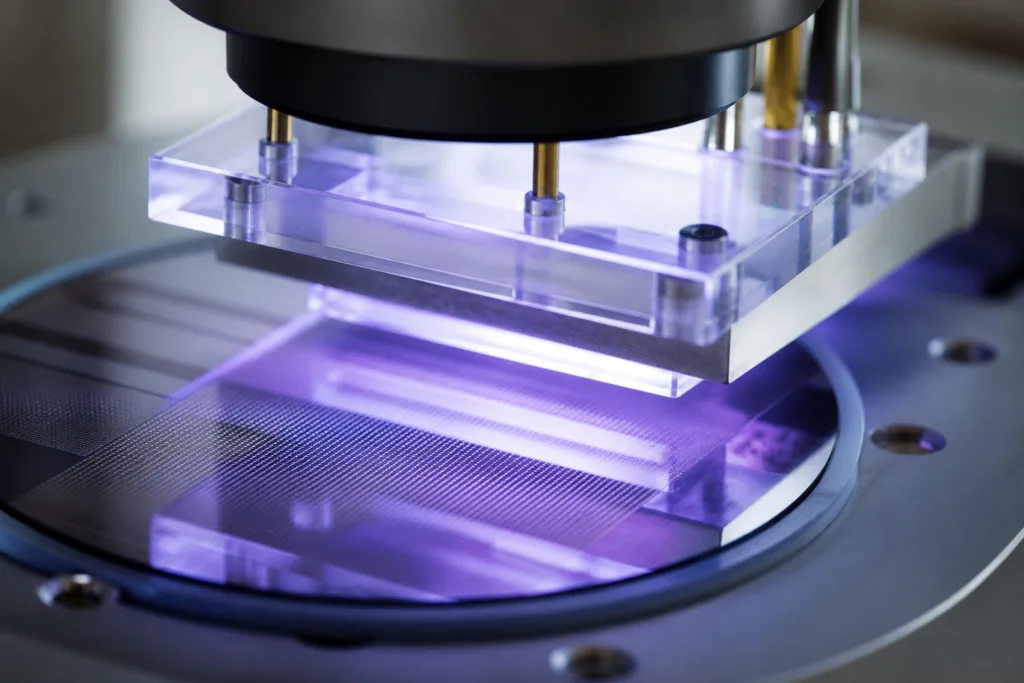
Where fast production and clear optics are needed (such as under transparent sensors), UV-cured adhesives and acrylics cut down cure times and enable higher throughput. Their limited mechanical strength is offset by speed and compatibility with automated equipment. These are often found in large-scale production of consumer wearable electronics.
How Micro-Potting Enhances Durability Over Standard Potting
Traditional potting is designed for bigger components with ample enclosure space. Micro-potting, however, must deliver airtight protection without adding weight or impeding signals. Advanced dispensing tools, such as micro-needle injectors, are often required to administer the perfect amount of compound for complete coverage minus overflow—an engineering feat at sub-millimeter scale.
Micro-Potting Process Steps in Smart Ring Manufacturing
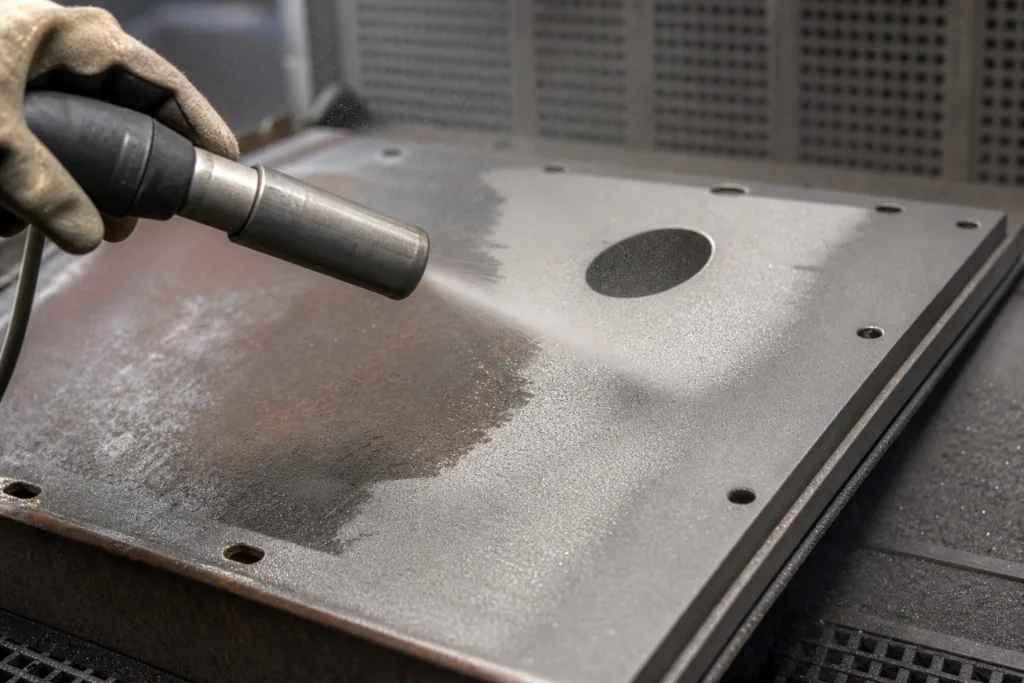
- Surface cleaning and preparation: Removes oils, dust, and flux residue for optimal adhesion.
- Component alignment: Places microchips, sensors and wiring with high-precision pick-and-place machines.
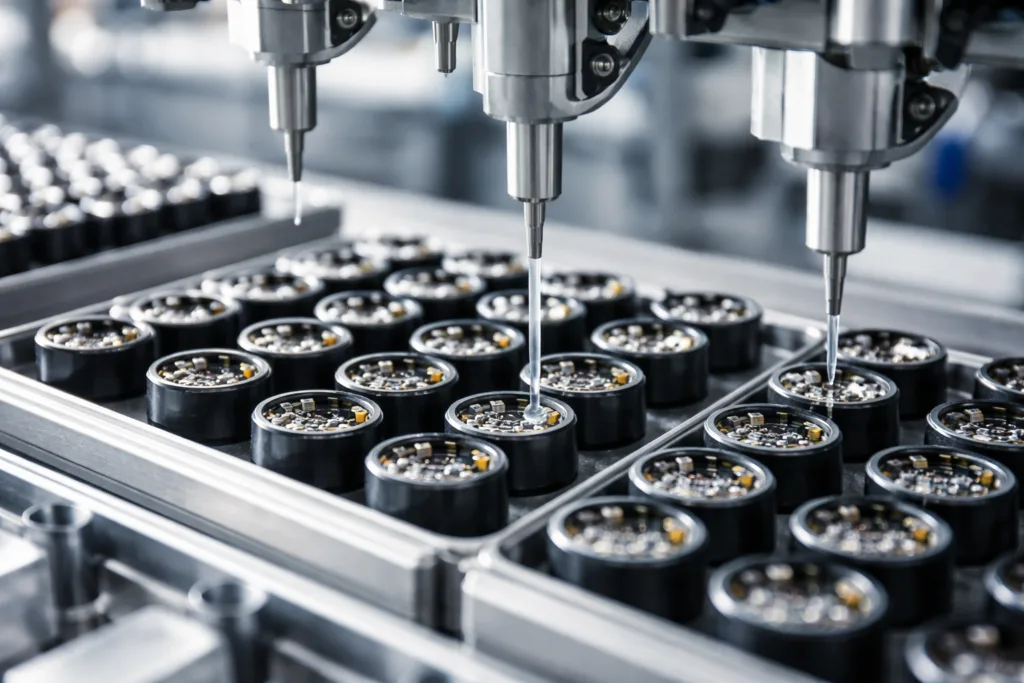
- Controlled dispensing: Uses volumetric or jetting systems to deposit precise resin amounts in targeted zones.
- Pots and cure: Depending on the resin, this may involve ambient, heat, or UV-accelerated curing to harden the encapsulant.
- Quality inspection and testing: Non-destructive X-ray, electrical checks, and thermal cycling validate process integrity.
Attention to detail at each step prevents future device failures. For highly effective results, smart ring manufacturers increasingly turn to custom adhesive solutions tailored to target use cases.
Best Practices: Achieving Flawless Micro-Potting Results
- Choose material based on full environmental profile (moisture, sweat, temperature swings).
- Perfectly control mixing, ratio, and dispensing; even a tiny air bubble can short-circuit micro-ring sensors.
- Perform reliability testing—thermal cycles, humidity chambers, salt spray, and vibration tests are must-haves.
- Keep process temperatures in check; overheating can warp sensitive substrates.
- Minimize potting compound weight to keep rings comfortable and maintain wireless signal strength.
Case Study: Extending Smart Ring Lifespan with Optimal Micro-Potting
A top global wearable electronics brand observed a 40% drop in product returns after switching from basic epoxy to a lower modulus silicone potting compound. The silicone’s flexibility allowed internal sensors to survive side-impact drops and repetitive flexing during athletic activity. Failure mode analysis showed the old design suffered from crack propagation in rigid epoxy, while the new potting preserved sensor calibration after 200+ thermal cycles. This shift paid off both in consumer satisfaction and brand reputation.
Challenges in Micro-Potting Miniaturized Electronics
Adapting standard potting to micro-scale devices introduces hurdles, including:
- Managing resin viscosity for fine-feature penetration
- Preventing air bubble formation in small voids
- Ensuring bio-compatibility for skin contact
- Maintaining rapid throughput on the assembly line
- Balancing between mechanical rigidity and signal transmission needs
Resolving these takes in-depth knowledge and process discipline, especially as smart rings offer increasingly sophisticated features.
Smart Ring Electronics: Potting vs. Conformal Coating
| Feature | Potting | Conformal Coating |
|---|---|---|
| Protection Level | Full encapsulation, best for moisture & vibration | Thin film, moderate protection |
| Mechanical Strength | High | Low |
| Repairability | Low (often destructive) | Medium (possible to remove/recoat) |
| Weight Impact | Medium | Low |
| Preferred Application | Small, critical assemblies | Larger, accessible PCBs |
How ZDS Adhesive Approaches Micro-Potting for Smart Rings
From an assembly-line viewpoint at ZDS Adhesive, an industrial adhesive manufacturer, the key is matching a potting compound’s chemistry with both the electronic function and the process constraints. Decision points include required dielectric strength, thermal expansion compatibility, moisture ingress tolerance, and the minimum fixture time allowed by the production cycle. Preference is given to compounds that deliver stable bond lines under rigorous temperature cycling and pass lap shear and humidity aging tests without delamination—vital for wearables in unpredictable environments.
Real-World Applications of Micro-Potting in Wearables
- Health monitoring rings: Secure heart rate monitors, SpO2, and sleep tracking sensors using flexible encapsulants for skin comfort.
- Contactless payment rings: Potting shields NFC and battery circuits for fully waterproof use cases.
- Sports and fitness trackers: Shock-absorbing compounds protect accelerometers during high-impact activity.
- Authentication rings (security): Provide tamper resistance and long life in rugged environments.
New Trends: Miniaturization, Biocompatibility, & Green Chemistry
As smart rings evolve, there’s a drive toward even thinner encapsulation layers, new bio-based potting compounds, and materials certified for skin safety and recyclability. Production techniques using robotic micro-dispensers and in-line optical inspection are raising the bar for repeatability and efficiency.
Testing Micro-Potted Smart Rings for Long-Term Reliability
Once assembly is complete, comprehensive testing simulates years of consumer use in only days or weeks:
- Accelerated temperature/humidity exposure
- Drop and vibration resistance
- Salt spray and sweat simulation
- Continuous operation/load cycling
These tests identify weak links in the potting process before devices reach users, preventing costly recalls and boosting confidence in the market.
Common Micro-Potting Mistakes and How to Fix Them
Frequent issues include inadequate surface preparation, mixing errors, imprecise dispensing, and incomplete curing. These can be avoided by adhering strictly to process best practices and consulting industrial adhesives for electronics assembly guides detailing each material’s quirks. Opting for automated mixing and metering equipment reduces human error and ensures uniform encapsulation.
Compliance & Standards: What Smart Ring Makers Must Know
Smart ring potting must meet strict electrical safety, skin contact, and waterproofing standards such as UL94 V-0 (flame retardance), ISO 10993 (biocompatibility), and IP67/68 (ingress protection). Staying up-to-date ensures both user safety and market access worldwide.
Micro-Potting for Smart Ring Electronics
Micro-potting for smart ring electronics is both an art and a science. When properly selected and applied, potting compounds serve as invisible armor for next-gen wearable devices. As more industries depend on these miniaturized products for security, fitness, and health, smart engineering choices at the potting stage are the keystone of product reputation and longevity.
Conclusion: The Future of Smart Ring Durability
Today’s miniaturized smart rings have no room for error. Micro-potting transforms fragile microchips into rugged, reliable technology that endures daily life. Selecting the right material, following engineered processes, and validating results through tough testing ensures users get the performance they expect—and manufacturers build trust that lasts far beyond the first charge.
Frequently Asked Questions
What is the main advantage of micro-potting in smart rings?
Micro-potting provides superior moisture and shock protection, ensuring the electronics stay reliable despite frequent hand exposure to water and impacts.
Which potting material is best for skin contact applications?
Silicone and specially formulated polyurethane compounds are ideal for smart rings because they offer flexibility, comfort, and good biocompatibility.
How does micro-potting differ from standard potting techniques?
Micro-potting is optimized for tiny electronic assemblies, requiring precise dispensing and thinner encapsulation, while standard potting targets larger, less sensitive components.
Can micro-potted smart rings be repaired?
Generally, no. Potting forms a permanent seal, so most repairs would damage or destroy the electronic components inside the ring.
What type of testing is performed on micro-potted smart rings?
Reliability testing includes thermal cycling, drop/vibration tests, water immersion, and accelerated aging to ensure the encapsulation remains effective over time.
Are micro-potted smart rings waterproof?
Yes, properly micro-potted electronics can achieve IP67/IP68 ratings, making them resistant to water, sweat, and dust during daily use.