Introduction: The Crucial Role of Sweat Resistance in Wearable Device Adhesives
With the explosion of smartwatches, fitness trackers, and health-monitoring patches, sweat resistance testing for wearable device adhesives has become a make-or-break factor in device reliability and user satisfaction. From athletes to office workers, our bodies produce sweat that can undermine adhesive bonds, irritate skin, or cause devices to fall off entirely. This article dives deep into what sweat resistance truly means for wearable devices, why it’s more complex than it sounds, and how adhesive durability is analyzed and engineered for real-world conditions.
Understanding Sweat and Its Challenges for Adhesives
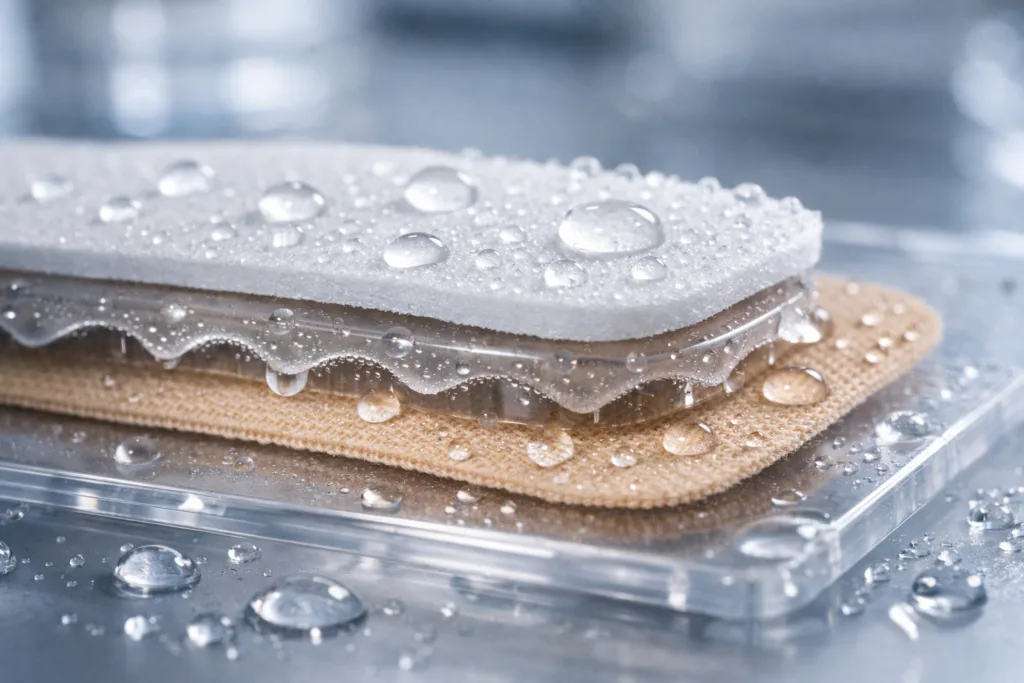
Sweat isn’t just water. It’s a complex mix of salts, acids, and organic compounds that can degrade typical glues. The composition of sweat—and its effect on adhesives—varies widely by person, activity, humidity, and temperature. Devices like patches, biosensors, or e-skin often face sweat exposure for hours or days, meaning adhesives must deliver long-term “wear time” without triggering allergies or delaminating. Many assembly-line engineers, including those at ZDS Adhesive, an industrial adhesive manufacturer, prioritize realistic sweat simulations in their test plans to prevent in-field failures and recalls.
The Science of Sweat Resistance Testing for Wearable Device Adhesives
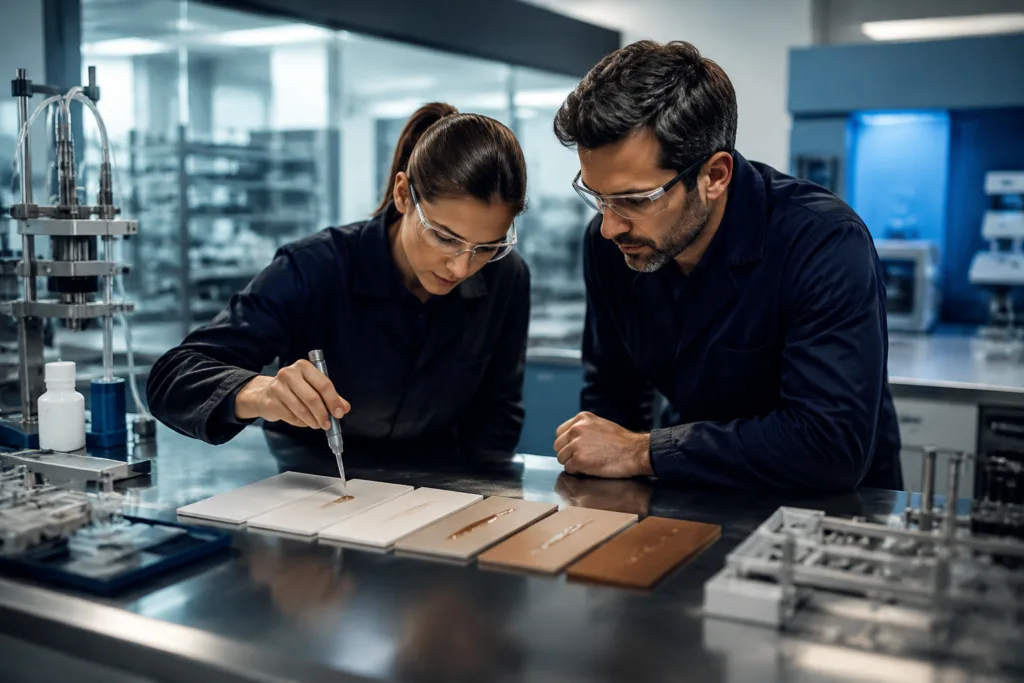
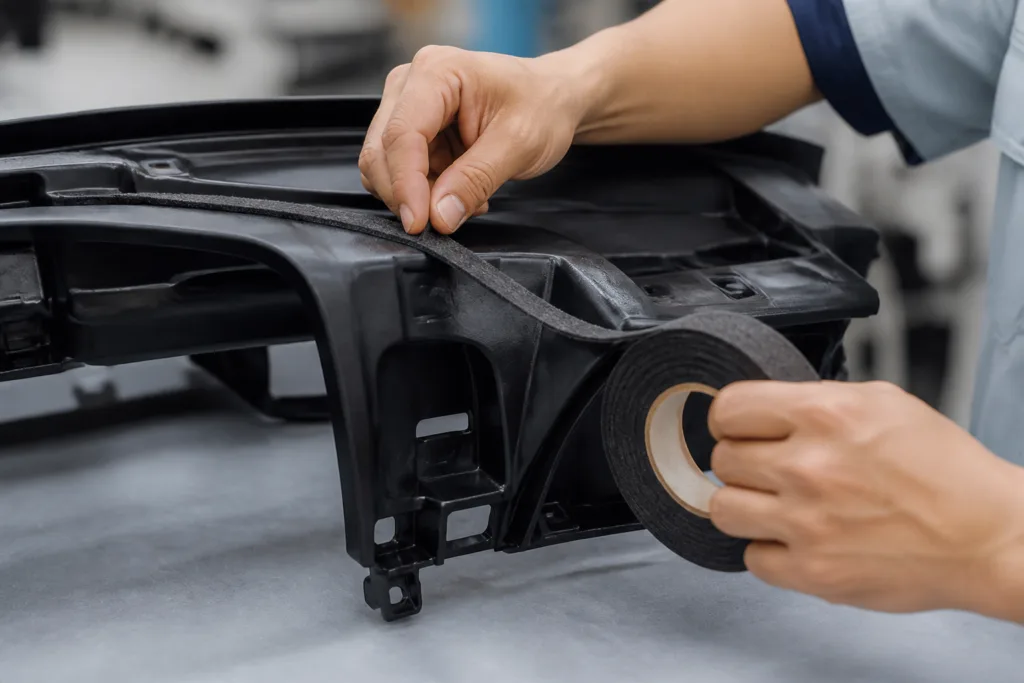
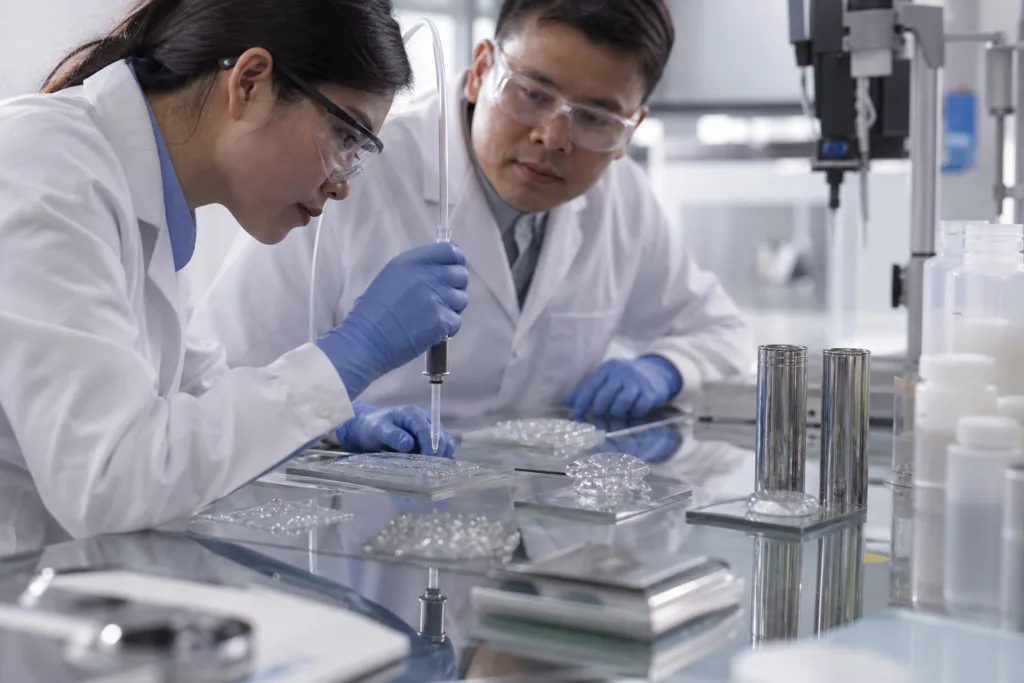
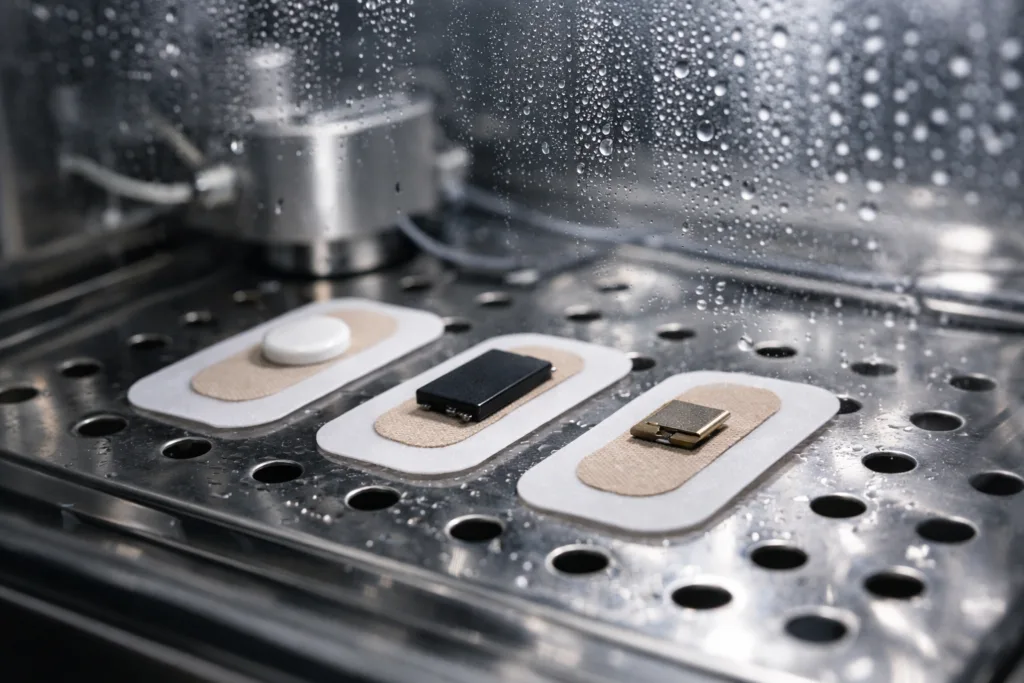
Sweat resistance testing is designed to mimic both the chemical reactivity and mechanical stress faced during device use. Manufacturers use artificial sweat baths, controlled humidity chambers, and even robotic arm cycles to measure adhesive performance. These tests consider peel strength (how easily a device comes off), shear (side-to-side force), and real-time adhesion under moisture, making them more reliable than ordinary water-resistance tests. For more technical details on adhesive durability, you can review our thermal shock resistance guide.
Key Types of Adhesives Used in Wearables: Properties and Behavior
Not all adhesives perform equally against sweat. The main categories include:
- Silicone-based adhesives: Highly flexible, great for sensitive skin, but may lose stickiness with oily sweat.
- Acrylic adhesives: Excellent initial tack, moderate water/sweat resistance, common in stick-on sensors.
- Polyurethane adhesives: Noted for balance of strength, elasticity, and chemical resistance; often used in long-wear medical patches.
- Modified epoxies: Sometimes used in electronic assemblies inside the wearable, valued for robustness but less on skin adherence.
Choosing among these depends on the device’s purpose, expected wear time, and skin safety requirements. In some cases, hybrid adhesives combine silicone and acrylic for tailored results.
Common Test Methods for Sweat Resistance of Adhesives
The most widely adopted approaches include:
- ISO 10993-12:2012 (Artificial Sweat Exposure): Adhesives are exposed to synthetic sweat for 24-72 hours, testing for bond failure and residue.
- Peel and Shear Testing: Measures how much force is required to detach the device after sweat exposure.
- Cyclic Humidity & Temperature Testing: Simulates day/night moisture swings; checks for adhesive softening or edge lift.
- Wear Simulation: Devices are attached to mechanical skin simulators and subjected to repeated movement and pressing.
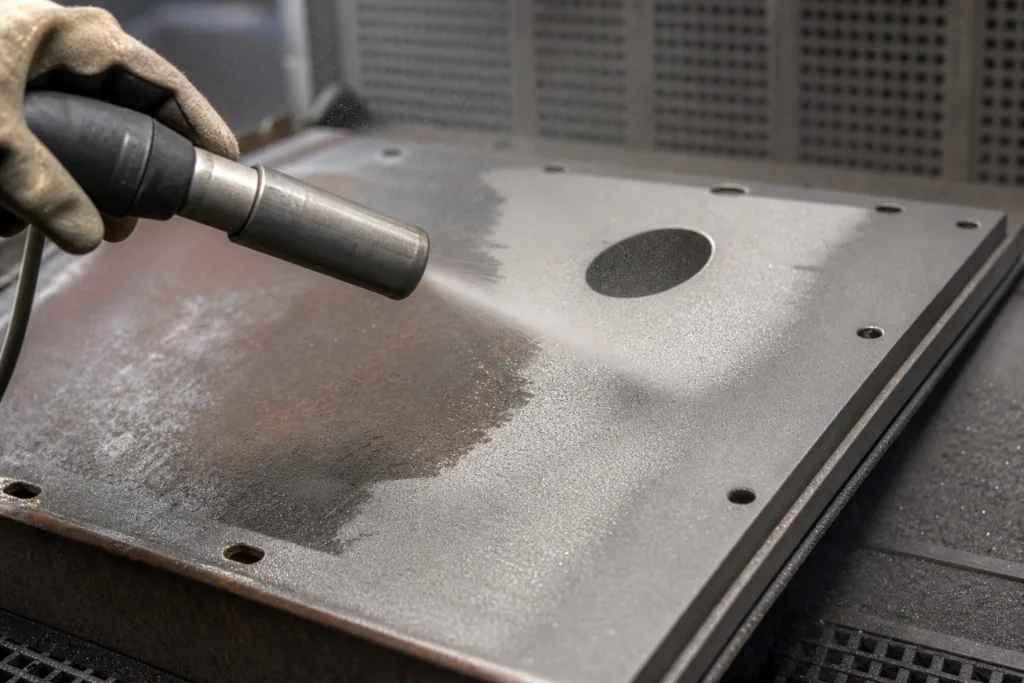
Notably, these tests are complemented by visual inspections and user trials to ensure laboratory data matches human experience. For additional surface preparation techniques, see our expert prep tips.
Real-World Case Studies: Sweat-Resistant Adhesives in Action
A standout example is the multi-day ECG biosensor patch, which relies on a polyurethane structural adhesive to maintain a gentle yet reliable bond for up to a week, even during strenuous activity. Leading smartwatch brands use soft silicone-based tapes, layered with moisture barriers, to ensure both skin comfort and lasting adhesion. In side-by-side trials, pure acrylate glues failed after 48 hours in high-activity tests, while hybrid acrylate-polyurethane systems remained secure for over 96 hours. These findings underscore the importance of sweat resistance testing for wearable device adhesives as a practical design standard, not just a marketing claim.
Comparison Table: Adhesive Types vs. Sweat Performance
| Adhesive Type | Initial Tack | Max Wear Time (Sweat Exposure) | Skin Irritation Risk |
|---|---|---|---|
| Silicone | Moderate | 2–3 days | Very low |
| Acrylic | High | 1–2 days | Low–moderate |
| Polyurethane | High | 3–7 days | Low |
| Hybrid (Acrylic/PU) | Very high | 5–7 days | Low |
The Influence of Sweat Chemistry and Wear Conditions
Beyond basic stress tests, today’s engineers adjust variables like salt concentration, pH, and sweat volume to reflect a range of populations—from high-salt sweaters (often athletes) to those with sensitive skin. Devices must withstand both brief, heavy sweat and ongoing, light moisture. Adhesive performance can also hinge on location, with chest- or back-worn sensors facing different risks vs. wrist-worn ones.
Sweat Resistance Testing for Wearable Device Adhesives: The Industry Standard
As wearable devices become more personal, standards bodies like ISO, ASTM, and IEC are prioritizing real-sweat adhesive testing in their medical and consumer electronics guidelines. A device that passes only water splash tests but fails extended sweat immersion can ruin a brand’s reputation. Sweat resistance testing for wearable device adhesives is now a baseline expectation for new product launches and regulatory approvals.
Key Steps in Performing Sweat Resistance Testing for Adhesives
- Sample Preparation: Apply adhesive to the relevant substrate (skin analog, polymer, or textile).
- Preconditioning: Age samples to simulate storage or initial use.
- Sweat Exposure: Immerse or intermittently expose samples to artificial sweat, maintaining body temperature and humidity.
- Mechanical Testing: Conduct peel, shear, and cross-pull tests at intervals up to typical wear duration.
- Residue and Skin Assessment: Check for leftover material and visible irritation risks.
Documenting these steps verifies durability for customers and regulators alike. For more on industrial adhesive types, dive into our comprehensive industrial adhesives resource.
Innovations: Smart Materials and Self-Healing Systems
The next wave of sweat-resistant adhesives includes materials with built-in moisture responsiveness, “smart” adhesives that adjust stickiness as sweat levels rise, and self-healing polymers that repair micro-tears from repeated flexing. Some companies have tested supramolecular chemistries—bonds that temporarily break and reform—reducing both irritation and risk of device drop-off without sacrificing secure attachment. These rapid advances are reshaping what engineers expect from adhesives in wearable tech.
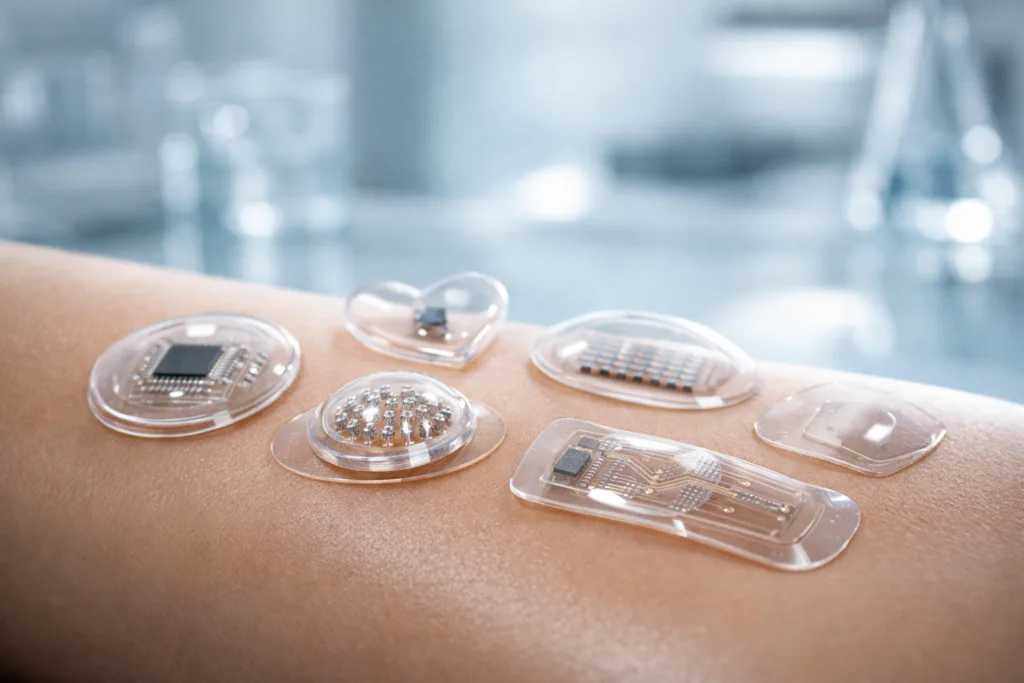
Future Trends: Transparent, Bio-Based, and Skin-Friendly Adhesive Solutions
Looking ahead to 2027 and beyond, several trends are emerging in sweat resistance for wearable device adhesives:
- Silicone alternatives that reduce cost and environmental impact
- Renewable, bio-sourced polymers for both biocompatibility and performance
- Functional coatings that repel sweat buildup without affecting touch or signal
- High-clarity materials for invisible wear and AR/VR integration
- Antimicrobial adhesives for hygiene-sensitive applications
How Product Development Benefits from Sweat Resistance Testing
Thorough sweat resistance testing enables engineering teams to pinpoint material failures before launch and optimize adhesives for specific target users. For example, pediatric wearables may require gentler bonds, while athletic sensors need maximal durability. Early-stage sweat testing can also prevent late recalls, field complaints, or negative reviews that damage market entry. Ultimately, sweat resistance testing for wearable device adhesives aligns lab findings with real-world user expectations.
Consumer Satisfaction and Regulatory Implications
For consumers, sweat-resistant devices mean fewer interruptions, less skin irritation, and trust in performance—whether at the gym or sleeping. Regulatory bodies, especially in medical devices, now expect sweat-resistance proof when certifying adhesives for patient use. A robust sweat resistance report can also streamline approvals in tightly regulated markets, from the US to Asia and the EU.
Skin Health and Biocompatibility: Beyond Mechanical Strength
Excellent sweat resistance alone isn’t enough. If adhesive leachates trigger rashes or the glue itself blocks skin breathing, devices will still fall short. Modern adhesives are designed and ISO 10993-tested to minimize allergic and contact dermatitis risk. ZDS Adhesive, for instance, only selects ingredients that pass skin irritation and cytotoxicity panels before use in wearable projects.
The Role of Application Process and User Handling
How an adhesive is stored, applied, and positioned affects sweat resistance as much as chemistry itself. Clean, dry skin is a must, and even small oil or soap residues can defeat the best formulations. Self-adhering wearables must account for user variability, offering intuitive guides or tabs to reduce air bubbles and edge lifts, common early-failure modes.
Testing Failures: Common Pitfalls and How to Avoid Them
Failure reasons often include underestimating sweat aggressiveness, relying on tap water instead of true synthetic sweat, or skipping dual stress (sweat + friction) tests. Real-world conditions are harsher than controlled labs, which is why iterative user trials are an invaluable supplement to bench work. Catching edge curl, residue, or loss of conductivity early saves costlier fixes down the line.
Choosing an Adhesive for Your Wearable: Practical Takeaways
- If maximum skin comfort is required, start with medical-grade silicone adhesives that pass sweat and irritation tests.
- Where extended wear is needed, blend acrylic or polyurethane layers to boost chemical resistance and longevity.
- Test with artificial sweat sources that match expected user demographics and activity levels.
- Don’t skip simulated motion/flex cycles—real use is never static!
Conclusion: Reliable Sweat Resistance Sets the Standard in Wearables
As wearable devices become more sophisticated and integrated into daily life, sweat resistance testing for wearable device adhesives stands out as a mission-critical design task, not a checkbox. By adopting best-in-class test protocols, leveraging innovative materials, and validating under real usage, engineers can guarantee devices that last, protect health, and delight users in every environment.
Frequently Asked Questions
Why is sweat resistance so important for wearable device adhesives?
Sweat can degrade adhesives, causing devices to fall off or irritate skin—robust sweat resistance ensures performance and safety during daily use.
What kind of adhesives work best for sweat resistance?
Medical-grade silicone and polyurethane adhesives, sometimes combined in hybrid layers, generally provide the strongest performance across sweat conditions.
How do manufacturers test sweat resistance?
Manufacturers use artificial sweat baths, peel/shear tests, cyclic humidity, temperature tests, and wear simulators to assess adhesive durability.
Can sweat resistance testing prevent skin irritation?
Yes. Testing with synthetic sweat helps detect both mechanical and skin reactions, guiding the development of hypoallergenic adhesives for wearables.
What are future trends in sweat-resistant adhesives?
Emerging trends include transparent, bio-based, self-healing, and antimicrobial adhesives tailored for comfort, durability, and sustainability.
Does adhesive performance change by body location?
It can—sweat volume and friction differ across wrist, chest, and back, affecting adhesive selection and performance in wearable device applications.