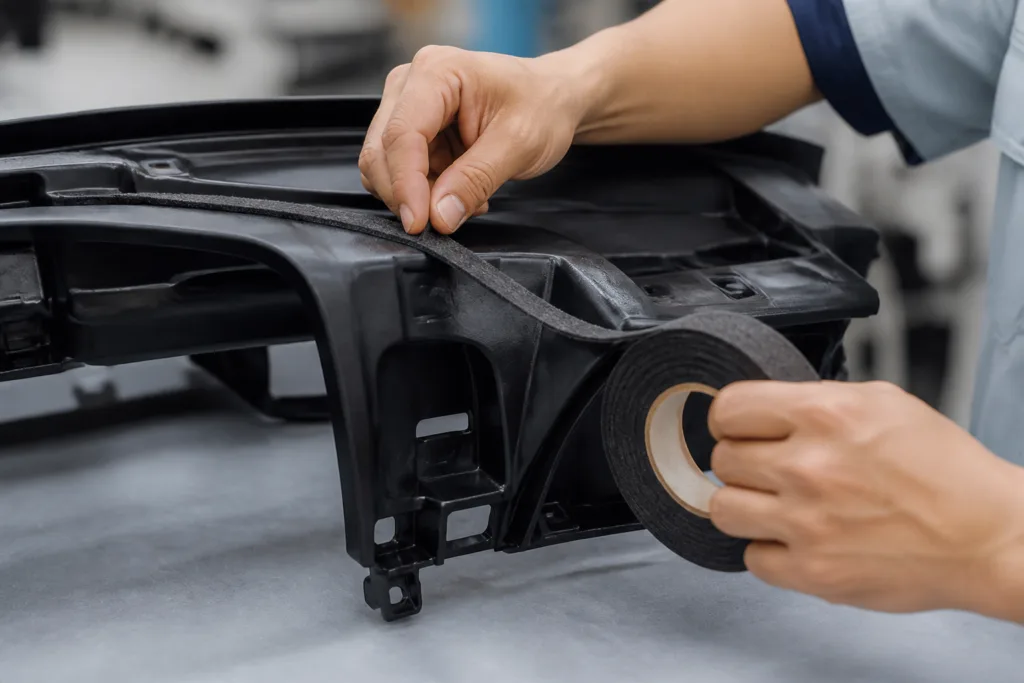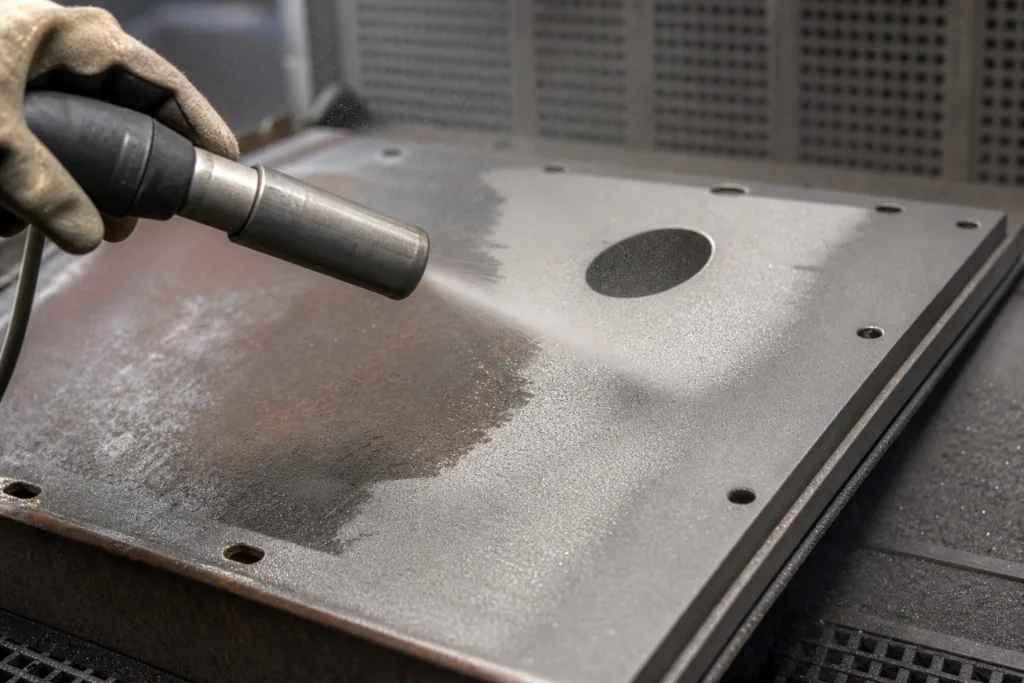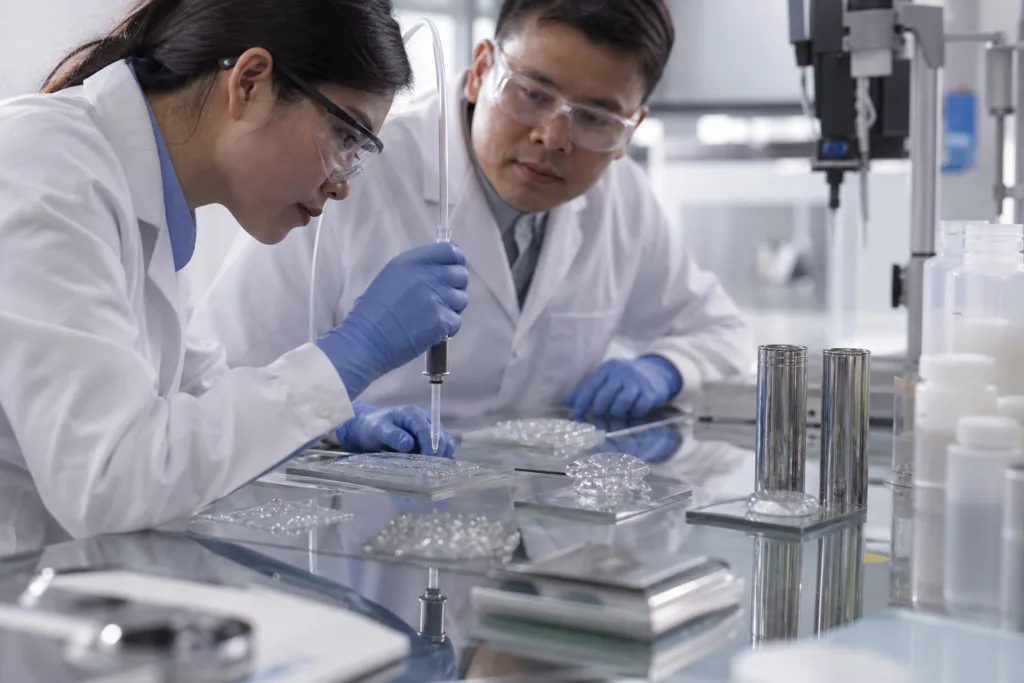
Introduction: Why Low Shrinkage UV Glues Matter for Precision Alignment
In 2026, precision alignment has become more critical than ever, especially in industries like electronics, optics, and medical devices. Low shrinkage UV glues are essential adhesives that minimize dimensional changes during the curing process. This property ensures components stay exactly where you put them, preventing issues that arise from misalignment—like blurred images, electrical malfunctions, or even product recalls. If you’re assembling intricate systems or sensitive parts, understanding how low shrinkage UV glues operate and how to apply them can make the difference between success and failure.
For those seeking practical adhesive solutions for everything from wearable devices to advanced PCB assemblies, adhesive solutions provide tailored options to meet diverse precision alignment needs.
What Sets Low Shrinkage UV Glues Apart?
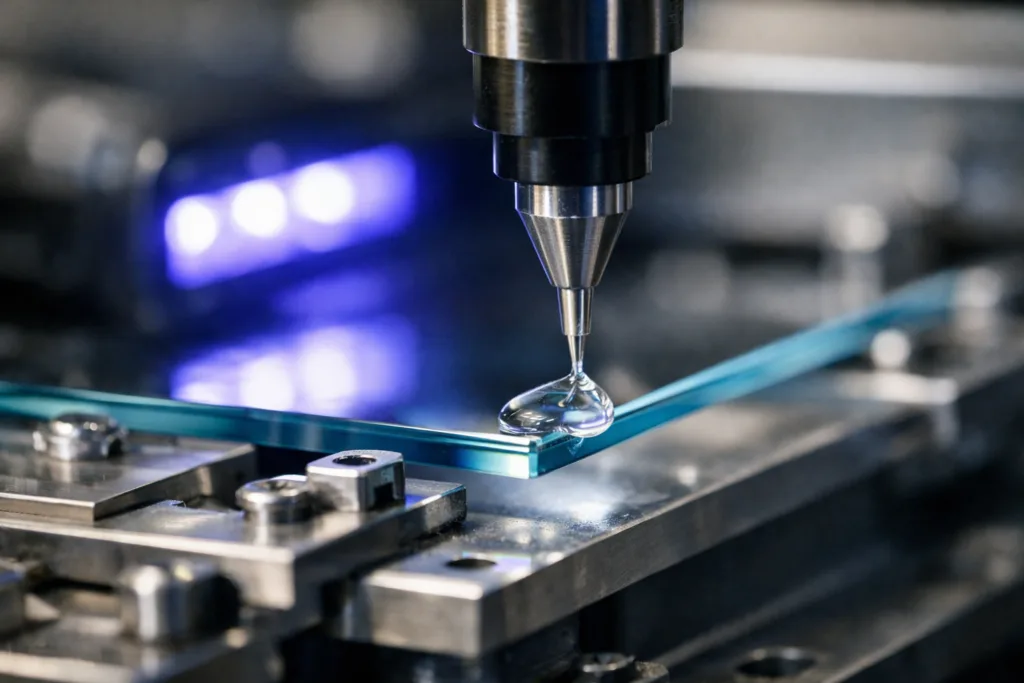
Low shrinkage UV glues are formulated to limit volumetric change during curing; typically, shrinkage rates fall below 1%. This stability is especially required for assemblies where a slight movement leads to performance compromise. Their photo-initiated curing accelerates production without introducing thermal stress—making them ideal for heat-sensitive parts.
The Science Behind Dimensional Stability
Dimensional stability is central to precision alignment. Standard adhesives can contract as they cure, pulling components out of position. Low shrinkage UV glues use advanced resin systems and fillers to curb this effect. The result: consistent bond lines and reliable fixture accuracy, no matter the substrate.
Main Applications: Electronics, Optics, and Medical Assemblies
Let’s break down where precision alignment matters most:
- Electronics: Microchip placement, PCB underfill, FPC reinforcement, and smartphone assembly.
- Optics: Camera module assembly, AR/VR lens bonding, fiberoptic connection, and sensor housing.
- Medical Devices: Catheter joining, sensor sealing, tiny actuator assembly, and diagnostic device integration.
For electronic assemblies requiring uncompromising reliability, industrial adhesives can offer specialized formulations that maintain electrical performance and mechanical stability.
[PROMPT] for Precision Bonding: Key Benefits
| Property | Why It Matters |
|---|---|
| Ultra-low shrinkage | Maintains perfect alignment and prevents warping |
| Fast UV curing | Speeds up production, reduces downtime |
| Minimal outgassing | Keeps optics clean and electronics reliable |
| Excellent substrate compatibility | Bonds glass, metals, plastics—even coated surfaces |
How Low Shrinkage UV Glues Minimize Alignment Errors
Shrinkage translates directly to component drift. By keeping volume change low, these adhesives lock parts in place even during mass production or under thermal cycling. Reflection distortion in optics, solder pad misplacement in electronics, and microleakage in medical devices are all minimized.
Factors to Consider When Selecting Low Shrinkage UV Glue
- Cure speed: Does the process tolerate slow fixture times?
- Mechanical strength: Will parts be handled, moved, or vibrated?
- Substrate compatibility: Specific plastics (like PP/PE), metals, or glass?
- Viscosity: Are you filling tight gaps or potting?
- UV wavelength: Does your lamp work with the adhesive?
- Environmental resistance: Moisture, chemicals, thermal, or UV exposure?
Criteria for Mechanical Performance: Shear, Peel, and Micro-movement
To avoid failures, check lap shear and peel tests for your adhesive. For devices exposed to vibration, ensure the UV glue forms a tough, yet flexible bond. Don’t neglect fatigue resistance—micro-movements can introduce slow creep and eventual misalignment.
For automotive, marine, or heavy-duty applications, automotive adhesive manufacturer pages highlight tailored mechanical properties for rugged environments.
Compatible Substrates and Surface Preparation
Low shrinkage UV glues can bond glass, ceramics, metals, even tricky plastics like polycarbonate and ABS. However, surface energy matters: if bonding low-energy substrates (like PP or PE), consider surface treatments (plasma, corona) or compatible primers.
Comparison Table: Low Shrinkage UV Glue vs. Traditional Epoxy
| Property | Low Shrinkage UV Glue | Epoxy Adhesive |
|---|---|---|
| Shrinkage Rate | <1% | 2-10% |
| Cure Speed | Seconds–minutes (UV lamp) | 30–120 minutes (room temp) |
| Substrate Compatibility | Wide | Wide |
| Fixture Stability | Excellent | Variable |
| Outgassing | Low | Moderate–high |
Typical Assembly Challenges Solved by Low Shrinkage UV Glue
Common problems—blurring in camera modules, contacts drifting on chips, or micro-leaks in sensors—are directly tied to adhesive movement after cure. By using a low shrinkage formulation, these issues are practically eliminated.
Step-by-Step Application Guide for Precision Alignment
- Clean surfaces thoroughly: Remove dust, oils, and residues
- Apply adhesive with controlled dispensing (jetting or micro-dosing)
- Align parts using fixture, jig, or optical guidance
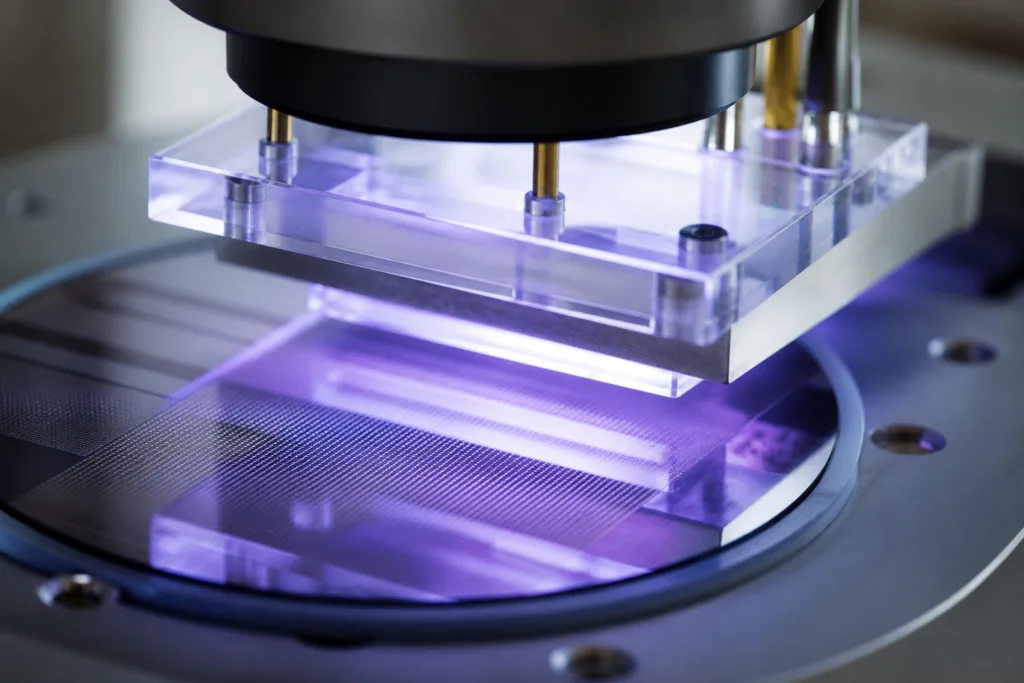
- Expose to UV light: Choose power and wavelength per product guide
- Check alignment before full cure—make minor adjustments if needed
- Allow post-cure for maximum strength (if required)
Optimizing Curing Process: UV Lamp Choice and Exposure Time
UV lamp selection (LED vs. mercury, 365nm/395nm) affects penetration and cure speed. For deep, opaque, or shadowed bonds, consider dual-cure adhesives that also cure with heat or moisture.
Environmental Impact and Safety Considerations
Low shrinkage UV glues are largely solvent-free, reducing VOC emissions and workplace hazards. Many meet RoHS and REACH standards for electronics and medical devices. Always check MSDS and use UV-blocking goggles during curing.

Common Failure Modes and Their Prevention
- Oxygen inhibition: Results in sticky surface—avoid by using a nitrogen purge or adjusting lamp intensity.
- Bubble formation: Use degassed adhesive and slow dispensing.
- Shadow area cure: Choose dual-cure or ensure full UV exposure.
Case Study: AR/VR Lens Assembly with Low Shrinkage UV Glue
Lens assembly in AR/VR headsets demands microscopic precision. Engineers apply low shrinkage UV glue to the perimeter, align lenses via camera-based jigs, and cure using high-intensity UV lamps for seconds. Result: distortion-free visuals that survive repeated use and thermal expansion.
Case Study: FPC Reinforcement in Miniaturized Electronics
Flexible printed circuit (FPC) boards are prone to bending and movement. By reinforcing edge connections with low shrinkage UV glue, assemblies in smartphones, wearables, and IoT devices retain their alignment even under drop tests and heat cycling.
Case Study: Medical Sensor Seal Integrity
Medical sensors need tiny, accurate bonding with zero microleakage. Low shrinkage UV glue, paired with cleanroom technique, forms compact seals with no warping. Devices pass leak tests and maintain calibration over time.
ZDS Adhesive Insights: Application Engineering for Precision
From an application engineer’s perspective at ZDS Adhesive, an industrial adhesive manufacturer, substrate surface energy and fixture tolerance are primary concerns. A low shrinkage UV glue should be tested for lap shear and peel strength, and fixture alignment should be checked during pilot runs to prevent post-cure drift. Use optical alignment tools and precise dosing to ensure reliability across batches.
Updating Process Controls for Next-Gen Manufacturing
With increasingly miniaturized assemblies, manufacturers now integrate adhesive dispensing robots, inline UV lamps, and vision-guided alignment systems. Detailed process controls—like fixture time, bond-line thickness, and UV exposure profile—are logged and analyzed to assure stable outcomes.
Regulatory and Quality Standards for UV-Cured Precision Assemblies
Assemblies bonded with low shrinkage UV glues often need ISO 13485 (medical), IPC standards (electronics), or optical-grade certification. Proper documentation includes cure profile, substrate compatibility, and aging tests.
Tips for Maintaining Precision During Scale-Up
- Calibrate dispensing nozzles for volume accuracy
- Monitor UV lamp degradation and replace before cure failures
- Test adhesive batch-to-batch variation for shrinkage and tack
- Include quality checks for alignment and bond strength
The Future of Precision Alignment Adhesives
As devices become more complex and compact, adhesives must keep pace. Nano-fillers, dual-curing systems, and trackable RFID-tagged adhesives are emerging trends. Low shrinkage UV glues will continue to set the standard for high-accuracy assembly.
[PROMPT]

Low shrinkage UV glues for precision alignment are now fundamental in critical industries. These adhesives ensure minimal dimensional change, robust bonding, and accelerated curing—all essential for maintaining the integrity of delicate assemblies. Whether in electronics, optics, or medical devices, choosing the right adhesive can eliminate common alignment errors and raise manufacturing quality to new heights.
Frequently Asked Questions
What is the main advantage of low shrinkage UV glue for precision alignment?
It prevents components from shifting or warping during cure, which keeps assemblies perfectly aligned and functional.
Which substrates are compatible with low shrinkage UV glues?
Most work on glass, metals, ceramics, and plastics like ABS and polycarbonate, but surface prep may be necessary for low-energy plastics like PE or PP.
How fast do low shrinkage UV glues cure?
Cure times range from seconds to a few minutes depending on UV lamp power and adhesive formulation, enabling rapid manufacturing cycles.
What environmental and safety standards should I consider?
Select adhesives compliant with RoHS, REACH, and ISO standards, and always check MSDS. Use protective eyewear and ventilate curing areas.
Can low shrinkage UV glue be used in areas with limited UV exposure?
Yes, dual-cure adhesives (UV plus heat or moisture) are available for shadowed or hidden areas, ensuring complete cure and bond integrity.
How do I avoid alignment failures after curing?
Use precise dispensing, maintain fixturing during UV curing, and monitor adhesive quality and lamp performance throughout production.
Related Reading
- How Ultra-Clear UV Glues Changed AR/VR Lens Manufacturing
- Electronics Reliability: 7 Adhesives for FPC Reinforcement
- Stop Sticky Surfaces: Oxygen Inhibition Fixes for UV Glue
- Is UV Glue Effective for Industrial Bonding? What Experts Found
- 12 Surprising Benefits of UV Adhesives for Electronics Makers