The Demand for UV Adhesives in Electronics
Electronic devices rely on plastics for housings, connectors, and circuit protection. In this industry, adhesives must bond a wide range of engineered plastics without damaging sensitive components. Manufacturers demand solutions that offer fast cure speeds, low stress on delicate parts, and excellent electrical insulation. UV-curable glues have become essential for these tasks, providing a unique combination of speed, precision, and reliability.
Why Plastics Are So Common in Electronics
Plastics such as ABS, PC, PA, and PP are used because they’re lightweight, strong, and customizable. Their insulating properties also help protect circuits from moisture and interference. However, these materials can be difficult to bond. Traditional adhesives can stress thin walls or fail to stick to low-energy surfaces. UV glues solve these problems through rapid curing and excellent plastic compatibility.
Performance Requirements for Electronic Assembly
- Low internal stress
- Rapid curing at room temperature
- Electrical insulation (dielectric strength)
- Tough bonds between plastics like ABS, PC, PA, and PP
- Simplified automated dispensing
Expert Insight: “Choosing the right UV glue minimizes cure time and maximizes reliability, especially in high-volume electronics.”
Low-Stress, Fast-Cure Properties of UV Glues

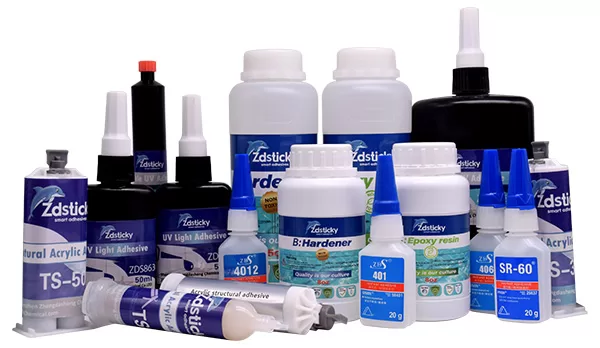
Modern UV glues for plastic in electronics are engineered to deliver strong bonds without creating excessive internal tension. This is vital in assemblies like connectors and microcircuits where small misalignments can lead to product failure. UV adhesives cure within seconds when exposed to ultraviolet light, eliminating long wait times typical with traditional epoxies or cyanoacrylates. ZDS specializes in UV adhesives optimized for high-speed production lines.
How UV Cure Chemistry Works
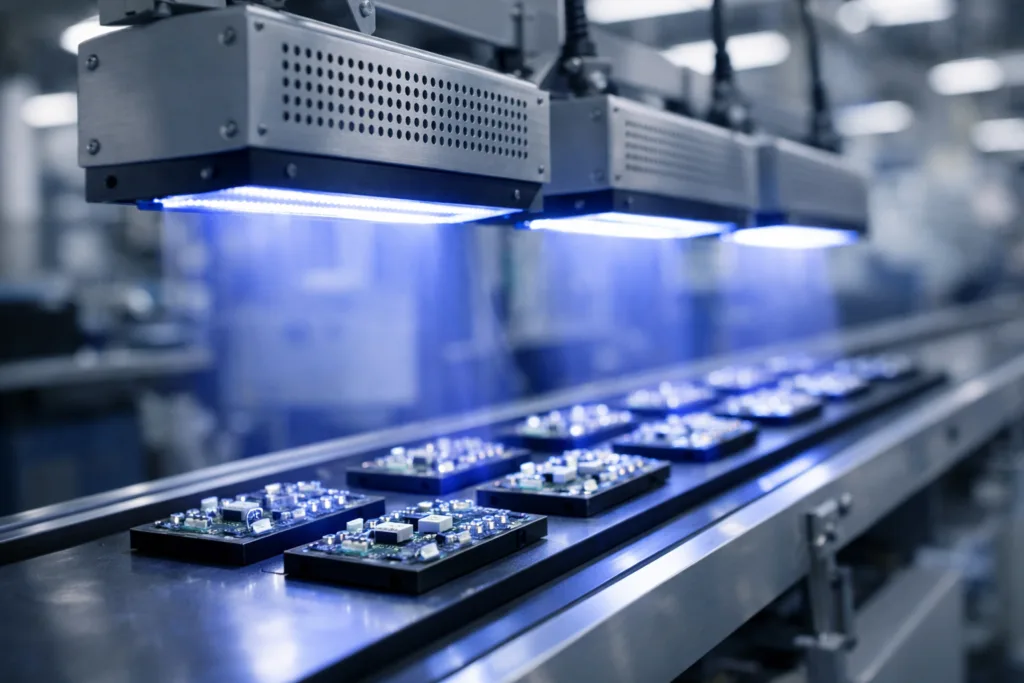
UV adhesives use light-activated photoinitiators that trigger polymerization. Once exposed to wavelengths between 365–405 nm, the glue hardens in seconds. This process generates minimal heat (low exotherm), which prevents warping or thermal damage to sensitive plastics and electronics.
Controlling Stress in Electronic Assemblies
UV glues remain flexible until cured, filling gaps and tolerances with low viscosity. Engineers measure final hardness using Shore A or D scales. For delicate components, a softer Shore A glue may prevent cracks, while a harder Shore D rating supports structural plastics. Open time and pot life are essentially eliminated; the glue only sets when UV light is introduced, offering precise control for automation.
Electrical Insulation: Why It Matters
Insulation is vital for bonding plastics to or around active electronics. The best UV glues for plastic must maintain electrical isolation between circuit elements. Dielectric strength, measured in volts per millimeter (V/mm), quantifies insulation. ZDS UV adhesives routinely exceed 20,000 V/mm, protecting sensitive microchips and conductors from shorts.
Testing for Insulating Performance
- ASTM D149 dielectric breakdown testing
- Salt spray (ASTM B117) and humidity aging
- Thermal cycling to simulate real-world conditions
Reliable UV adhesive insulation keeps electronics working in harsh settings. Effective glue selection stands between safe performance and premature failure.
Best UV Glue for Plastic: Key Criteria
Choosing the ideal UV glue for plastics involves more than reading data sheets. Factors such as viscosity, cure speed, optical clarity, and chemical resistance all affect suitability. Below is a comparative table featuring common chemistries and their strengths on different plastic substrates.
| Chemistry | Main Substrates | Viscosity (cP) | Shore Hardness | Cure Speed (s) | Best Uses |
|---|---|---|---|---|---|
| UV-Curable Acrylate | ABS, PC, PA, PMMA | 500–2,000 | A60–D80 | 2–15 | Connectors, displays |
| UV Epoxy (1K) | Glass, metal, PC | 2,000–6,000 | D70–D85 | 10–30 | PCB potting, sensors |
| UV Silicone | PA, PP, rubber | 900–4,000 | A25–A50 | 5–20 | Flexible gaskets, seals |
Application Checklist
- Check substrate type and surface energy
- Assess cure speed and automation needs
- Review regulatory compliance (REACH, RoHS)
- Consider final hardness vs. stress tolerance
Substrate Preparation Matters
Plastics must be free from mold release, dust, and oil. Degrease using isopropanol and abrade glossy surfaces with fine grit. For low-energy plastics like PP, surface activation via corona or plasma treatment improves adhesion. ZDS technical staff recommends a primer for challenging substrates to guarantee bond strength and electrical isolation.
Application Techniques for Electronics Manufacturing
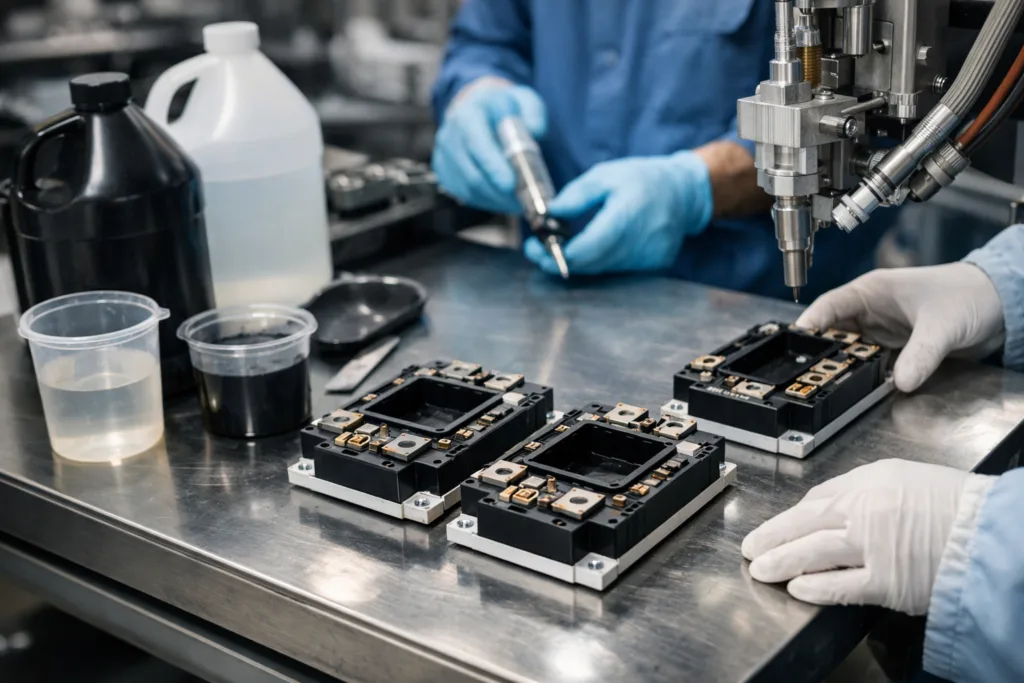
Consistent glue placement is crucial for yield and reliability. Automated bead dispensing or slot-die coating is standard in large factories. For small runs, notched trowels or precision syringes are suitable.
Recommended Dispensing Tools
- Static mixers for uniform application
- Automated robots for high-volume lines
- UV lamps and conveyors for inline curing
Fixturing During Cure
Parts should be held in place with light clamping or fixtures during UV exposure. UV adhesives offer immediate handling strength after curing, so production lines move quickly to testing and packaging.
Critical Quality Control and Compliance Factors
Quality checks throughout glue selection and usage prevent failures in the field. ASTM D1002 lap-shear testing, thermal aging, and humidity cycling are common methods for verifying bond reliability. ZDS adheres to ISO 9001 for traceability and supplies detailed SDS documentation for all adhesives.

Compliance Requirements
- ROHS and REACH certification (ROHS)
- Low VOC emissions
- Globally approved transport/storage procedures
Real-World Applications in Electronics
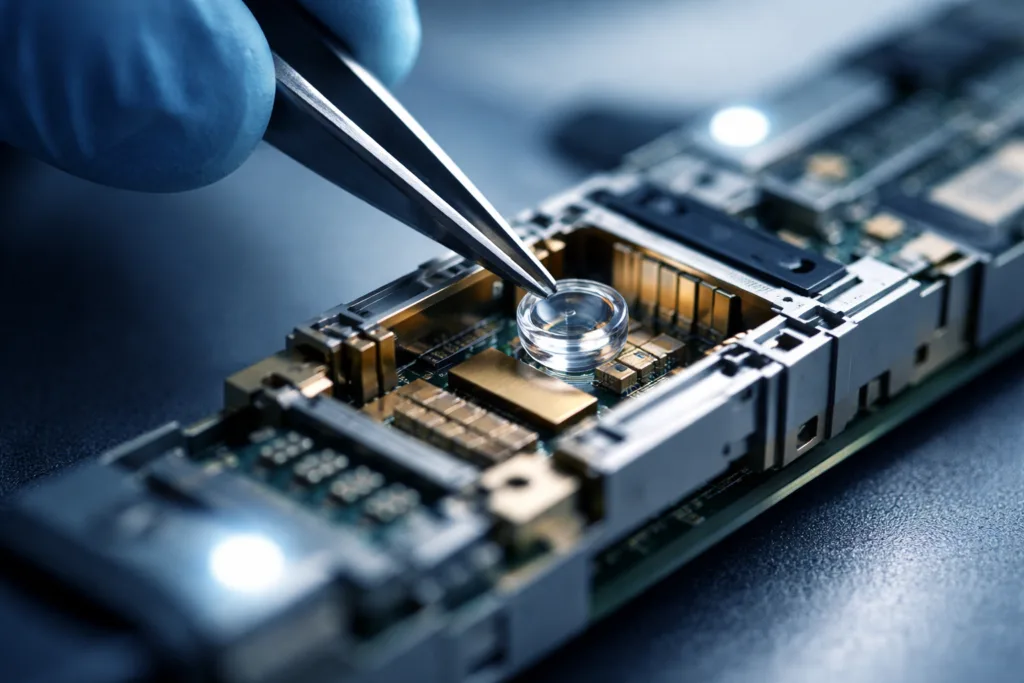
UV glue for plastics powers efficient production from cell phones to automotive modules. Bonding display bezels requires quick tack and gap filling; assembling flexible circuits needs low stress and high insulation. ZDS adhesives feature prominently in display modules and sensor housings, chosen for fast cure and robust dielectric strength.
Case Study: Connector Bonding
A leading phone OEM switched to UV acrylate for PC/ABS connectors. Cure times dropped from four minutes to twelve seconds. Scrap from misaligned parts fell 40%. Electrical failure rates decreased thanks to improved insulation, enabling high output with low returns.
Case Study: Display assemby
Tablet display manufacturers need transparent UV glue for edge bonding and display protection. ZDS’s custom formulations offered clarity, bond strength over 25 MPa tensile, and quick cycle times, supporting seamless integration with automated lines.
Process Optimization with ZDS UV Glues
ZDS supports electronics clients with tailored UV glue solutions. From selecting the right viscosity to fixturing advice and compliance documentation, ZDS ensures each adhesive meets industry-specific needs. Technical teams provide direct guidance on hardness, cure kinetics, dispensing methods, and post-cure inspection to maintain productivity and reliability.
Traceability and Lot Control
Every batch of ZDS glue ships with full lot records, SDS paperwork, and quality test data. This guarantees consistent results and simplifies audits. The combination of process control and materials engineering leads to fewer failures and lower total costs.
Best UV Glue for Plastic in Electronics Assembly
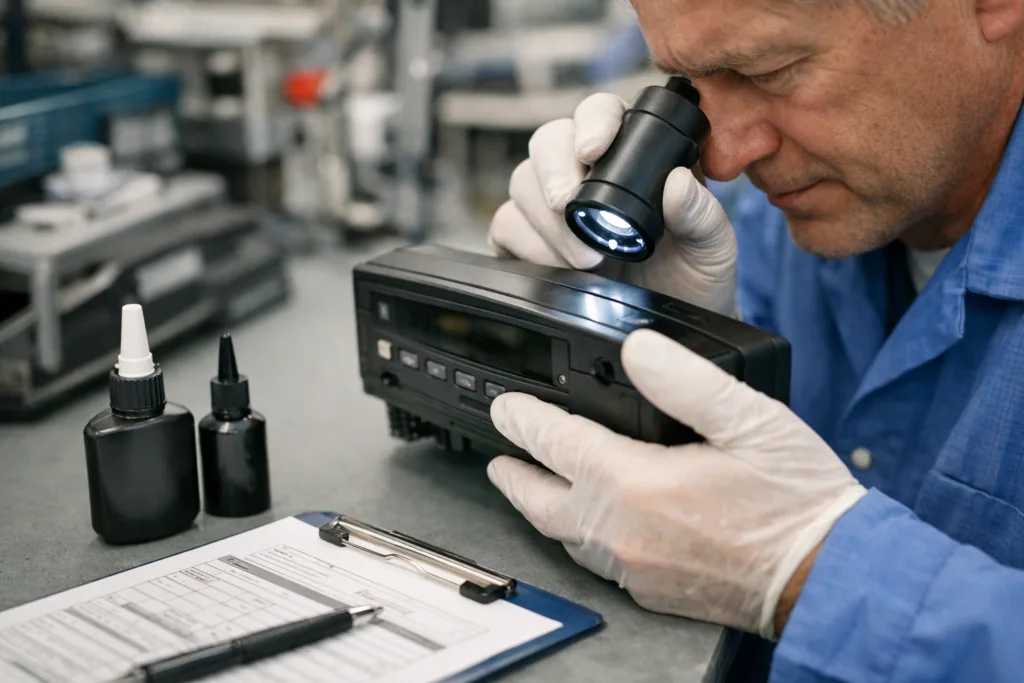
Identifying the best UV glue for plastic starts with understanding your device’s stress profile, insulation needs, and overall throughput targets. UV acrylates are fast and tough for connectors, while UV silicones offer flexibility for gaskets and sensors. UV epoxy works for potting and optical modules. ZDS offers the full spectrum, engineered with electronics performance in mind.
Frequently Asked Questions
How quickly does UV glue cure on plastic?
Most UV glues harden in 5 to 30 seconds when exposed to proper UV light, supporting fast assembly lines.
Is UV glue safe for electronic circuits?
Yes, specialized UV adhesives maintain high dielectric strength, protecting sensitive circuits from shorts and interference.
Can UV glue bond PP and ABS plastics?
Yes, with appropriate surface activation or a primer, UV glues can reliably bond difficult plastics like PP and ABS.
Does UV glue handle vibration and thermal cycling?
High-quality UV adhesives remain flexible after cure, withstanding vibration and temperature changes common in electronics.
What safety requirements must UV glue meet?
UV glues must follow ROHS, REACH, and VOC standards, with SDS sheets provided for safe storage, use, and transport.
How to dispense UV glue in high-volume manufacturing?
Automated robots and inline UV lamps ensure rapid, consistent glue placement and curing for efficient electronics production.