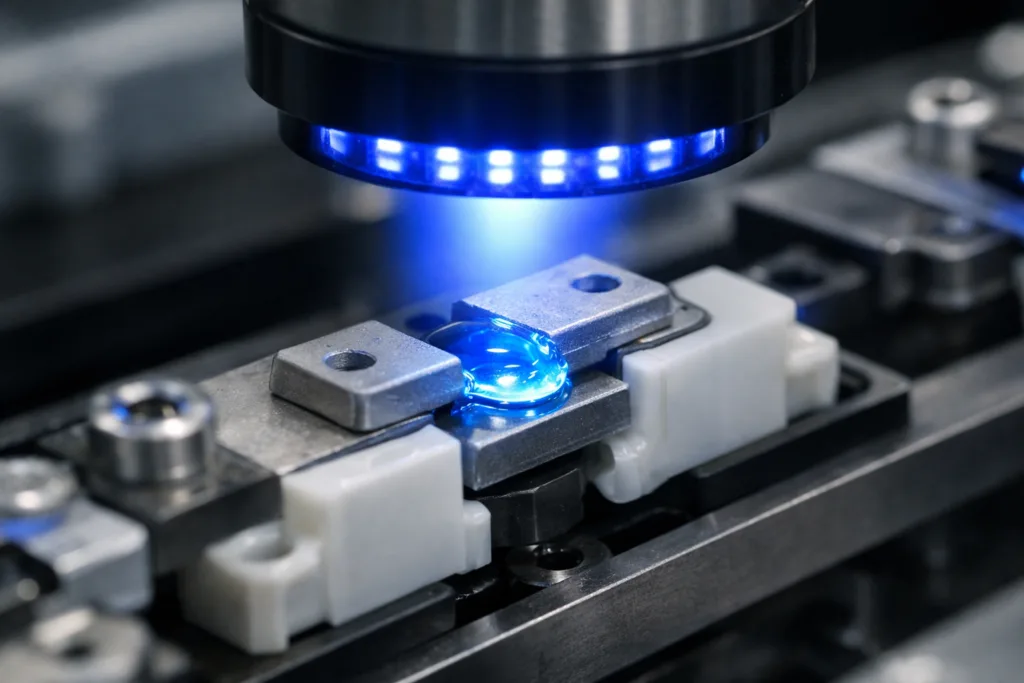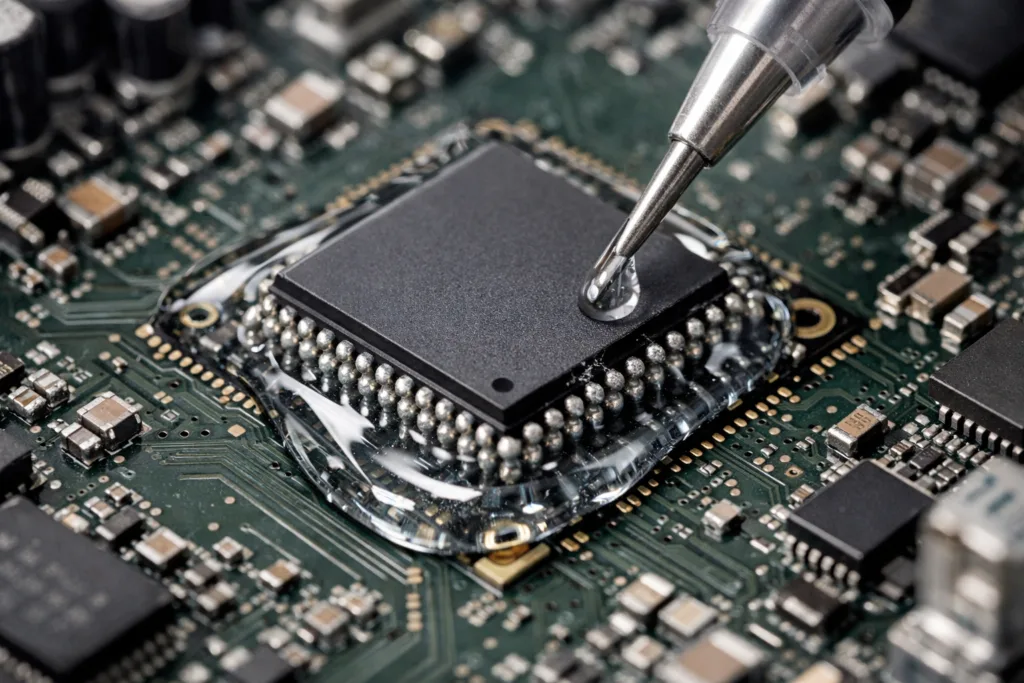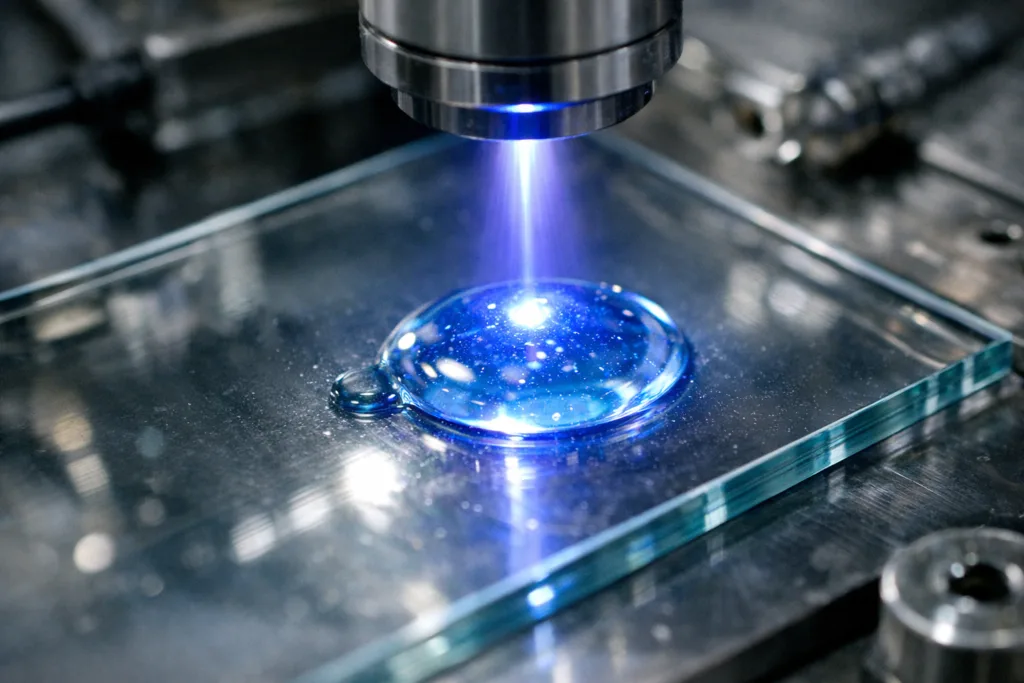
Introduction: The Evolution of Bonding Painted Metals
For decades, priming was seen as the only way to reliably bond adhesives to painted metals. However, new advances in adhesive chemistry have led to products that form strong, durable bonds without the primer step. In this in-depth guide, we explore Bonding Painted Metals: Adhesives that Skip the Primer Step, breaking down why these solutions matter, how they work, their real-world applications, and what you need to know to get the best results in 2026’s fast-paced production environments.
Understanding Painted Metal Surfaces: Challenges for Adhesive Bonding
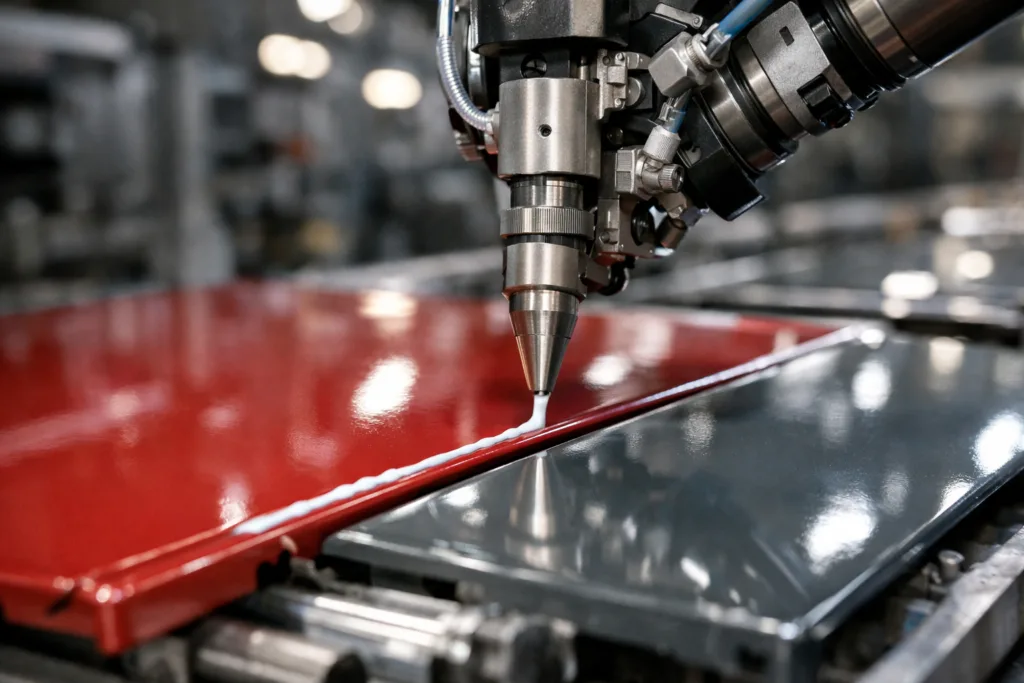
Painted metals create unique challenges for adhesives. The surface energy is lower than bare metal, and the paint layer adds a variable between the adhesive and substrate. Traditional adhesives often struggle with peeling or cohesive failure due to poor wetting or inadequate chemical compatibility. Skip-primer adhesives are designed to form chemical and sometimes even mechanical bonds with common industrial coatings such as powder coat, E-coat, and baked enamels.
What Are Primerless Adhesives for Painted Metals?
Primerless adhesives are engineered to create high-strength bonds to painted surfaces straight from the cartridge or tube. They rely on advanced chemical formulations—often based on modified acrylics, toughened epoxies, or hybrid polyurethane systems—that seek out functional groups in the paint layer itself. This innovation means faster workflows, elimination of VOC-heavy primers, and reduced process steps in environments ranging from automotive assembly to appliance manufacturing.
How Do Primerless Adhesives Work on Painted Surfaces?
The chemistry behind primerless adhesion typically involves one or more of the following mechanisms:
- Enhanced surface wetting agents that increase molecular contact with painted layers
- Self-priming molecules that react with resin binders in common paints (acrylic, polyester, epoxy-based)
- Molecular “anchors” that penetrate micro-porosities in the paint for increased mechanical grip
For example, a structural epoxy adhesive might include tailored amine or silane compounds, boosting compatibility with E-coat or powder-coated steel found in automotive body panels.
Key Advantages of Skip-Primer Adhesives
- Time savings: Skipping primer can shorten cycle times by 15–30%
- Cost efficiency: Fewer materials, reduced labor, and no extra drying steps
- Process reliability: No risk of uneven primer application causing weak spots
- Cleaner manufacturing: Eliminates many VOC and solvent handling concerns
- Better for delicate finishes: Avoids potential primer incompatibility with decorative or functional coatings
Limitations and Considerations When Bonding Painted Metals
While primerless adhesives offer many benefits, they are not a universal solution. Factors to consider include:
- The type and condition of the existing paint (age, thickness, crosslinking degree)
- Potential contaminants such as oils, dust, or release agents on painted surfaces
- Stress distribution across the bond line—peel forces are more challenging on slick, painted finishes
- Temperature and humidity exposure limits
- Whether the end-use requires resistance to solvents, cleaning agents, or outdoor weathering
Applications Across Industries: Where Primerless Adhesion Excels
Innovative adhesives for painted metals have become vital in:
- Automotive: Trim attachment, sensor mounts, and module bonding on painted bodywork
- Appliances: Quick assembly of panels and frames with baked enamel or powder-coat finishes
- HVAC & Electronics: Mounting brackets or covers to pre-coated cabinets
- Metal furniture: Assembling parts over powder-coated steel without chipping the finish
- Signage & Display: Structural joins on painted or coated aluminum
For automotive and appliance applications, a dedicated automotive body adhesive streamlines production and is formulated for multi-substrate bonding, including painted surfaces.
Types of Primerless Adhesives: Epoxy, Acrylic, Polyurethane & Hybrid Systems
The most popular families include:
- Acrylic Structural Adhesives: Especially formulated to bond low-energy painted and coated metals, featuring rapid cure and high impact resistance.
- Modified Epoxies: Toughened to cope with differential movement and thermally cycled environments; excellent for high-load and automotive work.
- Polyurethane Hybrids: Blend resilience with chemical compatibility, ideal for flexible bonds on powder-coated panels.
- Silane-Modified Polymers (SMPs): Offer excellent weathering properties and broad substrate tolerance.
An acrylic structural adhesive is often the go-to for fast-setting, high-performance joins on modern coatings.
Critical Chemical Properties for Painted Surface Compatibility
Top-performing primerless adhesives depend on tailored chemistry:
- Functionalized polymers for targeted bonding with popular industrial coatings
- Wetting agents to spread thoroughly across cured paint surfaces
- Molecular weight adjustment for the ideal flow and penetration into engine paint microstructures
- Flexible tougheners to offset paint layer brittleness under peel or shear stress
Surface Preparation: Best Practices Without a Primer
Even primerless adhesives need a minimum level of surface prep. To maximize bond strength on painted metals:
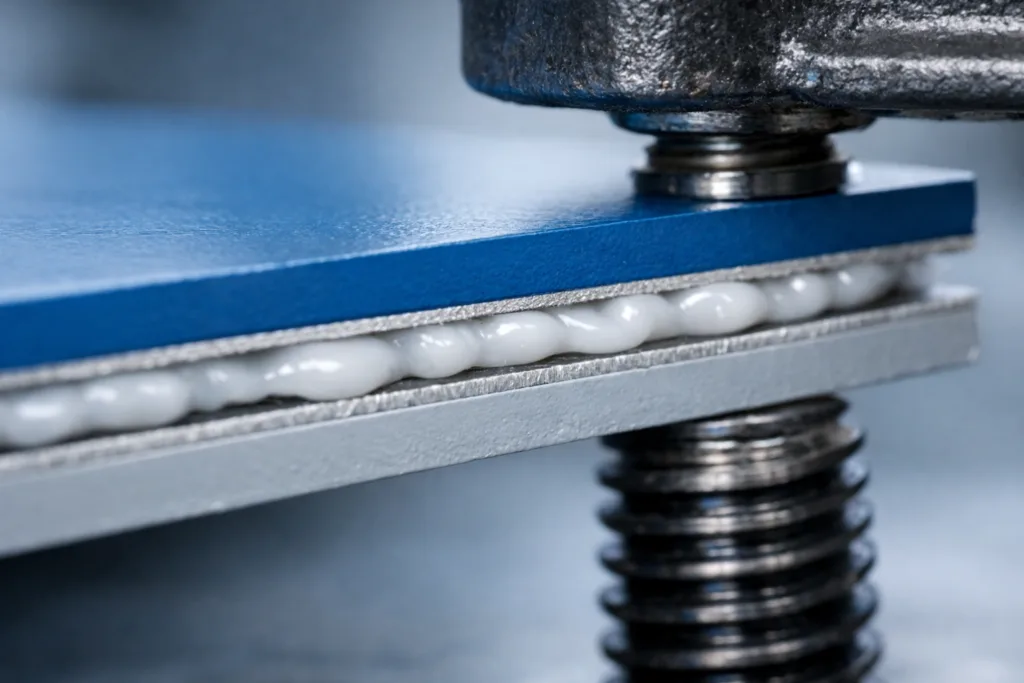
- Clean thoroughly with a solvent wipe (isopropanol or acetone) to remove dust, grease, and fingerprints
- Ensure the paint is well-cured—avoid semi-cured, tacky, or brittle finishes
- Light abrasion (scuffing) can help on very glossy or high-gloss finishes, but is often not required with modern adhesives
Testing Bond Strength: What Do the Numbers Say?
Testing methods like lap shear strength and peel strength under standard protocols (ASTM D1002, ISO 4587) provide honest numbers for primerless bonding on painted metals. Leading products achieve lap shear strengths from 5–15 MPa (725–2175 psi) on powder-coated steel, rivaling traditional primed joints. Durability is assessed by accelerated aging: thermal cycling, saline/humidity exposure, and solvent resistance challenges.
Step-by-Step Guide: How to Bond Painted Metal Using Skip-Primer Adhesives
- 1. Clean the Surface: Use a lint-free cloth and approved solvent.
- 2. Inspect the Paint: Make sure there’s no peeling, cracking, or loose areas.
- 3. Prepare (as needed): If the paint is extra glossy, scuff lightly.
- 4. Dispense Adhesive: Apply a bead or pattern as recommended in the product datasheet.
- 5. Clamp Components: Use suitable fixtures or tape to hold the assembly during cure.
- 6. Allow to Cure: Follow manufacturer specs for open/fixture time and post-bond handling.
Case Study: Automotive Body Panel Assembly Without Primer
A leading automaker transitioned to a new epoxy-based, primerless adhesive for bonding powder-coated aluminum body panels. After switching, production time per vehicle dropped by 12%. Joint testing revealed no decrease in peel or shear performance; in fact, the painted layer became the limiting factor before the adhesive failed. No extra environmental controls or priming stations were needed, slashing VOC output.
Case Study: Appliance Housing Construction
An appliance OEM moved to acrylic-based skip-primer adhesives for steel frame assembly. Full adhesion was achieved on baked enamel finishes, even after humidity and temperature cycling. A simplified, all-in-one adhesive process removed four steps from the previous multi-primer workflow—directly translating to labor and material savings.
Real-World Limitations: When Is Primer Still Needed?
Despite modern chemistry, certain situations require traditional primers:
- Uncured or outgassing paint: Weak surface layer inhibits adhesion
- Very low-surface-energy coatings: PTFE, silicone-modified paints may resist all but specialty adhesives
- Critical peel loading: If the join is subject to frequent peeling force, primer or secondary mechanical retention may still be advisable
Expert Tips for Consistent Skip-Primer Bonding
- Always match adhesive type to both the paint chemistry and end-use environment
- Target recommended bondline thickness—too thick or thin reduces performance
- Review cure times; some rapid systems can lose strength on thick, heat-insulating layers
- Do periodic bond testing after production line changes
How ZDS Adhesive Approaches Bonding Painted Metals
From an application engineering perspective at ZDS Adhesive, an industrial adhesive manufacturer, primerless bonding starts with a lab analysis of the paint layer’s chemistry and application environment. We cross-test adhesives under real-world stress (lap shear, peel, torsion) with different painted substrates and submit joints to both thermal cycling and humidity-aging tests. For painted automotive panels or appliances, the minimum recommendation is to ensure paints are fully cured, follow tight surface prep, and verify that adhesive/paint compatibility includes needed resistance to solvents, detergents, and vibration cycles. This methodical process prevents failures due to hidden contaminants or misapplied paint finishes—saving our customers both time and rework costs.
Common Failure Modes & Practical Fixes
- Cohesive failure in paint: Paint delaminates before adhesive fails; check cure state and thickness
- Adhesive debonding (surface slip): Clean more aggressively, consider a light mechanical scuff
- Environmental degradation: Use products with proven UV, humidity, or chemical resistance for outdoor or harsh indoor settings
Top Reliability Tests for Painted Metal Adhesive Bonds
- Lap Shear Test: Measures strength across the bond line
- Peel Test: Stresses paint/adhesive interface
- Thermal Cycling: Assesses expansion/contraction fatigue
- Humidity Aging: Predicts long-term stability for appliances/outdoor products
- Solvent & Water Soak: Ensures resistance to cleaning or accidental spills
Environmental and Workplace Advantages of Skipping Primers
- Lower VOCs: No solvent-based primers released during application
- Cleaner air and less PPE: Streamlined processes help meet air quality targets
- Waste and spill reduction: Eliminates primer container handling and disposal
- Simplified compliance: Fewer hazardous materials to register or audit
Summary Table: Primerless Adhesive Types for Painted Metals
| Adhesive System | Best For | Main Advantage | Common Limitation |
|---|---|---|---|
| Acrylic | Powder-coat/ E-coat & fast assembly | Speed, high initial strength | Odor, short open time |
| Epoxy | Heavy-duty, high-stress joints | Durability, rigidity | Longer cure; more surface prep |
| Polyurethane Hybrid | Flexible, impact-resistant needs | Good gap-filling, weathering | Can foam with humidity |
| SMP | Outdoor/UV stability | Weather/UV resistance | Lower strength, slow cure |
Conclusion: The Future of Primerless Bonding for Painted Metals
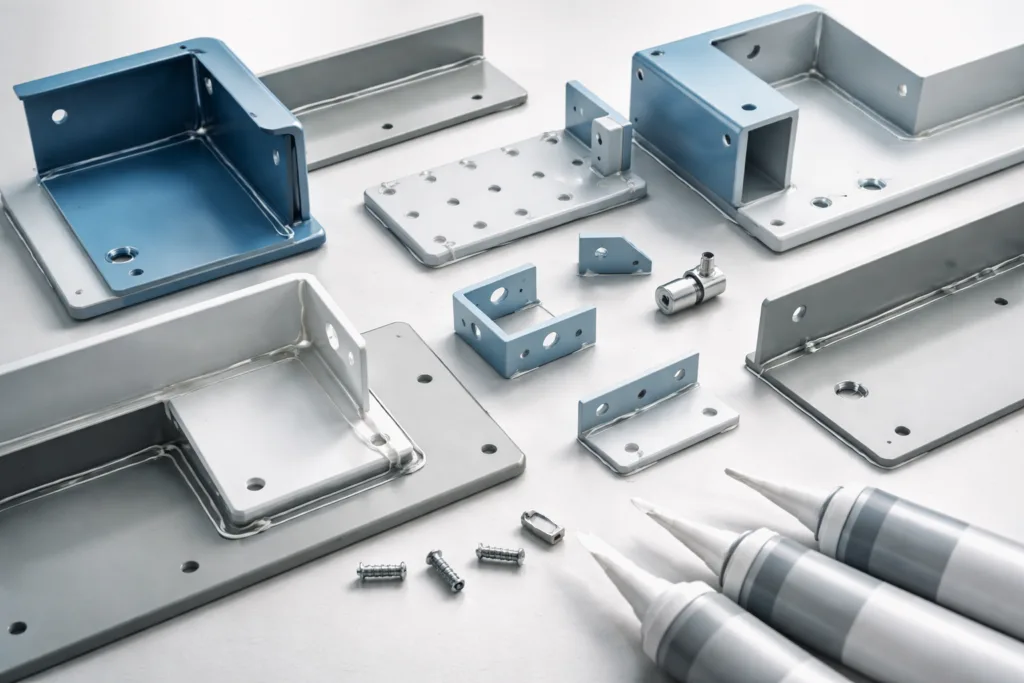
Today’s primerless adhesives for painted metals reflect years of chemical innovation, practical field testing, and industry feedback. The ability to bond directly to pre-painted metal not only saves time and reduces costs, but it also unlocks new design and process efficiencies across industries. While there are limits—especially with unusual paint systems or critical peel loading—a methodical approach ensures reliable, high-strength bonds and fewer process headaches. Understanding adhesive properties, following surface prep best practices, and using real-world testing are your best tools for success. Primerless bonding is here to stay, and mastering it can give your shop or production line a clear advantage.
Frequently Asked Questions
Can all adhesives bond to painted metal without primer?
No, only adhesives formulated for primerless performance should be used. Generic adhesives may cause weak bonds or failure on painted metal surfaces.
Which adhesive works best on powder-coated metal?
Acrylic structural adhesives and modified epoxies usually offer the highest strength and reliability for powder-coated substrates.
Do I need to sand or scuff the paint before bonding?
Light abrasion can help on high-gloss or glassy finishes, but many primerless adhesives work well on fully cured, clean, unabraded paint.
How does primerless bonding affect process times?
Skipping primer often reduces assembly cycle time by 15–30%, eliminates primer curing steps, and streamlines quality checks.
Are there cases where primer cannot be skipped?
Yes, with uncured, outgassing, or very low-energy paints (such as PTFE or silicone-modified coatings), using a primer or specialty adhesive is still advised.
How can I test bond strength on painted metals?
Perform lap shear and peel tests under relevant conditions, and use accelerated aging to confirm long-term durability for your application.