Introduction: The Critical Role of UV Glues in AR/VR Lens Assembly
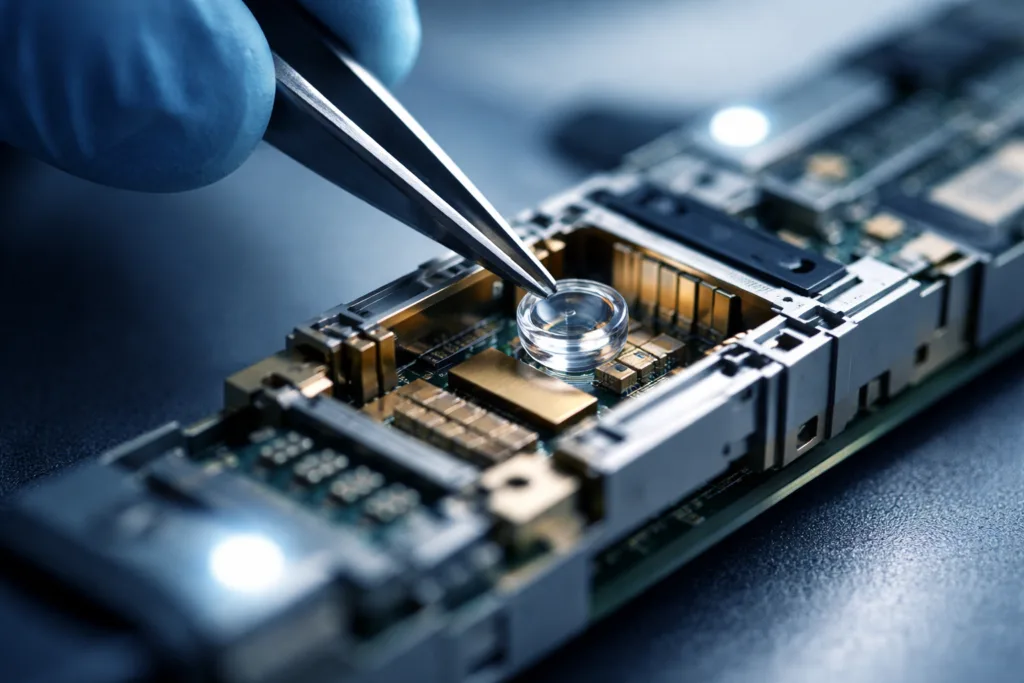
High-transparency UV glues are transforming AR/VR lens assembly in 2026, offering unmatched optical clarity and lasting durability. From smartphones to enterprise headsets, the quality of lens bonding affects everything—from user immersion to device reliability. Epoxy adhesive solutions often play a supporting role where hybrid bonding is required, but UV glues remain the core choice for crystal-clear lens lamination and rapid manufacturing.
What Are High-Transparency UV Glues?
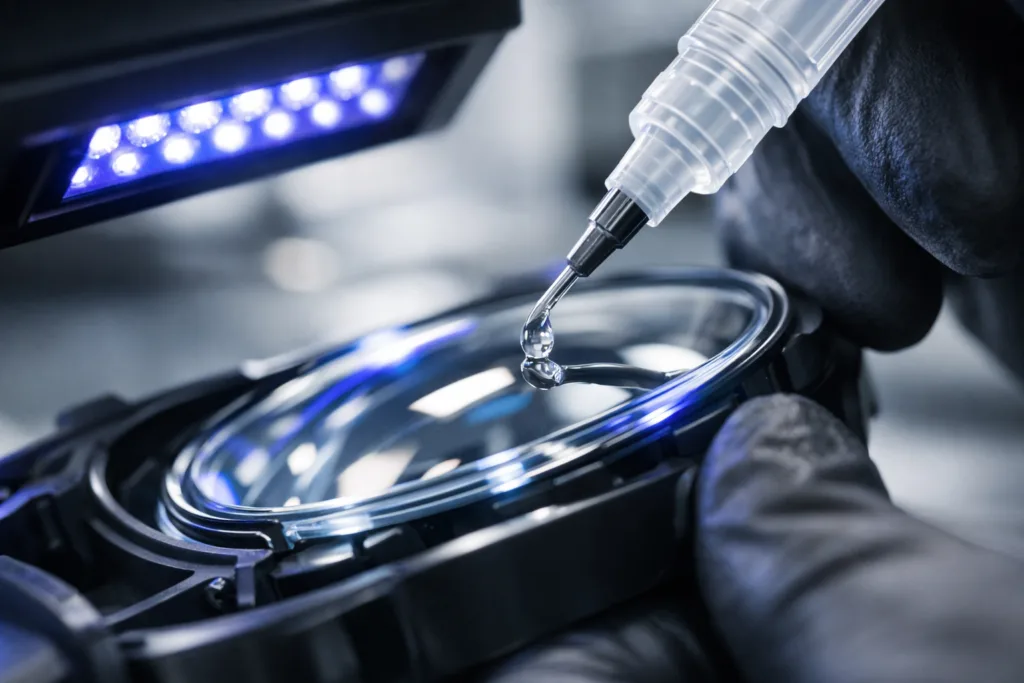
UV glues, also known as ultraviolet-curing adhesives, are liquid adhesives that cure and harden when exposed to UV light. High-transparency versions are engineered for applications where optical clarity is paramount, such as AR/VR lenses. These glues create invisible bonds, minimizing distortion and haze in finished lenses.
Why Optical Clarity Matters for AR/VR Devices
In AR and VR devices, even minor imperfections can reduce immersion and cause visual artifacts. High-transparency UV glues prevent bubbles and discoloration, keeping the lens interface seamless. According to recent industry experience at ZDS Adhesive, an industrial adhesive manufacturer, sub-0.5% haze and colorless bonds are achievable with modern UV formulations, especially when surface preparation is done correctly.
Key Properties of UV Glues in Lens Assembly
- Optical Transparency: Light transmission rates typically exceed 98%, critical for minimal image loss.
- Fast Curing: Most UV glues bond within seconds under UV-A or UV-LED sources, streamlining high-volume production.
- Non-Yellowing: Resistance to UV-induced yellowing keeps AR/VR optics clear over years of use.
- Mechanical Strength: Rated for shock and peel tests, typical bonds withstand assembly line drop simulations.
- Compatibility: Formulated for glass, polycarbonate, and PMMA lens substrates common in AR/VR optics.
Main Challenges in Selecting UV Glues for AR/VR Lenses
Selecting the ideal adhesive means balancing process speed, clarity, and long-term stability. Common issues include poor wet-out on low-surface-energy plastics, microbubble formation, and incomplete curing on tinted substrates. Surface preparation techniques such as plasma or corona treatment—covered in this surface preparation guide—can help mitigate adhesion failures.
Technical Specifications: What to Look For
- Refractive Index: Should closely match lens material (e.g., 1.48–1.52) to avoid ghosting or image shift.
- Cure Time: Typical range: 2–10 seconds under recommended lamp intensity.
- Hardness: Shore D 30–80, balancing flexibility and scratch resistance.
- Viscosity: Low (100–400 cps) for thin bonds, or high (>1000 cps) for gap filling.
- Thermal Stability: Must resist expansion/contraction during device heating/cooling cycles.
Assembly Process: Step-by-Step Guide for AR/VR Lenses
| Step | Action | Why It Matters |
|---|---|---|
| Surface Cleaning | Remove dust, oil, residues | Prevents bubbles and delamination |
| Application | Dispense UV glue precisely | Controls bond line thickness |
| Alignment | Mate lens components | Keeps optical axis true |
| UV Exposure | Cure under correct lamp | Ensures full chemical cross-link |
| Inspection | Check for defects, haze | Verifies assembly quality |
Common Substrates in AR/VR Lens Bonding
- Glass (Corning® Gorilla Glass, float glass)
- Polycarbonate (PC)
- PMMA (acrylic)
- Coated optics (AR/AF/oleophobic)
Different formulations excel on specific substrates. For example, glass glue solutions offer tailored adhesion profiles for high-strength, low-haze bonding between glass and plastics.
Curing Processes: UV-A vs. UV-LED in Lens Assembly
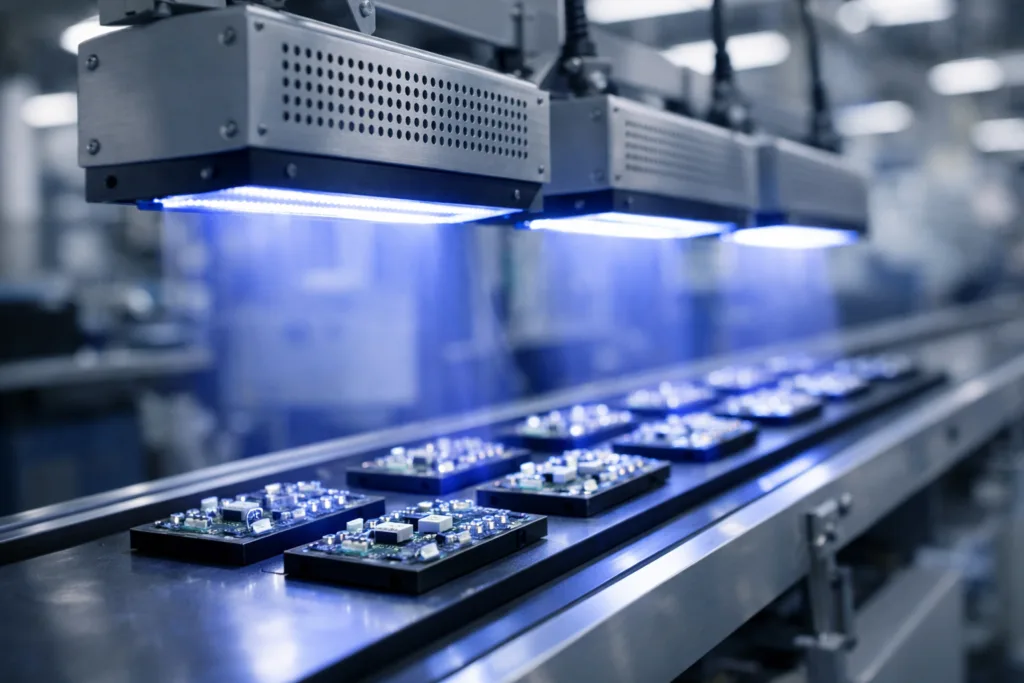
Manufacturers use either broad-spectrum UV-A or narrow-band UV-LED curing for high-transparency glues. UV-LED offers cooler operation and precise control, reducing warpage and risk of thermally induced stresses. Fixture time—the interval before handling—is usually under 10 seconds for most AR/VR lens adhesive systems, increasing line speed.
Prevention of Bubbles and Optical Defects
Bubbles, voids, and streaks are the main threats to lens clarity. They often stem from poor dispensing, insufficient substrate cleaning, or fast curing that traps air. Using degassed glue, slow ramp UV, and optimized application systems greatly reduces this risk across mass assembly lines.
Real-World Applications: AR/VR Industry Case Studies
Major consumer headset brands now specify high-transparency UV adhesives for front lens and combiner bonds. In a 2025 project, switching to a UV-curing acrylic glue allowed one OEM to cut lens defect rates by 36%, doubled throughput, and Improved device yield for premium AR smart glasses.
Performance Review: Testing and Validation of UV Glues
- Lap Shear—Measures bond strength between lens and frame
- Peel Resistance—Simulates repeated cleaning cycles
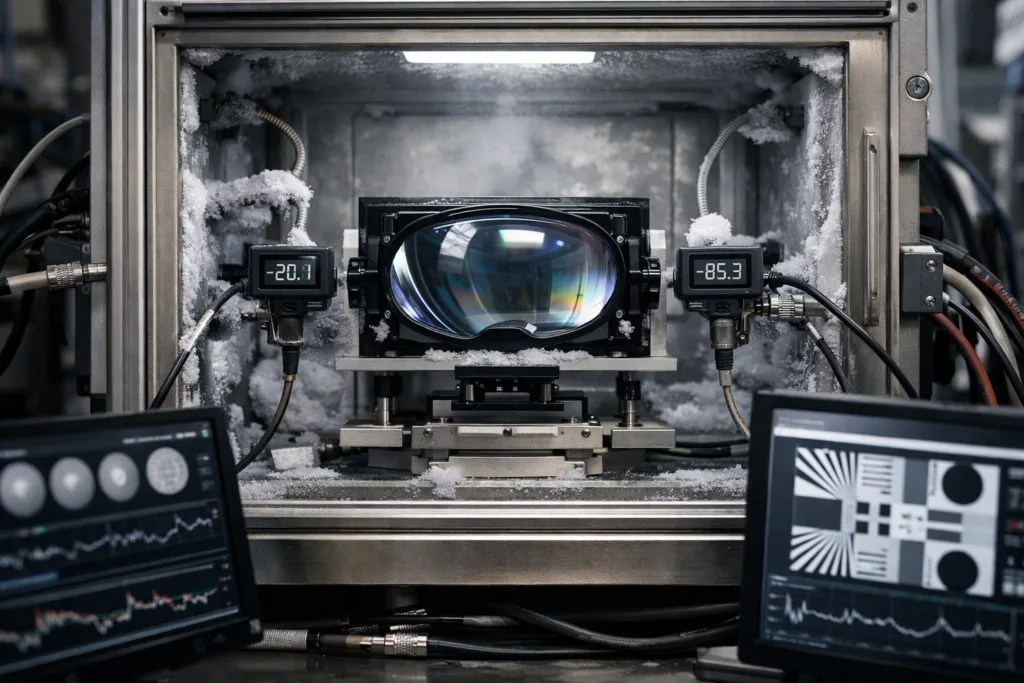
- Thermal Cycling—Accelerated aging from -20°C to +85°C
- Humidity Exposure—Tests for clouding or delamination
Documented results from ZDS Adhesive show UV bonds maintain >90% of original clarity and strength after 1000 cycles of thermal/humidity testing, outperforming conventional epoxies for transparent lens-to-frame joins.
Durability and Longevity in End-User Conditions
Longevity testing simulates months or years of daily use, including cleaning, environmental exposure, and impact events. Premium UV glues provide resistance to yellowing, microcracking, and lens detachment. Well-formulated glues retain adhesion even with frequent user handling and are compliant with RoHS/REACH for global safety.
User Experiences: Visual Quality and Comfort
End-users are sensitive to even slight humidity condensation, haze, or lens separation. Reports from AR/VR device owners highlight improvements in image clarity, less eye strain, and greater comfort when high-transparency UV glues are used. Minimal glue lines mean fewer distractions and a more immersive experience.
Comparing UV Glues to Epoxies and Other Adhesives
| Adhesive Type | Optical Clarity | Process Speed | Bond Strength |
|---|---|---|---|
| High-Transparency UV Glue | 98%+ | Seconds | High |
| Epoxy (Optically Clear) | 95–98% | Minutes–Hours | High |
| Silicone | 92–96% | Hours | Medium |
Choosing the Right UV Glue for Different Lens Materials
Match adhesive refractive index and modulus to your lens material. Soft polymers need lower modulus adhesives to prevent stress cracking, while glass benefits from rigid, high-shore UV glues. Always confirm compatibility with coatings and anti-reflective layers before mass production.
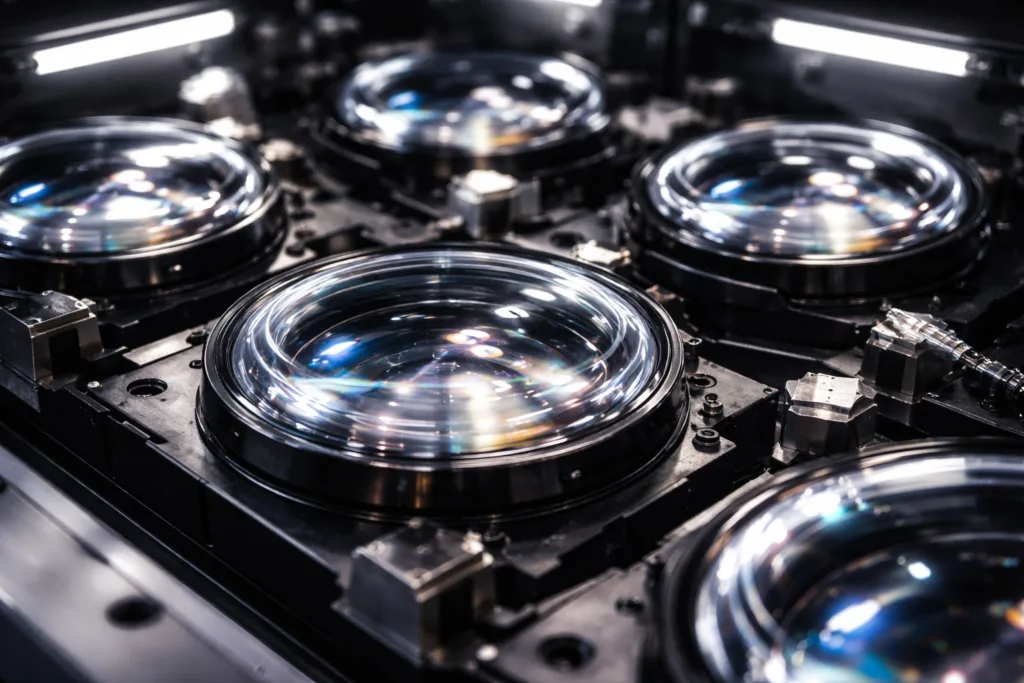
Common Mistakes in AR/VR Lens Bonding (and How to Avoid Them)
- Inadequate cleaning or handling creating surface oils, which block glue wet-out
- Over-curing that leads to microbubbles or excessive shrinkage
- Mismatched adhesive for substrate—never use high-acid UV glues on sensitive coatings
- Ignoring environmental test requirements before release
Process Optimization: Increasing Throughput Without Quality Loss
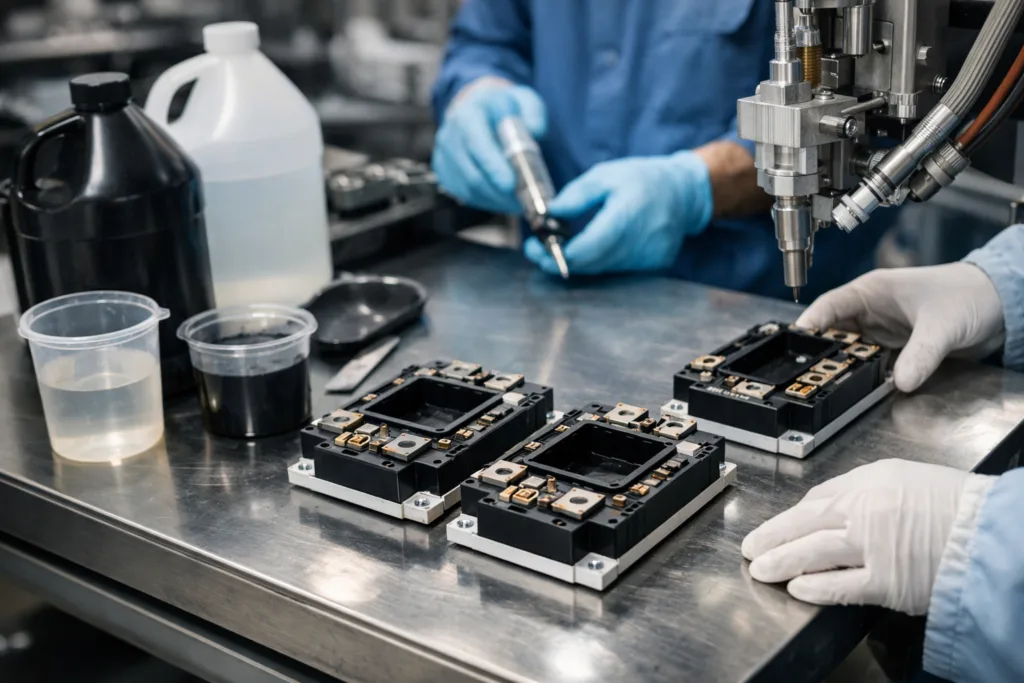
Automation and robotics are trending in lens assembly. Consistent dispensing, real-time UV monitoring, and AI-driven defect detection help maintain speed without compromising bond quality. Modern AR/VR lines integrate UV cure tracking with cycle time analytics.
OEM/ODM Considerations in AR/VR Lens Assembly
Original design and contract manufacturers must vet adhesives for scale and cost, not just performance. Proprietary glues may reduce risk but increase lead times. Open chemistry designs and local sourcing ensure rapid iteration and adaptation to industry changes.
Environmental and Health Factors in UV Glue Use
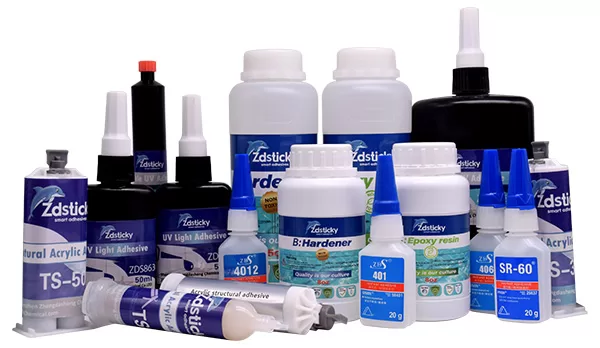
Manufacturers prioritize low-VOC, RoHS, and REACH-compliant adhesives. ZDS Adhesive, with its experience in polyurethane potting glue and UV products, emphasizes safe, clean-room-ready formulations for AR/VR device assembly.
Regulatory Standards and Compliance in AR/VR Lens Adhesives
International standards require adhesives to pass optical, chemical, and aging tests. Compliance enables global shipment and reduces customer returns.
Trends and Innovations for 2026: What’s Next in UV Glues?
- UV glue formulations with integrated anti-fog and anti-static properties
- Smart adhesives for adaptive lens assembly
- Machine-vision compatible glues for automated quality inspection
- Sustainable chemistries with bio-derived components
High-Transparency UV Glues for AR/VR Lens Assembly
This section emphasizes the unique technical features, recent breakthroughs, and real-life applications of high-transparency UV glues in AR/VR lens production. By combining rapid cure times, low haze, and compatibility with advanced optics, these adhesives redefine industry expectations for clarity and user satisfaction.
Conclusion: The New Standard in AR/VR Lens Bonding
High-transparency UV glues set the bar for optical performance and reliability in AR/VR lens assembly. Designers and engineers benefit from their rapid processing, robust durability, and minimal visual artifacts, all backed by rigorous testing and field data. As AR/VR technologies keep evolving, so will the adhesives that empower the next generation of immersive experiences.
Frequently Asked Questions
Why are high-transparency UV glues preferred for AR/VR lens assembly?
They offer superior optical clarity, fast cure times, and durable bonds, minimizing distortion and defects in AR/VR optics.
Can UV glues bond both glass and plastic lenses?
Yes, modern formulations work with glass, polycarbonate, and PMMA, supporting multi-material lens assemblies.
What curing equipment is needed for these adhesives?
Typical systems use UV-A or UV-LED lamps delivering 365–405 nm wavelength, matched to adhesive specifications.
How is bubble formation prevented during bonding?
Proper substrate cleaning, degassed glue, slow ramp curing, and controlled dispensing reduce bubbles and imperfections.
Are UV glues safe and compliant for consumer electronics?
Leading brands comply with RoHS, REACH, and low-VOC standards, suitable for global AR/VR device manufacturing.
How long do bonds created with UV glues last in AR/VR devices?
When properly applied, bonds retain clarity and strength for years, surviving extensive thermal, humidity, and impact cycles.