Introduction: Why Moisture Protection for Data Center Server Motherboards Matters in 2026
In 2026, moisture protection for data center server motherboards is a top priority for facility managers, engineers, and IT professionals. From rising global humidity to critical edge deployments, server hardware faces persistent threats from moisture-related failures. Moisture can sneak into sensitive electronics, corroding components and leading to data loss, costly downtime, and premature replacement cycles. Understanding and addressing these risks is vital for any modern data center. This article explores the challenges, solutions, and real-world payoffs of strategic moisture protection for server motherboards.
Understanding Data Center Moisture Risks

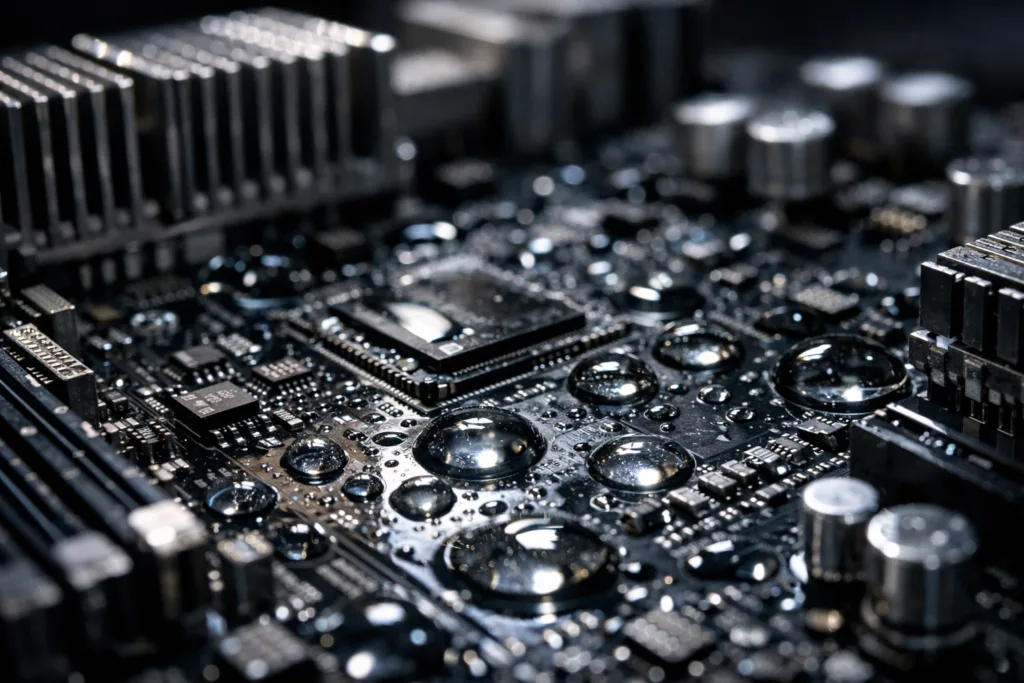
Modern data centers might look spotless, but invisible environmental factors such as high relative humidity, condensation from cooling cycles, and unexpected water leaks pose ongoing risks. Motherboards are especially vulnerable—minute traces of water can lead to corrosion, solder joint failures, or signal integrity losses. Even a brief condensation event during a rapid temperature change can trigger ionic migration that degrades circuit reliability.
Common Sources of Moisture in Data Centers
Sources of moisture include:
- Ambient high humidity during rainy or monsoon seasons
- Leakage from cooling pipework or HVAC condensate drains
- Condensation during rapid server restarts or hot-aisle/cold-aisle crossover
- Groundwater infiltration and raised floor system leaks
How Moisture Damages Server Motherboards
When moisture meets critical hardware, problems such as:
- Corrosion of copper traces and solder pads
- Permanent shifts in impedance and increased contact resistance
- Electrochemical migration leading to short circuits
- Reduced insulation resistance across PCB layers
These failures may be latent—developing slowly over time, only appearing during critical loads or after warranty expiration.
Key Failure Mechanisms from Humidity Exposure
Data center engineers should be especially concerned about:
- Galvanic corrosion at connectors and mixed-metal interfaces
- Ionic contamination accelerating leak paths across PCB gaps
- Delamination of solder masks, exposing circuits to further attack
Industry Statistics: The Cost of Inadequate Moisture Protection
Recent field surveys indicate that nearly 30% of unplanned server outages traced root cause to environmental factors, with moisture high on the list. One 2025 case study found that adopting robust humidity controls and advanced coatings reduced annual board replacement costs by 18% compared to control groups.
Effective Moisture Protection Methods
There is no one-size-fits-all solution; true reliability comes by layering strategies:
- Deploying targeted epoxy adhesive or conformal coatings on vulnerable areas
- Integrating precision environmental monitoring
- Optimizing airflow and reducing dew point excursions
Conformal Coatings: A Powerful Line of Defense
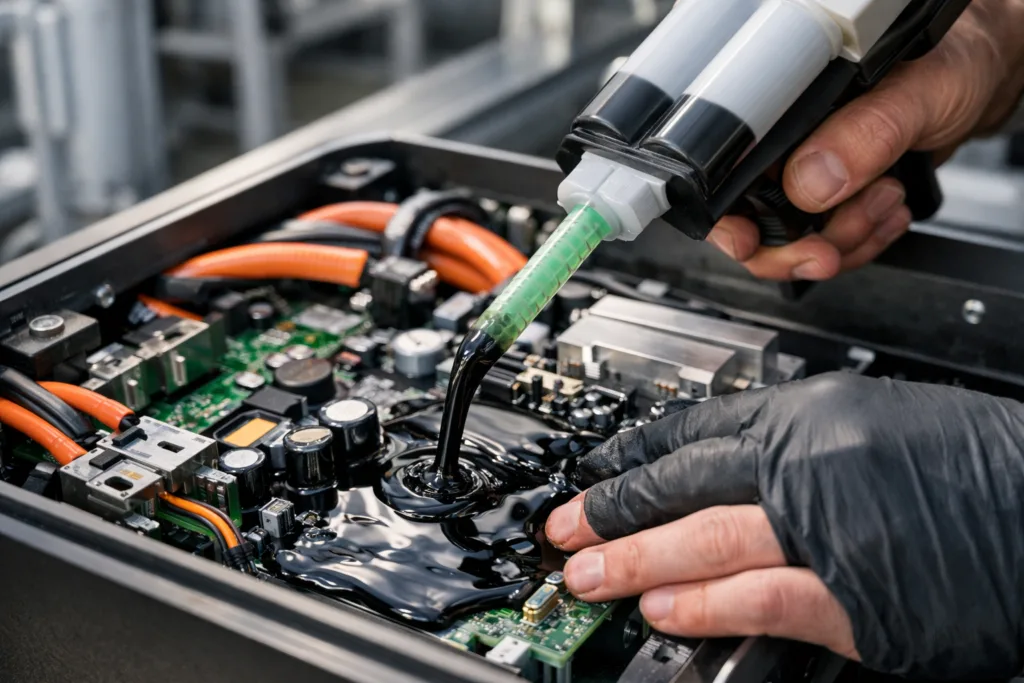
Specialty coatings—whether polyurethane, acrylic, or epoxy—create a resistant barrier against moisture, dust, and contaminants. High-quality polyurethane potting glue remains popular for mission-critical boards, offering flexibility, low water vapor transmission, and electrical insulation. These coatings can be selectively applied to connectors, high-voltage sections, and complex SMT assemblies.
Humidity Control Systems in Data Center Environments
Precision humidistats and HVAC zoning help keep relative humidity in the optimal 40–55% band. This window minimizes both corrosion risk (common above 60%) and static discharge (heightened below 35%). Variable-speed fans and custom ducting further stabilize microclimates near server racks.
Proper Ventilation as a Moisture Deterrent
Well-designed airflow paths not only cool electronics: they reduce hot/cool junctions that cause micro-condensation. Filtered positive-pressure systems prevent migration of humid outside air into sensitive zones. Some facilities adopt hot-aisle containment, but still must monitor for condensation at containment boundaries.
Potting and Encapsulation for High-Risk Boards
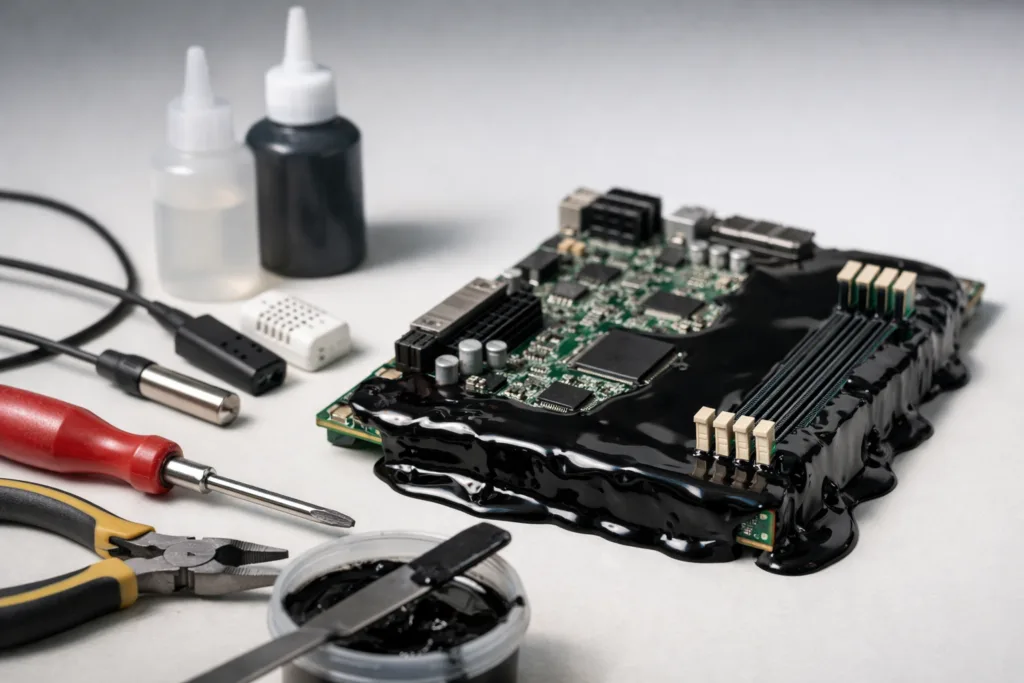
Especially for edge nodes and mobile data centers, full encapsulation with specialty resins is warranted. Potting compounds, such as industrial-grade epoxy adhesives, flow into all voids, locking out moisture even after repeated thermal cycling. Cure schedules are tuned for coverage without entrained bubbles or mechanical stress on BGA/CSP packages.
Material Selection: Choosing the Right Protective Compounds
Factors affecting the right choice include:
- Chemical compatibility with PCB laminates and components
- Service temperature range and expansion coefficient
- Electrical insulation and UL flame rating
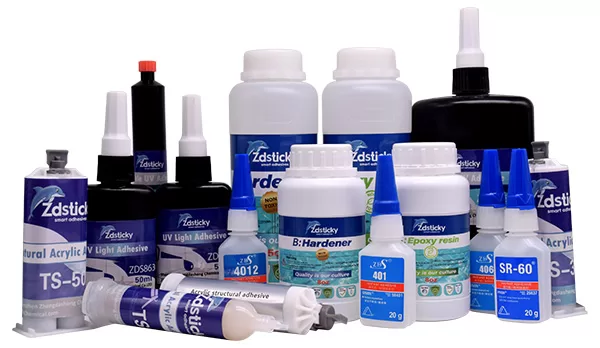
From an assembly-line viewpoint at ZDS Adhesive, an industrial adhesive manufacturer, coatings must balance long-term durability, production throughput, and simplicity of rework. Performance is verified through humidity aging, HAST, and insulation resistance tests.
Assembly Process Modifications for Moisture Protection
It’s not only which product, but how it’s applied. Steps include:
- Strict pre-coating cleaning routines to remove flux and ionic residues
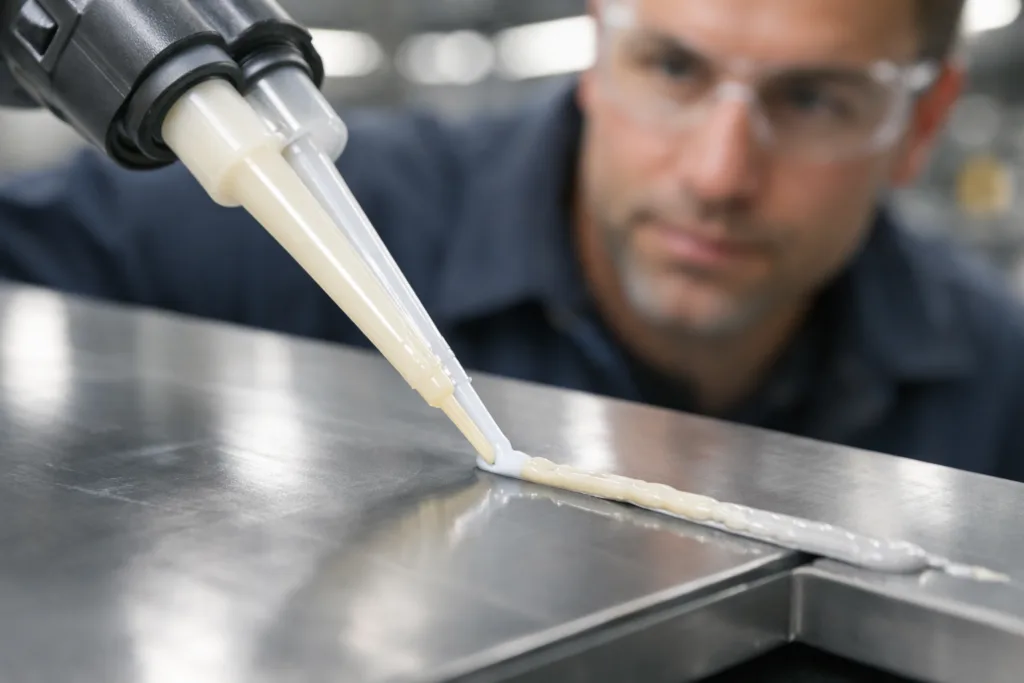
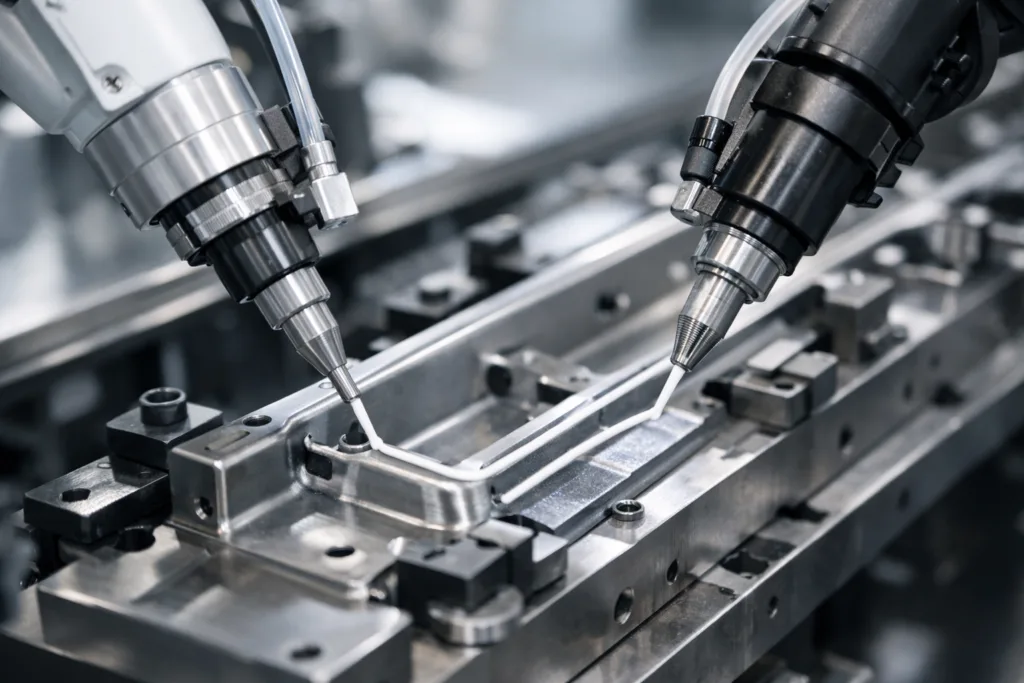
- Automated or selective robotic dispensing for tight tolerances
- Post-cure inspection under UV or visible light for complete coverage
Balancing Serviceability and Moisture Barriers
Serviceable electronics may use removable gaskets, modular conformal films, or edge-applied sealants. Boards needing frequent rework often use non-permanent, peelable coatings or local application to high-risk sections only.
Ventilation Strategies: Hot Aisle/Cold Aisle Best Practices
Implementing aisle containment, regular filter maintenance, and optimized rack spacing ensures cold aisles do not become dew collection zones. Dew point mapping, combined with seasonal airflow adjustments, further reduces condensation surprises.
Integrated Monitoring: Sensors for Early-Warning
State-of-the-art sensors track not only room humidity, but also in-cabinet and board-level microclimates. IoT-linked systems sound immediate alerts if moisture exceeds safe thresholds, preventing silent degradation.
Real-World Case Study: Hyperscale Data Center Deployment
One North American facility deployed coordinated HVAC upgrades, sensor arrays, and conformal coating on controller boards. The downstream effect was a 35% year-over-year reduction in out-of-warranty motherboard swaps, and a measurable uptick in service uptime metrics.
Best Practices for Moisture Management in 2026 Data Centers
- Specify IPC-CC-830 conformal coatings for high-value boards
- Institute quarterly humidity and dew point audits
- Train staff on post-maintenance cleaning procedures
- Layer protection methods—never rely on a single strategy
When to Use Potting Versus Coating
Potting is best for permanently deployed, inaccessible, or outdoor units. Conformal coatings excel when airflow, future repairs, or complex geometries demand flexibility. Consider operation cycles, service access, and mounting conditions as core decision drivers.
Emerging Materials: Next-Generation Moisture Barriers in 2026
Advances include fluoropolymer nanocoatings, hybrid ceramic-acrylic blends, and smart self-healing encapsulants. Their enhanced chemical stability and minimal thickness offer robust moisture defenses with no bulk or added weight.
Testing for Moisture Resistance
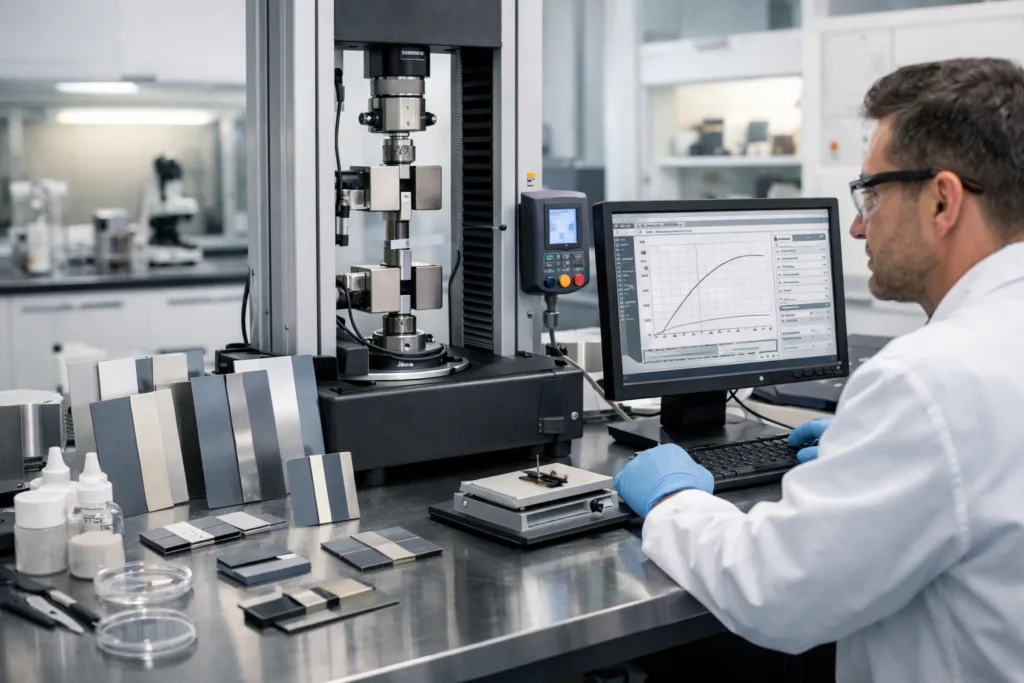
Testing protocols, such as 85/85 humidity aging, salt fog exposure, and voltage bias insulation monitoring, confirm coating effectiveness and process stability up front. Failure analysis guides process improvements and coating selection.
Maintenance Schedules and Periodic Inspections
Scheduled board inspections, regular filter changes, and targeted reapplication of coatings bolster long-term reliability. Coordinated logs with environmental data help track trends and address problem zones proactively.
Cost-Benefit Analysis: Investment versus Downtime Risk
Though moisture-proofing adds incremental cost to boards, industry case studies repeatedly show fast ROI through reduced emergency repairs, warranty claims, and extended motherboard lifespans. Downtime avoidance alone far outweighs up-front investments for most operators.
Moisture Protection for Data Center Server Motherboards
Moisture protection for data center server motherboards combines careful environmental control, advanced materials, and precision process engineering. In 2026, data center managers cannot afford to overlook these critical strategies. Proactive moisture management pays off in reliability, reputation, and operational cost control.
Conclusion: Reliability Starts with Moisture Protection
Data center professionals who invest in layered moisture barriers, smart monitoring, and disciplined maintenance create a platform for long-term uptime and efficient operations. As technology evolves, the fundamentals—consistent environment, targeted protection, and proven materials—remain the backbone of server motherboard longevity.
Frequently Asked Questions
What is the ideal humidity range for data center operation?
The recommended range is typically 40–55% relative humidity. Staying within this band minimizes corrosion risks and reduces electrostatic discharge hazards.
How does condensation occur in data centers?
Condensation forms when moist air encounters a cold surface, such as after rapid temperature drops or near poorly insulated cooling lines. This brief moisture event can harm sensitive hardware.
Are conformal coatings permanent?
Many are semi-permanent and can be removed with specialized solvents for board repair. Some, like potting compounds, are intended to be permanent for inaccessible assemblies.
How often should moisture protection measures be inspected?
Quarterly inspections—combined with environmental audits—are generally recommended. Inspection catches wear, contamination, or incomplete coverage before costly failures arise.
Does moisture protection affect board serviceability?
Yes, heavy coatings or full potting can restrict rework access. For frequently maintained boards, modular or selective coatings are preferable to allow service flexibility.
What’s the most common failure if moisture is not managed?
Corrosion of connectors and PCB traces is the most frequent, but shorting and insulation loss can also develop, especially in high-humidity or poorly ventilated areas.
Related Reading
- How Proper Cleaning Prevents Adhesion Failures in Electronics
- Unlocking Cooler Servers with New Phase Change Thermal Materials
- Vacuum Pressure Impregnation: The Silent Guardian of Motor Reliability
- Revolutionize Electronics Manufacturing with Advanced UV Maskants
- Boost Your LED Driver Boards’ Lifespan with Thermal Potting Solutions