Introduction: The Crucial Role of Phase Change Materials (PCM) for AAU Heat Sinks
As 5G and new telecom infrastructure scale up, the demand for reliable thermal management in Active Antenna Units (AAUs) is intensifying. Overheating can degrade signal quality, shorten electronics lifespan, or even cause device failures. That’s where Phase Change Materials (PCM) for AAU Heat Sinks deliver a game-changing advantage. How do these advanced materials reshape heat dissipation strategies in telecom devices? Let’s explore how PCMs store, transfer, and ultimately manage thermal loads in cutting-edge AAU heat sink solutions.
What Are Phase Change Materials (PCMs)? Understanding the Science
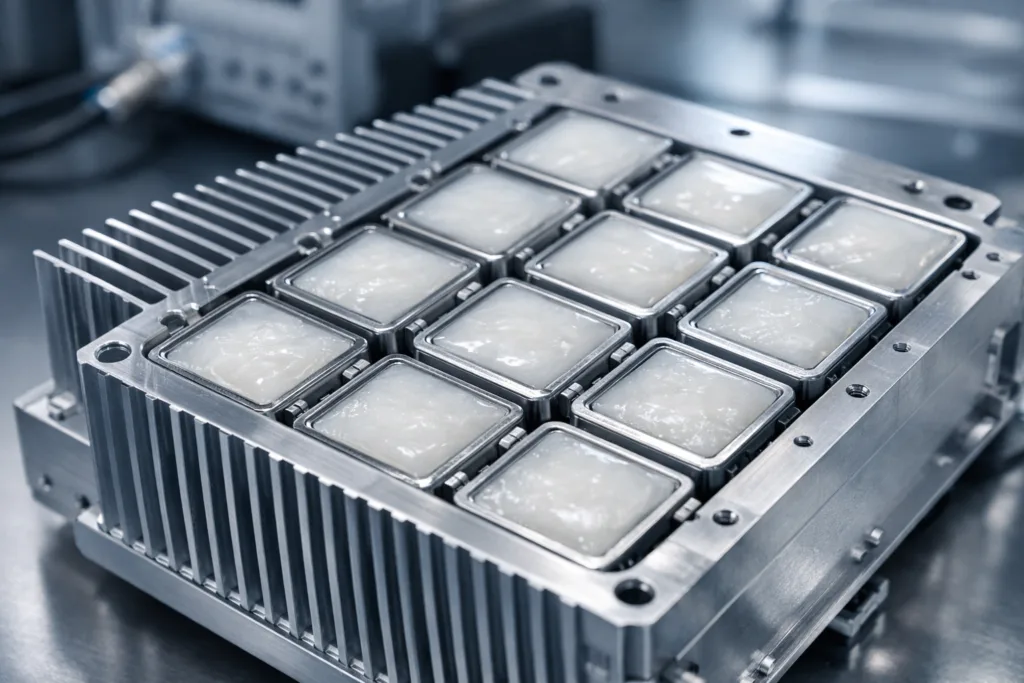
Phase Change Materials (PCMs) are a class of substances that absorb or release large amounts of latent heat when they change state—typically from solid to liquid or vice versa—at specific temperatures. This process makes PCMs ideal for stabilizing component temperatures and protecting electronics from thermal surges. In AAU heat sinks, PCMs absorb excess heat during peak load and release it slowly during cool-down, flattening temperature spikes that can harm equipment.
How Do PCMs Improve AAU Heat Sink Performance?
AAU systems operate in environments where temperature fluctuations are common and thermal management is critical. Incorporating PCMs into heat sink designs brings these advantages:
- Thermal Buffering: PCMs lock in heat at critical threshold temperatures, preventing rapid rises inside sensitive circuits.
- Enhanced Peak Handling: During heavy load or environmental temperature surges, PCMs dissipate heat smoothly, protecting system reliability.
- Longevity: Consistent operating temperatures reduce material stress, extending the operational life of telecom electronics.
Types of PCMs Used in AAU Heat Sink Applications
Not all PCMs are equal. For telecom and AAU heat sinks, the most relevant types include:
- Organic PCMs (e.g., paraffins, fatty acids): Chemically stable, non-corrosive, and low cost. Often used for moderate temperature ranges.
- Inorganic PCMs (e.g., salt hydrates): Higher latent heat capacity and thermal conductivity. Suitable for harsher, higher-temperature environments, but require encapsulation to avoid leakage or material breakdown.
- Eutectic Blends: Customized mixtures to tailor phase change characteristics for specific operating profiles.
PCM Integration: Design Considerations for AAU Heat Sinks
Integrating PCMs into AAU heat sinks requires careful engineering. Key design factors include:
- Phase Change Temperature Selection: Should closely match the target maximum operating range of the AAU electronics.
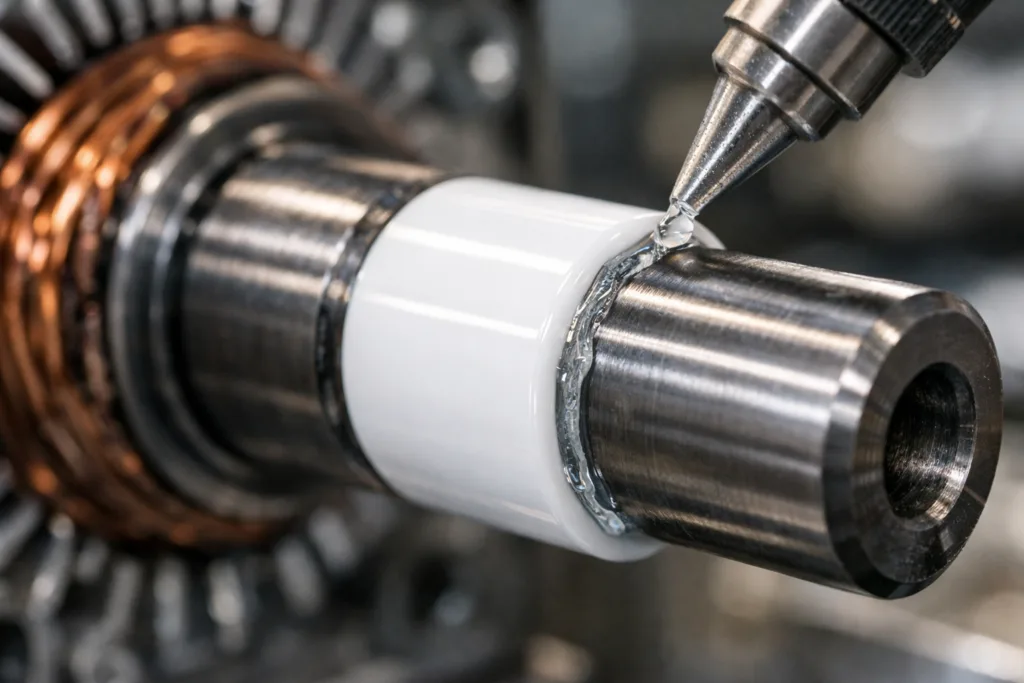
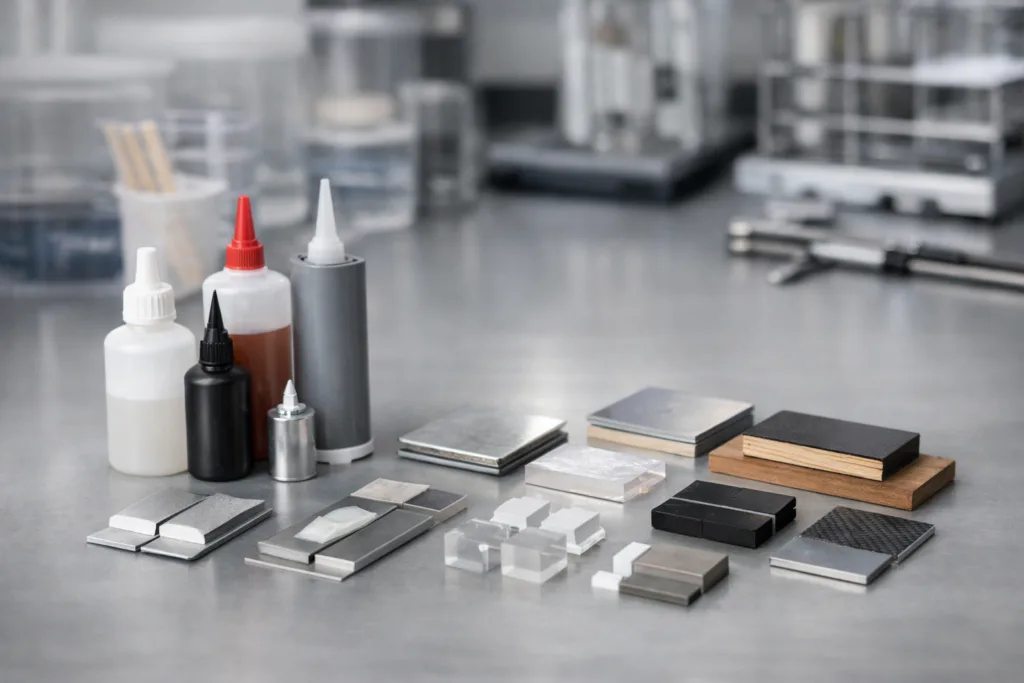
- Material Compatibility: PCMs need chemical and physical compatibility with adjacent structural or encapsulation materials. For instance, using specialized epoxy adhesives for heat sink assembly can prevent leakage and provide robust sealing.
- Encapsulation and Containment: PCMs often require encapsulation (within pouches, shells, or metal containers) to ensure long-term reliability and avoid material migration.
- Volume Expansion: Some PCMs expand on melting; design must accommodate this factor without compromising thermal contact or mechanical integrity.
Comparing PCM Heat Sinks vs. Conventional Solutions
| Characteristic | Conventional Heat Sinks | PCM-Enhanced Heat Sinks |
|---|---|---|
| Heat Management | Relies on thermal conduction, convection, surface area | Absorbs and buffers peak surges via phase transition |
| Response to Peaks | Temperature spikes possible; may exceed safe limits | Keeps temps closer to threshold during surges |
| Complexity | Simple construction, no moving parts | Adds encapsulation, material interface considerations |
| Lifetime Benefits | Prolonged peaks can degrade electronics | Improved electronics longevity |
Advancements in PCM Formulation and Encapsulation Technology
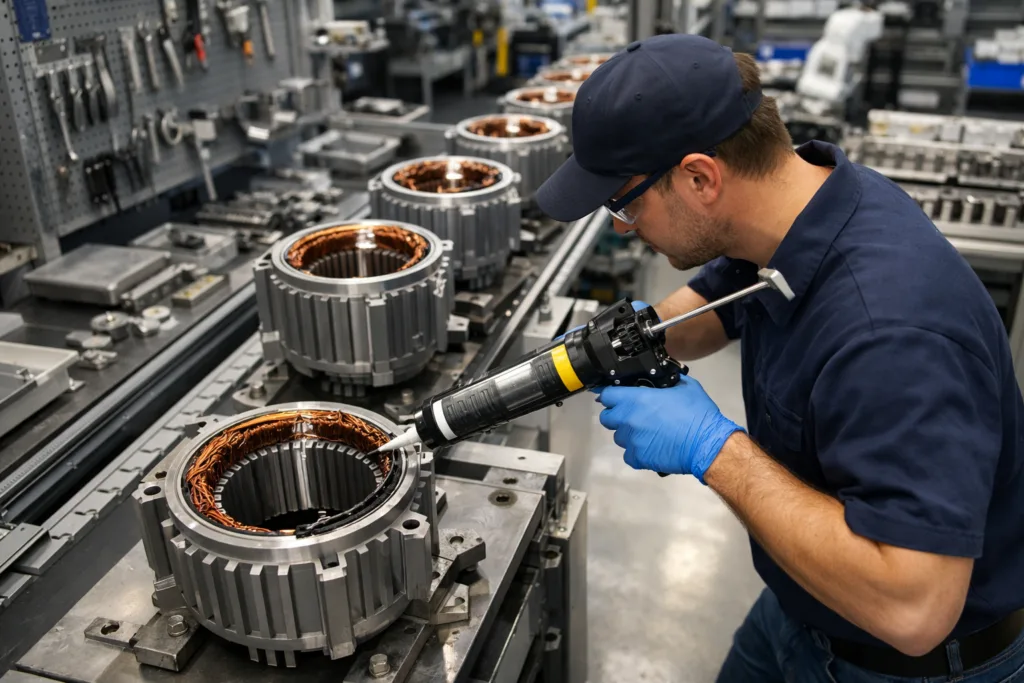
The past decade has seen rapid progress in PCM chemistry and encapsulation science. Nanomaterial additives, such as graphene or metal nanoparticles, are being developed to boost the thermal conductivity of otherwise sluggish organic PCMs. Meanwhile, advanced encapsulants, like polyurethane potting compounds, help contain PCMs, prevent leakage, and provide environmental protection—even after thousands of melting/solidification cycles. This versatility opens new frontiers for telecom equipment designers insisting on field reliability and thermal stability.
Case Study: PCM Deployment in Next-Gen AAUs
In 2024, a major Chinese telecom equipment manufacturer retrofitted its AAU product lines with encapsulated PCM inserts. Compared to all-metal fin/traditional heat sink designs, PCM-enhanced units maintained internal temperatures 12–15°C lower during peak power transmission. Over a simulated two-year lifecycle (thermal cycling, humidity, and vibration), no significant PCM degradation or leakage was observed, and equipment lifetime was extended by 18%.
Recent Research: Improved PCM Composition for Electronic Cooling
Studies published in 2025 highlight the effectiveness of encapsulated salt hydrates with carefully matched phase transition temperatures in the 45–55°C range. With the right industrial adhesives for assembly, these PCM composites showed enhanced cycling stability, minimal supercooling, and negligible loss of storage capacity after repeated use—making them increasingly attractive for large-scale AAU deployments.
Practical Selection Tips: Choosing the Right PCM Solution
Telecom engineers and designers should prioritize these factors when specifying Phase Change Materials for AAU heat sinks:
- Required phase change temperature (match max safe device temp)
- Latent heat (energy absorbed per kg of PCM)
- Thermal conductivity (speed of heat movement into PCM)
- Encapsulation method and material resistance to leaks or cracking
- Chemical compatibility with potting, adhesives, and housing
- Regulatory/environmental compliance (halogen-free, RoHS, etc.)
Assembly and Manufacturing: Best Practices for Reliability
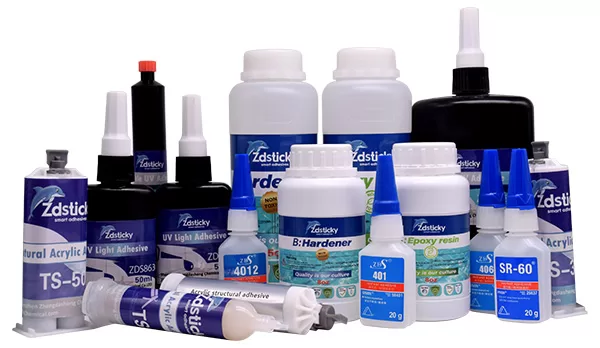
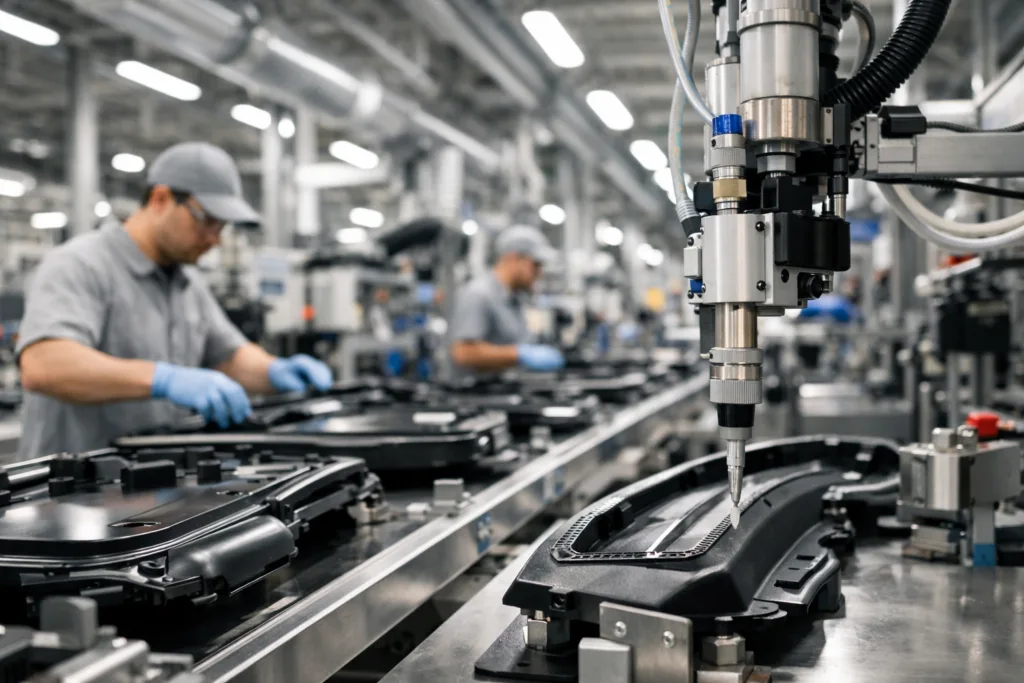
To achieve the benefits of PCM thermal buffers, manufacturers must carefully select adhesives and encapsulants that support both PCM containment and overall assembly durability. ZDS Adhesive, an industrial adhesive manufacturer, observes that the highest failure rates in PCM-augmented heat sink assemblies often result from chemical incompatibility or improper cure schedules. Best practice is to run compatibility testing (thermal cycling, adhesion, aging) on all interface materials to guarantee performance throughout the AAU’s operational life.
Real-World Challenges: Deployment and Maintenance
Although PCM technology reduces peak overheating, real-world installation brings challenges. Volume expansion during melting can cause mechanical stress. There’s also risk of long-term PCM migration or leakage if lines weren’t sealed properly. Designers should also consider module access for future maintenance—since failed PCMs can compromise the whole heat management system if not replaceable or serviceable.
PCM Trends in 2026: Where Is the Industry Heading?
By 2026, the adoption of PCM-based thermal management in telecom heat sinks has accelerated, thanks to better lifecycle cost savings and operational stability. Many leading AAU designs in 5G rollouts and new energy charging infrastructures are now incorporating PCM solutions as standard. With the advent of smart encapsulation materials—able to self-heal cracks or monitor temperature—engineers see new paths toward safer, higher-efficiency telecom networks.
Phase Change Materials (PCM) for AAU Heat Sinks: Key Takeaways
- PCMs stabilize temperatures and protect electronic performance during thermal spikes.
- Choosing the right composition and encapsulation is critical for reliability.
- Engineering teams should use industrial adhesives that match PCM chemical profiles for assembly stability.
- Next-gen AAUs and telecom infrastructure increasingly view PCM-enhanced heat sinks as the gold standard for thermal management.
Frequently Asked Questions
What are the main advantages of using PCMs in AAU heat sinks?
PCMs provide thermal buffering during surges, protect components from rapid temperature increases, and extend overall equipment lifespan by maintaining more stable operating conditions.
How do I select the right PCM for a specific AAU?
Match the phase change temperature with the device’s safe thermal limit, check for chemical compatibility, and ensure suitable thermal conductivity and encapsulation methods.
Can PCM heat sinks be retrofitted to existing AAUs?
Yes, with appropriately designed PCM modules and compatible adhesives, many traditional AAU heat sinks can be retrofitted to include PCM technologies for improved performance.
What are the long-term maintenance concerns with PCM heat sinks?
Potential concerns include PCM leakage, container integrity, chemical compatibility with other materials, and possible need for PCM replacement after extended cycling.
Are organic or inorganic PCMs better for telecom use?
Both have advantages: organics are generally more stable and less corrosive, while inorganics offer higher latent heat but may require more robust encapsulation due to their reactivity.
How does PCM volume change affect AAU heat sink design?
Volume expansion during melting should be factored into mechanical design to avoid stress, leaks, or separation issues. Proper containment materials and design are essential for reliability.
Related Reading
- 7 Reasons Potting Compounds Safeguard Inverter IGBT Modules
- Modern Stator Encapsulation: Proven Ways to Boost E-Motor Heat Dissipation
- How to Enhance Magnet Bonding Shear Strength in EV Motors
- Thermal Potting Compounds: Key to Reliable LED Driver Boards
- 7 Real-World Ways Damping Adhesives Reduce E-Motor Noise