Introduction: Why Skin-Safe Adhesives (ISO 10993) for Smartwatches Matter in 2026
Smartwatches have become a daily accessory for people of all ages, but few consider the safety of the materials that touch their skin. The use of skin-safe adhesives (ISO 10993) in smartwatch manufacturing is now a vital standard. These specialized adhesives ensure user comfort, prevent allergic reactions, and contribute to long-term device reliability. This article explores the role of ISO 10993 adhesives, demystifies biocompatibility, and spotlights their importance for both users and manufacturers.
Understanding Skin-Safe Adhesives and ISO 10993 for Smartwatch Materials
Smartwatches—designed to be worn 24/7—require more than just sleek design. They must bond components with materials proven not to harm human skin, especially during prolonged contact. Adhesive solutions that comply with ISO 10993 undergo strict biocompatibility testing. This ensures they are non-irritant, non-sensitizing, and safe for consumers, even those with sensitive skin.
What Is ISO 10993?
ISO 10993 is a globally recognized series of standards for evaluating the biocompatibility of medical devices and body-contacting materials. For smartwatch adhesives, this means rigorous chemical, cytotoxicity, and skin response tests are mandatory before commercial use.
Why Biocompatibility Is the Non-Negotiable Standard
Biocompatibility ensures adhesives do not damage or inflame the skin. Even safe, strong adhesives are not enough—they must not cause rashes, itching, or delayed hypersensitivity reactions. Compliance with ISO 10993 means adhesives have been tested for long-term wear with real people in mind.
Common Smartwatch Adhesive Types and How They Impact Safety
The adhesives used in watch assemblies include:
- Acrylic adhesives: Offer flexibility and transparency, often used for display bonding.
- Silicone adhesives: Renowned for skin-friendliness, stretchability, and resistance to sweat or oils.
- Polyurethane adhesives: Selected for high strength and durability, as well as biocompatibility in flexible components.
- UV-curable adhesives: Quick, precise curing for delicate components—but require careful formulation for skin contact.
Each type has unique strengths and limitations when evaluated for skin safety and ISO 10993 compliance.
Acrylic vs. Silicone vs. Polyurethane: A Smartwatch Material Comparison
| Adhesive Type | Biocompatibility | Durability | Application Area |
|---|---|---|---|
| Acrylic | Medium (depends on additives) | High | Display, decoration bond lines |
| Silicone | Excellent | Medium-High | Direct-to-skin, strap adhesion |
| Polyurethane | Very good | Excellent | Flexible joints, shell assembly |
| UV-curable | Good with special formulation | High | Sensor encapsulation |
Choosing the right adhesive involves balancing comfort, skin-safety, durability, and cost.
Key Properties of Skin-Safe Adhesives for Smartwatch Construction
For adhesives to be safe and effective for smartwatch applications, they should demonstrate these properties:
- Non-irritating and hypoallergenic
- Flexible and stretch-resistant
- Stable in sweat, water, and extreme temperatures
- Strong bond under daily motion and vibration
- Fast, residue-free curing
Case Study: Lap Shear and Peel Tests in Watch Adhesive Selection
Manufacturers test adhesives using lap shear and peel strength tests. For smartwatches, bonds must withstand repetitive flexing and accidental impacts, without delaminating or causing discomfort. ZDS Adhesive, an industrial adhesive manufacturer, typically recommends silicone or polyurethane-based adhesives for back covers and strap integration, since their lap shear values consistently outperform older formulas under sweat and body heat cycling.
Biocompatibility Testing: How ISO 10993 Guarantees Safety
Adhesives that claim skin-contact safety undergo multiple ISO 10993 tests, including:
- Cytotoxicity: Checks if materials harm living cells.
- Irritation and sensitization: Assesses potential to cause inflammation or allergic response.
- Aging and leachables: Ensures no toxic compounds migrate through sweat or heat.
Only adhesives passing all requirements are certified for use in direct skin-contact applications like smartwatch wearables.
Documentation and Regulatory Compliance
To sell in major markets, manufacturers must provide a technical data sheet (TDS) and declaration of conformity for each adhesive. Regulatory reviews confirm skin-safe materials, adding a layer of trust for both brands and end-users.
Innovations in Skin-Safe Adhesive Material Science for Wearables
Recent advances empower manufacturers to offer safer, lighter, and more comfortable smartwatches. Material engineers continually experiment with new polymer blends, fillers, and cross-linking techniques to surpass ISO 10993 standards. Exciting innovations include:

- Thermally conductive but skin-neutral adhesives
- Biodegradable adhesive layers for eco-friendly disposability
- Low-siloxane silicone adhesives for sensitive-skin wearers
- Self-healing gels for improved device longevity
Future of Smartwatch Material Safety: The Decade Ahead
With stricter global regulations, smartwatches of the future will use adhesives that not only bond and protect components but also monitor skin response and environmental interactions, making truly personalized wearables possible.
Addressing Common Failure Modes in Smartwatch Adhesives
Even ISO-compliant adhesives may fail if incorrectly applied. The most frequent pitfalls include poor surface preparation, excessive bond-line thickness, and contamination with skin oils.
Following proper surface preparation techniques prevents premature failures and ensures bonds remain safe over time.
Checklist for Preventing Skin Reaction Incidents
- Confirm ISO 10993 documentation for all adhesives
- Validate all bonding processes with simulated skin-contact testing
- Maintain a clean, dust-free assembly environment
- Educate production teams about changes in adhesive chemistry
Comparing Skin-Safe Smartwatch Adhesive Formulations: Functional Table
| Brand/Series | Cure Mechanism | Fixture Time | Biocompatibility Test | Relative Cost |
|---|---|---|---|---|
| Medical Silicone X301 | UV/Heat | Instant/1min | ISO 10993, USP VI | Medium |
| PU Structural Foam 6000 | Mois. Cure | 15min | ISO 10993 | Low |
| Acrylic Bond 900 | UV | 30sec | ISO 10993 (limited) | Medium–High |
| Epoxy 1K-Safe | Heat | 5min | ISO 10993 (not skin contact) | Low |
Smartwatch Adhesive Application: Step-by-Step for Safety and Performance
- Review certified adhesives’ TDS and safety data sheets
- Wear gloves to avoid skin oil contamination
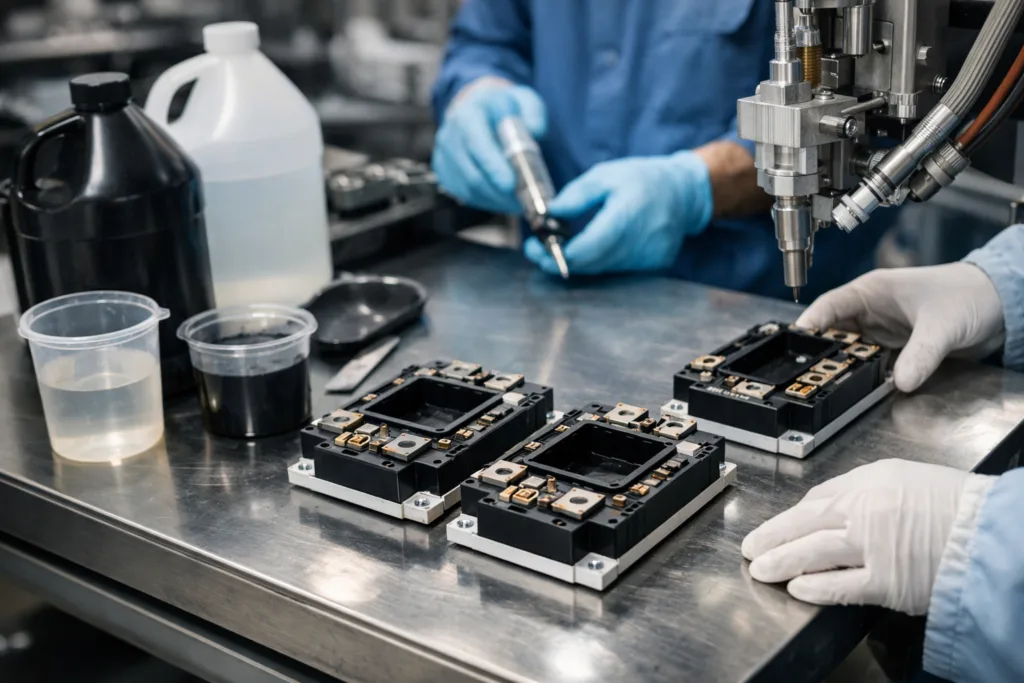
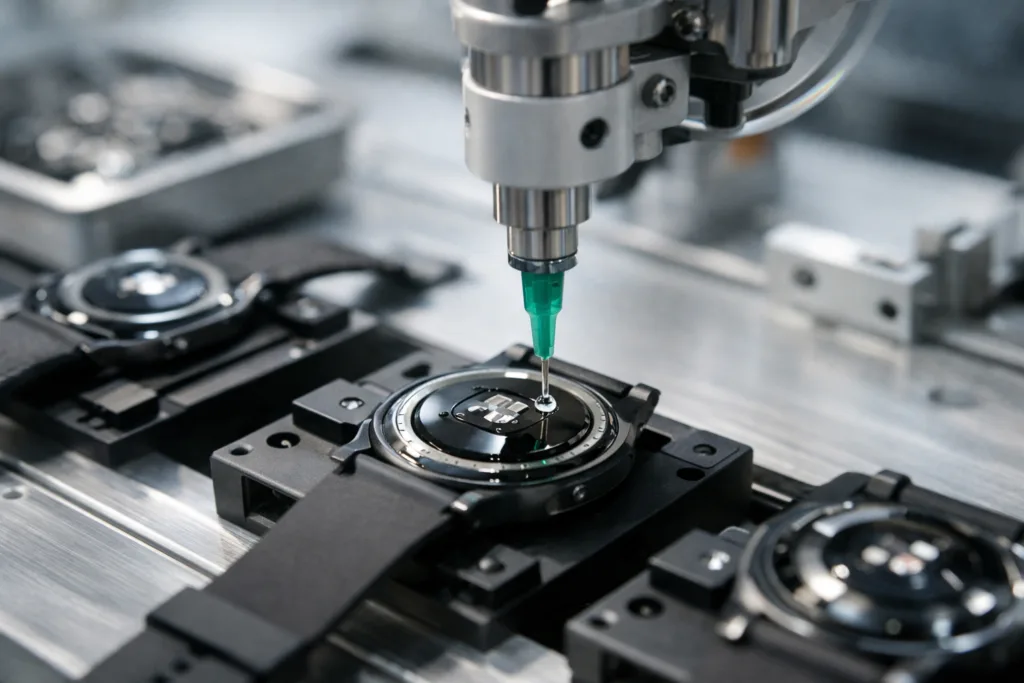
- Apply with automated dispensers for uniformity
- Ensure even cure using recommended UV/thermal exposure
- Test assembled units for bond integrity and skin comfort before batch release
Exploring Alternative Bonding Technologies in Smartwatch Manufacturing
Besides classic adhesives, manufacturers explore ultrasonic welding, thermal bonding, and snap-fit design for parts that never touch the skin. These are often used alongside skin-safe adhesives for best results.
For components that require direct-to-skin bonding, selecting an industrial adhesive formulated for biocompatibility is irreplaceable.
Skin-Safe Adhesives (ISO 10993) for Smartwatches
ISO 10993 certified adhesives represent a gold standard for user safety in wearables. In the ever-evolving world of smartwatch technology, aligning material selection with both comfort and compliance is key to earning user trust and market longevity. Proper adhesive selection is as crucial as circuit design or battery management in ensuring the product’s day-to-day success.
Conclusion: Takeaways for Engineers and Smartwatch Brands
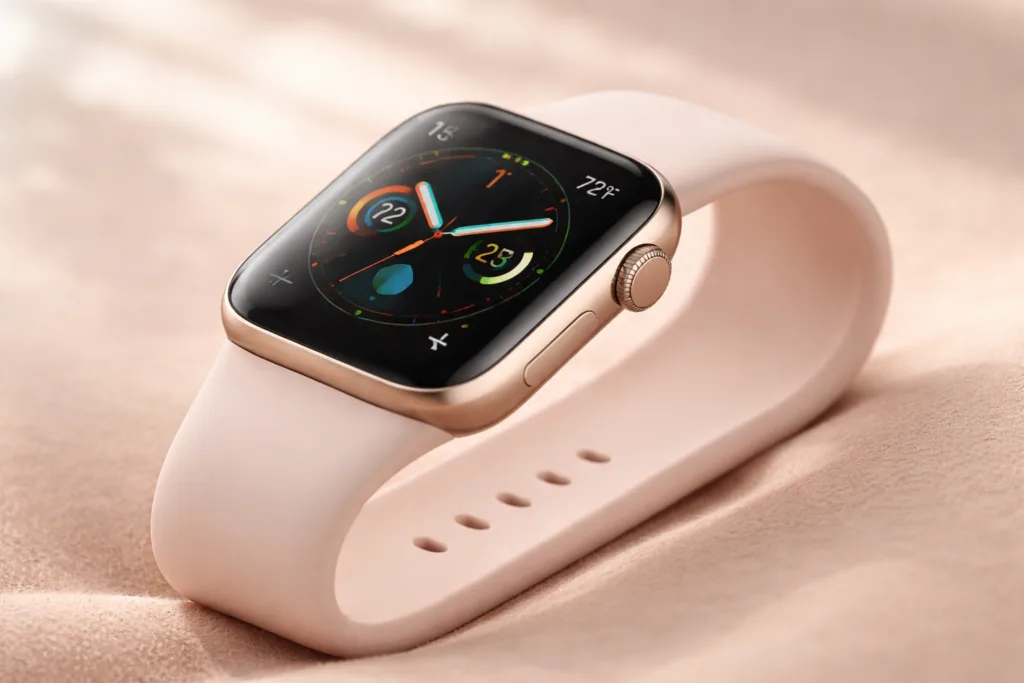
Smartwatch users demand a seamless blend of technology, safety, and comfort. The rise of skin-safe adhesives (ISO 10993) for smartwatches means brands can deliver innovative wearables that are both reliable and comfortable for all-day wear. Prioritizing carefully tested adhesives, optimizing application techniques, and embracing material science innovations help minimize risk—and maximize end-user satisfaction in 2026 and beyond.
Frequently Asked Questions
Why is ISO 10993 compliance so important for smartwatch adhesives?
ISO 10993 testing proves adhesives are biocompatible, minimizing the risk of allergic skin reactions, irritation, and other user safety issues during long-term smartwatch wear.
Can all medical-grade adhesives be used for smartwatch applications?
No, not all medical-grade adhesives are suitable. Only those with passing ISO 10993 tests specific to skin contact, flexibility, and sweat-resistance should be used in smartwatch construction.
How do silicone adhesives perform compared to acrylics on skin-contact smartwatch parts?
Silicone adhesives tend to be more flexible, gentle, and resistant to sweat or oils, making them a preferred choice for skin-contact areas, while acrylics work better where strength and clarity are priorities.
What causes most premature adhesive failures in wearable devices?
Poor cleaning, incorrect adhesive selection, or improper cure processes can cause early bond failure—follow ISO guidelines and validated application methods for best results.
Are there environmentally friendly adhesive options for smartwatches?
Yes, new biodegradable and lower-toxicity adhesive formulations are emerging, providing both biocompatibility and easier end-of-life recycling for wearable devices.
How do smartwatch manufacturers verify adhesive safety for new designs?
Manufacturers confirm adhesive safety through ISO 10993 certified lab tests, in-house skin mimicry trials, and keeping detailed regulatory documentation for each material batch.
Related Reading
- UV Adhesive vs Epoxy: Which Bond Wins in Wearable Tech?
- Ultimate Guide: Choosing UV Glue for Electronics in 2026
- 12 Key Benefits of UV Curing Adhesives for Safe Electronics Assembly
- Industrial Adhesives Demystified: Types, Real-World Uses, and Expert Selection Advice
- Pro-Level Checklist: How to Pick the Perfect Industrial Adhesive