Introduction: Why Are Toughened Epoxies Reshaping Metal Bonding?
Toughened epoxies have become a go-to solution for industries and professionals seeking reliable adhesion where durability and flexible performance are paramount. This article examines toughened epoxies: increasing peel strength & impact resistance—an innovation that troubleshoots the age-old problem of brittle joints in metal bonding, especially under dynamic loading. By exploring the fundamentals, chemical strategies, and industry perspectives, we’ll reveal what puts these adhesives at the forefront of modern assembly.
Understanding Toughened Epoxy Chemistry
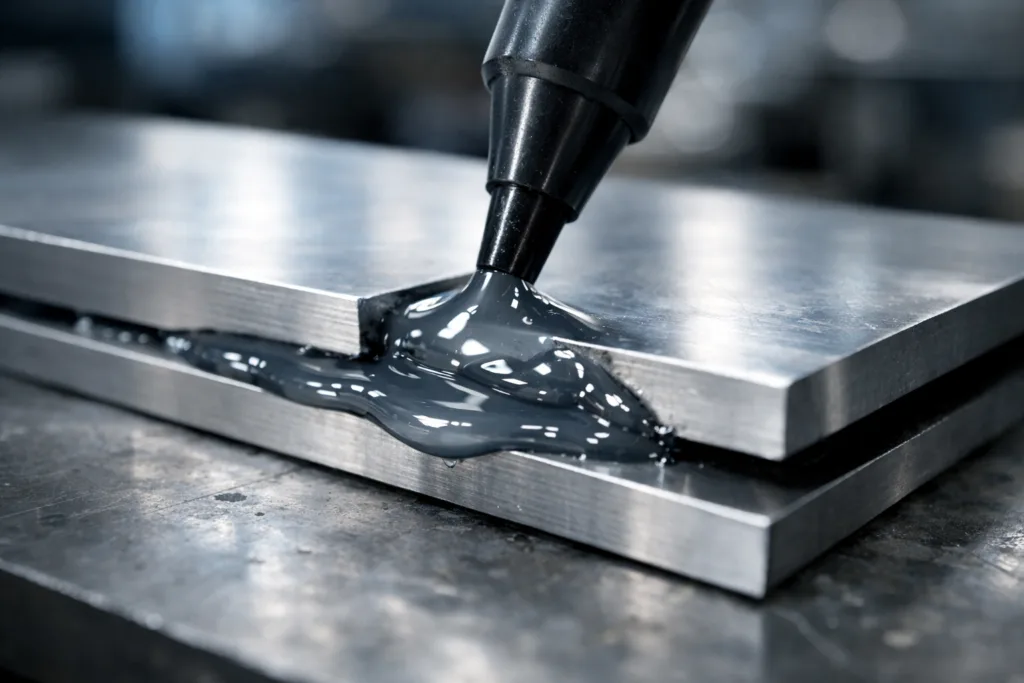
Toughened epoxies are built on a classic epoxy backbone compounded with toughening agents such as rubber particles, core-shell polymers, or thermoplastics. Unlike standard epoxies, which can be glassy and brittle, the toughening phase within creates micro-domains that dissipate energy during impact or peel. This unique chemistry means a joint can flex or deform, absorbing stress rather than fracturing outright—a notable advancement for assemblies involving metals.
How Peel Strength & Impact Resistance Are Engineered
The dual pursuit for better peel strength and impact resistance is at the heart of toughened epoxy design. Peel strength measures the adhesive’s ability to hold under a peeling force—critical when substrates move or flex. Meanwhile, impact resistance is the capacity to absorb shocks without cracking. Modern formulations are engineered by:
- Incorporating elastomeric particles to increase flexibility
- Optimizing crosslink density for resilience versus rigidity
- Balancing viscosity for wetting but preventing sag on vertical assemblies
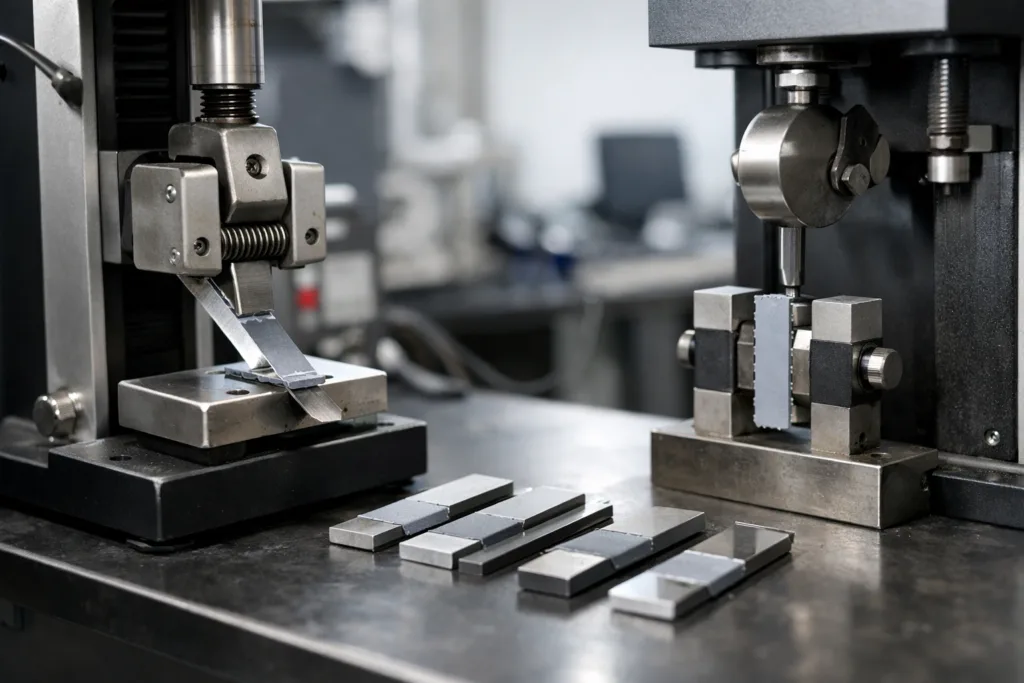
- Testing and confirming via peel and impact standards, such as ASTM D1876 (peel) and ISO 179 (impact strength)
Adhesion to Metals: The Real-World Challenge
Metals are notorious for their low surface energy and oxide layers, making strong, reliable adhesion a technical challenge. Toughened epoxies overcome this by offering better wetting characteristics and improved compatibility with pretreated or raw metal surfaces. From automotive chassis to electronics chassis, surface preparation remains essential—think degreasing, abrasion, or primer use for maximum bond performance. ZDS Adhesive, an industrial adhesive manufacturer, has observed that even a minor difference in substrate roughness (e.g., Sa 0.8 µm vs. 1.2 µm) can lead to dramatic changes in both lap shear and peel performance.
Benefits Over Traditional Epoxies in Metal Applications
What sets toughened epoxies apart when joining metals?
- Higher flexibility, reducing stress concentration and fracture risk
- Superior fatigue resistance, crucial in automotive and aerospace structures
- Increased peel strength—meaning bonded metals survive flexing and minor misalignment
- Sustained performance in temperature cycles and vibration environments
For more information on optimal metal bonding, see the epoxy adhesive product page for technical data and suitable product choices.
Toughened Epoxy Formulation: What’s Inside Matters
Core ingredients include base resins (bisphenol-A or F epoxies), curing agents (amines, anhydrides), and impact modifiers—rubber, thermoplastic, or nano-fillers. Fillers for thixotropy prevent sagging in vertical applications. Each selection influences the resulting balance of chemical resistance, mechanical toughness, and adhesion characteristics.
Surface Preparation: The Foundation of Durable Bonding
Surface prep isn’t just a box to tick—it’s the linchpin of high-performance bonding. Degreasing, grit blasting, or chemical etching can triple the bond strength, according to industry white papers. For a deep dive into prepping metal surfaces, see our detailed post on surface preparation techniques to improve adhesive strength.
Curing Process: Timing, Temperature, and Methods
Toughened epoxies cure via exothermic reaction between the epoxy and curing agent. Some cure at room temperature; others require elevated temperatures for maximum properties. Cure schedules (e.g., 2 hours at 60°C) and pot life dictate assembly speed and handling. Industrial lines often prefer 1-part epoxies for simpler dosing and automated assembly, while field repair typically uses two-part kits.
Testing Standards That Prove Performance
Reliable adhesives meet—or exceed—industry benchmarks. Common standards applied to toughened epoxies include:
- ASTM D1002 (lap shear strength)
- ASTM D1876 (T-peel strength)
- ISO 179 (Charpy impact test)
- Thermal cycling and humidity aging for environmental durability
Comparing Toughened Epoxy Adhesives for Metals
| Property | Standard Epoxy | Toughened Epoxy |
|---|---|---|
| Lap Shear Strength | 20–30 MPa | 20–35 MPa |
| Peel Strength | Low (brittle fracture) | High (ductile failure) |
| Impact Resistance | Poor-moderate | Excellent |
| Fatigue Life | Short | Long |
| Flexibility | Rigid | Variable (can be tailored) |
Toughened Epoxies for Automotive & Transportation
Automotive assembly lines increasingly use toughened epoxy systems for metal-to-metal and metal-to-composite joints, improving crash resistance and lowering weight without sacrificing safety. The automotive adhesive expertise section covers applications from chassis repair to trim installation.
Applications in Electronics and Electrical Manufacturing
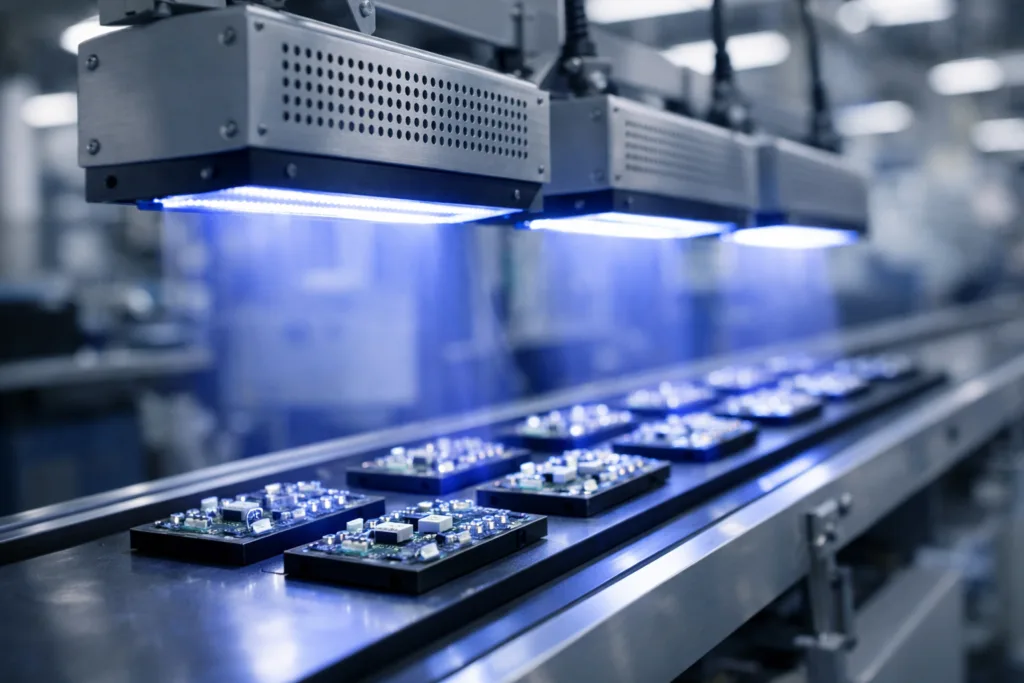
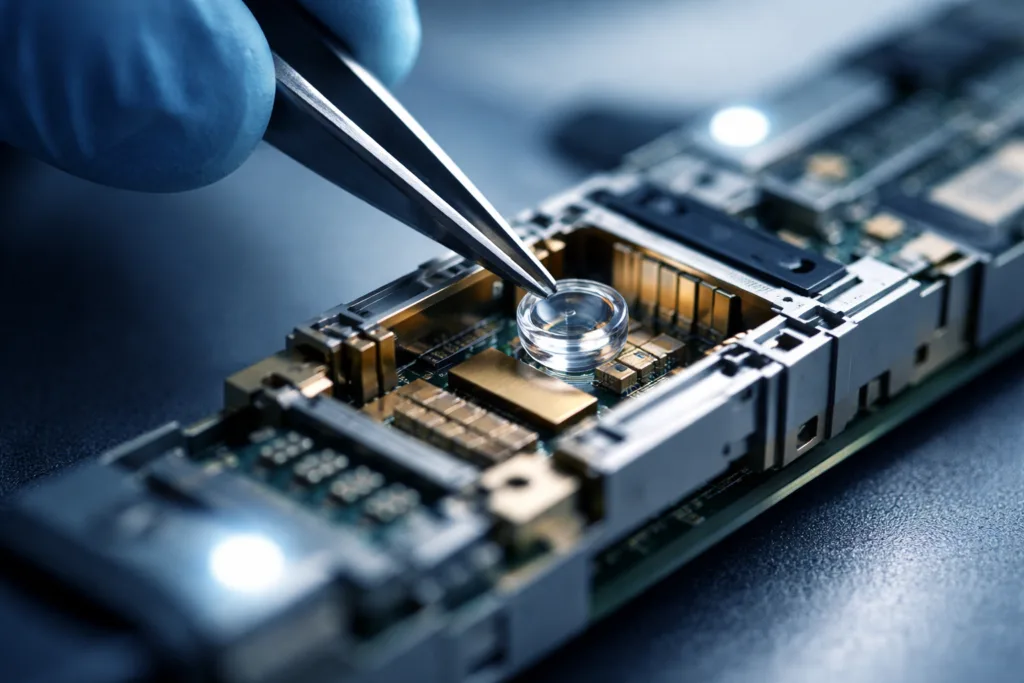
Thin bonds, quick fixture times, and repeated flexing—all common in electronics—demand an adhesive that resists both impact and peel. Toughened epoxies have grown popular for PCB assembly, heat sink mounting, enclosure sealing, and wire tacking. Moisture sensitivity and electrical insulation can also be tuned through formulation.
Industrial Maintenance and Field Repair
From chemical plants to bridges, maintenance engineers favor toughened epoxies for fast and resilient repairs. Their wide service temperature and ability to withstand dynamic loading make them a mainstay for metal patching and pipe sealing.
DIY Projects and Home Workshop Solutions
Hobbyists and DIYers now have access to cartridge-packed, two-part toughened epoxies from hardware stores. These formulations balance user-friendly work time with strong, flexible bonds on bicycles, tools, and home metalwork projects.
Chemical Properties: What Makes Epoxies Tough?
Toughened epoxies leverage rubber modification or core-shell toughening. The distribution, size, and chemical compatibility of these additives dictate whether the energy from an impact will result in crack deflection, absorption, or catastrophic failure. Some newer grades also include nano-reinforcements that further boost impact and peel without sacrificing stiffness—an innovation being weighed in the wind power and battery sectors.
Impact Resistance Explained: Micro-Level Mechanisms
Impact resistance doesn’t just mean avoiding sudden breakage. At the micro scale, toughened epoxies use embedded, soft elastic domains to initiate controlled micro-cracking, which absorbs energy in a predictable manner. This “toughening” delays crack propagation, enabling the joint to survive mechanical abuse that would typically compromise traditional adhesives.
Peel Strength: Why It Matters for Metals
Metals expand, contract, and vibrate—a combination that rips apart brittle adhesives through the peel effect, where a concentrated force tries to lift the bond line. High peel strength allows a joint to maintain integrity under flex or impact—a must-have for transportation, appliance, and construction industries.
Environmental Durability: Life Beyond the Lab
Toughened epoxies must survive not only mechanical stress, but also temperature cycles, humidity, chemicals, and UV exposure. This is particularly crucial in marine, automotive, and outdoor build scenarios. Test cycles often include salt spray, thermal shock, and immersion to simulate real-world aging.
Key Industries Benefiting from Toughened Epoxies
Industries at the forefront include:
- Automotive and commercial vehicle manufacturing
- Aerospace and aviation
- Renewable energy (wind, solar chassis)
- Appliances and electronics
- Building and construction (metal roofing, panels)
Expert Insights: Choosing the Right Epoxy
From an application engineer’s lens, the right choice means matching the bond solution to actual loading scenarios: Is peel or impact the dominant force? Is repeated flexing expected? Will the bonded region see chemical or water exposure? Consult with technical data sheets and, when possible, test with small-scale samples on your exact substrate combination.
Application Methods: From Manual Dispensing to Automation
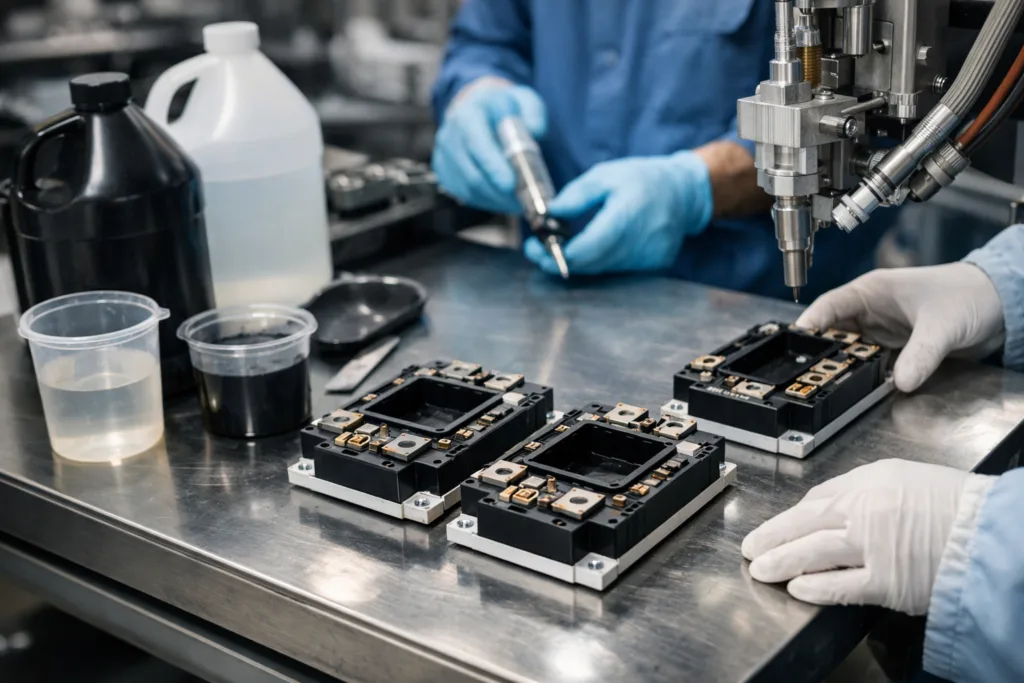
Modern facilities often shift toward automated adhesive dispensing for speed and consistency, relying on precisely metered 1-part or 2-part systems. Smaller operations may prefer manual mixing and application for flexibility in repair or prototype scenarios. Curing can be controlled by heat, humidity, or intentionally delayed for complex assemblies.
Common Application Errors and How to Avoid Them
Failure to properly prep surfaces, imprecise mixing ratios, and inadequate curing are the most frequent culprits in joint failure—20% of field issues trace back to one of these. Cross-checking with mixing and curing guides for epoxies can prevent “latent” weaknesses before they ever reach the end use. Review the guide to epoxy mixing and curing profiles for more best practices.
Toughened Epoxies: Increasing Peel Strength & Impact Resistance
The central lesson is clear: toughened epoxies unlock a new realm of design freedom for engineers building with metals. With advances in chemistry, processing, and application knowledge, goods that once depended on mechanical fasteners or expensive welding now achieve reliability with well-selected adhesives. The era of ductile, demanding, and durable bonds is here—cementing toughened epoxies as the unsung heroes of modern assembly.
Conclusion: Where Does the Future Take Toughened Epoxies?

As industries push toward lighter, safer, and more sustainable products, the demands on adhesive technology are climbing. Toughened epoxies—engineered for higher peel strength and impact resistance—are evolving rapidly, informed by both field data and advanced lab research. Expect new grades tuned for environmental extremes, sustainability, and next-generation digital manufacturing. The future is not just about holding things together, but holding up under every condition imaginable.
Frequently Asked Questions
What are toughened epoxies used for?
Toughened epoxies are used for bonding metals, composites, and plastics in industries such as automotive, aerospace, electronics, and construction, providing strong, flexible, and impact-resistant joints.
How does toughening improve impact resistance?
Toughening agents absorb and dissipate energy when a bonded joint is hit or stressed, preventing cracks from spreading and improving overall resistance to sudden forces.
How do you prepare metal for epoxy bonding?
Cleansing with solvents, mechanically roughening the surface, and sometimes using a primer are standard practices to ensure maximum adhesion of epoxies to metals.
Can toughened epoxies resist weather and chemicals?
Yes, modern toughened epoxies are designed to withstand high and low temperatures, moisture, chemicals, and even UV exposure, making them suitable for outdoor and harsh environments.
What tests confirm the strength of toughened epoxies?
Key tests include lap shear strength (ASTM D1002), T-peel strength (ASTM D1876), and impact resistance (ISO 179), along with temperature and humidity aging cycles.
Are toughened epoxies suitable for DIY repairs?
Yes, many toughened epoxy products are packaged for DIY users, providing easier mixing and application while offering strong, flexible bonding for home and workshop projects.
Related Reading
- Unlocking Industrial Epoxy Strength & Performance Basics
- Expert Comparison: Top Industrial Adhesives for Reliable Metal Bonding
- Epoxy, Silicone, or Polyurethane: Finding the Right Industrial Bond for Your Project
- 7 Ways to Prevent Industrial Adhesive Failure Before It Happens
- Essential Guide: Matching Adhesive Types to Your Industrial Application