Understanding UV Adhesive for Plastic
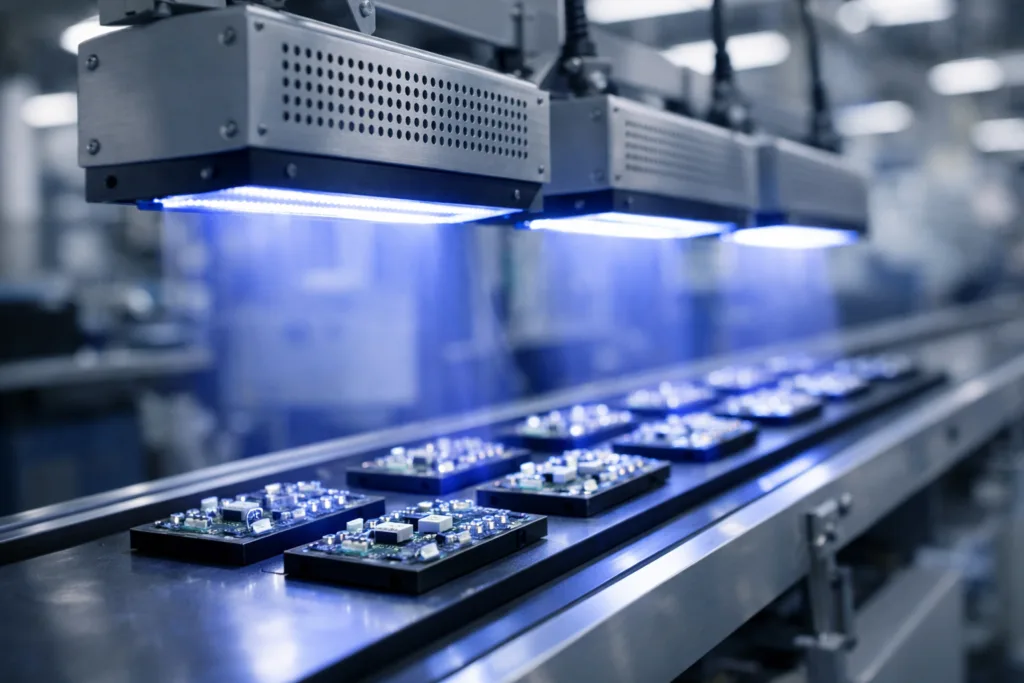
UV adhesive for plastic is a fast-curing bonding solution that uses ultraviolet light to harden, or cure. It is prized for its speed and strength in industries such as electronics, automotive, and consumer goods. Compared to traditional adhesives, UV adhesives form strong, durable joints within seconds when exposed to UV light. The magic lies in the chemistry: monomers and photoinitiators react to UV energy, turning liquid adhesive into a tough, clear solid.
- Fast cure: typical fixture times of 1–20 seconds
- Clean, invisible bonds suitable for clear plastics
- Reduced heat input—safe for sensitive parts
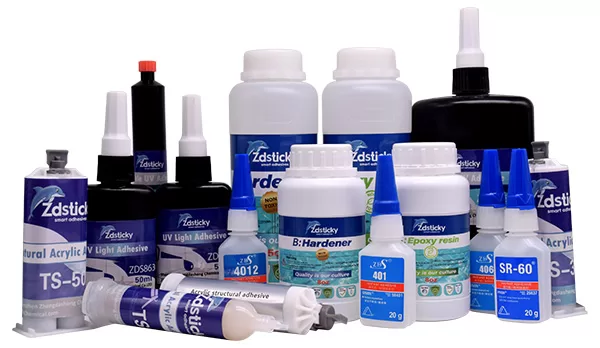
ZDS manufactures UV-curable adhesives tailored for a range of plastic substrates, offering both flexible and rigid formulations.
Which Plastics Work With UV Adhesive?

Not every plastic bonds easily with UV adhesive. Success depends on both the type of plastic and how it interacts with the adhesive. Here’s a quick guide to UV-bondable plastics and their surface energy—an important factor in adhesion.
| Plastic | Surface Energy (mN/m) | UV Bondable? | Key Tips |
|---|---|---|---|
| PC (Polycarbonate) | 41–46 | Excellent | Clean, abrade lightly |
| PMMA (Acrylic) | 39–42 | Excellent | Use low-viscosity UV adhesive for edge bonds |
| PET (Polyester) | 43–47 | Good | Degrease, use adhesion promoter if needed |
| ABS | 35–42 | Varies | Try test bonds; check for surface additive issues |
| PP (Polypropylene) | 29–31 | Difficult | Plasma/corona treatment recommended |
| PE (Polyethylene) | 31–37 | Difficult | Plasma, primer, or chemical etch advised |
| PA (Nylon) | 43–49 | Good | Ensure dry, clean surface |
The Role of Surface Energy
Surface energy is a measure of how well a liquid adhesive can wet and spread on a surface. High surface energy plastics like PC, PMMA, PET, and PA usually bond well, while low surface energy plastics such as PP and PE resist wetting. This difference means UV adhesive works reliably on certain plastics but needs surface preparation or treatment for others.
Choosing the Right UV Adhesive for Popular Plastics
Let’s take a closer look at some common plastics used in conjunction with UV adhesives:
- Polycarbonate (PC): Optically clear and robust, PC is a favorite for displays and lenses. UV adhesives with low shrinkage help avoid distortion. Surface cleaning with isopropanol and light abrasion boost bond strength.
- Acrylic (PMMA): Bonds quickly without blushing. Use low-viscosity resins for edge-gluing or high-viscosity types for gap filling. Proper clamping prevents voids.
- Polyester (PET): Common in food packaging and electronics. Choose UV adhesives designed for flexibility if the PET part experiences bending.
Key tip:
Poor surface energy equals weak adhesion. Always test and treat surfaces for best results.
UV Adhesive for Plastic
The versatility of UV adhesive for plastic comes from careful selection and preparation. One-component UV adhesives simplify application—no mixing needed. Common cure times are under 30 seconds when exposed to 365–405 nm UV light, but thickness and opacity of the plastic can affect penetration and speed.
ZDS UV adhesives offer wide compatibility, but it’s critical to match adhesive chemistry to your specific plastic. Consider open time, fixture time, viscosity, and shrinkage for your process:
- Open time: Time before UV exposure; ideal for precise assembly.
- Fixture time: Time to reach handling strength—usually just seconds.
- Viscosity: Ranges from watery (500 cP) to thick gels (>50,000 cP).
Surface Preparation Matters
Substrate preparation can make or break your UV adhesive bond. For PC, PMMA, and PET, degrease with isopropanol, then consider light abrasion (600–1200 grit) for maximum strength. For low-energy plastics like PP and PE, use flame, corona, or plasma treatment to boost surface energy. Adhesion promoters or chemical primers also help, especially for critical assemblies.
Flexible, Rigid & Specialty UV Adhesives
Not all plastic joints are alike. Choose between flexible (for vibration and dynamic loads) and rigid (for stiff lap joints) UV adhesives. Specialty grades offer:
- Low-yellowing for display screens and optics
- Low-discoloration for aesthetic parts
- Fast gelling for automated assembly lines
Tips for UV Adhesive Selection and Application
Making the most of UV adhesive for plastic means picking the right product for your substrate and application. Here’s a checklist to guide your selection:
- Know your plastic: Identify the substrate for matched adhesive chemistry.
- Consider transparency: UV light must reach the bond line to cure; colored or filled plastics may block light.
- Apply equally: Distribute adhesive evenly with automated nozzles, slot dies, or manual bead.
- Clamp smart: Use moderate pressure to avoid squeeze-out; fixtures can help keep parts aligned during cure.
- Test samples: Always make test bonds and run lap-shear (ASTM D1002) or peel (ASTM D1876) for performance confirmation.
Process Parameters for Consistent Results
UV adhesives need the right cure dose and exposure. Calculate light intensity (mW/cm²) and exposure time to deliver the required total energy (J/cm²). For example, a 1000 mW/cm² lamp for 5 seconds equals 5 J/cm², often enough for PMMA or PC joints less than 1 mm thick. Thicker or opaque plastics may need longer or higher-intensity exposure.

Common Pitfalls and How to Avoid Them
- Insufficient cure: Use calibrated lamps with verified output. Change lamps and clean reflectors regularly.
- Shadowing: UV cannot cure in darkness. Design joints for light access or use dual-cure adhesives with secondary reactions (like moisture or heat cure).
- Viscosity mismatch: Use higher viscosity for vertical surfaces or gap filling.
- Outgassing or bubbling: Apply in thin, even layers and avoid trapping air.
Surface Energy and Adhesion: The Critical Link
Surface energy differences define bonding success. A good rule: if water beads up on your plastic, the surface energy is low and bonding will be weak. PP and PE often fall into this group. Standard UV adhesives may not work unless the substrate is treated. Corona, plasma, or chemical primers change the surface, allowing the adhesive to wet and bond properly. For PC, PMMA, PET, and PA, degreasing is often enough.
Testing Surface Energy
Use dyne pens or contact angle measurements to check your substrate. If the energy is above 38 mN/m, UV adhesives typically bond well. ZDS recommends periodic checks during production, especially if plastics are molded with release agents or regrind that may lower energy.
Production Process and Quality Control
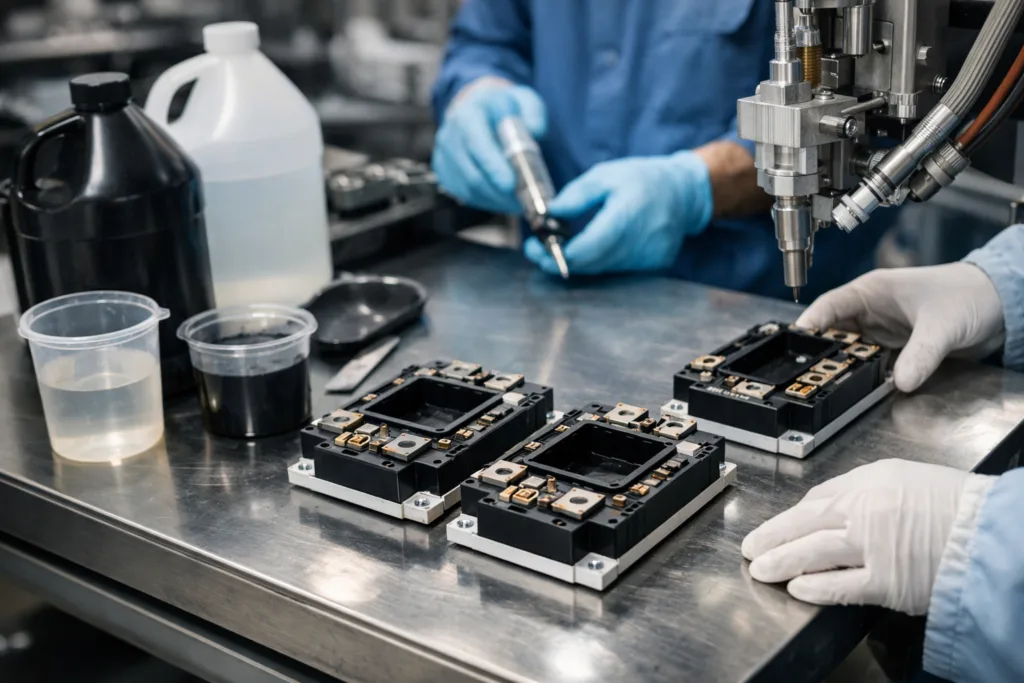
Success with UV adhesive for plastic at scale requires process discipline. Start with thorough substrate cleaning. Calibrate dosing pumps or automated dispensers to ensure uniform adhesive volume. Monitor lamp intensity—most systems recommend at least 800–1000 mW/cm² at 365–405 nm for rapid cure. Use static mixers for hybrid adhesives that combine UV and other cure methods.
- Temperature and humidity: Keep consistent for reliable results—UV adhesives are sensitive to environmental shifts during application and cure.
- Testing: Perform lap-shear, peel, and temperature cycling tests using recognized standards such as ASTM D1002. Consider salt spray (ASTM B117) for assemblies exposed to harsh environments.
- Documentation: Keep lot traceability and storage records. Verify compliance with REACH, RoHS, and VOC limits for your region.
Common UV Adhesive Application Methods
- Manual bead with dispensing gun
- Robotic bead for assembly lines
- Slot die or roll coat for thin film application
- Spray for large-area plastic bonding (specialized setups)
Applications and Case Examples
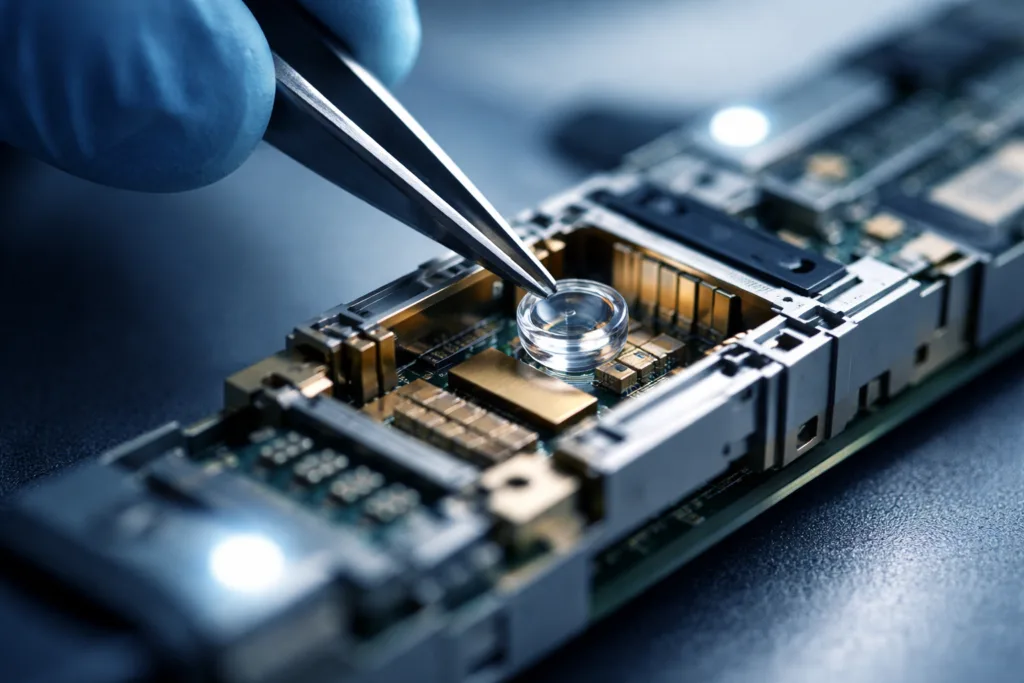
UV adhesive for plastic finds uses in electronics, automotive, lighting, and medical devices thanks to rapid cure and clean bonds. In electronics, ZDS UV adhesives bond housings and optical components with precision. In the automotive industry, interior assemblies use UV bonding for clear plastics and composite inserts.
For medical devices, UV adhesives approved for biocompatibility fix lenses, sensors, or tubing hubs in seconds. In graphics/signage, PMMA and PC sheets join invisibly with no yellowing—making displays more durable and less prone to hardware failure.
When to Use UV Adhesive for Plastic
- Clear or translucent joints where cosmetic appearance matters
- High-speed assembly lines needing instant strength
- Low-temperature bonding for delicate, heat-sensitive parts
- Electronic device assembly where chemical resistance is needed
Best Practices and Pro Tips

Expert process control makes a difference. Take these tips from industrial adhesive specialists:
Expert Take: “Uncured UV adhesive leaves residue if parts are misaligned. Design fixtures to align quickly and expose all bond lines.”
- Store UV adhesives in dark, dry, controlled environments. Avoid exposing cartridges or bottles to ambient sunlight or bright factory lights.
- Keep bondlines thin (0.1–0.3 mm) for clear plastics. Thick bonds can cure unevenly if UV penetration is incomplete.
- For difficult plastics, combine surface treatment, adhesion promoter, and tailored adhesive grade.
- Document your full process for QA. Take baseline test bonds each production run.
Frequently Asked Questions
Which plastics are best for UV adhesive bonding?
Plastics like polycarbonate (PC), acrylic (PMMA), polyester (PET), and nylon (PA) bond well with UV adhesives due to their higher surface energy and transparency.
Can UV adhesive bond polypropylene (PP) and polyethylene (PE)?
Standard UV adhesives struggle with PP and PE because of low surface energy. Surface treatment or primers are necessary to achieve reliable bonds.
Does colored or opaque plastic affect UV adhesive cure?
Yes, colored or filled plastics can block UV light, preventing complete curing. Use clear or lightly tinted plastics for UV curing or consider dual-cure adhesives.
How should plastics be prepared before UV adhesive application?
Degrease with isopropanol, abrade lightly if possible, and for low-energy plastics, apply plasma, corona, or flame treatment to raise surface energy.
Is UV adhesive safe for medical device plastic bonding?
There are medical-grade, biocompatible UV adhesives approved for plastic bonding. Always check regulatory compliance and perform biocompatibility tests.
What is the typical fixture time for UV adhesive on plastic?
Fixture time is usually 1–20 seconds with sufficient UV intensity, but thicker or more opaque plastics may require longer exposure or adjusted lamp setup.