Understanding UV Glue Stick to Glass
Many people ask if UV glue can stick to glass permanently. UV glue uses ultraviolet light during curing to create a strong bond. When used correctly, it forms transparent joints with high strength. But several factors influence whether the adhesive lasts for years or fails early.
Key Factors Affecting Bond Lifetime
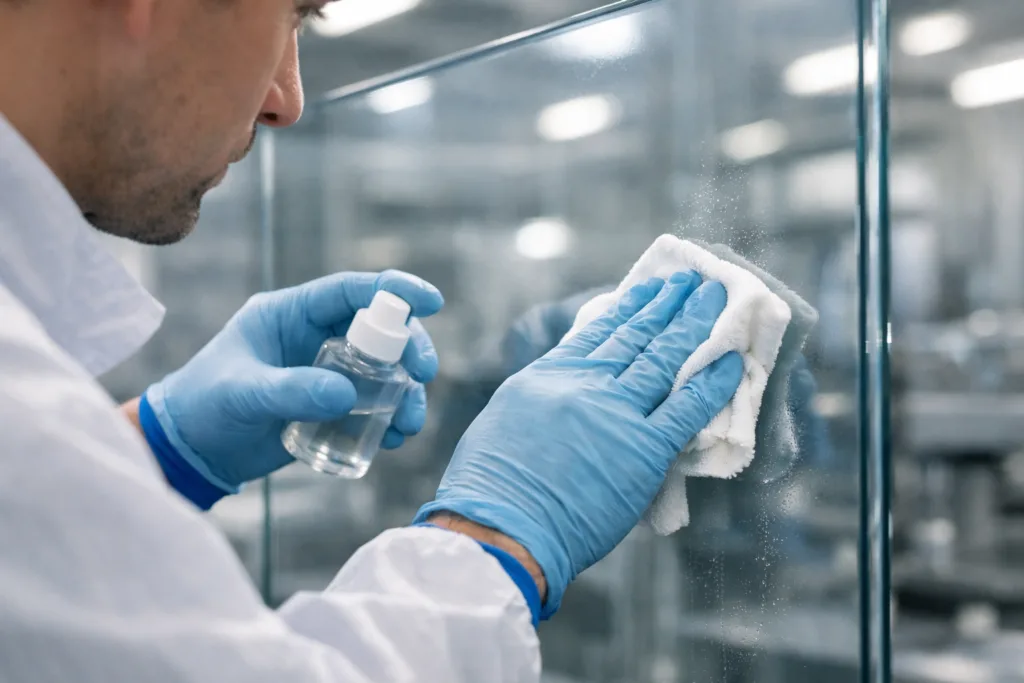
The permanence of UV glue bonded to glass depends on more than the chemistry. Application process, surface preparation, glue selection, and environmental exposure all play important roles. Let’s examine each.
Surface Preparation Essentials
Glass looks smooth, but its surface may hide fingerprints, dust, and oils. Any residue can prevent glue from contacting the actual glass, weakening adhesion. Cleaning glass with alcohol or specialized cleaners removes dirt. Next, roughening with fine abrasive or blasting increases surface area for adhesive grip. Some manufacturers also use primers or plasma treatments for challenging glass compositions.
Importance of Curing Energy
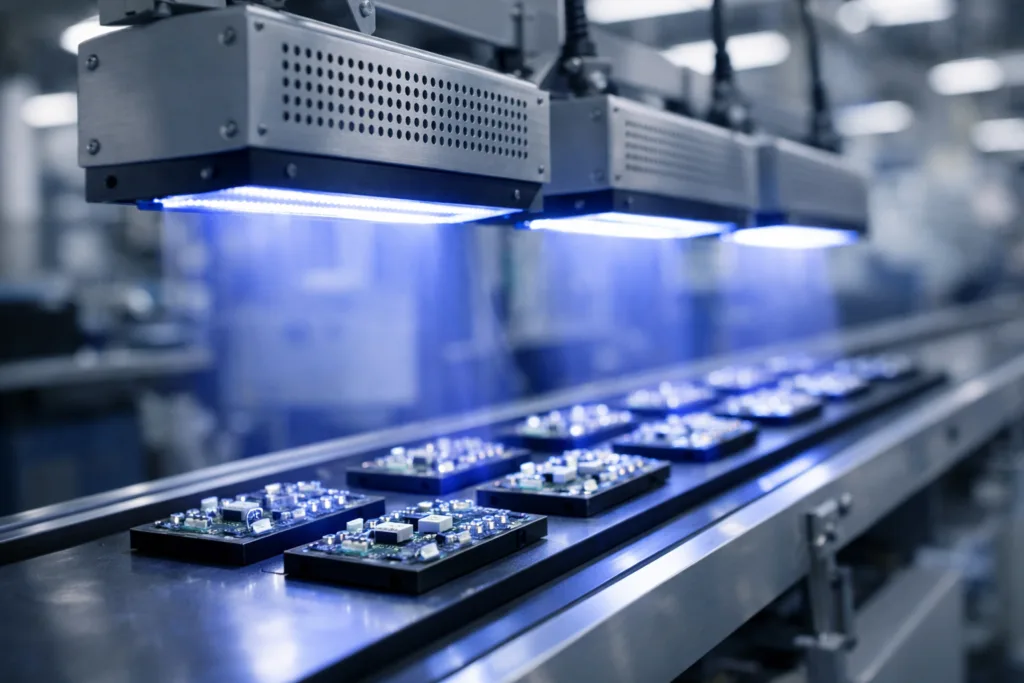
Curing is the chemical reaction that hardens the adhesive. UV glue needs a specific range of ultraviolet wavelengths—typically 365 to 405 nanometers—to cure fully. Insufficient exposure leaves areas uncured, soft, and prone to failure. Overexposure, though rare, can cause yellowing or embrittlement. Most glass lets UV pass through easily, but tinted or specialty glass may block light, reducing cure depth.
| Chemistry | Best Substrate | Key Properties | Typical Use |
|---|---|---|---|
| UV-curable Acrylic | Glass, Metal, Plastic | High clarity, fast cure | Decorative glass, lamps |
| Epoxy UV Hybrid | Glass, Ceramics | Heat resistance, tough bond | Electronics, sensors |
| UV Silicone | Glass, Metals | Flexible, weatherproof | Architectural glazing |
| Cyanoacrylate UV Blend | Glass, Metal | Rapid fixture, rigid | Glass repair |
Measuring Long-Term Stability
Bond strength and lifespan hinge on both the adhesive’s properties and the environment. Laboratory testing—like lap shear (ASTM D1002) and thermal cycling—shows UV-glued glass can hold for years indoors. But heat, moisture, and UV rays from sunlight accelerate aging. For outdoor or industrial use, choose products with salt spray resistance, low yellowing, and good chemical durability.
UV Glue Stick to Glass
UV glue can form a lasting bond with glass if all steps are handled well. At ZDS, our specialists prep glass with degreasing, fine abrasive, and sometimes plasma activation. We match the adhesive to your application’s needs: flexibility, chemical resistance, or clarity. Our technicians ensure UV lamps deliver the right dose for complete cure, measuring output and adjusting distance. Later, we run pull tests and environmental exposures to confirm the bond withstands real conditions.
Choosing the Right UV Glue
- If clarity matters—pick a high-clarity acrylic UV glue.
- If the joint sees heat—use a hybrid epoxy/UV system.
- If flexibility is needed—try UV silicone adhesives.
Examples of Durable Applications
- Decorative glass panels in shops and homes
- Lighting fixtures and glass covers
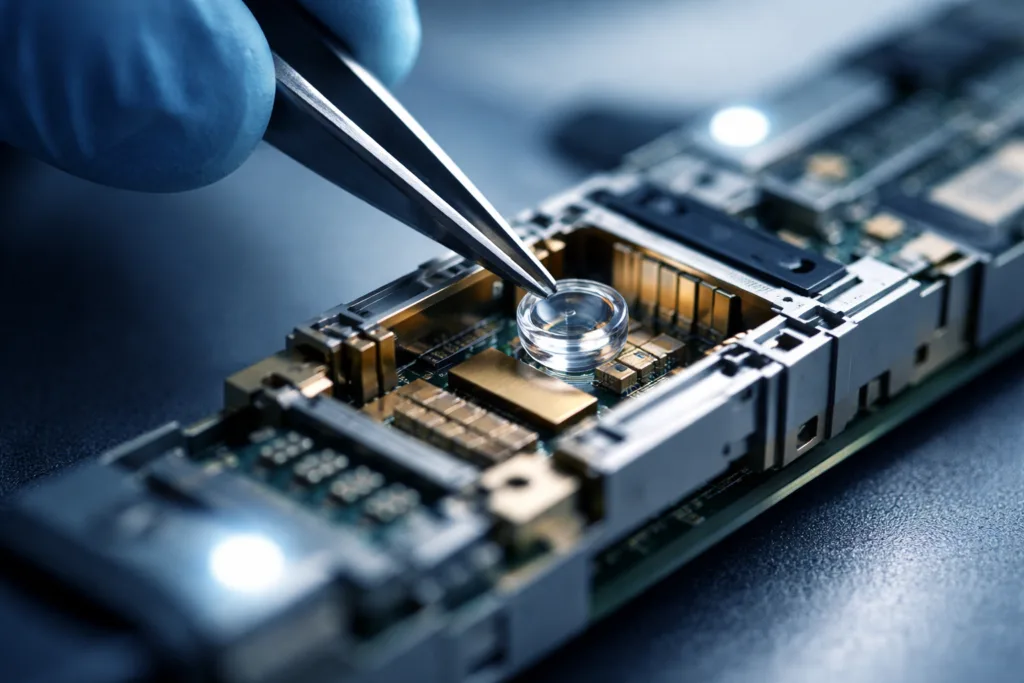
- Glass-to-metal assembly in electronics
- Stone-in-glass mosaics for flooring
How Surface Treatment Improves Bonding
Treating glass before gluing is vital. Unprepped surfaces often lead to peeling and poor strength. ZDS uses industrial cleaners, then abraders for stubborn residues. For engineered glass (like borosilicate), we might apply plasma or chemical adhesion promoters. Precise application reduces failures and increases bond reliability. Always work in a dust-free, low-humidity environment for best results.
Cleaning and Degreasing Steps
- Wipe with lint-free cloth and isopropyl alcohol.
- Inspect for residues under bright light.
- Abrade rough spots gently.
- Apply surface primer if needed for specialty glass.
Adhesion Promotion Techniques
Plasma treatment bombards the glass with charged particles, increasing surface energy for better wetting. Chemical adhesion promoters use silane chemistry to react with glass and polymer chains. Both methods help UV glue resist stress, thermal cycling, and moisture creep.
UV Curing Energy: Getting It Right
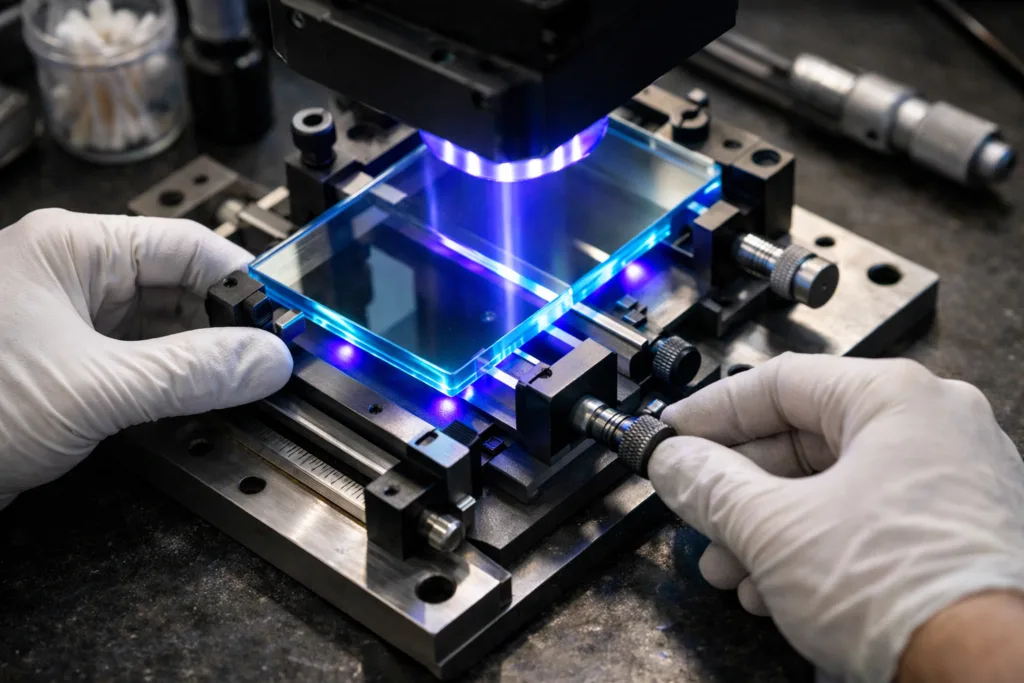
UV curing is more than just shining a light. Intensity, wavelength, and exposure time all matter. ZDS uses calibrated UV lamps, keeping glass at optimal distance for even illumination. We monitor lamp age and output using radiometers, ensuring curing stays within specifications. Too weak and glue stays soft; too strong and bond can become brittle or yellowed.
Curing for Different Glass Types
- Clear float glass: most UV passes through—fast, deep cure.
- Tinted or low-iron glass: may block some UV, needing longer exposure.
- Laminated glass: inner layers might shield UV, testing required.
Monitoring the Cure
Measure hardness with Shore A/D durometers. Check for tackiness near edges. ZDS labs use lap shear and tensile tests to check cured joints per ASTM standards. Fully cured glue achieves maximum strength and chemical durability.
Long-Term Stability and Environmental Resistance
Long-term stability defines whether UV glue bonds stay strong over years. ZDS subjects samples to temperature cycles, humidity, and salt spray exposure. Low-viscosity glues suit fine glass joints, but sealants with higher elongation excel for exterior uses. For glass in kitchens, bathrooms, or outdoor decor, choose adhesives rated for thermal shock and UV exposure. Always review a glue’s SDS and compliance certifications—like REACH, RoHS, and VOC listings—before selection.
Common Failures and Prevention
- Delamination after rapid temperature changes
- Yellowing from sunlight in unprotected glues
- Peeling from humidity ingress
Testing Methods
ZDS runs accelerated aging tests: salt spray chambers, humidity ovens, and sunlight simulators. These discover weak spots so only the most reliable adhesives go to customers. Look for test reports—lap shear values over 7 MPa and >95% bond retention after cycling show robust stability.
Process Insights from ZDS
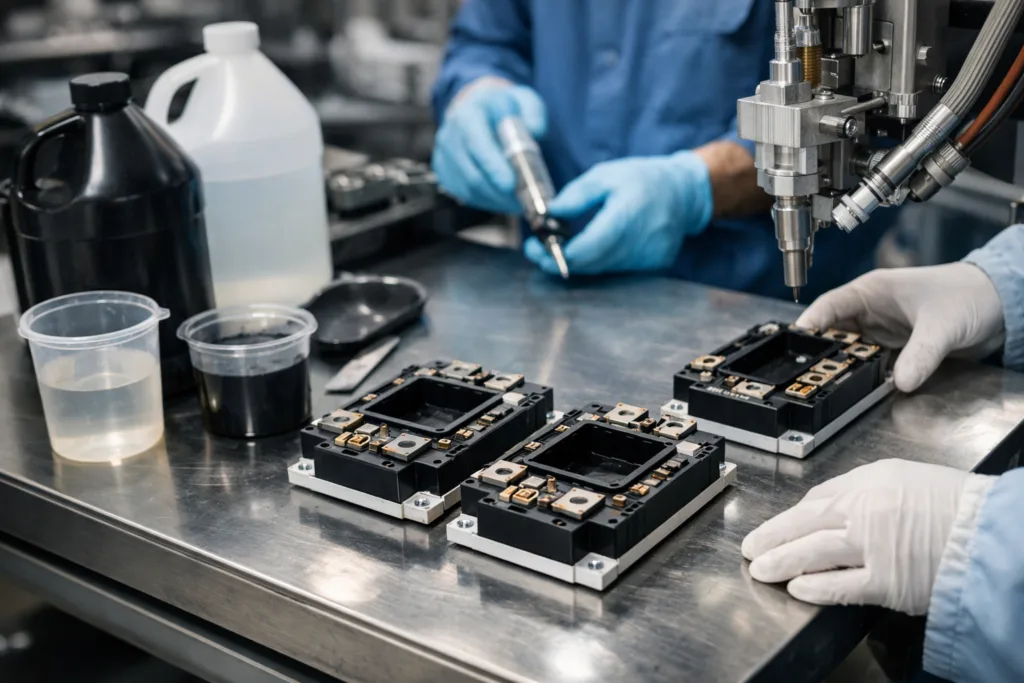
Manufacturers like ZDS offer both tailored adhesives and technical support. A successful bond needs not just good glue, but attention to mixing, application, curing, and inspection. Automated dispensing ensures repeatable bead shapes. Static mixers deliver accurate component ratios for multi-part UV glues. After curing, joints are checked visually and tested mechanically to verify durability.
Documentation and Compliance
- Lot traceability: Every adhesive batch tracked.
- REACH/RoHS: Compliance for safety and export.
- ISO 9001: Documented quality procedures.
End-User Best Practices
Users can boost lifetime by storing glue in cool, dry places, always prepping surfaces, and using proper curing gear. Follow documentation from quality suppliers like ZDS for highest reliability.
Conclusion: Does UV Glue Stick to Glass Permanently?

If every step—surface treatment, glue selection, proper curing, and environmental protection—is followed, UV glue bonds to glass can last for many years. Using high-performance adhesives from manufacturers like ZDS, along with rigorous application and quality checks, ensures both clear joints and long-lasting strength. However, skipping surface prep or under-curing can lead to early failures. For the best results, prepare the glass well, apply the correct type of UV glue, and cure with calibrated equipment. With these precautions, permanent glass joints are not only possible—they’re reliable.
Frequently Asked Questions
Does UV glue stick to glass forever?
UV glue can create permanent glass bonds if the surfaces are clean, the adhesive is matched to the job, and curing is done correctly. Environmental factors may shorten lifetime if not addressed.
What is the strongest UV glue for glass?
High-clarity acrylic UV adhesives offer top strength for glass. Some hybrid epoxies can also provide heat resistance and durability for special applications.
Why does UV glue fail on glass sometimes?
Poor surface cleaning, wrong glue choice, or weak UV curing often cause failures. Humidity and sunlight can also degrade uncured adhesives over time.
How do I prep glass for UV glue?
Clean with isopropyl alcohol, abrade with fine abrasives, and optionally treat with plasma or a chemical primer for best adhesion.
Can UV glue fix broken glass items?
Yes, UV adhesives are popular for glass repair and crafts. Joints should fit precisely for strong repairs, and curing must reach all contact areas.
Who supplies industrial UV glass adhesives?
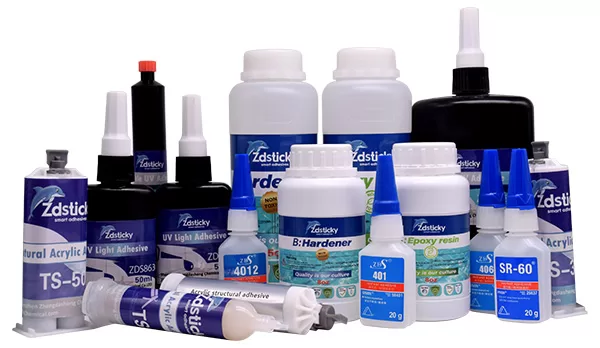
ZDS manufactures a range of UV-curable adhesives for glass bonding, with solutions for decorative, electronic, and architectural glass applications.