Introduction: Why Adhesive Experts Are Indispensable in Modern Manufacturing
From the outside, selecting an industrial adhesive can seem like a straightforward choice—just compare price, pick based on a technical data sheet, and move forward. In reality, just ask adhesive experts: whether you’re working with metals, plastics, composites, or electronics, decades of field experience show surface energy, joint design, and environmental factors completely shift what works in production. That’s why expert guidance is crucial. In this guide, we explore what adhesive experts really do in material selection, testing, and production scale-up, how their technical role solves invisible risks, and why collaboration beats cost-cutting every time in mission-critical projects.
The Role of Adhesive Experts: Technical Partnership, Not Just Product Supply
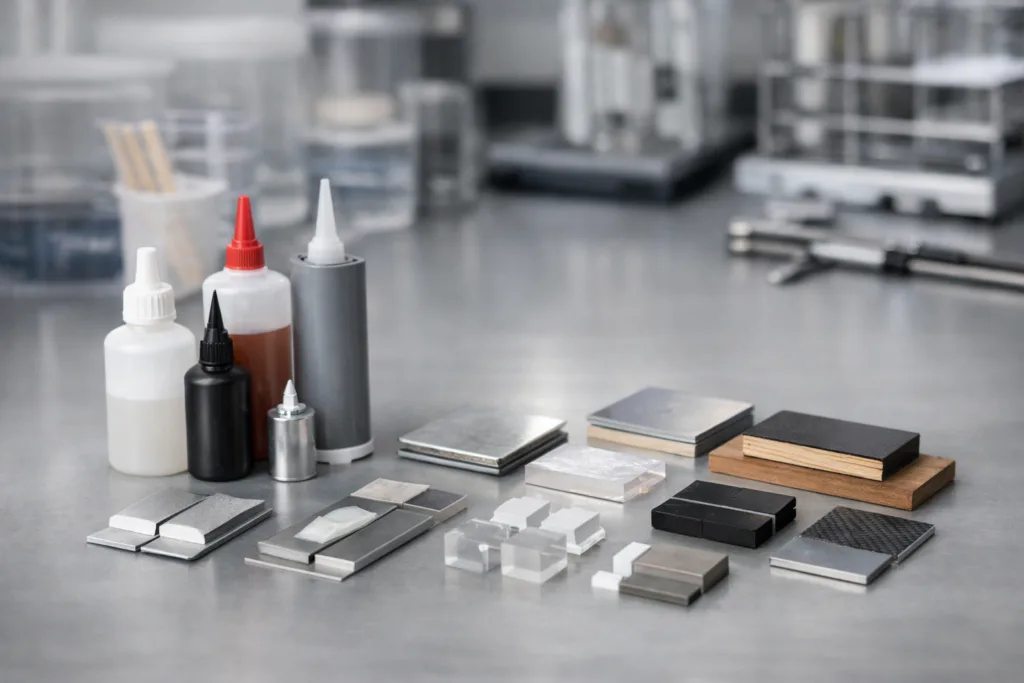
Adhesive experts do far more than recommend a list of industrial adhesive solutions. Their daily work centers on cross-material knowledge, hands-on testing, and failure prevention. At complex manufacturers, the right adhesive supports reliability, ease of assembly, and regulatory compliance. That’s why, in practice, their value starts before the first drop of glue is even applied: in asking the right questions and predicting hidden failures before they become costly.
Going Beyond Data Sheets: Why ‘Best Price’ Is a Trap
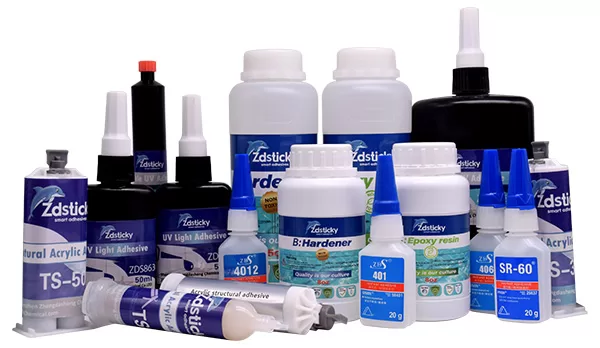
Data sheets reflect a material’s potential—not its real-world performance. A low peel strength or high hardness figure can mislead if surface prep, geometric fit, or curing time are ignored. ZDS Adhesive, an industrial adhesive manufacturer, teaches its engineers that relying solely on numbers or price almost guarantees trouble during assembly ramp-up. Technical support goes beyond the spec, focusing on overall process stability and suitability.
How Adhesive Experts Screen and Shortlist Materials
When faced with a new application—a lightweight automotive structure, a high-voltage power module, or a glass-to-metal sensor—adhesive experts first narrow options based on substrate compatibility, mechanical loads, service temperatures, and exposure to chemicals or UV. This screening involves checklists, not guesswork. For example, high-performance industrial adhesives require correct chemistry matching (epoxy, polyurethane, acrylic, silicone) to the assembly’s unique requirements.
Substrate Analysis: The Foundation of Reliable Bonding
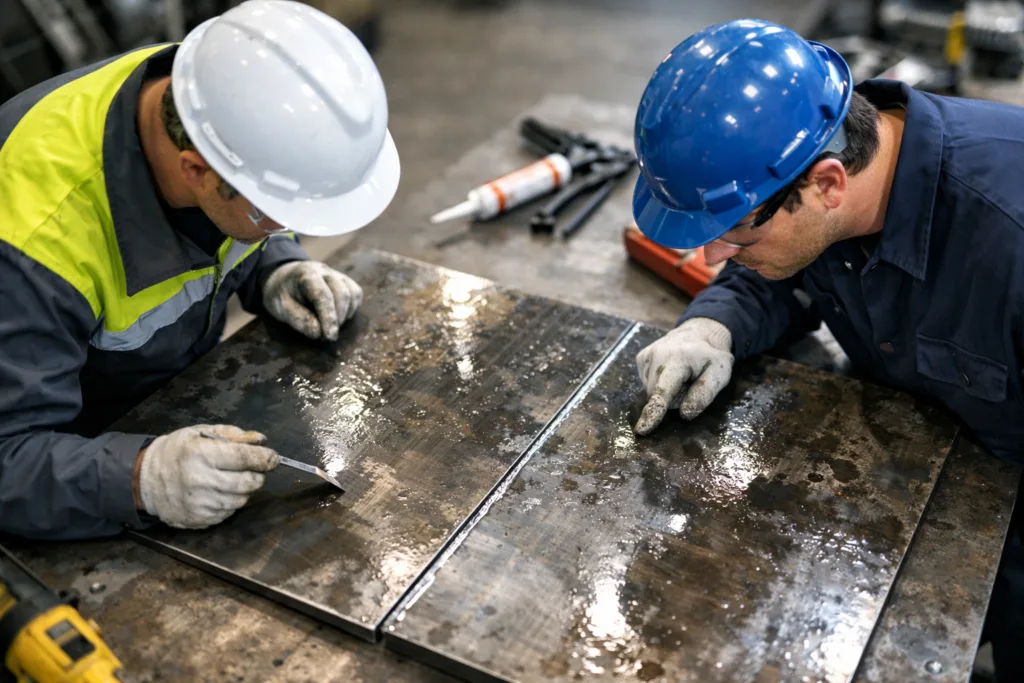
Every material surface—steel, aluminum, coated plastic, composite, or even glass—offers its own set of challenges. Surface energy and compatibility decide adhesion at the microscopic level. Experts study substrates with contact angle measurements and prep methods (abrading, priming, or plasma treatment), often testing alternative suppliers to catch unseen variations.
Test Methods: Proving Concepts Before Full Scale
Understanding which adhesive works is just one part; verifying it under real conditions is critical. Adhesive experts use lap shear, peel strength, wedge crack, and environmental exposure tests to model how adhesives behave over time. Each test type simulates service stresses, moisture, or vibration seen in end-use. These tests reveal potential failure—debonding, aging, or environmental sensitivities—long before full-scale production.
Failure Analysis: Learning from What Goes Wrong
Not all tests pass the first time. Smart adhesive experts treat every failed sample as valuable data. They use physical inspection (what type of failure—cohesive, adhesive, substrate?), microscopy, and even chemical analysis to diagnose root cause. Correcting process flaws early saves major costs later. This makes a difference when switching from screws or welding to structural adhesive bonding for modern applications.
Custom Solutions: When Off-the-Shelf Doesn’t Work
What if a standard product doesn’t fit? Leading adhesive manufacturers like ZDS Adhesive engineer custom formulations—tweaking viscosity, open time, cure speed, or color to optimize both bond strength and process compatibility. This step is often what differentiates basic suppliers from genuine consultative partners.
Sample Validation: From Bench-Scale to Pilot Production
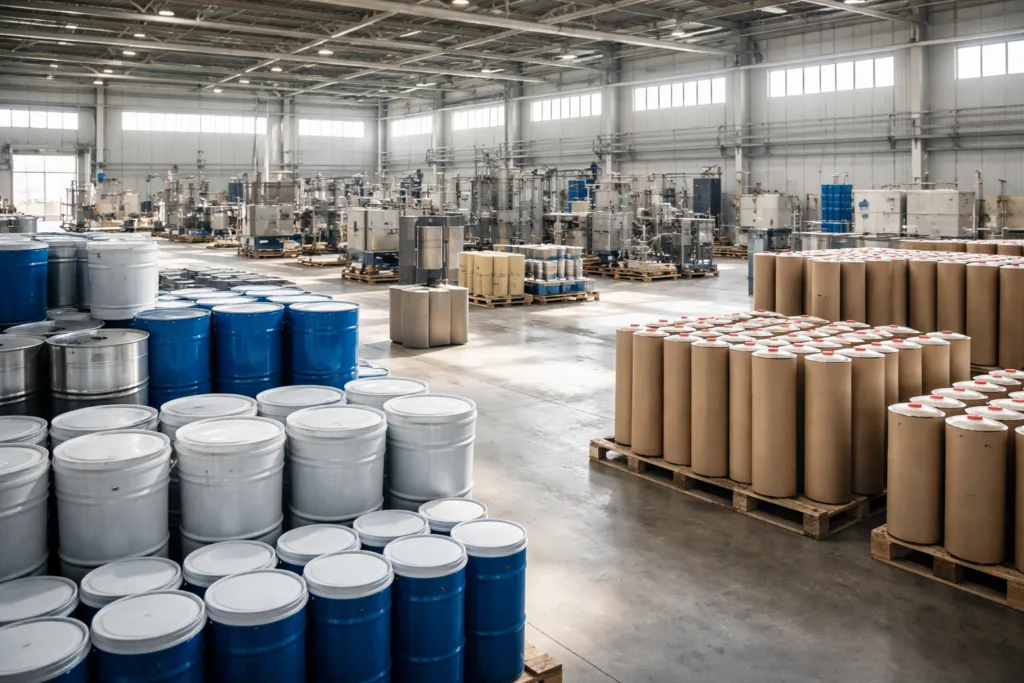
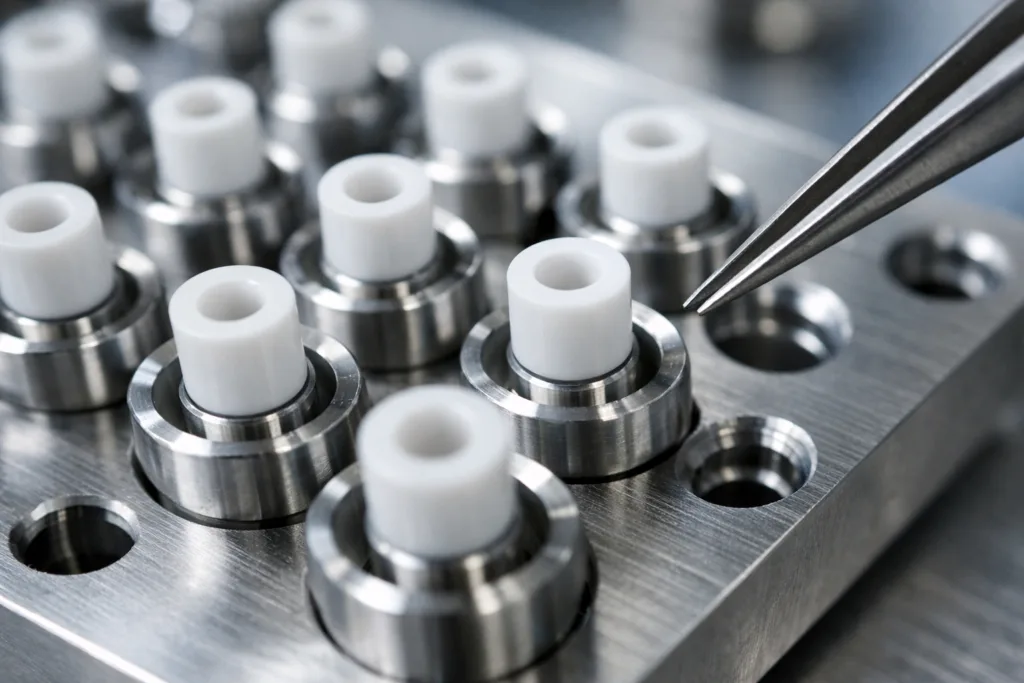
Adhesive experts don’t stop after lab validation. Approved adhesives are tested at pilot plant or small-batch scale. Here, full-assembly mockups, application robots, and thermal or humidity aging rigs validate if an adhesive can handle process speeds and part variability. Only after robust validation is a solution approved for scaling.
Process Integration: Matching Adhesive to Production Line
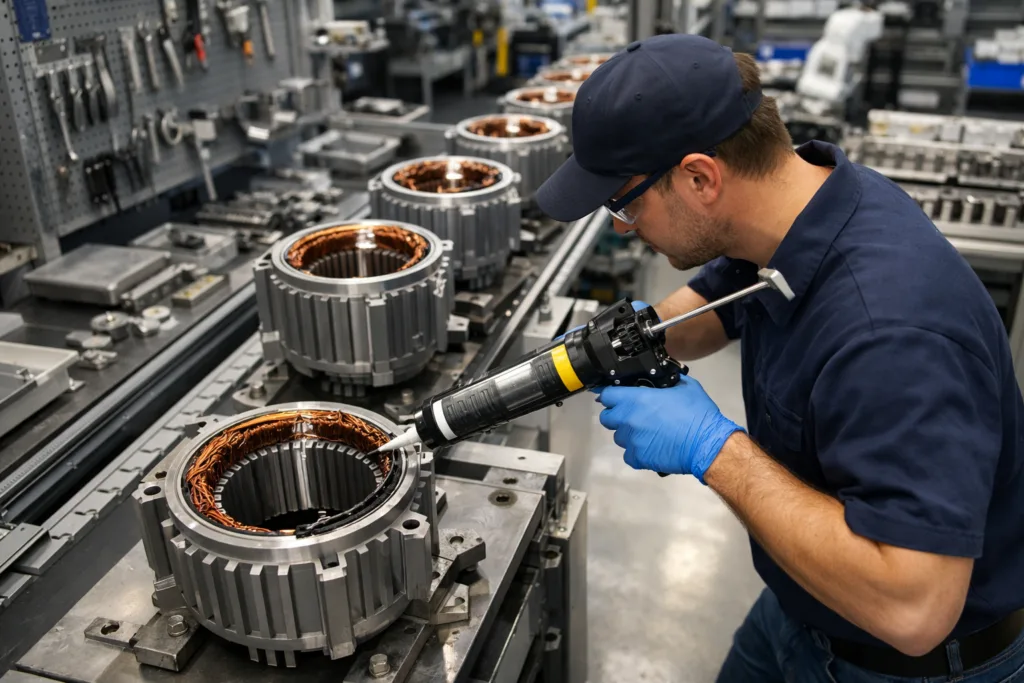
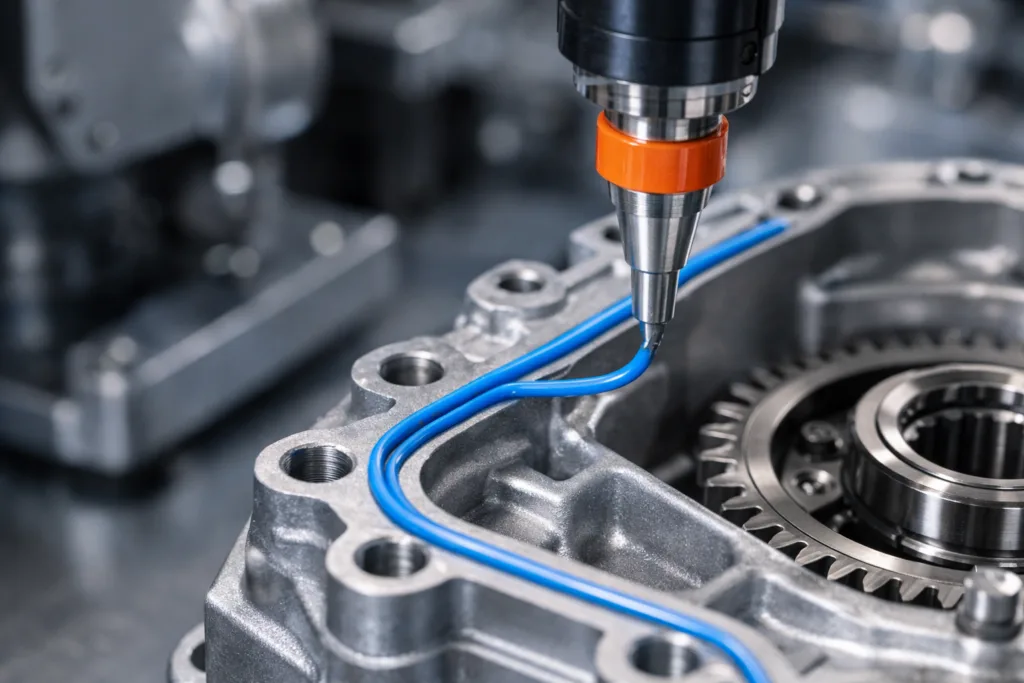
Every production environment is different—manual application, robotic dispensing, or automated metering each require specific adhesive rheology and pot life. Experts help select and tune adhesives (like those from epoxy adhesive ranges) to fit the line’s exact needs, preventing bottlenecks and operator errors.
Scale-Up: Avoiding Surprises in Real Manufacturing
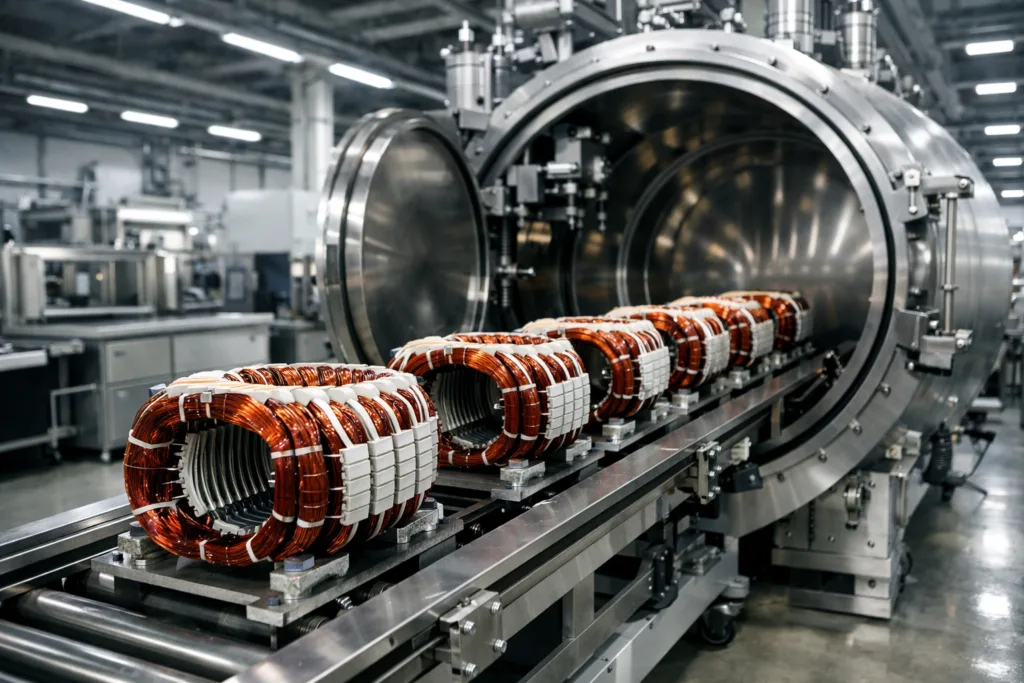
Ramp-up is when unseen problems emerge—clogged nozzles, incomplete cures, humidity-induced failures, or uncontrolled exotherms. Adhesive experts run pilot line trials and process audits, monitoring for subtle process drift that can compromise performance or compliance. Their troubleshooting toolbox is built from hands-on fixes and years of observing production mishaps.
Environmental Factors: Adapting to Every Industry’s Demands
Automotive, electronics, aerospace, and marine applications face wildly different stresses. UV light, chemicals, vibration, or water ingress all impact adhesive choices. Experts design test regimes to reflect these hazards and suggest chemistries, such as automotive-compatible adhesives, that ensure reliability beyond the lab.
Cross-Material and Cross-Process Support
The real challenge? Most assemblies involve multiple substrates and joint types. Adhesive experts understand trade-offs: one adhesive might bond metal to plastic but fail on composite, or offer the right fixture time for one process and not another. Their cross-training enables holistic support—balancing material compatibility, process speed, and life expectancy.
Regulatory and Compliance Support
Regulations like UL, ISO, and OEM specifications require adhesives to pass flammability, electrical, or biocompatibility standards. Experts track compliance throughout material selection and validation, eliminating later project delays. They know which tests are essential from project kickoff, not just at final audit.
Failure Prevention: Why Cheap Choices Can Cost Millions
A single debonding failure in automotive, electronics, or construction projects can lead to recalls, lawsuits, and brand damage. Adhesive experts prioritize long-term durability, traceability, and reproducibility—saving organizations from avoidable costs downstream. Their value is clearest not just in products shipped, but in problems prevented.
Consultative Engineering: The ZDS Adhesive Approach
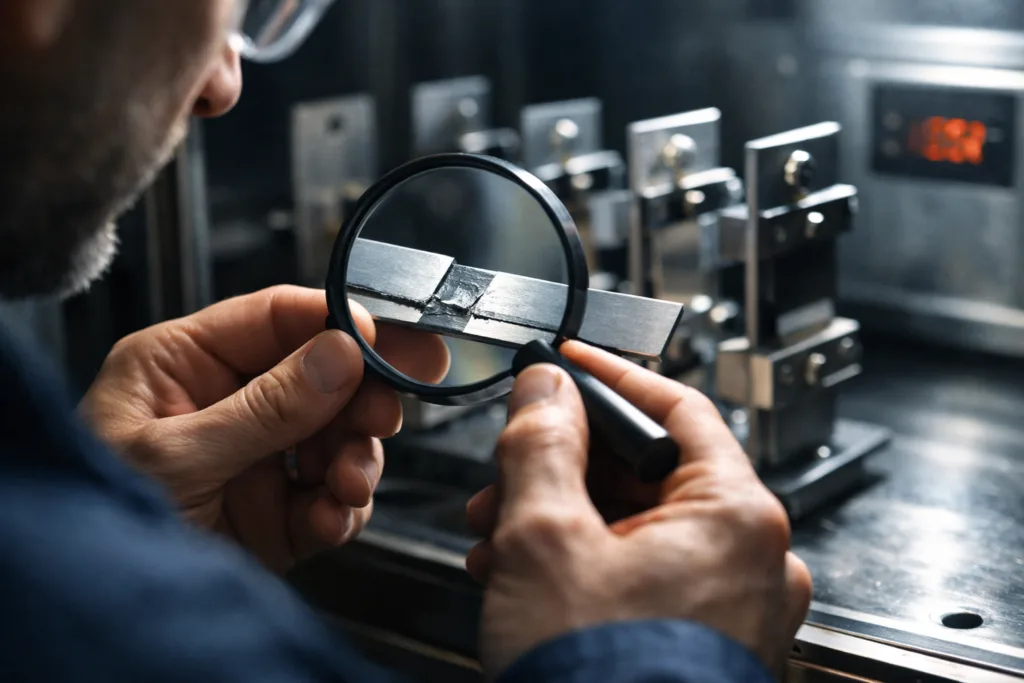
At ZDS Adhesive, the consultative engineering approach means experts partner with design, process, and quality teams from concept through ramp-up. This includes on-site application training, rapid troubleshooting, and custom test protocol development—all tailored to the reality of field conditions, not just lab specs. Their philosophy: successful bonding means every variable is understood, measured, and controlled.
Common Pitfalls When Experts Are Not Involved
Skipping expert input often results in mismatched materials, incomplete cures, or assembly inefficiencies. Projects relying solely on catalog specs or price-driven decisions experience delays, failure rates, and increased scrap. Experience shows the best performance, lowest waste, and fewest surprises come from experts involved early and throughout the project.
Communicating with Your Adhesive Expert Team
Clear, early communication with adhesive experts helps map requirements to real constraints: part geometry, cycle time, stress mode, and end-use environment. Sharing drawings, specs, or historical failures gives experts the data needed to deliver optimal, robust solutions—not just generic adhesives.
Cost Optimization Without Compromising Reliability
True cost control isn’t about the cheapest product, but reducing total cost-of-ownership: process stability, minimized rejects, longer service life, and regulatory compliance. Adhesive experts focus on system-level savings, guiding substitution or process tweaks to reduce overall spend while maintaining reliability.
Case Study Highlights: Adhesive Expertise in Action
Recent case studies show how experts solved failures such as brittle bonds in composite vehicles or rapid degradation in high-voltage electronics. In each instance, failure analysis, custom formulation, and pilot-scale testing closed the loop between material science and real-world reliability.
Technology Trends: How Modern Adhesives Expand Possibilities
Advances in acrylics, polyurethanes, and UV-curing adhesives now enable faster processing, lightweighting, and bonding low-energy plastics. Experts keep pace with these changes, translating new technology into safer, stronger, and more efficient assemblies.
Choosing the Right Adhesive Partner: What to Look For
The best industrial adhesive manufacturers offer more than supplies—they deliver honest consultation, custom development, and field support. Look for proven E2E support: from lab screening, pilot validation, and ramp-up, to troubleshooting and end-of-life failure review.
Summary: The Lasting Impact of Adhesive Experts
Adhesive experts are force multipliers in every stage of modern manufacturing—reducing risk, increasing reliability, and enabling breakthrough designs. Their input transforms complex projects from uncertainty to robust production. In a world of fast-paced technology, it’s consultative partnership—backed by materials science and real process know-how—that makes the difference between headaches and high-reliability assemblies.
What Adhesive Experts Really Do in Material Selection, Testing, and Production Scale-Up
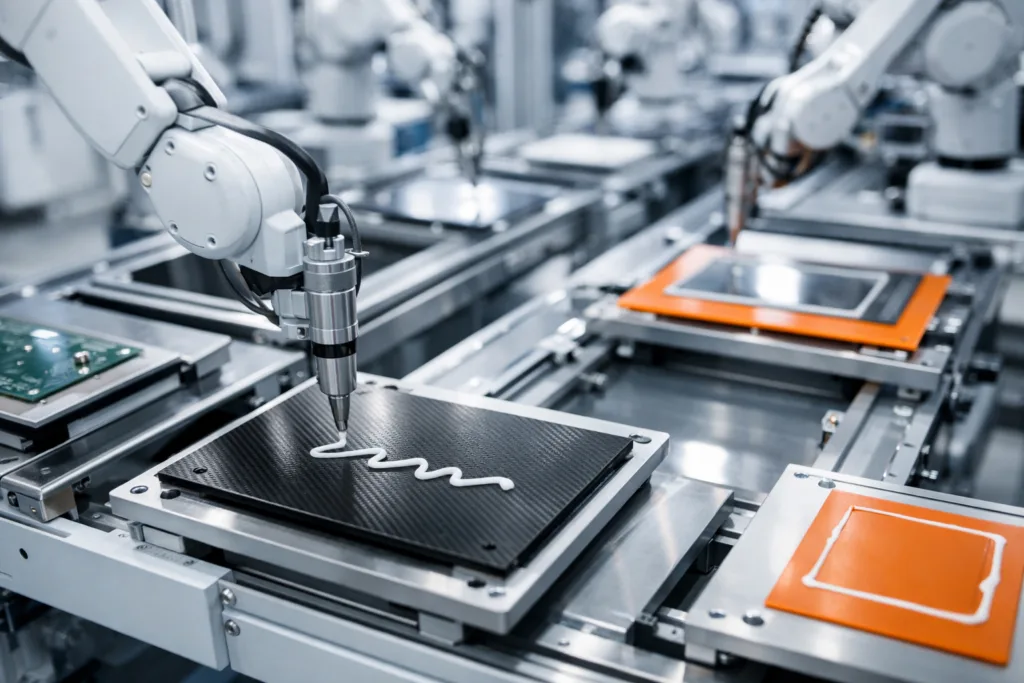
From initial material screening to pilot testing and full ramp-up, adhesive experts deliver end-to-end support. They identify potential weak points, tune solutions for production realities, and document every step for compliance. True value shows up in smooth launches, low field failures, and engineering-driven savings—not just a lower purchase price. Relying on technical, cross-functional adhesive support isn’t just smart—it’s essential for leading-edge manufacturing results.
Frequently Asked Questions
What’s the difference between an adhesive expert and a regular supplier?
An adhesive expert provides technical partnership—analyzing materials, processes, and environments—while a supplier typically just sells standard products.
Why is basic data sheet comparison often misleading?
Data sheets show lab tests, not real-world results. Factors like joint geometry, surface prep, or speed cause products to behave differently in production.
How do experts select adhesives for multiple materials?
They match chemistry to substrate properties, stress mode, and process constraints, using screening tests to predict cross-material compatibility.
What does sample validation actually involve?
Sample validation replicates assembly steps, aging, and load in pilot runs—ensuring adhesives perform reliably before full production commitment.
Can using the wrong adhesive really cause major failures?
Yes—poor compatibility or lack of durability can result in expensive recalls, loss of certification, or safety hazards, especially in automotive and electronics.
Is custom adhesive development common or only for big companies?
Custom formulas are more common as designs evolve. Even small- and mid-size firms benefit when standard adhesives can’t meet critical technical needs.
Related Reading
- How to Select a Trustworthy Adhesive Manufacturer—Global Strategies
- Solving E-Motor Noise: Damping Adhesive Tactics That Work
- Boost Fiber Optic Performance with the Right Polishing Adhesives
- Increase Motor Reliability with Advanced Stator Encapsulation
- Why 2nd Gen Acrylics Surpass Rivets for Strong Assembly