Understanding Adhesive Strength: UV Adhesives and Epoxy
Choosing between UV adhesives and epoxy comes down to one critical factor: adhesive strength. Engineers, designers, and production managers often face this decision when bonding glass, plastics, or metals. Each product boasts unique strengths, but what do the numbers and actual tests say? Let’s dive deep into UV adhesive strength versus epoxy, decoding how each performs and when to use one over the other.
Key Methods for Measuring UV Adhesive Strength

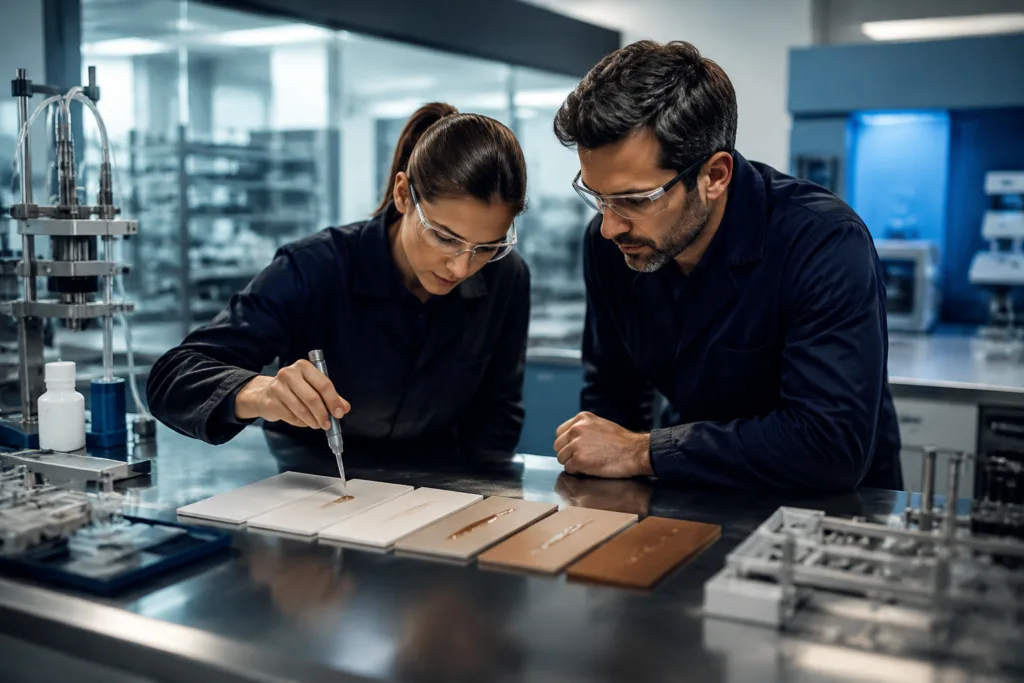
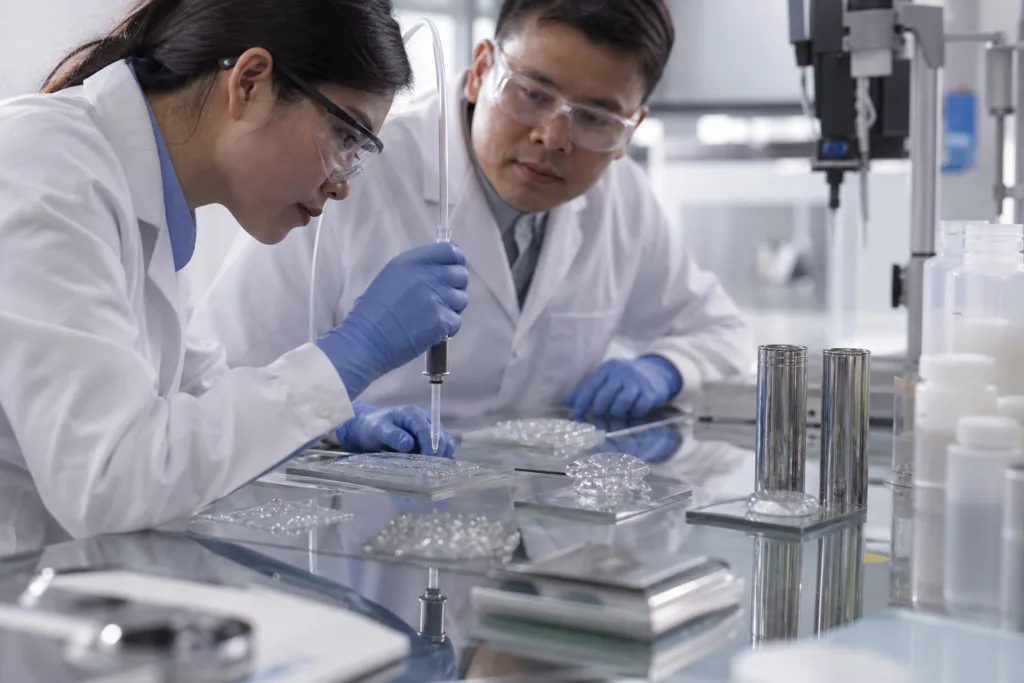
Reliable strength assessments start with clear, industry-accepted tests. Engineers trust them to compare UV adhesives and epoxies in real-world conditions. These tests simulate the stresses and forces adhesives face in daily use. Three of the most common strength tests are:
- Lap Shear Test (ASTM D1002): Measures the force needed to pull apart bonded metal strips.
- T-Peel Test (ASTM D1876): Evaluates how much force it takes to peel apart flexible bonds, often used for plastics and films.
- Tensile Strength (MPa): Determines how much straight pulling force a cured adhesive can withstand before breaking.
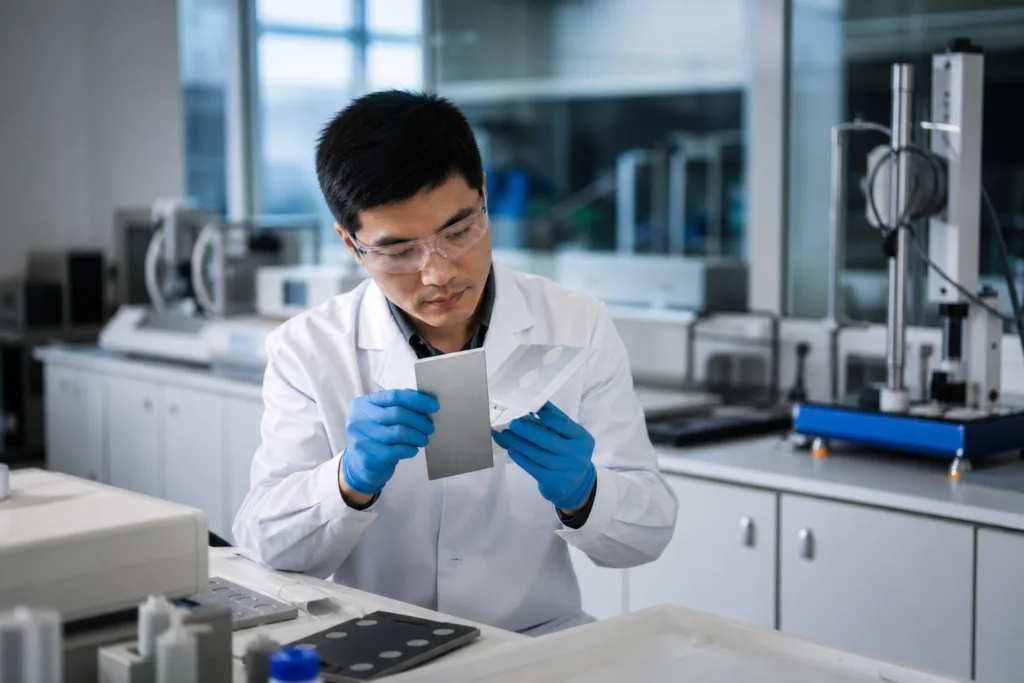
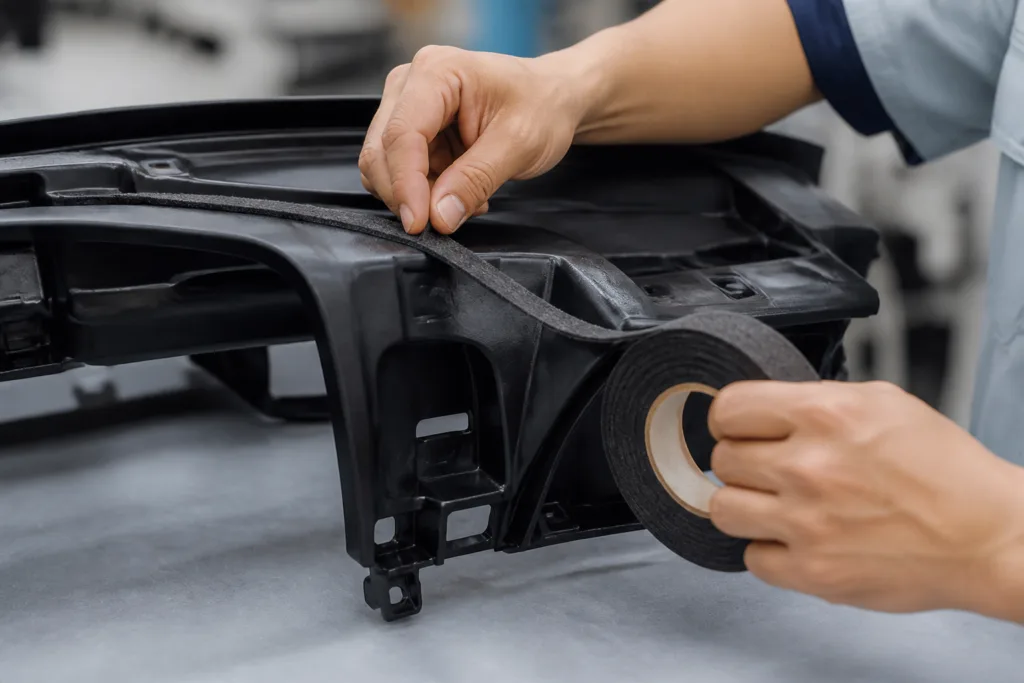
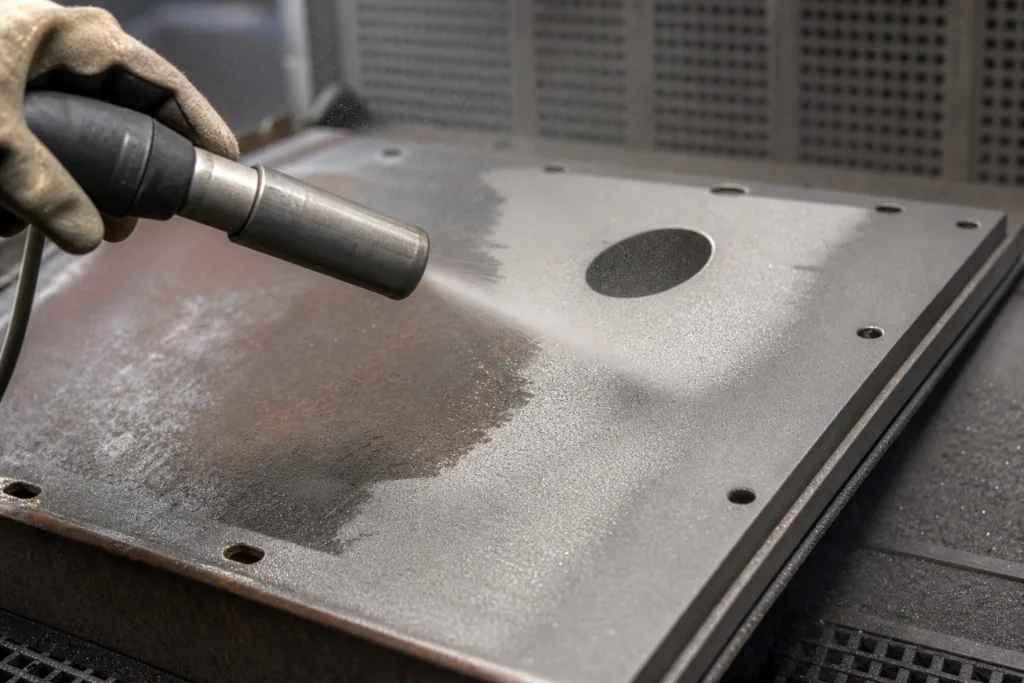
Before testing, samples must be prepared with careful surface cleaning, degreasing, and abrasion if needed. Many plastics—like ABS, polycarbonate, or polypropylene—also benefit from plasma or primer treatments to boost adhesion.
How the Tests Work in Practice
Each bonded specimen is clamped or fixed, then pulled or peeled by machines at controlled rates. Results show up as maximum force before failure, usually given in megapascals (MPa) or pounds per square inch (psi).
UV Adhesive Strength: Data and Benchmarks
So, how strong are UV adhesives? Their performance depends on chemistry, substrate, and cure quality. Below are some typical numbers for industrial UV adhesives after full cure:
- Lap Shear Strength: Ranges from 5 MPa (720 psi) for general-purpose grades up to 20 MPa (2,900 psi) for structural UVs on metal or glass.
- T-Peel Strength: Around 2-5 N/mm (depends on flexibility).
- Cure Time: Fast — as little as 3–30 seconds under correct UV intensity (measured in mW/cm²).
These values make UV adhesives strong enough for many electronics (circuit board potting, lens mounting), medical devices, and glass assemblies. However, factors like depth of cure, intensity of UV exposure, and bond-line thickness matter. Too thick a layer, or shaded spots, reduce peak strength.
Best-Fit Substrates for UV Adhesives
- Glass (displays, windows, optics)
- Clear plastics (polycarbonate, acrylic, PETG)
- Some metals, if one surface is UV transparent or exposed post-bond
Proper surface prep—like solvent wiping and abrasion—is crucial. ZDS engineers often recommend a primer when working with tough plastics or slightly opaque materials.
Epoxy Strength: Industry Data and Advantages
Epoxies set the industry standard for high strength. After full cure, two-component epoxies typically deliver:
- Lap Shear Strength: 15–30 MPa (2,200–4,400 psi) on metals and engineered plastics
- T-Peel Strength: 3–8 N/mm
- Tensile Strength: 20–60 MPa, depending on formulation
Epoxy systems need careful mix by weight or volume, consistent curing (often 1–24 hours at room or elevated temperature), and effective clamping. Pot life—the time you can work the mixed resin—ranges from 5 minutes to 2 hours, while open time is usually around 10–45 minutes.
Why Epoxy Often Wins in Demanding Environments
Epoxy adhesives offer exceptional chemical resistance, long-term aging performance, and high glass transition temperature (Tg). They stick to almost anything with the right prep: aluminum, stainless steel, glass, ceramics, composites, plastics (with corona/plasma/primer), and stone.
UV Adhesive Strength
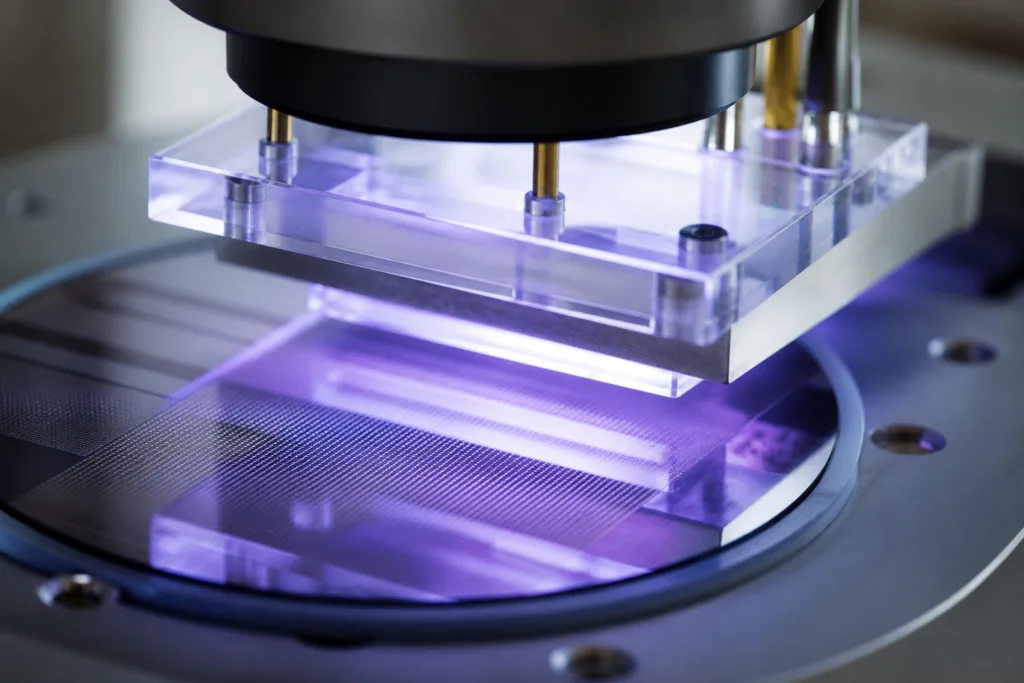
UV adhesives harden with exposure to ultraviolet light. Their rapid cure makes them favorites for high-speed assembly and automated lines. But how do they stack up against epoxies in actual pull tests and real-world wear?
| Chemistry | Substrate Compatibility | Lap Shear Strength | Peel Strength | Best Uses |
|---|---|---|---|---|
| UV Acrylic | Glass, clear plastics, coated metals | 10–20 MPa | 2–4 N/mm | Displays, lenses, medical, electronics |
| Epoxy | Metals, ceramics, plastics, stone | 15–30 MPa | 3–8 N/mm | Structural joints, repairs, load-bearing assemblies |
| UV Hybrid | Metals (exposed), plastics, glass | 5–15 MPa | 2–3 N/mm | Fast assembly, electronics, optoelectronics |
Not all UV adhesives are created equal. ZDS offers both high-strength, structural-grade UV adhesives and fast-cure versions tailored for flexible bonding. Still, on average, standard epoxies provide a wider strength margin for heavy-duty applications or when thick, non-UV-transparent parts are involved.
Practicalities: Strength Over Time
UV adhesives show excellent initial strength and bond clarity. However, long-term exposure to heat or harsh chemicals may reduce their tensile and shear properties, unless stabilized with specialty additives. Epoxies, especially those cured with heat, often boast predictable mechanical strength even after thermal cycling, salt spray (ASTM B117), or harsh chemical soak.
When Is UV Adhesive Strength Enough?
Sometimes you don’t need the absolute highest strength—just enough for the application. Use UV adhesives when:
- You need rapid curing for high-throughput production.
- One or both surfaces are transparent (to allow UV light access).
- Visual clarity or thin bond lines are essential.
- Bonded assemblies have modest mechanical load—like displays, filters, lenses, or sensors.
For consumer electronics, laboratory equipment, and optical devices, UV adhesives balance strength, speed, and aesthetic finish. They’re also common in medical device assembly, where biocompatibility and light-cure features aid complex builds.

Knowing Your Strength Targets
Define your needed strength based on expected load. Ask: Will the bond face significant shear, peel, or heat cycling? If peak lap shear below 15 MPa suffices, a UV adhesive may do the job—especially if assembly speed and clarity matter. Always request datasheets showing strength values on your real substrate, and consider trialing under actual use conditions.
When Should You Choose Epoxy Adhesives?
If your assembly will face heavy mechanical forces, wide temperature swings, or long-term chemical exposure, epoxy wins out. Typical use cases include:
- Joining metals in automotive or aerospace assemblies
- Bonding composites in equipment frames
- Structural glazing of stone or ceramics
- Adhering windshields, panels, or heavy-duty electrical components
Epoxies bond irregular or rough surfaces and handle bond gaps better than most UV adhesives. Moreover, they offer proven track record in shear strength testing and thermal cycling standards. ZDS also supplies low-viscosity, fast-curing epoxy options for automated processes—just expect longer cure times compared to UVs.
Factors That Favor Epoxy Selection
- The substrate is opaque or shaded from UV light.
- The bond must survive frequent shock, vibration, or solvent contact.
- You need the highest possible tensile, peel, or impact strength.
Engineers should also consider mixing, pot life, and cure schedules. For some high-speed, robotic lines, 1K or premixed 2K epoxy cartridges enable rapid, accurate dosing with minimal waste.
Application Prep and Process Control for Consistent Strength
The path from test measurements to real-world performance runs through careful surface prep and process control. Whether you choose UV adhesive or epoxy:
- Always degrease and clean substrates.
- Avoid fingerprints, dust, and oxidation.
- For plastics, consider flame or plasma treatments, or prime as advised.
- Control adhesive thickness—UV works best in thin layers (≤0.5mm). Epoxy handles thicker bond lines.
- Observe proper cure schedules: full UV coverage for adhesives; correct temperature/time for epoxies.
ZDS technical support can recommend primers, mixing tips, and UV light guides for optimal bond strength and consistency.
QC and Documentation: Proving and Retaining Strength
Adhesive strength must be consistent, batch to batch. Manufacturers like ZDS use internal and external quality checks: salt spray (ASTM B117), shear and peel tests, and aging simulations. Certificates of analysis, REACH/RoHS declarations, and ISO 9001 process documentation support compliance and traceability for industrial users.
Expert Take: “Your adhesive is only as strong as your weakest process link. Test, document, and verify every step—great bonds start with small details.”
Comparing UV Adhesive Strength vs. Epoxy: The Bottom Line
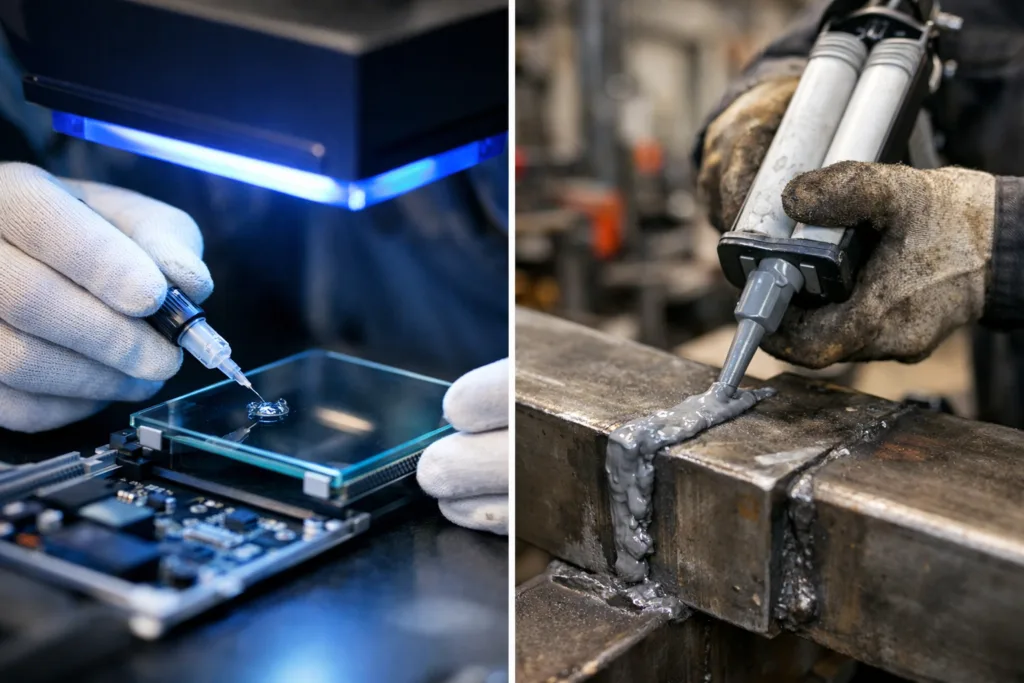
UV adhesives deliver fast cures and strong, visually clear bonds, especially for glass and some plastics. Their typical shear strength (5–20 MPa) fits many light-to-medium duty applications, from medical devices to electronics. Epoxy exceeds them in pure mechanical strength (up to 30 MPa shear; 60 MPa tensile), excels at structural joining, and performs in harsh, variable environments.
When deciding, weigh speed, appearance, substrate, joint design, and real strength needs. For clarity and fast throughput on light loads, choose UV. For structural and all-weather tasks, go with epoxy. Always validate with your own tests—and seek tailored solutions from proven suppliers like ZDS.
Frequently Asked Questions
How does UV adhesive strength compare with epoxy?
UV adhesive strength is typically 5–20 MPa in lap shear, while epoxy ranges 15–30 MPa. Epoxy is stronger for high loads, but UV is fast and clear.
What factors affect the strength of UV adhesives?
Key factors include cure quality, UV exposure, substrate compatibility, bond-line thickness, and surface preparation. Full UV exposure is critical for best strength.
Are UV adhesives durable over time?
Yes, for many uses, but UV adhesives can weaken under high heat or chemicals if not stabilized. Specialized grades improve long-term durability in tough conditions.
When should I use epoxy instead of UV adhesive?
Use epoxy for structural joints, bonding opaque materials, or applications with heavy mechanical stress, thermal cycling, or chemical exposure. Epoxy is more versatile for difficult environments.
Do UV adhesives cure instantly?
Most UV adhesives cure in 3–30 seconds with proper UV light. Thicker layers or shaded areas take longer, and may not cure fully without strong exposure.
How can I maximize adhesive strength for my application?
Clean and prep surfaces well, use recommended primers, control bond thickness, and follow curing instructions carefully. Test on actual substrates before scaling up.