Introduction to Foldable Phone Hinge Bonding: Flexible Adhesive Solutions
Foldable phones are redefining the future of mobile devices. What makes these innovative phones both reliable and stylish is the secret inside—the adhesive technology that holds their ultra-complex hinges together. Foldable Phone Hinge Bonding: Flexible Adhesive Solutions have evolved dramatically, offering unprecedented flexibility and durability. In this article, we’ll explore how advancements in flexible adhesives are shaping manufacturing, what it takes to survive real usage, and why material science is at the center of every successful foldable phone. Whether you’re in product development or simply a curious tech lover, let’s dive into this engineering marvel.
Understanding Foldable Phone Hinge Design

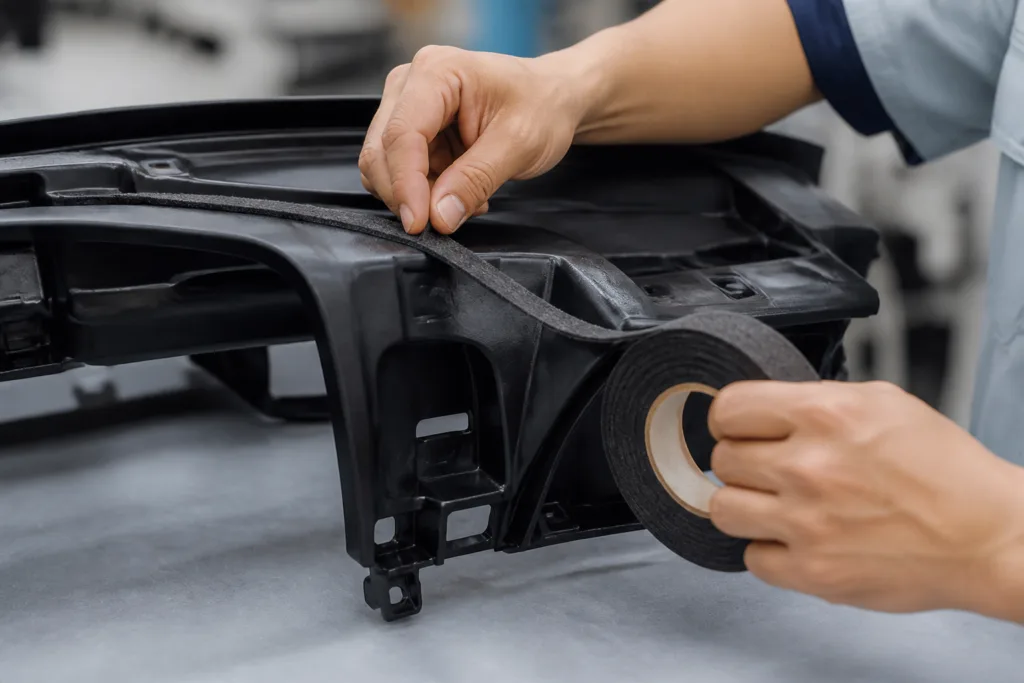
Foldable phone hinges are more than just mechanical pivots—they’re tiny precision assemblies that enable seamless opening, closing, and bending of the device without fatigue or failure. Every bend puts stress on the materials and the adhesives holding everything together. That’s why design engineers put immense focus on creating hinges that combine strength and flexibility.
The Critical Role of Adhesives in Hinge Performance
Without the right adhesive, foldable phone hinges would quickly wear out or peel apart. The adhesives used must not only bond parts together but must maintain elasticity, resist fatigue, and withstand thousands of cycles. According to adhesive solutions experts, even slight adhesive failure can lead to costly recalls and reputation damage for manufacturers.
What Makes an Adhesive Flexible?
Flexible adhesives have unique formulas that give them the ability to stretch and relax repeatedly without losing their holding power. Unlike rigid adhesives, they accommodate the constant motion and minute misalignments in a foldable phone hinge.
Key Properties
- High elongation at break
- Fatigue resistance (up to 200,000+ cycles)
- Stable adhesion under thermal cycling
- Moisture and chemical resistance
Common Types of Flexible Adhesives for Foldable Hinges
Several adhesive chemistries compete for a spot in foldable device assembly lines. Here’s how they compare:
| Type | Flexibility | Open Time | Best For | Notes |
|---|---|---|---|---|
| Polyurethane | Very High | 5–20 min | Plastic & metal | Strong peel and shear |
| Silicone | High | 15–40 min | Delicate parts | Resists heat & moisture |
| UV-curable Acrylic | Medium-High | Seconds | Speed assembly | Precise application |
| Hot-melt | Medium | Seconds | Easy dispensing | Lower ultimate strength |
Each chemistry brings a trade-off between open time, cure speed, and long-term durability. Learn more about polymer-based options from this polyurethane structural adhesive overview.
Key Advancements: Material Science’s Impact
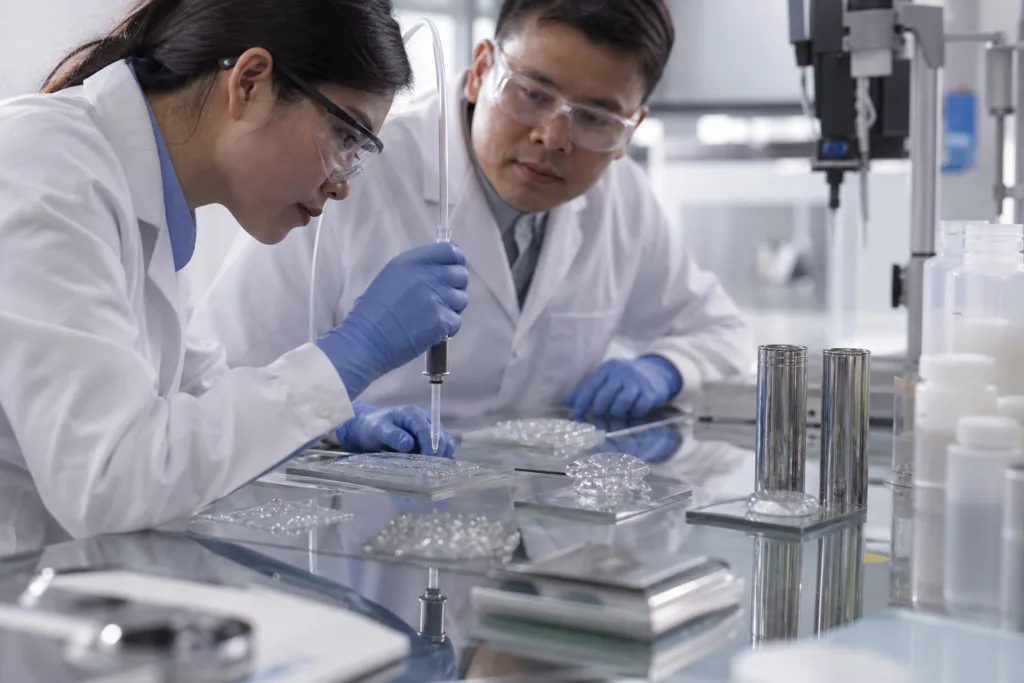
Recent breakthroughs in polymer science have upped the game for foldable phone assembly. Scientists have engineered adhesives with customizable crosslinking density, high molecular weight blocks, and nano-fillers that enhance flexibility while increasing mechanical integrity. Modern formulas are even tunable for specific operating temperatures and surface energies.
Notable Innovations
- Smart polymers that only activate upon UV or thermal cues
- Low-modulus networks for hinge fatigue resistance
- Optimized flow control for ultra-thin bond-lines
Manufacturing Techniques for Durable Hinge Bonding
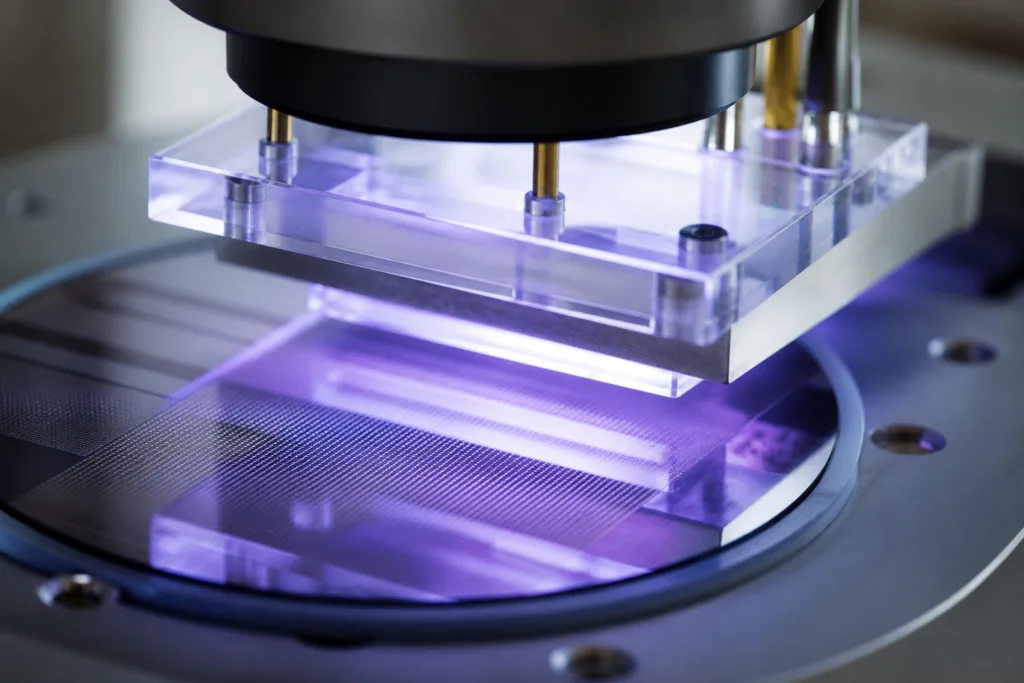
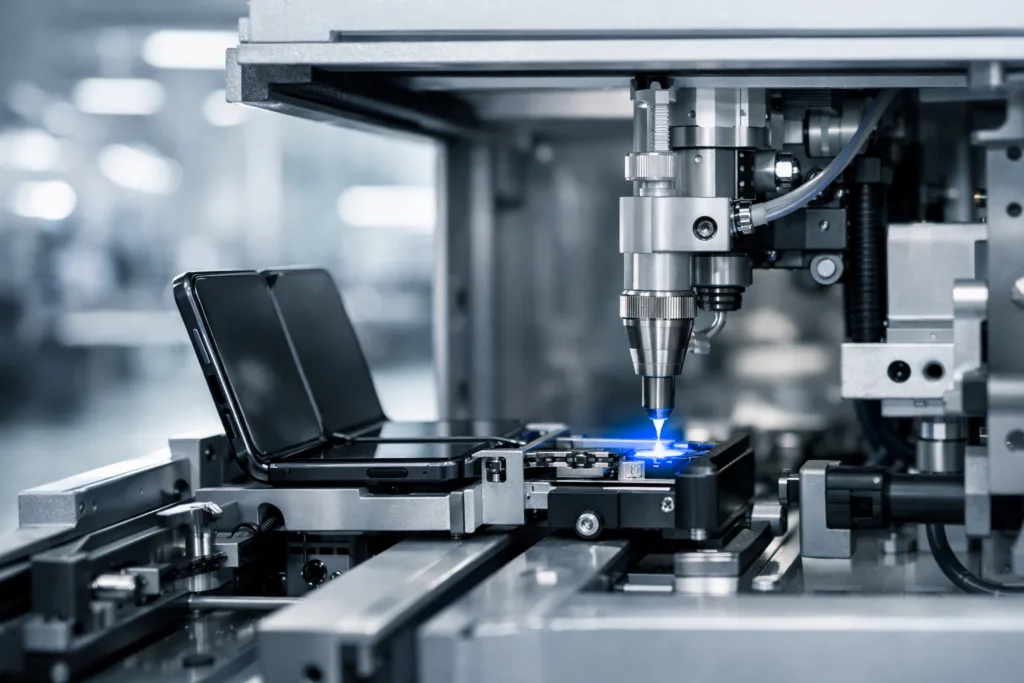
Innovative handling and curing techniques play a huge role in adhesive reliability. For example, UV-curing adhesives bring rapid fixture times for high-throughput lines. Robotic dispensing ensures even application, while programmable ovens are used to perform slow-cure schedules (if needed) for maximum strength.
Assembly Influences
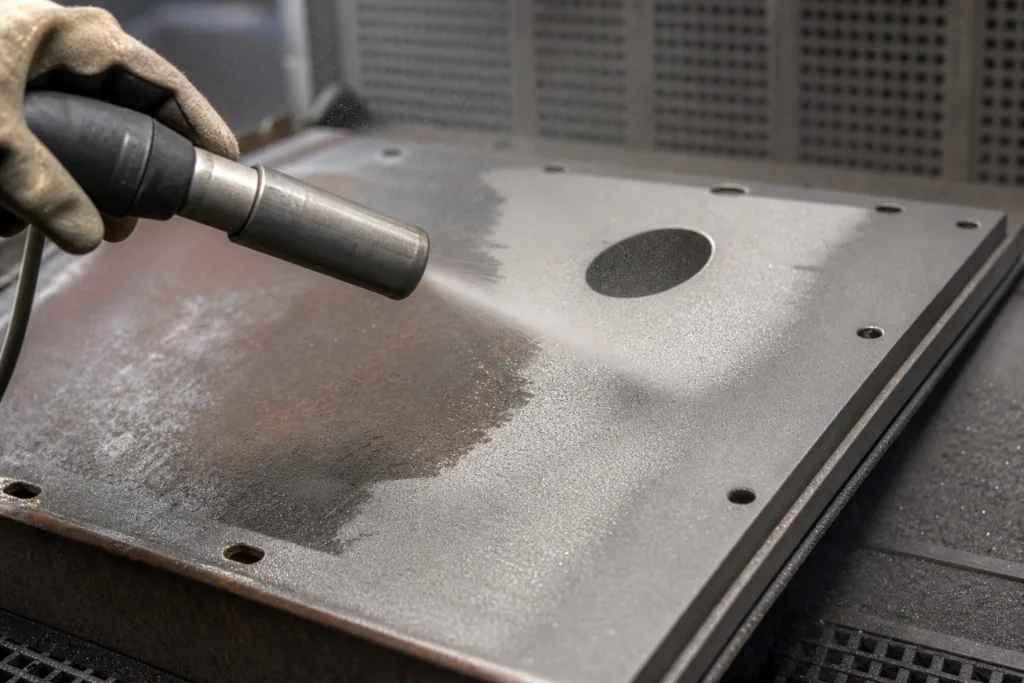
- Surface preparation using advanced cleaning and activation steps
- Temperature/humidity-controlled environments for consistent cure
- Automated vision systems to check bond uniformity
Case Studies: Manufacturers’ Success with Flexible Adhesives
Industry leaders have published case studies confirming that correct adhesive selection can boost device hinge life by more than 50%. For example, after switching to a high-elastic-modulus silicone adhesive for their latest model, one brand reported hinge failure rates dropping from 7% to under 1% after simulated two-year usage tests. These outcomes demonstrate the direct link between flexible adhesive quality and user satisfaction in foldable phones.
Real-World Application: The User Experience
Flexible adhesive solutions impact users more than they realize. When a device glides open without creaking and closes securely every time, that’s a bonded hinge and adhesive at work. No more sticky noises, wobbly alignment, or premature breakage—even with daily folding and unfolding.
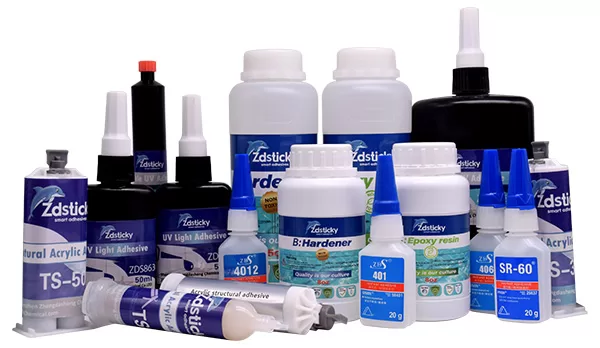
ZDS Adhesive: Industrial Adhesive Know-How in Foldable Devices
ZDS Adhesive, an industrial adhesive manufacturer, points out that success in hinge bonding starts with controlling these variables: surface energy, adhesive pot life, fixture time, and exposure to repeated humidity/thermal cycling. For example, bond-line thickness holds the key to balancing flexibility and ultimate strength—too thick, and the hinge feels spongy; too thin, and bonds may fail under edge loading. Here, peel resistance can be just as important as static lap shear results. Their findings stress methodical material selection and the necessity of real-world environmental tests before scaling assembly lines.
Flexible Adhesive Solution Selection Guide
Choosing a flexible adhesive is not about finding the stickiest option. Here’s a practical decision checklist:
- Is the hinge subject to torsion, peel, or shear mainly?
- What materials (plastic, aluminum, stainless, specialty alloys) need bonding?
- What operating temperatures and humidity will the device face?
- What level of reworkability is required?
- Can automated dispensing and in-line QC be implemented?
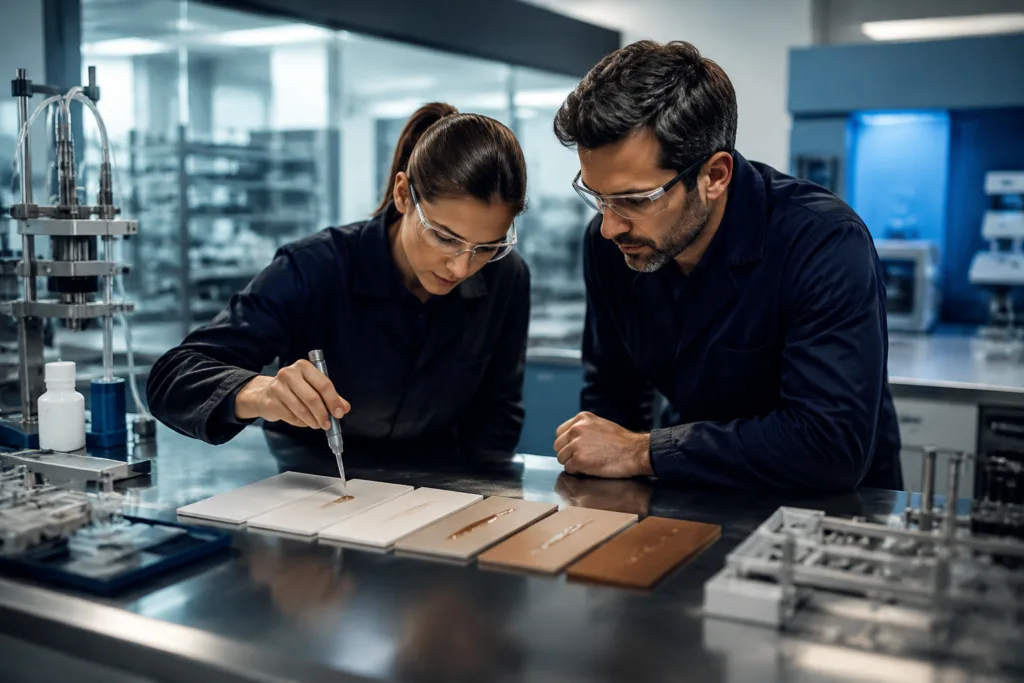
For process design, using a pilot line to simulate actual folding cycles is crucial. Mechanical testing methods (fatigue cycles, peel strength, thermal shock) offer an early warning of likely real-world issues.
The Foldable Phone Hinge Bonding: Flexible Adhesive Solutions Checklist
- Prioritize adhesives tested for over 100,000 cycles
- Ensure chemical compatibility with all hinge materials
- Require manufacturing traceability (lot-level QC)
- Use surface treatments (like plasma or corona) on low-energy substrates
- Schedule periodic hinge inspection and micro-section checks
Common Failure Modes and How to Avoid Them
Even world-class adhesives fail without attention to application details. Frequent failure modes in foldable phone hinges include cohesive failure (adhesive splits), adhesive failure (surface detachment), and substrate cracking. Prevent these with:
- Thorough de-greasing and cleaning steps
- Matching adhesive modulus to substrate flexibility
- Following recommended cure schedules
- Designing for peel, not just shear strength
Testing, Qualification, and Reliability Standards
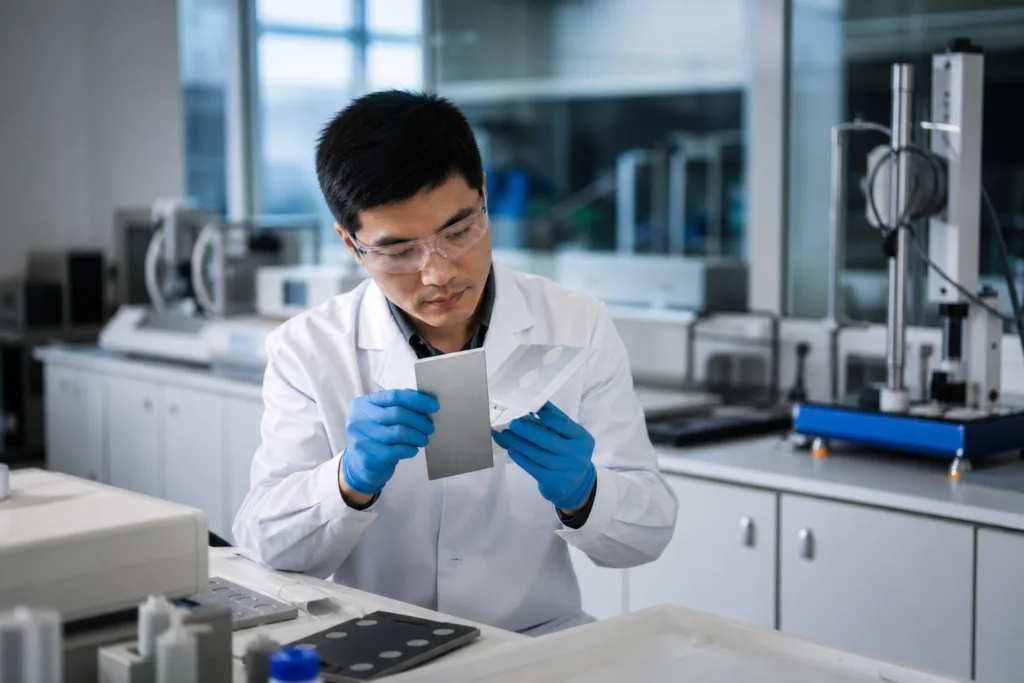
Adhesives chosen for foldable phone hinges undergo demanding tests: accelerated aging, mechanical cycling, environmental chambers (humidity and heat), and destructive analysis. Manufacturers may use standards such as JEDEC or in-house cycling tests (up to 300,000 folds) to qualify both the adhesive and the bond design. Only materials that pass stringent reliability panels make it into your next-generation device.
Future Directions and Advanced Materials
By 2026, the foldable phone market continues to drive innovations like smart adhesives with tunable shape memory or self-healing properties. Some new materials use nano-reinforcements for enhanced toughness, while eco-friendly and recyclable adhesives are gaining favor for sustainability. In the near future, expect even more process automation, 3D-printed adhesive paths, and wireless in-line bond health monitoring.
Conclusion: Key Takeaways and Forward Outlook

Foldable phone hinges are engineering masterpieces, made possible thanks to the rapid innovation of flexible adhesive solutions. The path from lab to user’s hand is paved with rigorous testing, selection, and real-world feedback. For manufacturers, continued investment in materials science and quality assurance will define the next chapter of portable electronics. For users, that means better reliability, more enjoyable folding, and a smoother mobile experience for years to come.
Frequently Asked Questions
What is the most common adhesive used for foldable phone hinges?
Polyurethane- and silicone-based adhesives are most commonly used due to their flexibility, fatigue resistance, and compatibility with various substrates.
Why do foldable phones need special adhesives?
Standard adhesives can crack or lose adhesion with constant bending. Flexible adhesives are engineered to endure repeated cycles, keeping hinges strong without failure.
Can UV-curable adhesives be used for phone hinges?
Yes, UV-curable adhesives offer fast fixture times and precise application, making them useful for complex, miniature hinge assemblies where speed and accuracy matter.
How are foldable phone adhesives tested for durability?
Adhesives are tested using mechanical fatigue cycles, thermal and humidity aging, and destructive tests to verify long-term reliability in a range of real-world scenarios.
What makes ZDS Adhesive’s approach unique in the industry?
ZDS Adhesive focuses on matching material systems to exact device conditions, emphasizing real-world reliability over lab-only results, and supports traceability in production batches.
Are flexible adhesives sustainable or recyclable?
Some new flexible adhesives are being designed with eco-friendly chemistries for improved sustainability and recyclability, but options for high-performance applications remain limited today.
Related Reading
- How Do UV Adhesives Work? Insights for Modern Manufacturing
- Polyurethane Industrial Adhesives: Use Cases & Benefits for Electronics
- Epoxy vs Silicone vs Polyurethane: Making the Right Choice
- Avoiding Industrial Adhesive Mistakes: Practical Solutions & Tips
- 12 Ways UV-Curing Adhesives Improve Electronics Assembly