Introduction to Adhesives for Flexible Printed Circuits (FPC) Reinforcement
Flexible printed circuits (FPCs) are the backbone of today’s compact electronics, from smartphones to medical devices. Their ability to bend, twist, and adapt makes them ideal for applications with limited space and moving elements. But this very flexibility also presents a challenge: without proper reinforcement, FPCs are prone to cracking, delamination, or failure, especially under dynamic flexing or thermal cycling. That’s where adhesives for flexible printed circuits (FPC) reinforcement come in. The right adhesive keeps circuits robust, electrically reliable, and long-lasting, turning a delicate assembly into a durable solution for harsh real-world environments.
Why is Adhesive Reinforcement Crucial for FPCs?
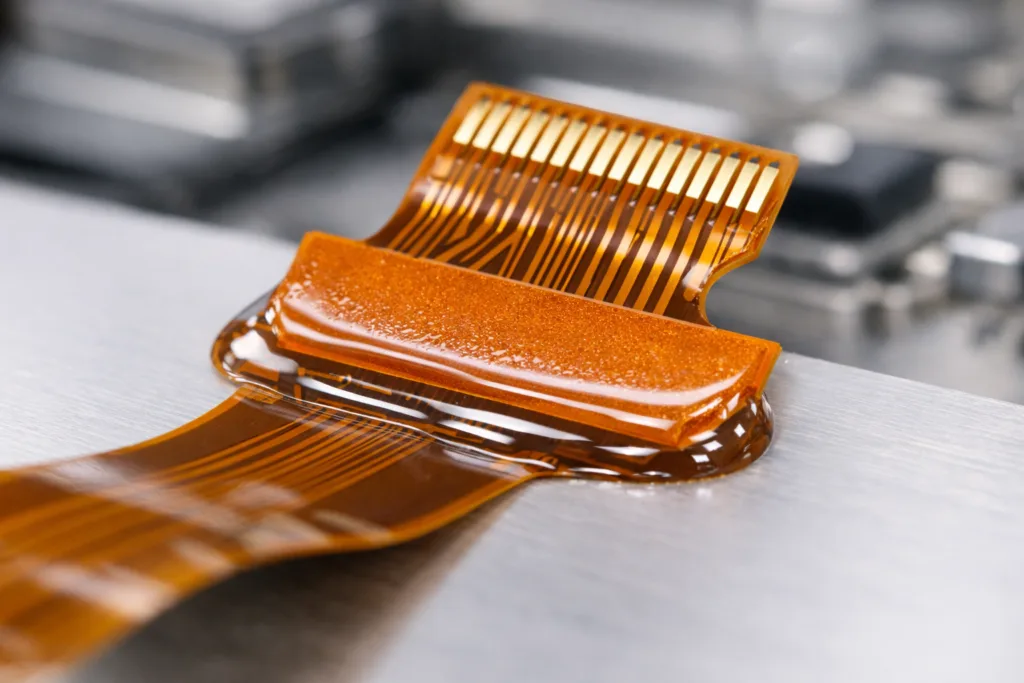
FPCs endure repeated mechanical stresses and temperature changes in service. Reinforcement adhesives provide a vital buffer against these forces, distributing strain and preventing copper trace breakage at vulnerable points. Without specialized FPC adhesives, connectors may loosen, shields may peel, or signal quality can degrade, leading to costly field failures. Choosing adhesives tailored for circuit reinforcement is not just about assembly convenience—it’s about ensuring long-term performance.
Flexible Adhesives, Circuit Reinforcement: The Core Factors
When engineers select adhesives for flexible printed circuit (FPC) reinforcement, they weigh several core properties:
- Flexibility: Does the adhesive absorb bending and twisting without cracking?
- Heat Resistance: Will it retain performance during soldering and operation?
- Bond Strength: Can it resist peel and shear forces at interfaces?
- Process Compatibility: Is it suitable for high-throughput, scalable manufacturing?
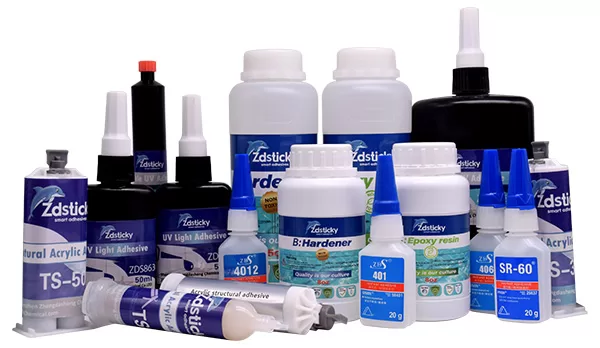
Let’s unpack how various adhesive types — acrylics, epoxies, and silicones — stack up for these requirements. For well-rounded industrial adhesive solutions, see adhesive solutions from ZDS Adhesive.
Types of Adhesives for FPC Reinforcement
Acrylic Adhesives
Acrylic-based adhesives offer a sweet spot between flexibility and high bond strength. They are often formulated as film or pressure-sensitive adhesives (PSA), making them perfect for automated assembly lines. Their natural tackiness helps position reinforcement stiffeners before final cure.
Epoxy Adhesives
Epoxy adhesives are industry favorites where ultimate bond integrity is required, such as in automotive or aerospace FPCs. They deliver outstanding temperature and chemical resistance, but standard epoxies are rigid. Engineers typically choose toughened or flexible epoxies for FPC reinforcement, balancing strength and flexibility. For application options, explore available epoxy adhesive solutions.
Silicone Adhesives
Silicones stand out for their thermal stability and lasting elasticity—even at extreme temperatures. These adhesives maintain flexibility through thermal cycling, making them ideal for FPCs subjected to harsh environments or sensitive electronics where stress must be minimized.
Comparison Table: Acrylic, Epoxy, and Silicone Adhesives for FPCs
| Property | Acrylic | Epoxy | Silicone |
|---|---|---|---|
| Flexibility | High | Medium–High (toughened) | Very High |
| Heat Resistance | Moderate | Excellent | Excellent |
| Bond Strength | Medium–High | High–Very High | Medium |
| Electrical Insulation | Good | Very Good | Excellent |
| Application | Pressure-sensitive/Film | Pasty/Liquid | Pasty/Liquid |
| Cure Method | Pressure/Heat | Heat/Room Temp/UV | Room Temp/Heat |
| Best for | General, Fast lines | High Reliability | Extreme Flex, Temp |
Key Properties and Performance Criteria
Flexibility (Elongation, Peel Strength)
FPC adhesives must flex in sync with the substrate. Standard values: Elongation >100%, peel strength >1.0 N/cm. Silicone adhesives often outperform here, while flexible epoxies and acrylics can also meet specifications for repeated bending cycles.
Thermal Aging and Reliability
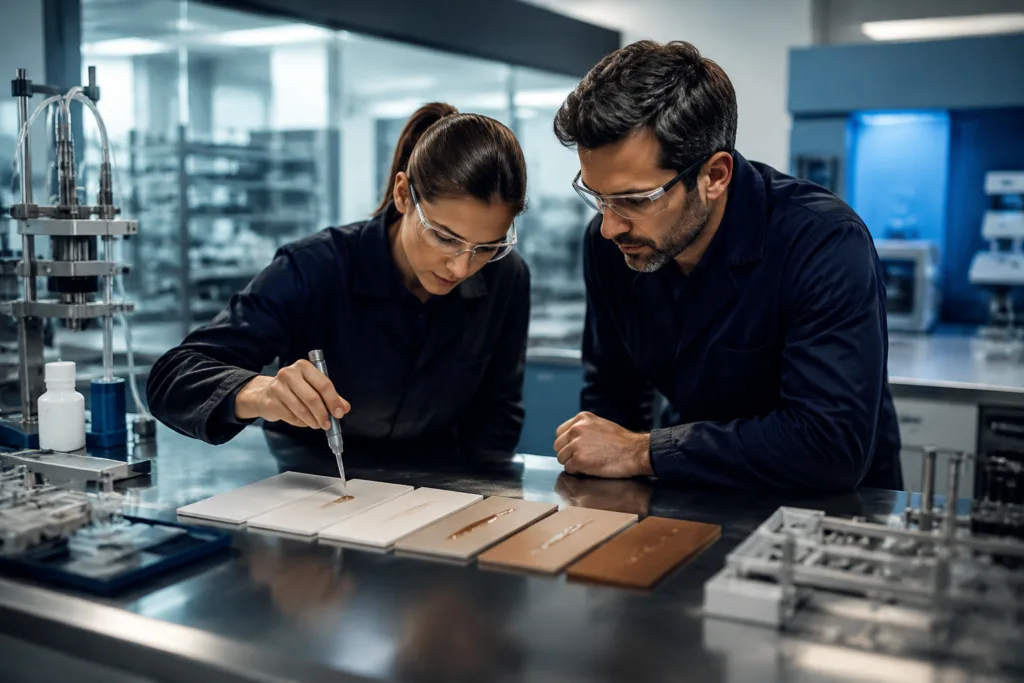
Exposure to high temperatures (80–150°C) during reflow soldering or device operation requires adhesives with minimal creep and no reversion. Epoxies are robust but may become brittle over years; silicones remain elastic but sometimes show lower adhesion. Accelerated aging (thermal cycling, humidity, chemical exposure) tests are essential for critical designs. ZDS Adhesive, an industrial adhesive manufacturer, recommends running peel and lap shear tests before final selection in automotive or consumer device applications.
Chemical and Moisture Resistance
FPC assemblies face fluxes, cleaning solvents, and humid conditions. High-performance adhesives resist delamination and swelling, ensuring the bond line remains consistent. Some acrylics and most epoxies offer excellent resistance — know your process chemicals for optimal matching.
Best Practices for Application and Curing
Surface Preparation
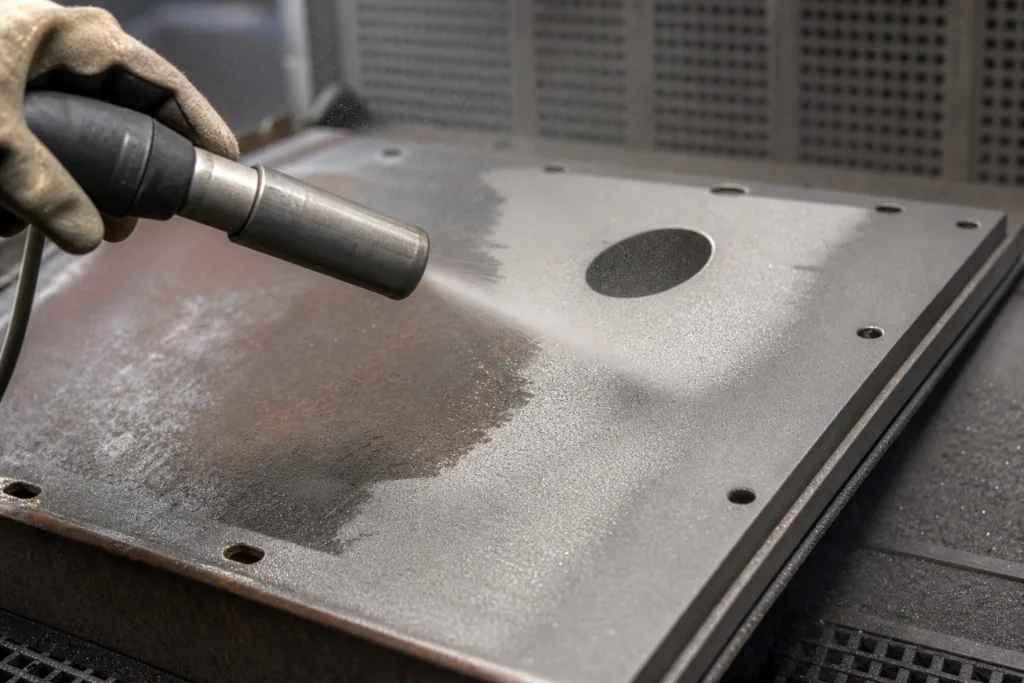
Proper surface cleaning, sometimes using isopropyl alcohol or plasma/pre-treatment for low-surface-energy polymers, increases adhesive wetting and overall joint strength. Skipping this step risks early bond failure.
Application Techniques: Film, Jetting, and Dispensing
Depending on adhesive type and production volumes, application methods may include:
- Film lamination (for sheet acrylic PSAs)
- Automated jetting or needle dispensing (for liquid epoxies/silicones)
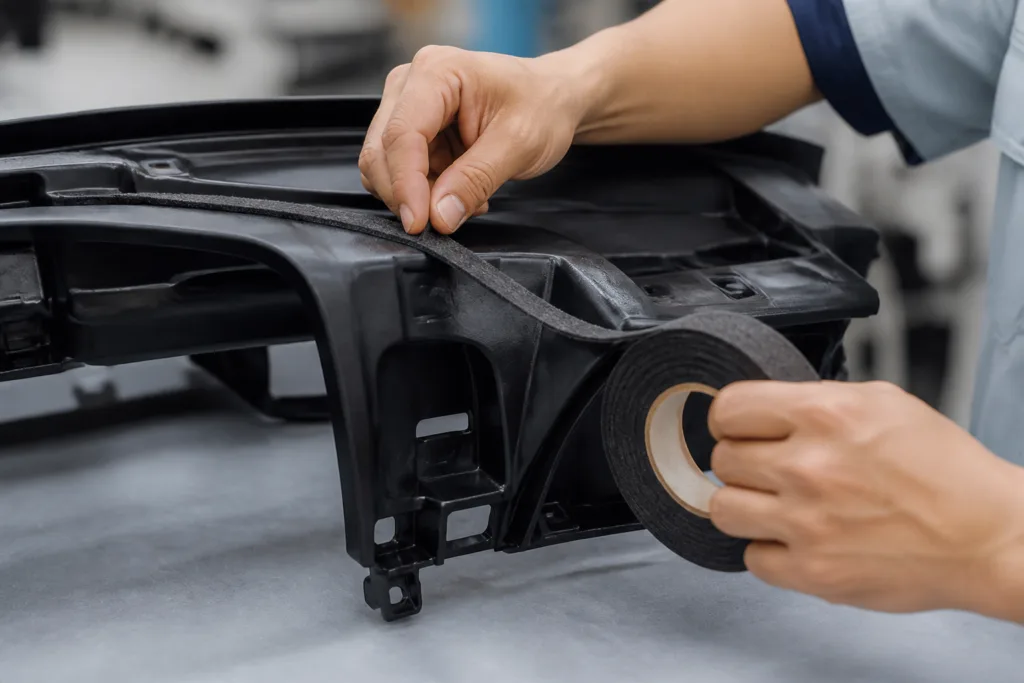
- Selective transfer of stiffener patches using carrier tape
Advanced dispensing can minimize waste and improve repeatability in narrow spaces. For innovations in jetting versus needle dispensing, check jetting vs. needle dispensing for narrow bezel phones.
Curing Methods and Fixture Time
Cure strategy directly impacts throughput:
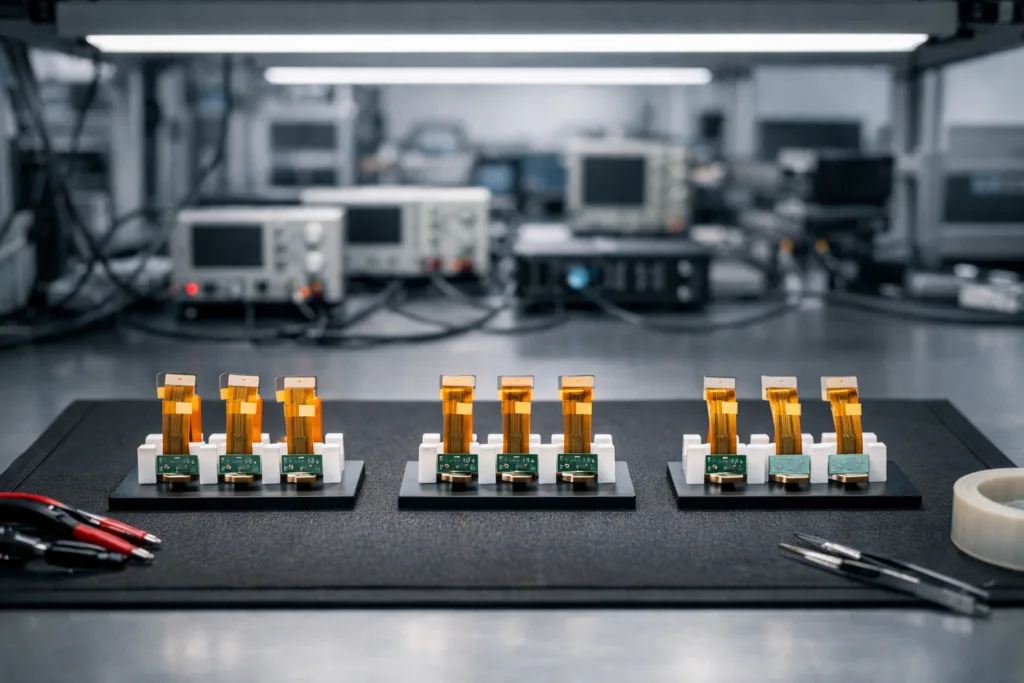
- Pressure/temperature (for B-stage acrylic films)
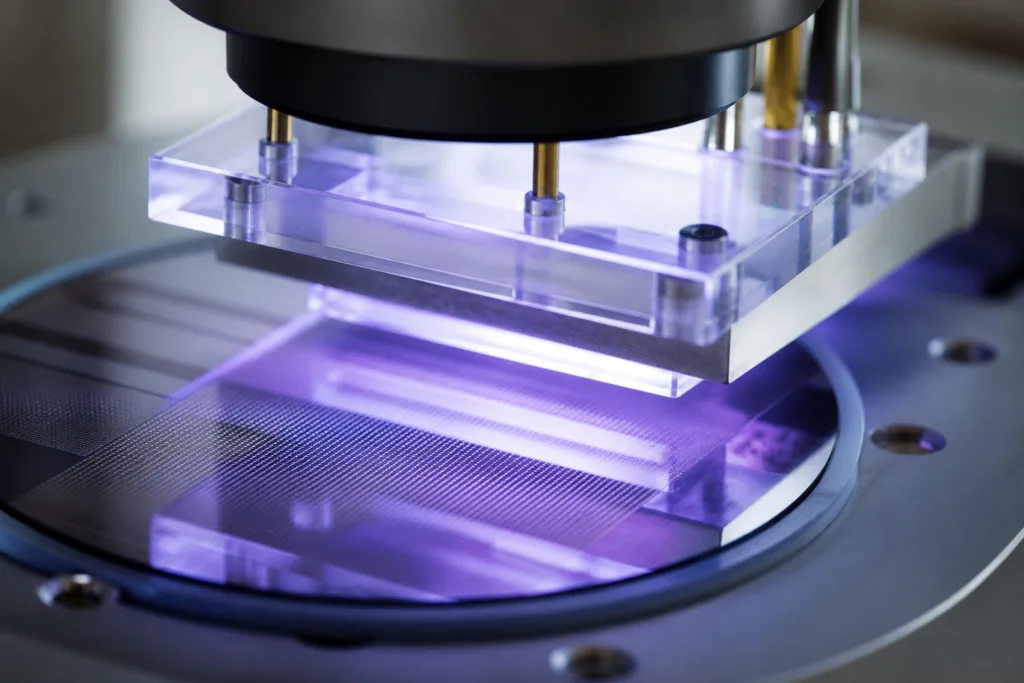
- Room temperature/heat/UV light (for liquid epoxies and silicones)
Fast throughputs favor one-part products; UV-curable adhesives add control but may struggle in shadowed geometries. Recording fixture time and full-cure properties is key—use the manufacturer’s recommended cycle for reliable process setup.
Reinforcement Strategies in FPC Design
Stiffener Bonding
Common weak points are FPC tails and connector interfaces. Engineers bond stiffener materials (PI, FR4, stainless steel) with PSA acrylics or tough epoxies, match adhesive properties with both substrates, and ensure stress is distributed over a wide area.
Component Mount and Peel Stop Zones
Underfills or fillet adhesives reinforce areas under BGA/IC footprints, protecting traces from lifting during flex. The right pick ensures robust thermal cycling, meets lead-free solder reflow, and resists environmental stress cracking.
Encapsulation and Edge Sealing
For full reliability, edge encapsulation using flexible potting compounds (often silicone or PU) defends against moisture, vibration, and particulate intrusion. These strategies, paired with solid adhesive selection, extend FPC life.
Common Pitfalls and How to Avoid Them
Incompatible Adhesive-FPC Substrate Pairings
Poor compatibility can cause delamination or brittle failure. Always verify that the adhesive is chemically suited for FPC base materials (polyimide, polyester, PET) and the reinforcement plate.
Overcure or Undercure
Both extremes can weaken bonds. Too little energy leaves volatiles trapped; too much heat causes resin reversion or excessive shrinkage. Monitor equipment calibration—document cure cycles for each lot.
Environmental Challenges
Designs deployed outdoors, in medical, or automotive environments must anticipate temperature/humidity swings. Select adhesives with proven aging profiles and review real-world exposure data whenever possible.
Conclusion: Selecting and Applying Adhesives for Optimal FPC Reinforcement
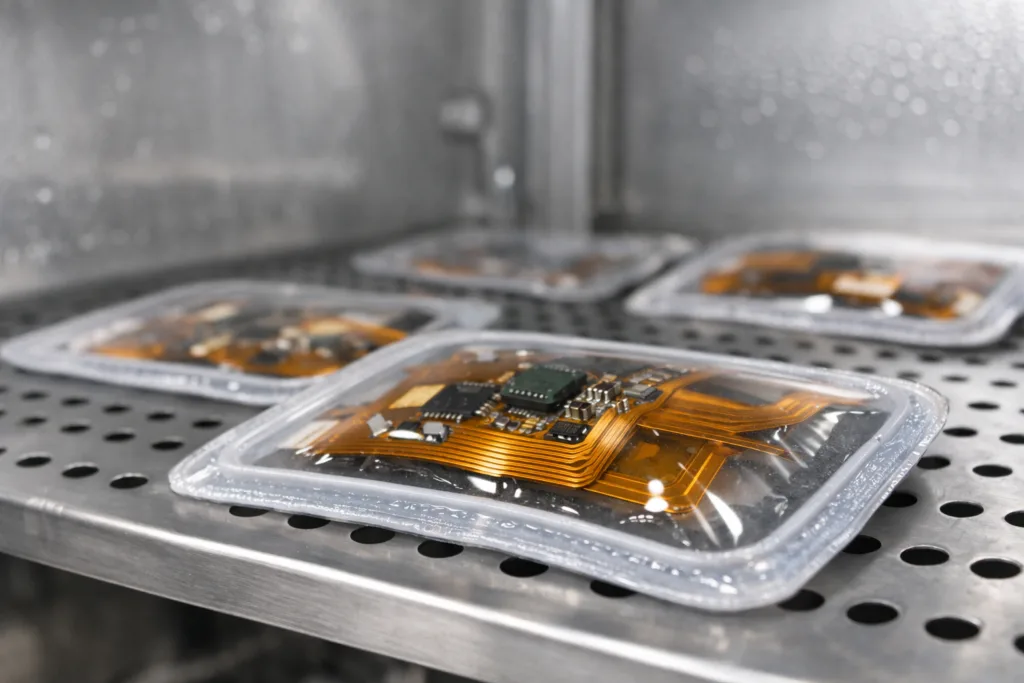
Reinforcing FPCs with the right adhesives means balancing flexibility, bond strength, and long-term resilience to thermal and environmental stress. Acrylics work best when speed and positioning accuracy are vital; epoxies are the go-to for high-reliability and severe conditions; silicones excel in environments with extreme movement and temperature shifts. Testing, careful surface prep, and suitable cure cycles can make the difference between a robust product and a costly return. As electronics get lighter and more compact, adhesives for flexible printed circuits (FPC) reinforcement will remain a foundation for reliable next-generation devices.
Frequently Asked Questions
Which adhesive provides the best flexibility for FPCs?
Silicone adhesives typically offer the highest flexibility, making them ideal for assemblies that need to withstand repeated bending and twisting.
How does adhesive choice affect FPC lifespan?
The right adhesive prevents delamination and breakage, maintaining electrical and mechanical integrity throughout the product’s lifetime.
Do all adhesives require the same surface preparation?
No. Some, like acrylics, tolerate minimal prep, but for maximum reliability, thorough cleaning and priming (especially for epoxies and silicones) are best practice.
Can I use a UV-cure adhesive for all FPC applications?
UV-cure adhesives are convenient but struggle in shadowed areas or under opaque stiffeners. Consider dual-cure or thermal systems for complete coverage.
What is the most common cause of adhesive failure in FPCs?
Poor selection for substrate compatibility or cure profile is most common. Testing against actual FPC materials and using the right cure cycle prevents early failure.
How can I ensure process stability when switching adhesive types?
Run comparative tests (peel, lap shear, and thermal cycling), standardize application and cure parameters, and consult with the adhesive manufacturer for support.
Related Reading
- How Dam and Fill Encapsulation Safeguards Sensitive PCB Components
- Understanding Adhesive Thermal Shock Resistance in Fast-Charging Cycles
- Structural vs. Thermal Adhesives for Modern Battery Innovation
- Thermal Management Solutions for Large Epoxy Castings
- Breakthroughs in Flexible Adhesives for Foldable Phone Hinges