E-mail

Sale01@epoxyresinfactory.com
sale04@epoxyresinfactory.com

Contact

Tel: 86-755-84875752
Fax: 86-755-84875750

Address

4F,Longyuntong Building, No. 164-5 Pengda Road, Longgang District, Shenzhen

Author name: ZDS Adhesive

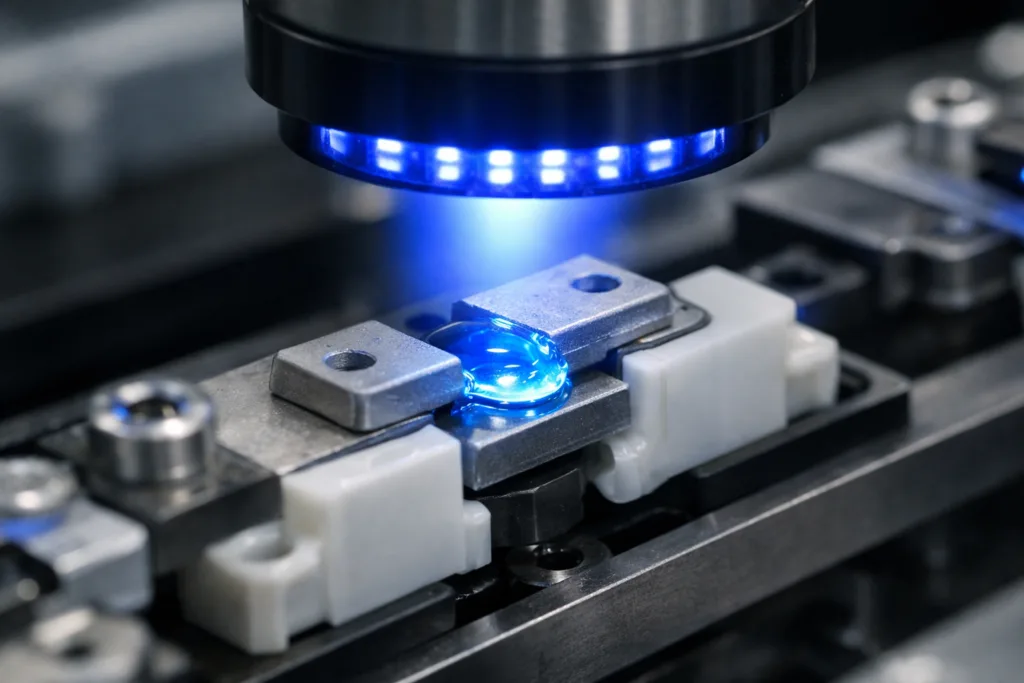
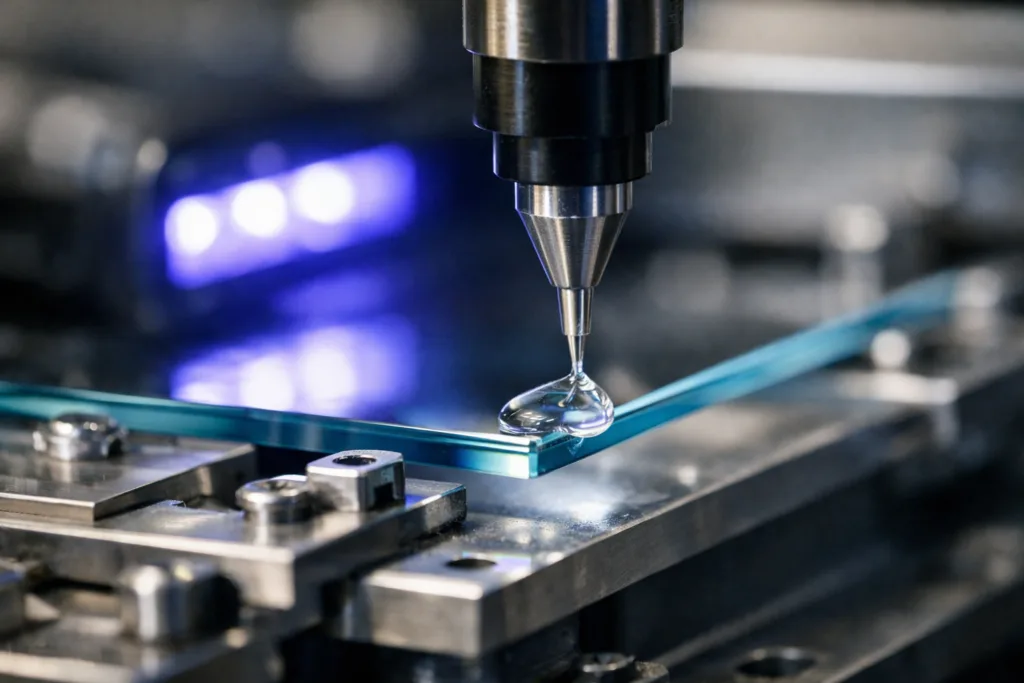
This image shows precise application of low shrinkage UV glue, highlighting dimensionally stable bonding for optical and electronic assemblies.

5 Essential Properties of Low Shrinkage UV Glues for Precision Alignment

Introduction: Why Low Shrinkage UV Glues Matter for Precision Alignment In 2026, precision alignment has become more critical than ever, especially in industries like electronics, optics, and medical devices. Low shrinkage UV glues are essential adhesives that minimize dimensional changes during the curing process. This property ensures components stay exactly where you put them, preventing […]

5 Essential Properties of Low Shrinkage UV Glues for Precision Alignment Read More »
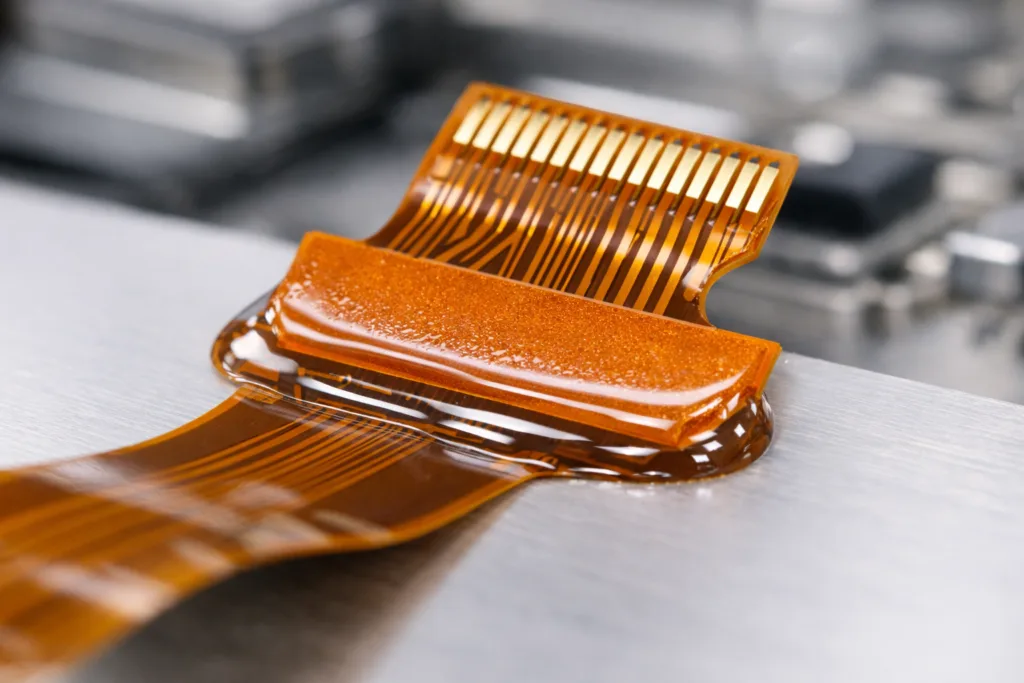
A close-up of a flexible printed circuit (FPC) as adhesive is applied to reinforce high-stress zones, emphasizing the role of adhesives for flexible printed circuits (FPC) reinforcement.

7 Reliable Adhesive Choices for Flexible Printed Circuits (FPC) Reinforcement in Demanding Electronics

Introduction to Adhesives for Flexible Printed Circuits (FPC) Reinforcement Flexible printed circuits (FPCs) are the backbone of today’s compact electronics, from smartphones to medical devices. Their ability to bend, twist, and adapt makes them ideal for applications with limited space and moving elements. But this very flexibility also presents a challenge: without proper reinforcement, FPCs

7 Reliable Adhesive Choices for Flexible Printed Circuits (FPC) Reinforcement in Demanding Electronics Read More »

This image shows a precision assembly operation using visible light curing adhesives to bond opaque materials, highlighting the role of blue LED curing in industrial settings.

Visible Light Curing Adhesives: 7 Powerful Benefits for Bonding Opaque Materials

Introduction: Bonding Opaque Materials with Visible Light Curing Adhesives Bonding opaque materials with visible light curing adhesives is reshaping how industries approach assembly challenges. Traditional UV adhesives rely on light transmission through substrates, but when working with opaque metals, ceramics, plastics, or composites, visible light curing adhesives provide new solutions. These advanced adhesives enable rapid,

Visible Light Curing Adhesives: 7 Powerful Benefits for Bonding Opaque Materials Read More »

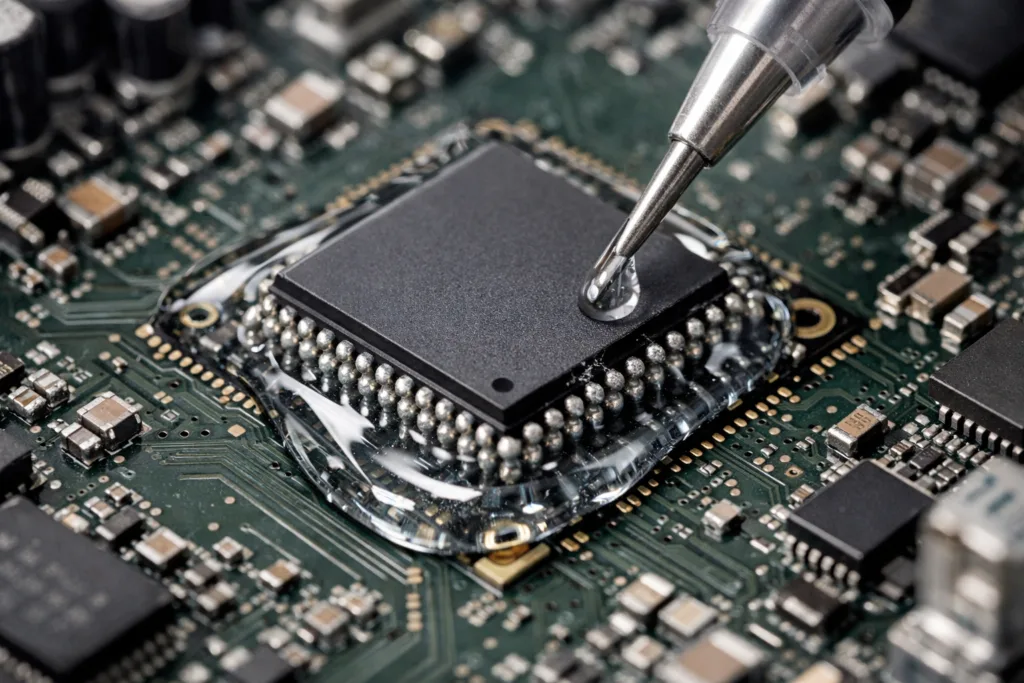
A skilled technician dispenses underfill epoxy beneath a BGA component on a PCB, illustrating the critical first stage of improving drop test reliability in modern electronics.

7 Ways Underfill Epoxy Raises BGA Reliability for Tough Drop Tests

Introduction: The Role of Underfill Epoxy in BGA Reliability Modern electronics demand that Ball Grid Array (BGA) components last through daily bumps, drops, and shocks. One of the essential ways manufacturers achieve this is by using underfill epoxy. In fact, “Underfill Epoxy for BGA: Improving Drop Test Reliability” isn’t just an industry buzzword—it’s a proven

7 Ways Underfill Epoxy Raises BGA Reliability for Tough Drop Tests Read More »

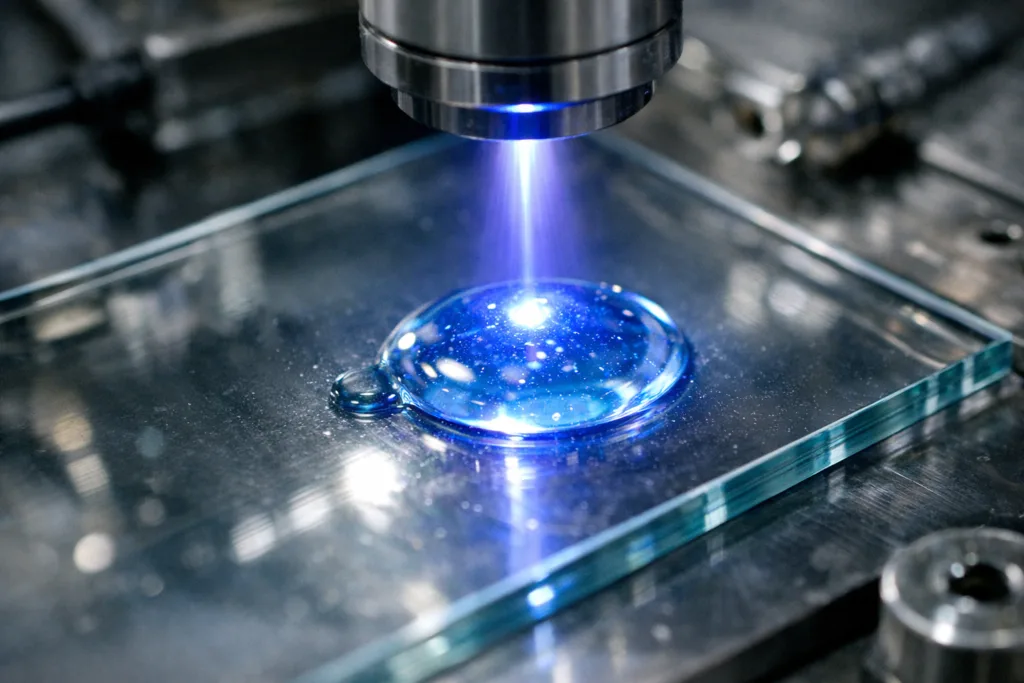
An industrial laboratory scene showing UV adhesive curing on glass, highlighting the challenge of sticky surfaces from oxygen exposure.

Sticky UV Glue? The Ultimate Guide to Stopping Oxygen Inhibition

Introduction: Understanding Oxygen Inhibition, UV Glue, Sticky Adhesive, Curing Process Ever wondered why your UV glue remains sticky after curing? The culprit is often oxygen inhibition—a phenomenon that disrupts the curing process of UV adhesives, particularly on exposed surfaces. Whether you’re bonding plastics, metals, or glass, sticky residues can undermine your assembly, leading to costly

Sticky UV Glue? The Ultimate Guide to Stopping Oxygen Inhibition Read More »

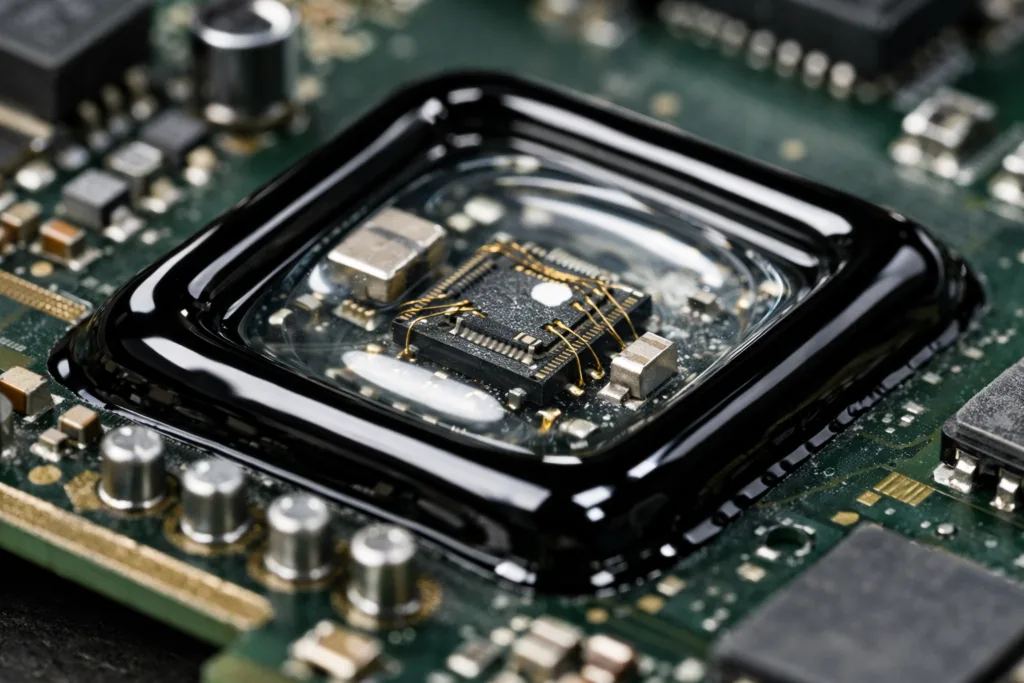
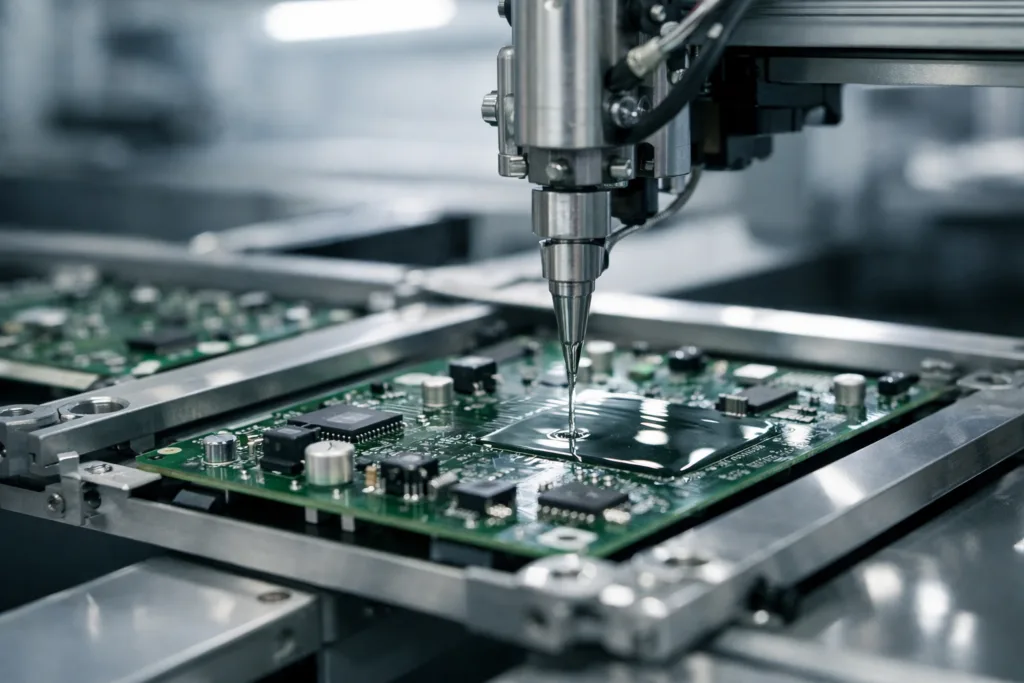
This photo shows a high-performance PCB with visible dam and fill encapsulation, demonstrating the precise protection of targeted components under professional factory lighting.

How Dam and Fill Encapsulation Protects Sensitive PCB Components in 2026

Introduction to Dam and Fill Encapsulation: Protecting Specific Components Dam and fill encapsulation is an advanced material technique used in PCB manufacturing to protect sensitive components from moisture, dust, vibration, and chemical exposure. As the electronics industry pushes for ever-smaller footprints and higher reliability, safeguarding chips, sensors, and connectors with targeted encapsulation techniques is crucial.

How Dam and Fill Encapsulation Protects Sensitive PCB Components in 2026 Read More »

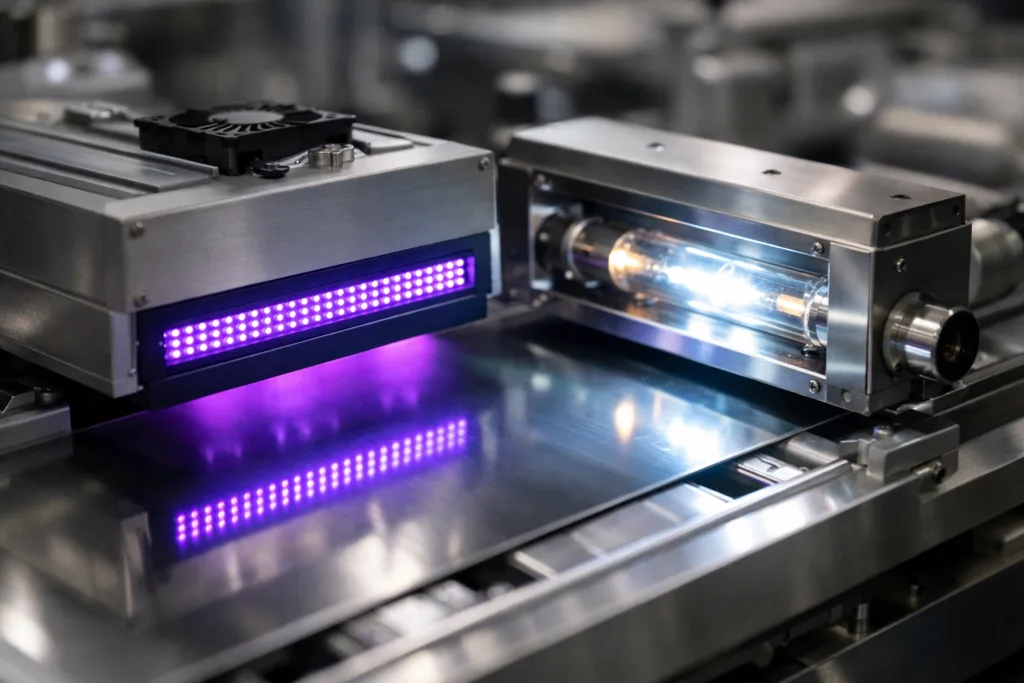
A high-resolution visual comparison of LED UV and mercury lamps installed on an automated manufacturing line, showcasing their size and light output differences for industrial adhesive curing.

7 Hard-Hitting Facts: LED UV (365nm/395nm) vs. Mercury Lamps—Which Delivers Safer, Greener, and Cheaper Curing in 2026?

Introduction: LED UV (365nm/395nm) vs. Mercury Lamps: A Comparison For manufacturers, engineers, and process specialists, choosing the right UV curing lamp—whether LED UV (365nm/395nm) or traditional mercury lamps—impacts productivity, quality, safety, and costs. As UV curing technology evolves, it’s vital to understand the nuanced strengths and trade-offs of each option. This comparison examines LED UV

7 Hard-Hitting Facts: LED UV (365nm/395nm) vs. Mercury Lamps—Which Delivers Safer, Greener, and Cheaper Curing in 2026? Read More »

Visual of a state-of-the-art electronics assembly line showing nano-coating application for waterproofing to IPX7 level.

How Nano-Coatings Are Revolutionizing IPX7 Waterproofing for Electronic Devices

Introduction: Demystifying Nano-Coatings for IPX7 Waterproofing of Electronics As electronics become ever more essential to our daily lives, the demand for durability and reliability is at an all-time high. One standout solution that’s reshaping device protection is nano-coating technology, especially in the context of achieving the rigorous IPX7 waterproofing standard. In this guide, we’ll break

How Nano-Coatings Are Revolutionizing IPX7 Waterproofing for Electronic Devices Read More »

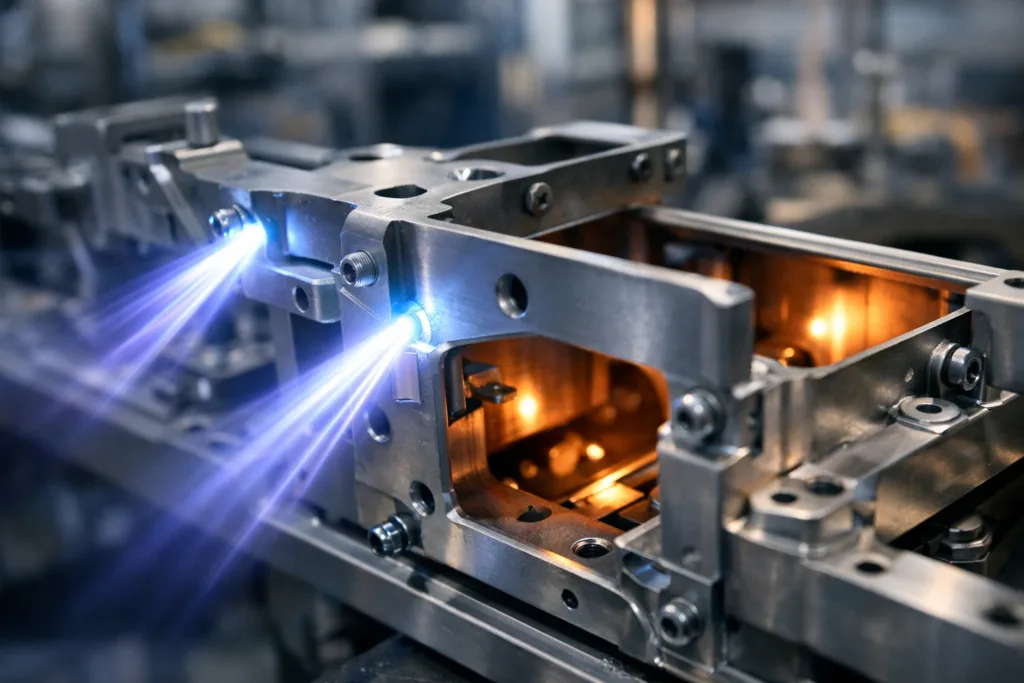
Visualizes a dual-cure process where UV light and heat/moisture ensure full adhesive curing—including shadowed areas—during advanced metal product assembly.

How Dual-Cure Systems Eliminate Shadow Area Failures with Heat and Moisture Backing UV

Introduction: The Challenge of Shadow Areas in Modern Manufacturing Ensuring complete and reliable curing of adhesives and coatings is crucial in today’s advanced manufacturing. Yet, when using UV-curable products, “shadow areas” — spots hidden from direct light — often lead to weak bonds and product failures. Dual-cure systems: solving shadow areas with heat/moisture is reshaping

How Dual-Cure Systems Eliminate Shadow Area Failures with Heat and Moisture Backing UV Read More »

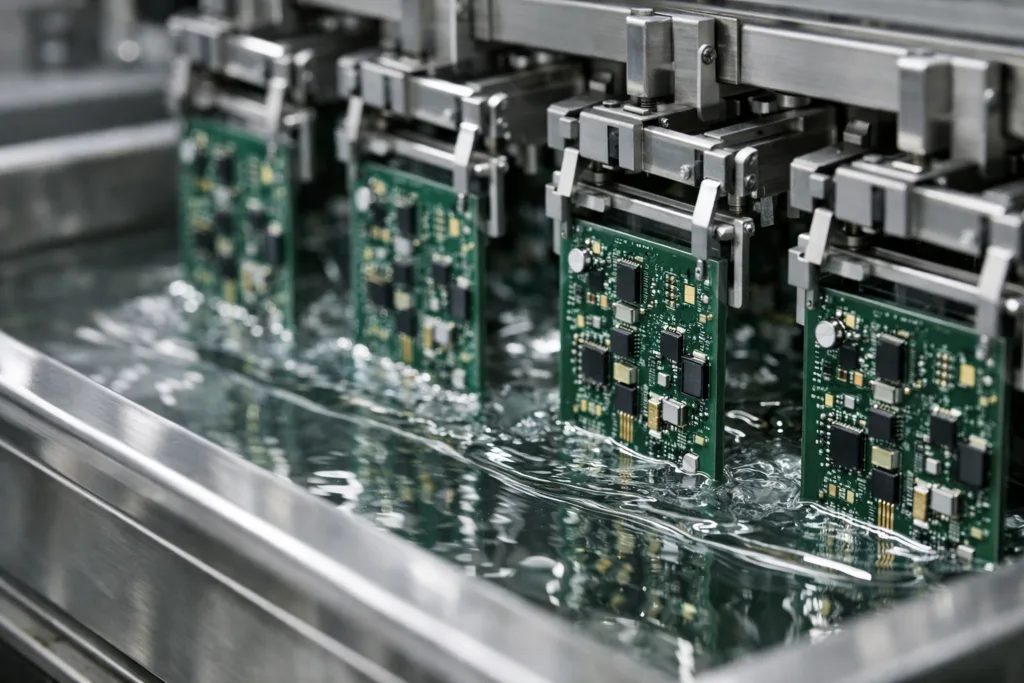
A factory scene showing PCBs being dip-coated, emphasizing batch uniformity and surface finishing in industrial electronics.

PCB Coating Showdown: Dip, Brush, or Spray for Reliable Surface Finishing in 2026

Introduction: Why Coating Methods Matter for PCB Surface Finishing Protecting printed circuit boards (PCBs) isn’t just about the quality of materials—it’s about matching the right coating method to your project needs. In 2026, engineers and manufacturers have three primary choices: dip, brush, or spray. Each approach offers unique benefits and drawbacks when it comes to

PCB Coating Showdown: Dip, Brush, or Spray for Reliable Surface Finishing in 2026 Read More »

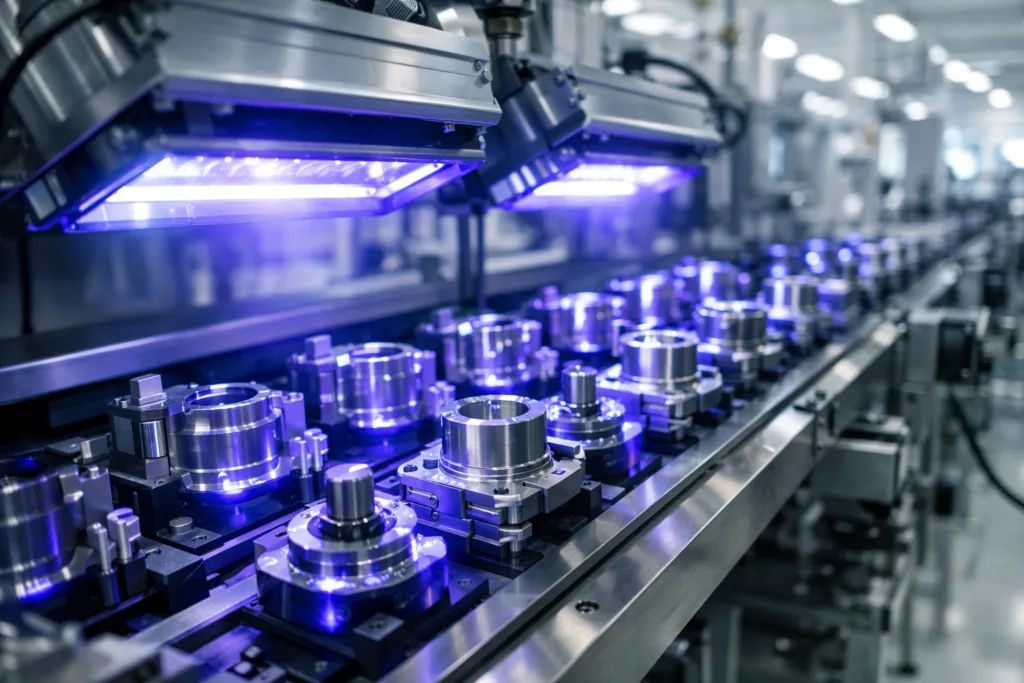
A modern factory line showcasing metal parts undergoing UV curing with visible purple light, illustrating practical application of free radical and cationic mechanisms.

Unlocking UV Curing for Metal Assembly: Free Radical vs. Cationic Explained

Introduction: Free Radical vs. Cationic Curing – UV Mechanisms Explained UV curing is transforming industrial manufacturing, especially where speed, reliability, and quality are essential—like in metal product applications. Understanding the difference between free radical curing and cationic curing is critical when choosing adhesives and coatings for metals. Both processes have unique mechanisms influenced by ultraviolet

Unlocking UV Curing for Metal Assembly: Free Radical vs. Cationic Explained Read More »

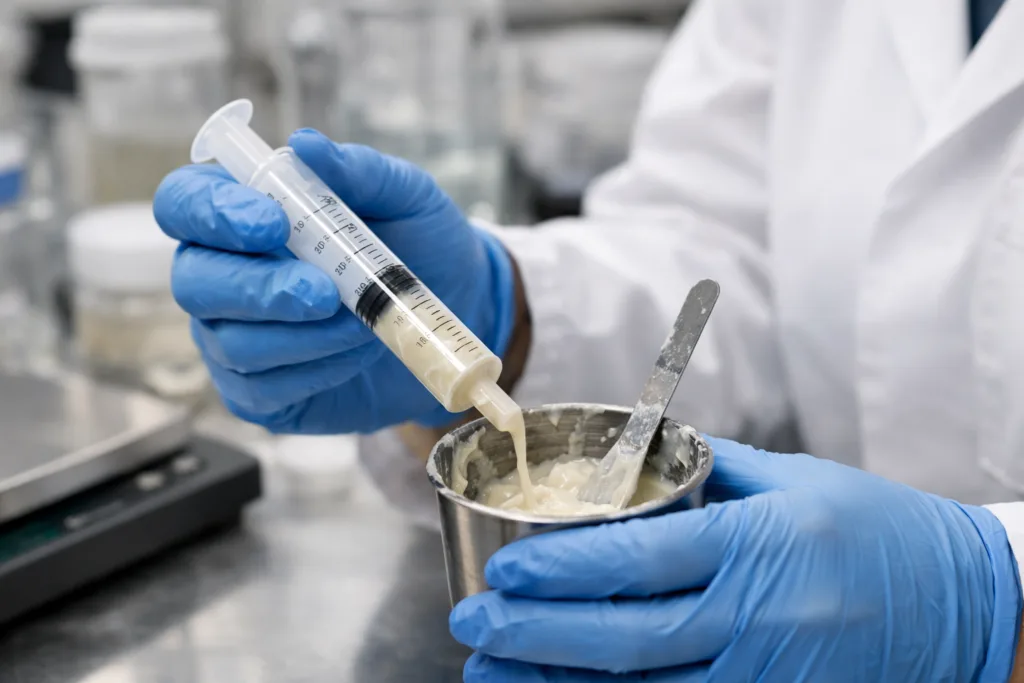
A technician preps a single component epoxy using latent curing agents, displaying the industrial process and equipment in a clean, technical environment.

Definite Guide: 9 Advantages of Latent Curing Agents in Single Component Epoxies

Introduction to Latent Curing Agents in Single Component Epoxies Single component epoxies have revolutionized industrial bonding and assembly, offering streamlined application and dependable performance. At the heart of this innovation are latent curing agents, specialist compounds that enable extended shelf life and remove the need for complex mixing—including in environments ranging from automotive production to

Definite Guide: 9 Advantages of Latent Curing Agents in Single Component Epoxies Read More »

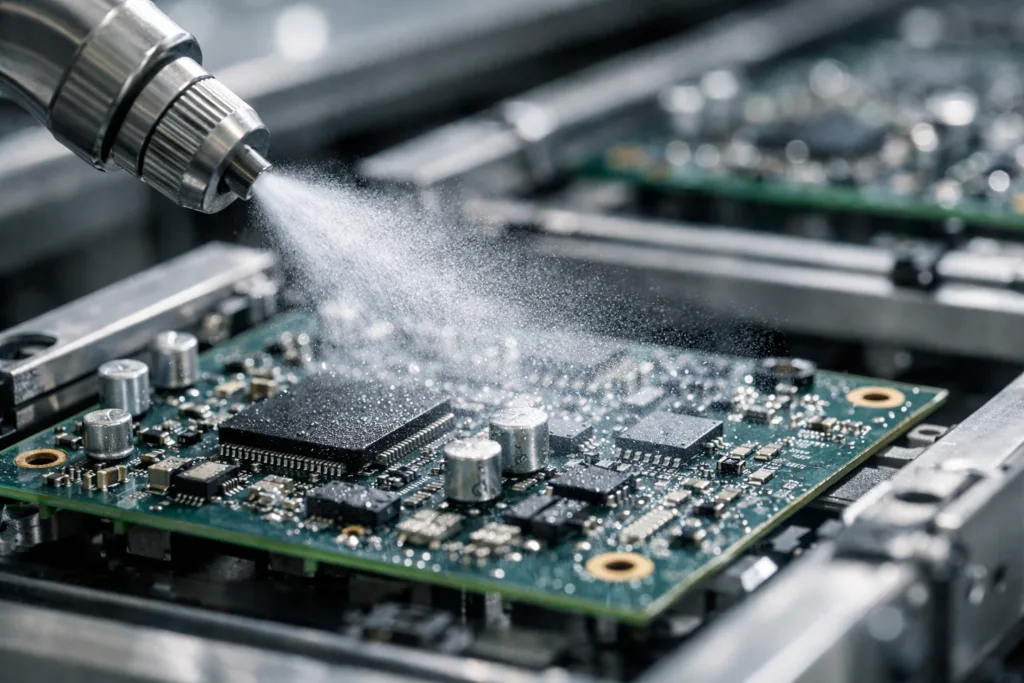
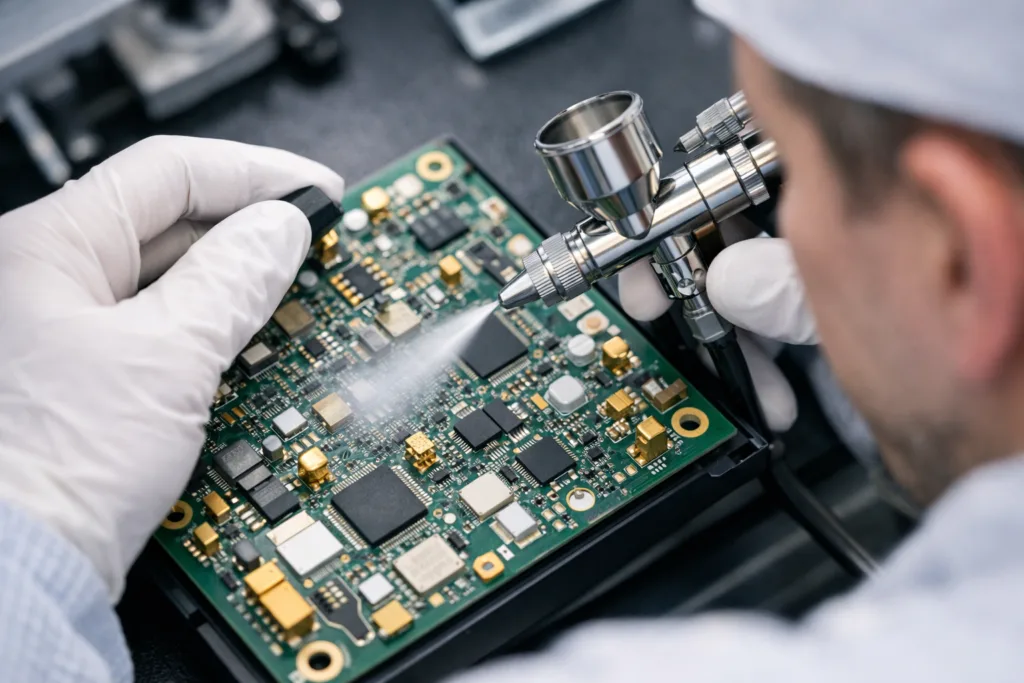
An engineer in a modern lab precisely sprays a low dielectric coating onto a 5G/RF PCB, highlighting the importance of cleanliness and process control.

Unlock Superior 5G/RF PCB Performance: 7 Essential Facts About Low Dielectric Constant Coatings

Introduction to Low Dielectric Constant Coatings for 5G/RF PCBs When it comes to high-frequency electronic design in 2026, Low Dielectric Constant Coatings for 5G/RF PCBs have become a linchpin for performance and reliability. These specialized coatings play a pivotal role in minimizing signal loss, bolstering signal integrity, and enabling robust connections required for the latest

Unlock Superior 5G/RF PCB Performance: 7 Essential Facts About Low Dielectric Constant Coatings Read More »

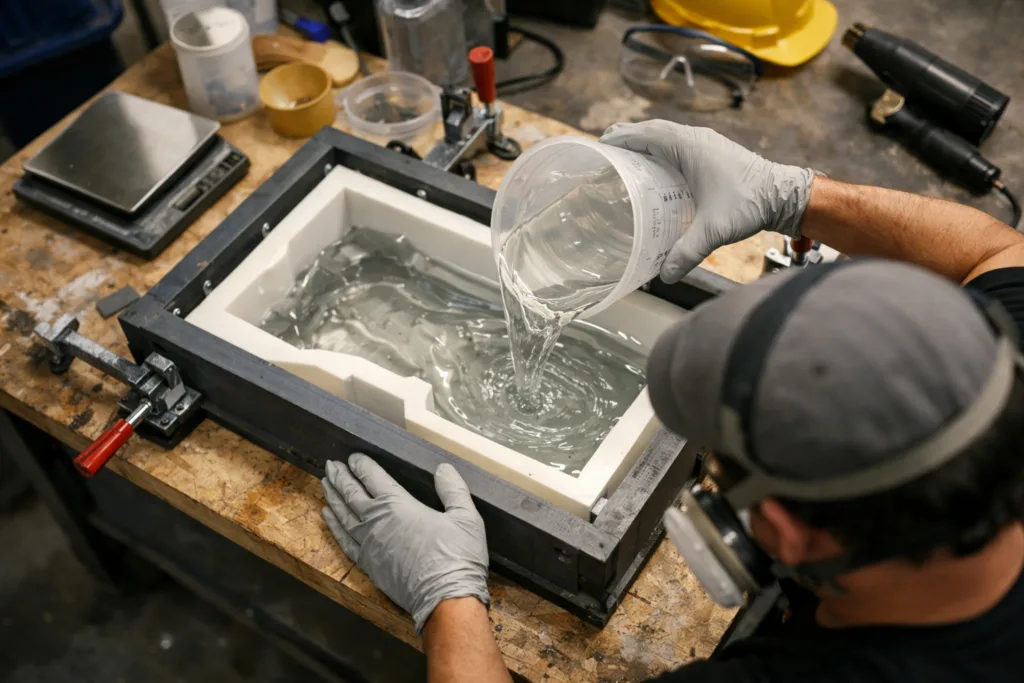
A worker mixes and pours epoxy resin into a thick casting mold, highlighting the importance of exotherm management in industrial environments.

Thermal Management Mastery: 13 Proven Methods for Controlling Exothermic Reaction in Large Epoxy Castings

Introduction: The Challenge of Exothermic Reaction in Large Epoxy Castings Managing exothermic reactions is one of the biggest challenges when working with large epoxy castings. As epoxy resin and hardener mix, a chemical reaction releases heat — the so-called exotherm. In small castings, heat escapes easily, but in large volumes, dangerous heat buildup can lead

Thermal Management Mastery: 13 Proven Methods for Controlling Exothermic Reaction in Large Epoxy Castings Read More »

A technician applies conformal coating to a PCB, demonstrating smooth coverage and correct technique to prevent orange peel defects. The environment highlights cleanliness and process control.

7 Crucial Steps to Eliminate ‘Orange Peel’ Defects in Conformal Coating for 2026

Introduction: Tackling ‘Orange Peel’ Defects in Conformal Coating Getting a flawless finish on electronics and PCBs often hinges on the details. One nagging flaw many engineers dread is the ‘orange peel’ defect in conformal coating. Named for its bumpy, uneven texture that resembles an orange’s skin, orange peel defects can undermine both aesthetic and protective

7 Crucial Steps to Eliminate ‘Orange Peel’ Defects in Conformal Coating for 2026 Read More »

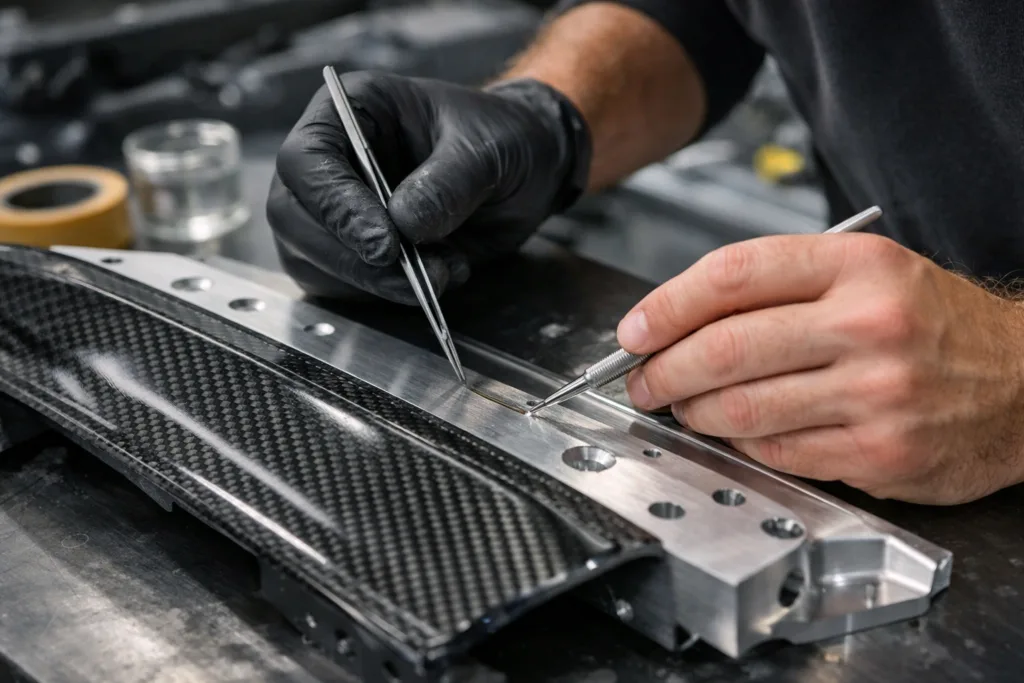
A skilled technician methodically prepares carbon fiber and aluminum surfaces for adhesive bonding, highlighting the importance of meticulous surface treatment.

Master the Science of Bonding Carbon Fiber to Aluminum: The 2026 Expert Guide

Introduction: How to Bond Carbon Fiber to Aluminum (Dissimilar Materials Guide) Carbon fiber and aluminum are both stars in modern engineering, bringing strength and lightness to industries like automotive and aerospace. But joining them? That’s a real materials challenge. If you’ve ever wondered about how to bond carbon fiber to aluminum (dissimilar materials guide), you’re

Master the Science of Bonding Carbon Fiber to Aluminum: The 2026 Expert Guide Read More »

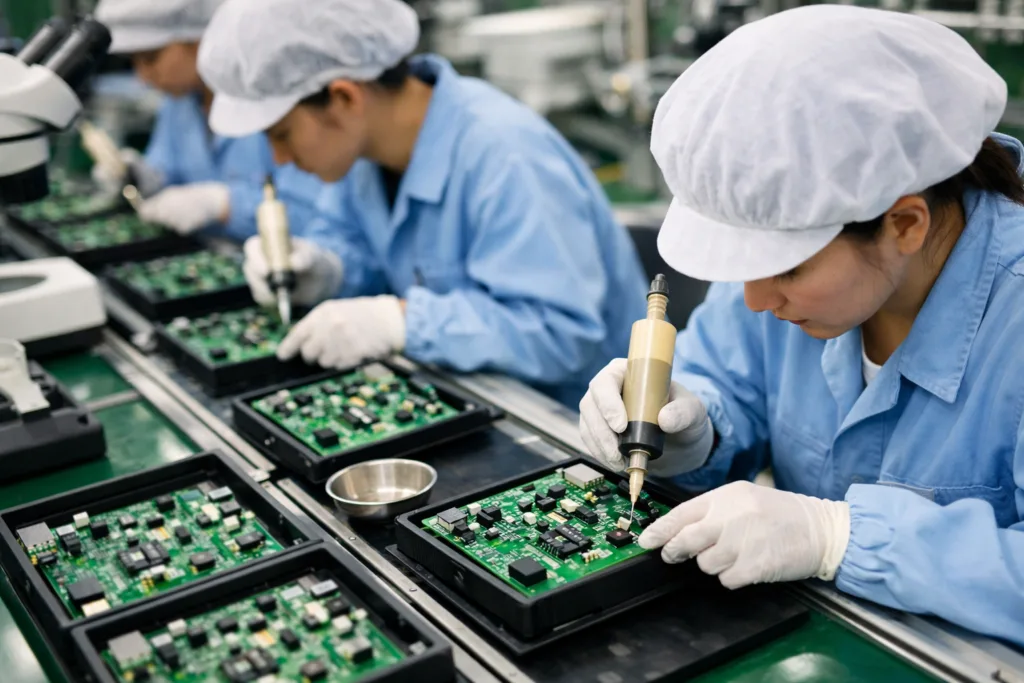
A busy electronics production floor where workers apply low halogen epoxy adhesives to printed circuit boards for green electronics. The image emphasizes industrial cleanliness and responsible assembly practices.

7 Powerful Reasons Low Halogen Epoxies Are Driving Greener Electronics in 2026

Introduction: Why Low Halogen Epoxies Matter for Green Electronics As electronics grow more essential and ubiquitous in everyday life, manufacturers face increasing pressure to create products that are safer for both humans and the planet. Low halogen epoxies for green electronics represent a critical innovation, enabling cleaner manufacturing and minimizing toxic risks. In this article,

7 Powerful Reasons Low Halogen Epoxies Are Driving Greener Electronics in 2026 Read More »

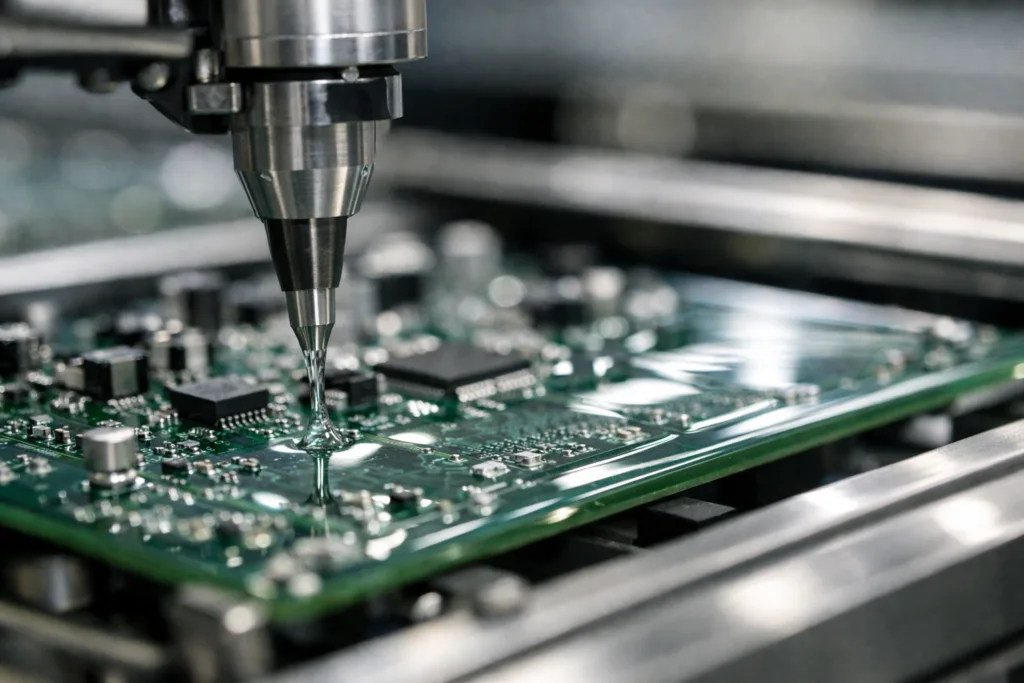
A precision machine methodically applies a thin conformal coating to a PCB, highlighting even coverage and advanced process control for electronics reliability.

Which PCB Protection Is Right for You? Conformal Coating vs. Potting Compound Explained

Introduction: Understanding PCB Protection — Conformal Coating vs. Potting Compound In electronics manufacturing, protecting printed circuit boards (PCBs) is essential for reliability—especially in harsh environments. Two leading methods stand out: conformal coating and potting compound. Both shield PCBs from moisture, dust, and chemicals, but their performance, process, and field suitability differ. This ultimate comparison dives

Which PCB Protection Is Right for You? Conformal Coating vs. Potting Compound Explained Read More »

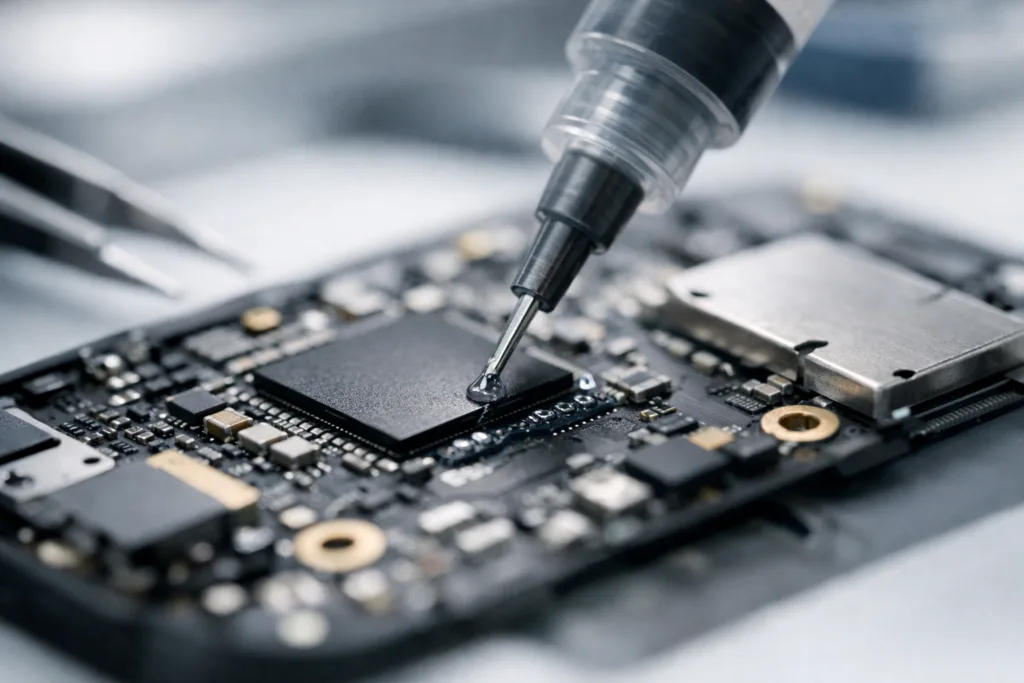
A close-up view of a technician accurately dispensing reworkable underfill onto a smartphone mainboard, highlighting the intricate process involved in modern device repair.

Reworkable Underfill for Smartphone Mainboard Repair: 11 Key Advantages for Technicians

Introduction to Reworkable Underfill for Smartphone Mainboard Repair With smartphone circuit complexity soaring in 2026, the demand for reliable, service-friendly assembly processes has never been greater. Enter reworkable underfill materials—a new generation of structural adhesives specifically engineered for smartphone mainboard repairs. These advanced underfills address the pressing need for both secure adhesion and easy repairability,

Reworkable Underfill for Smartphone Mainboard Repair: 11 Key Advantages for Technicians Read More »

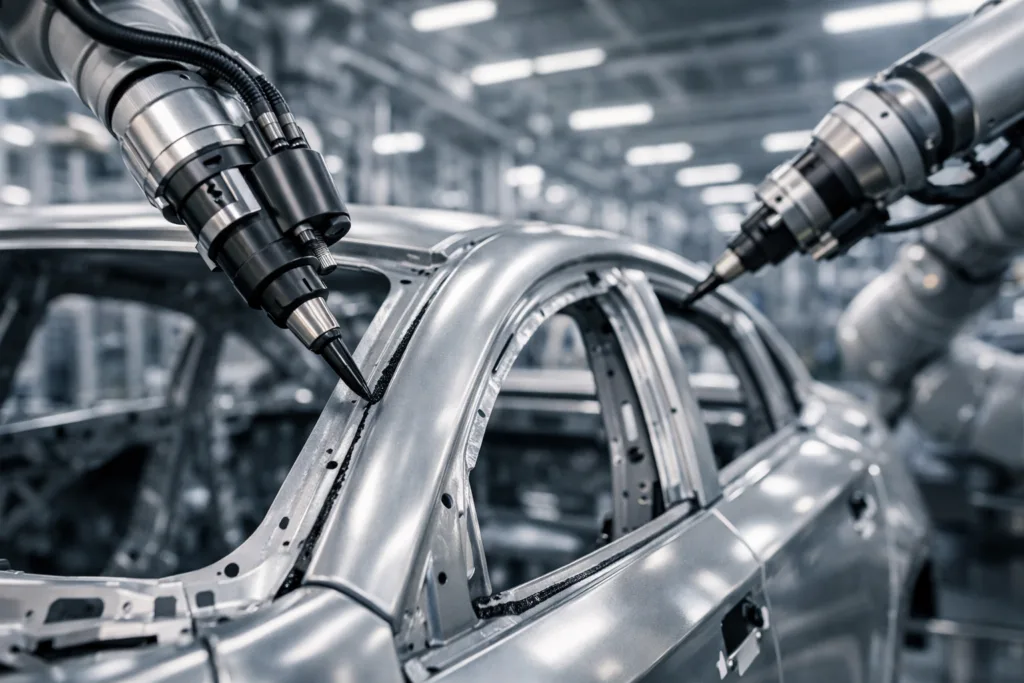
This image shows a professional car factory where robots apply structural adhesives to aluminum car panels, illustrating the move away from welding.

Why Structural Adhesives Are Outperforming Welding in Aluminum Car Bodies

Introduction: Why Replacing Welding with Structural Adhesives in Aluminum Car Bodies Is Reshaping Automotive Manufacturing Structural adhesives are rapidly transforming how aluminum car bodies are assembled. Compared to traditional welding, adhesives offer flexibility, lighter joints, and improved durability. Manufacturers worldwide are exploring alternatives to welding, seeking safer, more efficient ways to join lightweight metals. In

Why Structural Adhesives Are Outperforming Welding in Aluminum Car Bodies Read More »

Scroll to Top

💬 Let’s Build Something Strong Together

Have a project in mind or need a reliable adhesive solution?
Our experts are ready to help — just drop us a message!

✅ Tailor-made adhesive formulations
✅ Fast lead times & global shipping
✅ Trusted by manufacturers worldwide

📩 Leave your details and let’s make it happen.
We’ll get back to you within 24 hours.

Look out for emails from @zdschemical.com.

ZDS™ Adhesive manufacturer

Free access to test samples

We will contact you within 24 hours.

📧 Prefer a fast reply? Email us directly at: Sale01@epoxyresinfactory.com

ZDS Adhesive Manufacturer

Not Sure Which Adhesive Fits?

Our engineers are ready to help. Drop us a message.

📧 Prefer a fast reply? Email us directly at: Sale01@epoxyresinfactory.com