E-mail

Sale01@epoxyresinfactory.com
sale04@epoxyresinfactory.com

Contact

Tel: 86-755-84875752
Fax: 86-755-84875750

Address

4F,Longyuntong Building, No. 164-5 Pengda Road, Longgang District, Shenzhen

Author name: ZDS Adhesive

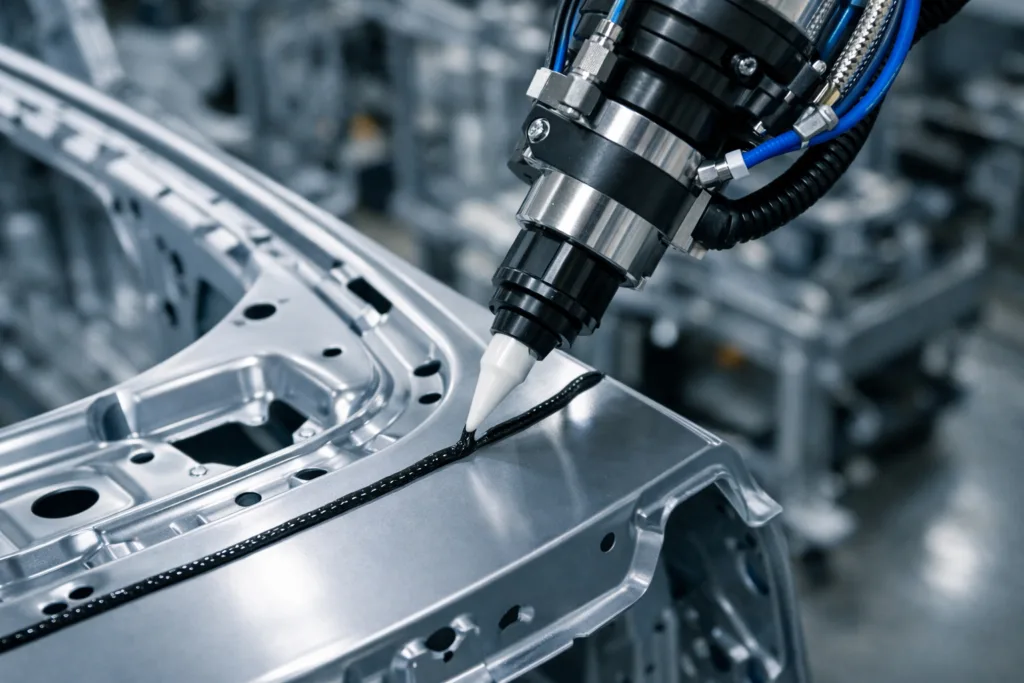
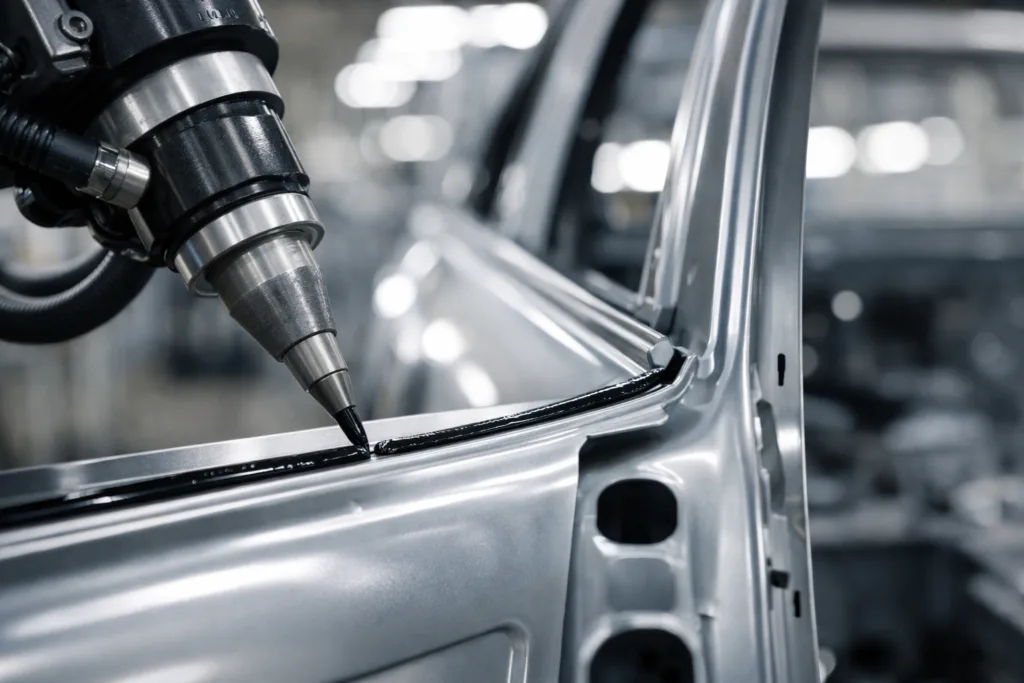
A robotic arm dispenses structural adhesive onto the hem flange of a car door panel, capturing the modern precision of automotive assembly for door and hood panels.

Top 9 Must-Know Insights: Hem Flange Bonding Adhesives for Door and Hood Panels

Introduction: Hem Flange Bonding, Automotive Adhesives in Modern Auto Design Automotive manufacturing in 2026 is driven by a need for stronger, lighter, and smarter materials. Nowhere is this push more visible than in the use of hem flange bonding adhesives for door and hood panels. By using advanced adhesive technologies in these areas, automakers radically

Top 9 Must-Know Insights: Hem Flange Bonding Adhesives for Door and Hood Panels Read More »
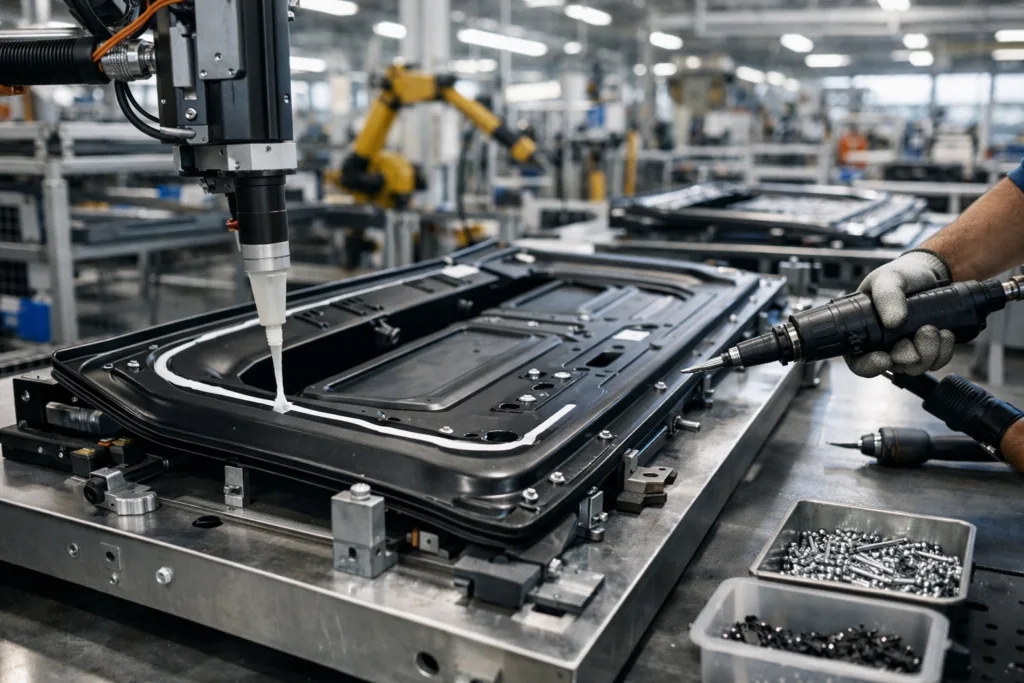
This image illustrates a professional factory environment where composite tailgate panels are assembled, comparing bonding adhesives with traditional mechanical fasteners.

Bonding vs. Mechanical Fasteners: The Ultimate Guide to Composite Tailgate Assembly

Introduction: Composite Tailgate Assembly—Bonding vs. Mechanical Fasteners Composite tailgate assembly technologies have transformed automotive design, combining advanced materials with innovative fastening techniques. Among the most debated strategies are bonding adhesives and mechanical fasteners. Each method brings unique advantages and challenges for weight savings, durability, cost, and production efficiency. Understanding the right approach isn’t just a

Bonding vs. Mechanical Fasteners: The Ultimate Guide to Composite Tailgate Assembly Read More »

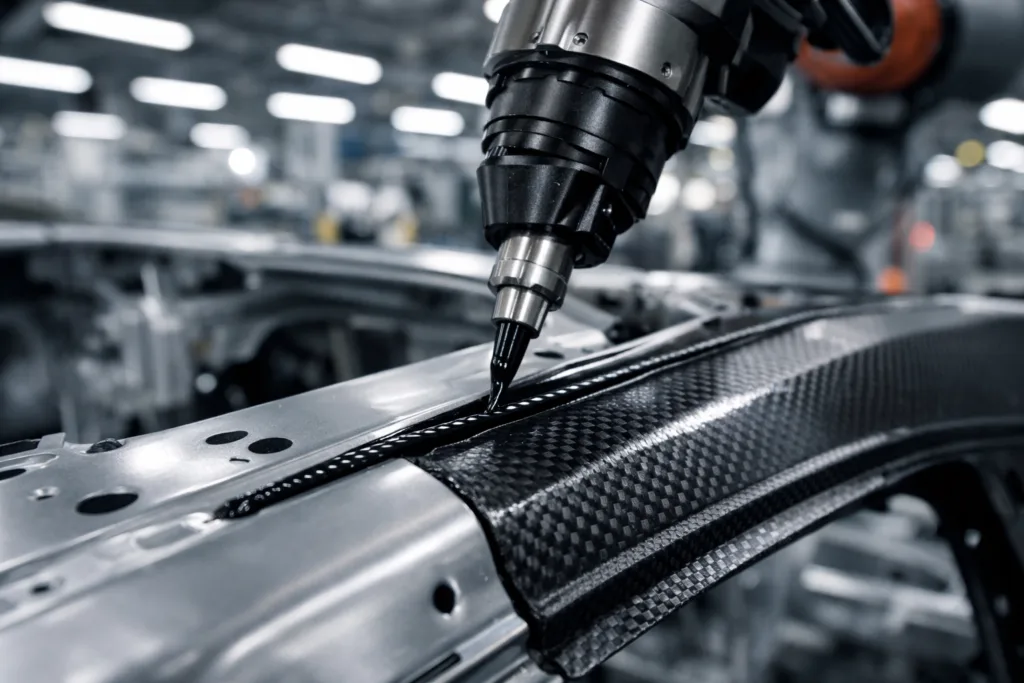
Illustrates industrial robots applying high-modulus adhesive to a vehicle chassis, highlighting precision and integration of advanced materials.

How High-Modulus Adhesives Boost Chassis Stiffness and Crashworthiness in 2026

Introduction: The Role of High-Modulus Adhesives in Automotive Safety Automotive safety and efficiency are no longer just about metal and bolts. High-modulus adhesives for chassis stiffening and crashworthiness have rapidly become a cornerstone of structural integrity and collision performance in modern vehicles. With the demand for lighter, safer, and more energy-efficient cars, these adhesives are

How High-Modulus Adhesives Boost Chassis Stiffness and Crashworthiness in 2026 Read More »

A robotic dispenser applies structural adhesive to an electric vehicle body panel, showing precision and advanced NVH control in a modern assembly plant.

How Advanced Adhesives Are Revolutionizing NVH Reduction in Electric Vehicles (2026 Guide)

Introduction: Why NVH Matters for Electric Vehicles Modern electric vehicles (EVs) are changing the way we drive, promising a cleaner and quieter ride. Yet, as engine noise fades into silence, other sources of sound—like road, wind, and component vibrations—take center stage. That’s why NVH reduction (Noise, Vibration, and Harshness) is more important than ever. In

How Advanced Adhesives Are Revolutionizing NVH Reduction in Electric Vehicles (2026 Guide) Read More »

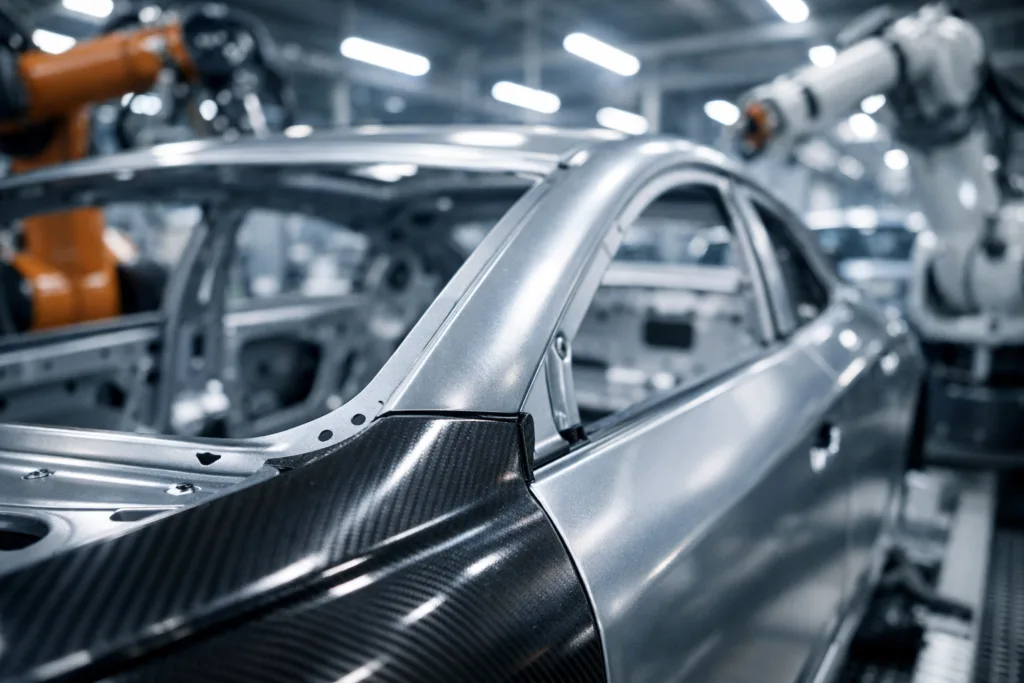
Automotive body-in-white assembly line featuring robots applying structural acrylics, highlighting advanced lightweight materials and secure joints.

8 Game-Changing Benefits of Structural Acrylics for Automotive BIW Assembly in 2026

Introduction: Unlocking the Power of Structural Acrylics in Automotive BIW Assembly In 2026, the automotive industry has seen a surge in advanced materials designed to deliver lighter, stronger, and more flexible vehicles. Structural acrylics for automotive body-in-white (BIW) assembly have become essential for manufacturers seeking a competitive edge. These adhesives are transforming how vehicle bodies

8 Game-Changing Benefits of Structural Acrylics for Automotive BIW Assembly in 2026 Read More »

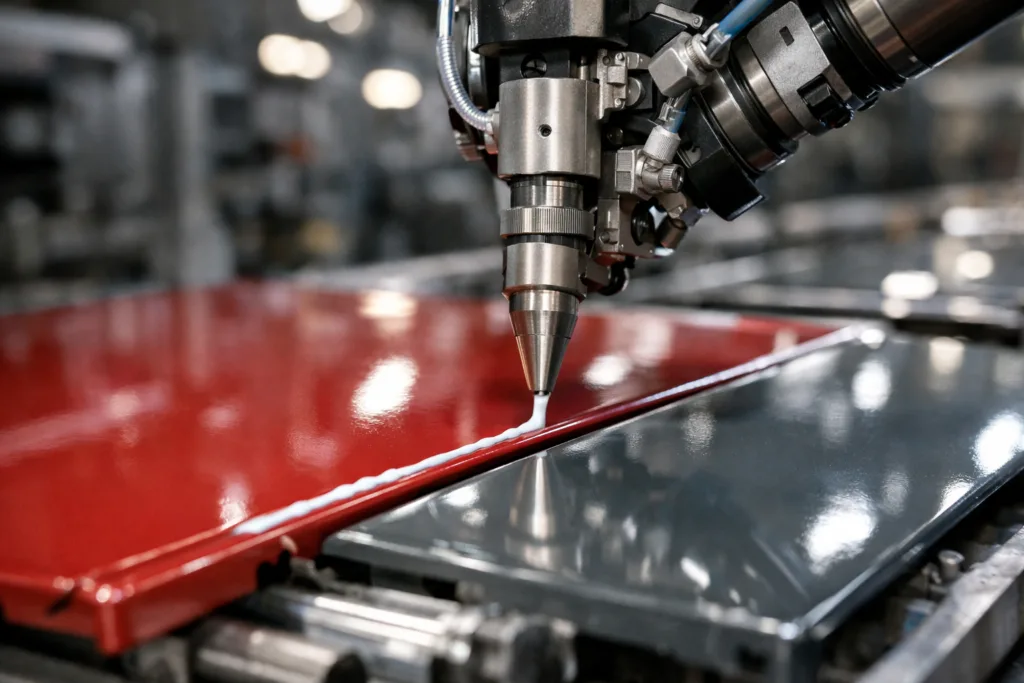
A modern factory line using advanced adhesives to bond painted metal panels without a primer, highlighting automation and industrial efficiency.

7 Innovations in Bonding Painted Metals: Skip the Primer, Save Time, and Improve Reliability

Introduction: The Evolution of Bonding Painted Metals For decades, priming was seen as the only way to reliably bond adhesives to painted metals. However, new advances in adhesive chemistry have led to products that form strong, durable bonds without the primer step. In this in-depth guide, we explore Bonding Painted Metals: Adhesives that Skip the

7 Innovations in Bonding Painted Metals: Skip the Primer, Save Time, and Improve Reliability Read More »

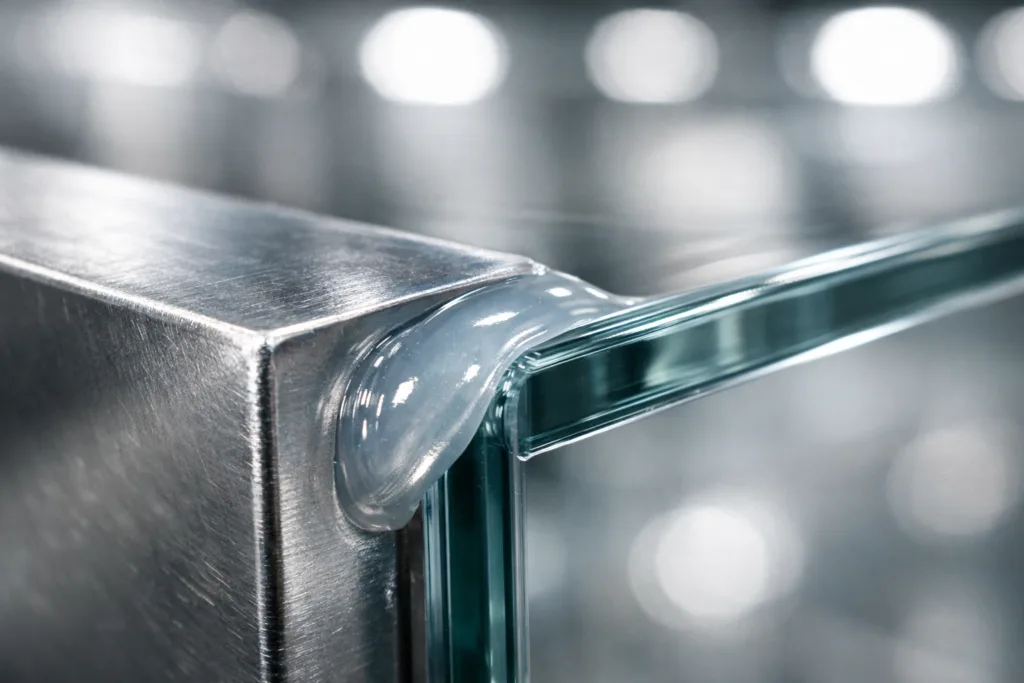
A pristine application of elastic adhesive demonstrating flexibility between dissimilar industrial materials. Image highlights how the adhesive absorbs thermal expansion, with crisp details and a professional setting.

How Elastic Adhesives Prevent Costly Failures from Thermal Expansion

Introduction: Why Thermal Expansion Demands Smart Solutions Thermal expansion might sound like a minor technical detail, but it holds the power to ruin even the most carefully engineered structures. As materials heat up and cool down, they expand and contract—a natural response that can lead to warped metals, cracked glass, and broken bonds if not

How Elastic Adhesives Prevent Costly Failures from Thermal Expansion Read More »

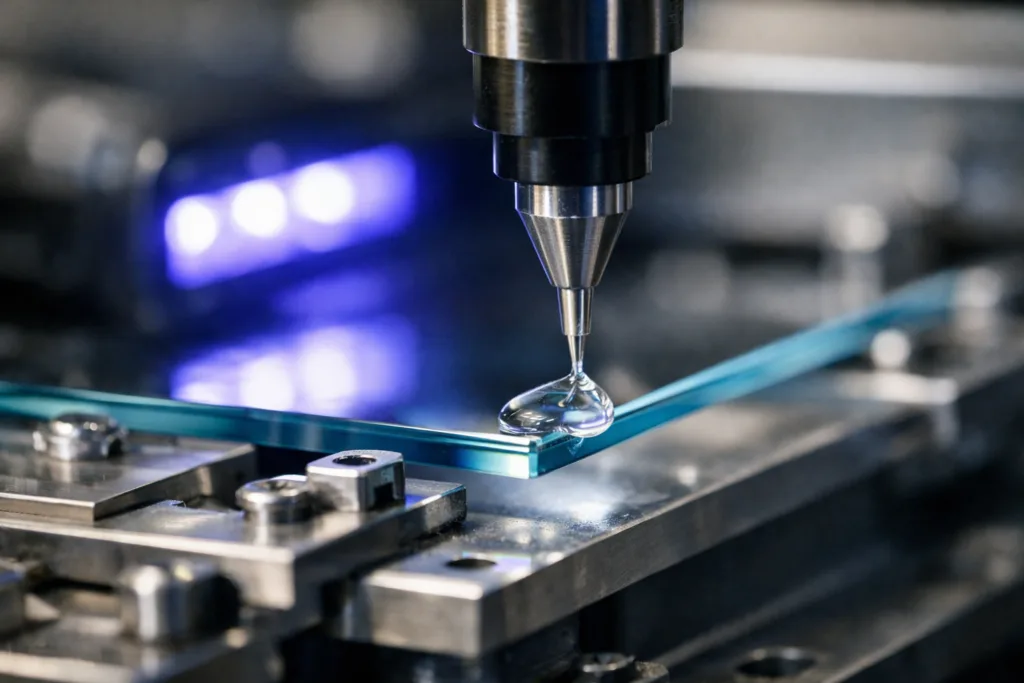
This image shows precise application of low shrinkage UV glue, highlighting dimensionally stable bonding for optical and electronic assemblies.

5 Essential Properties of Low Shrinkage UV Glues for Precision Alignment

Introduction: Why Low Shrinkage UV Glues Matter for Precision Alignment In 2026, precision alignment has become more critical than ever, especially in industries like electronics, optics, and medical devices. Low shrinkage UV glues are essential adhesives that minimize dimensional changes during the curing process. This property ensures components stay exactly where you put them, preventing

5 Essential Properties of Low Shrinkage UV Glues for Precision Alignment Read More »

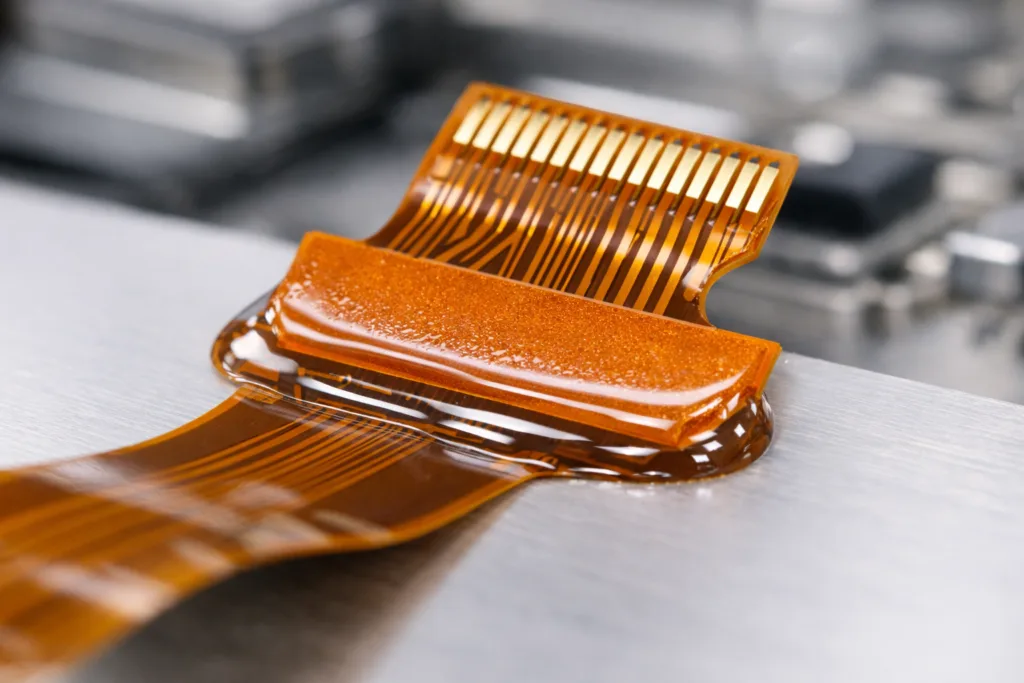
A close-up of a flexible printed circuit (FPC) as adhesive is applied to reinforce high-stress zones, emphasizing the role of adhesives for flexible printed circuits (FPC) reinforcement.

7 Reliable Adhesive Choices for Flexible Printed Circuits (FPC) Reinforcement in Demanding Electronics

Introduction to Adhesives for Flexible Printed Circuits (FPC) Reinforcement Flexible printed circuits (FPCs) are the backbone of today’s compact electronics, from smartphones to medical devices. Their ability to bend, twist, and adapt makes them ideal for applications with limited space and moving elements. But this very flexibility also presents a challenge: without proper reinforcement, FPCs

7 Reliable Adhesive Choices for Flexible Printed Circuits (FPC) Reinforcement in Demanding Electronics Read More »

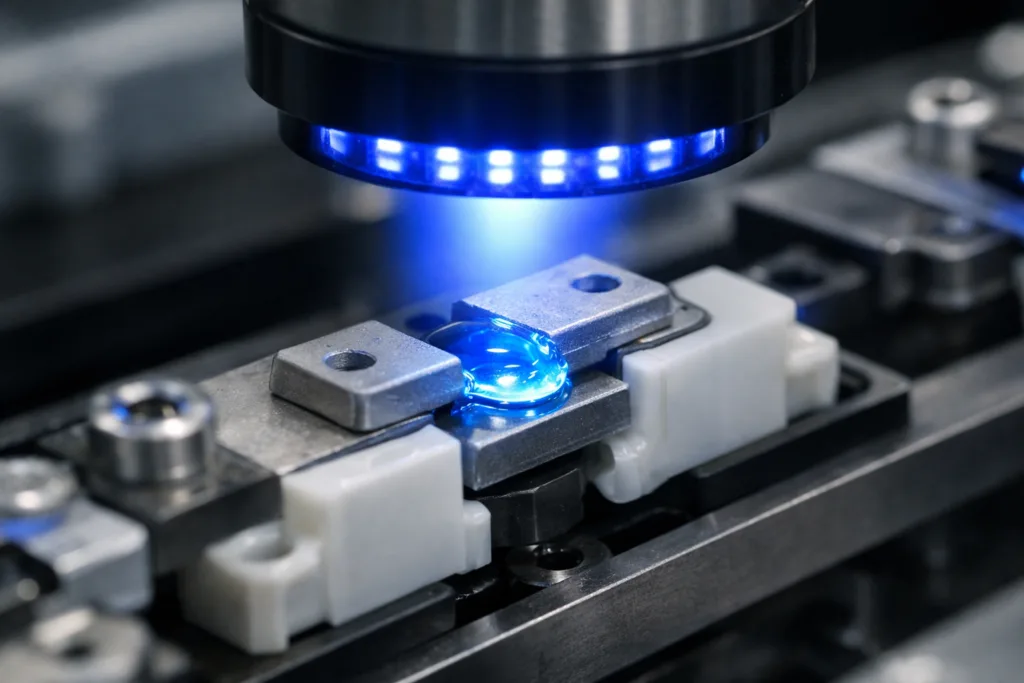
This image shows a precision assembly operation using visible light curing adhesives to bond opaque materials, highlighting the role of blue LED curing in industrial settings.

Visible Light Curing Adhesives: 7 Powerful Benefits for Bonding Opaque Materials

Introduction: Bonding Opaque Materials with Visible Light Curing Adhesives Bonding opaque materials with visible light curing adhesives is reshaping how industries approach assembly challenges. Traditional UV adhesives rely on light transmission through substrates, but when working with opaque metals, ceramics, plastics, or composites, visible light curing adhesives provide new solutions. These advanced adhesives enable rapid,

Visible Light Curing Adhesives: 7 Powerful Benefits for Bonding Opaque Materials Read More »

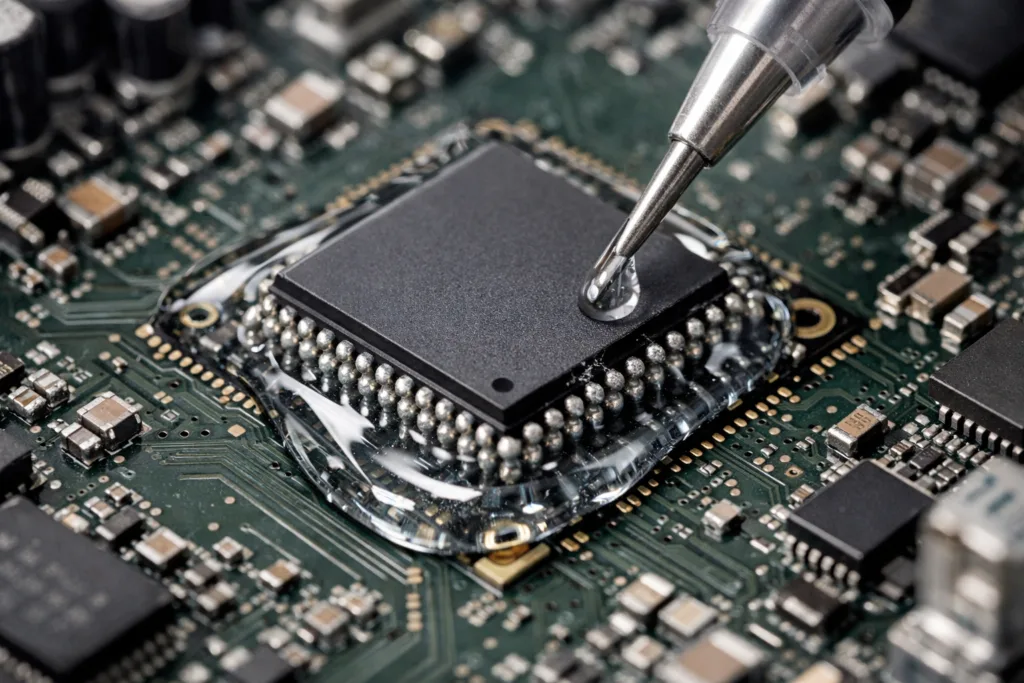
A skilled technician dispenses underfill epoxy beneath a BGA component on a PCB, illustrating the critical first stage of improving drop test reliability in modern electronics.

7 Ways Underfill Epoxy Raises BGA Reliability for Tough Drop Tests

Introduction: The Role of Underfill Epoxy in BGA Reliability Modern electronics demand that Ball Grid Array (BGA) components last through daily bumps, drops, and shocks. One of the essential ways manufacturers achieve this is by using underfill epoxy. In fact, “Underfill Epoxy for BGA: Improving Drop Test Reliability” isn’t just an industry buzzword—it’s a proven

7 Ways Underfill Epoxy Raises BGA Reliability for Tough Drop Tests Read More »

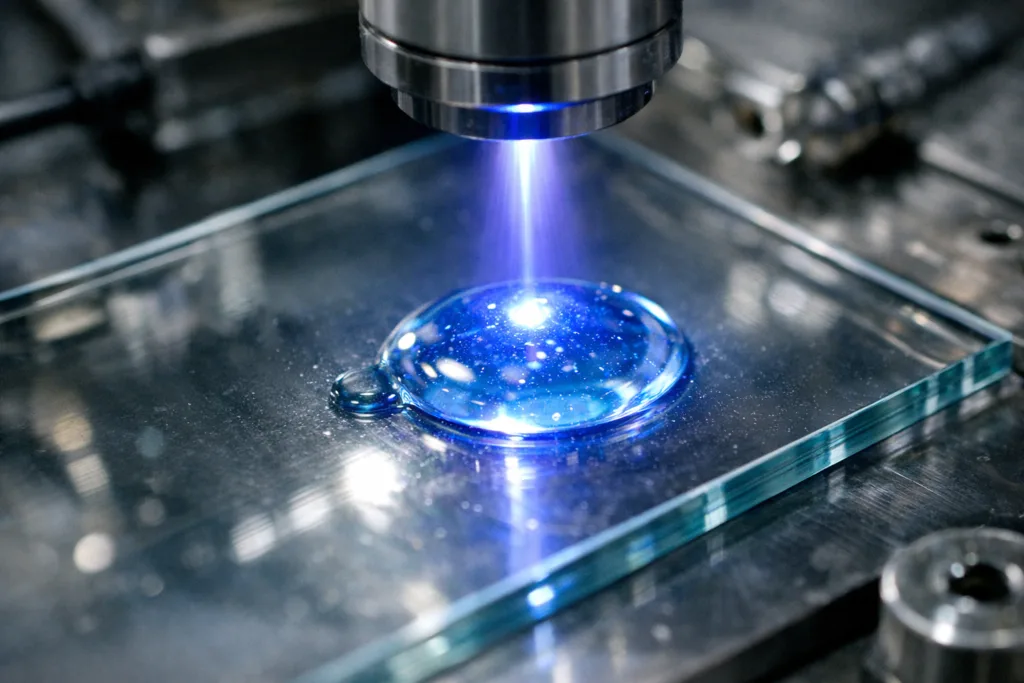
An industrial laboratory scene showing UV adhesive curing on glass, highlighting the challenge of sticky surfaces from oxygen exposure.

Sticky UV Glue? The Ultimate Guide to Stopping Oxygen Inhibition

Introduction: Understanding Oxygen Inhibition, UV Glue, Sticky Adhesive, Curing Process Ever wondered why your UV glue remains sticky after curing? The culprit is often oxygen inhibition—a phenomenon that disrupts the curing process of UV adhesives, particularly on exposed surfaces. Whether you’re bonding plastics, metals, or glass, sticky residues can undermine your assembly, leading to costly

Sticky UV Glue? The Ultimate Guide to Stopping Oxygen Inhibition Read More »

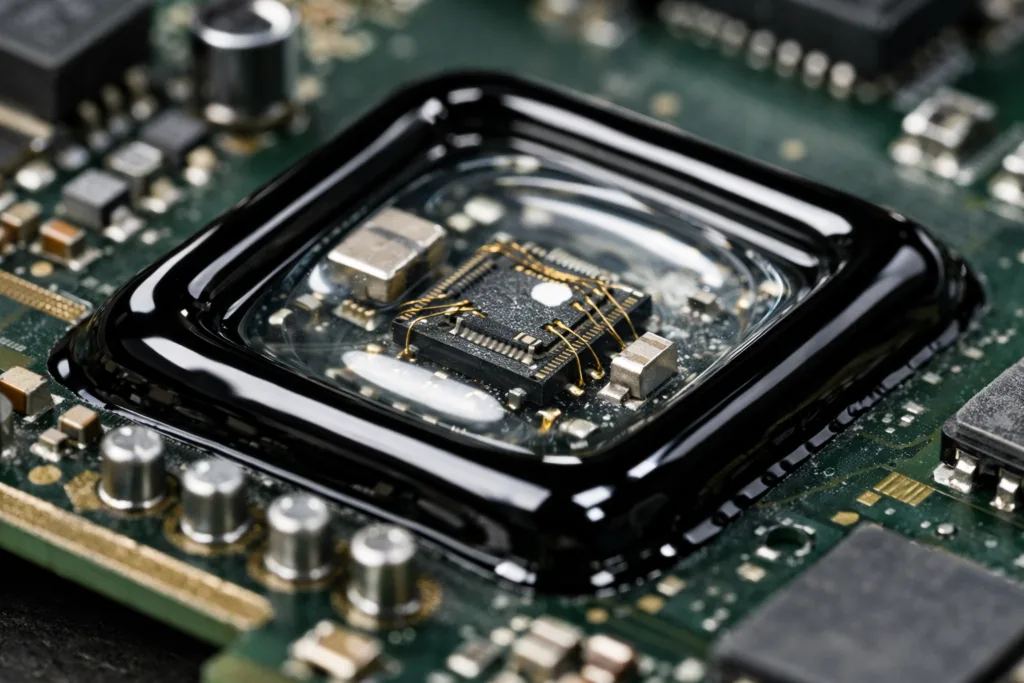
This photo shows a high-performance PCB with visible dam and fill encapsulation, demonstrating the precise protection of targeted components under professional factory lighting.

How Dam and Fill Encapsulation Protects Sensitive PCB Components in 2026

Introduction to Dam and Fill Encapsulation: Protecting Specific Components Dam and fill encapsulation is an advanced material technique used in PCB manufacturing to protect sensitive components from moisture, dust, vibration, and chemical exposure. As the electronics industry pushes for ever-smaller footprints and higher reliability, safeguarding chips, sensors, and connectors with targeted encapsulation techniques is crucial.

How Dam and Fill Encapsulation Protects Sensitive PCB Components in 2026 Read More »

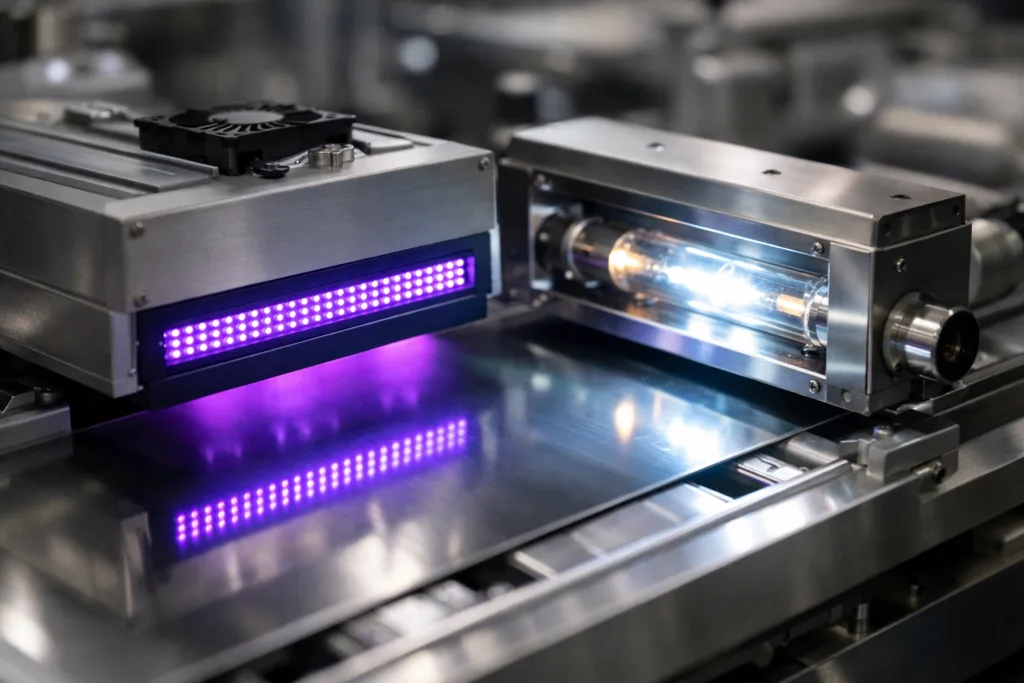
A high-resolution visual comparison of LED UV and mercury lamps installed on an automated manufacturing line, showcasing their size and light output differences for industrial adhesive curing.

7 Hard-Hitting Facts: LED UV (365nm/395nm) vs. Mercury Lamps—Which Delivers Safer, Greener, and Cheaper Curing in 2026?

Introduction: LED UV (365nm/395nm) vs. Mercury Lamps: A Comparison For manufacturers, engineers, and process specialists, choosing the right UV curing lamp—whether LED UV (365nm/395nm) or traditional mercury lamps—impacts productivity, quality, safety, and costs. As UV curing technology evolves, it’s vital to understand the nuanced strengths and trade-offs of each option. This comparison examines LED UV

7 Hard-Hitting Facts: LED UV (365nm/395nm) vs. Mercury Lamps—Which Delivers Safer, Greener, and Cheaper Curing in 2026? Read More »

Visual of a state-of-the-art electronics assembly line showing nano-coating application for waterproofing to IPX7 level.

How Nano-Coatings Are Revolutionizing IPX7 Waterproofing for Electronic Devices

Introduction: Demystifying Nano-Coatings for IPX7 Waterproofing of Electronics As electronics become ever more essential to our daily lives, the demand for durability and reliability is at an all-time high. One standout solution that’s reshaping device protection is nano-coating technology, especially in the context of achieving the rigorous IPX7 waterproofing standard. In this guide, we’ll break

How Nano-Coatings Are Revolutionizing IPX7 Waterproofing for Electronic Devices Read More »

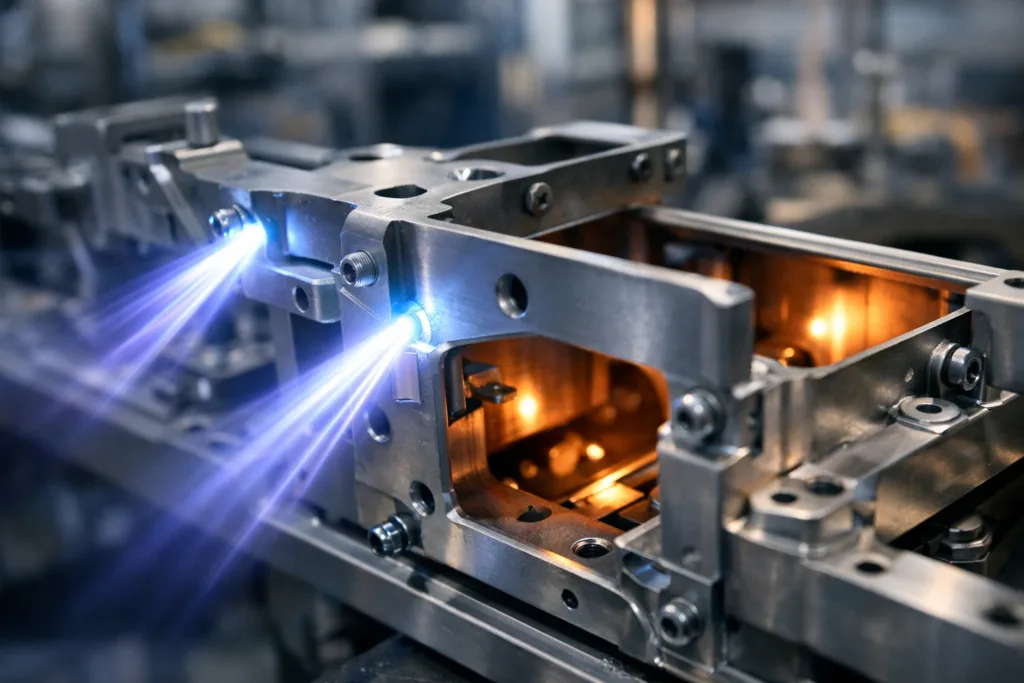
Visualizes a dual-cure process where UV light and heat/moisture ensure full adhesive curing—including shadowed areas—during advanced metal product assembly.

How Dual-Cure Systems Eliminate Shadow Area Failures with Heat and Moisture Backing UV

Introduction: The Challenge of Shadow Areas in Modern Manufacturing Ensuring complete and reliable curing of adhesives and coatings is crucial in today’s advanced manufacturing. Yet, when using UV-curable products, “shadow areas” — spots hidden from direct light — often lead to weak bonds and product failures. Dual-cure systems: solving shadow areas with heat/moisture is reshaping

How Dual-Cure Systems Eliminate Shadow Area Failures with Heat and Moisture Backing UV Read More »

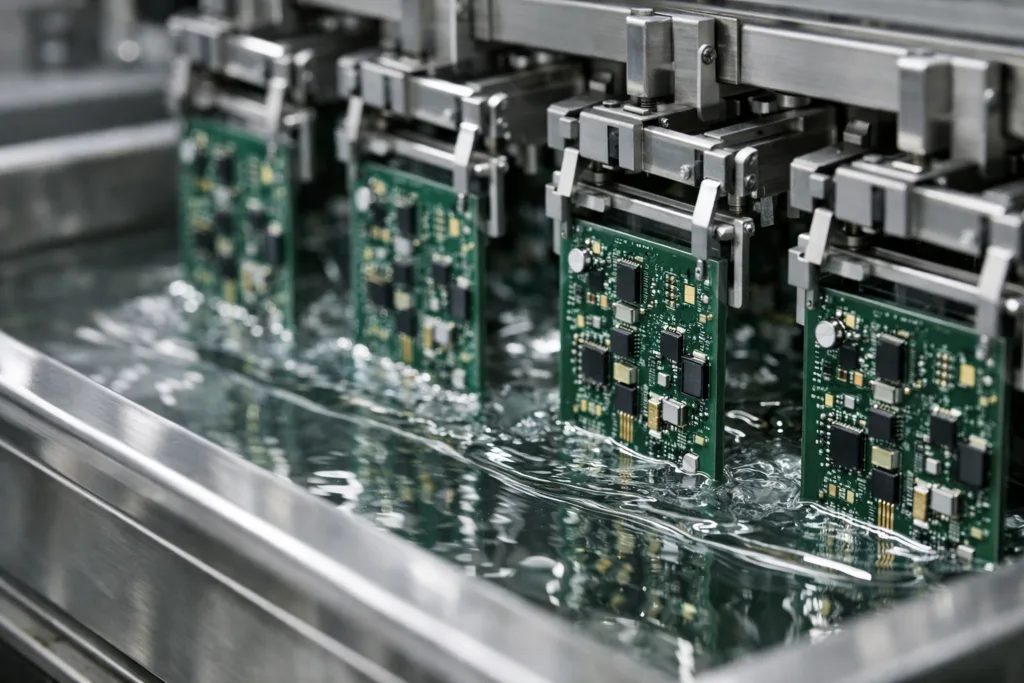
A factory scene showing PCBs being dip-coated, emphasizing batch uniformity and surface finishing in industrial electronics.

PCB Coating Showdown: Dip, Brush, or Spray for Reliable Surface Finishing in 2026

Introduction: Why Coating Methods Matter for PCB Surface Finishing Protecting printed circuit boards (PCBs) isn’t just about the quality of materials—it’s about matching the right coating method to your project needs. In 2026, engineers and manufacturers have three primary choices: dip, brush, or spray. Each approach offers unique benefits and drawbacks when it comes to

PCB Coating Showdown: Dip, Brush, or Spray for Reliable Surface Finishing in 2026 Read More »

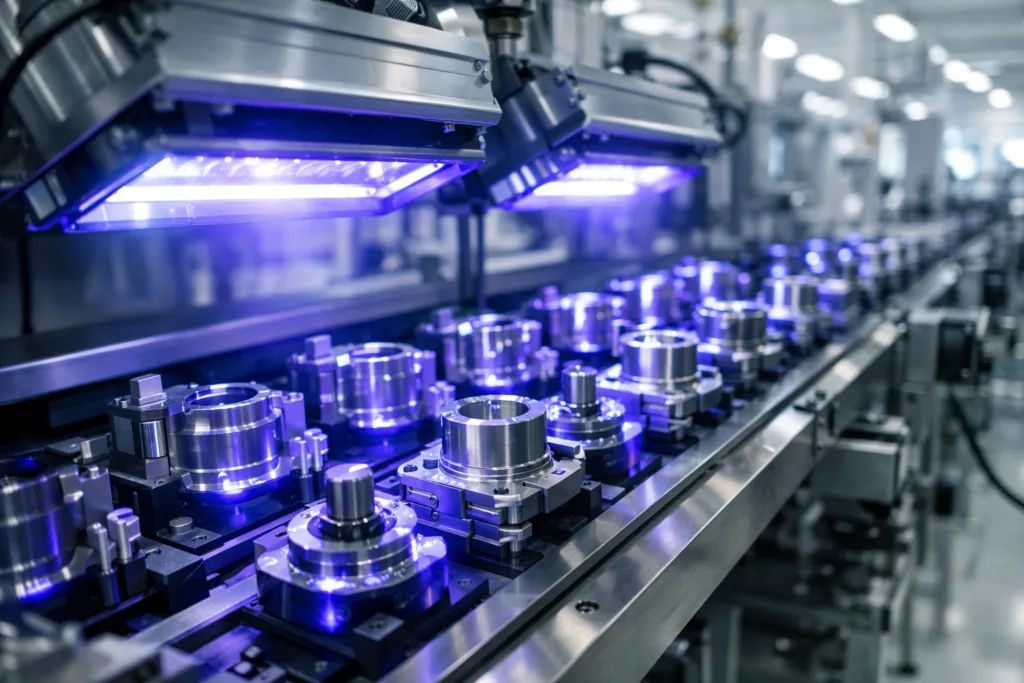
A modern factory line showcasing metal parts undergoing UV curing with visible purple light, illustrating practical application of free radical and cationic mechanisms.

Unlocking UV Curing for Metal Assembly: Free Radical vs. Cationic Explained

Introduction: Free Radical vs. Cationic Curing – UV Mechanisms Explained UV curing is transforming industrial manufacturing, especially where speed, reliability, and quality are essential—like in metal product applications. Understanding the difference between free radical curing and cationic curing is critical when choosing adhesives and coatings for metals. Both processes have unique mechanisms influenced by ultraviolet

Unlocking UV Curing for Metal Assembly: Free Radical vs. Cationic Explained Read More »

A technician preps a single component epoxy using latent curing agents, displaying the industrial process and equipment in a clean, technical environment.

Definite Guide: 9 Advantages of Latent Curing Agents in Single Component Epoxies

Introduction to Latent Curing Agents in Single Component Epoxies Single component epoxies have revolutionized industrial bonding and assembly, offering streamlined application and dependable performance. At the heart of this innovation are latent curing agents, specialist compounds that enable extended shelf life and remove the need for complex mixing—including in environments ranging from automotive production to

Definite Guide: 9 Advantages of Latent Curing Agents in Single Component Epoxies Read More »

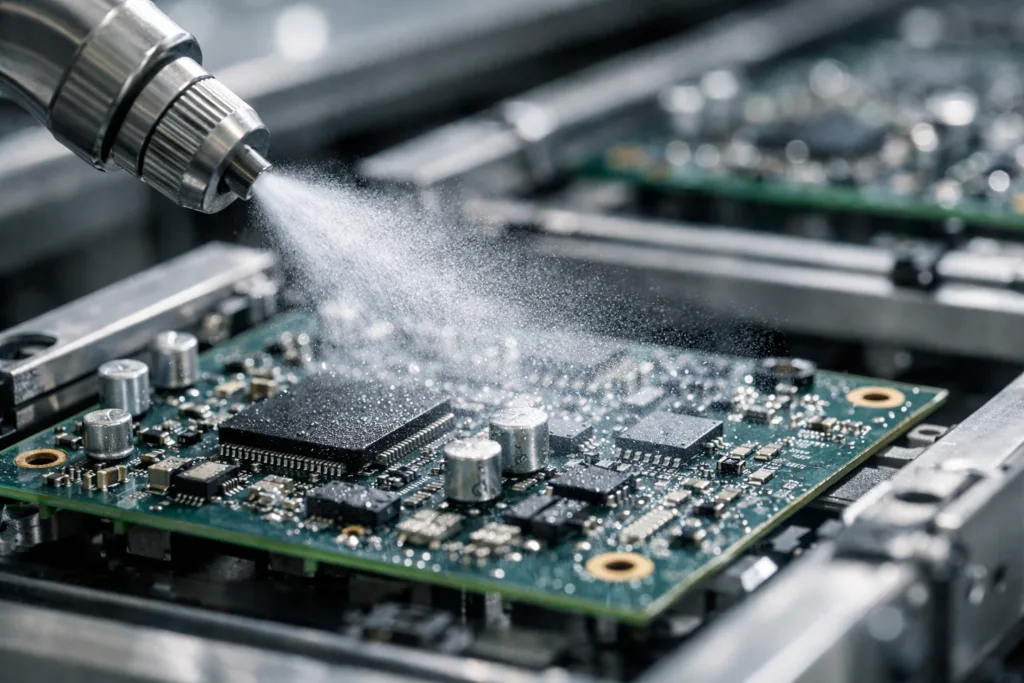
An engineer in a modern lab precisely sprays a low dielectric coating onto a 5G/RF PCB, highlighting the importance of cleanliness and process control.

Unlock Superior 5G/RF PCB Performance: 7 Essential Facts About Low Dielectric Constant Coatings

Introduction to Low Dielectric Constant Coatings for 5G/RF PCBs When it comes to high-frequency electronic design in 2026, Low Dielectric Constant Coatings for 5G/RF PCBs have become a linchpin for performance and reliability. These specialized coatings play a pivotal role in minimizing signal loss, bolstering signal integrity, and enabling robust connections required for the latest

Unlock Superior 5G/RF PCB Performance: 7 Essential Facts About Low Dielectric Constant Coatings Read More »

Scroll to Top

💬 Let’s Build Something Strong Together

Have a project in mind or need a reliable adhesive solution?
Our experts are ready to help — just drop us a message!

✅ Tailor-made adhesive formulations
✅ Fast lead times & global shipping
✅ Trusted by manufacturers worldwide

📩 Leave your details and let’s make it happen.
We’ll get back to you within 24 hours.

Look out for emails from @zdschemical.com.

ZDS™ Adhesive manufacturer

Free Access to Test Samples or Quote

Response time as fast as 30 minutes.

📧 Prefer a fast reply? Email us directly at: Sale01@epoxyresinfactory.com
ZDS Adhesive Manufacturer

Not Sure Which Adhesive Fits?

Our engineers are ready to help. Drop us a message.

📧 Prefer a fast reply? Email us directly at: Sale01@epoxyresinfactory.com