Introduction: Conductive Silver Epoxies for 5G Base Station Filters
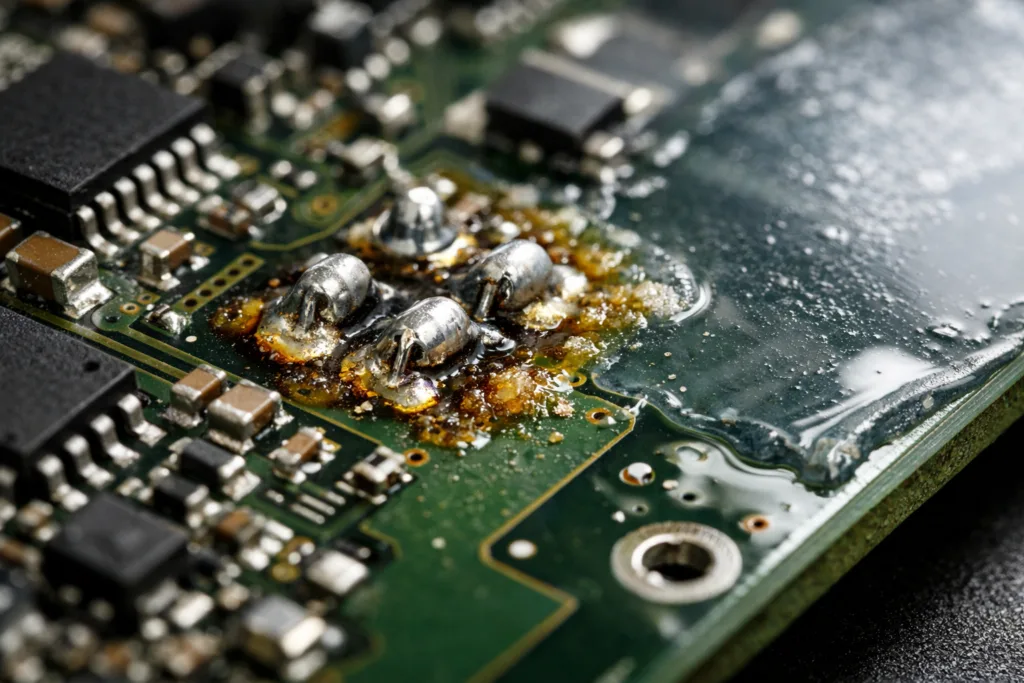
The rapid development of 5G technology has pushed manufacturers to seek advanced materials that deliver exceptional performance. Conductive silver epoxies play a critical role in the construction of 5G base station filters, offering a blend of electrical conductivity, thermal stability, and reliable adhesion that traditional methods like soldering struggle to match. In this guide, we’ll explore how these unique adhesives shape next-generation telecommunications hardware.
Understanding Conductive Silver Epoxies

Conductive silver epoxy is a specialized adhesive with silver particles dispersed in an epoxy resin. This composition grants the material notable electrical conductivity, making it suitable for signal transmission and grounding in sensitive electronic assemblies like 5G base station filters.
Why Use Conductive Epoxies in 5G Filters?
5G base station filters require high-frequency performance and precise electrical connectivity. Conductive silver epoxies meet these demands by minimizing signal loss and supporting stable operation, especially as filter designs become smaller and more complex.
Key Properties: Conductivity, Adhesion, and Stability
The best conductive silver epoxies offer:
- High electrical conductivity (typically <0.01 Ω·cm)
- Excellent thermal stability (service temperatures up to 150–200°C)
- Strong adhesive bonding to metals, ceramics, and PCB substrates
This precision is essential for maintaining RF performance in 5G base stations.
How Conductive Silver Epoxies Outperform Soldering
Unlike soldering, which can introduce heat damage and mechanical stress, conductive silver epoxies cure at lower temperatures. This protects fragile electronic parts and enables mounting on heat-sensitive substrates. Additionally, epoxies avoid the pitfalls of solder cracks or corrosion in long-term use.
| Aspect | Silver Epoxy | Soldering |
|---|---|---|
| Cure Temperature | Room temp–150°C | ±250°C |
| Bond Line Thickness | Flexible; thin or thick | Thin only |
| Substrate Compatibility | Wide (metals, ceramics, plastics) | Mostly metals |
| Reliability | Resistant to vibration & thermal cycling | Prone to fatigue |
Electrical Performance: Low Resistance and RF Reliability
Silver epoxies feature consistently low resistance, essential for minimizing signal loss in 5G filter joints. Manufacturers test the assembled devices using RF sweep and impedance measurements to confirm high-frequency integrity.
Thermal Management: Stability at Elevated Temperatures
5G base stations operate continuously, often in harsh outdoor environments. The thermal stability of conductive silver epoxies ensures reliable performance, preventing degradation during cyclic heating and cooling. Formulations often include thermally resistant binders and stabilizers for added robustness.
Adhesive Strength: Mechanical Bonds and Longevity
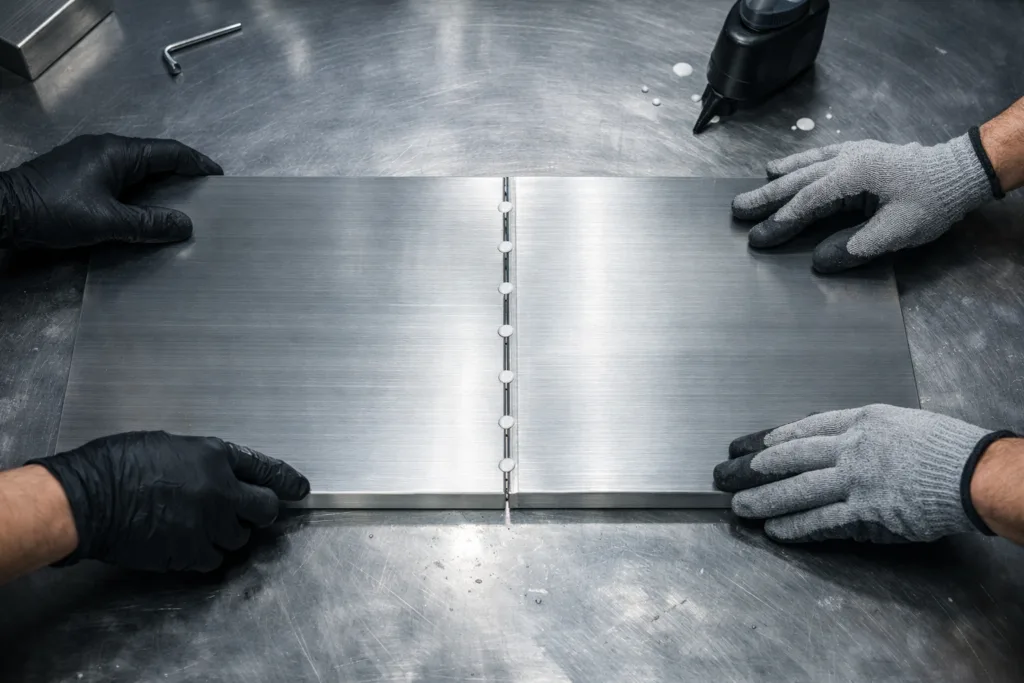
Conductive silver epoxies supply robust adhesion to substrates like copper, aluminum, and ceramic. Lap shear tests and peel strength assessments confirm the bond’s durability, allowing filters to withstand assembly stress, vibration, and ongoing maintenance cycles.
Explore specialized adhesive solutions for metal bonding at metal glue manufacturers for telecommunications applications.
Curing Process: Initiation, Schedule, and Environment
The cure process of silver epoxies determines final properties. Most formulas cure between 25°C and 150°C, depending on part size and process speed. Single-part and two-part systems exist:
- Single-part: Heat-activated; suitable for automated production lines
- Two-part: Mixed before application; flexible open time for hand-assembly or batch processes
The curing environment—humidity, temperature, and cleanliness—directly affects bond integrity and conductivity.
Mixing Ratios: Achieving Optimal Quality
Mixing ratios (typically silver:resin ≈ 1:1 to 4:1) are crucial. Too little silver, and conductivity drops; too much, and adhesion suffers. Consistent mixing and precise measurement prevent variation in bond quality.
For general adhesive solution insight, visit adhesive solutions to learn more about customizing mixing ratios and curing profiles.
Assembly Techniques: Dispensing and Bond-Line Control
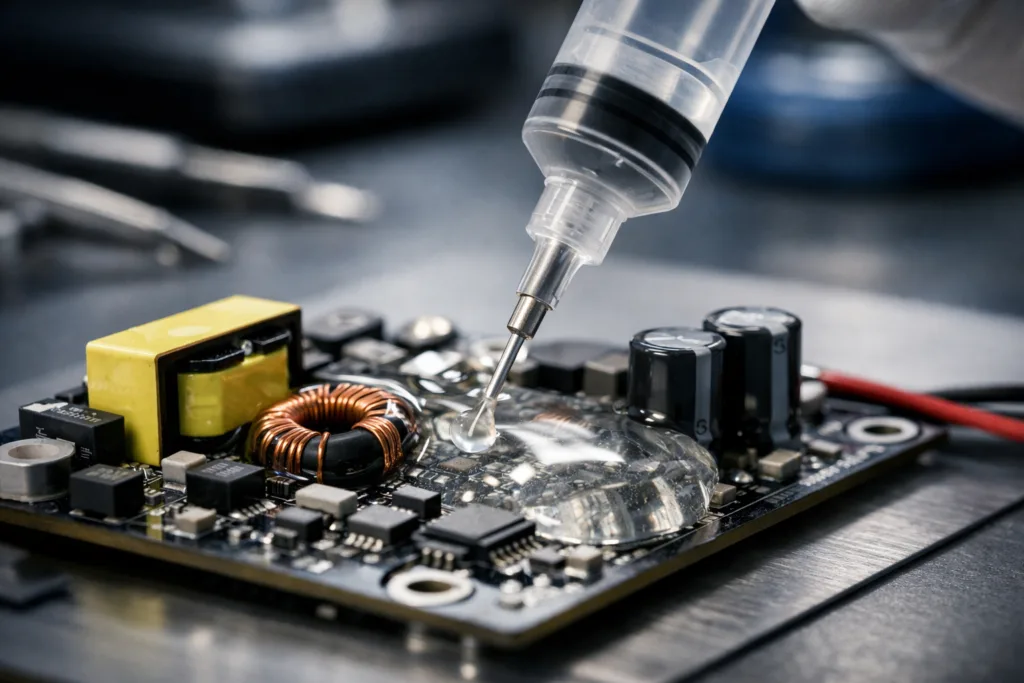
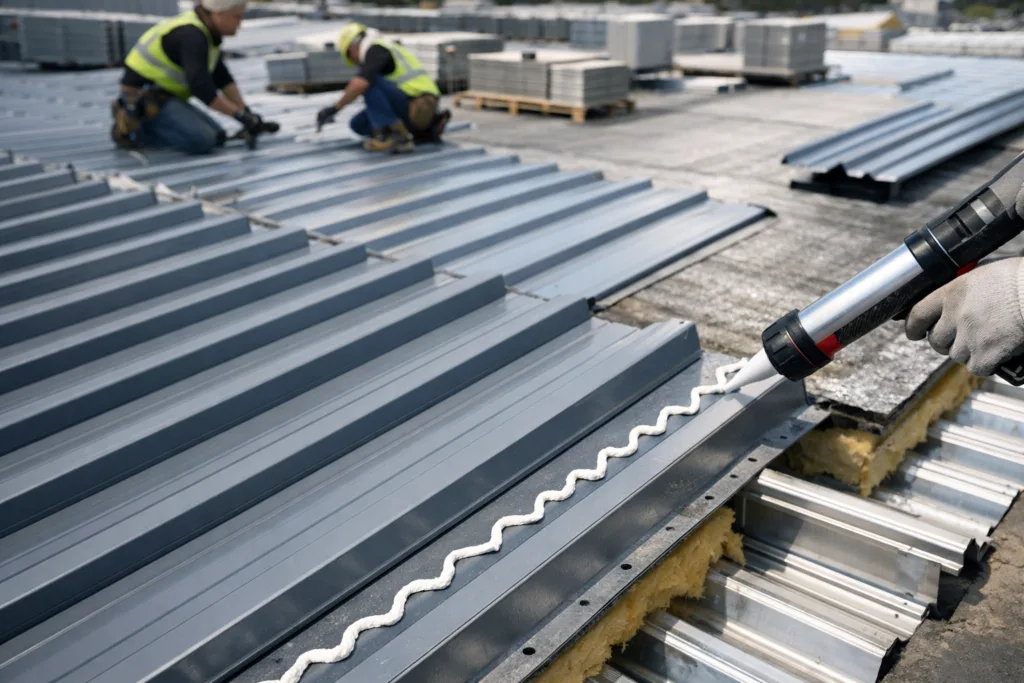
Dispensing methods include syringe, stencil-print, and automated dot placement. Accurate control of bond-line thickness (typically 0.05–0.2 mm) prevents conductive shorts but ensures sufficient bonding area. Manufacturers use microscope checks and automated vision inspection for quality control.
Surface Preparation: Improving Conductivity and Adhesion
Proper surface cleaning and treatment—such as solvent wiping, plasma, or corona activation—boost both conductivity and mechanical strength. Removing oxides, flux residues, and contaminants is essential for long-term reliability.

Refer to this guide on PCB cleaning and flux residue to understand how proper preparation affects conductive silver epoxy performance.
Testing and Quality Assurance
After assembly, filters undergo rigorous quality checks: resistance testing, thermal cycling, humidity aging, and RF benchmarking. Failures often relate to improper cure, mixing ratio, or substrate contamination. Routine inspection ensures filters meet telecom industry standards.
Industry Standards and Regulatory Compliance
Manufacturers must abide by standards such as RoHS, REACH, and telecom-specific reliability benchmarks. Silver epoxies should not contain harmful chemicals, and their performance must withstand industry-mandated test cycles.
Advantages of Conductive Silver Epoxies in Telecommunications
Summarizing performance benefits:
- Reduced signal loss
- Enhanced device lifetime
- Superior vibration and thermal cycling resistance
- Flexible assembly options for new filter geometries
Challenges and Considerations
While conductive silver epoxies excel in connectivity and reliability, challenges include cost (silver is expensive), process sensitivity, and compatibility with new substrate materials. Engineers balance these tradeoffs with filter design requirements and production scale.
Future Trends: Innovations in Conductive Materials
As telecommunications shift toward ultra-high frequency and miniature assemblies, next-gen conductive epoxies may incorporate nano-silver particles, improved resin matrices, and rapid-curing systems. These advances promise lower resistance, faster process times, and environmental sustainability.
Emerging options will further close the gap between solder and epoxy bonding, opening avenues for even more robust and efficient filter designs as 5G and 6G technology evolve.
Conductive Silver Epoxies for 5G Base Station Filters
Conductive silver epoxies are the backbone of modern 5G filter manufacturing. Their unique combination of electrical, mechanical, and thermal properties ensures the ultra-reliable connections needed for today’s telecom infrastructure. Manufacturers and engineers continue to optimize formulations and processes, meeting ever-tougher demands for speed, durability, and scale.
Expert Application Insights: ZDS Adhesive
From an application engineering perspective at ZDS Adhesive, an industrial adhesive manufacturer, successful filter production hinges on correct substrate pairing, process control, and in-process QA. For example, when bonding copper-loaded ceramic filter plates, a two-part silver epoxy with 2:1 mixing ratio and a 60-minute open time enables precise placement and curing. Routine lap shear and RF loss testing confirm long-term performance, reducing costly field failures.
Conclusion: Key Takeaways for 2026

Conductive silver epoxies have become indispensable in the construction of 5G base station filters. They deliver the reliable electrical performance modern networks require, simplify manufacturing workflows, and adapt to new filter designs. Industry trends point to ever-better formulas and tighter process control, ensuring that these adhesives not only match but outperform traditional connection methods in the telecom space. As 5G deployment expands—and 6G looms—conductive epoxies will be a central driver of reliable communications.
Frequently Asked Questions
What makes conductive silver epoxies ideal for 5G base station filters?
Their low resistance, thermal stability, and strong adhesive properties enable optimal signal transmission and long-term reliability.
How does the mixing ratio affect epoxy performance?
The right silver-to-resin ratio ensures both high conductivity and strong bonding; incorrect ratios can lead to low performance or failures.
Can conductive silver epoxy replace solder in all applications?
It’s ideal for heat-sensitive and high-frequency applications but may not suit all cases, especially where cost or mechanical loads are extreme.
What curing methods are used for silver epoxies?
Common methods include heat curing (ranging from room temperature to 150°C) and sometimes UV or moisture curing for rapid workflows.
Are there environmental concerns with silver epoxies?
They must comply with RoHS and REACH; advances focus on reducing harmful additives and improving recyclability.
How do manufacturers ensure filter quality when using conductive epoxies?
By testing resistance, inspecting bond lines, and subjecting products to thermal, humidity, and RF performance checks.
Related Reading
- Why LED Boards Need Thermal Potting for Long-Term Reliability
- Unlocking Single-Component Epoxy Performance with Latent Curing Agents
- Low Dielectric Coatings: Elevate Your RF PCB Performance
- Preventing Exothermic Failures in Large Epoxy Castings: 13 Methods That Work
- Dam and Fill Encapsulation Techniques to Protect Sensitive Electronics