Introduction: Demystifying Custom Adhesive Solutions Explained: From Project Brief to Full-Scale Manufacturing
Industrial innovation now relies heavily on getting the right adhesive—sometimes “off-the-shelf” won’t cut it. That’s where custom manufacturing adhesive solutions shine, solving bonding challenges for tough substrates, unique operating conditions, or regulatory targets. But how exactly does a project move from the first technical chat to full-scale, repeatable production? This guide breaks down the full workflow: requirement intake, substrate analysis, performance targets, sampling, testing, trials, and manufacturing ramp-up. You’ll learn when a standard adhesive suffices, and when tailoring is the smarter move. Whether you’re in automotive, electronics, or advanced assembly, understanding this process makes custom chemistry feel more achievable—and much less mysterious.
When to Choose Custom Adhesive Solutions Over Standard Adhesives
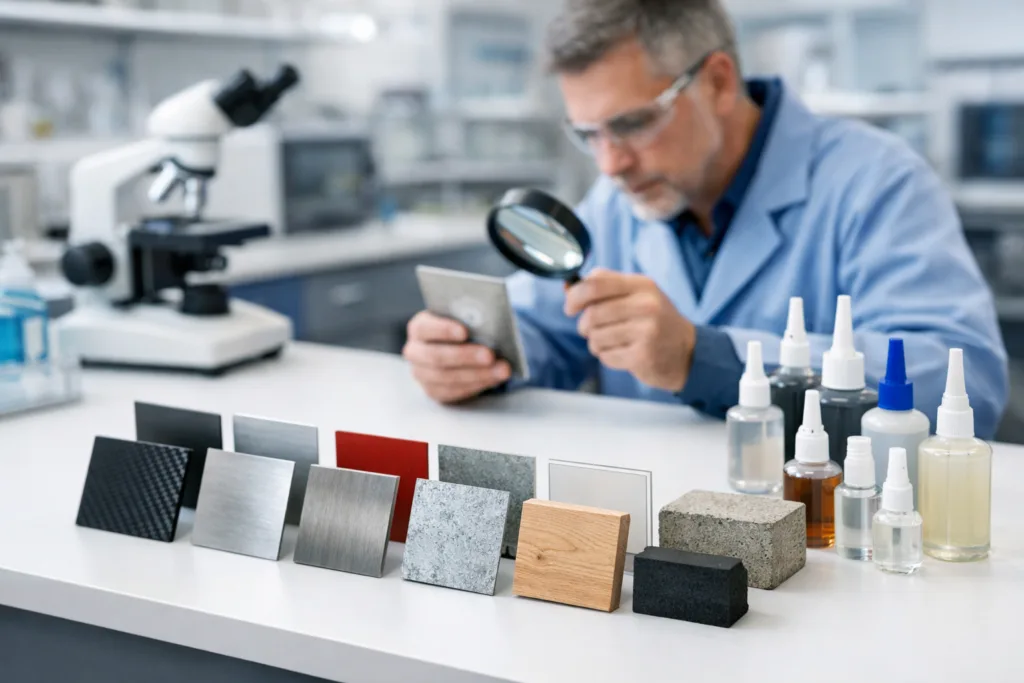
The first question: Why not just buy a stock adhesive? In many cases—a simple wood-glue requirement or metal-bonding under moderate load—a high-quality, proven standard product can absolutely deliver. But for challenging parameters like low-surface energy plastics, mixed materials, fast cure cycles, chemical exposures, or precise optical clarity, custom adhesives become essential. Signs you may need a custom solution include:
- Bonding difficult or unusual combinations (e.g., PP-to-PA, glass-to-composite)
- Extreme operating conditions (high heat, freezing, vibration, humidity)
- Special processing needs (snap cure, prolonged open time, low odor)
- Compliance with strict industry standards (UL, RoHS, FDA, automotive OEM specs)
For quick insight into standard and advanced options, explore this industrial adhesive solutions page for a comparison of typical adhesive types and their prime use cases.
How Custom Adhesive Development Starts: Intake and Requirement Gathering
A successful custom project begins with crystal-clear communication. High-performing bespoke adhesives must suit real-world variables, so suppliers start by gathering all relevant details:
- Substrate materials and finish (metals, plastics, elastomers, cleanliness level)
- Assembly process (manual, robotic, temperature window, open/fixture time)
- End-use conditions (temperature, load/stress, UV, chemicals, flexibility)
- Certification requirements (food-safe, flame retardance, medical, etc.)
Some manufacturers, like ZDS Adhesive, will ask for parts or small sample panels to better understand joint geometry, surface roughness, and how their products will be used in your plant—not in theory, but in practice. This approach helps avoid costly surprises down the road.
Substrate Analysis: The Core of Custom Projects
Why is substrate analysis such a big deal? The best adhesive can fail if it doesn’t “wet” the surface, or if surface treatments are incompatible. Key steps include:
- Identifying material exactness (not just “plastic”—is it ABS, PC, PPO, PBT?)
- Assessing surface energy and cleanliness
- Screening for release agents, oils, or residues
- Recommending pre-treatments (plasma, corona, priming, abrasion)
Accurate analysis—sometimes via simple lab testing—sets the stage for the entire custom adhesive formulation workflow.
Defining Performance Targets: What Matters Most
Next, the “must-have” properties are set. For instance:
- Lap shear strength or peel strength (per ISO/ASTM test)
- Flexibility & elongation (for moving/thermal-shocked joints)
- Heat or chemical resistance (fuel, lubricants, cleaning cycles)
- Transparency, color, or low-shrinkage
- Fixture time and cure speed
Performance priorities help the formulating chemist decide on resin base (epoxy, polyurethane, acrylic, silicone) and additives. See this overview of industrial adhesives and the role of each chemistry for application-specific needs.
Lab Sampling: Early Prototypes for Real Feedback
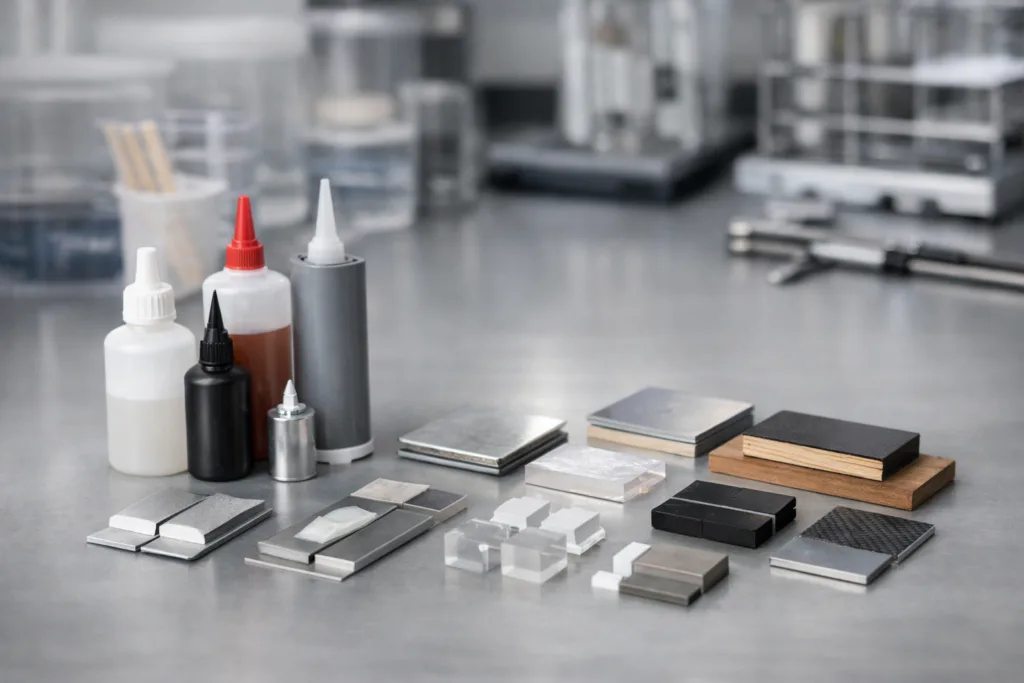
Armed with requirements, the adhesive manufacturer creates a few bench-scale lab samples with controlled variations—think replacement of a plasticizer, tweak of ratio, change in accelerator. These lab samples are:
- Coded, tracked, and compared for fine variants
- Supplied for initial customer review—often for workability (spread, wetting, odor, visibility, etc.)
- Used for baseline physical testing (lap shear, peel, clarity, open time, viscosity)
This fast iteration enables both sides to course-correct before expenses mount on scale-up. It’s also the main data-gathering point for process limits.
Designing and Running Test Protocols
Testing is about more than just “did it stick?” It’s about qualifying for real-world risks. Test protocols may include:
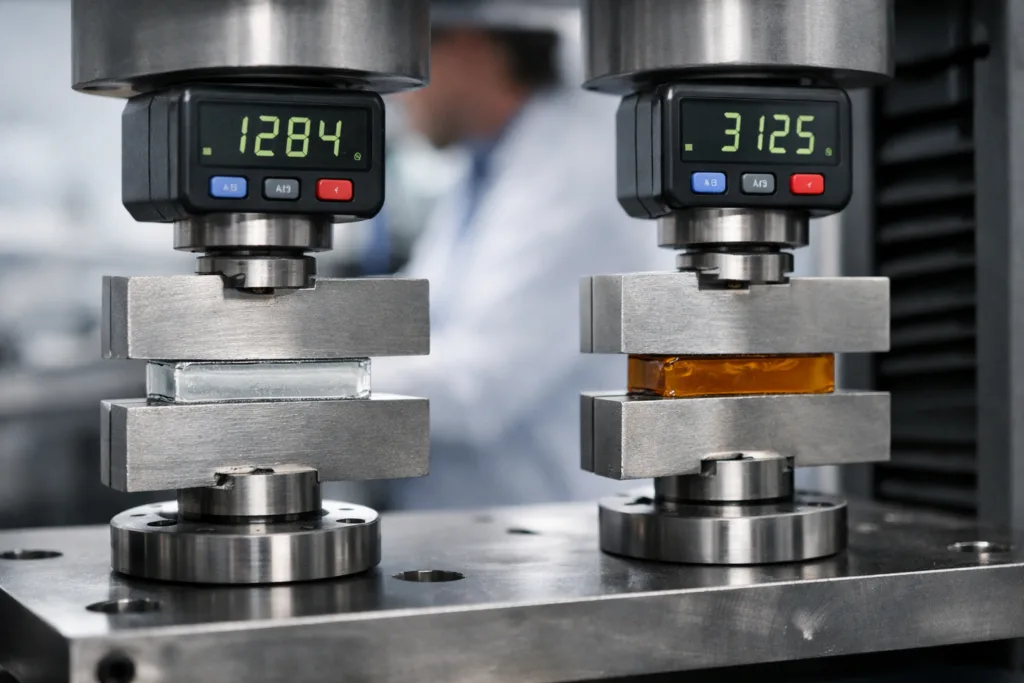
- Lap shear/peel under different temperatures, per ASTM/ISO standards
- Thermal cycling (chamber), humidity aging, and chemical immersion tests
- Peel strength after impact or flex cycling
- Time to fixture (clamp removal) and full cure
For electric components, specialized trials like dielectric breakdown or thermal conductivity are routine. Learn more in the What Adhesive Experts Really Do: Insight from Material Testing & Production blog. By collecting real failure and borderline data, customers can see not just average but worst-case performance.
Pilot Trials: Closing the Gap Between Lab and Line
Once physical and process data are in, pilot trials (10–100 kg or liter-scale) move the project closer to reality. Here, key goals include:
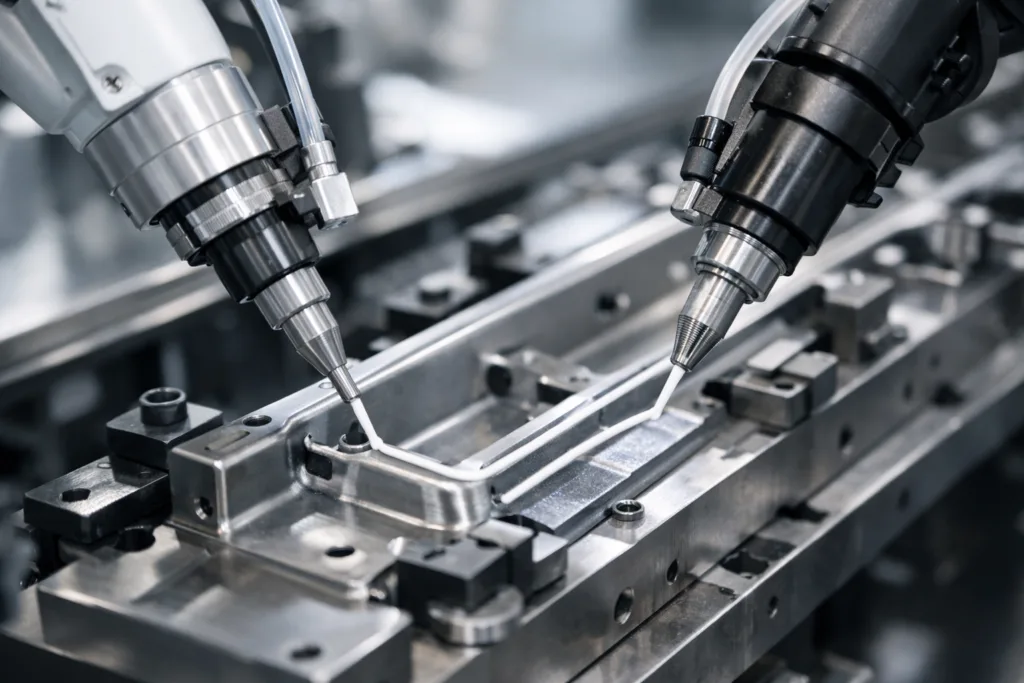
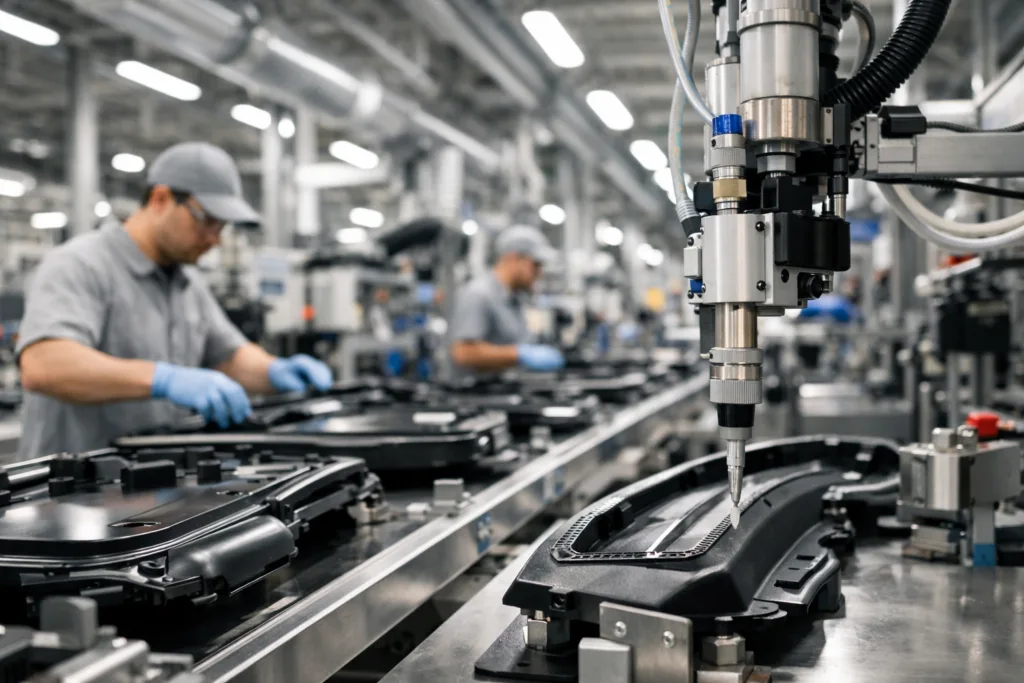
- Adapting dispensing/curing equipment
- Testing packaging options (cartridges, pails, bulk, dual syringes)
- Checking for batch-to-batch consistency
- Observing operator feedback: ease of use, safety, clean-up
These small-scale runs catch edge-case issues (clumping, settling, stringing) that a beaker test often misses. They also let buyers verify economic justifications before locking in supply agreements.
Packaging and Logistics: Making Fit-for-Purpose Choices
The right adhesive is only as useful as its packaging and logistics. Choices here are crucial in large-scale manufacturing and field applications. Considerations include:
- Desired shelf life and storage requirements
- Usage volume per shift/line
- Need for dual-barrel, single-use, or pourable bulk supply
- Shipping regulations (hazmat, temperature-sensitive, export rules)
Scaling Up to Production: Quality and Consistency Standards
Scale-up isn’t just “more of the same.” Adjustments must account for mixing, temperature control, and storage tanks. To ensure product uniformity, reputable suppliers adopt practices such as:
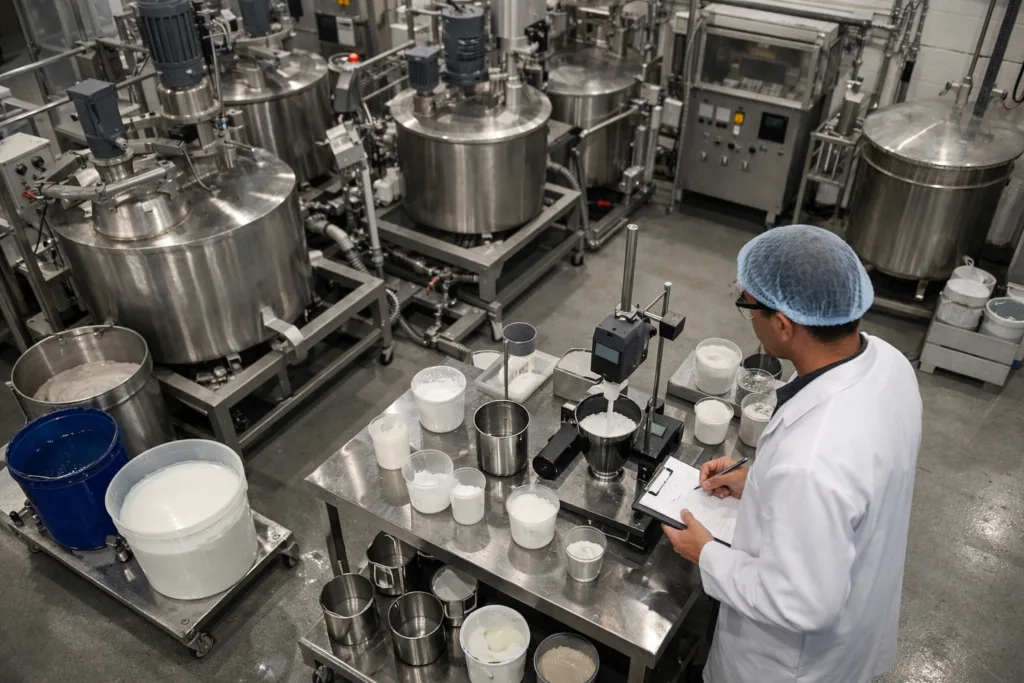
- Batched production with strict incoming QC (quality control) of raw materials
- Complete batch traceability in manufacturing records
- Retain samples and real-time testing
- Regular stability, viscosity, and reactivity retests
Why invest in these controls? Because a minor batch deviation in cure rate or elasticity can lead to massive field failures. Custom adhesives, by definition, don’t have years of field use, so high process stability is even more critical.
How Communication Prevents Costly Delays in Custom Projects
Frequent, clear updates (both ways) matter at each stage: intake, sampling, trials, and ramp-up. Buyers who promptly communicate true in-plant observations (good and bad) help the formulator make effective, targeted changes—cutting time to a stable, production-ready product.
When Is Standard Enough? Practical Decision Guide
Not every project calls for a bespoke system. Here’s a quick decision guide:
- If failure modes are well understood, and an existing certified adhesive delivers the required strength/durability, stick with it
- If process changes (new substrate, higher line speed, new regulations) create unfixable headaches, consult for a custom approach
- If joints fail after proper prep or existing data is not available for your materials, a custom formulation is usually the best next step
- For cost-driven, ultra-high volume assembly, a small tweak in cure speed, color, or viscosity may pay for itself quickly in higher process yields or fewer rejects—even if initial R&D is higher
Case Study Examples: Custom vs. Standard Choice
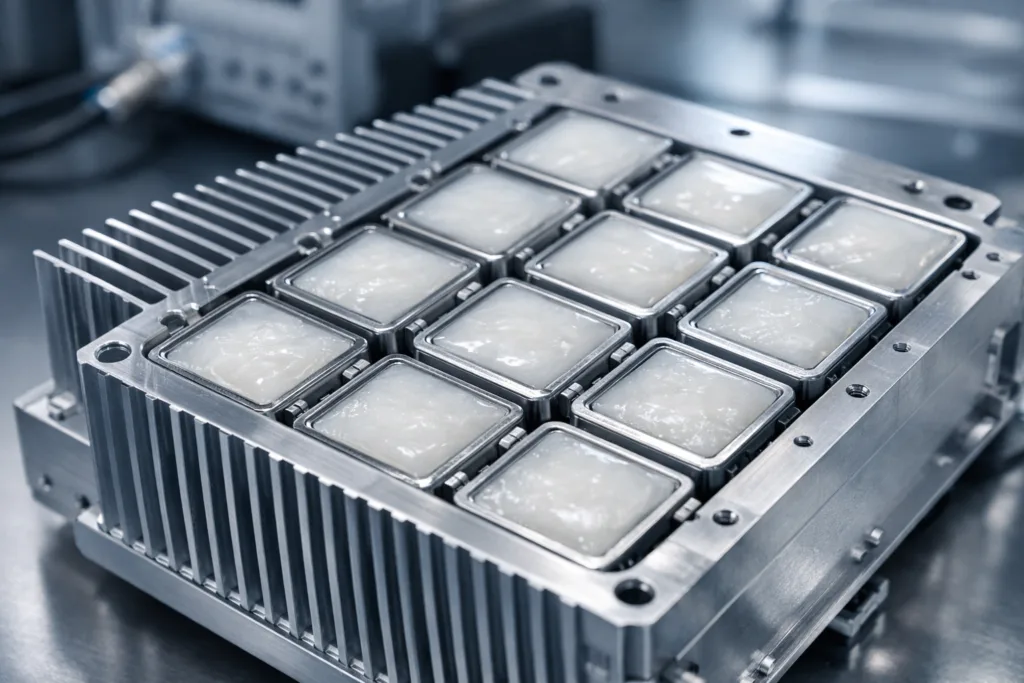
Consider an EV battery manufacturer who needs fast assembly & dielectric performance—no proven, general-purpose epoxy fits, so they co-design a two-part polyurethanebased mix that meets both adhesion and insulation standards. By contrast, a window manufacturer may use a standard automotive glass adhesive that has years of field-proven results, saving development time and cost. The key lesson: project context is king.
Checklist: What Industrial Buyers Should Prepare for Custom Projects
The smoother the intake, the faster (and less costly) the development. Have this data ready:
- List of all materials (with supplier datasheets, if possible)
- Drawing or photo of bonding joint (size, gap, stress direction)
- Details on part cleanliness, pre-treatment, or any contaminants
- Assembly line temperatures and production speeds
- If relevant, regulatory/certification targets (RoHS, REACH, UL, etc.)
Supplying small samples, or inviting the vendor to observe in-person, can surface issues that wouldn’t show up in written specs.
Lessons from the Field: Preventing Common Pitfalls
From the experience of ZDS Adhesive, an industrial adhesive manufacturer, the top avoidable issues in custom projects include:
- Overlooking surface energy or cleaning steps (even a slight residue can cut bond strength by 80%)
- Requesting unsupported color or property combinations (e.g., crystal clear and ultra-tough in a hot-melt system)
- Insufficient pilot testing (finding out line clogging or slow cure after scale-up, not before)
- Missing shelf-life or packaging constraints—especially for dual-barrel or reactive systems (pot life and ease-of-use trade-offs)
Following a stepwise, test-and-learn workflow allows issues to be caught early. When in doubt, run parallel tests with a proven standard adhesive as a control.
How Custom Adhesive Projects Support New Product Innovation
Custom adhesives are key enablers of new products—think lighter cars, flexible electronics, medical wearables, and safer battery packs. By working side-by-side with material engineers, adhesive specialists help bridge the gap between concept and scalable, certifiable assembly, ensuring that manufacturing constraints do not stifle innovation.
Custom Adhesive Solutions Explained: From Project Brief to Full-Scale Manufacturing
So what does the full custom journey look like? In summary:
- Intake and requirement gathering sets project direction and identifies must-have factors
- Substrate analysis prevents surface mismatch failures
- Performance targets, selected with the real operating environment in mind, drive smarter chemistry choices
- Sampling, lab testing, and pilot trials reveal problems while changes are still easy and cheap
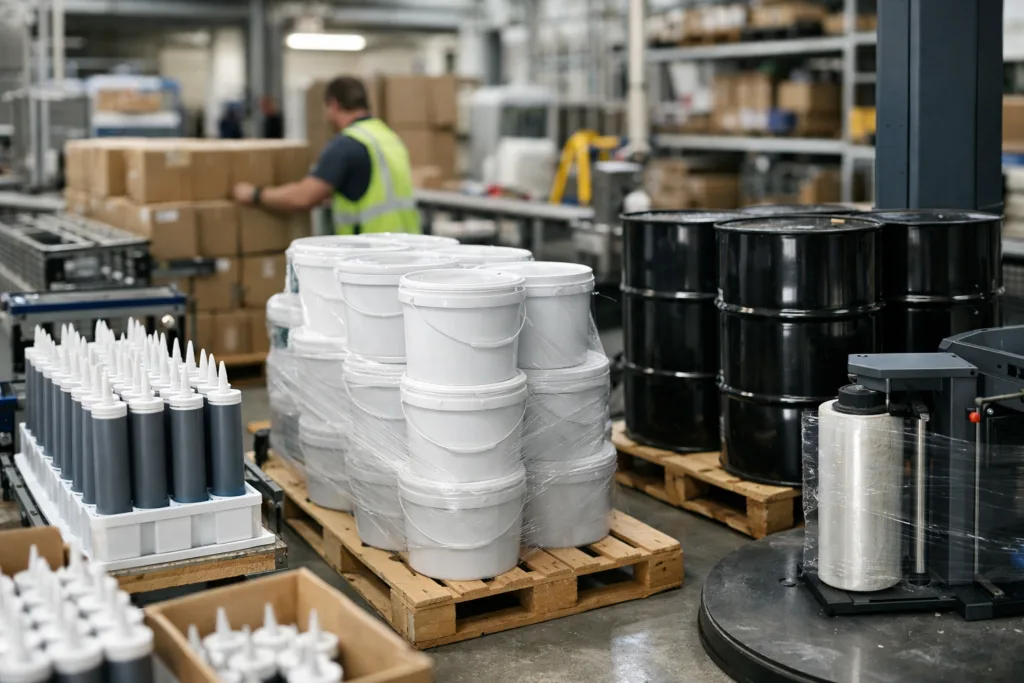
- Scale-up with robust QC makes sure every drum or syringe does what the first sample did—consistently, order after order
- Clear two-way communication minimizes costly surprises
Conclusion: Making Custom Adhesive Development Manageable (and Profitable)
Custom manufacturing adhesive solutions don’t need to be intimidating. With a clear intake, practical test protocols, and pilot trials, industrial customers gain confidence that their new bonding solution will work—in the lab and on the factory floor. The result is faster time to market, fewer recalls, and products that meet (or exceed) demanding targets. Trust the process, ask good questions, and prepare for a productive partnership—your next innovation could depend on it.
Frequently Asked Questions
What is the typical timeline for custom adhesive development?
From initial intake to final production, the custom adhesive development process can range from 6 to 18 weeks, depending on complexity and how quickly samples can be tested and approved.
Can small or mid-sized manufacturers benefit from custom adhesives?
Yes, many custom projects start with lower minimum order quantities (MOQ). Tailored solutions can help smaller companies solve unique problems or meet regulatory requirements that standard products can’t handle.
What test methods are used to evaluate adhesive bonds?
Industry-standard tests include lap shear, peel tests, thermal cycling, humidity aging, and chemical resistance. These are chosen to mimic real service conditions and reveal both average and worst-case outcomes.
When should we use a primer with a custom adhesive?
If substrates have low surface energy, are contaminated, or need added durability, a primer or surface treatment is often critical. Your adhesive supplier will advise based on material analysis.
How do I know if an off-the-shelf adhesive is enough?
If your joint matches standard test data and you face no unusual loads, exposures, or certification pressures, a proven stock adhesive is often the fastest, lowest-cost choice. Consult suppliers when in doubt.
How is intellectual property (IP) managed with custom formulas?
Most suppliers keep your formula confidential. Ownership of the formula (joint or supplier-owned) should be clarified at the project start, especially for long-term supply agreements or regulatory filings.
Related Reading
- The Industrial Buyer’s Guide: 9 Expert Steps for Selecting Reliable Adhesive Manufacturers
- 7 Industry Solutions for Quieter E-Motors: Real-World Damping Adhesive Performance
- How Acrylic Adhesives Slash Your Metal Bonding Prep Time (and Improve Results)
- Shop a Wide Range of Epoxy Adhesives for Manufacturing
- Reliable Metal Glue Manufacturers: Choosing the Right Supplier