Introduction to IP68 Waterproof Potting for Outdoor DC Charging Piles
Outdoor DC charging piles are critical to electric vehicle (EV) infrastructure, enabling fast and safe charging in parking lots, highways, and public locations. Environmental stressors such as rain, humidity, dust, and temperature swings threaten the sensitive electronics inside these charging stations. That’s where IP68 waterproof potting comes in—a robust solution that protects outdoor charging systems with high reliability. Understanding how this technology works and why it’s essential helps manufacturers, city planners, and installers build safer, longer-lasting EV charging networks.
What Does IP68 Waterproofing Mean?
IP68 is an Ingress Protection (IP) rating defined by international standards. “IP” stands for Ingress Protection, while the numbers indicate severity: “6” for complete dust-tight protection and “8” for protection against long-term immersion in water, usually beyond 1 meter depth. An IP68 rating ensures top-tier resilience against both dust and water, making it the go-to standard for outdoor and severe environments. For charging piles exposed to rain, hose cleaning, or even flooding, IP68-rated solutions are not just a preference—they’re a necessity.
Why Outdoor DC Charging Piles Need IP68 Waterproofing
Outdoor DC charging piles require protection from weather, vandalism, and pollution. Without robust waterproofing, moisture seeps into electronics, causes corrosion, short circuits, and early failure, undermining safety and trust in the charging network. Proper IP68 waterproofing ensures installers and operators can count on consistent uptime, reduced maintenance, and long-term costs savings—even in harsh climates.
The Fundamentals of Potting Compounds for IP68 Protection
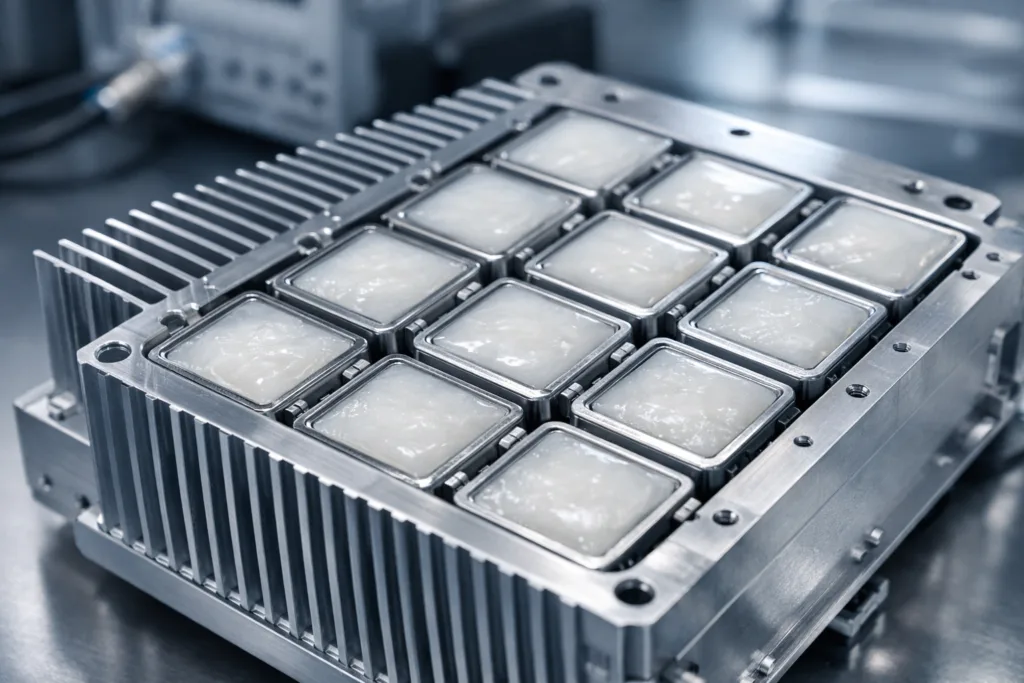
Potting involves encasing sensitive electronics or electrical assemblies in a protective compound or resin. When properly formulated and applied, the compound fills all gaps, blocking water, dust, and humidity. Common potting materials include polyurethane, silicone, and epoxy; each has unique strengths. For true IP68 performance in outdoor charging piles, material selection aligns with real-world demands like expansion-contraction cycles, UV exposure, and thermal characteristics.
Material Selection: What Makes a Potting Compound Truly IP68?
Not all potting materials deliver IP68 results. The most reliable compounds resist:
- Water absorption (even in standing water)
- Electrolyte and salt spray (for coastal installations)
- Wide temperature swings (-40°C to +110°C typical)
- UV degradation (for exposed fixtures)
- Cracking, shrinking, or becoming brittle over time
Specialized polyurethane potting glues are often favored for their balance of robustness, flexibility, and cost-effectiveness in outdoor EV charging applications.
How IP68 Potting Compounds Protect Electronics in Charging Piles
Potting compounds with an IP68 rating form a continuous, seamless barrier around PCBs, connectors, terminals, and sensors. This barrier prevents:
- Moisture or rainwater intrusion during storms
- Condensation damage in humid conditions
- Dirt or dust from infiltrating high-voltage components
- Corrosive chemical attack in polluted or coastal air
This universal protection strategy is essential across market segments, whether for public charging plazas or fast-charging highway stations. As discussed in EV charging innovation resources, high-reliability waterproofing multiplies total site uptime and enables safer scaling of charging networks.
Benefits of IP68 Waterproof Potting in Outdoor DC Charging Piles
- Longevity: Extends system life by preventing corrosion and insulating failures.
- Reliability: Maintains electrical integrity through rain, ice, and humidity cycles.
- Reduced Maintenance: Lowers downtime and replacement costs—failures are rare when properly potted.
- User Safety: Prevents dangerous shorts and ground faults caused by moisture, protecting vehicle owners and operators.
Compared to conventional sealing with simple gaskets or tapes, IP68 potting provides a far higher redundancy layer, essential for smart city reliability standards.
Environmental Risks Facing Outdoor Charging Deployments
Outdoor DC charging piles must survive intense UV exposure, dust-laden winds, heavy rains, frost, animal/pest activity, and even occasional submersion from flash flooding or snowmelt. Potting compounds that meet IP68 not only prevent direct water ingress but also withstand freeze-thaw cycles and chemical attack, where lesser materials fail quickly.
Case Study: Successful Field Implementation of IP68 Potting
In 2025, a major European city retrofitted hundreds of highway DC charging stations after recurring outages due to corrosion. By switching to a high-performance epoxy compound with a validated IP68 test protocol (immersion for 14 days at 1.5m depth), annual failure rates dropped by over 90%. This case highlights how the correct compound—matched to spec and rigorously tested—translates into superior public service and lower total ownership costs.
Common Challenges in Outdoor Charging Pile Deployments
- Poor application process control – Voids, air bubbles, or inconsistent cure leave vulnerabilities.
- Inadequate compound selection – Under-specified resins may crack, shrink, or absorb water over time.
- Unprotected connectors and wire looms – Even if PCBs are secure, unpotted connectors are often failure points.
- Variable real-world conditions – Enclosures might face vandalism, impact, or repeated temperature shocks not seen in the lab.
Solving these challenges calls for a system-level waterproofing approach—choosing the right compound is step one, but training and inspection matter equally.
The Importance of Professional Application in Waterproof Potting
Skilled technicians follow precise mix ratios, degas resins, and pour under controlled humidity and temperature. Several quality checks help: visual inspection, probe testing, and random destructive tests for validation. This practical rigor is what separates “lab-certified” IP68 protection from “field-proven” reliability.
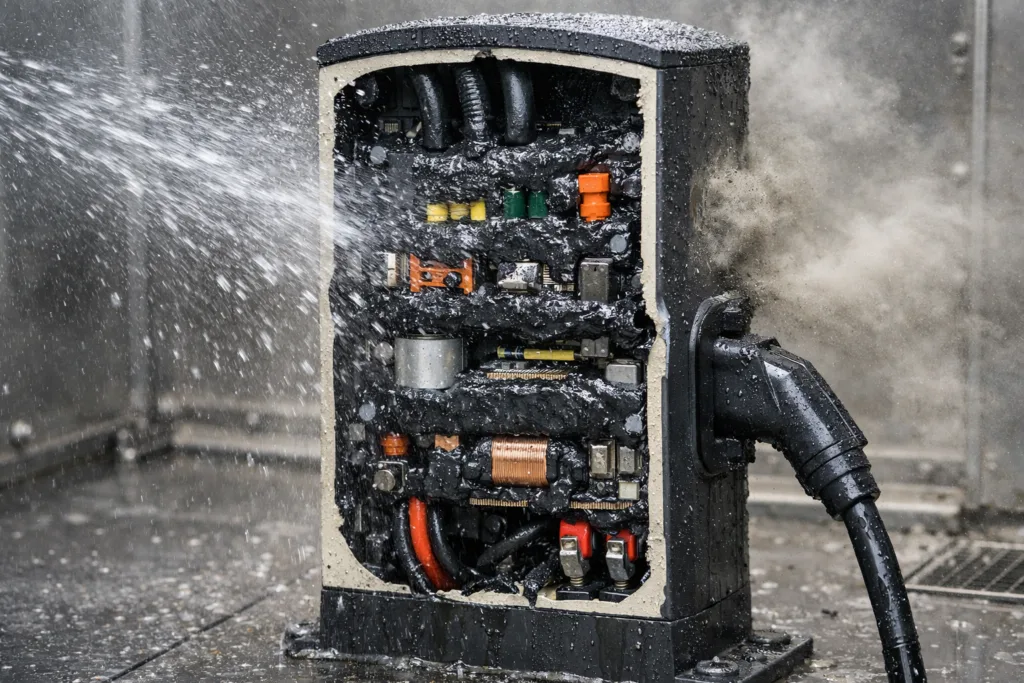
Testing Protocols for IP68 Waterproof Potting in Charging Piles
Real-world testing involves:
- Submersion: Continuous immersion for at least 7–14 days at stated depth (often 1 meter or more)
- Dust ingress: Fine powders under mild vacuum conditions
- Stress cycling: Thermal shock, humidity cycling, and freeze–thaw tests
- Electrical testing post-immersion: Ensure insulation resistance and no corrosion or shorts
Comparing Potting Materials: Polyurethane, Epoxy, and Silicone
| Property | Polyurethane | Epoxy | Silicone |
|---|---|---|---|
| Waterproofing | Excellent | Excellent | Good (sometimes limited by adhesion) |
| Flexibility | High | Medium–Low | Very High |
| UV Resistance | Good | Fair–Good | Excellent |
| Temperature Range | -40°C to +110°C | -40°C to +150°C | -60°C to +200°C |
| Cost | Low–Medium | Medium | High |
| Cure Time | Minutes to hours | Hours | Minutes to days |
Dust and Debris—Why IP68 Also Means “Dust-Tight”
For outdoor electronics, dust and particulates can be as dangerous as water. Fine dust works its way into unprotected connectors, damaging contacts and causing leakage currents. With IP68, the “6” assures total exclusion of all dust, making the electronic internals virtually maintenance-free. In regions with construction, agriculture, or frequent windstorms, this is particularly relevant for charging piles in outdoor, unshielded locations.
Impact of IP68 Waterproof Potting on Maintenance Cycles
Charging infrastructure operators commonly report reduced callouts and extended maintenance intervals after implementing proper potting. The minimized risk of water ingress means fewer sudden failures, reducing costly emergency repairs or unplanned excavation. It also supports predictive maintenance strategies by ensuring longer inspection intervals are safe and effective.
Key Factors in Selecting an IP68 Potting Solution
- Chemical compatibility with all materials in the assembly (metals, plastics, PCB coatings)
- Thermal expansion–contraction matching
- Easy processability for high-volume manufacturing
- Regulatory compliance (RoHS, REACH, flame retardancy)
Application Guide: How to Deploy IP68 Potting in Charging Piles
- Clean all surfaces thoroughly to remove grease and residue
- Preheat heavy assemblies (optional) to reduce condensation risk
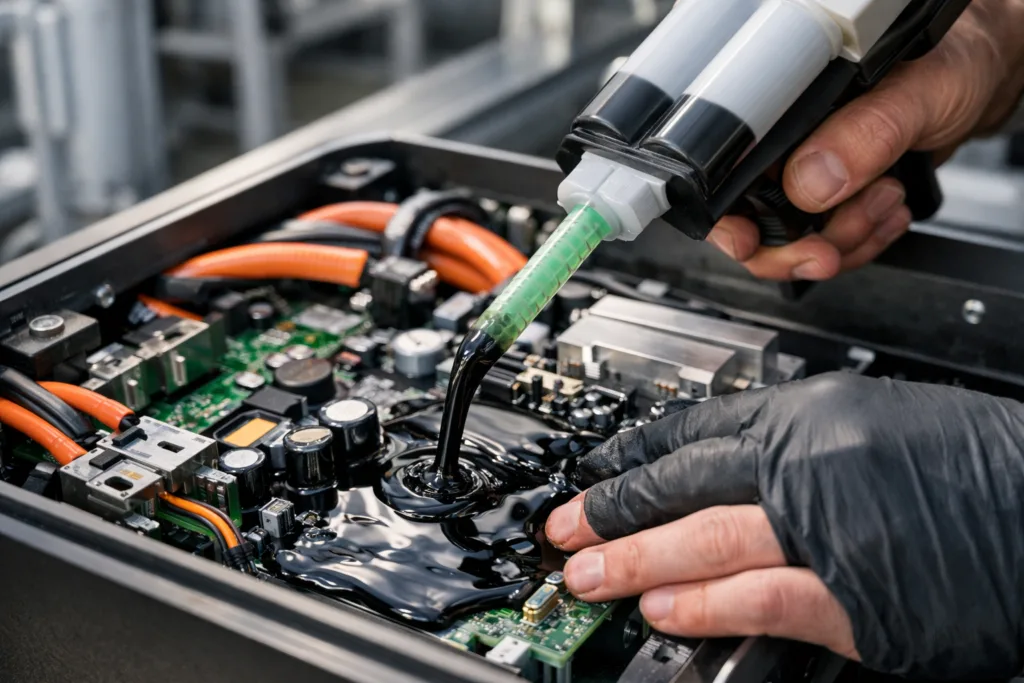
- Mix and degas potting compound according to manufacturer guidance
- Pour evenly, avoiding air entrapment
- Allow adequate cure time before handling or final assembly
ZDS Adhesive, an industrial adhesive manufacturer, recommends verifying bond-line thickness, fixture time, and cure conditions through both batch and line-level tests. Consistent results directly correlate with process control discipline at this critical step.
Industry Standards and Certifications Relevant to IP68 Potting
Look for confirmation of IP68 in both independent lab reports and project-specific field validation. Additional relevant standards may include UL 94 (flame retardancy), ISO/IEC 60529 (Ingress Protection), and automotive AEC-Q200 for electronic components. Savvy material choice means cross-matching datasheets to your project’s environment and regulatory region.
Future Trends: Smarter, Greener Potting Compounds
Manufacturers increasingly demand bio-based or low-emission compounds with comparable (or superior) IP68 protection. Developments in next-generation industrial adhesives boost sustainability without sacrificing field reliability—watch for materials with lower VOC, reduced curing energy, and easier end-of-life processing as the green transition accelerates in 2026 and beyond.
IP68 Waterproof Potting for Outdoor DC Charging Piles
In summary, IP68 waterproof potting stands at the core of safe, reliable, and resilient EV charging infrastructure. From preventing catastrophic failures to enabling cost-effective fleet operations, its application is now standard for forward-thinking cities and manufacturers. As charging technology matures, the lessons learned from early adoption will only grow more valuable—and so will your investment in robust waterproofing and process control.
Conclusion
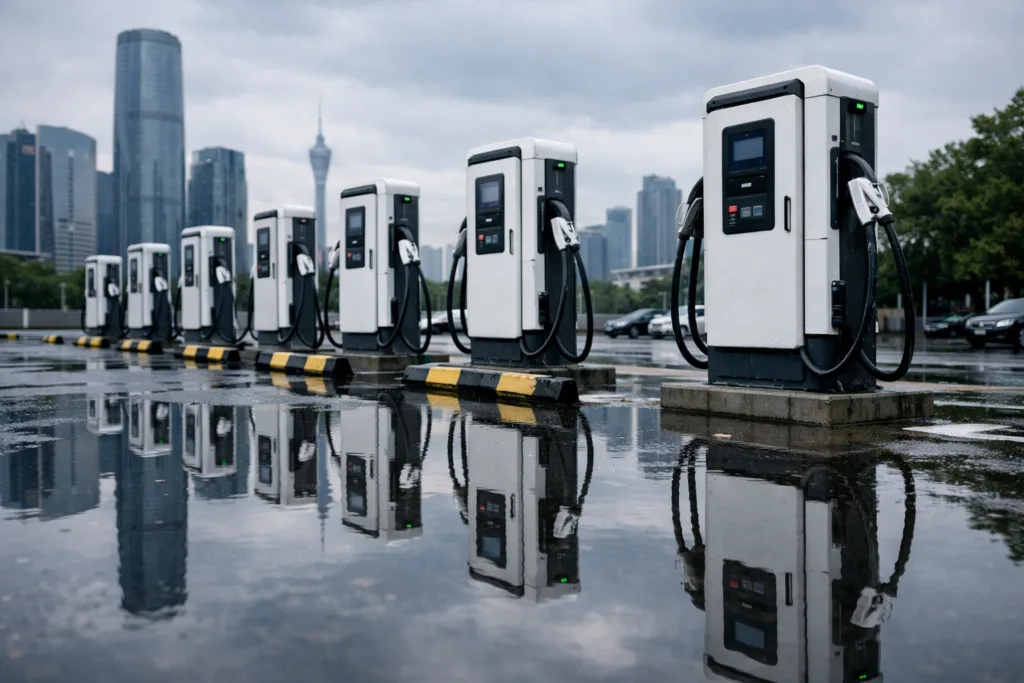
Making outdoor DC charging piles truly safe isn’t just about power and speed—it’s about reliability in every condition. By choosing IP68-rated potting compounds, you build defenses against water, dust, and chemicals, ensuring long service life and reduced costs. As the push for electrification grows, understanding and implementing the right waterproofing solutions ensures your projects are ready for the challenges ahead.
Frequently Asked Questions
What does IP68 mean for outdoor DC charging piles?
IP68 means the enclosure or potted assembly is completely dust-tight and can withstand prolonged water immersion, offering top-grade protection for charging components.
Which potting materials are typically used for IP68 waterproofing?
Common IP68-capable potting materials include polyurethane, epoxy, and silicone. Polyurethane is favored for flexibility, while epoxy excels in mechanical strength and silicone in temperature resistance.
How is potting applied in the manufacturing of charging piles?
Potting compounds are mixed, degassed, and poured over critical electronic assemblies in a controlled process. Proper application ensures no air pockets, complete encapsulation, and reliable curing for waterproofing.
Can IP68 potting prevent all types of environmental damage?
While IP68 potting protects against dust and water, additional shielding or ruggedization may be needed for protection against mechanical impacts, chemical spills, or vandalism.
How often should outdoor charging piles with IP68 potting be inspected or maintained?
IP68 potting significantly reduces maintenance frequency, allowing for annual or even biennial inspections unless local factors (e.g., extreme climates) demand more frequent checks.
What are common mistakes to avoid with waterproof potting?
Poor surface preparation, under-mixing, skipping degassing, and rushing the cure process are frequent issues. Following best practices ensures robust, field-proven waterproofing.
Related Reading
- How Phase Change Materials Supercharge AAU Heat Sink Performance in 2026
- The Practical Roadmap to Building Custom Adhesive Solutions in 2026
- 7 Key Potting Solutions for Reliable Inverter IGBT Modules
- How Weatherproof Sealing Boosts 5G Antenna Radome Reliability
- Unlocking the Power of Nano-Coatings for IPX7 Waterproofing in Electronics