Introduction: Why Low Odor Acrylic Formulations Matter for Factory Safety
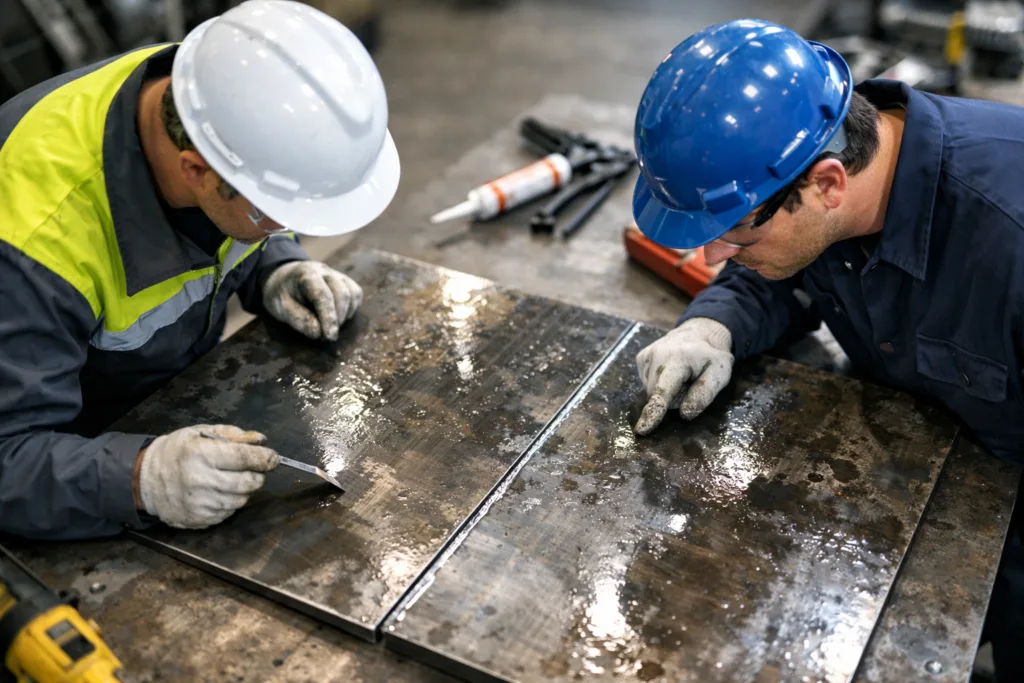
Factory environments are rapidly evolving to place health, safety, and airborne quality at the center of production decisions. Among the most crucial advancements: low odor acrylic formulations for factory safety. These modern acrylics are designed to minimize VOC emissions and offensive fumes, directly reducing health risks for workers and facilitating regulatory compliance. But their value doesn’t end with cleaner air—they also increase operator comfort and process stability across many manufacturing sectors.
The shift toward low odor acrylics reflects a broader industrial trend: prioritizing sustainable performance and compliance without compromising technical requirements. In this article, we’ll uncover how these advanced adhesives and coatings enhance safety, what’s inside their chemistry, and how factories see real-world gains after switching.
Understanding Low Odor Acrylics: Key Characteristics
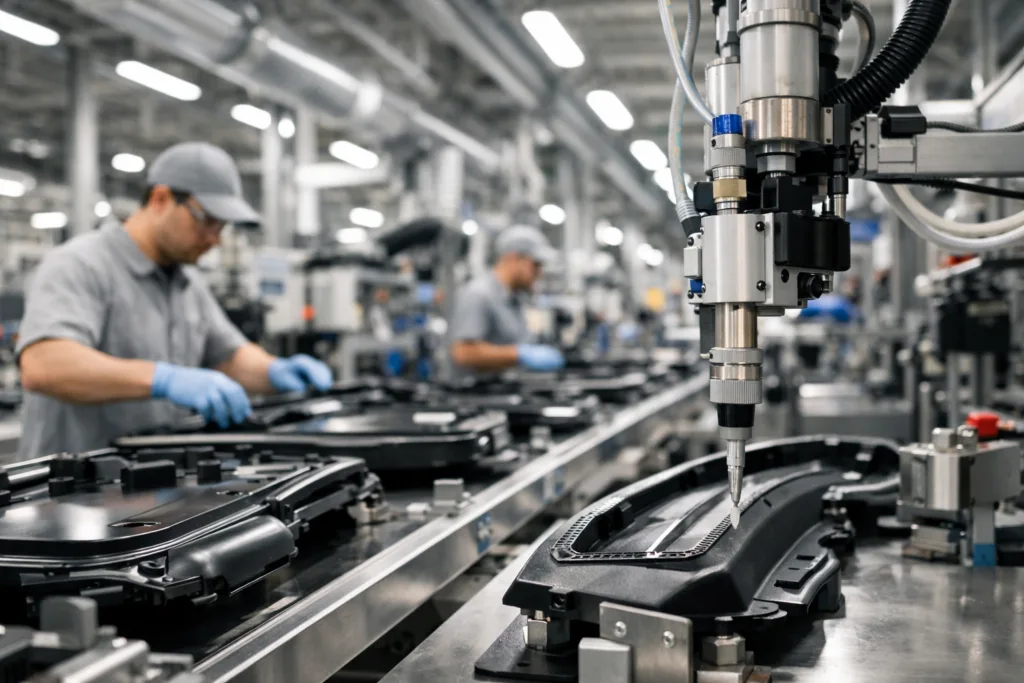
Low odor acrylics are specialized adhesive or coating products engineered to release minimal volatile organic compounds (VOCs) and harsh-smelling solvents during and after application. Their main distinguishing features include:
- Ultra-low VOC content (often <50 g/L)
- Absence of aggressive solvents (like toluene, xylene, or strong amines)
- Monomer blends optimized for reduced fume generation
- Safe curing profiles (UV, thermal, or moisture, depending on formula)
- Retention of fast cure, robust bond strength, and clarity
Technically, these characteristics are achieved by tweaking the base acrylic resin and swapping out high-odor initiators and plasticizers for safer alternatives.
Why Factories Are Switching: The Safety Imperative
Worker well-being and regulatory pressure have accelerated the adoption of low odor solutions. Prolonged exposure to strong-smelling acrylics can cause respiratory irritation, headaches, or even long-term sensitization. Additionally, stricter limits from authorities worldwide—such as the EU’s REACH restrictions and China’s growing VOC controls—push manufacturers toward safer materials.
- Lower risk of acute or chronic health problems for operators
- Better air quality, requiring less ventilation and air handling investment
- Higher job satisfaction and worker retention
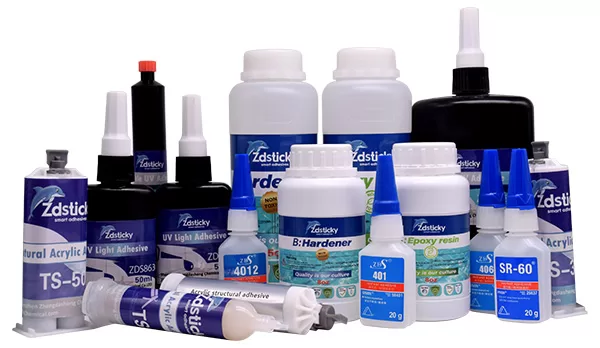
For example, factories switching to acrylic structural adhesives designed for low odor gain all these advantages without a drop in mechanical performance.
How Low Odor Acrylics Comply with Safety Regulations
Modern compliance standards target VOCs and hazardous air pollutants. Low odor acrylics simplify conformance through thoughtfully engineered compositions:
- Formulated to pass EN 16516 indoor air quality testing
- Meet U.S. EPA and California CARB low-VOC requirements
- Help meet company-wide exposure reduction goals
Documentation for these products usually includes full SDS sheets, VOC certificates, and real-world emission data for review during audits.
Breaking Down the Chemistry: What Makes an Acrylic Low Odor?
The odor in standard acrylics often originates from initiators (like benzoyl peroxide), stabilizers, and solvent carriers. To drastically cut fumes, manufacturers:
- Replace high-migration monomers (e.g., methyl methacrylate) with modern, low-odor versions
- Use advanced co-initiators and inhibitors to slow unwanted reactions without releasing strong-smelling byproducts
- Introduce environmentally friendly solvents or switch to solvent-free, 100% solid systems
- Incorporate tailored resins for specialty bond lines—allowing automotive glass adhesives, for example, to offer both clarity and comfort
Application Methods: Integrating Low Odor Acrylics in Manufacturing
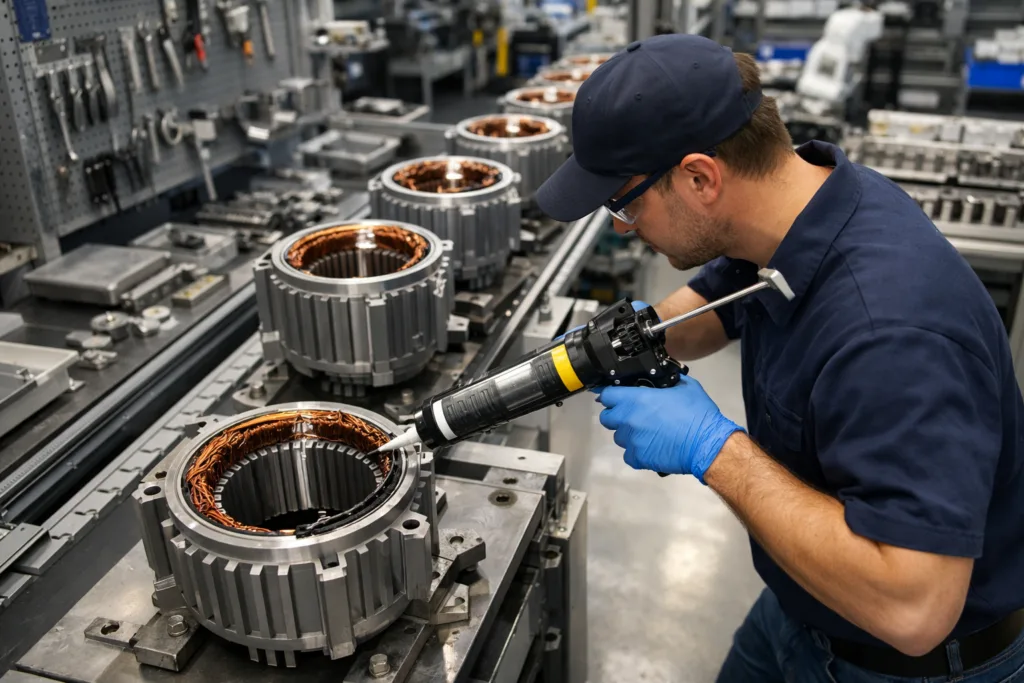
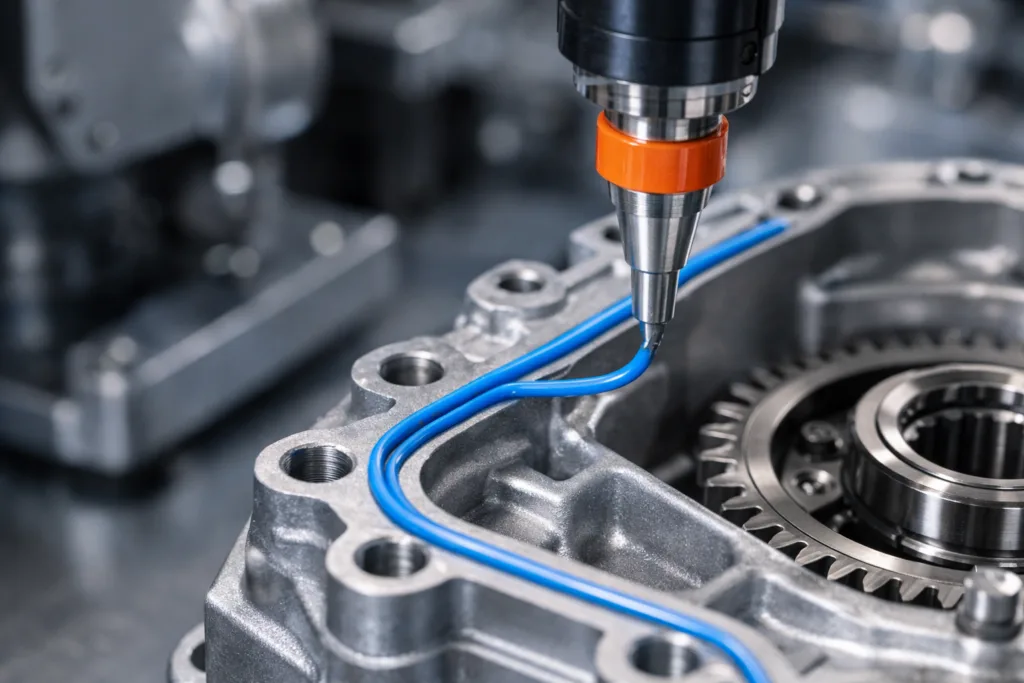
These acrylics work in virtually all industrial settings—manual assembly, precise robotic dosing, and high-speed roll-coating. Key benefits for application lines include:
- Less downtime for ventilation surges or air quality alarms
- Cleaner dispensing equipment and nozzle systems (fewer clogs from ‘fuming’ deposits)
- Wider window for open time and fixture—workers don’t need to rush due to odors
- Easy cleanup with water or light alcohol, reducing the need for harsh solvent washes
Worker Health Benefits: Less Irritation, Greater Comfort
According to industrial hygienists, switching to low odor acrylics significantly reduces complaints of headaches, sore throats, and eye irritation. Where standard adhesives once triggered mask usage and work slowdowns, low odor systems let operators work confidently without defensive PPE (unless required for other hazards). This means:
- Higher adherence to safety habits, since discomfort is reduced
- Lower absenteeism rates from chemical-related illness
- Easier compliance with Best Practice Guidelines
Comparing Low Odor Acrylics with Traditional Adhesives
| Attribute | Traditional Acrylic | Low Odor Acrylic |
|---|---|---|
| VOC Content | 100–700 g/L | <50 g/L |
| Operator Annoyance | Common (strong smell) | Almost none |
| Safety Regulation Risk | High (may exceed limits) | Significantly lower |
| Mechanical Performance | High | Comparable / often improved |
| Overall Cost | Standard | Slightly higher, offset by savings |
Industrial Applications: Where Low Odor Acrylics Excel
- Automotive: Cabin assembly, glass mounting, trim bonding
- Electronics: Component encapsulation where fumes may corrode or disrupt sensors
- General Assembly: High-throughput, worker-dense factories where odors quickly accumulate
- Wood and Furniture: Low odor means clients and finishers are more comfortable around wet adhesives
- Marine: Confined spaces benefit most from fume control
For specialty cases, such as glass glue solutions, low odor profiles protect sensitive materials from deposition and fogging issues, which are common with older chemistries.
Case Study: Automotive Plant Achieves Better Safety with Low Odor Acrylics
One prominent automotive Tier-1 supplier in East Asia faced high worker turnover during peak body-in-white production due to persistent adhesive fumes. By surveying operators and tracking indoor air quality, the plant isolated traditional acrylic adhesives as the root cause. A trial deployment using low odor, structural acrylics reduced ambient VOCs by 85% and slashed chemical-related health complaints by over 65%. Within weeks, absenteeism in these stations dropped, and productivity saw measurable improvement.
Case Study: Electronics Assembly Improves Surface Quality and Comfort
A consumer electronics firm upgraded to specialized, no-odor UV acrylics for bonding camera modules and display units. Previous glue lines intermittently exhibited surface haze and microcorrosion—solved by removing aggressive monomers from the process. Technicians who formerly wore respirators now work with standard safety glasses, and product rejection rates fell by 10% due to improved process control and fewer fume-induced surface defects.
Technical Evaluation: Real-World Testing Data
- Air sampling before/after switch: Average drop of 0.8 mg/m³ in aromatic VOCs (measured via GC-MS)
- Lap shear strength maintained at 19–25 MPa on steel and aluminum substrates
- Thermal cycling (–40°C to +120°C) passes after full cure
- No visible residue or fogging after 1000 hrs at 50% RH
From an assembly-line viewpoint at ZDS Adhesive, an industrial adhesive manufacturer, these test conditions are routinely required for OEM approval—proving that low odor doesn’t mean low performance.
Choosing the Right Low Odor Acrylic for Your Factory
- Assess VOC limits set by local and international standards
- Match cure profile (UV, thermal, ambient) to process speed and fixture needs
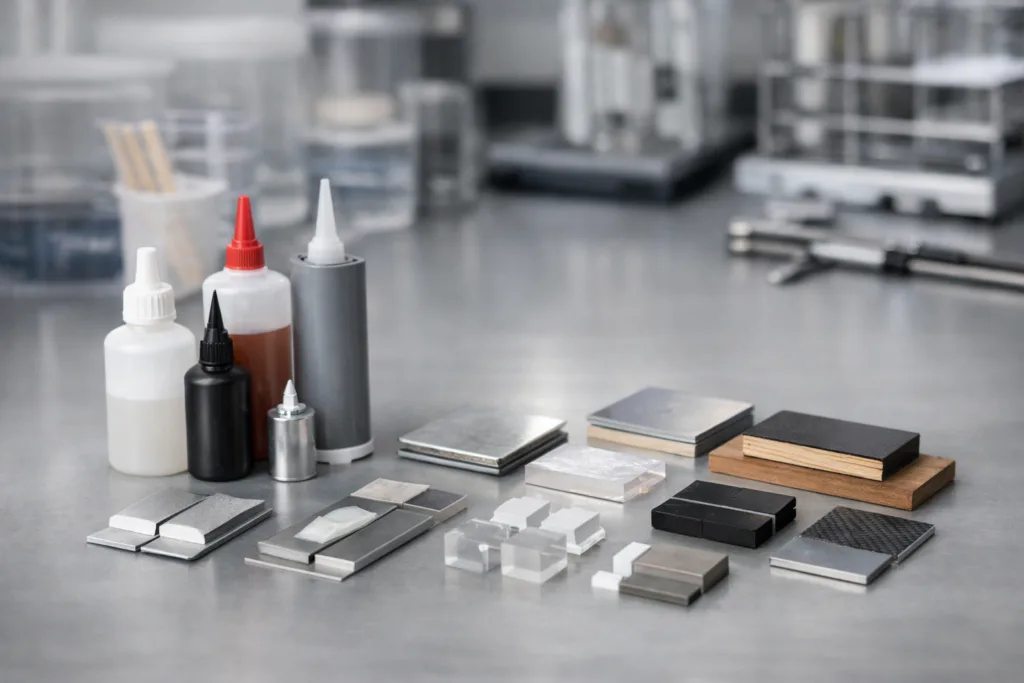
- Identify bonded substrates—metals, plastics, glass, composites
- Determine environmental stresses: humidity, chemical resistance, vibration
- Check certification/approval: OEM specs, EN, ASTM, RoHS, REACH
Implementation Tips: Rollout and Operator Training
- Pilot test with 1–2 work cells to monitor air quality and cure rates
- Document changeover process (cleaning, disposal, requalification checks)
- Train operators on new handling—emphasize relaxed PPE requirements where justified
- Update signage, SDS, and internal safety records
- Solicit continuous feedback from production staff
Common Challenges and How to Overcome Them
- Learning curve for mixing/applying new product types: Solution: Provide hands-on training and process documentation.
- Slight cost increase per unit: Solution: Calculate total cost of ownership savings from improved safety and lower ventilation needs.
- Uncertainty about long-term durability on exotic substrates: Solution: Demand accelerated aging and compatibility testing from suppliers.
Maintenance and Storage: Keeping Low Odor Acrylics Performing
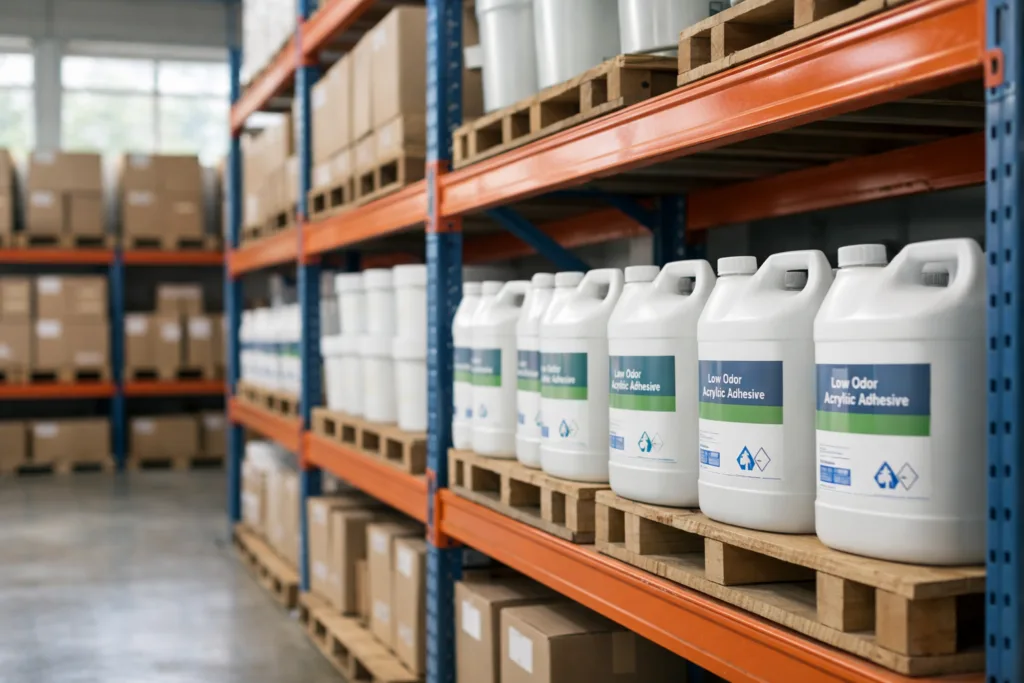
- Store sealed at room temperature; keep away from sunlight
- Use within shelf life (typically 6–12 months for acrylic systems)
- Schedule routine equipment cleaning to prevent buildup
- Dispose of all waste per local hazardous material guidelines—even though products are low VOC, safety protocols still apply
Key Takeaways: The Future of Safe, Low Odor Assembly
- Low odor acrylics deliver on both safety and performance in demanding manufacturing operations
- Switching reduces compliance headaches, workforce complaints, and process interruptions
- Technical advances mean no need to compromise mechanical properties for safer air
- Leading factories are already reaping the rewards—expect low odor requirements to become a new safety standard
Frequently Asked Questions
Do low odor acrylics perform as well as traditional high-odor products?
Yes, modern low odor acrylics are engineered to offer the same or even better adhesion, mechanical strength, and durability as their standard counterparts. They pass industry tests for shear, peel, and environmental stability.
How can factories measure the impact of switching to low odor acrylics?
Track VOC levels using air sampling equipment, record reduction in health complaints, and evaluate changes in worker comfort and absenteeism. Most companies see rapid improvements within weeks of implementation.
Are low odor acrylics compatible with automated dispensing systems?
Absolutely. These formulations are typically designed for plug-and-play integration with manual, semi-automated, and robotic systems, with no major changes in equipment setup required.
What is the typical shelf life of low odor acrylic adhesives?
Most low odor acrylics have a shelf life of 6–12 months when stored sealed, away from direct sunlight and at recommended temperatures. Always check the manufacturer datasheet for specifics.
Can low odor acrylics really eliminate the need for PPE?
While low odor formulations reduce the risk of inhalation-related issues, PPE may still be needed for other hazards. Always follow plant safety protocols for complete protection.
Are low odor acrylics more expensive than traditional options?
There may be a slight increase in per-unit cost, but factories usually recover this investment via reduced ventilation needs, fewer absentee days, and smoother audits.
Related Reading
- Revolutionize Metal Bonding: How Acrylics Minimize Surface Prep Time
- Your 2026 Procurement Guide to Reliable Adhesive Manufacturers
- Why 2nd Gen Acrylics Outperform Rivets in Modern Production
- Unlock 8 Key Benefits of Structural Acrylics in Automotive BIW
- Practical Ways Damping Adhesives Boost Factory Panel Durability