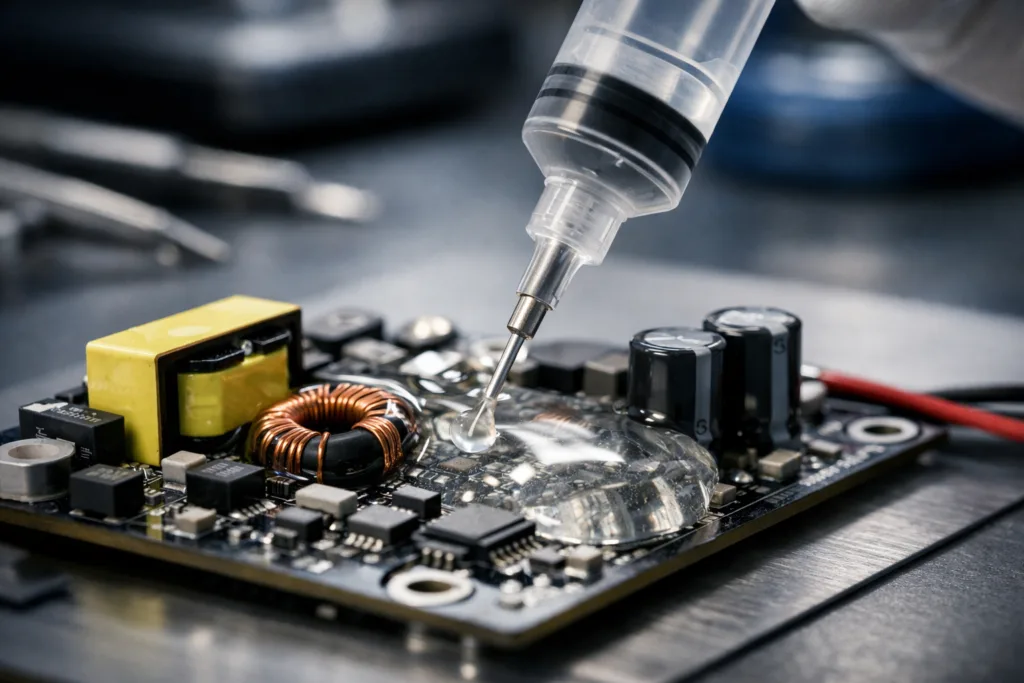
Introduction: Why Magnet Bonding Matters in Electromobility
Magnet bonding plays a pivotal role in high-speed electric vehicle (EV) motors, influencing both their efficiency and longevity. At the heart of these motors, bonded magnets convert electrical energy to motion—making the quality and shear strength of adhesive joints a major concern for engineers and manufacturers. This article offers a deep dive into magnet bonding in high-speed EV motors—including shear strength analysis, bonding materials, and real-world assembly tips.
The Basics of Magnet Bonding in EV Motors

Bonding magnets is a process where adhesives—like epoxy, polyurethane, and acrylics—secure magnets onto rotors or stators within an EV motor. Unlike mechanical fastening, bonding allows for lighter designs, less vibration, and precise placement. Manufacturers often rely on epoxy adhesive products for robust performance in demanding automotive applications. Shear strength, a measure of how well a bonded joint resists sliding forces, is the key metric for safety and motor performance.
Why Shear Strength Is Critical
In high-speed motors, magnets experience heavy shear forces during operation and sudden acceleration. If the bond fails, a magnet may detach, leading to critical motor failure. Shear strength helps engineers predict durability: higher values mean a longer service life and fewer breakdowns.
Types of Adhesives Used for Magnet Bonding
Different adhesives bring unique properties to magnet bonding. Here are the most common types:
- Epoxy Adhesives: Offer high shear and peel strength, excellent thermal resistance, and stable performance under moisture exposure.
- Polyurethane Adhesives: More flexible, better for vibration damping, good for assemblies subject to dynamic loads.
- Acrylic Structural Adhesives: Fast-setting, structural, suitable for demanding EV environments.
- Cyanoacrylate Adhesives: Ideal for rapid production, but less durable under high temperatures.
For High-Speed EV motors, epoxy adhesive and acrylic structural adhesive are favored due to their high shear strength and stability under thermal cycling.
Comparing Epoxy vs. Polyurethane for Magnet Bonding
| Property | Epoxy Adhesive | Polyurethane Adhesive |
|---|---|---|
| Shear Strength | Very High | Moderate |
| Flexibility | Low | Excellent |
| Thermal Resistance | 120–180°C | Up to 120°C |
| Assembly Speed | Slower | Faster |
| Typical Applications | EV rotors, stators | Vibration damping assemblies |
Magnet Bonding in High-Speed EV Motors: Shear Strength Analysis
Shear strength analysis is performed through a range of standardized tests—such as lap shear, torsion, and thermal cycling. Engineers measure how much force the bond can withstand before failure. The typical steps include preparing magnet and substrate samples, applying adhesive, curing under controlled conditions, and then subjecting samples to a shear force until the adhesive joint fails.
Testing Methodologies
- Lap shear tests (ASTM D1002): Simulate real operating forces.
- Thermal cycling: Exposes bonds to repeated heating and cooling, testing durability.
- Humidity aging: Evaluates joint stability under moisture.
- High-speed impact: Assesses failure risk during dynamic events.
Quality adhesives must pass all these tests to ensure magnets won’t detach under peak EV motor conditions.
Factors Influencing Magnet Bond Shear Strength
Several factors affect the ultimate shear strength value:
- Substrate material (e.g., steel vs. aluminum rotors)
- Surface preparation (cleaning, priming, plasma treatment)
- Bond-line thickness and uniformity
- Adhesive curing conditions
- Operating temperature range
- Moisture and environmental exposure
For the highest reliability, substrate surfaces are often cleaned and treated before applying a bonding adhesive—even tiny residue can impact adhesion.
Optimizing Surface Preparation for Better Shear Strength
Modern assembly lines use automated cleaning, mechanical abrasion, or even plasma treatments to improve surface energy and ensure maximal adhesive contact. From an application engineering viewpoint at ZDS Adhesive, an industrial adhesive manufacturer, poorly prepared surfaces often result in adhesive failure under shear loads—especially in high-speed EV motors.
Operational Conditions: Challenges for Magnet Bonds in EV Motors
EV motors face harsh environments—rapid accelerations, heat buildup, moisture ingress, and mechanical shocks. Magnet bonding must withstand:
- Wide temperature swings
- Continuous vibration
- High humidity or water splash
- Electrical currents and stray voltages
Industrial adhesives are formulated for these stressors, but choosing the right adhesive is key. Thermal cycling and humidity aging are mandatory stress tests in product qualification.
Shear Strength for Thermal and Humidity Resistance
The best magnet bonding materials offer consistent shear strength after thermal cycling or humidity exposure. Engineers may select industrial adhesives specifically rated for EV motor requirements.
Long-Term Reliability: Predicting Magnet Bond Performance
Long-term reliability depends on maintaining shear strength across years of operation. Predictive testing analyzes adhesive performance after repeated cycles and throughout the entire motor lifespan:
- Cyclic fatigue and load tests
- Sample aging under real-world conditions
- Continuous monitoring for early failure signs
High shear strength values in initial tests must translate to durability in actual usage—otherwise, magnets may shift, leading to noise, vibration, or full breakdown.

Bonding Techniques: Direct vs. Indirect Magnet Bonding
Magnet bonding methods fall into two main categories:
- Direct bonding: Adhesive applied directly between magnet and rotor/stator.
- Indirect bonding: Adhesive fills gaps or secures magnetic assemblies (sometimes with mechanical supports).
Direct bonding is favored for high-speed motors due to tighter tolerances and higher shear strength. Indirect approaches suit large, slower applications.
Magnet Bonding Process Steps for High-Speed EV Motors
- Surface cleaning (solvents or mechanical abrasion)
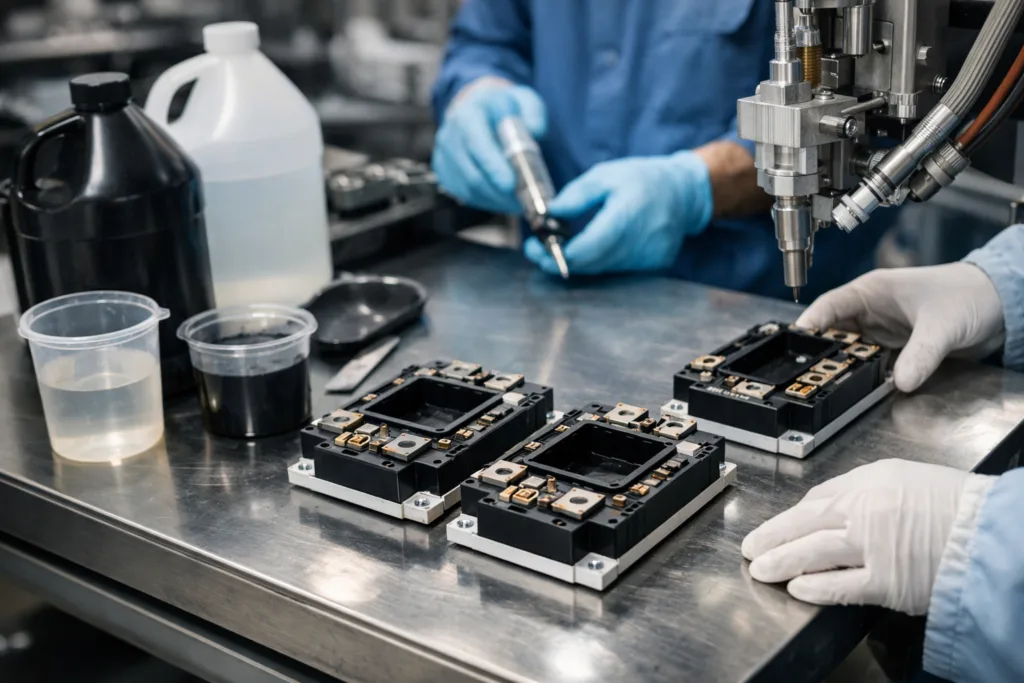
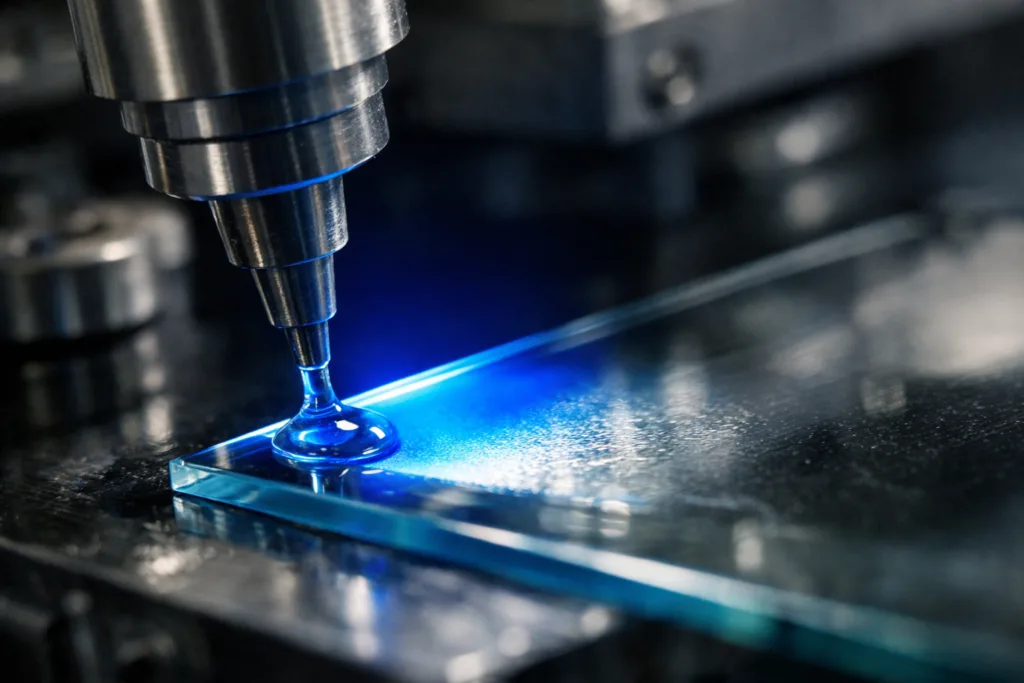
- Adhesive application (precision dispensing)
- Magnet placement (robotic or manual alignment)
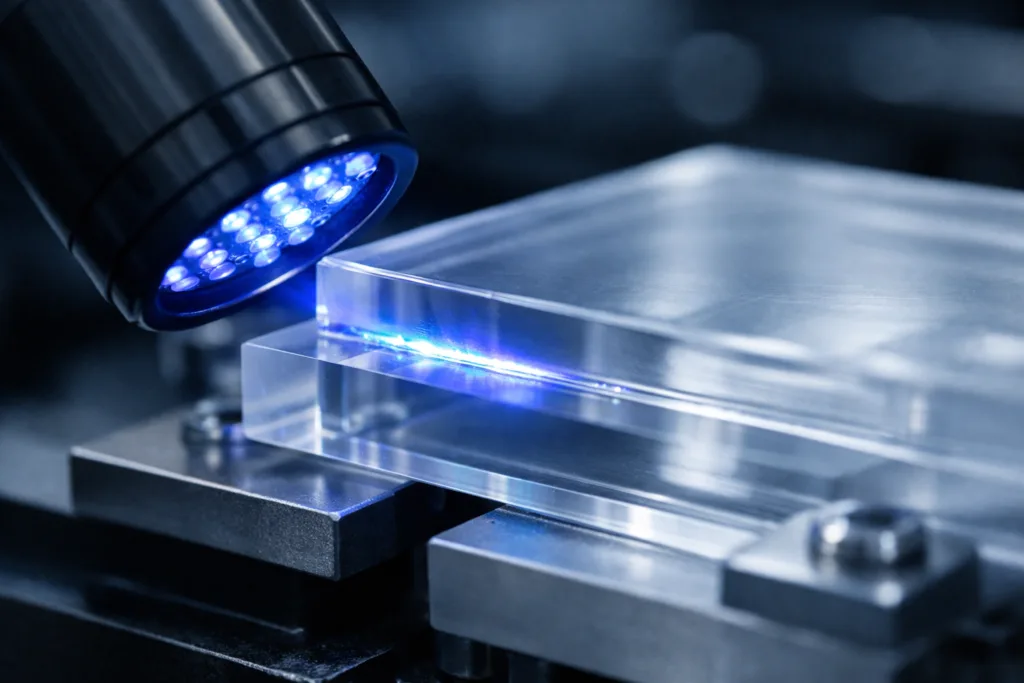
- Controlled curing (usually heat or UV)
- Quality inspection—checking shear strength and bond-line integrity
Comparative Analysis: Magnet Bond Failure Modes
Common shear-related failure modes include:
- Cohesive failure: Bond breaks within the adhesive layer
- Adhesive failure: Bond breaks at the surface (magnet or rotor)
- Fatigue failure: Joint fails over time due to cyclic stress
Engineers investigate these modes using micrographic analysis and test data to improve formulation and assembly processes.
Case Example: Improving Adhesion for EV Motor Magnets
After introducing plasma surface treatment, an automotive manufacturer saw lap shear strength increase by 40%—reducing magnet failures during high-speed testing. This experience highlights the value of surface energy enhancement.
Industry Trends: Magnet Bonding Innovations in 2026
Today, manufacturers are adopting advanced adhesives—like toughened epoxies and low-shrinkage UV glues—optimized for electric vehicle motors. Data-driven process controls and real-time quality monitoring are becoming standard, reducing rework and assembly errors.
Future Challenges for Magnet Bonding in EV Motors
- Increasing rotor speeds (20,000+ rpm)
- Higher operating temperatures
- Smaller bond lines—greater precision required
- Demand for fast, automated curing cycles
Innovative adhesives, new surface treatments, and smarter testing protocols are the next steps for reliability.
Practical Tips: Maximizing Magnet Bond Shear Strength
- Choose adhesives with proven high shear strength and environmental resistance
- Follow exact surface preparation steps (clean, prime, treat)
- Monitor bond-line thickness and uniformity
- Use controlled curing—heat or UV as required
- Test shear strength under realistic conditions
Practical experience shows that even minor deviations in adhesive application can lower bond strength and reliability.
Conclusion: The Value of High-Quality Magnet Bonding in High-Speed EV Motors

Magnet bonding is a cornerstone for modern high-speed EV motors, directly influencing their efficiency and service life. Shear strength analysis is an essential tool for preventing failures, optimizing assembly, and driving innovation in adhesives and surface preparation. As demands grow for faster, lighter, and more reliable electric vehicles, choosing the right adhesive and maximizing shear strength will remain a key focus for engineers and manufacturers.
Frequently Asked Questions
What is shear strength in magnet bonding?
Shear strength measures how much force a bonded joint can withstand before the adhesives slide or fail, crucial for magnet reliability in EV motors.
Why are epoxy adhesives commonly used for EV motor magnets?
Epoxy adhesives offer high shear strength, thermal stability, and moisture resistance, ideal for demanding EV motor environments.
How is shear strength tested in magnet bonds?
Through lap shear, fatigue, thermal cycling, and humidity aging tests, engineers evaluate how bonds hold up under realistic stresses.
Does surface preparation affect magnet bond strength?
Absolutely—clean, treated surfaces significantly boost adhesive performance and reduce the risk of bond failure during operation.
Can magnet bonds fail over time in EV motors?
Yes, poor adhesion, improper curing, or environmental stress can cause fatigue or adhesive failure, risking magnet detachment.
What adhesive options are best for high-speed EV motors?
High-performance epoxy, acrylic structural, and some polyurethane adhesives offer reliable shear strength and durability under EV conditions.
Related Reading
- Unlock Resilience: How Toughened Epoxies Transform Metal Adhesion
- Boost Safety: Using High-Modulus Adhesives for Stronger EV Chassis
- Must-Know Strategies for Hem Flange Bonding in Automotive Assembly
- Game-Changing Structural Acrylics for Body-in-White Assembly
- Next-Level Quiet: NVH Reduction with Advanced Adhesives in EVs