Introduction: Why Damping Adhesives Matter for E-Motor Noise Reduction
Electromotive motors (E-motors) are driving the transition to quieter, cleaner transport and automation. As more industries move toward electrification, the reduction of motor-generated noise has become vital. Noise Reduction in E-Motors using Damping Adhesives is not just a technical challenge—it’s key to comfort, safety, and regulatory compliance. Damping adhesives help mitigate vibrations and sound transmission, but to truly understand how they shape modern E-motor design, it’s worth exploring their mechanisms, applications, and effectiveness across different systems.
In this article, we’ll examine how damping adhesives act as a barrier against vibration, what kinds are available, and how their proper use influences everything from user experience to regulatory success. For those seeking advanced solutions, adhesive solutions for industrial applications and expertise in automotive adhesive manufacturing are becoming increasingly crucial to staying ahead in the industry.
Noise Reduction in E-Motors using Damping Adhesives
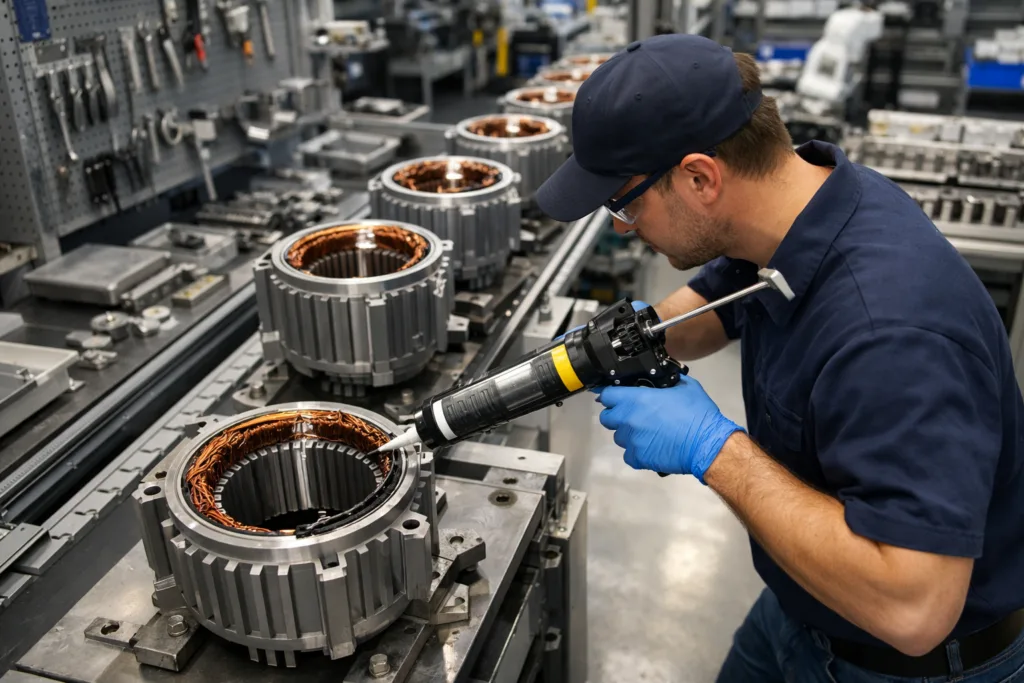
Reducing noise in electric motors is about far more than comfort—it’s about performance, endurance, and regulatory compliance. Damping adhesives are engineered to absorb, dissipate, and redirect kinetic energy, thus minimizing vibration and acoustic output. The process hinges on advanced formulations that blend viscoelastic behavior with strong adhesive capacity. For instance, polyurethane-based adhesives often offer excellent vibration isolation for heavy loads, while acrylic systems provide quick curing for lightweight components.
| Adhesive Type | Primary Application | Damping Mechanism | Typical Motor Segment |
|---|---|---|---|
| Polyurethane | Bonding & potting | Energy dissipation | Heavy industrial motors |
| Epoxy | Structural support | Stiffness & vibration absorption | Automotive drive units |
| Acrylic | Fast cure, light bonding | Surface damping | Small appliances, consumer motors |
Mechanisms: How Damping Adhesives Absorb Vibration and Reduce Sound
Damping adhesives work by transforming vibrational energy into heat, lowering the amplitude of sound waves that would otherwise propagate through motor assemblies. Their viscoelastic properties enable both immediate energy dissipation and sustained vibration control. In practice, adhesives are applied to strategic contact surfaces—stator/rotor interfaces, housing joints, and even magnetic components within the E-motor itself.
Viscoelasticity: The Heart of Damping Adhesion
Viscoelastic adhesives blend elasticity (absorption) and viscosity (dissipation). This means when vibrations occur in the E-motor, the adhesive can flex and soften (lowering peak frequency noise) and simultaneously convert mechanical movement to heat (reducing persistent hums or rattles).
Impact on Motor Design: Engineering Quiet Power
Modern E-motor designers integrate adhesive-backed isolation pads, potting compounds, and encapsulant systems into their noise reduction strategy. Proper placement is critical—a poorly positioned damping adhesive may fail to block critical frequencies, while targeted application can eliminate audible resonance entirely.
Damping Adhesive Types: Polyurethane, Epoxy, Acrylic, and Silicone
The diversity of damping adhesives allows engineers to match a system’s unique NVH (Noise, Vibration, and Harshness) requirements. Here’s a breakdown of commonly used types:
- Polyurethane Adhesives: Offer high flexibility and vibration absorption; ideal for heavy motors and large housings. See modern formulations in polyurethane potting glue for vibration isolation.
- Epoxy Adhesives: Provide structural and acoustic stability, often used for stator encapsulation and magnetic bonding.
- Acrylic Adhesives: Known for fast cure and moderate damping; efficient for lightweight and rapid assembly needs.
- Silicone Adhesives: Withstand thermal cycling and dampen vibration over extended periods, especially in motors exposed to fluctuating temperatures.
Application Methods: Maximizing NVH Reduction in E-Motors
Application technique determines the success of any damping system. Methods include:
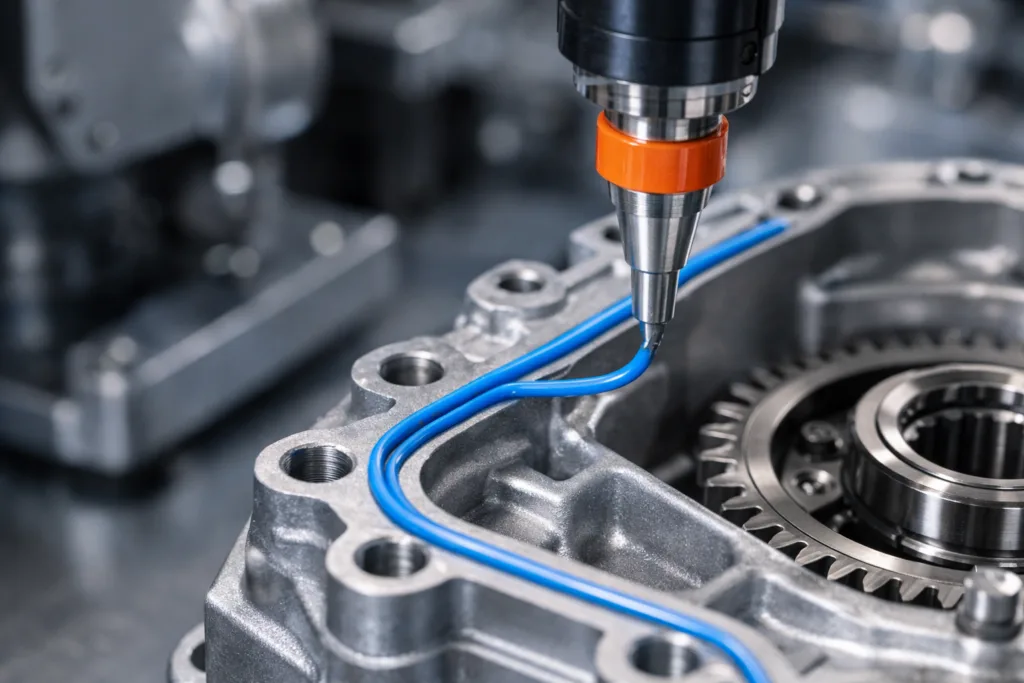
- Bond-line placement on housing or stator walls for direct vibration isolation
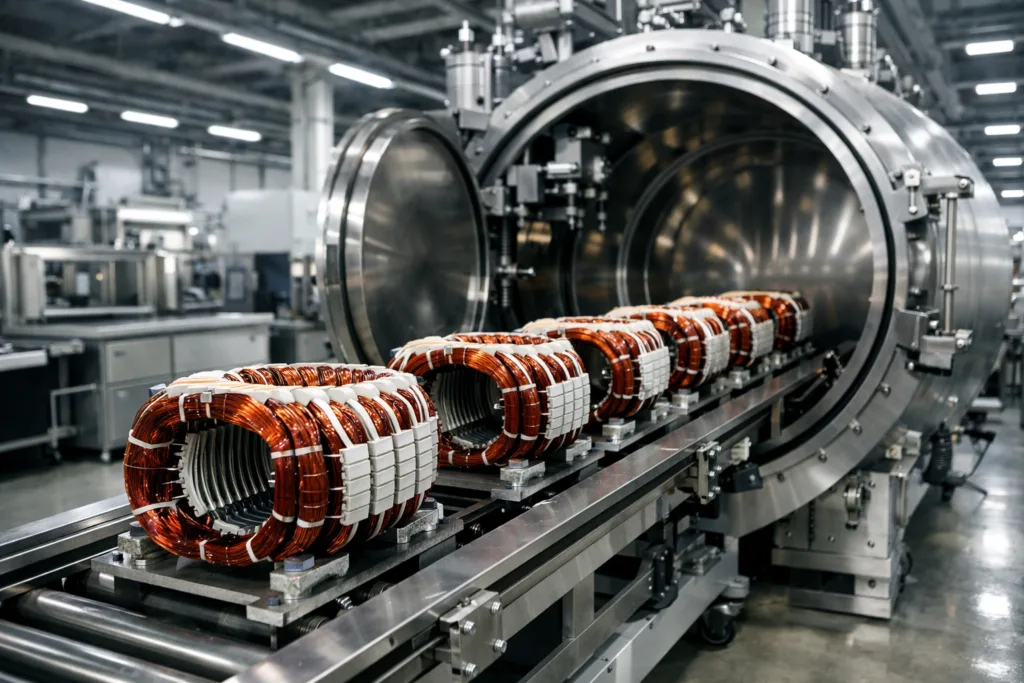
- Potting compounds around winding assemblies for acoustic insulation
- Encapsulant layering to separate active and passive motor segments
- Strategic patching along acoustic hotspots
From an assembly-line viewpoint at ZDS Adhesive, an industrial adhesive manufacturer, three rules consistently prevent NVH failures: clean surfaces before bonding, precisely control adhesive thickness, and match the adhesive’s cure parameters to the substrate’s operating temperature. Rigorous testing (lap shear, peel, thermal cycling) ensures reliability across demanding conditions.
Regulatory Impact: Meeting Standards through Advanced Damping
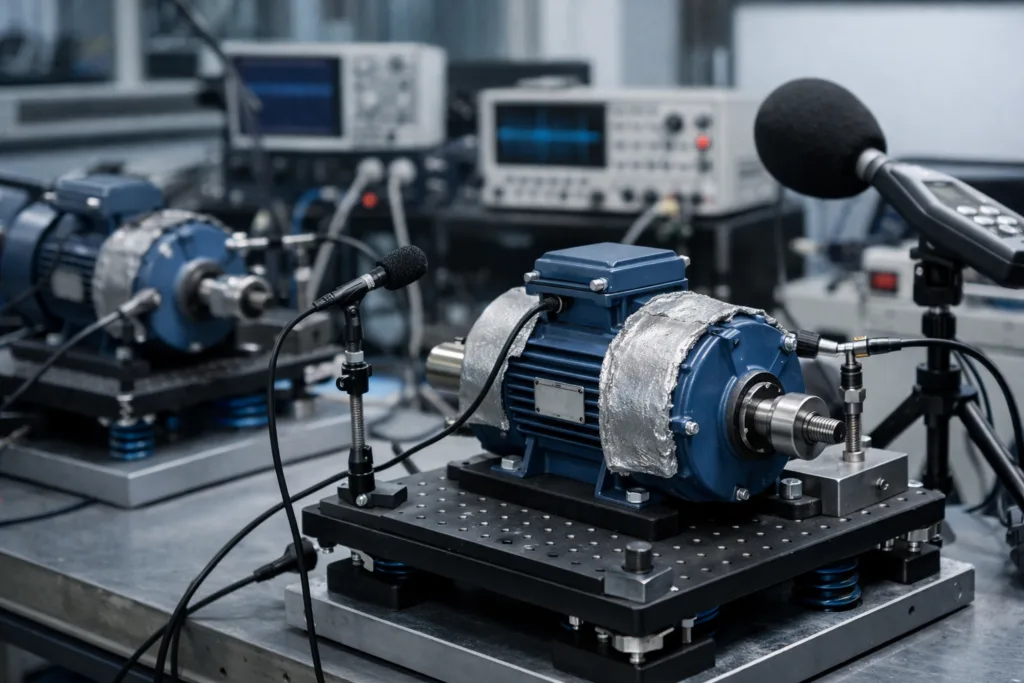
As regulations tighten around permissible sound levels for automotive and industrial electric motors, damping adhesives help manufacturers pass certification without expensive redesigns. ISO and IEC standards specify peak decibel limits—not just for overall output but for octave bands. Proper adhesive selection and placement allow compliance while maintaining performance. NVH testing protocols typically involve fixture vibration tests, acoustic chamber measurements, and real-life operation analysis.
User Experience: Quiet Comfort and Safety
Besides technical compliance, noise reduction directly influences end-user satisfaction and perceived value. Drivers, operators, and occupants value quieter cabin environments, more pleasant appliance use, and improved safety (especially in automotive or transit contexts).
Case Studies: Success Stories from the Field
Automotive E-Motor Example
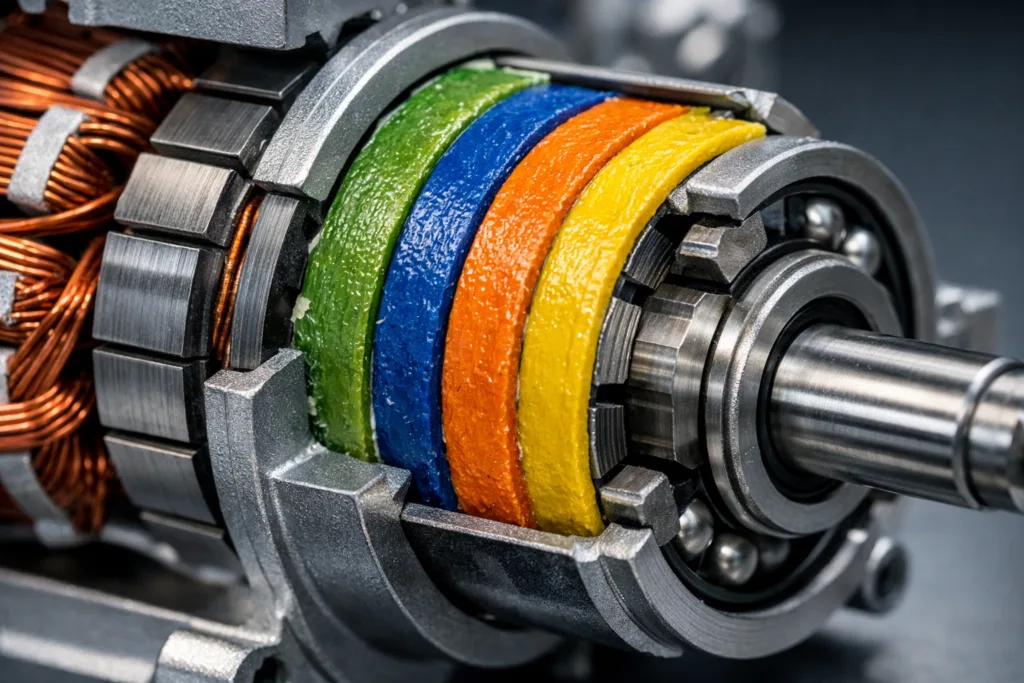
A leading EV manufacturer reduced cabin noise by 15 dB after switching to a multi-layer polyurethane damping adhesive between the stator and housing. Vibration analysis showed a sharp drop in peak frequency harmonics, and regulatory testing confirmed the vehicle easily met the new noise cap standards.
Industrial Fan Motor Upgrade
In a manufacturing plant, operators complained about high-frequency humming in ventilation motor units. Engineers retrofitted silicone-based adhesives along the contact points, lowering acoustic output by 22%. The process increased uptime and eased maintenance as adhesives stabilized loose components.
Innovations in Adhesive Chemistry for E-Motor NVH
Advancements in damping adhesive technology have led to:
- Self-healing viscoelastic compounds for durability in heavy-duty motors
- Hybrid epoxy/polyurethane systems tailored for mixed-metal bonding
- Cure-on-demand adhesives for rapid, staged assembly
Research supports that combining different adhesive damping profiles within a single motor can target multiple frequency bands. For deeper insights on how encapsulation boosts E-motor reliability, see stator encapsulation techniques for E-motors.
Choosing the Right Damping Adhesive: Practical Factors
Checklist for Selection
- Substrate type (steel, aluminum, composites)
- Operating temperature and environmental exposure
- Required cure speed and fixture time
- Bond-line thickness and application method
- Regulatory compliance for automotive, industrial, or home use
Testing and Measurement: Ensuring Performance
Once applied, adhesives must be validated for their damping effectiveness. Typical tests include:
- Dynamic mechanical analysis (DMA) for viscoelastic properties
- Lap shear and peel tests for bonding strength
- Thermal cycling/humidity aging for reliability
- Acoustic chamber decibel measurements for direct NVH reduction
Summary Table: Damping Adhesive Application Strategies
| Segment | Adhesive | Placement | Frequency Mitigation |
|---|---|---|---|
| Automotive E-Motor | Polyurethane | Post-stator housing | Low to mid frequency |
| Industrial Fan | Silicone | Contact joints | High frequency |
| Consumer Appliance | Acrylic | Small patching | Mid frequency |
Future Outlook: Evolving Needs and Adhesive Solutions
The evolution of E-motor technology is trending toward higher power densities and more demanding acoustic profiles. Damping adhesives will continue to adapt, offering hybrid solutions, faster cure options, and broader vibration isolation capabilities. With expertise in both material science and assembly, manufacturers can ensure quieter rides, safer products, and reliable regulation compliance going forward.
Frequently Asked Questions
How do damping adhesives reduce noise in E-motors?
Damping adhesives absorb and dissipate vibrational energy, which prevents the transmission of unwanted sound from motor components to the surrounding structure.
What types of damping adhesives are best for automotive E-motors?
Polyurethane and epoxy adhesives are widely used in automotive E-motors for their strong vibration isolation and robust structural support, especially in stator and housing assemblies.
Are damping adhesives effective for high-frequency noise?
Yes, silicone adhesives, in particular, excel at controlling high-frequency vibrations and are often used in industrial fans or appliances.
Can damping adhesives help motors meet regulatory sound limits?
Properly selected and applied adhesives allow manufacturers to pass ISO/IEC noise standards by systematically lowering decibel levels and targeting specific frequency bands.
What are the critical steps for success in applying damping adhesives?
Clean bonding surfaces, control adhesive thickness, and use formulations suited for operating environment and substrate—all are essential for reliable noise reduction.
How is adhesive performance for noise reduction validated?
It is tested via lap shear, peel, acoustic chamber measurement, and dynamic mechanical analysis to ensure sound mitigation and mechanical reliability.
Related Reading
- Discover How Damping Adhesives Quiet Building Roof Panels & Enhance Durability
- How Structural Acrylics Simplify Car Body Assembly in 2026
- Revolutionizing Electric Vehicle Quietness: Advanced NVH Reduction Adhesives
- Boost Chassis Performance with High-Modulus Adhesives: What’s New for 2026
- Overcome 800V Insulation Challenges in EV Powertrains: Key Strategies