Introduction: The Role of Underfill Epoxy in BGA Reliability
Modern electronics demand that Ball Grid Array (BGA) components last through daily bumps, drops, and shocks. One of the essential ways manufacturers achieve this is by using underfill epoxy. In fact, “Underfill Epoxy for BGA: Improving Drop Test Reliability” isn’t just an industry buzzword—it’s a proven strategy for boosting device reliability and lifespan. This article unpacks what underfill epoxy is, why it’s critical for BGA reliability, and how it transforms drop test outcomes for everything from smartphones to automotive control units.
What Is Underfill Epoxy?
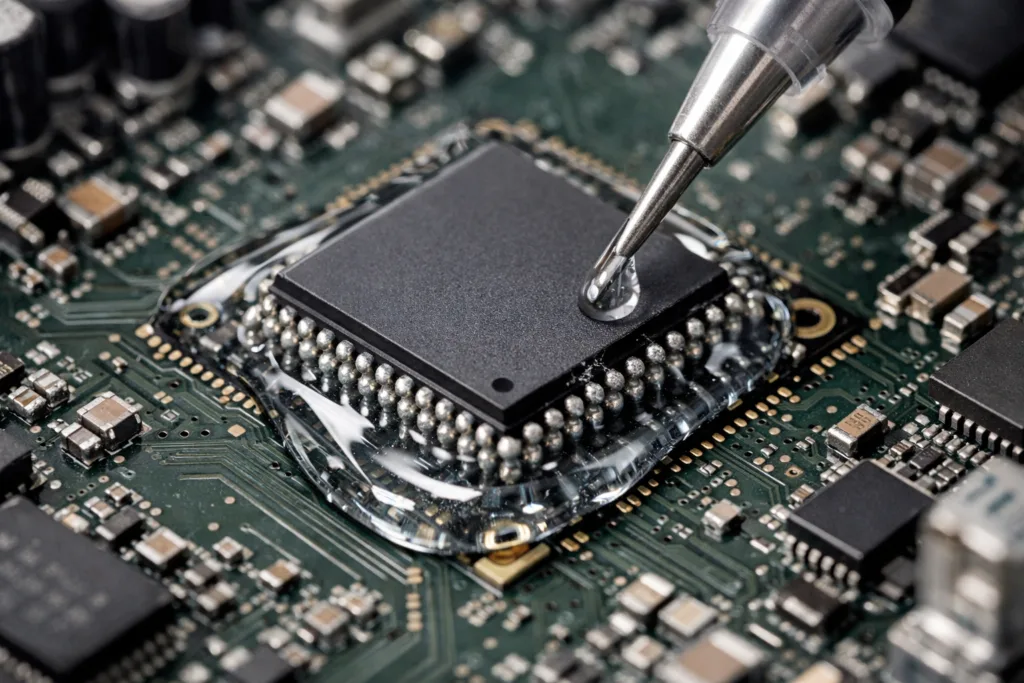
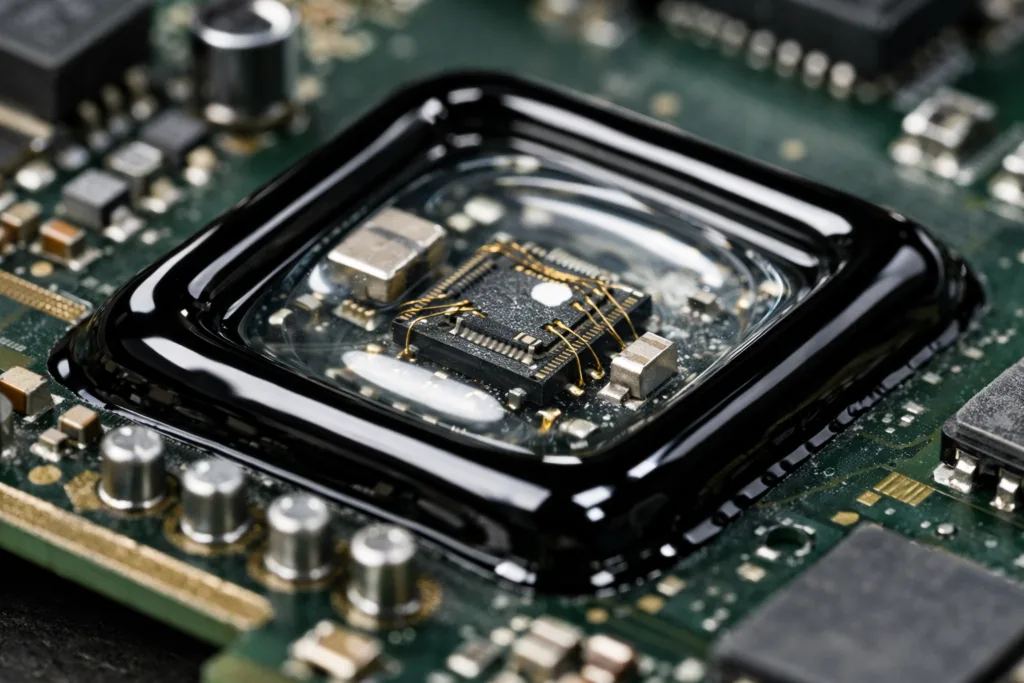
Underfill epoxy is a specialized resin used in electronics assembly, particularly for BGA and chip-scale packages (CSPs). It’s dispensed beneath the chip after it’s soldered to the PCB. As the epoxy cures, it forms a strong, resilient support between the chip and board, distributing stress away from the fragile solder joints.
Why BGAs Are Vulnerable to Mechanical Stress
BGAs offer excellent performance and space savings, but their hidden solder balls are sensitive to thermal expansion and physical shock. During drop tests—which simulate the real bumps gadgets face—these solder joints often crack without protection. This cracking leads to intermittent failures or complete device shutdown. That’s why robust underfill strategies are non-negotiable in critical devices.
How Underfill Epoxy Absorbs Shock During Drop Tests
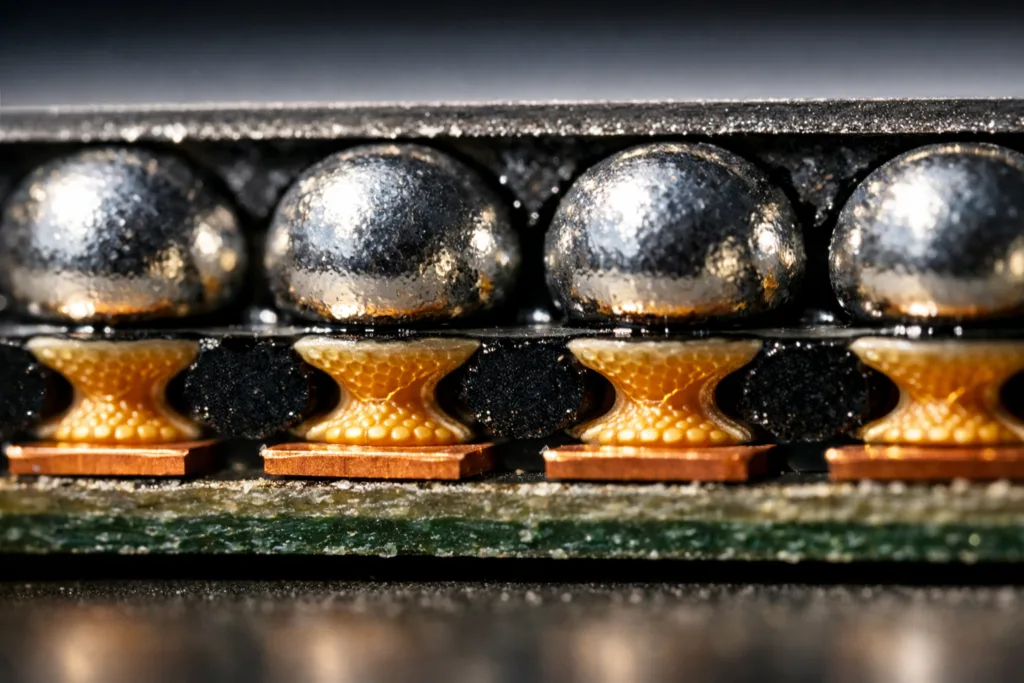
Underfill epoxies work as shock absorbers by surrounding every solder joint with a stiff, resilient matrix. When a device is dropped, the mechanical energy is spread across the whole chip—rather than just the delicate solder connections. This drastically reduces the chance of cracks and fractures. Modern underfill formulations, such as those featured on epoxy adhesive product lines, often include fillers that boost impact resistance during such critical tests.
Main Types of Underfill Epoxy Formulations
There are several popular categories of underfill epoxy, tailored for different production speeds and reworkability needs:
- Capillary Flow Underfill (standard): Flows under the BGA by capillary action. Widely used for smartphones and tablets.
- No-Flow Underfill (pre-applied): Placed before chip attachment; cures during reflow. Favored for stacked die and fine-pitch BGAs.
- Molded Underfill: Integrated during over-molding; suited for high-volume, low-cost products.
- Reworkable Underfill: Developed for easy removal and reassembly—see the in-depth guide Reworkable Underfill for Smartphone Mainboard Repair.
Physical Properties that Impact Drop Performance
Choosing a successful underfill starts with matching its physical traits to your product’s real environment. Here are the most impactful parameters:
| Property | Description | Drop Test Impact |
|---|---|---|
| Young’s Modulus | Stiffness of the cured epoxy | Higher modulus improves stress transfer but too high can cause embrittlement |
| CTE (Coefficient of Thermal Expansion) | How much the cured epoxy expands/contracts | A CTE close to PCB and BGA is ideal; mismatches cause stress cracks |
| Toughness | Ability to absorb energy before breaking | High toughness = superior drop and shock resistance |
| Glass Transition Temperature (Tg) | Temperature at which epoxy softens | High Tg helps maintain properties at extreme temperatures |
Application Process: Step-by-Step Guide
The underfilling process involves a precise sequence to combat the unique challenges of BGA assembly:
- Post-Solder Inspection: Ensure BGA placement is correct.
- Preheat PCB: Some formulations require a gentle warm-up for even flow.
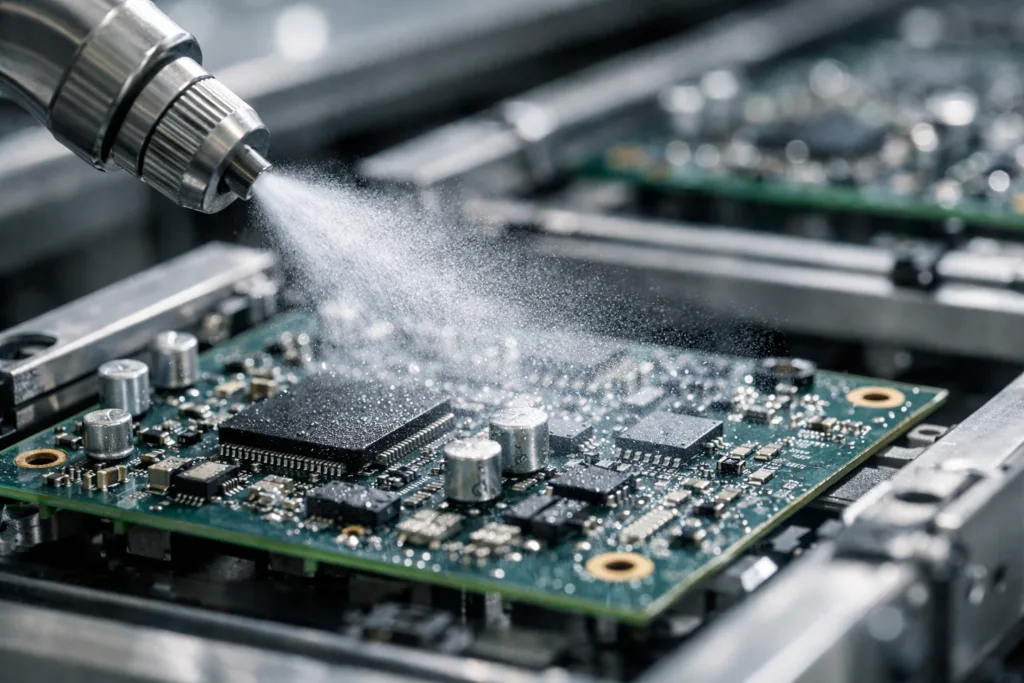
- Dispense Underfill: Use a precision nozzle to apply resin at the BGA edge.
- Capillary Flow: The epoxy is pulled under the BGA by capillary action.
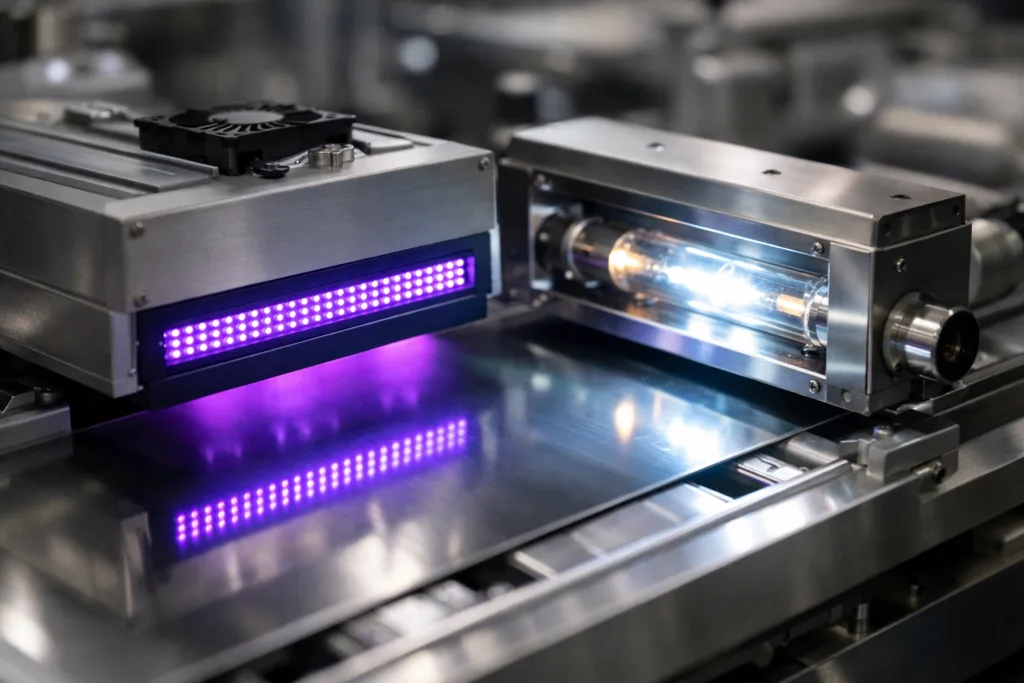
- Cure Cycle: Controlled heating solidifies the underfill, locking in reliability.
- QC Inspection: Check for voids or incomplete fill using X-ray or ultrasound.
How Underfill Epoxy Enhances Service Life
Properly applied underfill epoxy extends the operational lifetime of BGA assemblies by:
- Preventing solder fatigue in devices exposed to shaking, drops, or vibration
- Reducing microcracks that can form during thermal cycling or board flex
- Maintaining secure contact through thousands of on-off cycles
Comparison: Epoxy Underfill vs. Non-Epoxy Solutions
| Parameter | Epoxy | Acrylic/Silicone/Other |
|---|---|---|
| Adhesion Strength | Excellent | Good-Fair |
| Thermal Resistance | High | Medium |
| Shock Absorption | High | Medium |
| Ease of Rework | Challenging (unless reworkable type) | Usually easier |
| Long-Term Aging | Resistant | Variable |
Critical Success Factors in Drop Test Reliability
Several variables control drop test performance with underfill epoxy:
- Package Size: Smaller packages often need lower viscosity and finer fillers
- Board Design: Trace routing and laminate selection matter for distributing shock loads
- Solder Paste Consistency: Too much or too little paste changes gap fill properties
- Application Quality: Voids or bubbles lead to underperformance—consistent process control avoids this risk
Choosing the Right Underfill Epoxy for Your BGA Application
The optimal underfill is dictated by your unique reliability, process, and cost demands. For consumer mobile devices, high-flow, reworkable formulations are preferred. In automotive or aerospace, a tougher, high-Tg, chemically resistant epoxy is essential. Industrial partners like industrial adhesives suppliers often advise matching CTE closely to both the BGA and PCB materials for maximum results.
How Material Selection Influences Device Longevity
Electronics built for extreme reliability must consider every aspect of the underfill’s material science, including:
- Reaction speed and cure profile
- Outgassing potential (to avoid contamination under the package)
- Compatibility with conformal coatings and potting compounds
- Electrical insulation properties
Case Study #1: Smartphone Survival after Multiple Drops
In a 2025 industry drop-test study, two batches of mid-range smartphones were built—one with capillary epoxy underfill, the other without. Both were subjected to 10 consecutive 1.2-meter drops onto a steel base. Devices with optimized underfill showed a 94% survival rate, while unfilled control units fell below 35% survival after the final drop. Engineers confirmed most failures stemmed from cracked corner solder joints.
Case Study #2: Automotive Engine Control Unit (ECU)
Automotive ECUs often face years of vibration and thermal cycling. A leading car brand adopted a high-Tg, toughened underfill epoxy, resulting in field returns for solder joint failure dropping by 82% year-over-year. Voiding and delamination were also drastically reduced in hot/cold cycling tests.
Lessons from Real-World Applications
What do top-performing manufacturers get right? They:
- Run pilot drop tests and scanning to tune underfill selection
- Combine robust underfill with the correct solder composition
- Review surface preparation and cleanliness (no ionic contamination)
Integration with Other PCB Protection Methods
Underfill epoxy commonly works alongside other protective measures. For example, combining it with dam and fill encapsulation methods ensures critical components survive mechanical and moisture stress, preserving device function in harsh settings.
Emerging Trends: New Chemistries and Smart Underfill
The world of underfill is evolving. Modern formulations now offer self-healing capabilities and integrated nano-fillers to balance toughness with electrical insulation. Some 2026 epoxies can even alert engineers to stress or curing issues by changing color or resistivity, facilitating predictive maintenance.
Challenges and Solutions in Underfill Process Control
Common challenges include micro-voids, incomplete flow under large BGAs, and thermal-induced stress during cure. Tactics to overcome these hurdles include rigorous quality control, careful thermal cycling, and process automation.
Environmental and Long-Term Reliability Considerations
RoHS and REACH-compliant underfills are now standard. Manufacturers must also consider low-halogen and low-outgassing compounds to prevent board corrosion as discussed in 7 Powerful Reasons Low Halogen Epoxies Are Driving Greener Electronics in 2026.
The Vital Importance of “Underfill Epoxy for BGA: Improving Drop Test Reliability”
The crux is that underfill epoxy isn’t just a technical afterthought—it’s a chief engineer’s best insurance policy for robust BGA assemblies. Skipping underfill may save pennies now but leads to costly warranty claims down the line.
Industry Perspective: ZDS Adhesive’s Application Insights
From an assembly-line viewpoint at ZDS Adhesive, an industrial adhesive manufacturer, two observations are critical: first, gap-filling properties must be consistent batch-to-batch to guarantee process stability. Second, carefully controlling cure profile—especially on high layer-count PCBs—reduces risk of solder extrusion and keeps drop performance reliable for mass production environments.
Summary Table: Drop Test Reliability Improvements with Underfill Epoxy
| Reliability Metric | Without Underfill | With Epoxy Underfill |
|---|---|---|
| Solder Joint Cracks (per 1000 units) | 125 | 6 |
| Device Survival (10 drops) | 38% | 92% |
| Thermal Cycle Failures | 18% | 2% |
| Reworkability | High (but fragile) | Moderate (with special underfill) |
Conclusion: Key Takeaways for Electronics Reliability Engineers
Underfill epoxy dramatically boosts BGA reliability under mechanical stress. By understanding its formulations, properties, and process requirements, you can maximize survival rates, lower maintenance needs, and enhance customer satisfaction. The right underfill, precisely applied, means electronic products can withstand years of use and abuse—even in tough environments. Underfill isn’t optional for mission-critical BGA assemblies—it’s the foundation of lasting quality.
Frequently Asked Questions
What does underfill epoxy do for BGAs during drop tests?
Underfill epoxy distributes shock and stress away from fragile BGA solder joints during drops, reducing cracks and extending device reliability.
How do I choose the right underfill epoxy?
Consider your device’s thermal, mechanical, and environmental requirements. Match CTE, modulus, and toughness for optimum protection and process compatibility.
Can underfill epoxy be removed for rework?
Certain reworkable underfill epoxies allow safe removal and repair, but standard formulations may require cutting or heating. Always consult your materials supplier.
Do all BGAs require underfill?
No, but BGAs exposed to vibration, frequent handling, or consumer drop risks benefit greatly from added underfill protection for longevity.
Does using underfill affect thermal management?
Underfill can impact heat dissipation. Select thermally conductive types for high-power applications to maintain device efficiency and safety.
Is underfill epoxy environmentally compliant?
Many modern underfills are RoHS and REACH compliant, with low-halogen options for green electronics initiatives.
Related Reading
- Unlock the Power of Latent Curing Agents: Single-Component Epoxy Mastery
- Tackle Large Epoxy Castings: 13 Smart Ways to Control Exotherm
- Conformal Coating or Potting? How to Choose for Maximum PCB Protection
- Is Dip, Brush, or Spray Best? 2026’s PCB Coating Showdown
- Protect High-Voltage Batteries: 8 Ways Dielectric Strength Ensures Longevity