Understanding Adhesives That Cure with UV Light
Adhesives that cure with UV light, also called UV-curable adhesives, harden quickly when exposed to ultraviolet (UV) energy. This curing process allows for rapid assembly of parts, strong bonding, and clean lines. Thanks to their speed and reliability, UV cure adhesives are widely used in electronics, automotive, glass, and many medical device applications.
Adhesive Cures with UV Light

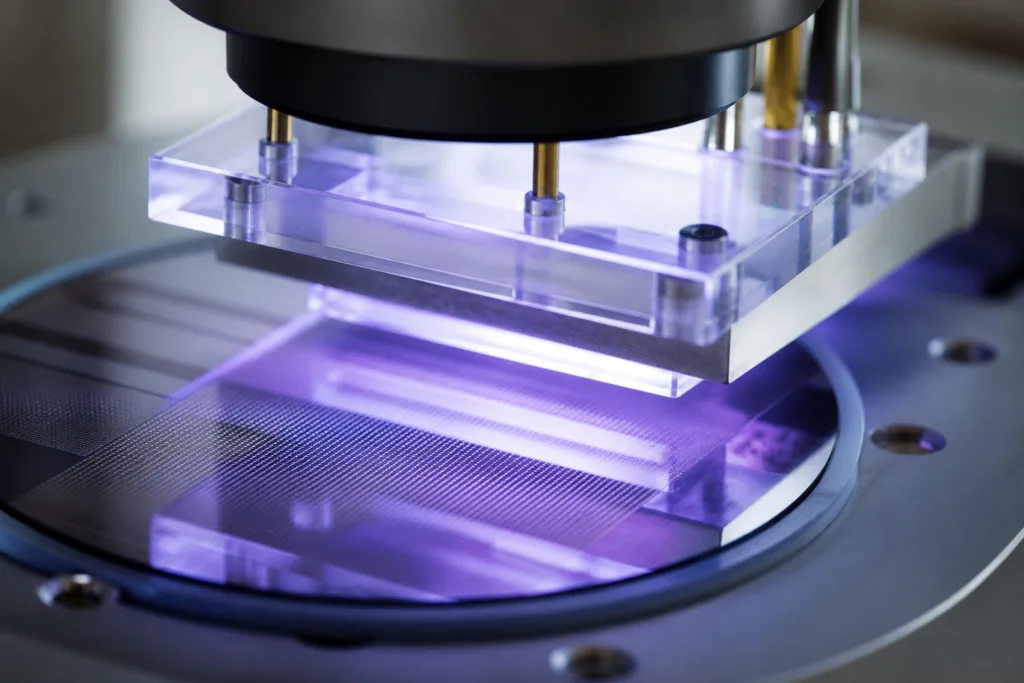
UV-curable adhesives turn from liquid to solid after being hit with enough UV energy, usually in the UVA (320–400 nm) range. This reaction, called photopolymerization, locks the adhesive in seconds. The result is a durable, high-performance bond.
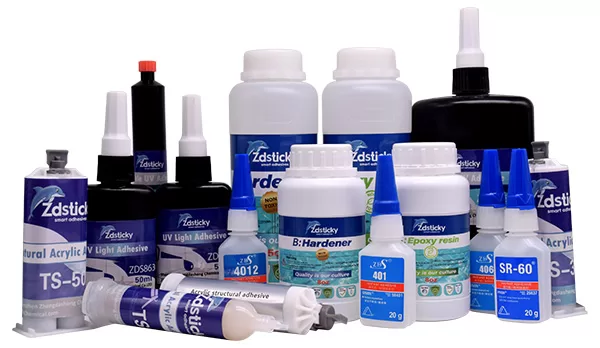
The main types of adhesive that cure with UV light include acrylics, epoxies, and silicones. Each has specific advantages and limits depending on the application. For example, ZDS offers a full line of UV-curing adhesives, including specialty systems for electronics and glass bonding.
- Acrylic UV adhesives: Fast curing, versatile, and strong on metals, plastics, and glass.
- Epoxy UV adhesives: Excellent chemical resistance, improved thermal stability, strong bonds for challenging substrates.
- Silicone UV adhesives: Flexible, with high heat and moisture resistance, ideal for components that must handle vibration or extreme environments.
UV vs. Heat vs. Moisture Cure: Choosing the Right Adhesive
Curing refers to how an adhesive forms a bond. UV light, heat, and moisture are common ways to trigger the reaction. Here’s how UV-cure adhesives compare with heat and moisture-cure options:
| Cure Method | Common Chemistries | Key Properties | Best Use Case |
|---|---|---|---|
| UV Light | Acrylic, Epoxy, Silicone | Very fast (<10 sec), clear bonds, requires line-of-sight | Glass, electronics, displays, optical |
| Heat | Epoxy, PU, Polyimide | Strong bonds, long cure, can handle thick sections | Structural, metal, automotive, aerospace |
| Moisture | Silicone, Cyanoacrylate, MS Polymer | Flexible, cure speed varies with humidity, limited thickness | Sealing, gasketing, plastics, stone |
When Is UV Cure the Best Choice?
Choose UV-cure adhesives if your application needs fast, precise bonding on materials like glass, clear plastics, or PCB assemblies. They are ideal where a clean appearance and production speed matter. But all parts of the bond must receive UV light. For shadowed areas, use a “dual-cure” system that reacts to both UV and moisture or heat.
UV-Curable Adhesives: Chemistry Comparisons
The three main UV-curable adhesive families are acrylic, epoxy, and silicone. They share the same fast-cure mechanism but behave differently in use.
Acrylic UV Adhesives
Acrylic UV adhesives offer a balance of speed, strength, and versatility. They bond well to glass, metals, ceramics, and many plastics. Cure speeds often range from 3 to 10 seconds under a standard 365 nm UV source at 100–300 mW/cm². Acrylics typically measure Shore D 60–80 in hardness. Viscosity varies by grade, from thin liquids (200 cP) to gels (20,000 cP).
UV Epoxy Adhesives
UV epoxy adhesives excel in harsh conditions where chemicals or heat are present. Their bonds hold tight up to 150°C and beyond. Typical lap shear strength (per ASTM D1002) can reach 20–35 MPa. Epoxy UV adhesives often offer longer open times and higher Tg (glass transition temperature) than acrylics, making them suitable for glass-to-metal and optical assemblies. Viscosity can range from paste (50,000 cP) to flowable (2,000 cP), depending on part geometry and application method.
UV Silicone Adhesives
UV-cure silicones are specialized for flexible joining and sealing. They remain elastic (elongation up to 200%) and maintain their properties over -50°C to +200°C, with high moisture and vibration resistance. These are ideal for potting sensitive electronics or attaching parts that move or expand. Cure rates can vary—thick beads may require powerful UV sources or dual-cure blends to ensure complete cure in shadowed zones.
Confirming UV Curability Before You Buy
Never assume an adhesive is UV-curable—confirm with the following steps before purchase:
- Check technical datasheets (TDS): Look for details such as cure method, required UV wavelength, and recommended energy dose (mJ/cm²).
- Ask about dual-cure: If your application has shadowed parts, check for dual-cure chemistry (UV + heat or moisture), so the adhesive sets even where the light can’t reach.
- Review process compatibility: Confirm it fits with your dispensing, fixturing, and UV lamp setup.
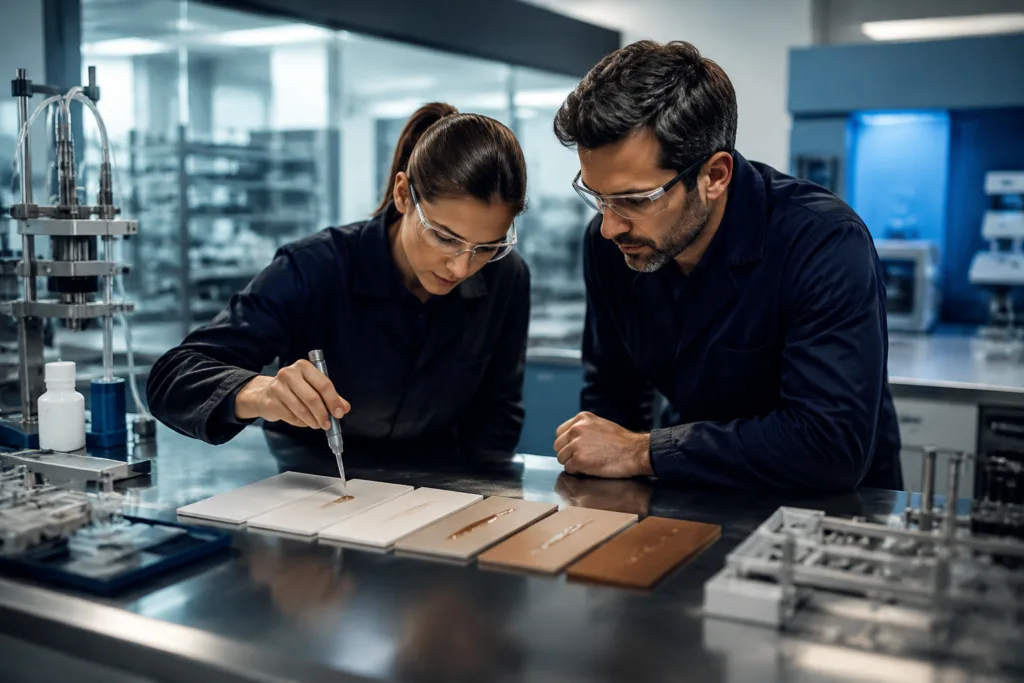
- Request samples: Run small pilot batches to confirm complete cure and bond performance on your parts.
- Check compliance: Ensure the adhesive meets regulations (e.g., REACH, RoHS). ZDS provides full SDS and traceability docs for their UV adhesives.
Best Practices: Using UV Cure Adhesives
For reliable UV-cure adhesive performance, follow these best practices from assembly to quality control:

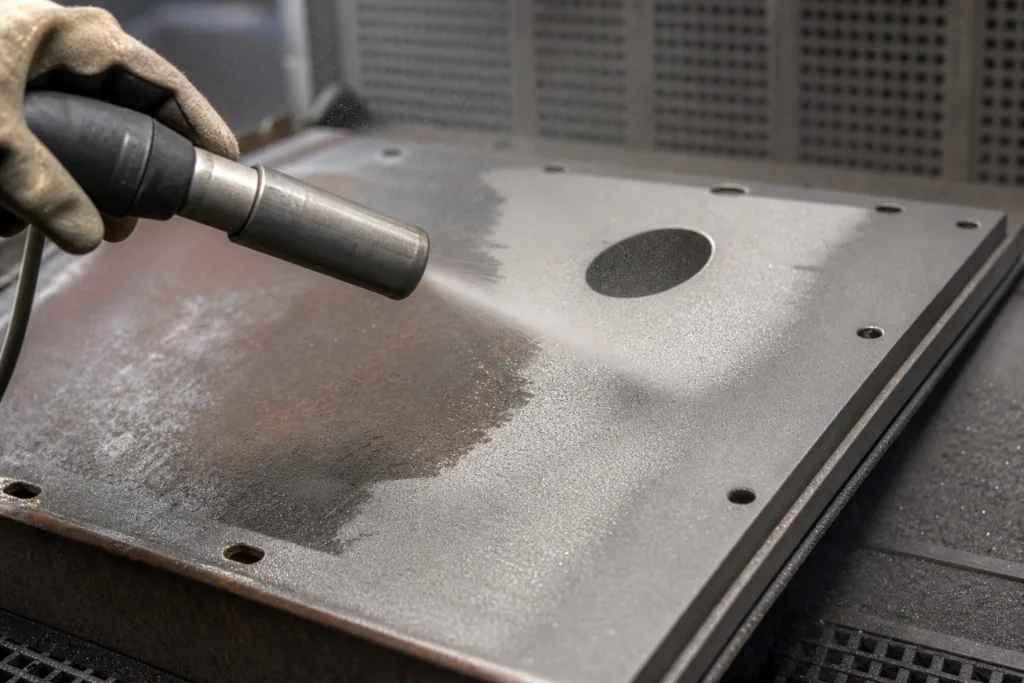
- Keep substrates clean—degrease and abrade for maximum adhesion.
- Dispense consistent beads; automated lines or static mixers ensure mix quality in 2K systems.
- Use the right UV lamp; typical cure windows range from 320–400 nm at 100–500 mW/cm².
- Clamp or fixture parts for at least the recommended cure time (as short as 3 seconds if using high-power LEDs).
- Run regular lap shear, peel, and aging tests (e.g., per ASTM D1002, D1876, or B117) to confirm ongoing bond strength and chemical resistance.
Expert tip: “Choose clear or UV-transparent substrates if possible. Even small traces of color or UV-absorbing fillers in plastic can block deep cure.”
Applications: Where UV-Cure Adhesives Excel
UV-curable adhesives are not one-size-fits-all, but their unique benefits suit many demanding jobs. Common applications include:
- Glass bonding: Architectural glass, display panels, and decorative glass all benefit from clean, bubble-free bonds.
- Electronics assembly: Sensor and display modules, printed circuit boards (PCBs), camera lenses, micro speakers.
- Medical device assembly: Disposable diagnostics, syringes, catheters, diagnostic windows.
- Optical and LED assemblies: Fiber optic connectors, camera modules, LED packages.
For automotive and smart-device manufacturing, ZDS UV adhesives provide fast, reliable assembly solutions without extended downtime for curing or cleanup.
Selecting the Right UV Adhesive for Your Application
Making the best adhesive choice starts with knowing your materials and process constraints. Use this checklist to narrow options:
- Is every bond line exposed to UV? If not, consider dual cure.
- What substrates are you joining—glass, metal, acrylic, ABS? Check for tested compatibility.
- Do you need flexibility, or will the part face vibration or thermal cycling?
- How fast must the bond fix? High-speed lines call for fast cure, but complex shapes might need longer open time.
- Are approvals needed (e.g., medical, food contact, or automotive standards)?
Consult your supplier’s technical team early in the design process. ZDS partners with engineers to optimize adhesive selection and process integration for new lines.
Adhesive Cures with UV Light: Key Takeaways

- UV-cure adhesives include acrylic, epoxy, and silicone systems, each with unique properties.
- They deliver high-speed, low-waste joining for demanding sectors—provided every bond line is UV-accessible.
- Check for required energy dose, exposure time, and dual-cure options before specifying or buying.
- Partner with trusted suppliers like ZDS for technical advice, samples, and process documentation.
Frequently Asked Questions
What is a UV-curable adhesive?
A UV-curable adhesive is a glue that changes from liquid to solid when exposed to ultraviolet light, creating a fast and strong bond.
Which types of adhesives cure with UV light?
Common UV-cure adhesives include acrylics, epoxies, and silicones, each suitable for different substrates and environments.
How fast do UV-cure adhesives set?
Most UV-cure adhesives set in seconds—typically from 3 to 10 seconds under proper UV intensity and wavelength.
Can UV-cure adhesives bond plastic and glass?
Yes, UV-cure adhesives bond glass, plastics, some metals, and ceramics when the UV light can reach all areas of the joint.
What if the bond area isn’t fully exposed to UV?
For hidden or shaded areas, choose a dual-cure adhesive that also hardens with heat or moisture to ensure complete cure.
What should I check before buying a UV-cure adhesive?
Verify the chemistry, cure requirements, process compatibility, and supplier documentation before buying any UV-cure adhesive.