Introduction: Why Low Stress Encapsulants Matter for MEMS Sensors
Micro-Electromechanical Systems (MEMS) sensors drive countless innovations in automotive, medical, industrial, and consumer electronics. The protection and performance of these sensors depend heavily on encapsulation—a process that shields delicate components from moisture, dust, chemicals, and mechanical forces. However, conventional encapsulants often introduce unwanted stress, leading to reliability issues, drift, or degraded sensitivity. That’s why the move toward low stress encapsulants for MEMS sensors has become essential in 2026.
Getting encapsulation right isn’t just about making sensors last longer: it’s about enabling precision, maintaining calibration, and ensuring stable operation through thermal cycles and rough environments. In this guide, we’ll dive into the science behind low stress encapsulation, compare chemical options, reveal real-world challenges, and showcase the latest engineering advances.
The Critical Role of Encapsulation in MEMS Sensors
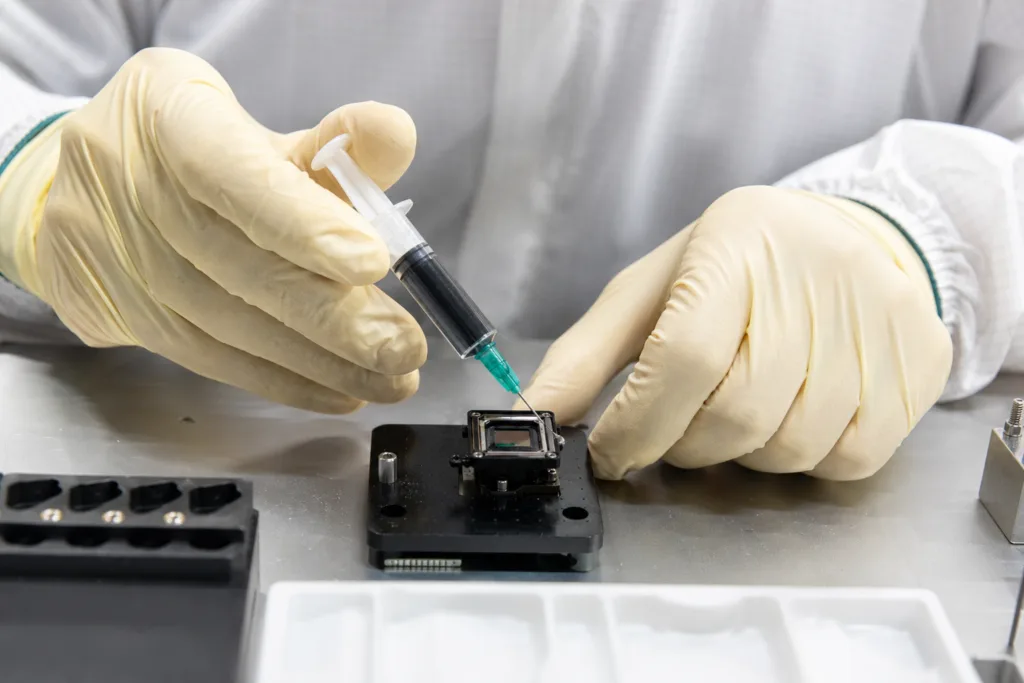
Encapsulation forms the first line of defense against environmental threats. For MEMS sensors, this layer must handle:
- Humidity and moisture ingress
- Dust and particulate contamination
- Mechanical shock and vibration
- Chemical exposure
- Long-term thermal cycling
A protective layer with excessive mechanical stress can distort MEMS structures, cause drift, or negatively affect measurement accuracy. Engineers prioritize encapsulants specifically engineered to minimize stress and preserve device integrity through every production and field cycle.
How Stress Influences MEMS Sensor Performance
Stress from encapsulants arises both during curing and in service. It can be mechanical, thermal, or shrinkage-induced. Key impacts include:
- Device offset shifts
- Reduced sensitivity
- Brittle fracture or delamination
- Accelerated aging and calibration loss
Especially for high-precision sensors (gyroscopes, accelerometers, pressure sensors), even moderate stress can cause irreparable malfunction. That’s why low modulus, flexible encapsulation is favored.
Types of Low Stress Encapsulants: An Overview
| Encapsulant Type | Chemical Basis | Stress Level | Typical Applications |
|---|---|---|---|
| Silicone Gels | Polydimethylsiloxane | Very Low | Pressure sensors, accelerometers |
| Epoxy Elastomers | Modified epoxy resins | Low | MEMS microphones, inertial units |
| Polyurethane | Aliphatic / aromatic polyols | Moderate to Low | Driver ICs, sensors exposed to vibration |
| Acrylics | Methacrylate blends | Moderate | Consumer sensors, simple packaging |
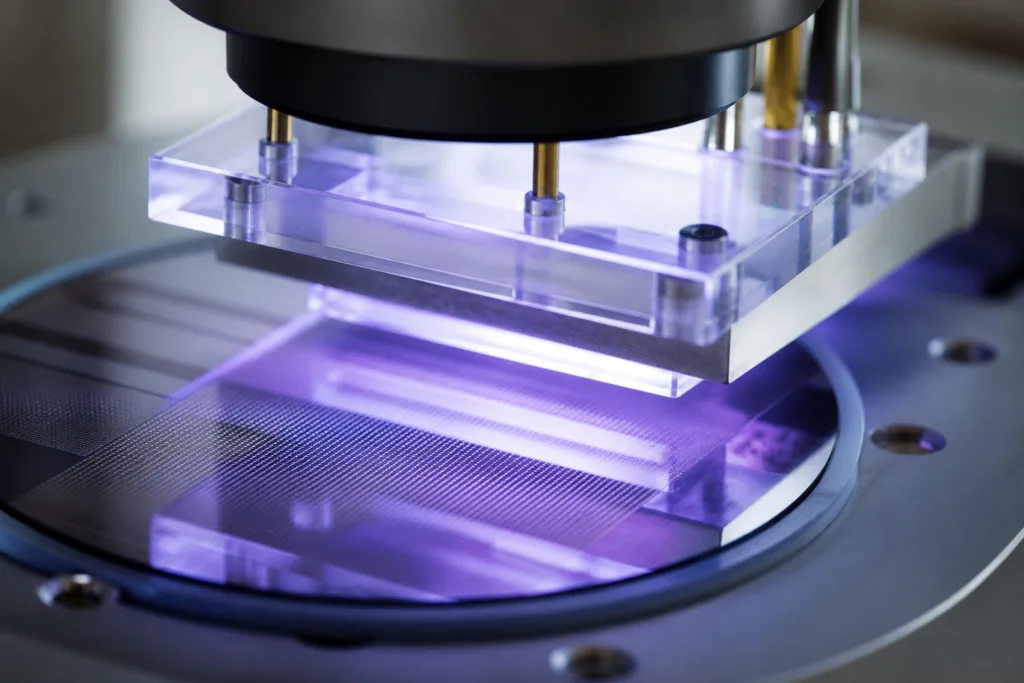
| UV-Curing Resins | Photo-initiated siloxane/acrylate | Low (when tuned) | High-volume packaging, fast assembly lines |
Silicone gels and low-modulus epoxy elastomers are leading the field by virtue of their flexible, stress-absorbing nature. These encapsulants allow MEMS components to flex naturally, avoiding distortion from thermal expansion or uneven substrate contraction.
Comparing Silicone, Epoxy, and Polyurethane Encapsulants
Choosing between silicone, epoxy, and polyurethane depends on the sensor function, environmental demands, and manufacturing workflow. For instance, silicone encapsulants offer exceptional low stress, ideal moisture resistance, and broad temperature tolerance (–40°C to +150°C). Epoxy elastomers, when formulated for flexibility, offer similar protection but with higher adhesion. Polyurethanes, meanwhile, strike a balance between cost and low stress, and are commonly used in vibration-heavy environments.
Learn how addition cure silicones outperform for deep section potting, an approach gaining favor for critical MEMS packaging where thermal cycling is prevalent.
Chemical Compositions of Low Stress Encapsulants
Low stress encapsulant formulations are typically engineered with:
- High elasticity (low modulus)
- Balance of toughness and flexibility
- Soft curing profiles, minimizing shrinkage
- Minimal glass transition temperature peaks
- Good adhesion to common MEMS substrates (silicon, glass, metals)
Alkoxy-based silicones and oxime-cure variants provide improved environmental stability. Read about alkoxy vs. oxime cure silicones for reliable metal bonding and encapsulation in MEMS devices.
How Encapsulants Contribute to Reliability and Longevity
Performance reliability is the result of stable encapsulant chemistry, controlled stress, and robust adhesion. Core benefits include:
- Extended operational life (over 10 years in automotive)
- Minimal sensor drift during field operations
- Reduced failure rates from environmental attacks
- Consistent performance through thousands of thermal cycles
For example, in pressure sensors used in medical devices, encapsulation directly impacts patient safety and device calibration. COB Glob Top Encapsulation highlights best practices for minimizing stress in MEMS packaging.
Challenges with Low Stress Encapsulants in Semiconductor Packaging
Despite the advantages, implementing low stress materials in semiconductor packaging is not trivial. Common challenges include:
- Process compatibility: Encapsulants must match the production flow (cure speed, viscosity, dispensing accuracy).
- Surface adhesion: Bond strength must balance flexibility without risking delamination.
- Thermal expansion mismatch: Package materials (solder, silicon, lead frames) expand differently—encapsulants must absorb or adapt.
- Manufacturing defects: Air bubbles, voids, or incomplete coverage can concentrate stress.
Application engineers solve these with optimized cure profiles, surface pre-treatments (plasma/corona), controlled dispensing, and iterative validation.
Advancements in Encapsulant Technology for MEMS Sensors
The last five years have seen impressive breakthroughs in encapsulation:
- Ultra-low modulus silicone hybrids for sub-micron motion sensing
- Self-healing elastomers that maintain protection after minor damage
- Embedded barrier layers in multi-component encapsulant systems
- Precision flow-controlled dispensing for zero-defect production
Implementing Low Stress Encapsulants: Best Practices for Engineers
Success in MEMS sensor encapsulation hinges on a few clear rules:
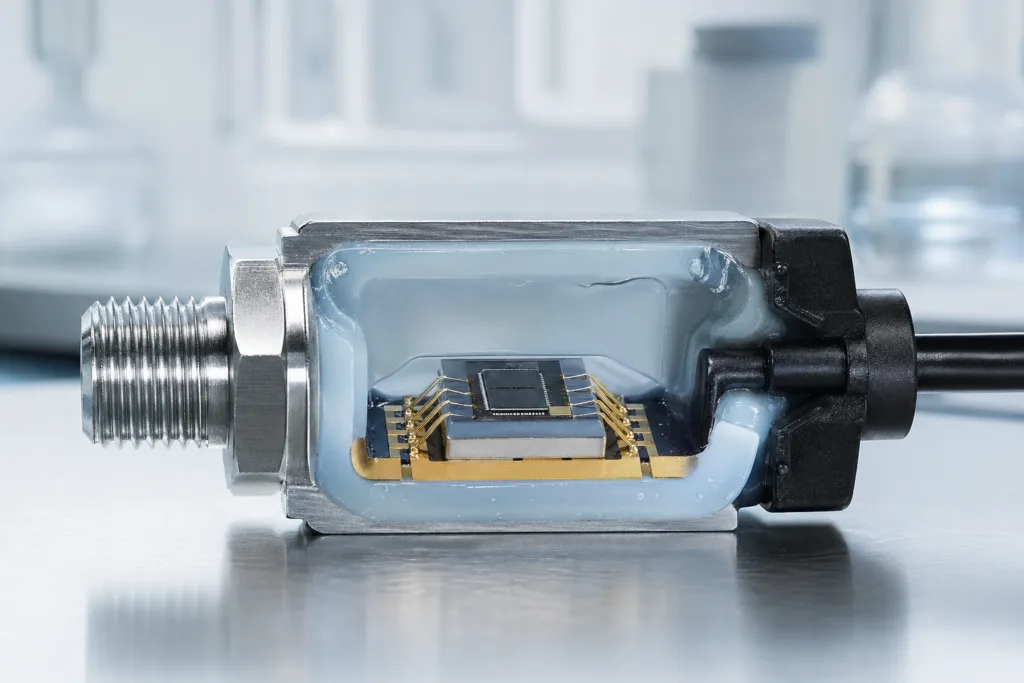
- Choose encapsulant modulus below 1 MPa for ultra-sensitive devices
- Always test cure shrinkage under real production conditions
- Perform lap shear and peel tests for every new substrate
- Validate through thermal cycling and humidity aging—never skip environmental simulation
Real-World Examples of MEMS Sensor Encapsulation
Automotive accelerometers are routinely protected with soft silicone gels, balancing stress absorption with high adhesion. Industrial process sensors, exposed to harsh solvents, use modified epoxy elastomers to ensure low stress and chemical resistance. Consumer gyroscopes and microphones leverage UV-cured encapsulants for rapid assembly without sacrificing sensitivity.
Case Study: Package Reliability in Automotive MEMS
In automotive airbag systems, MEMS accelerometers must stay calibrated for over a decade—often exposed to extreme vibration and temperature swings (–40°C to +125°C). Encapsulating with low stress silicone gels prevents drift and preserves sensor response, minimizing costly warranty claims.
Trends Shaping the Future of MEMS Encapsulation
- Eco-friendly, solvent-free encapsulant chemistries
- Smart encapsulants with embedded functionality (barrier, self-healing, conductive)
- Lower modulus formulations for next-gen miniaturized sensors
- Artificial intelligence-driven dispensing and process optimization
How ZDS Adhesive Engineers Approach Low Stress Encapsulation
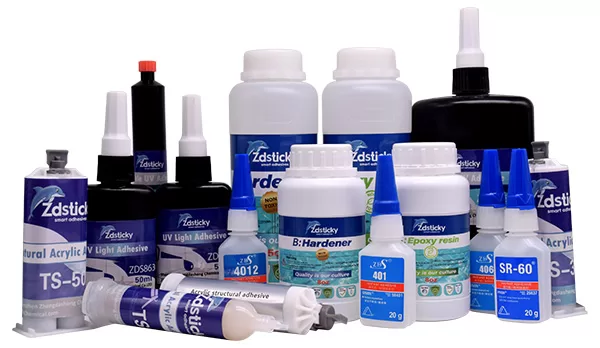
ZDS Adhesive, an industrial adhesive manufacturer, recommends a “stress-first” checklist for MEMS encapsulation: assess modulus, shrinkage rates, adhesion, and environmental compatibility using classic lap shear and peel tests. In practice, engineers select silicone or epoxy hybrids under 1.2 MPa modulus, combine plasma treatment when bonding glass or metals, and fine-tune pot life for in-line flexibility. This systematic approach improves sensor longevity and assembly yield, especially for medical and automotive device manufacturers.
Understanding Environmental Protection Needs in MEMS Packaging
The environmental profile determines encapsulant selection. Sensors exposed to moisture or chemicals require extra-filtration, hydrophobic compounds, and chemical resistance, while sensors in vibration-heavy or cyclic thermal environments benefit from highly elastic gels.
Thermal Cycling and Humidity: How Encapsulants Respond
One of the most damaging threats to MEMS sensor reliability is thermal cycling paired with humidity ingress. Encapsulants that maintain mechanical flexibility through thousands of cycles (–40°C to +125°C) prevent micro-cracks and drift. Engineers run environmental simulations, adjusting formulations for soft curing and stress adaptation.
Sensor Calibration and Encapsulation-Induced Drift
MEMS sensor calibration can shift due to stress after encapsulation. Minimizing modulus and shrinkage, plus running post-cure calibration, are essential steps. Regular environmental testing and recalibration practices are recommended, especially for mission-critical applications such as medical sensors.
Best Practices in Surface Preparation for Optimal Encapsulation
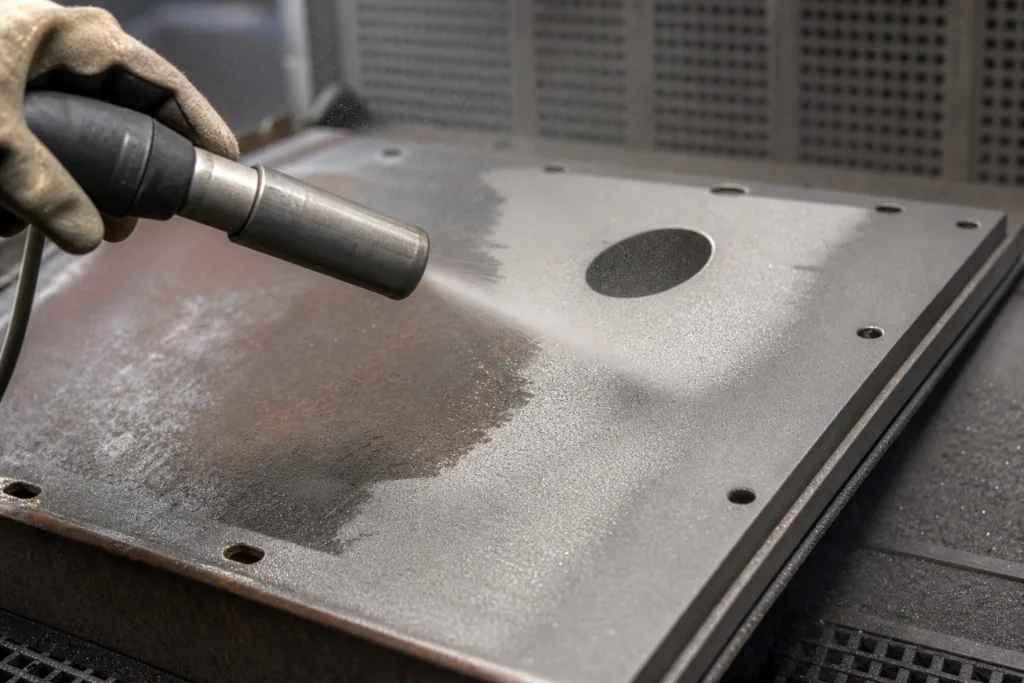
Surface preparation dramatically influences bond quality. Standard practices include plasma treatment, corona discharge, and primer application. For substrates with low surface energy (PP, PE), specific adhesion promoters are used to achieve reliable encapsulation.
Dispensing Techniques for Low Stress Encapsulants
Controlled, precision dispensing ensures even coverage and minimal voids. Automated systems manage viscosity and flow, accounting for package geometry and substrate texture. Avoiding air bubbles and incomplete wetting is critical to eliminate localized stress concentrations.
Validation: Testing Methods for Encapsulant Performance
- Lap shear and peel tests
- Thermal cycling and humidity aging
- Electrical insulation and dielectric strength testing
- Long-term drift and calibration studies
Cost Efficiency and Process Stability in MEMS Packaging
Low stress encapsulants must integrate into high-volume production without increasing costs or slowing down lines. Selecting materials with fast cure, stable shelf life, and easy dispensability directly impacts factory throughput and yield.
Low Stress Encapsulants for MEMS Sensors
At the core of high-performing MEMS sensors is reliable, low stress encapsulation—giving engineers confidence that devices will stay stable, accurate, and resilient across all applications. Modern formulations, process innovations, and rigorous validation are redefining MEMS sensor longevity.
Conclusion: Practical Takeaways for MEMS Sensor Engineers
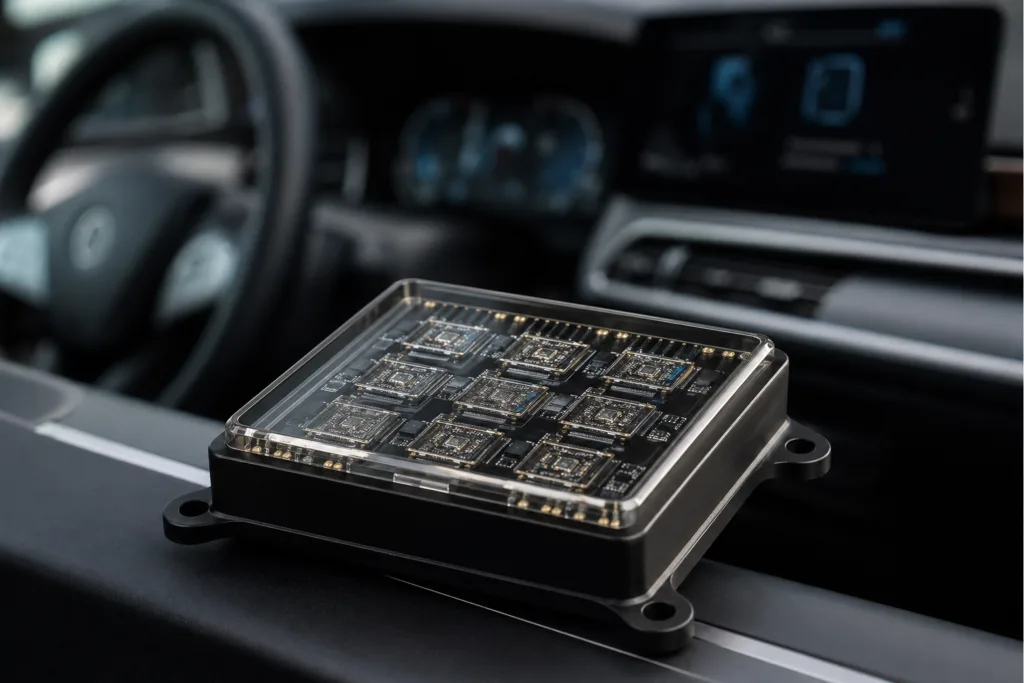
To build MEMS devices with lasting performance and reliability, engineers must prioritize low stress encapsulants. The right chemistry, proper process alignment, and robust validation ensure sensors endure thermal cycles, humidity, and mechanical impacts without drift or premature failure. By staying updated on advancements in silicone, epoxy, and polyurethane technology, and using well-tested engineering practices, MEMS sensor packaging can achieve new levels of durability and precision in 2026 and beyond.
Frequently Asked Questions
Why is low stress encapsulation critical for MEMS sensors?
Low stress encapsulation prevents mechanical distortion and drift in MEMS structures, enabling stable, accurate sensor performance throughout their lifetime.
What chemical types are most commonly used for low stress encapsulation?
Silicone gels and low-modulus epoxies are favored for their flexibility, adhesion, moisture resistance, and minimal shrinkage, especially in sensitive MEMS devices.
How do encapsulants help MEMS sensors survive environmental threats?
Encapsulants block moisture, chemicals, and shock while maintaining flexibility and strong adhesion, which preserves MEMS sensor calibration and functional integrity.
What challenges should engineers expect with low stress encapsulants?
Challenges include process compatibility, surface adhesion, thermal mismatch, and ensuring defect-free encapsulation through careful dispensing and validation.
Are there specific tests to validate encapsulant performance on MEMS sensors?
Engineers run lap shear, peel, thermal cycling, humidity aging, and drift calibration tests to validate encapsulant reliability for MEMS sensor packaging.
How do advancements in encapsulant technology benefit MEMS sensors?
Newer encapsulants reduce package stress, offer self-healing, higher barrier protection, and increase yield in automated manufacturing, thus boosting sensor reliability and longevity.