Introduction: Why Color-Changing UV Adhesives Are Transforming Curing Reliability
Color-changing UV adhesives are shaking up how industries approach assembly, repair, and creative projects—by offering a visual cue that reveals exactly when the adhesive has cured. Unlike traditional UV glues, these innovative materials transition from one color to another as they react to ultraviolet light, providing instant feedback for assembly operators, quality inspectors, and DIY users alike. Especially in manufacturing, automotive repair, and precision electronics, knowing the cure status at a glance prevents costly errors and speeds up production. In 2026, as demand rises for fast, predictable, and reliable bonding methods, these adhesives are redefining process transparency. In this guide, you’ll discover the underlying science, industry-specific advantages, product selection tips, and practical applications—plus expert-backed advice for getting the most from color-changing UV adhesives.
The Science Behind Color-Changing UV Adhesives
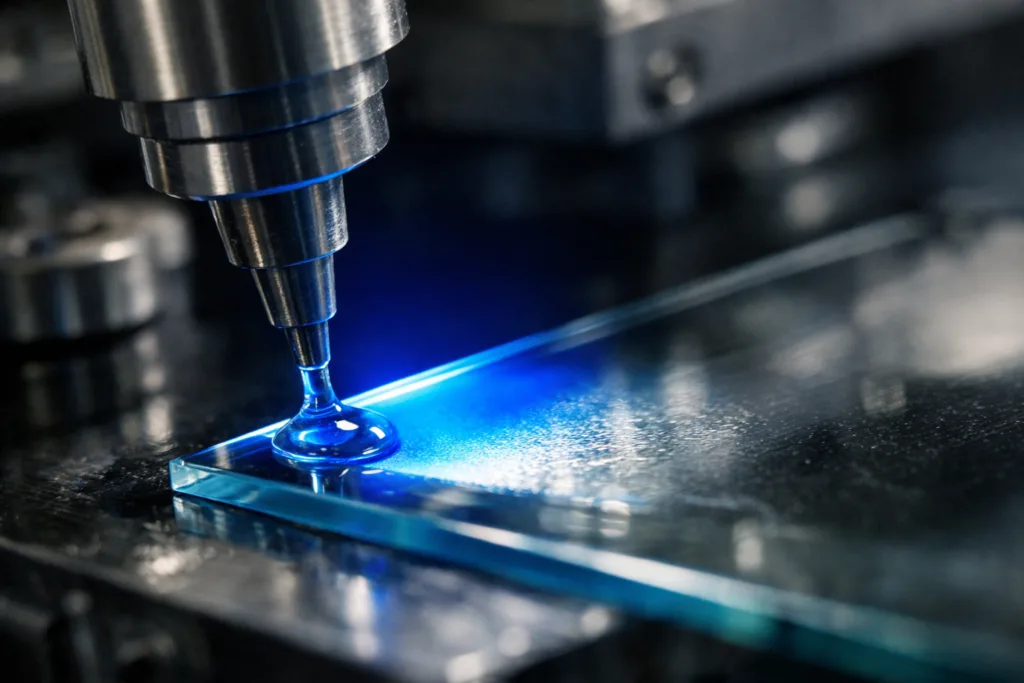
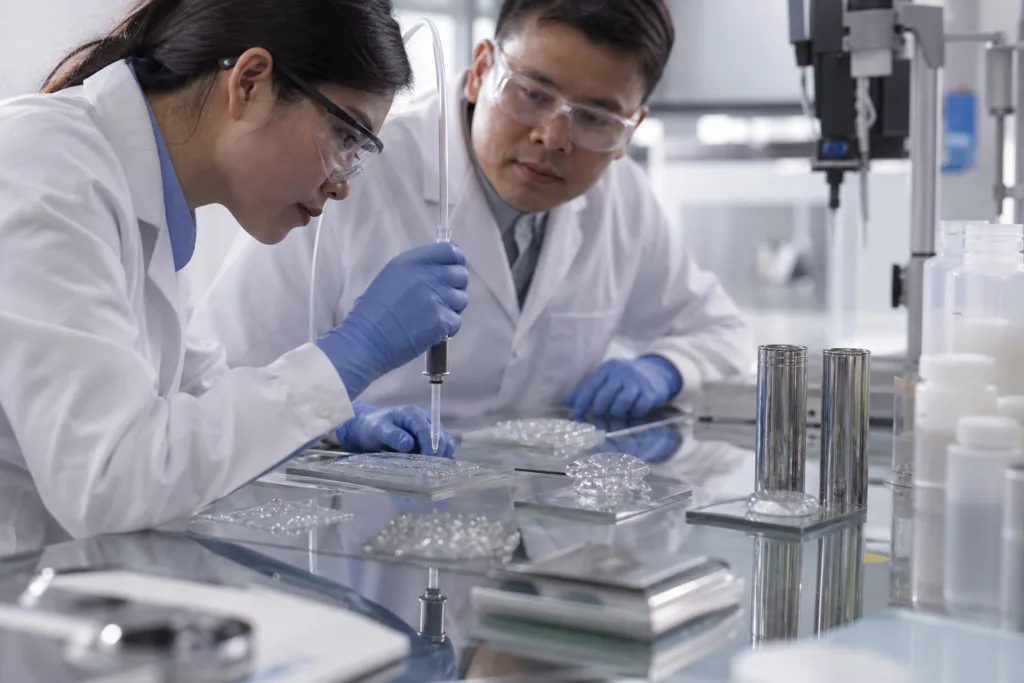
At the heart of color-changing UV adhesives lies a clever combination of photosensitive dyes and resin chemistries. These adhesives start as one color—often purple, blue, or pink—and shift to transparent, yellow, or another shade when exposed to UV light. This change signals the polymerization reaction, indicating the adhesive has fully cured. The role of photoinitiators, coupled with the responsive dyes, ensures that when the right wavelength and dosage of UV light is applied, the visible transition precisely reflects cure progress. Advances in chemistry have allowed engineers to customize dye systems for different substrates and requirements, making the cure indication both accurate and robust even in challenging conditions.
How UV Adhesives Change Color During Curing
Color-changing occurs due to the interaction of UV light with embedded dyes and the adhesive matrix. During exposure, the structure of the dye molecules alters, leading to a visible shift. The adhesive polymerizes at the same time, locking the color change as a permanent cue. Depending on formulation, some adhesives shift in gradients, while others flip rapidly once a threshold dose is met. For manufacturers seeking adhesive solutions that reduce uncertainty, this visual indicator is invaluable.
Key Advantages of Color-Changing UV Adhesives
- Error Prevention: Operators no longer guess if the bond has cured.
- Speed and Efficiency: Inspectors can check multiple joints instantly—no waiting or probing.
- Training Aid: Novices see exactly what proper curing looks like.
- Versatility: Effective in assembly lines, repairs, and even crafts.
- Process Control: The color shift provides real-time feedback for SPC (Statistical Process Control) systems.
Visual Cure Indicator vs. Conventional Methods
| Feature | Color-Changing UV Adhesive | Conventional UV Adhesive |
|---|---|---|
| Visual Cue | Instant (color shift) | None, subjective |
| Inspection Speed | Rapid batch checks | Manual testing/guessing |
| Training | Easy for new operators | Skill-dependent |
| Error Reduction | High | Moderate |
| Process Automation | Vision systems ready | Difficult |
Applications Across Manufacturing, Automotive, and Crafts
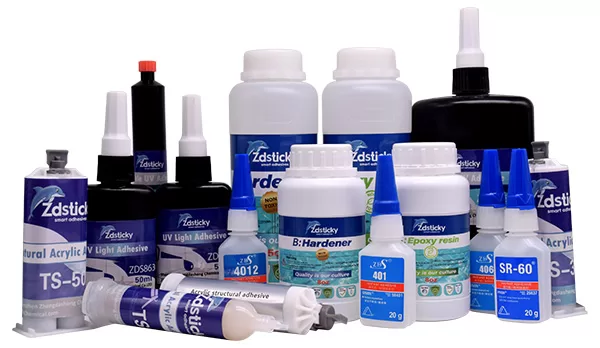
Different industries leverage color-changing UV adhesives for unique purposes. In electronics manufacturing, they enable fast assembly of sensors, connectors, PCB components, and display panels. In automotive, they simplify windshield installation, mirror bonding, and glass repairs. Creative fields—such as jewelry-making and model building—see benefits for precise alignment and durable assembly. For operators using UV adhesives with exacting performance specs, working with a manufacturer like ZDS Adhesive, an industrial adhesive manufacturer, ensures access to formulations matched to substrates such as glass, metal, or plastics.
Electronics: Surface Mount, PCB, and Sensor Bonding
Assembly technicians benefit from color cues when placing sensitive components. Even small volumes of UV adhesive can be checked visually, minimizing costly slip-ups in production. As a result, color-changing adhesives are popular in quick-turn PCB prototyping—the ability to “see” the cure is a game-changer.
Automotive: Glass, Trim, and Bonding Repairs
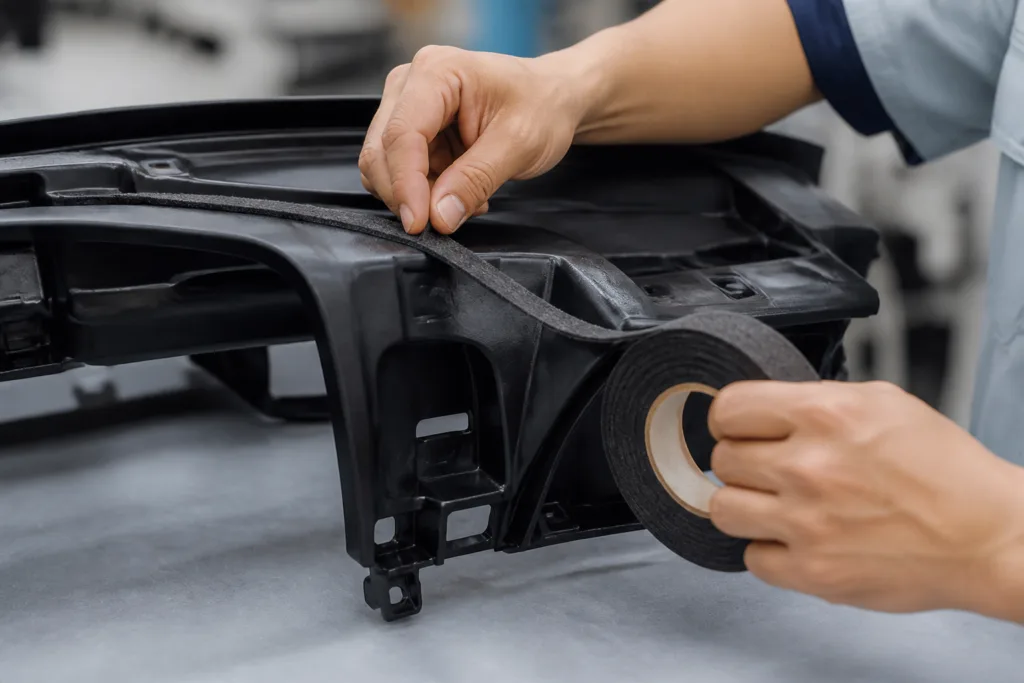
Automotive assemblies depend on precise cure timing, especially for windshield bonding and trim adhesives. The visual indicator lets technicians verify full cure before moving the vehicle, preventing premature failures and warranty issues. For more on automotive adhesive advances, browse our insights on automotive headliner adhesive.
Crafts and DIY: Creative Projects Made Easy
In crafts, the color-changing cue is invaluable for new users. Jewelry, models, and decor projects benefit from knowing exactly when the adhesive is ready for handling or finishing.
Understanding UV Light: Wavelengths and Cure Efficiency
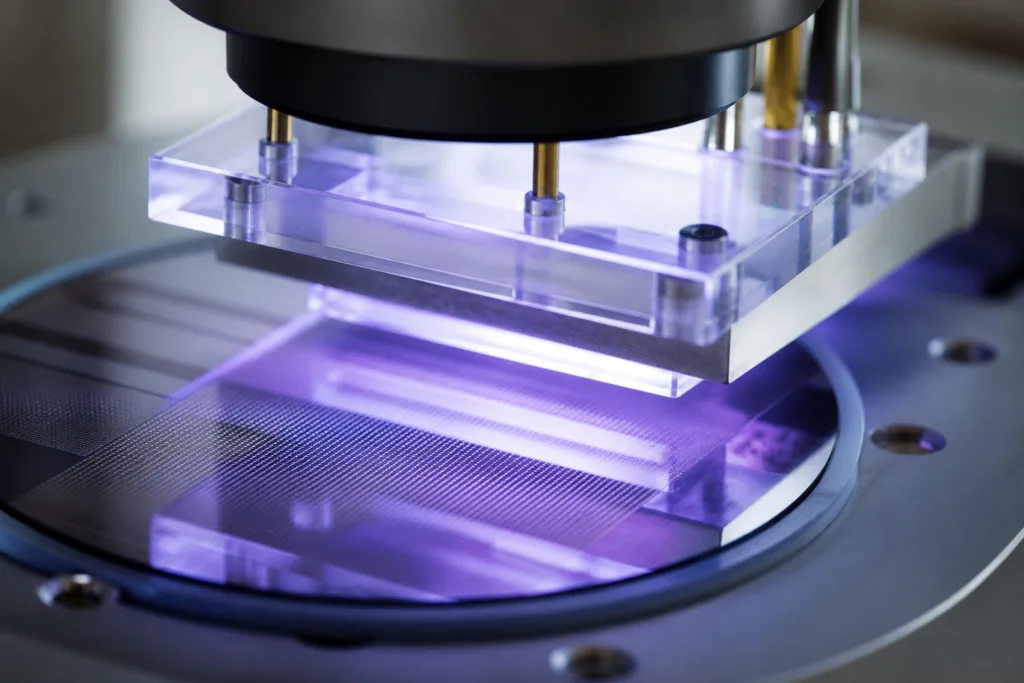
UV adhesives respond to specific wavelengths, generally in the range of 365nm–405nm. Color-changing formulations may require a targeted wavelength for optimal performance; mismatched lamps could slow or prevent color transition. Manufacturers will specify ideal lamp types—LED or mercury vapor—and minimum exposure times. Operators should periodically verify lamp output—aged or dirty lamps could leave adhesives uncured, even if the surface appears changed.
Choosing the Right Color-Changing UV Adhesive: Selection Criteria
Not all color-changing UV adhesives are equal—consider parameters such as substrate compatibility, viscosity, cure speed, final color, flexibility, and optical clarity. For instance:
- Substrate: Glass, metal, plastic, composite
- Viscosity: Thin for wicking, thick for gap filling
- Cure Speed: Short cycle times vs. extended repositioning
- Final Color: Clear for optics, colored for contrast
- Flexibility: Rigid vs. elastic bonding needs
Production engineers may request color-change adhesives tailored for specific process windows—some cure in 2–5 seconds, others allow longer open times for alignment. Input from suppliers, such as ZDS Adhesive, can help select formulations fit for demanding environments.
Techniques for Optimal Results: Practical Tips from Assembly Lines
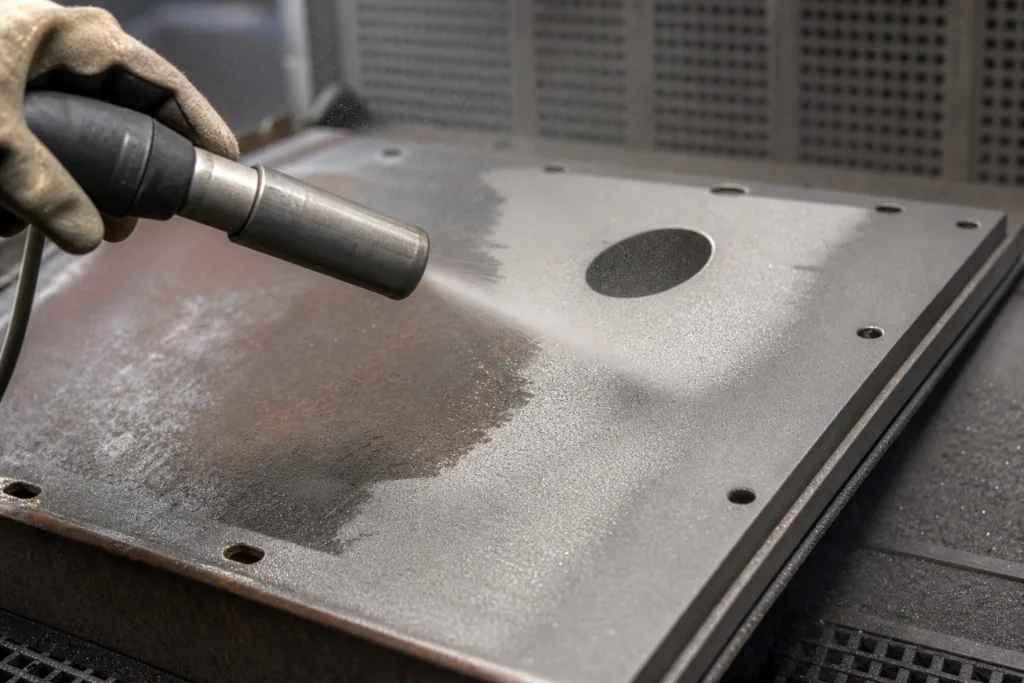
- Always clean substrates to remove dirt, grease, or oxides—surface prep boosts adhesive performance.
- Apply adhesive with consistent bead geometry and thickness for a uniform cure.
- Use the recommended UV lamp type and check for full exposure across the bond line.
- Monitor ambient temperature and humidity; extreme conditions affect curing and color shift.
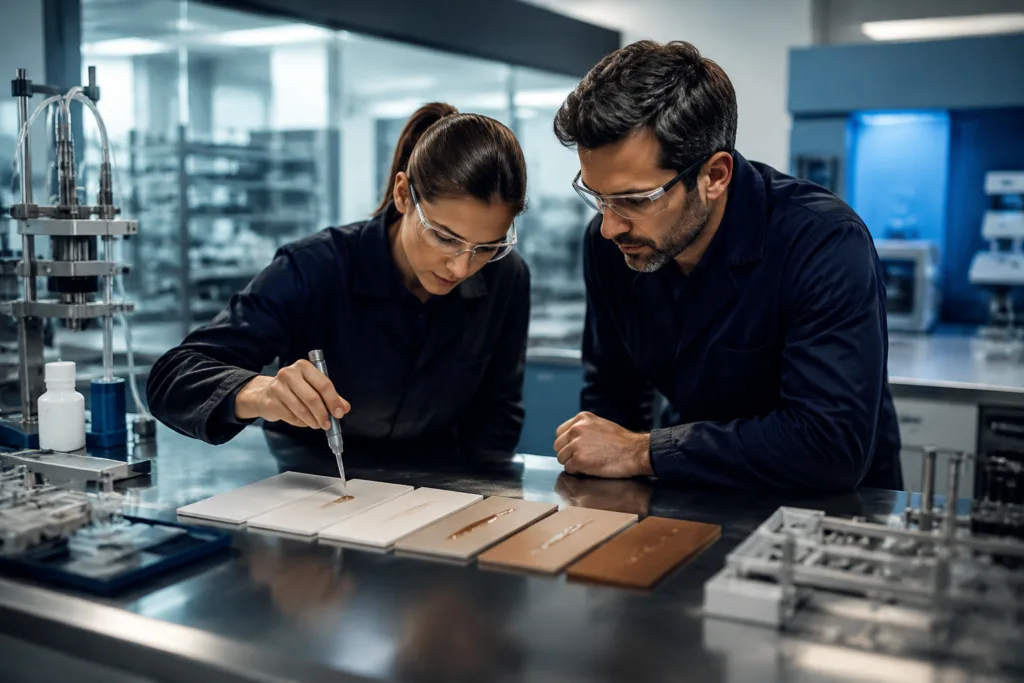
- Test a sample joint before full-scale production for process tuning.
For electronics, avoiding shadow areas—regions the UV light can’t reach—is crucial. Operators may use dual-cure systems (UV + heat or moisture) or rely on color-changing cues to check for complete cure.
How Color-Changing UV Adhesives Enhance Quality Assurance
Visual cure indication enables automated inspection systems. Cameras and sensors can detect color change, flagging uncured joints for rework before goods leave the line. This reduces quality escapes and supports traceability in regulated sectors.
Common Challenges in Using Color-Changing UV Adhesives
While color change is intuitive, several factors can complicate usage:
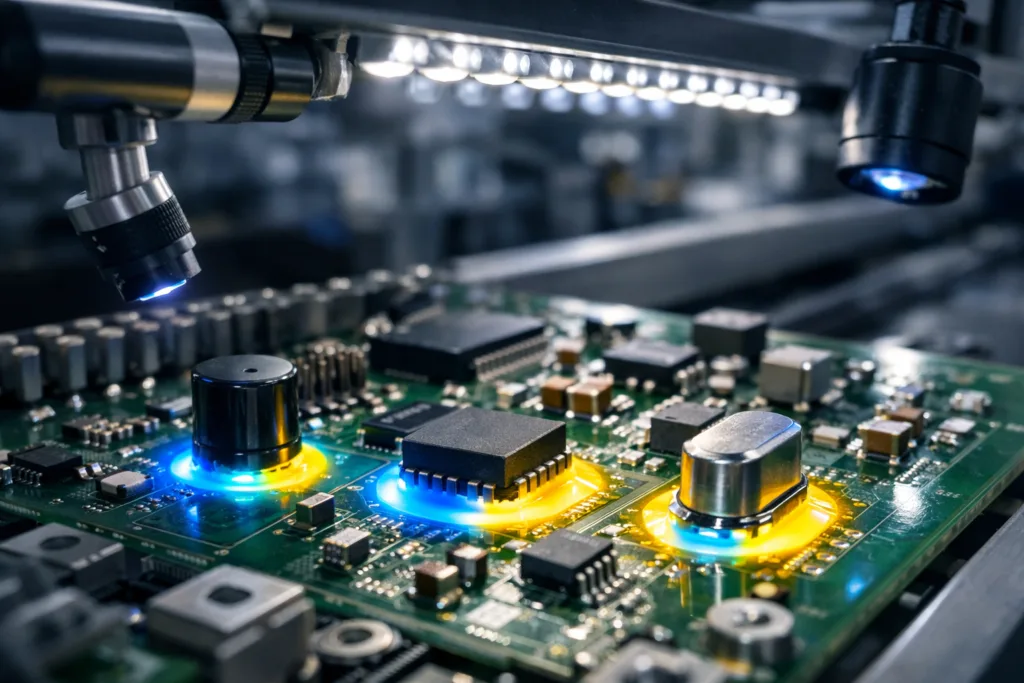
- Inadequate UV exposure: Insufficient lamp power or wrong wavelength can result in incomplete color change.
- Contaminated substrates: Oils, dust, or residues inhibit bonding, leading to unreliable cures.
- Shadowed areas: Color may not change where UV can’t reach; consider dual-cure options for deep or shaded joints.
- Overuse: Too much adhesive may slow color transition—apply recommended amounts.
Addressing these challenges with proper technique and product selection prevents process failures and increases long-term reliability.
Comparing Color-Changing UV Adhesives: Key Specifications
| Specification | Option A | Option B |
|---|---|---|
| Cure Color | Blue→Clear | Purple→Yellow |
| Viscosity | Medium | Low |
| Cure Time | 3s | 8s |
| Substrate | Glass/Metal | Plastic |
| Final Strength | High | Medium |
For details on UV adhesives engineered for complex processes, visit UV maskants for advanced assembly challenges.
Industry Insights: From ZDS Adhesive’s Application Engineering Team
From an assembly-line viewpoint at ZDS Adhesive, an industrial adhesive manufacturer, color-changing UV adhesives dramatically reduce operator error rates and speed up QA checks. By embedding visible cues, manufacturers enable less-experienced operators to make fewer mistakes and provide standardized feedback to automation systems. For high-throughput production on substrates like low-energy plastics (PP, PE), proper lap shear and peel testing help validate process choices. The use of color-change adhesives is growing, especially in electronics and automotive, where visual confirmation supports both reliability and compliance.
Innovation Trends in Color-Changing UV Adhesive Technology
Leading-edge developments introduce multi-stage color transitions, improved dye stability, and formulations for opaque substrates. Some adhesives now incorporate secondary indicators—such as fluorescing under UV—to help QA teams catch missed spots. Integration with vision-guided robots is expanding, making color-changing adhesives essential in smart factories.
Professional vs. DIY Uses: Unlocking the Benefits for All Users
Professionals gain from reduced inspection time and fewer rework costs; DIY users enjoy a hassle-free way to check bonds during crafts, repairs, and home projects. The visual cue eliminates uncertainty, letting even beginners achieve expert-level results. Safety improves, too—handling uncured adhesive is minimized thanks to the color indicator.
How to Share Your Creative Color-Changing UV Adhesive Applications
As these advanced adhesives become more popular, users are discovering creative applications—from precision glasswork to rapid electronics repairs. Sharing your experience helps the community learn new tricks and avoid common pitfalls. Whether posting on forums or uploading project photos, clear images of before and after color transitions let everyone benefit from these innovative materials.
Conclusion: Visual Curing—The Next Standard for Reliable Bonding
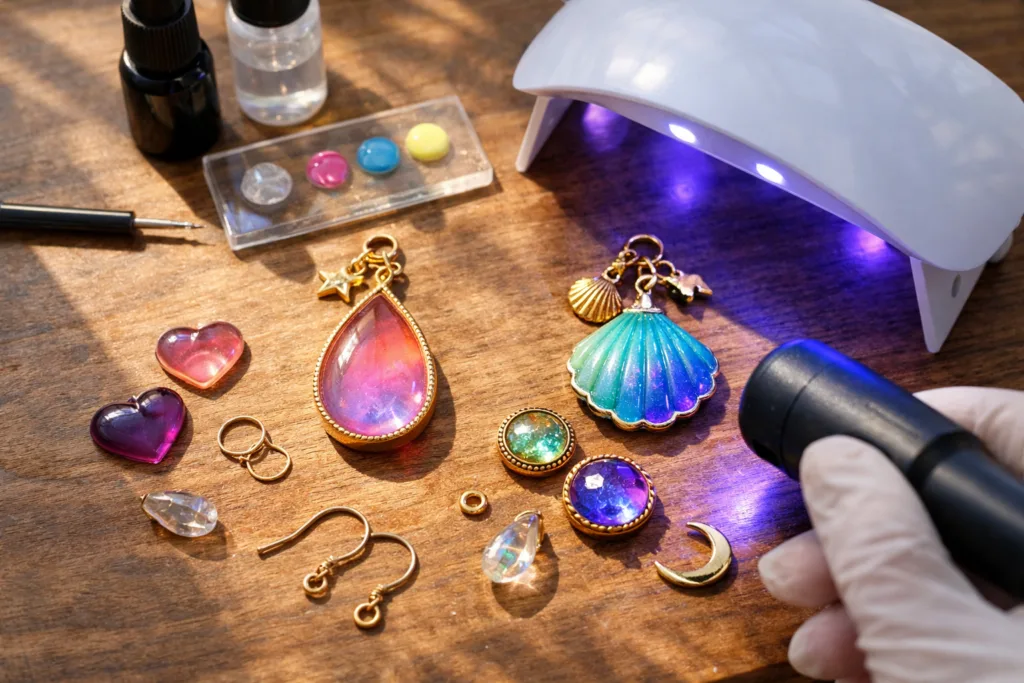
Color-changing UV adhesives are revolutionizing the way industry professionals and DIY users confirm cured bonds, bridging the gap between intuition and science. The instant color cue enables faster production, better quality assurance, and safer handling—whether on automotive lines, electronics benches, or craft tables. As technology evolves, expect even smarter indicators and more tailored product choices. By making cure status visible, these adhesives minimize errors and boost confidence. For manufacturers, engineers, and creators alike, visualizing the cure is the new benchmark for reliability.
Frequently Asked Questions
How do color-changing UV adhesives work?
These adhesives use special dyes that react to UV light, shifting color as the adhesive cures. The change indicates full polymerization.
What industries benefit most from color-changing UV adhesives?
Manufacturing, automotive, electronics, and crafts all gain from visual cure cues, reducing errors and improving quality control.
How can I ensure my color-changing UV adhesive has fully cured?
Follow lamp recommendations and check for complete color change across the bond. Test samples for process validation in critical applications.
Are color-changing UV adhesives safe for home use?
Most are suitable for DIY projects. Handle uncured adhesive carefully and use eye protection when operating UV lamps.
What should I do if the color does not change after UV exposure?
Check lamp output, exposure time, and adhesive thickness. Ensure substrates are clean and free from contaminants before applying adhesive.
Can color-changing UV adhesives be used on all materials?
Formulations exist for glass, metal, plastics, and composites. Always verify compatibility with your chosen substrate before use.