Introduction: The Critical Nature of High-Voltage Insulation in 800V EV Powertrains
As electric powertrains break the 800V barrier, automakers face a new set of high-voltage insulation challenges in EV powertrains. Ensuring the insulation can withstand severe temperatures, electrical stress, and long-term aging is no longer optional—it’s the foundation of EV reliability and safety. Failures aren’t just inconvenient; they can be catastrophic, leading to costly recalls, loss of consumer confidence, and potential safety risks.
With growing demand for fast charging, higher efficiency, and lighter architecture, understanding the technical needs of high-voltage insulation in EV applications has never been more urgent. In this guide, we dive deep into materials, real-world constraints, industry standards, and how engineering teams are solving these insulation challenges for 800V systems.
What Makes 800V High-Voltage Insulation So Demanding?
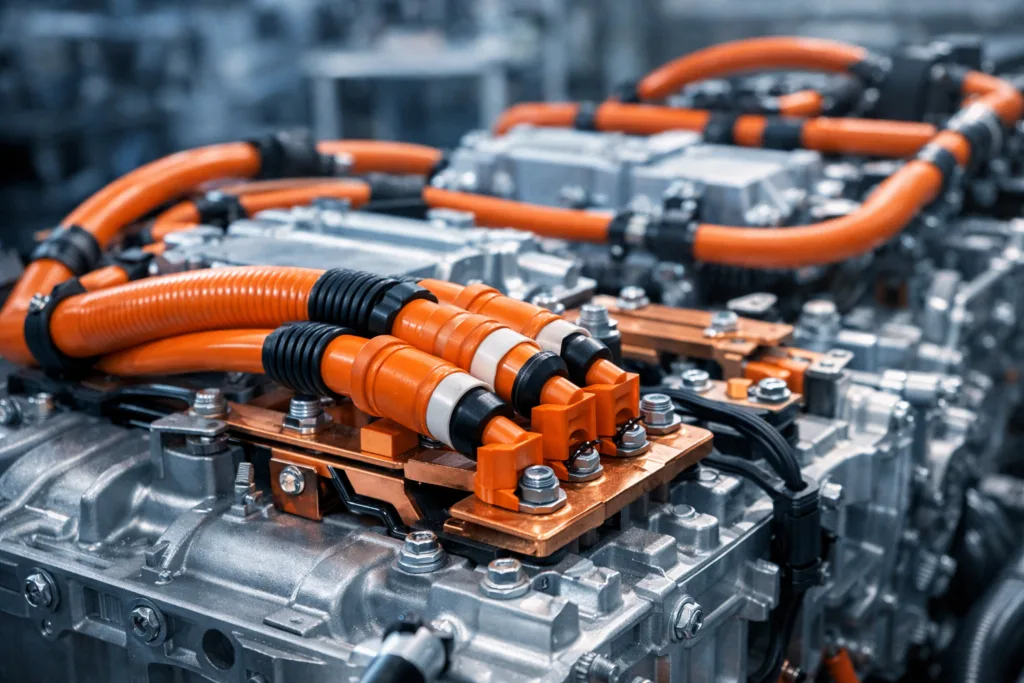
Shifting from 400V to 800V greatly increases the electrical stress on insulation materials throughout the EV powertrain. Components like inverters, motors, junction boxes, and cables must be protected against partial discharges, electrical tracking, and even thermal runaway.
- Thinner insulation: Lighter, more compact designs press for thinner insulation without compromising dielectric strength.
- Greater voltage gradients: At 800V, surfaces are more prone to arcing and surface tracking, especially in humid environments.
- Higher thermal load: Increased power density puts insulation closer to heat sources, risking accelerated aging and reduced durability.
Compared to legacy vehicles, the margin for error shrinks as standards tighten and consumer expectations rise.
Key Technical Challenges in 800V Insulation for EV Powertrains
Thermal Stability and Resistance to Aging
Insulation in 800V systems must withstand constant temperature swings, from -40°C to over 150°C, while resisting aging from heat, humidity, and vibration. Choosing materials with thermal endurance and dimensional stability is paramount.
Electrical Breakdown and Partial Discharge
Even a microscopic defect can initiate a partial discharge—tiny arcs that erode insulation, eventually leading to breakdown. Testing and preventing this is essential for ensuring long-term reliability.
Chemical Exposure and Environmental Stress
Automotive insulation is bombarded by fluids, dust, road salt, and aggressive chemicals. Materials must offer resistance to oils, greases, and other contaminants—especially around joints and potting compounds. For reference, using ATF oil resistant adhesives can significantly improve electric drive unit reliability under harsh conditions.
Mechanical Vibration and Shock Loads
EV powertrains experience constant vibration and occasional shock impacts. Insulation materials therefore need high peel and shear strength, and must not become brittle over time.
Core Materials Used in High-Voltage Insulation for 800V EV Systems
Cross-Linked Polyethylene (XLPE)
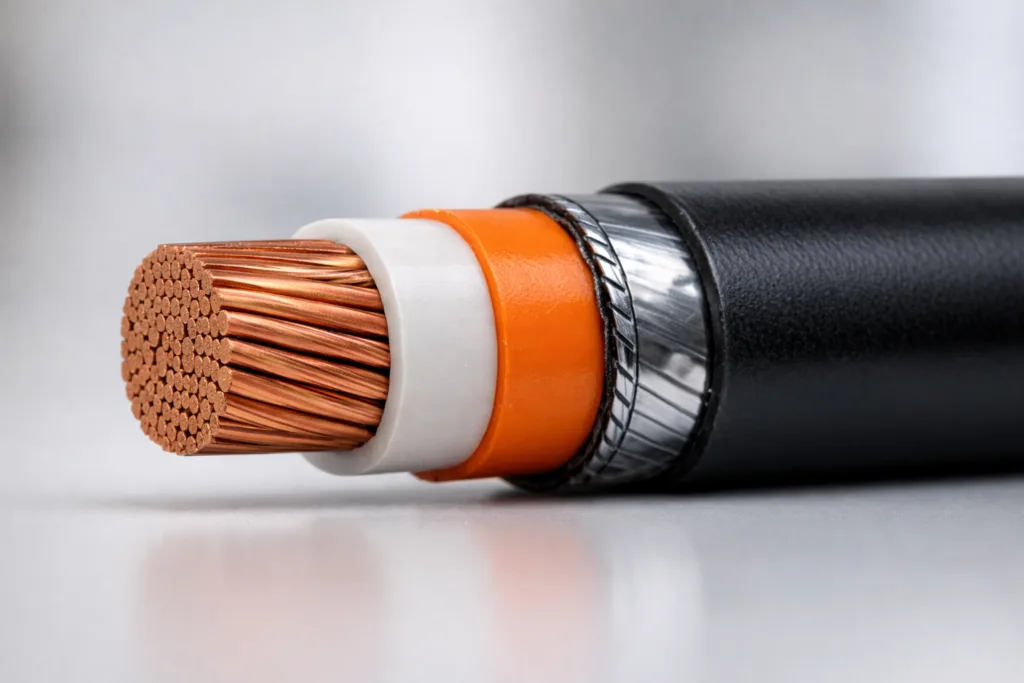
Popular for its high dielectric strength and temperature resistance, XLPE is extensively used in HV cables and battery insulation.
Polyimide (PI) Films
PI films provide outstanding thermal performance and are chosen for slot liners in motors, busbars, and flexible circuit insulation.
Epoxy and Polyurethane Potting Compounds
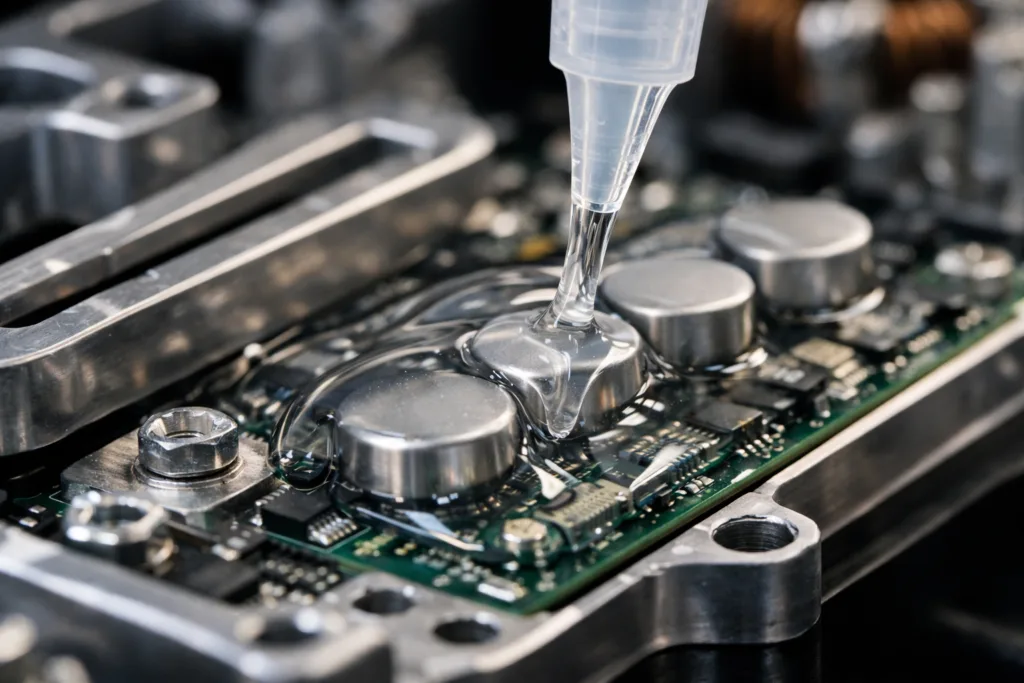
Potting compounds, such as epoxy adhesives and polyurethane potting glue, encapsulate sensitive electronics, resisting thermal shock, chemicals, and partial discharge.
High-Performance Elastomers
Silicone and fluoroelastomer seals provide flexibility and UV stability at cable entries, connectors, and busbar interfaces.
The Role of Potting and Encapsulation in 800V EV Systems
Potting compounds safeguard against both mechanical damage and electrical arcing. The right potting material enhances dielectric strength and creates a continuous insulation barrier—all while withstanding thermal cycling and chemical ingress. According to industry benchmarks, a typical potting material in an 800V system must maintain a dielectric strength above 20 kV/mm and keep volume resistivity stable across a wide temperature band.
Thermal Conductivity vs. Electrical Insulation—Finding the Right Balance
Better heat dissipation reduces insulation aging, but adding thermal conductivity fillers (like alumina or BN) can impact electrical properties. Application engineers carefully test for both dissipation and insulation quality. Single-step encapsulation with dual-cure adhesives is one innovation that’s reducing the risk of shadow area breakdowns. For details see Dual-Cure Systems for Shadow Areas.
Industry Standards Guiding High-Voltage Insulation in EV Powertrains
Global and regional standards define safety and test benchmarks for high-voltage insulation. Key regulations include:
- IEC 60664: Insulation coordination for equipment within low-voltage systems
- IEC 61558: Requirements for transformers and power supplies
- ISO 6469-3: Electric vehicle safety, including insulation monitoring and test requirements
- UL 2202: Electrical vehicle charging system certification
Most automakers subscribe to even stricter internal standards, performing accelerated life testing tailored to specific drive cycles and failure modes in their own labs.
How Testing Ensures High-Voltage Insulation Reliability
Dielectric Strength and Withstand Voltage
Materials are subjected to surge voltage and insulation resistance tests, often at twice the rated voltage to account for aging. According to best practices, every insulation solution for 800V systems must prove its worth under both steady-state and transient voltages.
Partial Discharge Measurement
Detects insulation weak points before they become failure hotspots. Test methods must be sensitive enough to find sub-millimeter defects at early stages, especially as insulation thickness drops in lightweight EV designs.
Environmental Cycling: Temperature and Humidity Aging
Accelerated life testing simulates years of field exposure in weeks. This includes humidity–freeze cycles, salt spray, and oil/chemical soak to catch breakdown trends early.
Recent Innovations and Trends in 800V Insulation for EVs
Nano-Filler Technology for Advanced Potting Compounds
The inclusion of nano-fillers enhances both thermal conductivity and dielectric strength, leading to longer battery life and safe operation. Early adopters report up to 15% better thermal cycling endurance using these advanced systems.
UV-Curable and Dual-Cure Potting Systems
UV-cured insulation dramatically speeds up assembly while delivering consistent cure in shadowed areas. These compounds maintain high dielectric strength, even under rapid cycle times and thin section encapsulation.
Encapsulation Techniques for High-Speed EV Motors
Motor windings encapsulated with low-shrinkage, high-modulus epoxies show a marked reduction in partial discharge—a proven way to extend e-motor life in 800V platforms.
Practical Insights from Application Engineering: ZDS Adhesive Perspective
From an assembly-line viewpoint at ZDS Adhesive, an industrial adhesive manufacturer, process control and repeatability often outweigh theoretical material specs. For 800V high-voltage insulation challenges in EV powertrains, engineers should:
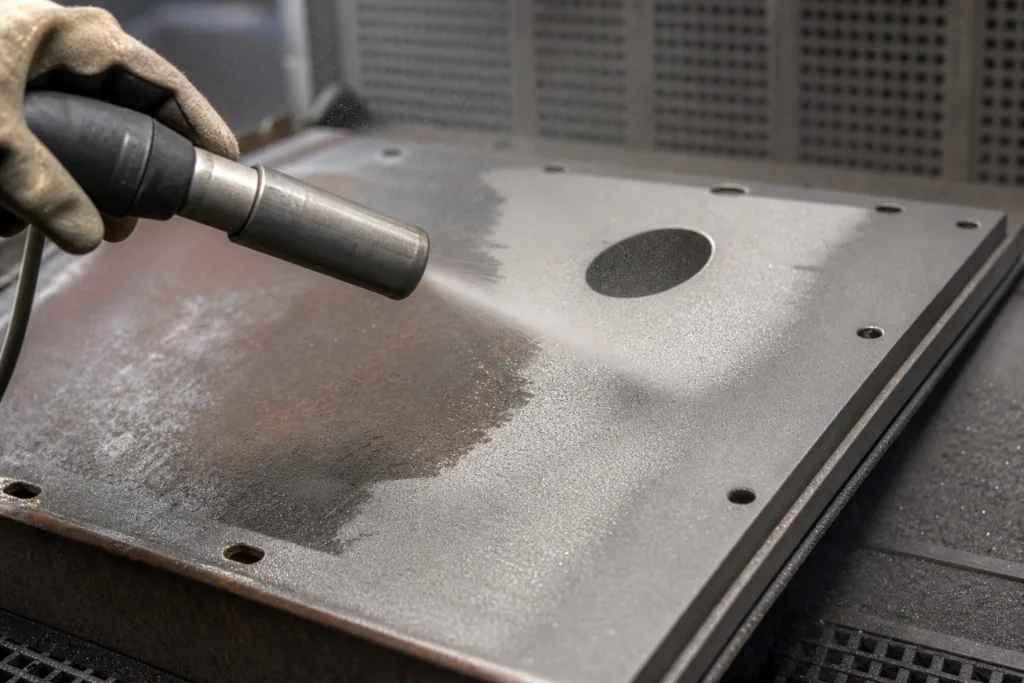
- Control substrate surface energy (via plasma or chemical pre-treatments) to ensure reliable adhesive wetting and dielectric barrier integrity
- Specify both open time and fixture time for adhesives, especially under line heating or robotic assembly constraints
- Regularly run post-cure tests—lap shear, peel, and insulation resistance—to catch production drift before it leads to field failures
800V High-Voltage Insulation Challenges in EV Powertrains
High-voltage insulation in modern EV powertrains is a battle against multiple, compounding risks: electric breakdown, thermal cycling, contamination, and mechanical abuse. As platform voltages climb to 800V and beyond, a multidisciplinary approach—combining next-gen materials, robust test regimes, and field-aware engineering—is essential. Materials alone do not guarantee safety; process, validation, and ongoing surveillance form the bedrock of EV reliability. Keeping up with innovation is a necessity, but never at the expense of old-fashioned process discipline.
Conclusion: Building the Next Generation of Safe, Reliable EVs
800V high-voltage insulation challenges in EV powertrains are shaping the future of electric mobility. The technical bar keeps rising—smarter materials, stricter standards, and ever-faster lines all demand more from insulation solutions. By understanding the interactions between materials science, environmental stress, and production realities, engineers can ensure not just compliance but long-term value. Choose your insulation strategy with both data and field experience in mind—future-proofed, safe, and ready for what’s next.
Frequently Asked Questions
What is the biggest risk for insulation failure in 800V EV systems?
The main risk comes from partial discharge—small arcs that erode insulation and eventually lead to a breakdown. This risk is amplified by thin insulation, manufacturing defects, or environmental stress.
Which insulation materials are best for 800V EV cables?
Cross-linked polyethylene (XLPE) and silicone rubber are widely used, as they offer good dielectric properties, flexibility, and chemical resistance suitable for high-voltage EV cables.
How do you test insulation reliability in EV powertrains?
Testing involves high-voltage withstand, insulation resistance, partial discharge detection, and accelerated temperature/humidity cycling to simulate years of field stress in weeks or months.
Are potting and encapsulation always necessary for EV electronics?
While not every component requires full potting, high-voltage modules and sensitive circuits often benefit from encapsulation to protect against humidity, vibration, and arcing.
What standards define high-voltage insulation in EVs?
IEC 60664, ISO 6469-3, and automaker-specific internal standards describe requirements for insulation coordination, safety, and reliability in electric vehicles.
Why is humidity so dangerous for high-voltage insulation?
Humidity lowers surface resistivity and increases the risk of tracking, leading to partial discharge or flashover, especially as voltages and power densities increase in modern EVs.
Related Reading
- How Dielectric Strength Affects High-Voltage Battery Lifespan
- Innovative Potting Solutions for IGBT Module Heat & Insulation
- Boosting Heat Dissipation in E-Motors: Stator Encapsulation Insights
- Custom Polyurethane Potting Glue for Electric Powertrains
- Definitive Guide to Dual-Cure Systems for Shadow Area Failures