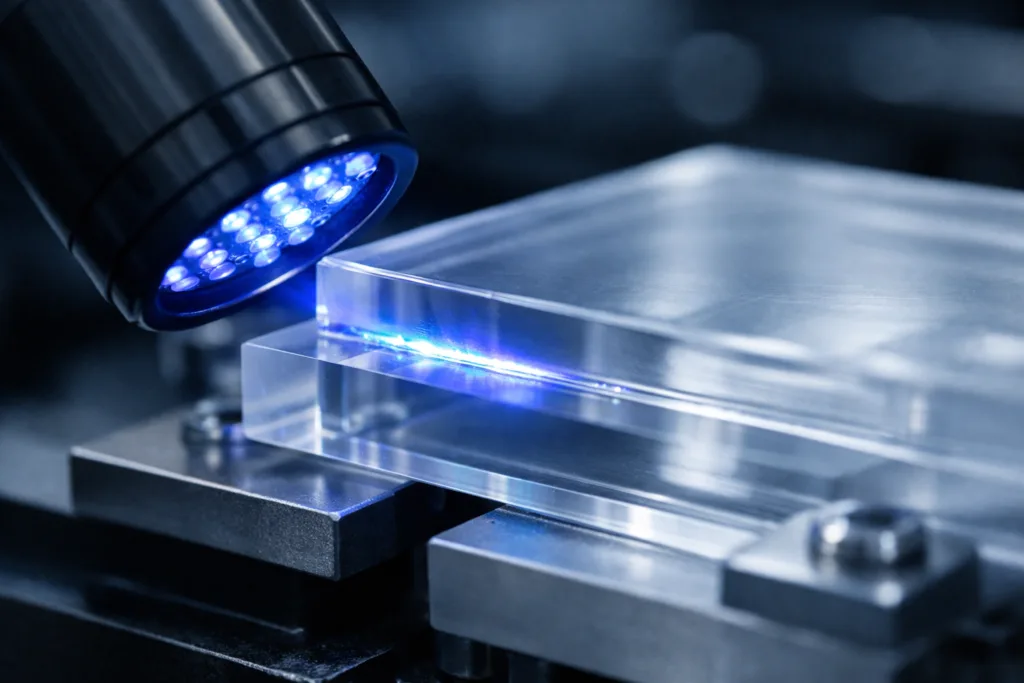
Introduction: Redefining Structural Assembly with 2nd Gen Acrylics (SGA)
Structural bonding has witnessed a significant revolution as industries increasingly shift from conventional mechanical fasteners like rivets to advanced chemical solutions. Central to this transformation is the growing adoption of 2nd Gen Acrylics (SGA): The Modern Alternative to Rivets. This new wave of acrylic adhesives, designed for structural bonding, brings measurable improvements in strength, long-term durability, and manufacturing flexibility—qualities that are particularly appealing across sectors such as automotive, transportation, electronics, and construction.
By examining key advantages, technical comparisons, and real-world best practices, this guide delivers actionable insights for engineers and operations teams navigating the new era of adhesive-based joining. Along the way, we weave in expert observations and practical experience to help you make decisions that stand up to real assembly pressures.
The Evolution: From Rivets to Structural Acrylic Adhesives

The shift from rivets and bolts to structural adhesives has accelerated over the last decade, catalyzed by the arrival of second-generation acrylics. While rivets have long been a staple for establishing quick, robust joints, their mechanical nature confines design freedom and makes rework complex. SGA adhesives, by contrast, provide designers with an invisible, flexible bond line, significantly reducing stress concentrations.
Unlike traditional methods, 2nd Gen Acrylics enable engineers to:
- Bond dissimilar materials (metals, plastics, composites)
- Increase fatigue resistance in dynamic assemblies
- Eliminate through-holes, preserving structural integrity
- Streamline production with faster cycles—and fewer steps
Understanding Acrylic Adhesives for Structural Bonding
Acrylic adhesives are two-part systems: a resin and an activator (or hardener). With SGA types, their chemistry is engineered to cure rapidly at room temperature, creating high-strength bonds with minimal surface prep. Compared to legacy acrylics, SGA formulations display enhanced peel and impact resistance, expanded open/fixture times, and improved dispensing stability. In-depth knowledge of acrylic structural adhesive manufacturers can help match the right formulation to your substrate and application requirements.
Core Advantages of 2nd Gen Acrylics (SGA): The Modern Alternative to Rivets
Why are manufacturers and assembly engineers migrating to 2nd Gen Acrylics? Key performance advantages include:
- Superior Strength-to-Weight Ratio: Comparable or better than rivets in lap shear and peel testing.
- Versatility: Bonds tough-to-join materials, including low surface energy plastics.
- Energy Dissipation: Reduces stress concentrations versus rigid rivets.
- Smoother Surface: Eliminates rivet heads for optimal aesthetics and aerodynamics.
- Streamlined Production: Enables automation, reduces labor, and minimizes rework time.
Comparing Performance: SGA Adhesives vs Traditional Rivets
Head-to-head analyses across common metrics offer revealing insights:
| Property | SGA Adhesives | Rivets |
|---|---|---|
| Lap Shear Strength | 25–35 MPa | 20–30 MPa (joint-dependent) |
| Fatigue Resistance | High – dissipates vibration and loads | Moderate – prone to loosening |
| Bond Versatility | Metals, plastics, composites | Usually metals only |
| Weight Impact | Minimal; enables lightweighting | Adds hardware mass |
| Corrosion Pathways | None (if surface sealed) | Potential (galvanic, capillary) |
| Rework Potential | Possible with heat/solvents | Damages panel, often not reversible |
| Assembly Speed | Fast, inline automation | Manual or semi-auto – slower |
This table showcases the key ways SGA adhesives surpass or match rivets for modern assembly and reliability goals.
Key Properties That Set SGA Adhesives Apart
SGA adhesives are uniquely specified for structural bonding where permanent, high-strength joints are vital. Critical properties include:
- Adhesion Spectrum: Excellent on aluminum, steel (bare/painted), plastics, composites
- Impact & Peel Resistance: Maintains bond integrity under shock, flex, and torsion
- Open vs. Fixture Time: Tailored for process setup, can range from 1 to 45 minutes open time
- Chemical & Environmental Resistance: Defends against humidity, fuel, oils
- Gap Filling: Handles bond lines up to 5mm without loss in performance
Diverse Applications: Where SGA Surpasses Rivets
Leading sectors have found a multitude of uses for SGA adhesives that go well beyond the capabilities of rivets:
- Automotive BIW (Body-in-White): Panel bonding, hem flanges, and crash structures
- Mass Transit: Floor panel, window, trim, and roof assembly
- Electronics: Bonding enclosures, heat sinks, or structural frames
- Construction: Curtain wall cladding, composite joints, metal connections
- Renewables: Wind turbine panel bonding, solar module assemblies
For example, automotive body adhesives based on SGA provide long-lasting structural performance without compromising paintwork or panel design freedom.
Case Study: Automotive BIW Assembly Transformation
The automotive industry is one of the earliest and biggest beneficiaries. Engineers report that by switching to SGA adhesives, joint fatigue life climbs sharply while vehicle curb weight drops—translating to better crashworthiness and fuel economy. For doors, hoods, and chassis reinforcing, the adaptability of SGAs gives automakers a powerful way to merge lightweighting with manufacturing speed.
Process Stability & Best Practices in SGA Adhesive Application
Consistency and repeatability are paramount in structural bonding. From an application engineer’s experience at ZDS Adhesive, an industrial adhesive manufacturer, the following checklist streamlines production while safeguarding joint quality:
- Control bond-line thickness via fixture design
- Maintain uniform substrate preparation—light abrasion and solvent wipe
- Dispense adhesive using automated beads or patches for consistency
- Fixture parts for adequate time (per datasheet) before load transfer
- Monitor workspace temperature/humidity for reliable cure
For consistent outcomes, always refer to the complete adhesive solutions portfolio to verify product–substrate compatibility and process parameters.
Critical Considerations: Surface Prep, Gap Filling & Substrate Compatibility
While SGA adhesives tolerate much looser surface prep than epoxies, the best results come from degreased, lightly abraded surfaces. Gaps up to 5mm are generally manageable, but for best reliability, avoid any trapped process moisture or contaminants. SGA technology bridges traditional gaps in joining aluminum to coated steel, plastics, and composites—making it a backbone for multifunctional assemblies.

Potential Drawbacks & Failure Modes in Structural Acrylic Bonding
No technology is without tradeoffs. Some SGA weaknesses include:
- Odor During Cure: Characteristic acrylic smell—requires ventilation
- Surface Crazing: On some plastics (PMMA, PC), stress cracking may occur
- Long-term Creep: Lower at high loads vs. epoxies—check specifications if exposed to high, sustained stress
- UV Sensitivity: Some formulas degrade if exposed to sunlight without topcoat
- Limited Heat Resistance: Most SGA adhesives function up to 120–150°C
Judicious selection and understanding potential failure scenarios—thermal cycling, solvent exposure, incorrect surface prep—are critical for reliable assembly.
Sustainability & Lightweighting: SGA’s Edge Over Mechanical Fasteners
SGA adhesives play a pivotal role in sustainability strategies. By eliminating metal fasteners, assemblies become lighter and corrosion-resistant, reducing raw material use and downstream emissions. The invisible bond lines also improve recyclability and mitigate the need for special disassembly steps at end-of-life.
Innovations in SGA Technology: The 2026 Landscape
The year 2026 marks a new plateau for SGA innovation. Today’s products offer:
- Color-change indicators for visual cure confirmation
- Enhanced no-mix two-part cartridges for perfect ratios
- Faster green strength for rapid handling
- Adhesive systems optimized for automated, programmable dispensers
Emerging performance targets include higher glass transition temperatures, improved outgassing profiles for electronics, and eco-friendly resin chemistries.
Emerging Applications: SGAs in E-Mobility, HVAC, and More
Recent years have seen SGA adhesives penetrate e-mobility (EV battery housings, charging stations), HVAC panels, and marine assemblies. Their capacity to bond dissimilar, lightweight, and even coated materials makes them a universal toolkit for designers seeking strength without bulk.
Regulatory, Safety, and Testing: What Professionals Must Know
All SGA applications must comply with relevant standards—such as automotive OEM approvals, fire and smoke safety, or transportation (railway, aerospace) codes. Verification is built on mechanical testing (lap shear, peel, wedge impact), environmental cycling (humidity, salt spray), and chemical exposure (fuel, oils). Safety precautions, such as gloves and curing exhaust, remain standard to minimize operator risk.
Future Outlook: What’s Next for SGA and Structural Bonding?
Expect continued synergy between adhesives and digital manufacturing: in-line monitoring, robotic application, and AI-powered QC are fast becoming the norm. Developers focus on wider cure windows, higher service temperatures, and smarter interfaces—think adhesives that alert to cure completion or interface damage.
2nd Gen Acrylics (SGA): The Modern Alternative to Rivets
SGA adhesives are more than a substitute for rivets—they’re an engineering solution that enhances design freedom, shortens manufacturing cycles, and meets today’s efficiency and sustainability requirements. From automakers to electronics giants, organizations embracing 2nd Gen Acrylics position themselves for leaner, stronger, and more future-proof production.
Conclusion: Making the Switch—The Practical Takeaways

Beneath the headlines about “no fasteners, no compromise,” SGA adhesives deliver quantifiable performance improvements that stand up to real-world manufacturing needs. By understanding strengths, limitations, and best practices, engineers can confidently deploy these advanced adhesives in the most demanding applications. As adhesive innovation continues, knowledge-driven selection is the key to unlocking structural, operational, and economic benefits. The future of assembly is bonded—are you ready?
Frequently Asked Questions
What makes 2nd Gen Acrylics (SGA) superior to traditional rivets?
SGA adhesives provide invisible, high-strength joints, allow bonding of dissimilar materials, reduce assembly weight, and streamline production compared to mechanical rivets.
Can SGA adhesives bond metals to plastics reliably?
Yes. SGAs are designed to bond metals to plastics and composites, provided surfaces are properly prepared and adhesive selection matches the application.
How quickly do SGA adhesives cure for handling?
Most 2nd Gen Acrylics reach fixture strength in 5–15 minutes, depending on formula and temperature, enabling fast-paced assembly lines.
Are there surface preparation requirements for SGA application?
For best results, surfaces should be degreased and lightly abraded. Many SGAs bond well with only minimal surface prep compared to epoxies.
What are common failure modes for SGA adhesive joints?
Typical failures stem from improper surface prep, excessive moisture, or exposure to temperatures beyond specified limits. Always follow datasheet guidelines for reliability.
How does an SGA joint perform in harsh environments?
SGAs exhibit strong resistance to fuels, oils, humidity, and temperature cycling, but some formulas may require topcoats for UV stability outdoors.
Related Reading
- 8 Surprising Wins Using Structural Acrylics in BIW
- Should You Ditch Mechanical Fasteners? Real-World Composite Tailgate Bonding Results
- How Structural Adhesives Outperform Welding for Aluminum
- Boost Crashworthiness with High-Modulus Chassis Adhesives
- Your Practical Guide to Hem Flange Bonding: 2026 Update