Introduction to Automotive Adhesives Explained: Best Practices for Body, Interior, and Electronic Assembly
Automotive adhesives have become essential to modern car manufacturing, transforming how body panels, interior trims, plastic parts, seals, and electronics are bonded or sealed. Unlike traditional mechanical fasteners, the latest automotive adhesives distribute loads evenly, reduce vehicle weight, and help make cars safer, quieter, and more reliable. This article, “Automotive Adhesives Explained: Best Practices for Body, Interior, and Electronic Assembly,” unpacks the practical, real-world aspects of adhesives used across the industry—focusing on temperature resistance, vibration control, liquid exposure, ease of use with modern assembly lines, and the validation tests that ensure dependable performance on the road.
We’ll break down how adhesive choices differ for body structures, lightweight plastic assemblies, interior comfort, weatherproofing, and protecting sensitive electronics, so you can make sense of the science—and the engineering decisions—that keep vehicles moving. Whether you’re an engineer, production manager, or quality specialist, these insights will guide you through the smartest practices for automotive adhesive success in 2026.
The Evolution of Automotive Bonding: Why Adhesives Matter More Than Ever
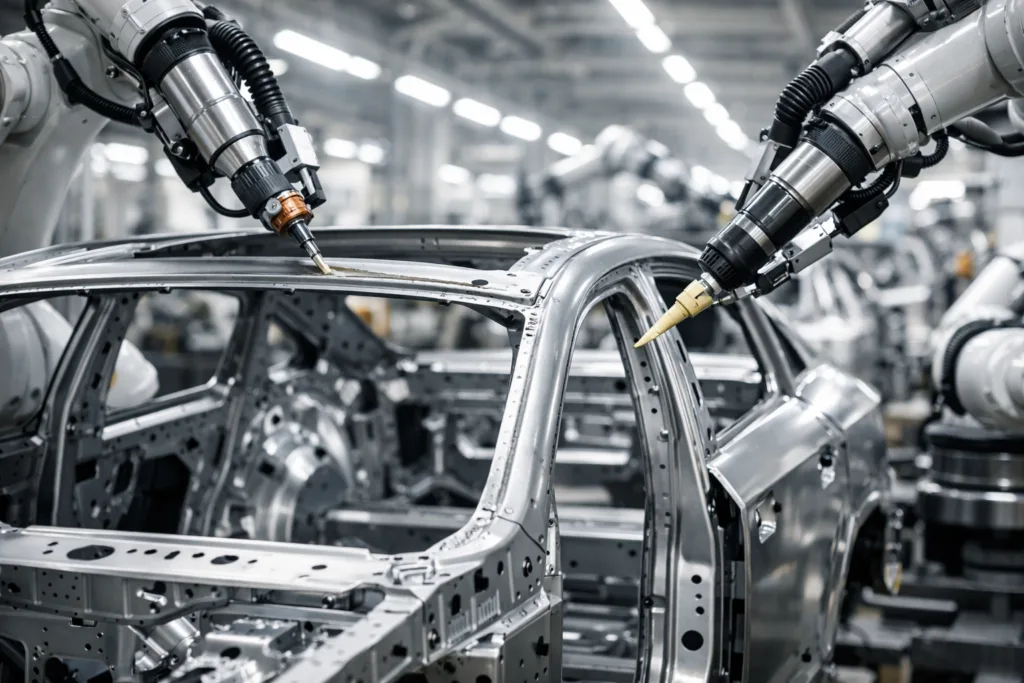
In today’s vehicle design, adhesives do far more than just “hold things together.” As automakers pursue lightweighting for better fuel efficiency (or battery range in EVs), adhesives replace many welds, rivets, and screws, especially in aluminum and mixed-material bodies. Adhesives also allow joining of different substrates—think steel to composite, glass to metal, or even electronic circuit boards to structural housings—often without stress concentrations that lead to cracks or squeaks.
Moreover, adhesives help manage noise, vibration, and harshness (NVH), improve crashworthiness, enable sleeker body lines, and protect electronics against water, dust, and chemicals. This hands-on advantage makes them irreplaceable in everything from structural frames to infotainment modules.
Main Categories of Automotive Adhesives and Their Manufacturing Roles
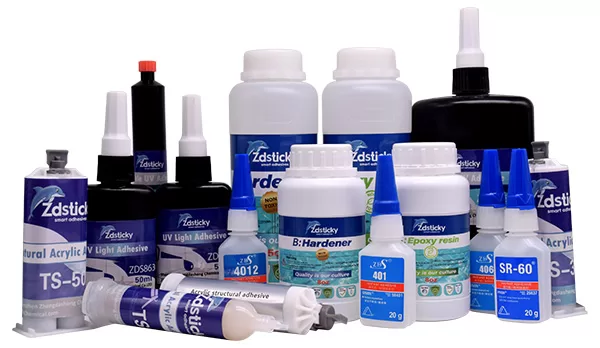
The automotive industry relies on a wide spectrum of adhesives. Each type is formulated for a specific application, balancing performance, cost, and manufacturability:
- Structural adhesives: For load-bearing joints in body-in-white (BIW) assemblies—think hem flanges, roof panels, chassis rails.
- Elastic/Sealing adhesives: Absorb thermal expansion, fill gaps, and prevent leaks (weatherstrips, window glass, door seals).
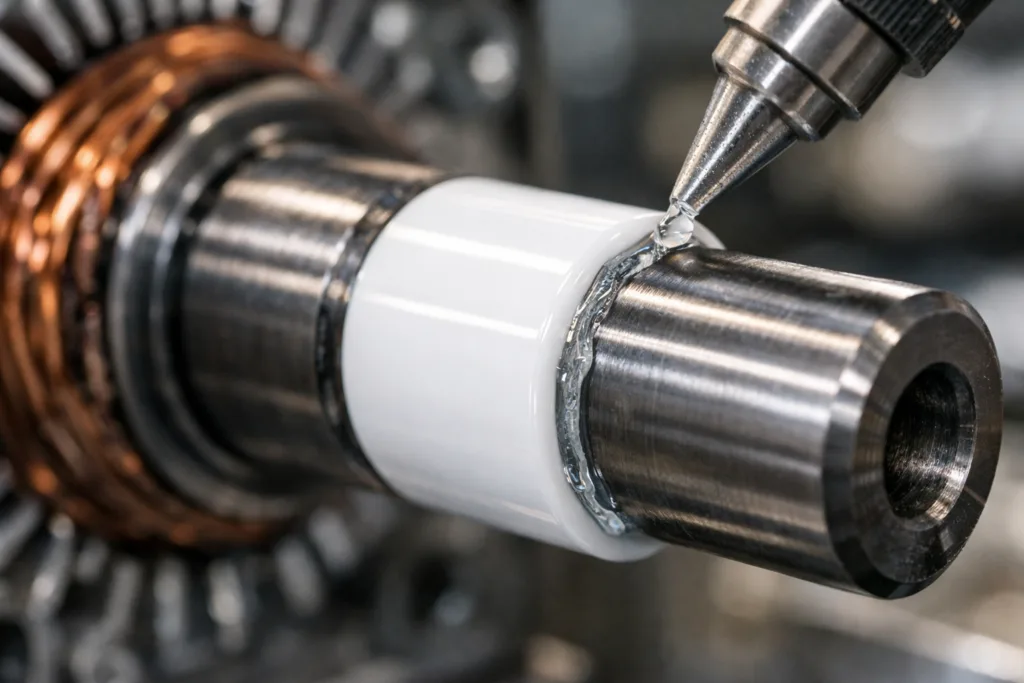
- Instant adhesives: Quick assembly of small parts, clips, and trim.
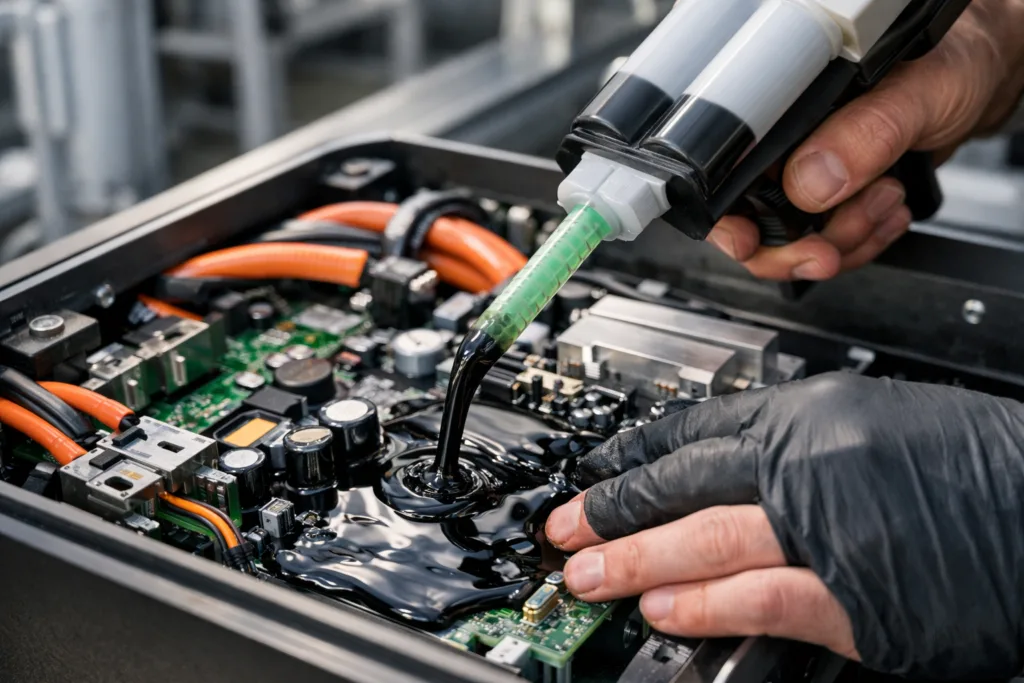
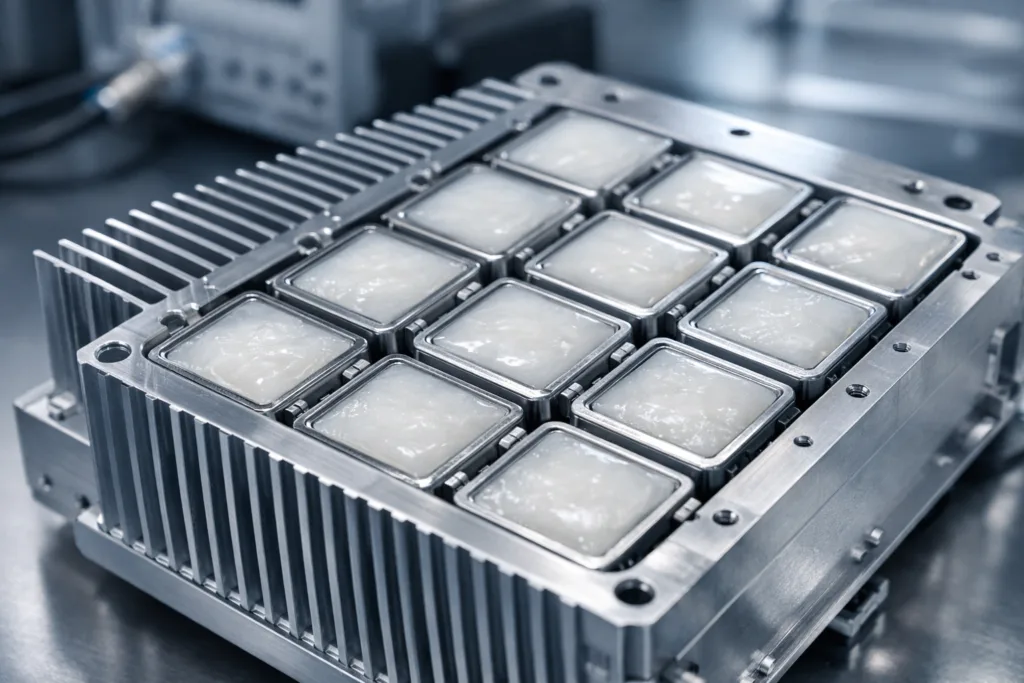
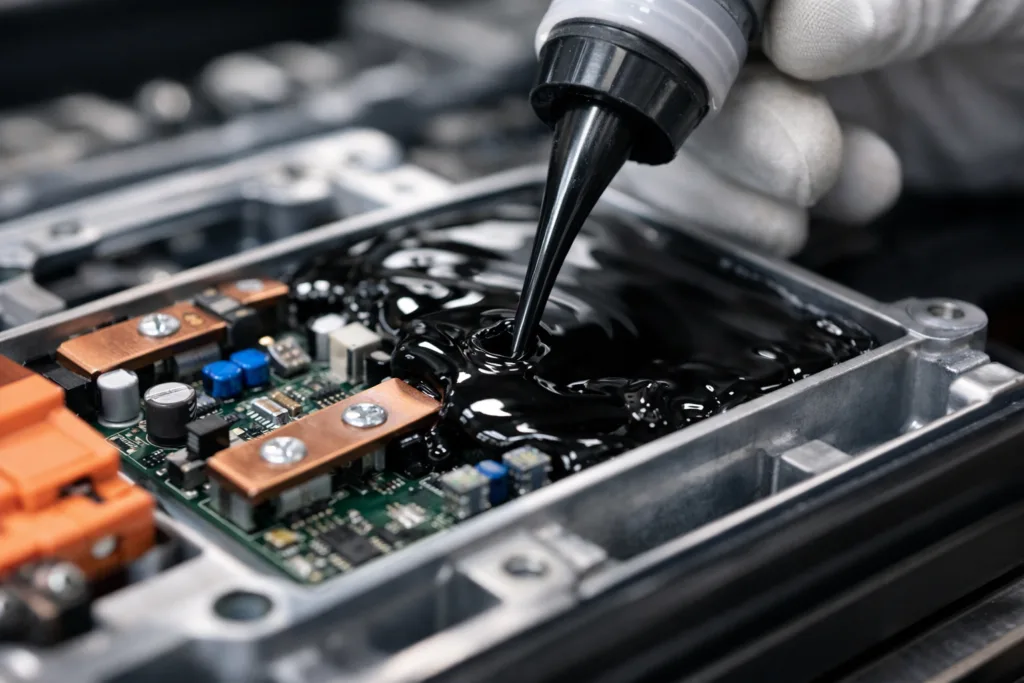
- Electronic/Encapsulation adhesives: Protect printed circuit boards (PCBs), sensors, and battery modules from vibration, moisture, and chemicals.
For example, see the specialized automotive body adhesive and automotive glass adhesive options designed to meet these manufacturing needs.
Selecting Adhesives for Body-in-White (BIW) Assembly
For BIW, the adhesive must not only create a strong bond but also endure welding heat, cathodic dip coating (e-coat) baths, and the extreme flexing from crash loads or vibration. Parameters like lap shear strength, peel resistance, modulus, and elongation are critical. Modern BIW adhesives often combine with spot-welding for maximum joint integrity and stiffness.
Materials with different coefficients of thermal expansion (CTE) present another challenge. Choosing the right adhesive helps minimize warping, squeaks, and durability problems across steel, aluminum, and composites in the same car structure.
Adhesives for Exterior Trim, Roof, and Glass Bonding
Automotive trim and glass bonding require excellent weatherability, flexibility, and primerless adhesion to a variety of paints and plastics. The adhesive must resist UV radiation, moisture, and extreme temperature swings—without losing grip or turning brittle. Many trim adhesives are also paintable and offer fast green strength for high-speed assembly.
If you’re managing weatherstrip or mirror installation, selecting adhesives with advanced elastic properties is key. Explore more practical options for automotive trim adhesives and weatherstrip sealing.
Interior Assembly: Comfort, Quiet, and Lasting Looks
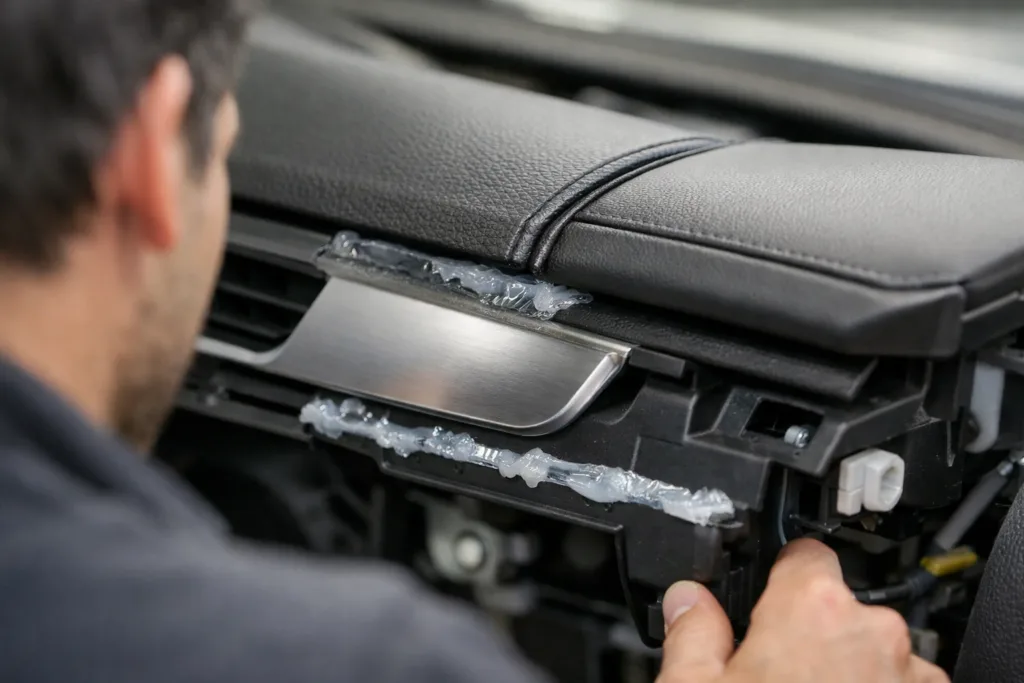
Interior adhesives play a big part in passenger comfort and appearance. Applications like headliners, instrument panels, and fabric coverings need adhesives that are low-odor, non-staining, and compatible with plastics and foam. They should also forgive some surface contamination and cure quickly under ambient plant conditions.
For noise damping, specialized adhesives help eliminate rattles and buzz from panels meeting at low angles. Here, structure-borne noise can be tamed by the right elasticity and viscoelastic behavior.
Plastic and Composite Part Bonding: Handling Low Surface Energy Materials
Engineering plastics (PP, PE, PC/ABS, TPO) and composites are now staple materials in lightweight vehicles. Their low surface energy means traditional adhesives often perform poorly—surface prep, plasma/corona treatment, or purpose-made adhesives are essential for robust bonds.
Toughened acrylics, polyurethanes, and special epoxies offer excellent solutions for bonding modern plastics. Compatibility with robotic application and fast green strength are critical, allowing in-line production speeds without compromise.
Automated Dispensing and Application in Automotive Adhesives
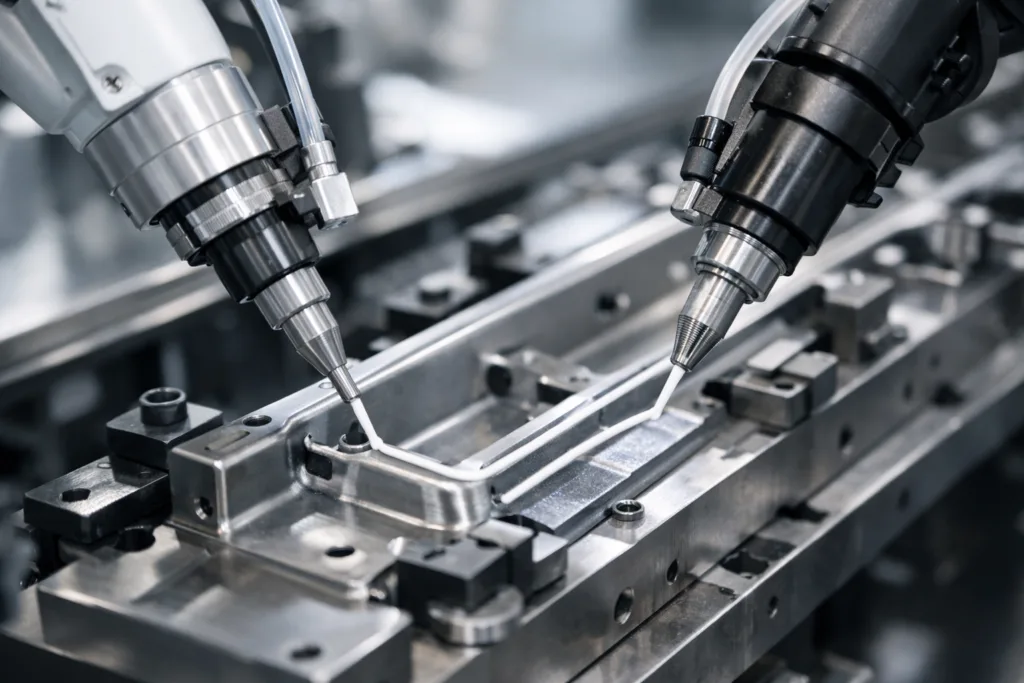
The reality of high-volume manufacturing demands adhesives that can be dispensed by robots with high repeatability. Factors like open time, viscosity, bead stability, and tolerance to automated systems all impact productivity and waste rates.
Engineers must ensure the adhesive suits the plant’s curing profile: UV cure, heat, or room temperature. Mistakes in open time or tack window often lead to excessive rework, so collaborative testing with suppliers is best practice.
Sealing and Waterproofing: Keeping Out Water, Dust, and Vapors
Effective sealing adhesives prevent corrosion, protect electronics, and enhance long-term reliability. These products must resist weathering, salt spray, engine fluids, and thermal cycling over the vehicle’s lifetime. Proper surface cleaning, bead geometry, and cure validation are just as important as formulation itself.
Waterproofing electronics like battery packs or ADAS sensors—using robust encapsulation compounds—ensures long-term safety. Manufacturers often rely on custom polyurethane potting glues for this mission-critical step.
Noise, Vibration, and Harshness (NVH) Control: The Hidden Role of Adhesives
Reducing NVH inside vehicles is a growing priority, especially in electric cars where engine noise is minimal. Specialized damping adhesives absorb energy and reduce structural vibrations at joints and panels prone to flexing. Here, the right viscoelastic property is essential—strike the balance between softness (for damping) and strength (for safety).
NVH optimization often involves iterative testing: lap shear, peel, and long-term thermal cycling. Analytical modeling tools are increasingly used to predict acoustic benefits and fine-tune adhesive choice.
Electronic Module Bonding and Potting: Meeting Today’s EV and Safety Demands
As vehicles pack more electronics—control units, cameras, radars, sensors, and batteries—adhesive selection for PCB attachment, module housing, and wire harness stabilization becomes critical. These adhesives must:
- Withstand wide temperature swings and humidity
- Protect against fluids (coolant, oils)
- Resist vibration fatigue and micro-cracking
For full sealing, potting compounds made from advanced polyurethanes or epoxies provide a barrier against water and chemicals. Careful validation ensures the curing process doesn’t stress sensitive chips or cause thermal hot spots inside modules.
Validating Adhesive Selection: Real-World Tests That Matter
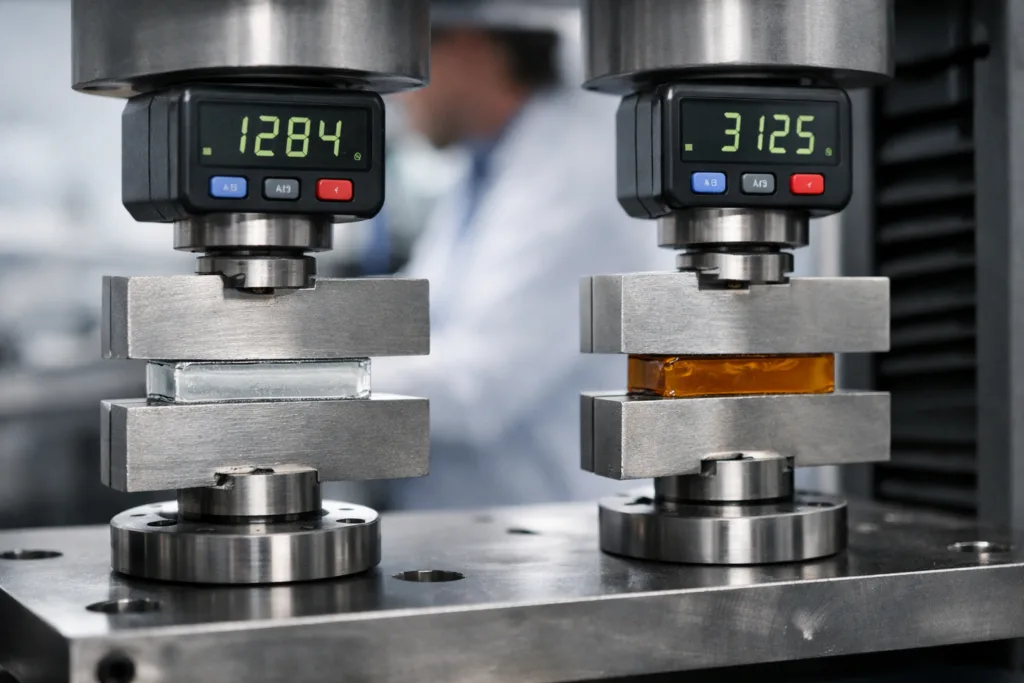
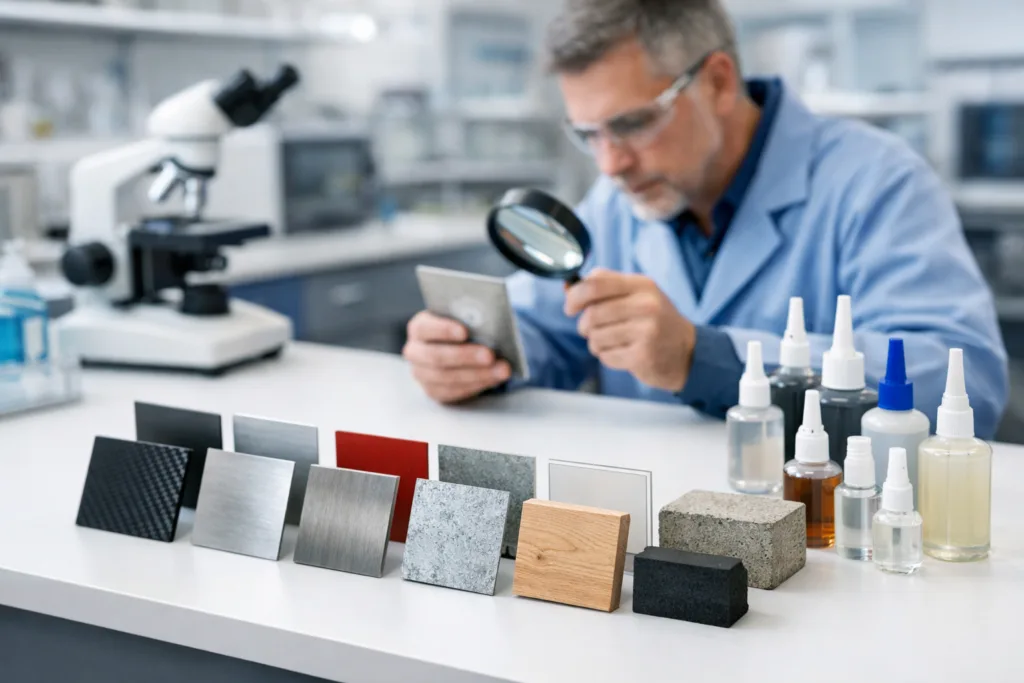
No adhesive is “one size fits all.” Validation is vital—from small coupon tests to whole-component validation. The most relevant tests include:
- Lap shear (for body panels)
- Peel resistance (for trims and seals)
- Impact/crash simulation (for structural joints)
- Thermal cycling and humidity aging (for all interior/exterior assemblies)
- Chemical and fluid resistance (exposure to fuel, oils, cleaners)
At ZDS Adhesive, an industrial adhesive manufacturer, engineers frequently combine test results with real-world process reviews to establish durable spec ranges: correct surface prep level, application bead design, pressure and cure time, and post-assembly checklists. This evidence-based approach catches issues early—limiting costly recalls and warranty claims.
Temperature, Fluid, and Vibration Resistance: The Non-Negotiable Parameters
Every auto-adhesive is rated for a certain temperature range, from arctic cold to engine-bay heat. For example, structural adhesives must sustain at least -40°C to 120°C, while electronics potting often requires -40°C to 150°C or more. Fluid resistance is equally vital—without it, exposure to brake fluid, grease, or road salt can degrade bonds in less than a year.
Vibration resistance (or fatigue strength) is usually measured by simulated road-load testing. The best automotive adhesives retain >85% lap shear after millions of cycles and resist crack growth under daily use, not just in standard bench tests.
Compatibility with Modern Materials: From High-Strength Steel to Composites
High-strength steels, aluminum alloys, magnesium, and carbon fiber each demand specialized adhesive chemistry. The challenge: ensuring robust adhesion to both similar and dissimilar joins, managing differential CTE, and accommodating new eco-friendly coatings. Adhesives with built-in primers (or those forgiving paint residues) are increasingly popular for speeding up plant throughput without compromising durability.
Key Factors in Adhesive Application: Open Time, Fixture Time, Cure Mechanisms
The realities of assembly lines mean open time (the working window), fixture time (how quickly the bond holds), and cure speed all impact process planning. Fast-curing adhesives speed up throughput but may be unforgiving if parts aren’t aligned promptly. Conversely, slow-cure or multi-component systems offer higher bond strengths and thick gap fills but require longer processing or post-curing at elevated temperatures.
Process engineers must weigh plant constraints, worker safety, and the effect of VOCs when determining application procedures—not just the datasheet strength numbers.
Process Stability and Production Robustness: Avoiding Assembly Pitfalls
Even high-performance adhesives can lead to failures if application isn’t carefully controlled. Common pitfalls include under/over application, dirty surfaces, wrong mixing ratios (for 2-part systems), or environmental exposure before cure. Best practices include automated dispensing systems, process validation by both destructive and non-destructive tests, and ongoing training for operators.
This disciplined approach helps avoid catastrophic issues, from water leaks to early delamination or even field failures in electric vehicle battery packs.
Cost-Efficiency and Sustainability in Adhesive Selection
With stricter environmental regulations and resource costs rising, automakers now prioritize adhesives that enable thinner bond lines, less waste, and simpler rework. Water-based, solvent-free, or recyclable adhesives are becoming standard in interiors and select exterior seams. Material and energy usage is optimized without sacrificing long-term joint strength or safety.
Even in high-volume roles, the extra upfront investment in robust testing and tailored adhesives pays back through fewer recalls, better warranties, and improved sustainability scores.
Common Pitfalls in Automotive Adhesive Application (and How to Avoid Them)
Some frequent real-world mistakes include:
- Ignoring surface cleanliness or prep (leading cause of joint failure)
- Applying incompatible adhesives to painted or oily metals
- Underestimating the impact of open time in fast-changing plant conditions
- Skipping humidity or temperature validation, especially for global export models
- Neglecting long-term chemical resistance, especially near powertrain fluids
For practical insights into optimizing adhesive selection and application, reference the secrets behind expert adhesive production and material testing.
Automotive Adhesives Explained: Best Practices for Body, Interior, and Electronic Assembly
Wrapping up this exploration: Best practices in automotive adhesives always match the adhesive to the job. That means choosing bonding adhesives for load-carrying panels, elastic sealants for weather-exposed areas, quick-cure instant adhesives for small parts, and robust encapsulants for electronics. Application methods—whether bead, spray, or robotic dotting—must suit the plant and the part. And only field-proven, fully validated adhesives stand up to years of temperature extremes, shocks, and daily abuse.
Above all, process discipline—from surface cleaning to post-assembly checks—is what separates durable, high-quality vehicles from recurring warranty headaches.
Conclusion
The strategic use of automotive adhesives underpins safer, lighter, and higher-quality vehicles. From BIW structures to waterproofing tiny electronics, a solid understanding of the real-world requirements—temperature, vibration, chemical resistance, and application stability—ensures reliability both on the assembly line and on the road. As the industry innovates with new materials, electrification, and sustainability targets, the role of adhesives will only become bigger. Make adhesive selection an engineering decision, guided by validation and best practices rather than habit. With this approach, manufacturers build cars ready for the next generation of challenges.
Frequently Asked Questions
Why do automakers prefer adhesives over traditional welding or riveting?
Adhesives distribute loads more evenly, enable lighter designs, join different materials, and improve sealing and NVH reduction—leading to safer and quieter vehicles.
What makes an adhesive ideal for electronic module bonding?
Resistance to wide temperature swings, humidity, chemicals, and vibration; void-free encapsulation; and compatibility with sensitive electronic components are all key requirements.
How does surface preparation affect adhesive performance in cars?
Proper cleaning or surface activation is vital. Contaminants cause poor adhesion and early joint failure, especially with low surface energy plastics and oily metals.
What validation tests are usually performed on automotive adhesives?
Common tests include lap shear, peel, impact/crash simulations, thermal cycling, humidity aging, and long-term chemical/fluid resistance assessments tailored to each joint’s function.
How do automakers address the challenge of bonding plastics with low surface energy?
They use surface treatments (like plasma/corona), adhesive primers, or specialty adhesives designed specifically for PP, PE, TPO, and similar plastics to ensure reliable, lasting bonds.
What are the advantages of automated adhesive dispensing?
Automated dispensing improves accuracy, consistency, reduces waste, and allows high-speed assembly, all of which are essential in volume automotive manufacturing settings.
Related Reading
- Discover 8 Game-Changers: Structural Acrylics Transform BIW Assembly in 2026
- How High-Modulus Adhesives Reinforce Chassis Stiffness & Crash Safety
- 9 Crucial Rules for Hem Flange Bonding in Door and Hood Assembly
- 7 Proven Ways Low Odor Adhesives Improve Factory Safety
- Ultimate 2026 Guide to Industrial Glues: Types, Uses, and Easy Selection