Introduction: Why Acrylic Adhesives Are Reshaping Metal Bonding
Metal bonding is at the core of countless industries—from automotive assembly to heavy machinery manufacturing. Traditionally, metals, particularly oily or lightly contaminated ones, have posed a recurring challenge: surface preparation is time-consuming, labor-intensive, and prone to inconsistency. Enter acrylic adhesives. In 2026, they are redefining what is possible in joining oily metals efficiently and reliably. This article explores how acrylic adhesives drastically cut surface prep time, revealing game-changing advantages and real-world performance secrets for busy engineers and production leaders.
The Science of Acrylic Adhesives for Oily Metal Bonding
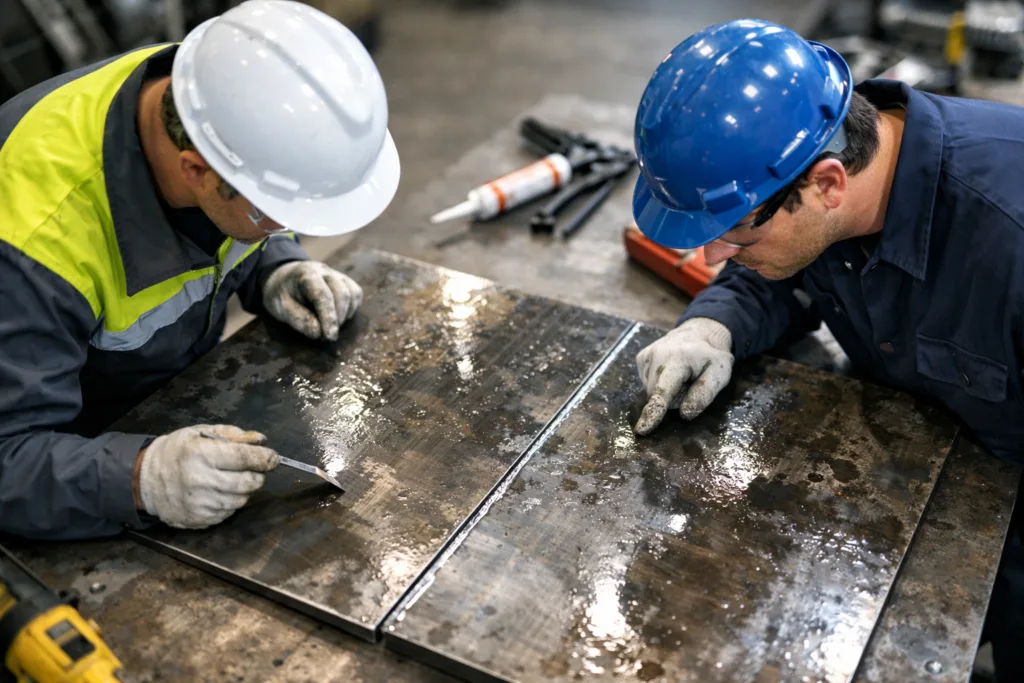
At the heart of this breakthrough lies acrylic adhesive chemistry. Acrylics offer a unique dual-cure or two-part activation system, which allows strong, stable bonds even in the presence of oils, minimal cleaning, or lightly oxidized surfaces. Thanks to their high tolerance for surface contaminants, these adhesives can bond to metals like steel or aluminum without the protracted pre-treatments needed by epoxies or polyurethanes.
Key Properties Enabling Oil-Tolerant Bonding
- Surface Energy Compatibility: Acrylics “wet out” on low-energy, oily surfaces, maximizing contact and adhesion.
- Chemical Reactivity: Special functional monomers react with metal oxides and sometimes displace superficial oils during curing.
- Fast Fixture Time: Many formulations achieve structural strength in minutes, slashing assembly line wait times.
- Gap Filling: They retain high shear strength even with minimally prepared, imperfect surfaces.
Traditional Metal Surface Preparation: Pain Points and Pitfalls
Conventional metal adhesive bonding relies on a sequence of grinding, degreasing, chemical etching, and sometimes primer application. This process is not just resource-intensive—it introduces variability. Missed spots, uneven abrasion, or leftover residues can drastically weaken the bond. For teams racing against production quotas, this friction is unsustainable.
Limitations of Epoxy and Polyurethane Adhesives
- Require thorough degreasing to achieve intended strength.
- Are sensitive to surface oxidation and variable oil contamination.
- Often necessitate primers or complex cure schedules for optimal results.
- Raise the risk of adhesive failures due to inconsistent manual prep.
How Acrylic Adhesives Cut Surface Prep Time
This is where acrylics excel. Many modern two-part and MMA (methyl methacrylate) acrylic adhesives are engineered to bond directly to oily, minimally cleaned metals. They perform even when a light film of machining oil or applied corrosion inhibitor remains, thus:
- Eliminating extensive degreasing steps
- Allowing direct assembly post-machining or forming
- Reducing costly labor and solvent use
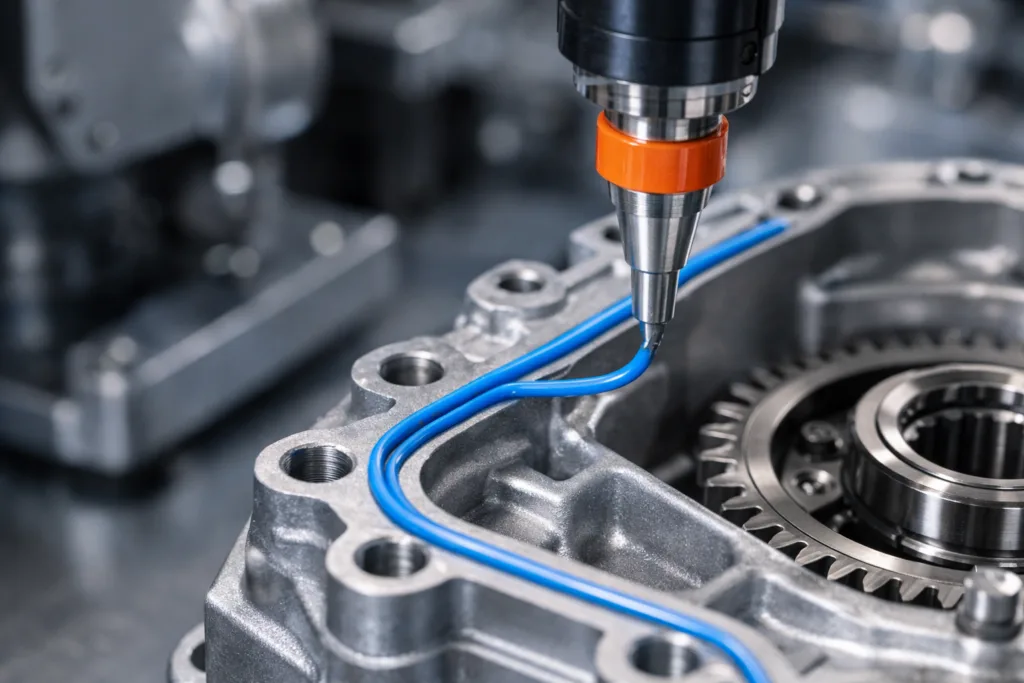
For production managers, this means more uptime and less rework, as well as safer, more flexible line operations. Metal glue manufacturers now offer tailored acrylic systems for these very scenarios.
Comparing Bonding Performance: Oily vs. Clean Metal
| Adhesive Type | Oily Surfaces | Clean Surfaces | Typical Lap Shear (MPa) |
|---|---|---|---|
| Traditional Epoxy | Poor (often fails) | Excellent | 18–25 |
| PU-based | Low | Medium | 10–18 |
| Acrylic (MMA) | High | High | 20–28 |
Understanding Acrylic Bonding Mechanisms on Oily Metals
The chemistry behind acrylic adhesion is uniquely suited for metals with residual oils. Reactive monomers in the adhesive find and bond with available metal sites—even through thin oil layers. Some advanced formulations contain surfactants or reactive agents that actively displace oil at the interface as the adhesive cures, forming a direct, robust bond to the underlying metal.
This bonding mechanism was validated in numerous third-party studies, especially in lap shear tests simulating real shop-floor contamination. These tests show joint strength barely drops—sometimes just 10–20%—even without heavy prep, compared to epoxies or PUR that may lose 50–80% of their rated performance under similar conditions.
Real-World Example: Automotive Assembly Lines
Automakers have long fought oil carryover from stamping and forming operations. When switching from high-touch epoxy prep to acrylic adhesives, factories observed:
- Cycle time reductions up to 30%
- Seamless integration with oily chassis parts
- Consistent bond strength across shifts and worker skill levels
- Greater flexibility for in-line quality checks
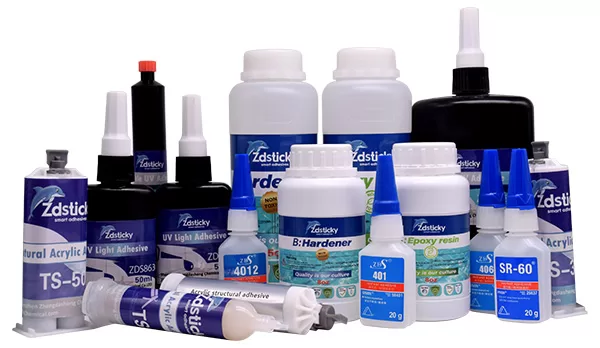
For those considering high-volume assembly, exploring acrylic structural adhesive solutions can unlock similar gains.
Where Acrylic Adhesives Excel: Industries & Applications
The ability to bond oily metals efficiently has opened new doors in:
- Automotive: Body panels, trim, underbody components
- Rail & Bus: Frame/skin joints, seat and flooring attachment
- Electrical: Chassis, enclosure sealing, cable tray bonding
- Aerospace: Repairs on tarmac-exposed or maintenance-oiled parts
One sector seeing rapid adoption is bus and truck body construction, where aluminum extrusions and galvanneal steel are assembled immediately after oil-rich forming or cutting operations. Here, industrial adhesive solutions based on acrylics outperform conventional options—cutting assembly and cleaning steps dramatically.
Environmental Resilience: Water, Humidity, & Thermal Cycling
In-service reliability is crucial. Advanced acrylic adhesives remain robust in high-humidity environments and can withstand thermal cycling between −40°C and +90°C without softening, embrittlement, or adhesive-fatigue. This is especially important for outdoor electrical cabinets, vehicles, and marine equipment.
The Role of Surface Preparation in Acrylic Bonding
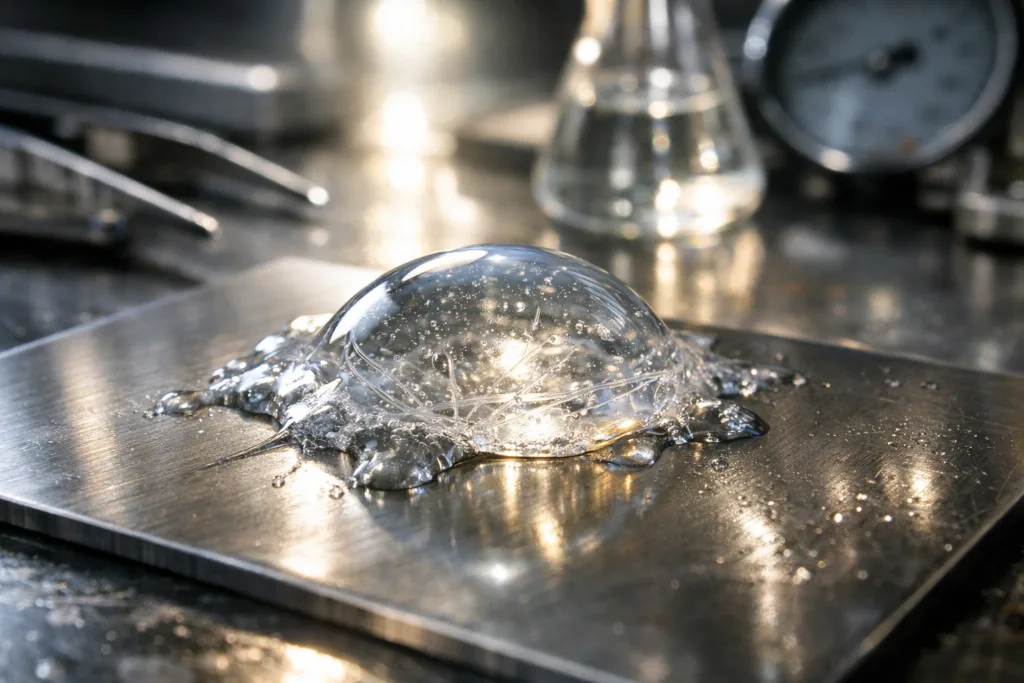
While acrylics tolerate residual oils, best practices still recommend basic cleaning (like a quick wipe) to remove excess loose debris, heavy cutting oil, or visible dirt. Completely skipping prep is not always advised, but the critical advantage is that time-consuming abrasion, acid etching, and solvent degreasing can often be omitted—without sacrificing key performance metrics.
Essential Best Practices: Getting the Most from Acrylics
- Wipe Down, Don’t Degrease: Use a dry or slightly damp lint-free cloth for heavy surface films.
- Uniform Dispensing: Ensure the activator and resin are mixed or applied as designed for optimal bond strength.
- Correct Clamping Pressure: Clamp parts firmly but avoid excessive squeeze-out, which reduces adhesive in the joint.
- Allow Adequate Cure Time: Follow manufacturer’s fixture and full cure schedules for strength development.
Troubleshooting: Why Metal Bonds Sometimes Fail
Even with high-performance acrylics, there are potential pitfalls:
- Excessively thick or sticky oil layers may act as a release agent—pre-cleaning is still wise for such cases.
- Poor environmental control (e.g., condensation, standing water) can also disrupt cure and adhesion.
- Mistakes in mix ratio or inadequate material handling can lead to soft spots or voids in the joint.
Always conduct coupon tests when introducing new adhesive systems on specific production lines.
Comparing Acrylics to Other Metal Bonding Options
| Property | Acrylic Adhesives | Epoxy | Polyurethane |
|---|---|---|---|
| Surface Preparation Needed | Minimal | Extensive | Moderate |
| Oil Tolerance | Excellent | Poor | Low |
| Cure Speed (Fixture Time) | Fast (2–12 min) | Slow (30–120 min) | Medium (20–60 min) |
| Flexibility | Moderate | Brittle | High |
| Shear Strength | High | High | Moderate |
| Temperature Resistance | Good (to +120°C) | Excellent (to +180°C) | Moderate (to +100°C) |
When to Choose Acrylic vs. Epoxy/Polyurethane
For oily surfaces, tight cycles, and basic environmental exposure, acrylic is usually the best balance of prep time and bond integrity. For very high chemical or temperature resistance, consider epoxy, but budget extra time and effort for thorough cleaning.
Tips for Using Acrylics in Tough Environments
- Store adhesives at recommended temperatures (typically 15–25°C) to avoid thickening or separation.
- Do not apply in freezing or wet conditions—surface water hinders adhesion more than oil does.
- Monitor humidity when bonding outdoors; very high humidity may slow cure or affect bond-line formation.
- Use test coupons to evaluate joint performance after changes in surface oil chemistry, especially for new lubricants or rust preventives in your process.
The ZDS Adhesive Perspective: First-Hand Insights
ZDS Adhesive, an industrial adhesive manufacturer, routinely benchmarks lap shear strength, cure times, and oil-tolerance in their acrylic systems. Their findings show acrylics consistently outperform epoxies and PURs in fast-paced, semi-contaminated assembly conditions. “We see less rework and more consistent throughput when assembly lines trust acrylics for oily metal bonding tasks,” notes one ZDS application engineer. The firm’s process checklists address joint design factors (lap length, bond line thickness) and procedural controls (dispensing accuracy, substrate fitment) to ensure optimal long-term joint reliability.
Best Practices: Maintenance, Storage, and Application
- Keep containers tightly sealed to prevent premature curing from air or moisture.
- Clean nozzle tips and dispensing equipment after use to avoid clogged lines.
- Check expiration dates—old product may have reduced reactivity, especially for two-part kits.
- Document surface condition and adhesive lot in your process records for traceability in case of later analysis.
Pushing the Limits: New Developments for 2026 and Beyond
Recent advances have brought next-gen acrylic adhesives with even lower odor, greater flexibility, and enhanced impact/thermal shock performance. Expect future formulations to tackle more extreme oil contaminants and bring reliable bonding to lighter, thinner engineered metal alloys—helping industries reduce weight and boost throughput.
Bonding Oily Metals: How Acrylics Cut Surface Prep Time
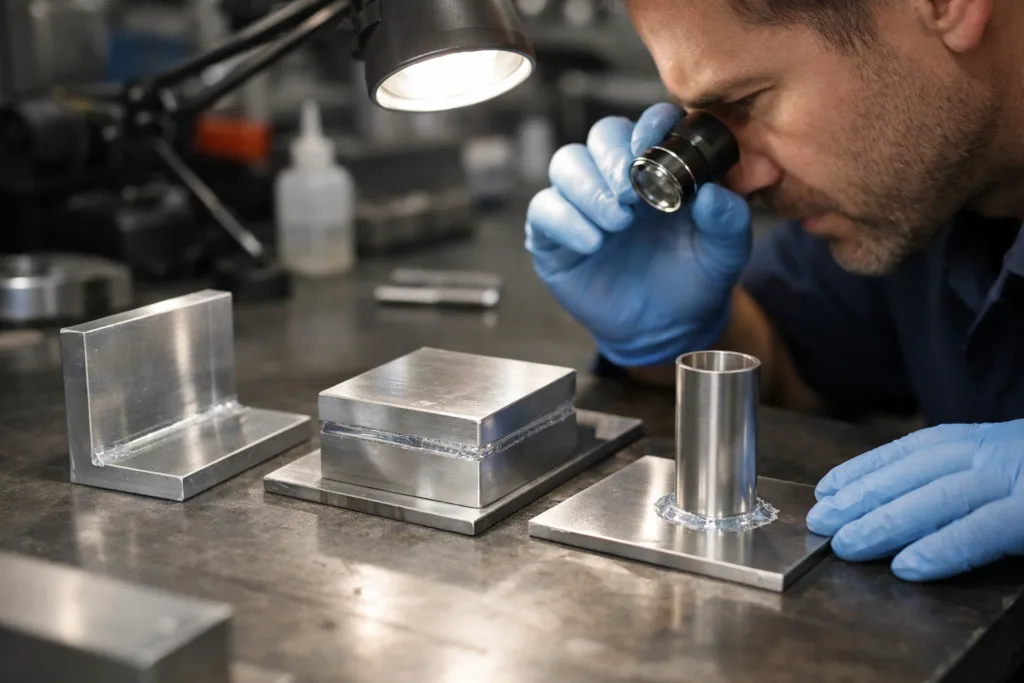
In summary, acrylic adhesives for metal bonding represent a step change for industries wrestling with oily or incompletely cleaned metal parts. They reduce surface preparation time, support robust joint performance, and enable lean, cost-effective production flows. Mastering their properties and limitations ensures that every assembly stands up to real-world operating demands—without sacrificing speed or safety.
Frequently Asked Questions
Can acrylic adhesives bond metals with oil residues?
Yes, modern acrylic adhesives are formulated to tolerate light to moderate oil films, bonding effectively without intensive cleaning steps.
How does surface oil affect the final strength?
Some oil may reduce maximum bond strength, but typically only by 10–20% if oil films are thin; heavy, wet oils should be wiped away first.
Are acrylic adhesives suitable for structural joints?
Many are, especially second-generation (SGA) or two-component types, which meet industrial lap shear, peel, and impact strength standards.
Do acrylics require mixing or can they be single-part?
There are both options. Two-part systems handle oil-tolerance best, but some newer single-part acrylics work well on specific metals.
What are the main environmental limitations?
Extremely wet, icy, or dirty conditions can inhibit cure; for best results, basic wiping and application in dry, mild temperatures is advised.
How do I select the right acrylic adhesive?
Factor in surface condition, cure speed, environmental needs, and test on actual metal samples—guidance from experienced engineers is invaluable.
Related Reading
- Why Second-Gen Acrylics Are Surpassing Rivets in Industrial Assembly
- Smart Bonding: Adhesives That Eliminate Primer Steps for Painted Metals
- Get Maximum Impact Strength from MMA Adhesives: What Engineers Need to Know
- How Structural Acrylics Are Transforming Automotive BIW Assembly for the Future
- Boost Metal Bonding Performance with Delay Cure UV Adhesives: 9 Essential Insights