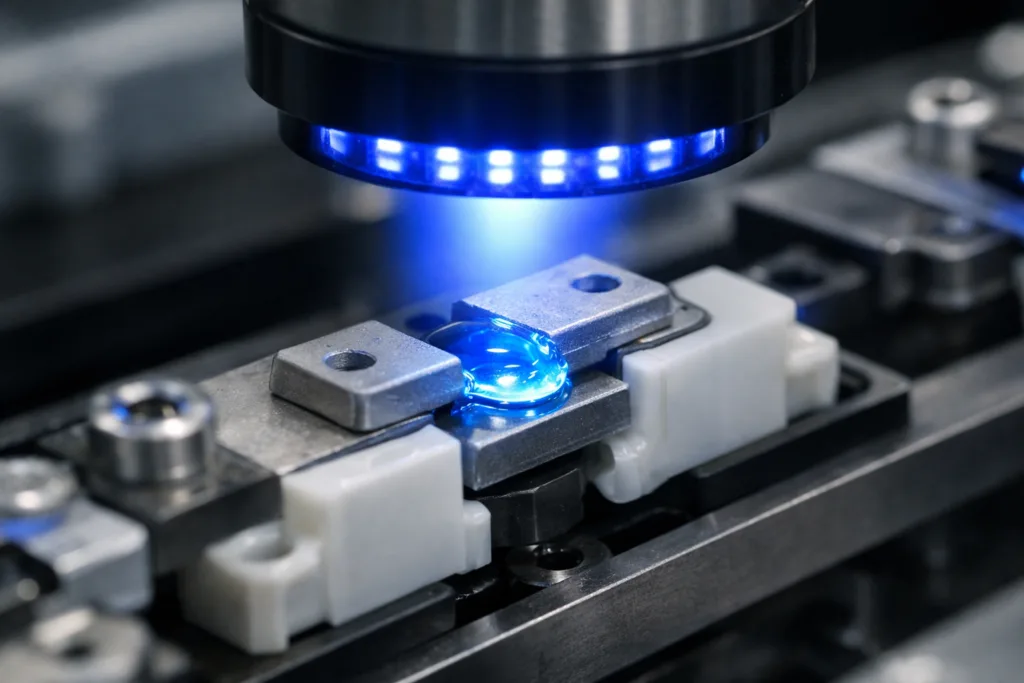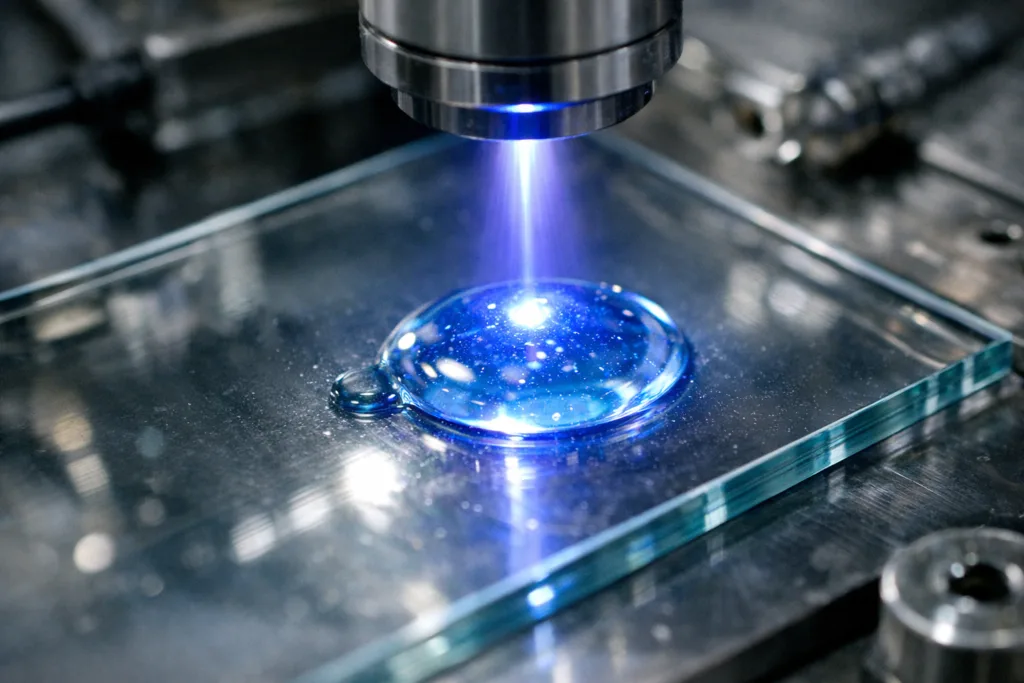
Introduction: Why Thermal Expansion Demands Smart Solutions
Thermal expansion might sound like a minor technical detail, but it holds the power to ruin even the most carefully engineered structures. As materials heat up and cool down, they expand and contract—a natural response that can lead to warped metals, cracked glass, and broken bonds if not properly managed. Thankfully, elastic adhesives emerge as silent protectors, making the difference between sudden failure and reliable performance. This article explores The Role of Elastic Adhesives in Absorbing Thermal Expansion, with a deep dive into how these advanced bonding materials ensure durability in cutting-edge industries like automotive and aerospace.
When rigid bonds meet material expansion, something’s got to give. That’s where elastic adhesives come in, offering flexibility and controlled movement right at the joint. Along the way, we’ll examine real-life case studies, see why traditional adhesives often come up short, and explain what makes elastic adhesives the go-to solution for modern engineering. If you’re serious about preventing temperature-related breakdowns, understanding elastic adhesives isn’t just helpful—it’s essential. Let’s get started.
How Thermal Expansion Affects Materials and Bonds
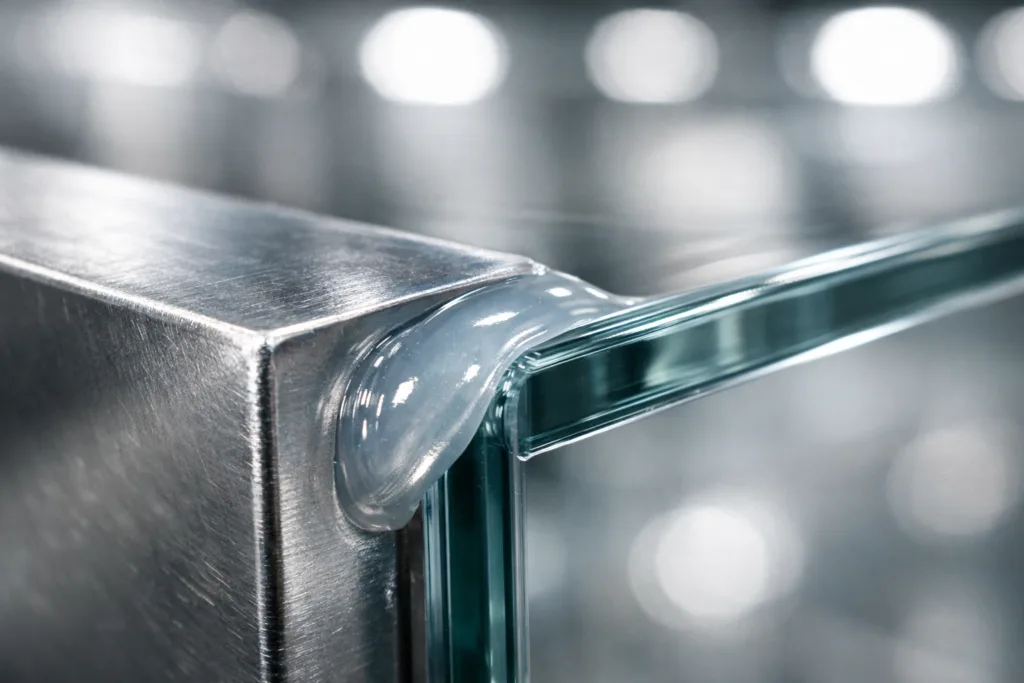
Every material has a coefficient of thermal expansion—the rate it expands or contracts with temperature changes. When two different materials are bonded together, each responds differently to heat or cold. This mismatch can create significant stresses at the joint, leading to gaps, cracks, or outright bond failures.
- Metals expand considerably with rising temperatures
- Glass is less flexible and more prone to cracking under stress
- Composites often combine dissimilar components, each with unique expansion rates
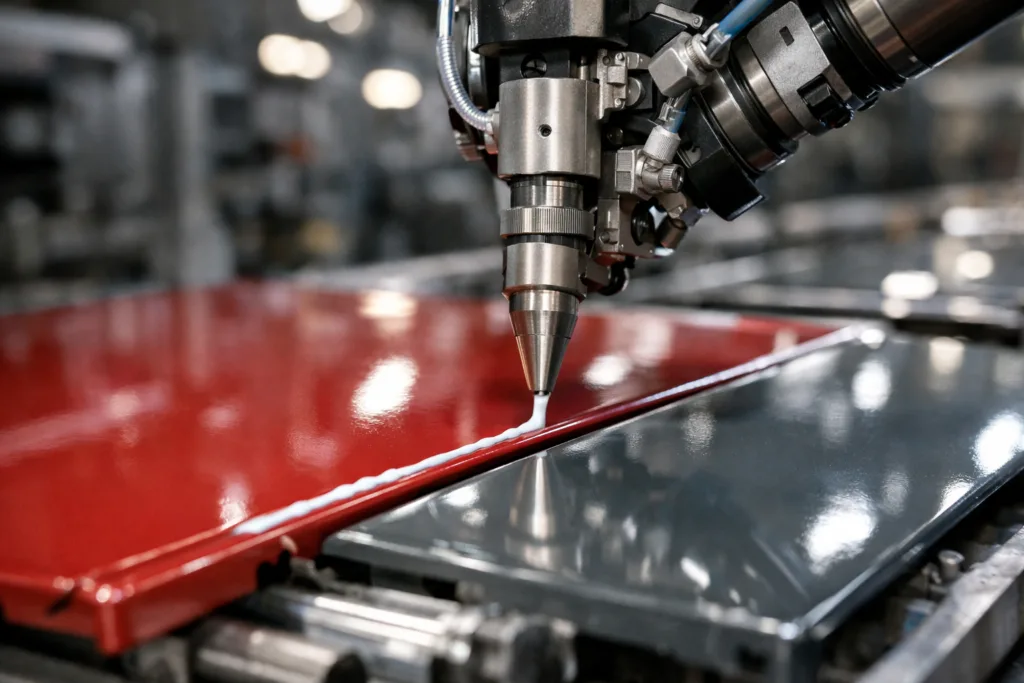
For example, in automotive body assemblies, steel panels and glass windows both experience temperature swings, especially outdoors. Without the right adhesive, bonds degrade over time, resulting in leaks, noise, and costly repairs.
What Are Elastic Adhesives?
Elastic adhesives are a group of bonding materials designed to stretch, compress, and flex as needed—without losing their grip. Unlike brittle adhesives that might hold strong until the first big temperature change, elastic types absorb and redistribute stresses caused by thermal movement.
- Polyurethane (PU) adhesives: Known for flexibility and strong mechanical properties
- Silicone adhesives: Excellent for high temperatures and outdoor applications
- MS (Modified Silane) polymers: Balancing elasticity and strength
This flexibility allows them to ‘move with the times’, so to speak, keeping bonds intact as the environment changes.
The Mechanics: How Elastic Adhesives Manage Strain
The trick is in the chemistry. Elastic adhesives contain polymer chains designed to stretch rather than snap. When materials expand, these flexible adhesives lengthen slightly, then contract back as things cool down.
| Adhesive Type | Flexibility | Max Operating Temp | Thermal Cycling Fatigue |
|---|---|---|---|
| Polyurethane | High | 120°C | Excellent |
| Silicone | Very High | 200°C+ | Outstanding |
| Epoxy (standard) | Low | 80–120°C | Poor/Moderate |
This constant movement relieves the shear and peel stresses that would otherwise build up in a rigid joint. As a result, manufacturers trust elastic adhesives for assemblies that must hold up under cycling heat, cold, vibration, and even impacts.
The Role of Elastic Adhesives in Absorbing Thermal Expansion
So why does flexibility matter so much at the bondline? In applications where materials of different expansion rates are joined—like aluminum to glass in automotive windows—thermal movement can easily tear apart a stiff adhesive.
By absorbing micro-movements, elastic adhesives:
- Prevent cracks and delamination
- Maintain weatherproof and airtight seals
- Extend service life of bonded components
- Reduce the need for mechanical fasteners (which add weight and can corrode)
The result is not just a stronger bond, but a system that survives repeated temperature swings, from frosty winters to scorching summers. For an overview of advanced adhesive solutions, see adhesive solutions for high-performance applications.
Typical Applications: Where Do Elastic Adhesives Shine?
Elastic adhesives find their way into thousands of everyday and specialist products. Their unique properties make them indispensable in sectors where expansion stress would otherwise mean failure:
- Automotive: Windshield and body panel bonding, trim and weatherstrip installation, noise and vibration damping
- Aerospace: Composite panels, interior module installation
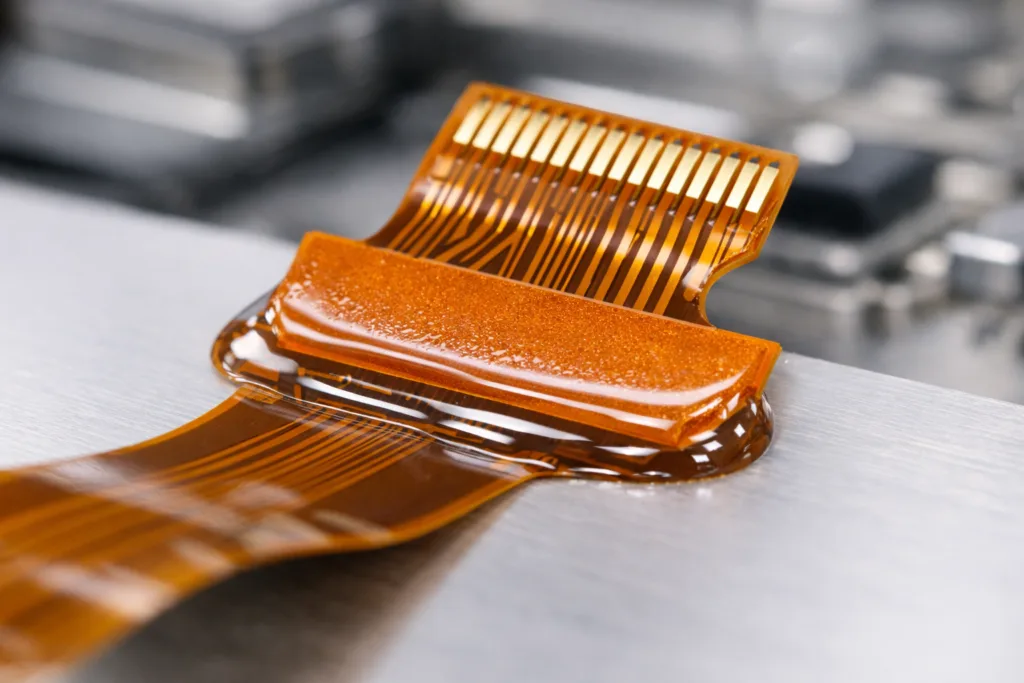
- Electronics: Encapsulation and strain relief in flexible circuits
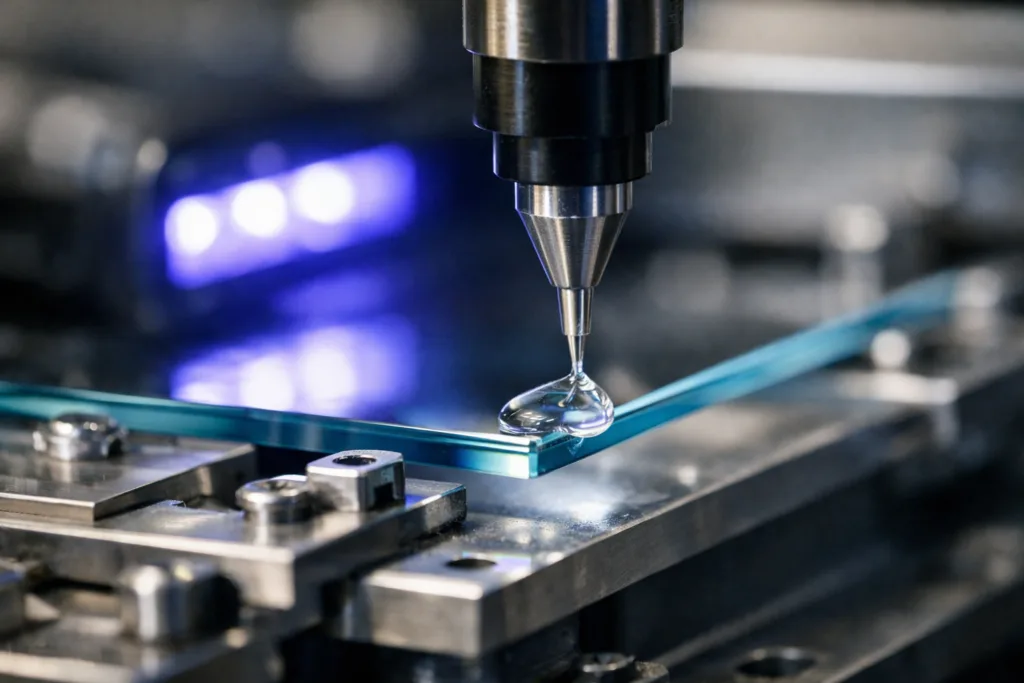
- Construction: Curtain wall glazing, facade attachments
- Marine: Sealing and bonding different deck materials exposed to harsh conditions
In each application, absorbing movement keeps assemblies cohesive over long service lives—an engineering must-have for safety and reliability.
Why Rigid and Brittle Adhesives Fail Under Thermal Stress
Traditional adhesives such as unmodified epoxy or cyanoacrylate are excellent in static conditions. But their low elongation (usually less than 2%) makes them prone to early failure in high-movement settings.
- Cracking during rapid temperature swings
- Loss of adhesion at bond edges
- Fatigue failures under repeated cycles
Switching to an elastic adhesive is often the quickest path to immediate durability improvements.
Engineering Perspective: The Math Behind the Flex
Let’s get technical. Suppose a 2-meter aluminum panel bonded to a steel frame sees a temperature increase of 40°C. Aluminum will expand about 1.7mm, steel about 1.0mm—a differential of 0.7mm. Elastic adhesives are engineered to handle this ‘shear mismatch’, stretching without losing their bond. Standard test methods—like ASTM D1002 lap shear and peel tests—help engineers calculate required flexibility and adhesive thickness for safe designs.
ZDS Adhesive’s Approach to Thermal Expansion Challenges
From an assembly-line viewpoint at ZDS Adhesive, an industrial adhesive manufacturer, the right solution starts with three steps:
- Identify the substrates and their coefficients of expansion
- Factor in expected temperature swings and required joint movement
- Select an adhesive that maintains bond integrity across service temperature, exposure to chemicals, moisture, and required open/fixture times
By using lap shear and thermal cycling tests, engineers confirm the chosen elastic adhesive holds up to both lab and real-world demands.
Real-World Examples: Elastic Adhesives Resolving Thermal Expansion Issues
Let’s review some field-proven cases:

Case Study: Automotive Panel Bonding
Challenge: Aluminum body panels bonded to steel frames in EVs were suffering stress cracks after cold-hot cycling and high summer heats.
Solution: Switch from a standard two-part epoxy to a high-flex polyurethane adhesive, which absorbed joint movement. Result: No cracks after 2,000 cycles, and panel fit remained precise.
Case Study: Aerospace Composite Laminate Assembly
Composite layers, each with different expansion rates, experienced delamination during ground-to-altitude transitions. Using an MS polymer adhesive resolved differential strain and finished parts passed all FAA thermal fatigue tests.
Case Study: Metal-to-Glass Bonding for Skyscraper Facades
Glass curtain walls bonded with stiff adhesives suffered edge chips and sealant leaks over time. Flexible silicone adhesive was applied, dramatically reducing both leaks and glass failures, and delivering a pristine aesthetic even after years of sun and frost.
Comparing Leading Elastic Adhesive Chemistries
| Chemistry | Max Elongation (%) | Best For | Limitations |
|---|---|---|---|
| Polyurethane | 250–400 | Body panels, structural bonds | UV sensitivity |
| Silicone | 300–700 | Glazing, electronics, high temp | Poor abrasion resistance |
| MS Polymer | 200–400 | Multipurpose outdoor, hybrid tasks | Price, pot life |
Selection Factors: How to Choose the Right Elastic Adhesive
- Substrate type (metal, glass, composite, plastic)
- Expected joint movement (mm or %)
- Service temperature range
- UV and weather exposure
- Required working and cure times
- Chemical/environmental exposure
- Compliance (e.g., fire resistance, outgassing)
Review the epoxy adhesive product lineup for tailored solutions to unique thermal and chemical demands.
Best Practices for Application: Getting the Most Out of Elastic Adhesives
- Ensure surfaces are free from oil, dust, and oxidation
- Control bond line thickness (often 1–3mm for optimal flexibility)
- Use recommended primers or surface treatments as needed
- Avoid entrapping air bubbles that may weaken joints
- Follow proper fixture and full cure times based on environment
Consistent technique is as important as chemistry when it comes to reliable bonds.
Testing and Quality Control: Ensuring Bond Reliability
Adhesive performance validation typically involves a combination of tests:
- Lap shear and peel tests under heating/cooling cycles
- Humidity and salt spray exposure for exterior components
- Ultraviolet (UV) resistance for outdoor bonds
ZDS Adhesive’s test labs run these checks to confirm that every batch meets its promised movement and durability ratings.
Standards and Certifications for Thermal Management Adhesives
Modern products must meet rigorous compliance standards, such as:
- ISO 4587 (lap shear strength)
- SAE J400 (thermal cycling for automotive)
- UL94 V-0 (flame retardancy for electronics)
Check with industrial adhesive manufacturers for applicable test certifications before specifying a product.
Common Assembly Mistakes When Using Elastic Adhesives
- Bond line applied too thin (insufficient stress relief)
- Skipping surface cleaning or primer
- Not accounting for full cure before putting assembly into service
- Mismatching adhesive flexibility to joint design or expected movement
For expert support in complex projects, resources such as industrial adhesives libraries help guide engineers to the right answers more quickly.
Emerging Trends: Hybrid and High-Performance Elastic Adhesives in 2026
The last few years have seen a wave of innovation in elastic adhesives:
- Hybrid chemistries combining polyurethane and silicone for better performance range
- Nano-reinforced polymers boosting bond strength and flexibility
- Smart adhesives with built-in temperature sensors for real-time monitoring
These advances are helping industries push the limits of lightweight design and thermal tolerance, paving the way for safer, longer-lasting products.
Future Challenges and New Frontiers
As temperatures and operational stresses increase—think EV batteries and hypersonic aircraft—demand for elastic adhesives will only rise. Ongoing research is focused on higher elongation, better chemical and UV durability, and easier recycling to meet both engineering and sustainability goals.
Summary: Key Takeaways for Engineers and Manufacturers

- Elastic adhesives are vital for absorbing thermal expansion and contraction across dissimilar materials.
- Proper selection, application, and testing ensure bonds survive in even the harshest environments.
- Advances in adhesive chemistry are opening new performance and design possibilities for tomorrow’s assemblies.
Frequently Asked Questions
Can elastic adhesives handle repeated temperature cycles without failing?
Yes, elastic adhesives are specifically engineered to absorb stress caused by thermal expansion and contraction, performing reliably across thousands of heat/cool cycles when properly applied.
What materials benefit most from elastic adhesives?
Any assembly joining materials with different thermal expansion rates—especially metals, glass, composites, and plastics—benefits from the flexibility and strain relief provided by elastic adhesives.
How thick should an elastic adhesive layer be for thermal movement?
Typically, a 1–3mm bond line is recommended. This allows enough movement absorption while maintaining strength. Precise thickness depends on expected joint movement and adhesive type.
Are elastic adhesives suitable for outdoor and high-temperature use?
Yes. Many polyurethane and silicone-based elastic adhesives are formulated for UV, weather, and high-temperature resistance, making them ideal for outdoor and automotive applications.
What tests confirm the performance of elastic adhesives?
Key tests include lap shear and peel strength under thermal cycling, humidity, and salt spray exposure, ensuring durability in both lab and field conditions.
Do elastic adhesives require special surface preparation?
Clean, dry, and sometimes lightly abraded surfaces are essential. Primers or plasma treatment may also be used for optimum bonding, especially with low energy plastics or metals.
Related Reading
- Thermal Shock Resistance: How Adhesives Hold Up in Fast Charging Cycles
- Nano-Fillers: The Secret to Boosting Epoxy Thermal Conductivity
- Structural vs. Thermal Adhesives: The Key Differences for Modern Batteries
- 13 Proven Methods for Managing Exothermic Reactions in Large Epoxy Castings
- Unlock Precision Alignment with Low-Shrinkage UV Glues