Introduction: Why Tuning Screw Locking in Ceramic Dielectric Filters Matters
In modern telecommunications, ceramic dielectric filters play a critical role in signal selection and noise reduction. The tuning screw locking mechanism is a small but essential detail, directly influencing filter performance and reliability. Ensuring robust tuning screw locking in ceramic dielectric filters prevents unwanted shifts or detuning, which can seriously compromise network stability and clarity. As telecom networks evolve—for instance, with 5G and ultra-high frequency bands—the demand for precision and durability in these filters has never been higher. In this comprehensive guide, we will explore how tuning screw locking mechanisms work, why they matter, and the engineering tips that help manufacturers achieve superior results in real-world applications.
Fundamentals of Ceramic Dielectric Filters and Tuning Screws
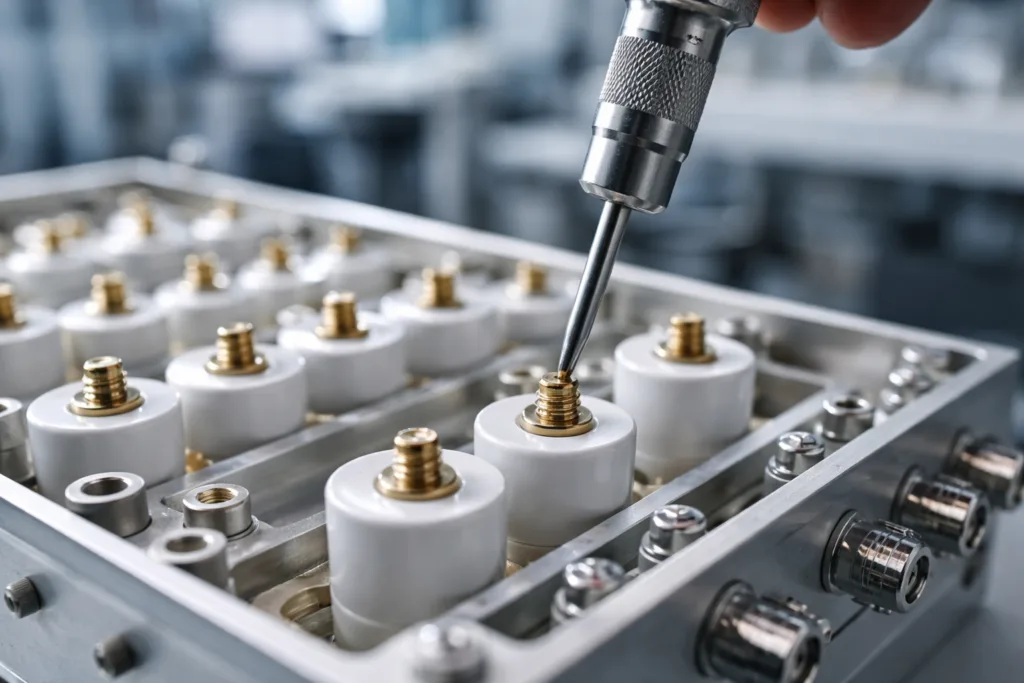
Ceramic dielectric filters are frequency-selective devices commonly used in base stations, mobile infrastructure, and high-speed data transmission systems. The main tuning element within these filters is the screw—a precise metal component that adjusts the filter’s response by altering the electromagnetic path inside the ceramic body. Precise movement and effective locking of the tuning screw are essential for maintaining the filter’s central frequency and sharpness. Mishandling can cause frequency drift, extra losses, or even catastrophic failure in high-stress telecom environments.
What Is a Tuning Screw Locking Mechanism?
A tuning screw locking mechanism prevents the screw from rotating or shifting after calibration. Common approaches include thread-lock adhesives, mechanical jamming, and spring-plate designs. These mechanisms must balance ease of adjustment with vibration resistance and long-term reliability. Selecting the right locking method is not trivial—it depends on filter design, thermal cycles, and vibration exposure.
Why Locking Matters for Filter Performance
The central purpose of locking is to guarantee filter stability. Fluctuations in screw position can degrade filter selectivity, shift the passband, or inject noise. For telecom providers, this translates into signal loss, dropped calls, or even regulatory non-compliance. Locking mechanisms are therefore not only an engineering concern but a business-critical issue.
Mechanisms of Tuning Screw Locking in Ceramic Dielectric Filters
There are several locking solutions available. Let’s compare their strengths and weaknesses:
| Locking Mechanism | Main Material | Advantages | Challenges |
|---|---|---|---|
| Thread-lock adhesive | Epoxy or anaerobic adhesive | Prevents rotation, chemical resistance | Requires cure time, not adjustable after locking |
| Mechanical jam nut | Metal (brass, steel) | Reusable, strong retention | Bulkier, possible overtightening |
| Spring-plate | Stainless steel | Absorbs vibration, easy adjustment | Requires precise fit, fatigue risk |
| Plastic insert locking | Nylon, PTFE | Lightweight, cost-effective | Temperature sensitivity, wear |
Adhesive-Based Locking: Materials and Methods
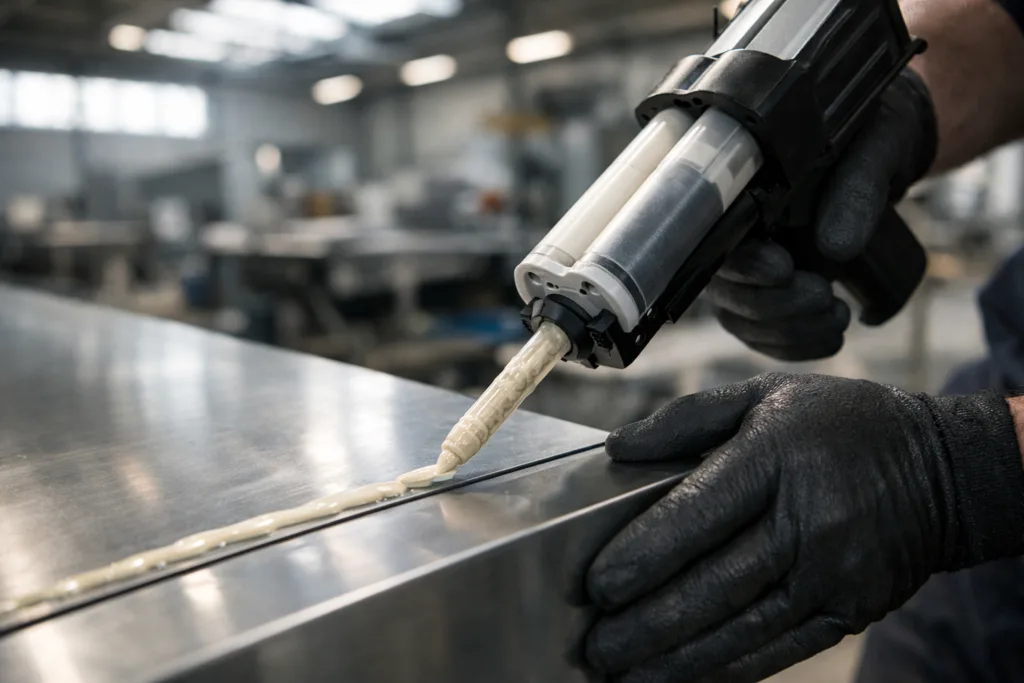
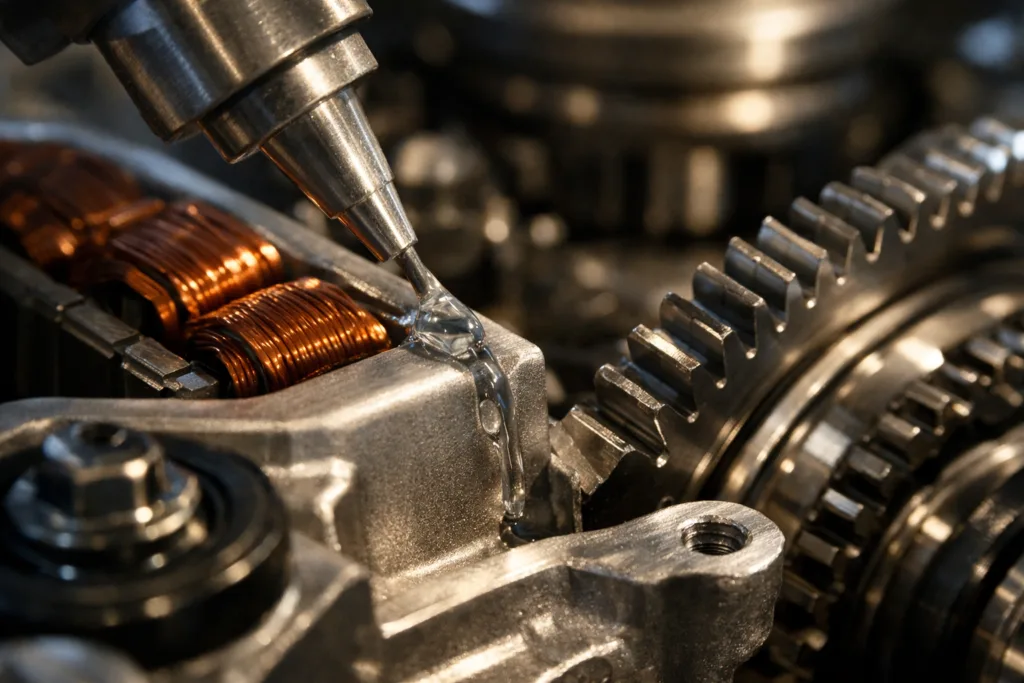
Adhesive locking is widely used because it delivers high stability, minimal weight, and can be applied in confined spaces. Industrial adhesives like anaerobic thread-lockers and specially formulated epoxies are trending due to their temperature resistance and vibration-damping properties. For example, products from epoxy adhesive lines offer tailored viscosity and open time to match filter assembly speed and material compatibility. Proper selection of adhesive—balancing cure speed, bond strength, and dielectric compatibility—is crucial for reliable filter tuning.
Mechanical Locking: Nuts, Plates, and Inserts
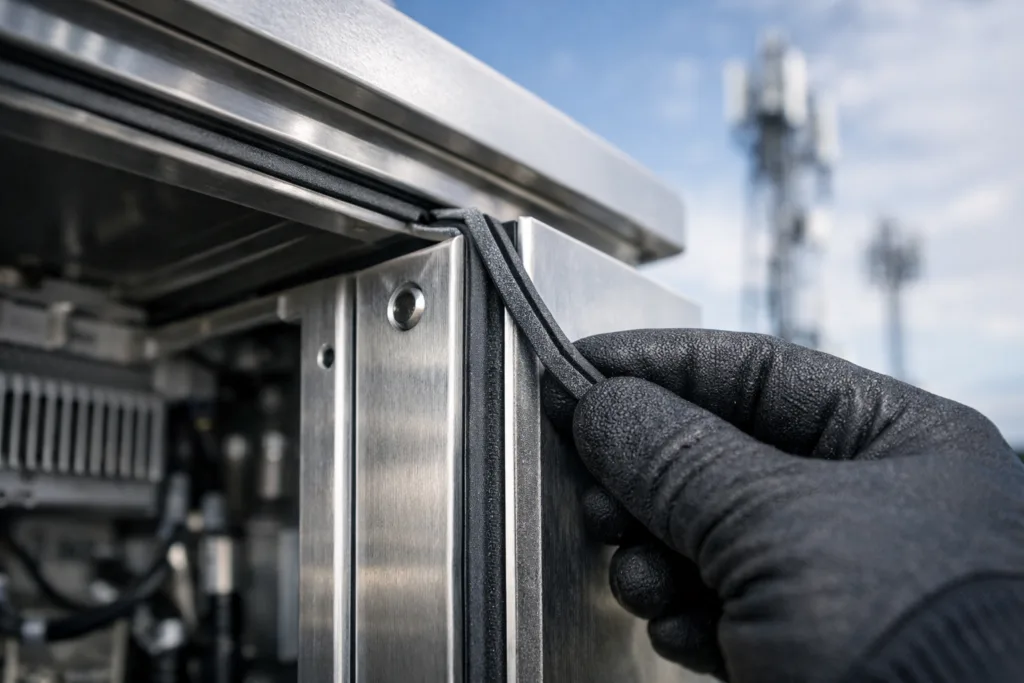
Mechanical solutions are favored when filters require frequent adjustments or when adhesives might interfere with RF performance. Jam nuts, spring plates, and insert locks are engineered to maximize retention while minimizing micro-movements caused by shock and vibration. Each approach offers trade-offs: mechanical locks can be reused or serviced, but they are subject to loosening under repeated stress.
Tuning Screw Design and Material Considerations
Material choice for tuning screws (brass, stainless steel, aluminum) is driven by conductivity, corrosion resistance, and mechanical strength. For locking mechanisms, materials must match both the screw and the ceramic filter body to prevent galvanic corrosion or excessive wear. The geometry of the screw head and threads also affects how well adhesives or mechanical locks can be applied.
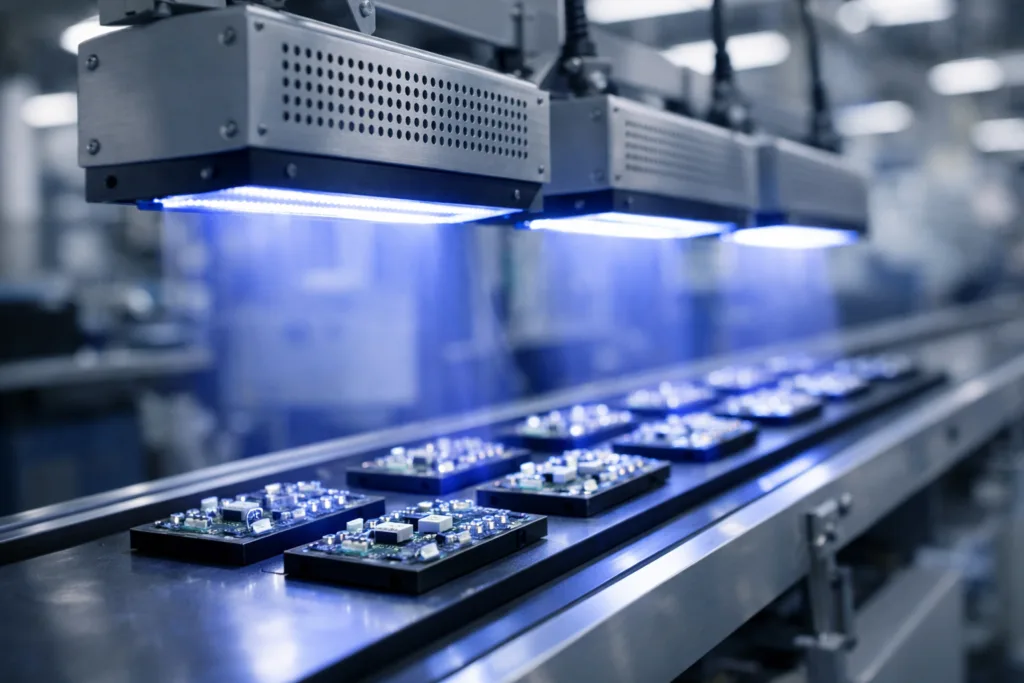
From an assembly-line viewpoint at ZDS Adhesive, an industrial adhesive manufacturer, testing for lap shear, vibration, and thermal cycling offers practical insights about how adhesives and mechanical locks perform over time. Real-world bonding requires careful control of bond-line thickness and open/fixture times to ensure consistent retention.
Impact of Proper Tuning Screw Locking on Filter Performance
Stable tuning screws ensure that ceramic dielectric filters maintain their specified center frequency, passband, and rejection levels. When locking mechanisms fail, performance deteriorates:
- Frequency drift: Causes loss of signal discrimination
- Increased insertion loss: Reduces system efficiency
- Degraded selectivity: Allows unwanted frequencies, risking network reliability
- Premature aging: Accelerates filter failure, creating maintenance headaches
For telecom networks where uptime is critical, these risks justify robust locking solutions. Ensuring performance longevity requires not just a good filter design but a tuning screw locking process tailored to real operational stresses.
Reliability and Stability Challenges: What Manufacturers Face
Manufacturers struggle with several issues:
- Thermal expansion: Causes screw loosening if mismatched materials are used
- Vibration: Especially problematic in outdoor or mobile installations
- Adhesive aging: Poor adhesive selection can lead to bond degradation
- Assembly error: Insufficient torque or improper adhesive application disrupts locking
Engineering teams should conduct accelerated aging tests, vibration exposure, and chemical compatibility trials to confirm locking mechanisms hold up under varied conditions. It’s recommended to utilize polyurethane structural adhesive for high-vibration settings, as it offers elasticity and excellent retention under mechanical shock.
Design Optimization: Achieving Successful Tuning Screw Locking
To optimize screw locking, follow these engineering tips:
- Specify materials with matched thermal and mechanical properties
- Use adhesive solutions that demonstrate high-temperature durability and electrical neutrality
- Design screw access for easy application and adjustment
- Conduct lap shear and peel strength tests during R&D phase
- Plan for servicing: choose mechanisms that can be re-adjusted if field maintenance is likely
Adhesive manufacturers now offer custom blends for filter tuning applications. Using epoxy adhesive ensures the screw remains locked through temperature cycling and vibration, without affecting filter dielectric properties.

Case Studies: Real-World Tuning Screw Locking Techniques
Telecom Base Station: High-Stability Adhesive Locking
A large-scale installation in rural China required dielectric filters in extreme heat and vibration. Engineers used high-temperature thread-locking epoxy, tested under simulated operational cycles of up to 80°C and 1200 hours vibration. After a two-year field review, filters maintained frequency flatness and showed no evidence of screw loosening.
Mobile Infrastructure: Spring-Plate Locking in Transport Hubs
Mobile base stations installed in railway terminals experienced constant vibration and environmental changes. Spring-plate locking mechanisms, paired with stainless steel screws, proved superior. Field technicians reported easy adjustments during maintenance windows, and retention performance exceeded industry benchmarks.
Satellite Ground Station: Hybrid Adhesive and Mechanical Locking
In highly sensitive RF environments, a combination approach was chosen: low-dielectric epoxy adhesive complemented by a brass jam nut. This hybrid solution minimized signal loss—verified in lab testing—and allowed for future recalibration when new satellite bands were added.
Tips for Manufacturers: Achieving Optimal Tuning Screw Locking
Manufacturers should focus on the following practical strategies:
- Choose adhesives proven for dielectric compatibility and mechanical shock
- Use standardized torque tools to avoid overtightening screws
- Align materials to reduce thermal mismatch
- Document assembly procedures to ensure consistency across batches
- Run periodic field audits to spot early signs of failure
It’s beneficial to collaborate with adhesive specialists for custom formulations. For instance, using epoxy adhesives and polyurethane structural adhesives delivers both rigidity and flexibility where needed, extending filter lifespan.
Future Trends: Tuning Screw Locking in Next-Generation Telecom Filters
As 2026 brings new frequency bands and tighter signal demands, filter designs are evolving. Engineers are experimenting with automated locking mechanisms, self-adjusting screws, and smart adhesives that indicate cure completion via color change. Emerging standards will require more precise locking controls to meet global telecom protocols.
Manufacturers are integrating in-line quality sensors that verify screw position and locking status before filters leave the factory, reducing post-installation failures.
Tuning Screw Locking in Ceramic Dielectric Filters
This section reiterates that tuning screw locking in ceramic dielectric filters is essential to telecom filter stability and performance. Mastering the balance between adjustability, locking strength, and compatibility with the ceramic substrate is foundational. Engineers, manufacturers, and telecom operators all depend on rigorous locking strategies to keep signals clean, reliable, and compliant—especially as network complexity grows in 2026.
Conclusion: Key Takeaways for Telecom Manufacturing Teams

In summary, tuning screw locking mechanisms in ceramic dielectric filters safeguard filter alignment and signal integrity. A flawless locking approach combines the right choice of adhesives or mechanical devices, matched materials, and routine testing. Investing time in locking design means fewer headaches, longer filter lifespan, and stable network performance. As telecom standards move forward, engineers must keep revisiting locking strategies to stay ahead of the curve.
Frequently Asked Questions
What is the main purpose of tuning screw locking in ceramic dielectric filters?
Locking prevents tuning screws from shifting after calibration, ensuring filter stability and reliable signal selection in telecommunications systems.
How does improper locking affect telecom filter performance?
Improper locking can lead to frequency drift, increased insertion loss, degraded selectivity, and premature aging—resulting in network issues.
Which materials are best for tuning screw locking mechanisms?
High-strength epoxies, polyurethane adhesives, and stainless steel mechanical locks are commonly used for their durability and compatibility.
Are adhesive locking mechanisms permanent or adjustable?
Most adhesive-based mechanisms are permanent after curing, while mechanical locks allow for adjustment and maintenance if needed.
How can manufacturers ensure consistent screw locking?
Use standardized assembly procedures, proper torque tools, compatible materials, and quality testing to ensure locking reliability across batches.
What future trends are shaping tuning screw locking techniques?
Smart adhesives, automated locking systems, and in-line quality sensors are emerging to improve screw locking precision and filter performance.