Introduction: Weatherproof Sealing for 5G Antenna Radomes
Weatherproof sealing for 5G antenna radomes is a critical element in modern communication technology. As the world continues to transition into the 5G era, ensuring the long-term durability and reliability of antenna systems is paramount. These radomes—protective housings that shield antennas—must resist harsh environmental conditions: moisture, dust, temperature swings, UV exposure, and corrosive pollutants. The right sealing solutions can mean the difference between uninterrupted signal quality and costly maintenance outages. In this comprehensive article, we explain the science and practice behind weatherproof sealing for 5G antenna radomes, breaking down material choices, application techniques, real-world hurdles, and forward-looking advancements. Whether you’re designing telecom equipment or troubleshooting outdoor installations, this guide delivers the insights you need.
The Role of Weatherproof Sealing in 5G Antenna Performance
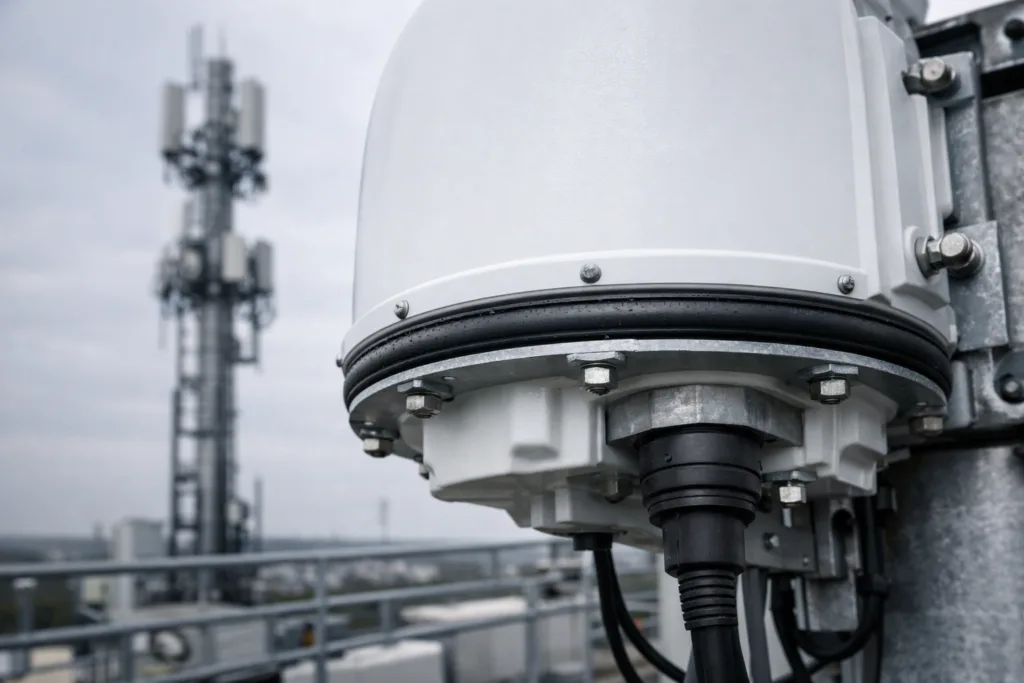
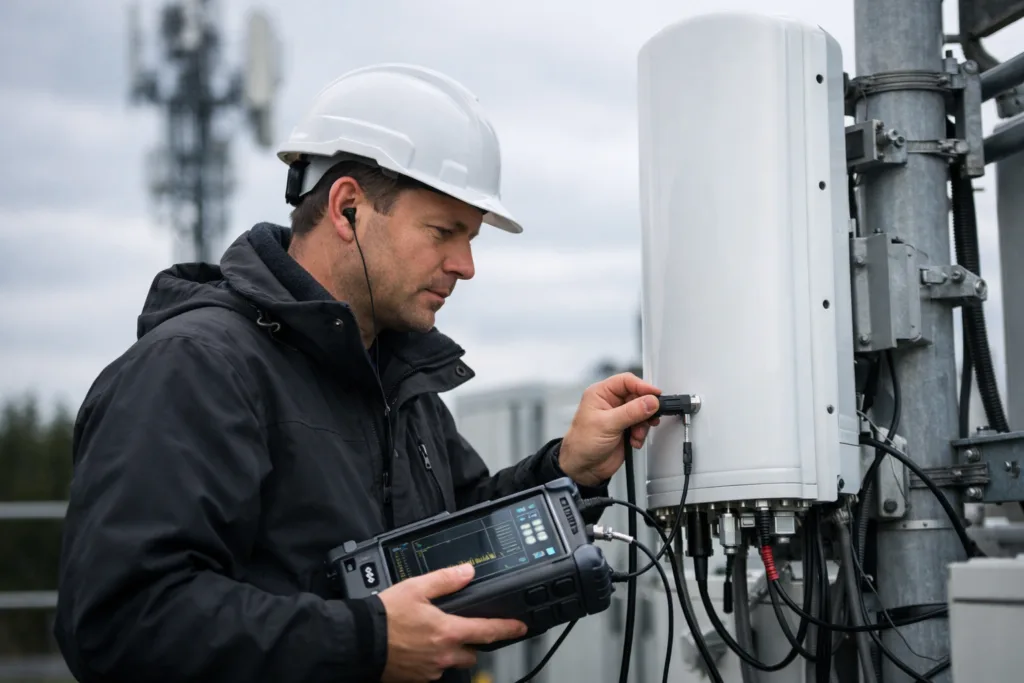
5G antennas are engineered for high-frequency transmission, demanding both precision and resilience. Weatherproof sealing serves as the barrier against environmental intrusions that threaten electrical performance and structural integrity. Moisture, dust, and temperature extremes can degrade radome materials, compromise adhesion points, and, ultimately, impact signal quality. Effective seals guard against ingress while allowing the antenna system to operate at optimal efficiency. Photo-realistic visualizations of modern telecom sites reveal how professional sealing keeps high-value assets safe from weather-related failures.
Key Materials Used for Weatherproof Sealing
The choice of sealing materials determines the longevity and effectiveness of the radome’s protection. Common options include:
- Silicone Sealants: Flexible, moisture-resistant, and UV-stable. Ideal on composite and plastic radomes.
- Polyurethane Sealants: Higher abrasion resistance, good flexibility, and tolerance for joint movement.
- Epoxy Adhesives: Excellent chemical and thermal resistance. Used in areas demanding maximum mechanical strength.
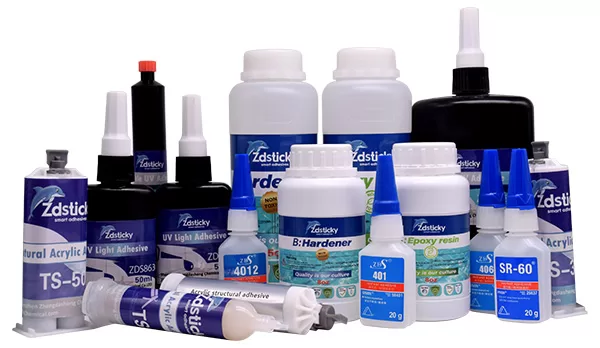
Each material serves a distinct function, responding to different substrate types and environmental loads. Requirements such as bond-line thickness, open time, fixture time, and cure mechanism must be matched to real field constraints. For specialist advice, see the epoxy adhesive product page for formulas suited to radome sealing and assembly.
Silicone Sealants: Advantages for Radome Protection
Silicone sealants remain a top choice for radome weatherproofing. They retain flexibility and adhesion under wide temperature ranges, from Arctic cold to desert heat. Their strong resistance to UV radiation and ozone makes them suitable for exposed rooftop installations. Application engineers often prefer one-part and two-part silicone formulas, which cure rapidly and tolerate substrate movement. From a technical perspective, silicones excel in lap shear and peel tests, allowing the radome to withstand wind, vibration, and seasonal expansion/contraction cycles.
Polyurethane Sealants and Potting Compounds
Polyurethanes are valued for their mechanical durability and elastic recovery. When used as sealants, they offer superior abrasion resistance compared to silicones. Polyurethane potting compounds further enhance protection by embedding cable penetrations and mounting interfaces in a weatherproof matrix. For applications demanding high flexibility and chemical tolerance, bulk polyurethane options can be sourced via the polyurethane potting glue customization portal.
Epoxy Solutions: Structural Bonding and Sealing
Epoxies provide high mechanical strength and excellent moisture resistance. For radomes requiring structural reinforcement—such as those exposed to repeated wind loads or heavy rainfall—epoxy adhesives are indispensable. Industrial epoxy formulas, like those produced by ZDS Adhesive, are engineered for precise bond-line control and stable cure cycles. Typical parameters: open time of 10–30 minutes, full cure within 2–6 hours, optimized for composite/plastic or metal radome assemblies. From process stability to long-term test reliability, epoxy remains a wise choice for demanding telecom environments.
Comparative Table: Sealant Material Properties
| Sealant Material | Flexibility | UV Resistance | Moisture Barrier | Application Ease | Abrasion Resistance |
|---|---|---|---|---|---|
| Silicone | Excellent | High | Very Good | Easy | Moderate |
| Polyurethane | Very Good | Good | Good | Moderate | High |
| Epoxy | Moderate | Varies | Excellent | Requires Mixing | Excellent |
Environmental Factors Affecting 5G Antenna Radomes
Radomes must withstand rain, snow, dust storms, high humidity, salt fog, and airborne pollutants. Failure to seal can allow water ingress, leading to corrosion, freezing, or microbial growth inside the antenna cavity. Thermal cycling subjects seals to expansion and contraction, while UV exposure can embrittle polymers. Proper weatherproofing reduces signal loss, prevents electronic downtime, and lowers maintenance costs. For multi-layered protection, consult industrial adhesive solutions tailored to harsh conditions.
Impact of Moisture and Temperature Variations
Moisture intrusion is the foremost threat to radome reliability. Even small leaks can trigger condensation, detuning antenna elements and accelerating corrosion. Temperature swings—especially rapid day/night fluctuations—create stresses at joint points, challenging the sealant’s flexibility and adhesion. Seasonal expansion requires materials with high elastic modulus and low shrinkage rates. Ongoing tests confirm the importance of sealant compatibility and cure profiles under real deployment scenarios.
Shielding Against Dust, Pollution, and Chemical Exposure
5G antenna radomes often operate near urban pollution sources, factories, or coastal environments. Dust, soot, and corrosive chemicals demand sealants that resist surface degradation and maintain their physical properties. Polyurethane formulas, in particular, repel fine particulates and have proven resistance to alkalis, acids, and salt spray. Flexibility in material choice allows engineers to tune sealing for specific geographic risks.
Weatherproof Sealing Techniques for Antenna Radomes
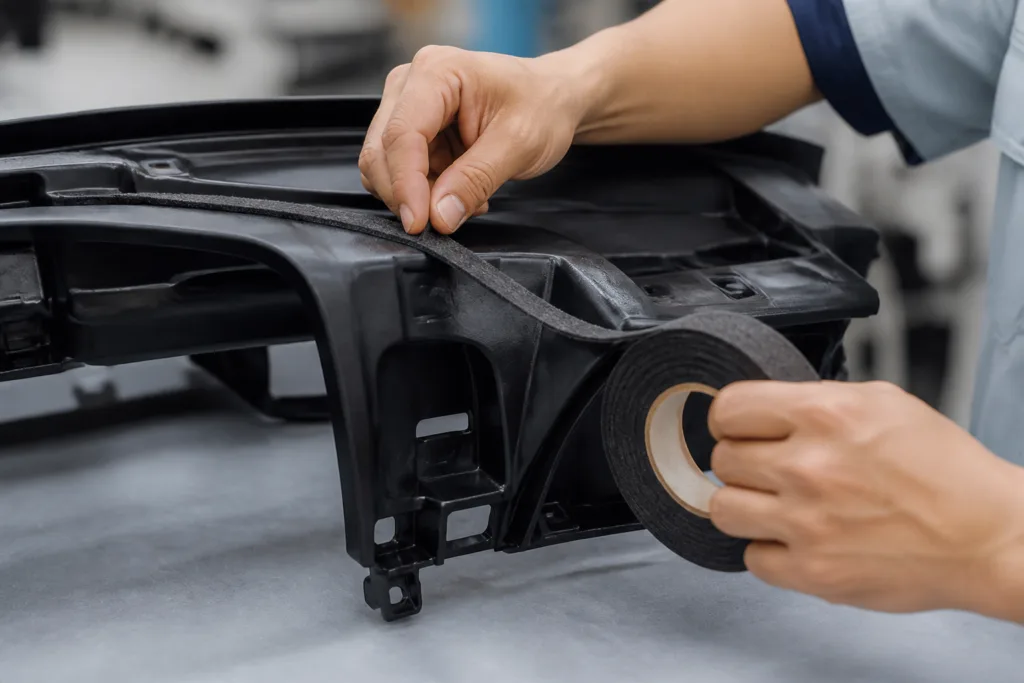
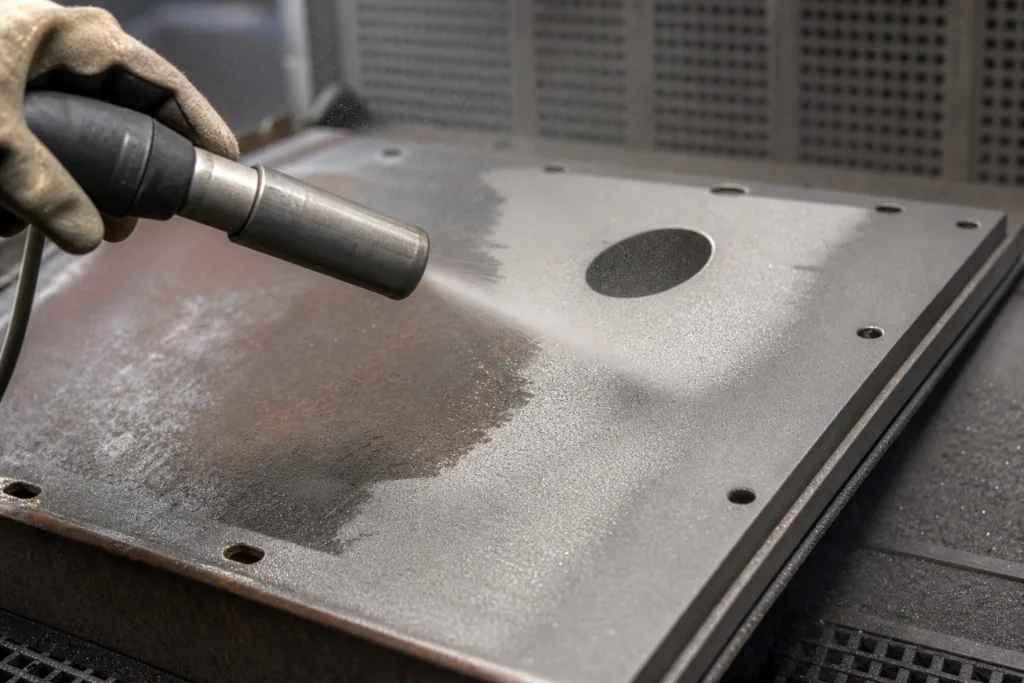
Professional sealing starts with surface preparation: cleaning, plasma or corona treatment, and primer application when needed. Tape masking guides bead placement, ensuring uniform bond-line thickness. Key techniques include:
- Continuous Bead Application: Prevents micro-leaks at joints.
- Dual-Cure Systems: Combines heat and moisture curing for shadow area reliability.
- Potting and encapsulation: Embeds connectors and cable penetrations.
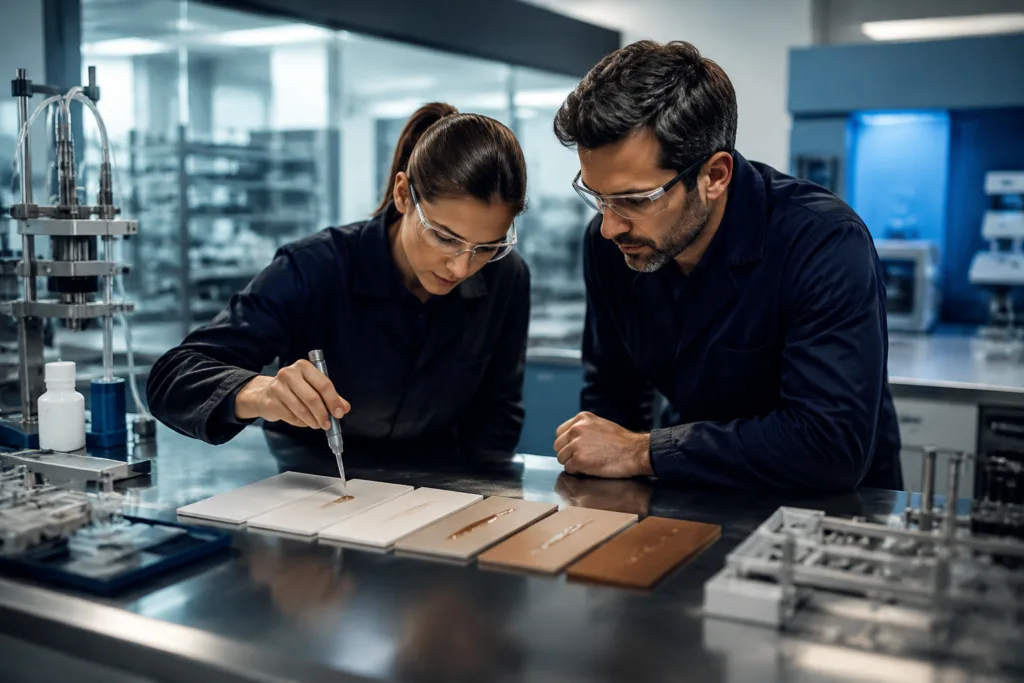
Quality assurance involves lap shear, peel, and aging tests to simulate environmental stressors.
Best Practices for Installing Weatherproof Sealants
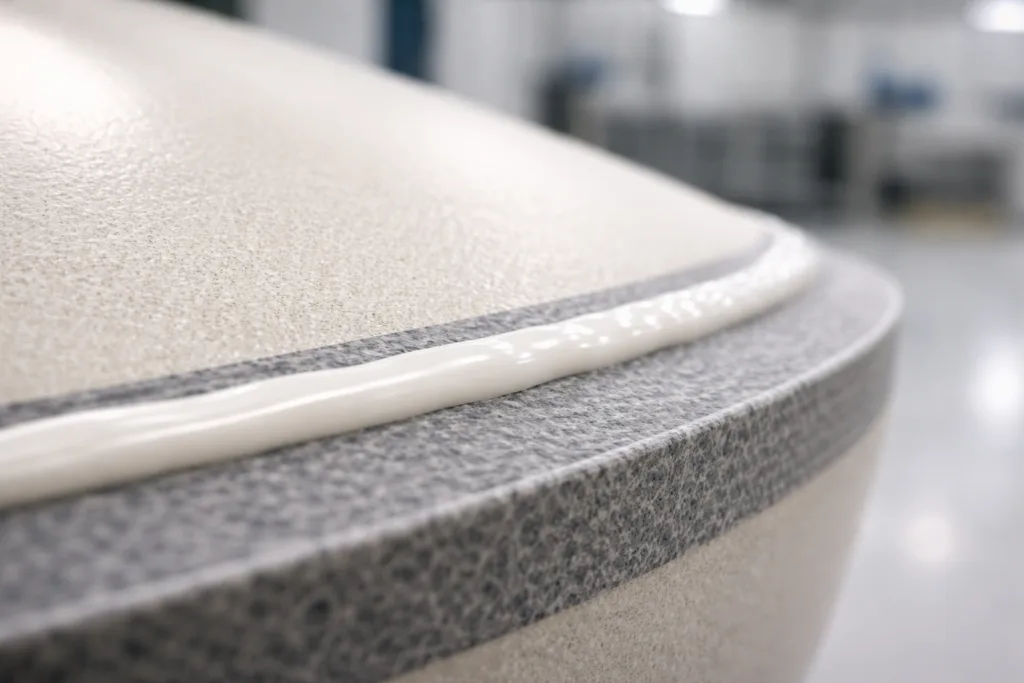
Installation success depends on clean surfaces, proper environmental conditions (humidity and temperature), and adherence to the manufacturer’s open time, pot life, and fixture requirements. Over-application can lead to shrinkage or spreading, while under-application creates gaps. Engineers recommend using calibrated dispensing guns, routine bead measurement, and scalable QA protocols. Record cure cycles to verify performance consistency.
Case Study: Successful Weatherproof Sealing Implementation
A telecom operator in Southeast Asia recently adopted advanced epoxy and polyurethane sealants for rooftop 5G radomes. Key parameters: bond-line thickness of 1.2 mm, fixture time of 45 minutes, dew point management at installation. Over two monsoon seasons, the antenna systems maintained full signal continuity, with seals resisting both high rainfall and wind-driven dust. Lab testing indicated no measurable loss in lap shear strength after 18 months, highlighting the power of correct material selection and procedural discipline.
Challenges in Weatherproof Sealing of 5G Antenna Radomes
Despite advances, installers face hurdles: unpredictable weather, rapid deployment timelines, and variable substrate conditions. Failure modes include adhesive detachment, incomplete curing, or chemical incompatibility (e.g., with plastics or painted metals). Remediation requires careful repair procedures, surface reactivation, and reapplication of compatible sealant types. Training and field audits are essential for maintenance teams.
Overcoming Installation Challenges: Recommended Solutions
To address real-world challenges, ZDS Adhesive, an industrial adhesive manufacturer, recommends detailed substrate identification, humidity management, and predeployment lab validation. Engineers should select sealants based on anticipated loads: wind, vibration, temperature cycling, and chemical exposure. Key decision rules: prioritize elastic adhesives for thermal expansion, use structural epoxies for high-load positions, and confirm compatibility with all radome materials (including composite, polycarbonate, and fiberglass). Routine field testing, using lap shear and peel protocols, confirms assembly integrity.
Innovations in Dual-Cure and Delay-Cure Sealant Systems
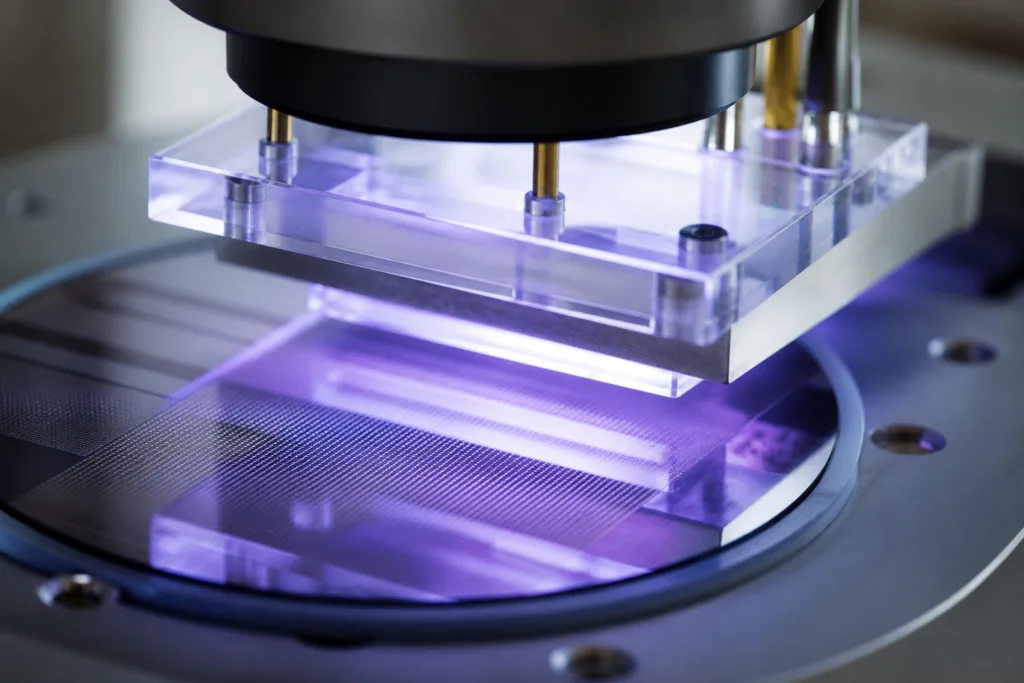
Emerging sealant technologies utilize dual-cure mechanisms—combining UV, moisture, and heat curing—to eliminate failures in hard-to-reach areas. Delay-cure adhesives afford longer open time, improving worker flexibility and reducing installation errors in complex assemblies. Advances in color-changing UV adhesives provide visual confirmation of complete cure, raising QA confidence and reducing inspection time.
Advancements in Low Shrinkage and High Modulus Formulations
Modern sealing materials deliver minimal shrinkage rates to preserve precise alignment and prevent stress buildup. High-modulus adhesives contribute to greater structural stiffness, which is critical for radomes subjected to repeated wind loads. These properties can be engineered via specialized epoxies and second-generation acrylics, offering improved durability without compromise in cure speed.
Weatherproof Sealing for 5G Antenna Radomes
With the evolution of 5G infrastructure, weatherproof sealing for 5G antenna radomes has become indispensable. This practice ensures reliable protection against environmental threats, sustaining antenna performance throughout varied climates and geographies. As material science progresses, sealant solutions are engineered to deliver robust moisture and dust barriers, elastic recovery, and resistance to UV and chemical attack. Installers and engineers are empowered to achieve best-in-class reliability when armed with the right knowledge and material selection strategies.
Future Trends in Sealant Materials for 5G Applications
The next wave of sealing solutions emphasizes smart materials: nano-coatings, self-healing polymers, and low dielectric constant formulations for improved signal throughput. Integration with sensor-equipped radomes allows predictive maintenance, alerting operators before seals degrade. Sustainable, low-halogen epoxies and eco-friendly acrylics respond to tightening environmental standards and market demands. Expect further innovation in process automation, visual cure indicators, and hybrid sealing methods.
Testing and Reliability Assurance for Weatherproof Seals
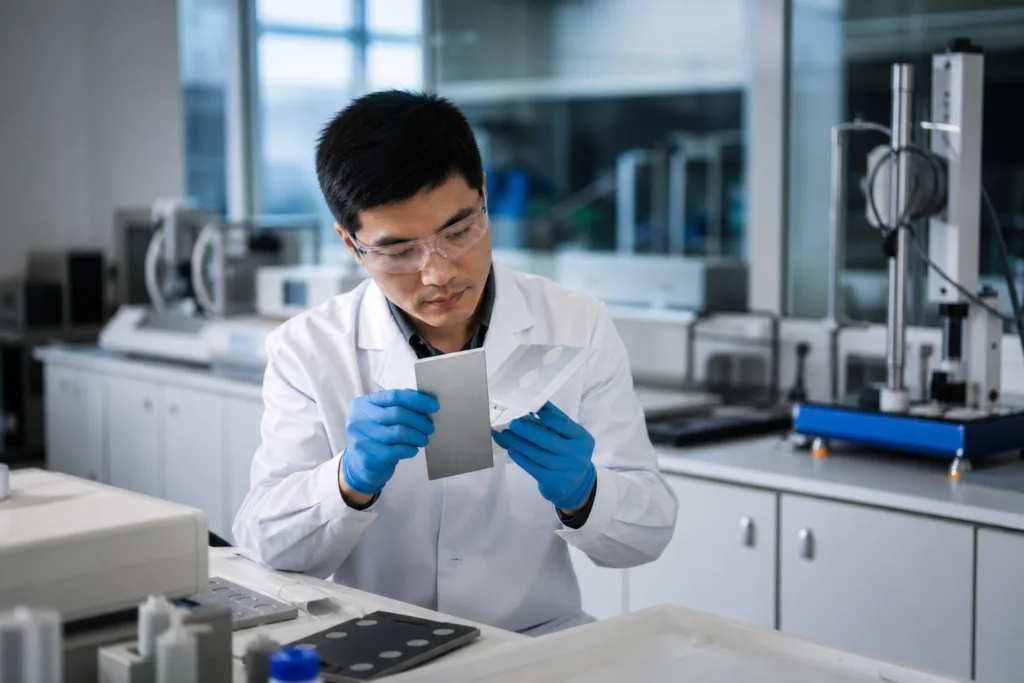
Industry-standard testing for weatherproof sealing now includes thermal shock, humidity aging, and salt spray exposure. QA teams employ peel and lap shear tests calibrated to expected operational loads, with periodic field audits to confirm ongoing system integrity. Upgrades in inline quality sensors and digital monitoring help catch flaws before deployment.
Impact on Signal Quality and Equipment Longevity
Sealing failures directly impact signal quality through detuning, attenuation, or outright downtime. Over a 10-year deployment, properly sealed radomes can reduce maintenance events by up to 70%, prolonging equipment service life and lowering total cost of ownership. Engineers track signal metrics, post-deployment, to correlate sealing performance with operational reliability.
Conclusion: Achieving Long-Term Reliability in 5G Antenna Radomes
Weatherproof sealing for 5G antenna radomes is no longer an afterthought—it’s a frontline defense against environmental threats and operational failure. By understanding material properties, installation techniques, and evolving technologies, engineers and installers secure the high-performance standards demanded by the 5G generation. Practical takeaways: choose sealants based on performance metrics and real site demands, validate installation with QA testing, and embrace material innovation for future-proof reliability. As telecom networks expand and diversify, robust sealing remains a cornerstone of sustainable connectivity.
Frequently Asked Questions
Why is weatherproof sealing important for 5G antenna radomes?
Weatherproof sealing prevents moisture, dust, and temperature extremes from entering the radome, protecting antenna performance and reliability.
Which materials are typically used for weatherproof sealing?
Silicone, polyurethane, and epoxy sealants are commonly used due to their flexibility, moisture resistance, and durability under environmental stress.
What challenges do installers face during sealing?
Unpredictable weather, rapid deployment, and varying substrate conditions can lead to incomplete cure, adhesion failure, or compatibility issues.
How do weatherproof seals affect 5G signal quality?
Proper seals prevent environmental ingress, ensuring stable transmission, high signal quality, and reduced maintenance events over time.
Can environmental factors shorten the lifespan of seals?
Yes, exposure to UV, chemicals, and temperature swings can degrade seals; material selection and regular QA testing are vital for longevity.
What are future trends in sealing materials for 5G applications?
Nano-coatings, self-healing polymers, and eco-friendly adhesives are emerging to improve reliability and sustainability in 5G radome sealing.
Related Reading
- 7 Potting Secrets to Boost Inverter Reliability and Heat Management
- Unlock Superior 5G PCB Performance with Low Dielectric Coatings
- 9 Hidden Benefits of Latent Curing in Single-Component Epoxies
- Discover How Nano-Coatings Revolutionize Electronic Waterproofing
- 7 Ways Conductive Silver Epoxies Reinvent 5G Base Station Filter Performance