Introduction: Why Gearbox Sealing Demands More in 2026
Gearboxes—found in everything from electric vehicles to industrial robots—must withstand extreme conditions and deliver robust, reliable performance. Inadequate sealing lets contaminants in, shortens equipment life, and even causes expensive downtime. Enter the Form-in-Place Gasket (FIPG): a high-tech adhesive sealant engineered to meet modern challenges in gearbox sealing. This article explores the unique advantages and practical applications of FIPG, what sets it apart from old-school solutions, and the real-world results that make it a staple in high-performance assemblies.
What Is Form-in-Place Gasket (FIPG)?
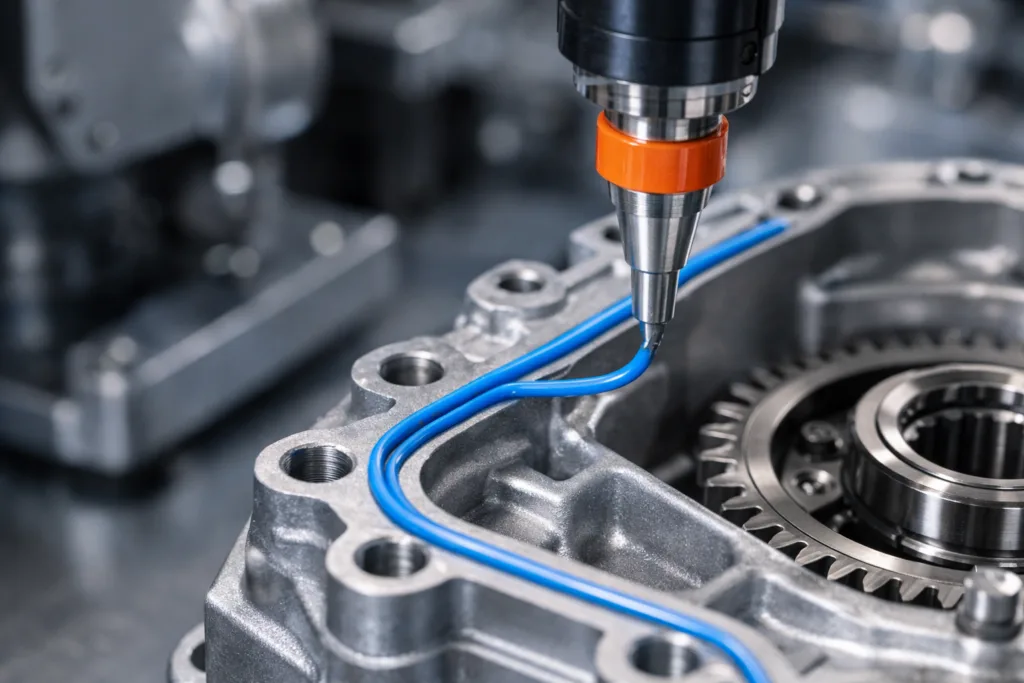
Form-in-Place Gasket (FIPG) is a liquid or paste sealant that forms a gasket directly on a mating flange during assembly. It eliminates the need for traditional cut gaskets by forming a perfectly contoured seal that matches complex part geometries—and adapts as manufacturing tolerances tighten in robotics and electric powertrains. Most modern FIPGs are based on silicone, polyurethane, or modified acrylics, offering superior flexibility, chemical resistance, and fatigue life compared to paper or rubber gaskets.
How FIPG Solutions Outperform Traditional Gaskets
Traditional die-cut gaskets often suffer compression set, creep, or leakage due to manufacturing variables. FIPG solutions eliminate these weak spots by forming a seamless seal that:
- Fills all surface imperfections
- Adapts to thermal expansion and contraction
- Maintains elasticity and sealing pressure for years
- Works on complex or narrow flanges
Core Properties: Why FIPG Is Ideal for Gearbox Sealing
Flexibility and Elongation
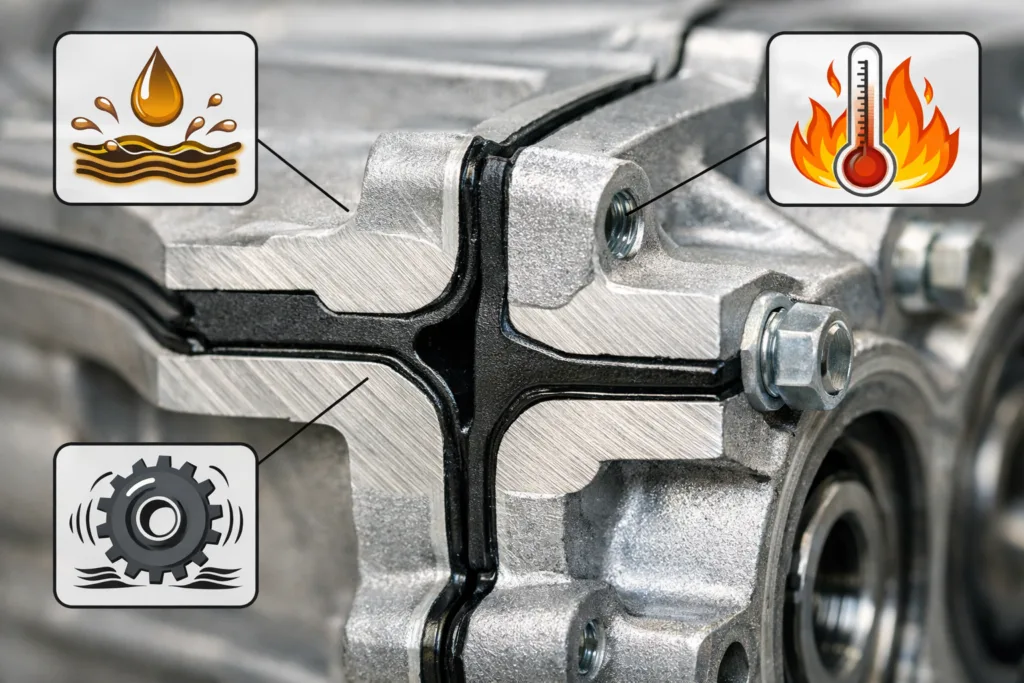
FIPGs can remain flexible at temperatures ranging from -55°C to 200°C (higher with specialty grades). This flexibility means the seal doesn’t crack or extrude under vibration or load cycles—absolutely essential for EV gearboxes and high-speed induction motors.
Superior Environmental Resistance
Modern FIPGs resist oils, ATF, gear lubes, water, coolants, high humidity, and even splashes of gasoline. For those working with epoxy-based adhesives, compatibility checks are important for chemical exposure scenarios.
Long-Term Durability
Low compression set, strong elastomer backbone, and high bond strength give FIPG seals a lifespan exceeding traditional cut gaskets—especially in cycling test regimes involving hot/cold alternation and oil splash, as frequently seen in e-motor applications.
FIPG Solutions in Electric Motor and Powertrain Gearboxes
Case Study: E-Drive Unit Reliability
Leading electric vehicle OEMs have reported up to 3x longer service intervals after switching to FIPG for sealing modular gearboxes. This leap is attributed to the FIPG’s ability to flexibly seal in high-vibration, high-temperature zones where static gaskets often degrade quickly.
Contamination Resistance
By eliminating micro-leaks, FIPG drastically reduces debris ingress—an issue that can ruin insulation and lead to bearing failures. For more on adhesives used in electrical drive applications, see the ATF oil-resistant adhesive solutions guide.
Sealing High-Speed Applications
Spin rates over 15,000 rpm create greater centrifugal pressures, making traditional gaskets prone to ‘blow-out.’ FIPG maintains surface contact and elasticity—with no seam to migrate or extrude under force.
Compositional Chemistry: What Makes a Modern FIPG?
Industrial formulations include:
- Silicone (Room temperature RTVs for flexible, wide-temp seals)
- Polyurethane (Enhanced oil & chemical resistance)
- Modified acrylics (Fast fixture time, semi-rigid properties)
Additives such as moisture scavengers, adhesion promoters, and plasticizers further tune cure speed and modulus. Industrial adhesive experts recommend matching chemistry to gearbox oil composition and target service temperature for optimal outcomes.
Advantages of Form-in-Place Gasket (FIPG) Solutions in Modern Gearboxes
| Property | FIPG | Traditional Gasket |
|---|---|---|
| Flexibility | High—Adapts to surface changes | Low—Can crack or flatten |
| Oil Resistance | Excellent | Varies; can swell/ degrade |
| Service Life | 10+ years | 2-5 years typical |
| Automation Suitability | Robotic dispense/auto-assembly | Manual cut & install |
| Complex Shapes | Easy to adapt | Difficult/costly |
Where FIPG Shines: Application Highlights in 2026
- Electric drive units (EDU)
- Automotive powertrain gearbox flanges
- Industrial motors and gear reducers
- Marine and off-highway transmissions
Step-by-Step: How to Apply FIPG for Gearbox Sealing
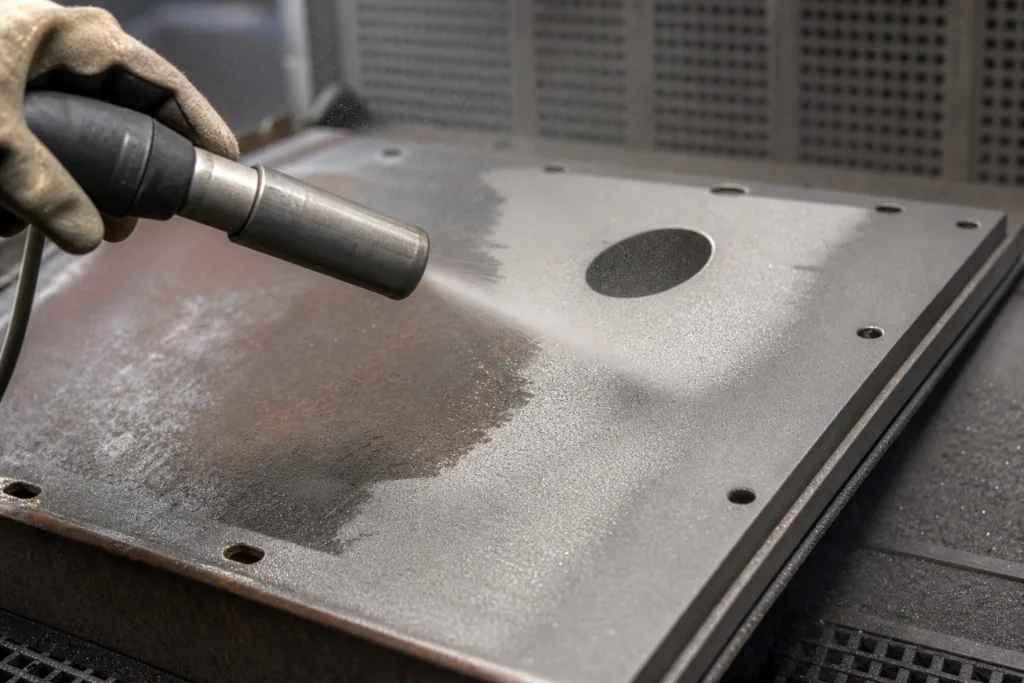
- Surface Prep: Degrease with isopropanol, check flatness—surface energy matters
- Dispensing: Use robotic or manual bead application (3–6 mm typical width; keep height consistent)
- Assembly: Join flanges while sealant is still tacky; avoid squeeze-out into gears
- Cure: Follow manufacturer’s open time, fixture, and full cure guidelines—room temp/heat-cure as needed
Common Challenges When Sealing Gearboxes with FIPG
- Surface contamination causing poor adhesion
- Wrong bead width—too thick = squeeze-out; too thin = leaks
- Premature loading before cure—watch for assembly line timing mismatches
- Chemical incompatibility with selected oils: Always check datasheets
Troubleshooting: FIPG Failures in Real-World Applications
| Failure Type | Common Cause | Fix |
|---|---|---|
| Oil seepage | Low cure or thin bead | Increase cure time; re-calibrate dispense |
| Adhesion loss | Surface residue or moisture | Improve cleaning/blasting, test adhesion |
| Outgassing/blistering | High moisture on surface | Dry parts before application |
| Seal ‘extrusion’ into gears | Squeezing excess bead | Reduce applied volume by 10-20% |
Best Practices for Reliable Gearbox FIPG Sealing
- Check surface energy: plasma or primer-treat low-energy plastics or anodized parts
- Automate bead dispense for consistency on production lines
- Control clamp force—uniform pressure avoids channel formation
- Record and track both fixture and full cure times
Process Tips: Minimizing Variation in Robotic and Manual Application
- Periodically verify dispensing system calibration
- Audit employee technique on manual lines
- Standardize cure ovens, line speed, and environmental conditions
Environmental and Compliance Considerations
Modern FIPGs should meet RoHS, REACH, and low-VOC requirements. Always consult datasheets and regional regulations before implementing new sealant chemistries for gearboxes in global production.
How ZDS Adhesive Evaluates FIPG Performance for Gearbox Projects
From an engineering perspective at ZDS Adhesive, an industrial adhesive manufacturer, selecting FIPG for gearbox sealing means balancing three criteria: chemical compatibility, bead geometry, and cure logistics. For instance, in endurance tests, seals are exposed to cycling ATF and humidity at 90°C, then checked for leak rate and adhesion retention. Whenever flanges are anodized or powder-coated, plasma treatment boosts long-term reliability by 20–30% in real-world lap shear and thermal cycling tests compared to untreated parts.
Form-in-Place Gasket, gearbox sealing
The term Form-in-Place Gasket, gearbox sealing specifically refers to the advanced process of dispensing liquid or paste sealants to form a customized barrier directly on gearbox flanges. This technique replaces conventional gaskets, optimizing for tight tolerance fits, automated manufacturing conditions, and ever-more demanding application environments found in today’s electric motors and industrial powertrains.
FIPG vs. Pre-Formed Gaskets: A 2026 Perspective
- Speed: FIPG enables faster line changeovers
- Inventory: Only one sealant, not dozens of die cuts
- Quality Control: Bead size and cure tracked digitally
- Design Freedom: Complex paths (corners, holes) handled automatically
Future Trends: Digital Quality Controls for FIPG Application
- Closed-loop robotic dispense with AI-based bead measurement
- Inline cure tracking—minimizes out-of-spec assemblies
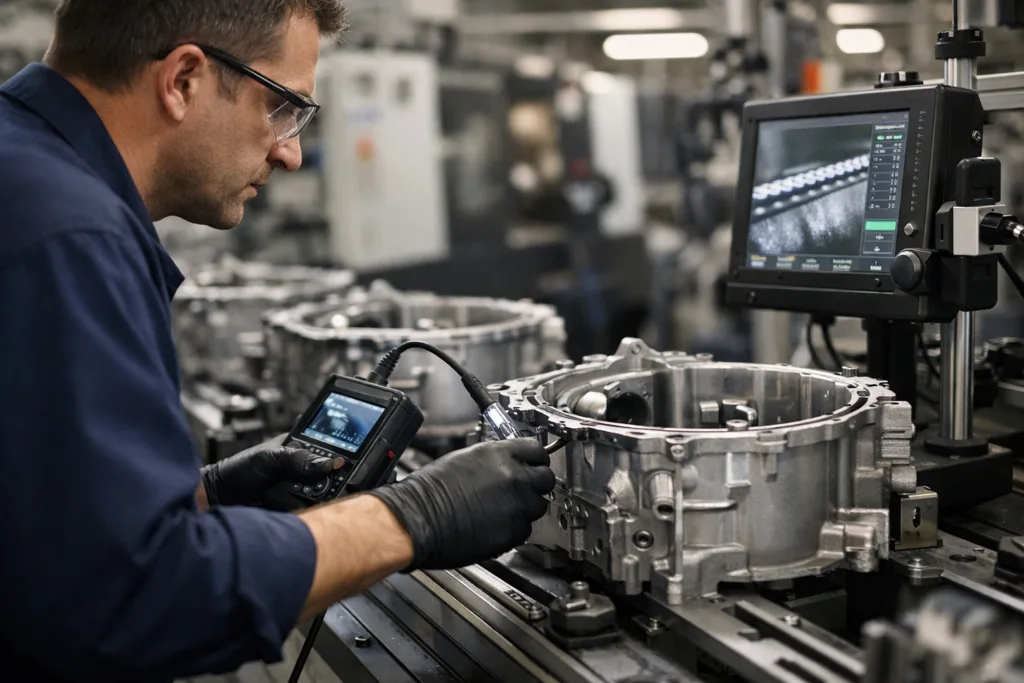
- Automated optical inspection for squeeze-out and skips
When to NOT Use FIPG
Small pilot runs or irregular field repairs may favor cut gaskets for simplicity, while applications seeing extreme media (e.g., strong solvents) may need specialty materials or hybrid sealing approaches.
Expert Tips for Optimal FIPG Sealing in Powertrain Assembly
- Choose sealants matched for gearbox substrate and lubricant
- Adopt plasma surface prep where feasible
- Integrate digital bead monitoring in modern assembly lines
Conclusion: Reliable Gearbox Sealing Starts with FIPG in 2026
FIPG is re-shaping the standards for durable, maintenance-free gearbox sealing across automotive, industrial, and marine segments. By blending advanced chemistry, automated application, and digital-quality control, engineers can ensure leak-free, robust gearboxes even as EVs and robotics demand more from every assembly. When process consistency and long-term sealing performance are mission-critical, FIPG solutions are the path forward.
Frequently Asked Questions
What is a Form-in-Place Gasket (FIPG) and how does it differ from a traditional gasket?
FIPG is a liquid-sealant that forms a gasket directly on the part during assembly, creating a custom-fitted, seamless seal—unlike pre-cut rubber or paper gaskets.
Why is FIPG commonly used in modern gearbox sealing?
Because it adapts perfectly to complex shapes, withstands vibration and chemicals, and lasts longer in harsh operating environments than most traditional gaskets.
Can FIPG be used with any gearbox material?
Most FIPG types work with metals and some plastics, but for low surface energy materials, plasma or primer treatment may be needed to ensure adhesion.
What are the typical mistakes to avoid when applying FIPG?
Applying too much or too little sealant, not cleaning surfaces properly, or loading assemblies before the seal has cured can cause leaks or failures.
How long does it take for FIPG to fully cure?
Cure time ranges from 30 minutes (heat-assisted) to 24 hours (room temp), depending on sealant chemistry and environmental conditions.
How can I check if the FIPG seal is holding properly after assembly?
Visual inspection for bead continuity, leak testing under operational pressure, and digital bead width measurement can confirm the seal’s integrity.