Understanding High-Pressure Sealing for Subsea Cable Repeaters
High-pressure sealing for subsea cable repeaters is fundamental for ensuring uninterrupted global communications. Subsea cable repeaters, which amplify signals along undersea fiber optic cables, face relentless pressure, moisture, and corrosive forces at ocean depths reaching 6,000 meters or more. If water or contaminants breach a repeater’s housing, catastrophic failures and service interruptions can occur. That’s why robust sealing technologies are essential for reliability and longevity.
The Role and Risks: Why Sealing Matters
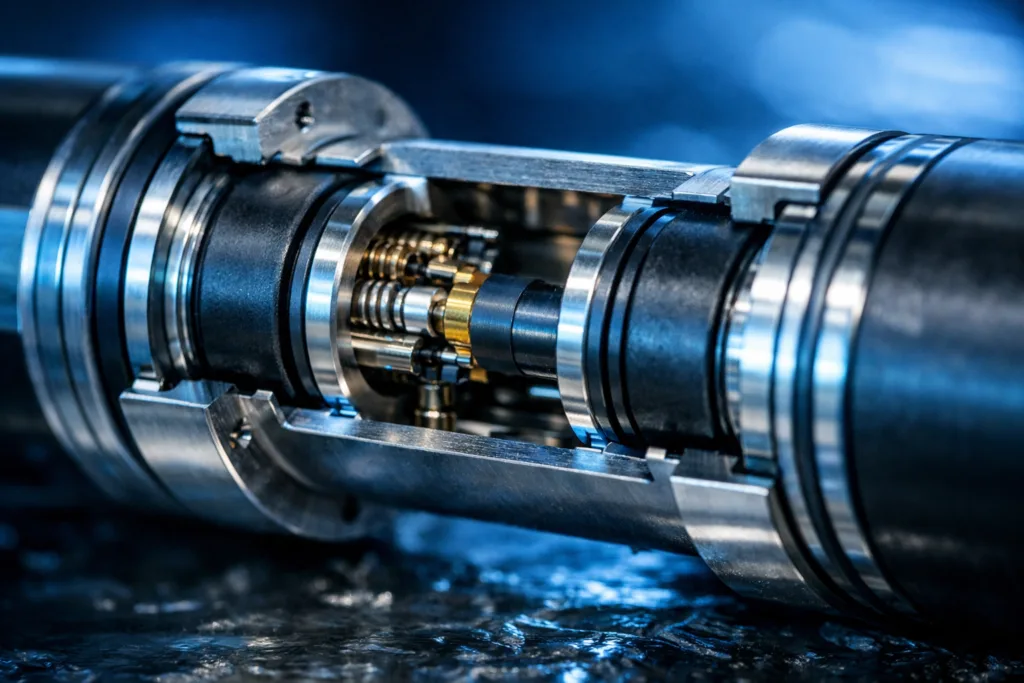
Subsea environments are among the most hostile on Earth. Repeaters operate under ambient pressures of up to 600 bar and temperatures near freezing. Saltwater, biofouling, and shifting seabeds amplify corrosion and creep risks. Without advanced seals, water ingress can short-circuit electronics and accelerate metal fatigue. Repairing a failed cable costs millions and disrupts financial, governmental, and social networks. For more insights on how moisture protection is approached in sensitive electronics, see 7 Real-World Ways to Achieve Long-Lasting Moisture Protection for Data Center Server Motherboards in 2026.
Materials Used for High-Pressure Seals
Engineers select materials that combine mechanical strength, resilience, and corrosion resistance. The most common include:
- Elastomers: Nitrile rubber (NBR), fluoroelastomers (FKM), and hydrogenated nitrile (HNBR) remain flexible at low temperatures, conforming tightly to mating parts.
- Metals: Stainless steel and Inconel offer durability and withstand constant exposure to saltwater. Metal-to-metal seals with precisely machined surfaces prevent microleakage at extreme pressures.
- Polymer and composite gaskets: Filled PTFE and advanced thermoplastics resist both aggressive chemicals and mechanical compression.
Chemical compatibility is always verified via immersion and pressure-cycling tests to minimize long-term swelling or degradation.
Design Challenges in Deep-Sea Sealing
Designers must grapple with more than just high pressure. Key considerations include:
- Thermal cycling: Undersea temperatures can fluctuate due to undercurrents or geothermal activity, causing materials to shrink and swell. Seals have to retain their elasticity and shape under these cycles.
- Pressure hysteresis: Cumulative stresses during repeated pressurization and depressurization (as repeaters are tested or brought ashore) may cause eventual fatigue and leaks.
- Electrochemical effects: Dissimilar metals can trigger galvanic corrosion if not properly insulated or coated.
- Biofouling: Marine creatures attaching to the repeater can wedge open seals or degrade soft polymer surfaces.
Seal Geometry and Redundancy Strategies
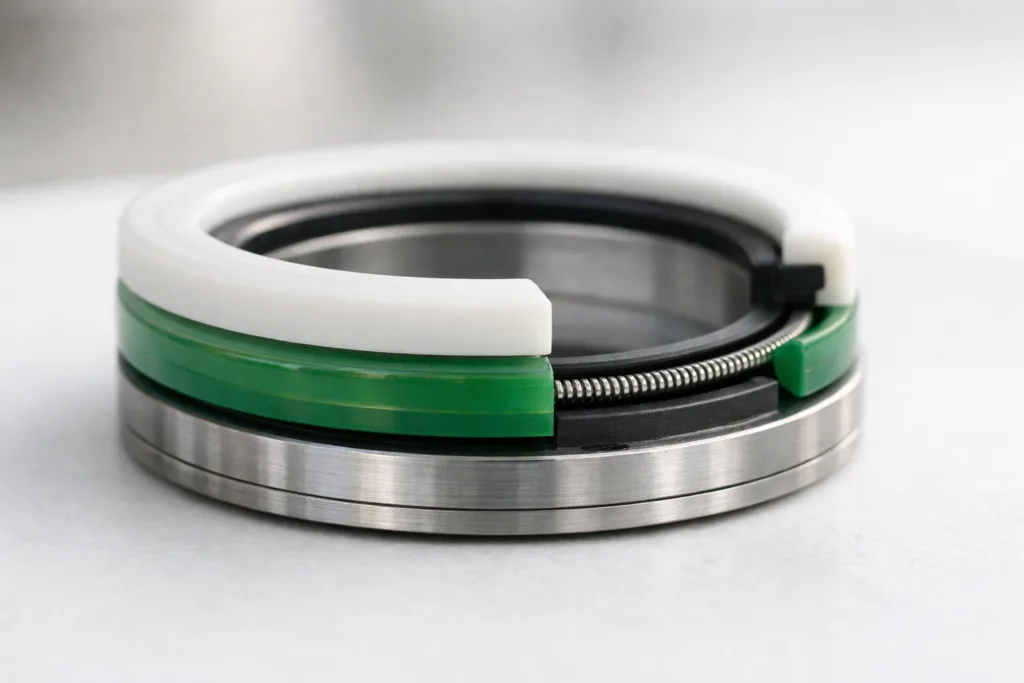
Seal geometry—such as O-rings, lip seals, and C-rings—is matched to the specific stress mode experienced by subsea repeater housings. For true mission-criticality, designs often use dual redundant seals with pressure-relief paths in between. Even if one fails, the backup prevents catastrophic ingress. The durability of these configurations is confirmed through stringent fatigue testing, much like the assessments described in 7 Essential Insights: Fatigue Resistance Testing of Acrylic Structural Bonds for Lasting Industrial Performance.
Testing Standards for Subsea Seals
Seals destined for subsea cable repeaters undergo comprehensive validation before deployment, including:
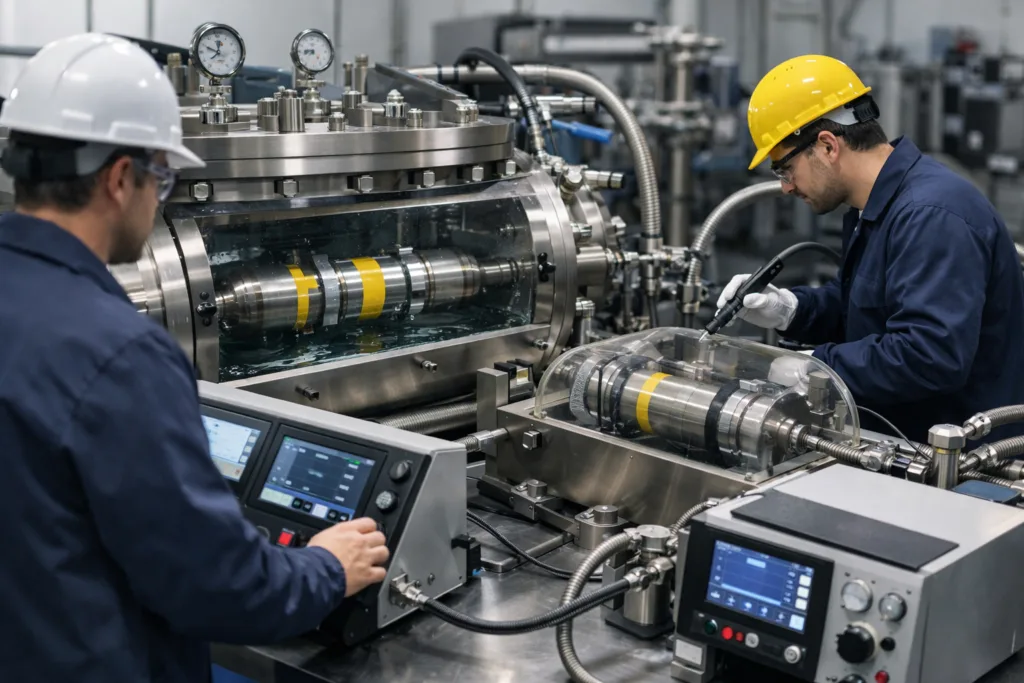
- Hydrostatic pressure testing: Assemblies are submerged in test vessels and subjected to pressures exceeding deepest deployment conditions.
- Helium leak testing: Sensitive mass spectrometers detect permeation rates well below limits that could lead to functional failures.
- Accelerated aging experiments: Materials are tested for years’ worth of stress in a matter of months, verifying their reliability over a cable’s 25-year design life.
Factory Insights: Achieving Consistent Quality
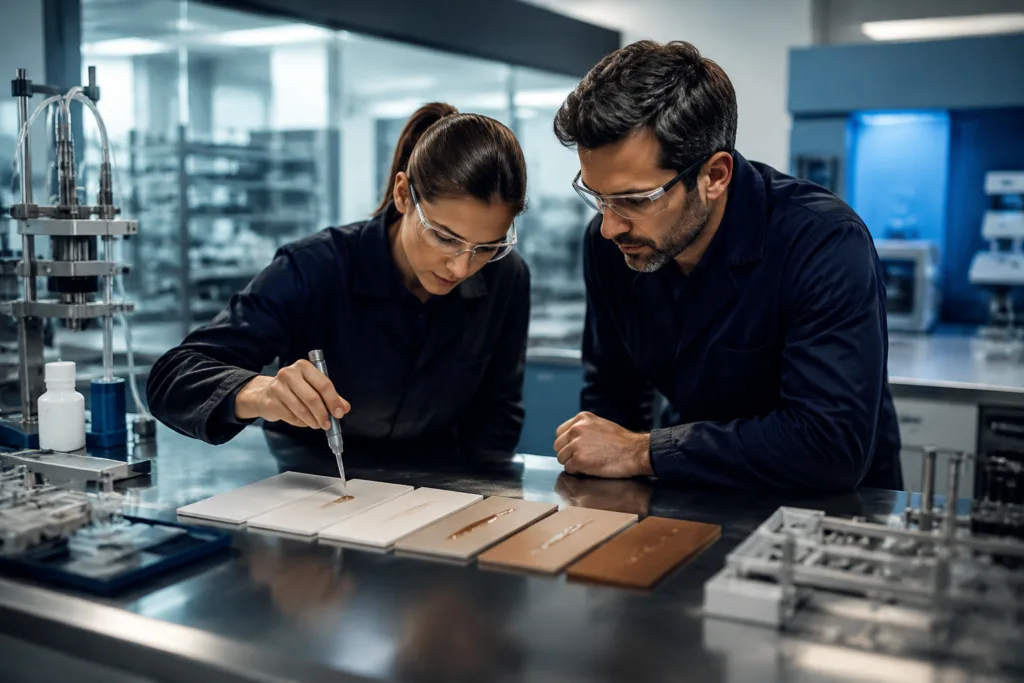
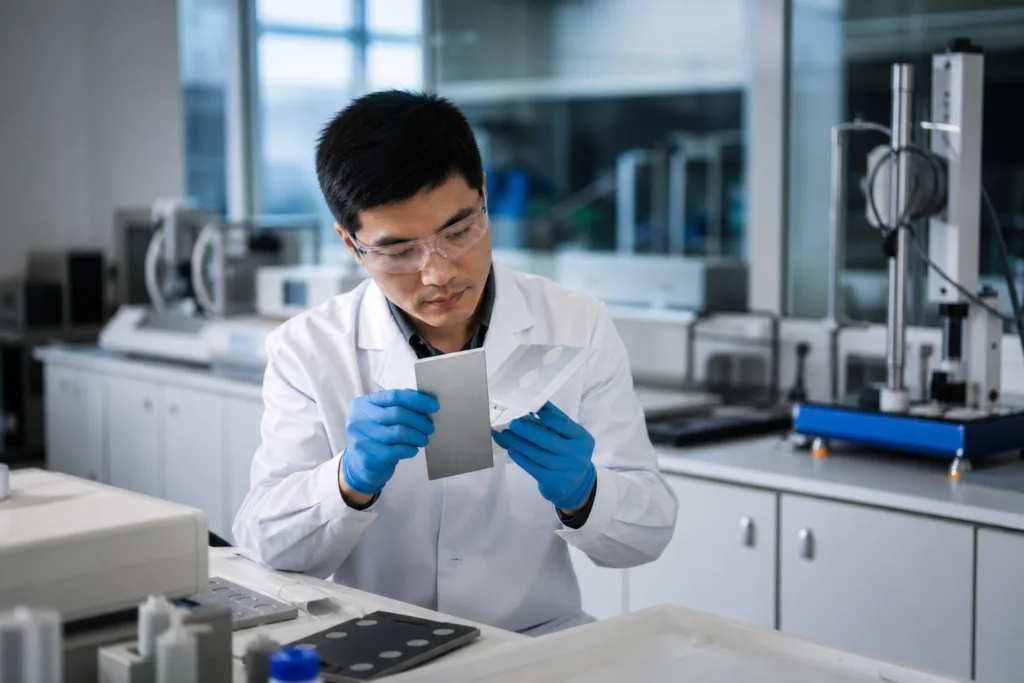
In the production environment, maintaining precise surface finish and cleanliness is critical. Even microscopic residues or roughness can compromise seal function. Engineers use automated vision inspection and perform batch testing, referring to standards similar to those outlined in How to Verify Aircraft Adhesive Consistency: 2026 Standards Explained.
Innovations Driving Reliable Sealing
Today’s subsea sealing solutions are more sophisticated than ever. Highlights include:
- Hybrid metallic-polymer seals: Combining metal shells with elastomer inserts maximizes both resilience and impermeability.
- Self-healing coatings: Novel polymer films automatically re-seal microcracks formed by pressure or chemical attack.
- Smart sensors: Tiny integrated sensors within or around seals track temperature, compressive load, and even trace water intrusion, triggering early repair alerts.
Real-World Applications
High-pressure sealing is critical not just in cable repeaters but also in subsea connectors, junction boxes, and power feed systems. For instance, failure at a single O-ring in a repeater can force the entire cable segment out of service. Innovations originally developed for repeaters have influenced marine sensor pods, underwater robotics, and oil platform controls.
Case Study: Sealing Success in the Field
In 2024, an upgrade to the Pacific Light Cable Network involved deepwater repeaters sealed using a triple-redundant Inconel and FKM arrangement. After simulated 30-year testing, not a single drop of water penetrated, demonstrating how material choice and redundancy ensure real-world durability.
Challenges in Implementation
Yet, these advanced systems aren’t fail-proof. Engineers frequently battle issues such as material scarcity (e.g., supply chain for exotic alloys) or unpredictable real-sea stressors, like undersea earthquakes shifting repeaters.
The Human Factor: Training and Procedures
Even with advanced materials, hands-on technician skill is vital. Proper surface preparation, precise torqueing of bolts, and clean-room assembly conditions reduce avoidable errors and extend in-field life.
Corrosion Resistance: The Unsung Hero
Every high-pressure seal must not only block water, but also resist salt, organic acids, and even hydrogen sulfide produced by deep-sea bacteria. Coatings and material selection play a central role.
Eco-Friendly Approaches and Future Directions
With sustainability becoming more important in 2026, engineers seek sealants and elastomers that offer both high performance and reduced environmental impact. Some new biocompatible blends show promise, reducing microplastic and heavy metal runoff if components ever degrade or are scrapped.
Integration with Modern Adhesive Solutions
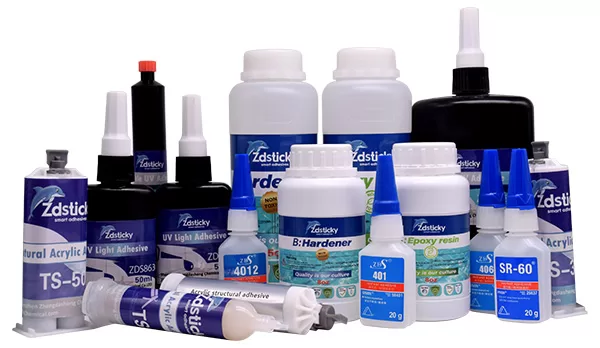
From an assembly-line viewpoint at ZDS Adhesive, an industrial adhesive manufacturer, decisions about sealing technology often include the integration of structural adhesives alongside high-pressure seals. This approach simplifies architecture and can boost both assembly speed and resilience to shock loads, especially in housings with complex geometries.
Comparing Sealing Approaches: Elastomer vs. Metal vs. Hybrid
| Seal Type | Pros | Cons | Typical Depth Range |
|---|---|---|---|
| Elastomer-only | Flexible, low cost, easy to replace | Degrades faster in chemicals/UV | Up to 2,000 m |
| Metal-to-metal | Excellent long-term durability, no swelling | Rigid, requires perfect machining | 2,000–6,000 m |
| Hybrid (metal + polymer) | Combines durability and flexibility | Higher cost, precise alignment needed | All |
Installation Best Practices for Long-Sealed Life
Engineers and technicians follow strict installation guidelines:
- Inspect and clean all sealing surfaces with lint-free wipes.
- Apply uniform torque and avoid over-compressing O-rings or gaskets.
- Verify seal orientation; asymmetric seals may not protect if reversed.
- Document part batch and process steps for traceability.
Assessing Seal Aging and Replacement Intervals
Periodic non-intrusive tests (such as embedded sensor readings or pressure decay checks) help operators flag aging seals for planned replacement during service windows, reducing catastrophic outage risks.
High-Pressure Sealing for Subsea Cable Repeaters
To summarize, high-pressure sealing for subsea cable repeaters is a multidisciplinary challenge—merging chemical, mechanical, and process engineering to create solutions that keep the world connected. Innovations in materials, seal geometry, sensor integration, and eco-friendly approaches continue to advance reliability. By understanding the interplay of real-world stressors and manufacturing realities, engineers ensure every repeater holds strong against the ocean’s relentless power.
Conclusion: Sealing—The Silent Guardian of Global Connectivity
High-pressure sealing for subsea cable repeaters is not just a technical necessity—it’s the backbone of reliable undersea communications. Every detail from seal material to technician training influences decades of performance. With ongoing advances, we move toward even more resilient, sustainable solutions for the growing web of underwater infrastructure. Thoughtful design and vigilant quality control will keep the world connected well into the future.
Frequently Asked Questions
What is high-pressure sealing in subsea cable repeaters?
It refers to advanced materials and mechanical systems designed to prevent water and contaminants from entering the repeater’s housing, ensuring its function under extreme ocean pressures.
Why does seal material choice matter in subsea environments?
Materials must endure high pressure, salt corrosion, thermal cycling, and biological attack without degrading—otherwise, failures and cable outages could result.
How are high-pressure seals tested for reliability?
Seals undergo hydrostatic testing, helium leak detection, and accelerated aging to ensure long-term integrity before installation in deep-sea environments.
Can adhesives replace traditional seals in subsea repeaters?
Adhesives can complement seals for added security, especially in complex shapes, but rarely replace primary seals due to pressure extremes and serviceability needs.
What maintenance is required for subsea cable repeater seals?
Periodic sensor checks and predictive monitoring flag seal aging; full replacement generally occurs during scheduled cable servicing to prevent unplanned outages.
Are eco-friendly sealing materials available for subsea use?
New biocompatible elastomers and coatings are emerging to reduce environmental impact while providing needed pressure resistance and durability.
Related Reading
- Industrial Sealants or Adhesives? Discover Key Differences and Real Use Cases
- How Weatherproof Sealing Elevates 5G Antenna Reliability
- Your Roadmap to Custom Manufacturing Adhesive Solutions in 2026
- 7 Strategies for Moisture Protection on Sensitive Electronics
- How VPI Resins Safeguard Critical Electrical Components