High-Temp RTV, Metal Applications—The 2026 Frontier
From scorching engine bays to the precision demands of microelectronics, High-Temp RTV, Metal Applications are reshaping what industries expect from silicone adhesives and sealants. Now, in 2026, engineers require solutions that not only survive, but thrive, under stress—they need compounds that remain stable, flexible, and reliable at temperatures pushing the very edge of conventional chemistry. This article digs into the technological breakthroughs, application secrets, and material advantages that make high-temp RTV silicones the go-to strategy in metal manufacturing and assembly.
What Defines High-Temp RTV Silicones?
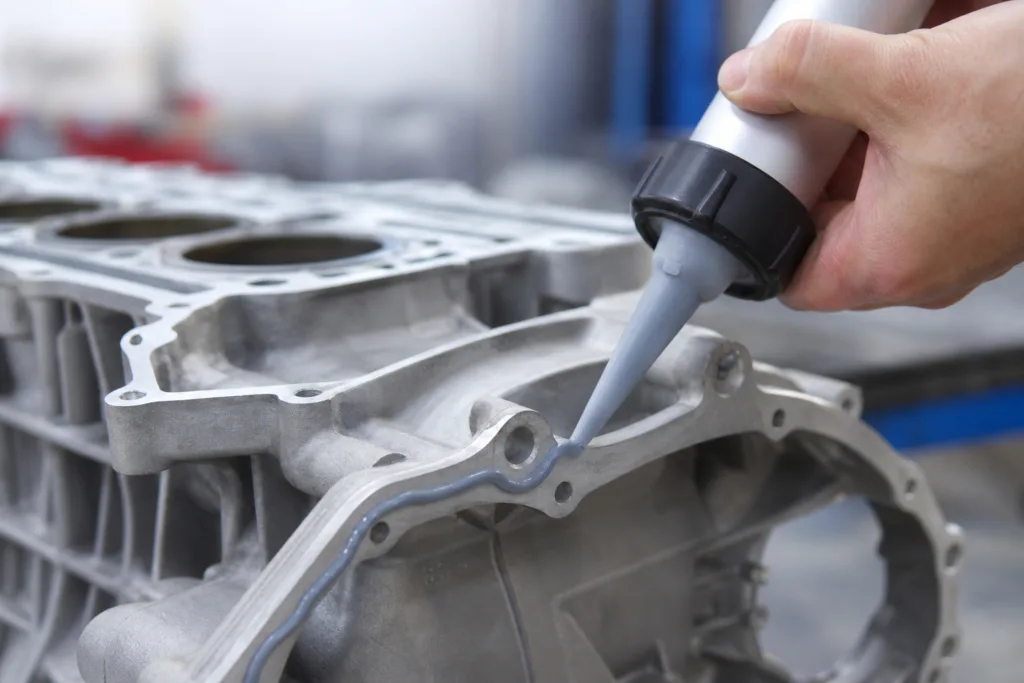
High-Temperature Room-Temperature Vulcanizing (RTV) silicones are specialized formulas designed to bond, seal, or encapsulate metals in environments where heat resistance is non-negotiable. Withstanding continuous exposure from 250°C up to 350°C—and even brief excursions beyond—these siloxane-based polymers cure upon contact with air, creating a rubber-like, durable, and chemically inert layer. Their flexibility, dielectric strength, and minimal shrinkage make them uniquely suited for metal assemblies subjected to cyclic thermal loads, aggressive chemicals, and vibration.
How High-Temp RTVs Withstand Extreme Heat
So, what’s the chemistry that allows these materials to keep performing when others degrade? The backbone of RTV silicones—long chains of alternating silicon and oxygen atoms—offers exceptional thermal stability. Additives such as iron oxide or proprietary fillers boost resistance, while advanced cross-linking agents lock in elasticity at high temperatures. The upshot: RTV silicones maintain structural integrity, remain flexible, and resist embrittlement, where many organic adhesives fail or char. For engineers who need proven test data, lap shear and thermal cycling are standard in validating these materials for critical applications.
Pushing the Limits in Metal Manufacturing
Metal manufacturing is all about control: reliable bonding, gap sealing, and component protection—without process slowdowns or rework. High-temp RTV silicones meet these needs through fast cure times, corrosion resistance, and outstanding adhesion to a roster of metals: stainless steel, aluminum, copper, galvanized alloys, and more. For large castings or complex assemblies, the low modulus (softness) and primerless adhesion of addition-cure RTVs dominate over competitors like epoxies and polyurethanes—especially when repairs or serviceability might be required later. For in-depth insight into the science behind addition-cure silicones, read How Addition Cure Silicones Outshine for Deep Section Potting in Metal Applications.
Key Properties: What Sets High-Temp RTV Apart?
- Thermal Endurance: Reliable sealing, bonding, and insulation up to 350°C continuous (even 400°C for short durations).
- Flexibility: Remains elastomeric after full cure, absorbing movement and vibration in metal components.
- Chemical Stability: Resists oils, water, glycols, and many solvents encountered in heavy industry.
- Non-Corrosiveness: Alkoxy- and oxime-cure systems minimize risk of corrosion in electronic and sensitive metal assemblies.
- Low Shrinkage: Maintains bond-line thickness, minimizing stress on joints and sensitive modules.
Innovations in High-Temp RTV Silicone Formulation (2026)
Recent years have seen a surge in application-specific high-temp RTVs. Key advances include:
- Hybrid Fillers: Boosting thermal conductivity for heat-dissipating assemblies.
- Fast-Cure Systems: Enabling in-line assembly in automotive and electronics sectors.
- Self-Leveling RTVs: Ensuring gap-free seals inside enclosures and housings.
- Improved UV and Weather Resistance: Extending lifespan in outdoor or high-radiation environments.
For a direct comparison between alkoxy- and oxime-cure technologies, and how these choices affect metal reliability, see Alkoxy vs. Oxime Cure: 7 Critical 1-Part Silicone Differences for Reliable Metal Bonding.
Industry Applications: Who Relies on High-Temp RTV?
Automotive Sector
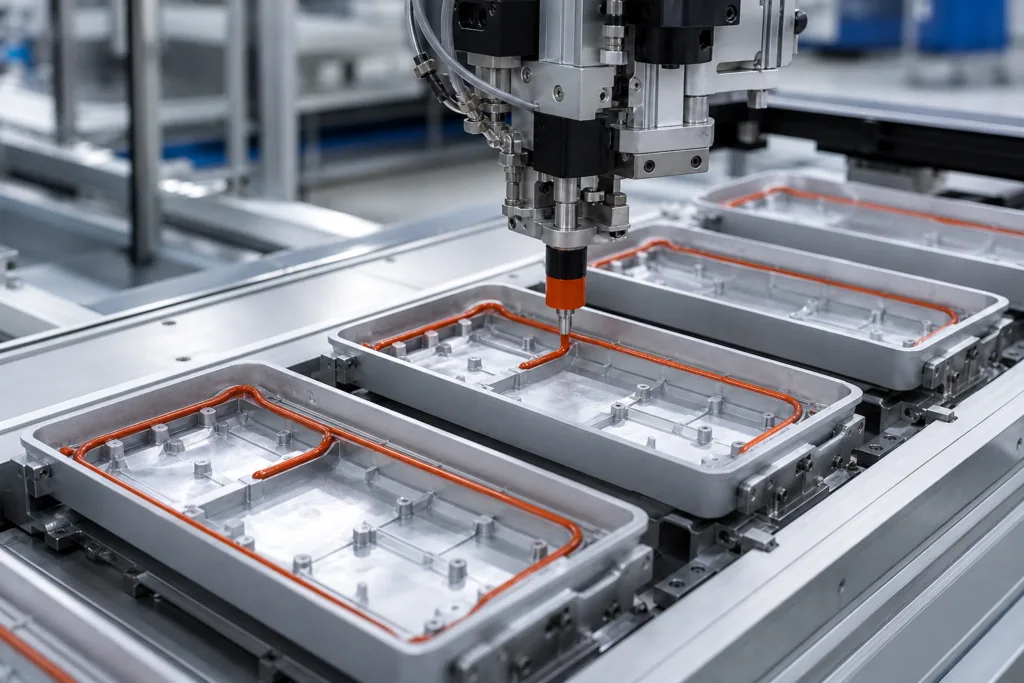
Gasket formation, sensor potting, exhaust system assembly, turbocharger housing—everywhere under-hood performance counts, high-temp RTVs are essential. They replace traditional cork or rubber gaskets, lasting longer and resisting oil, antifreeze, and vibration. Large OEMs have embraced automated dispensing to match cycle times with modern RTV cure profiles.
Aerospace and Aviation
In engines, ductwork, and control modules, reliability under thermal shock is mandatory. Aerospace specialists look for fluorosilicone-filled RTVs with exceptional chemical resistance. Notably, these materials often undergo additional post-cure cycles to maximize outgassing performance per system specifications.
Electronics and Power Modules
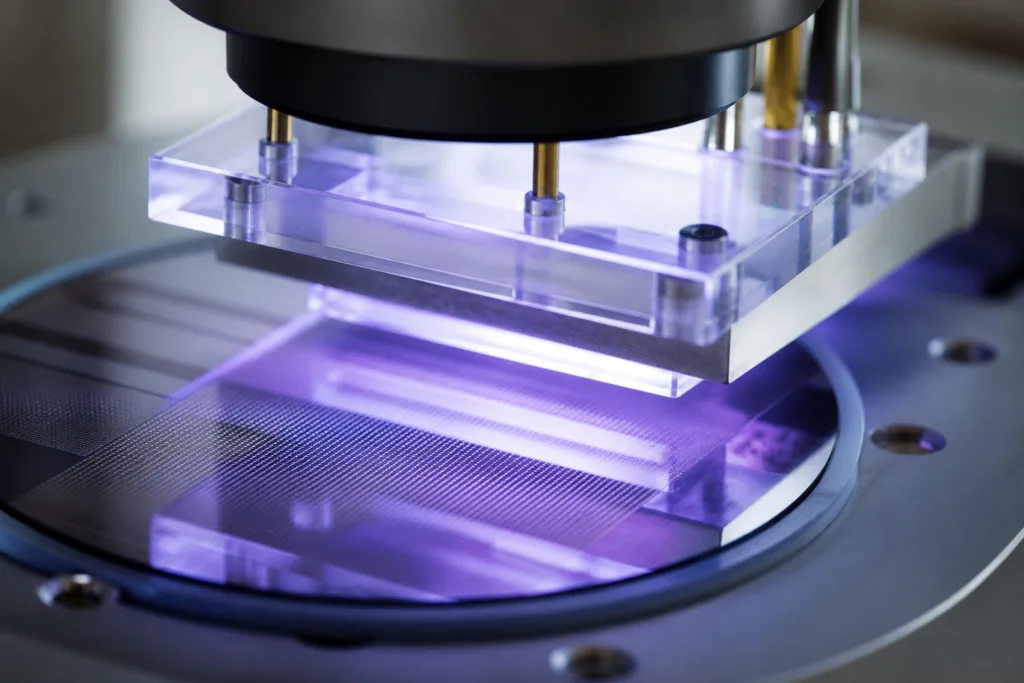
For IGBT, MOSFET, and high-power module encapsulation, RTV silicones outperform epoxies due to their flexibility and silicone’s dielectric strength. Next-generation chip-on-board (COB) designs demand minimal ionic contaminants—RTV formulations are tailored for this, providing both barrier and comfort against thermal cycling as detailed in The Complete 2026 Guide: How High-Temp Encapsulants Protect Power Module Reliability for IGBT/MOSFET.
Heavy-Duty Charging and Energy Infrastructure
Outdoor installations—like those at coastal charging stations or wind turbines—face thermal stress, moisture, salt spray, and UV exposure. Hybrid RTVs are specified for their resilience, reducing downtime and expensive maintenance cycles. In these contexts, the right RTV formulation often makes the difference between a five-year fix and a ten-year, failure-free install.
Addressing Common Assembly Challenges with RTV
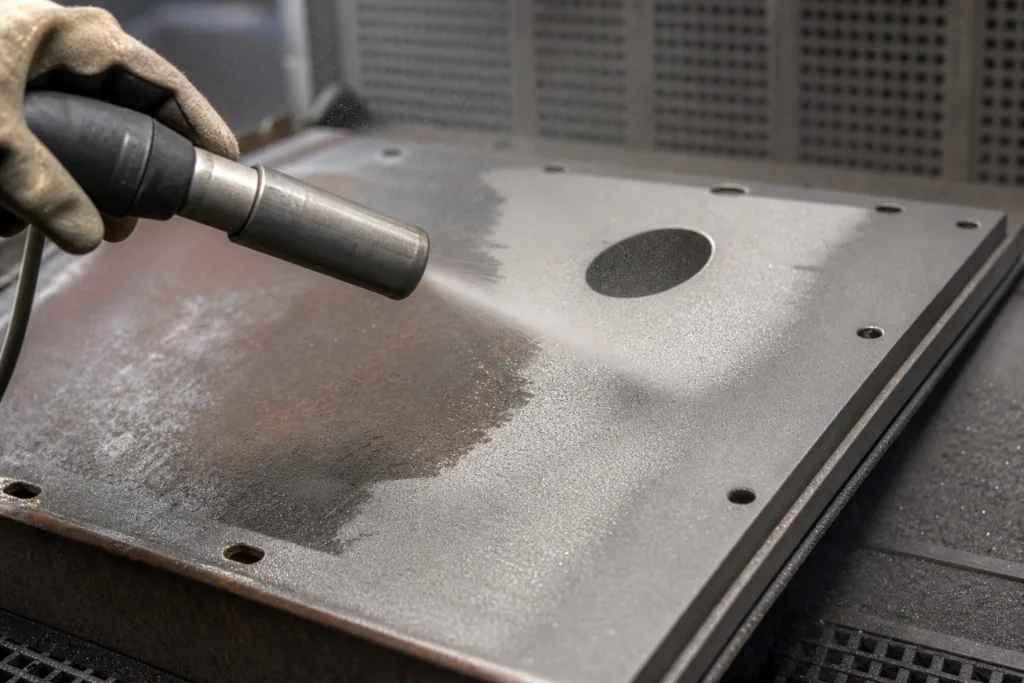
In practice, high-temp RTV silicones solve problems beyond just sticking things together. They act as gap fillers in irregular joints, absorb expansion/contraction, and permit easy disassembly in service environments where rework is required. Still, correct surface prep—removing oils, dirt, and oxides—is essential for consistent adhesion. Technicians may need to consider primer or plasma treatments for the lowest energy metals or especially tough substrates, following strict operator training for process reliability.
Choosing Between 1-Part and 2-Part High-Temp RTVs
One-part systems offer hassle-free dispensing and humidity-initiated cure, ideal for low-volume or field assembly. Two-part (addition-cure) RTVs, in contrast, cure independently of ambient humidity, support deep section pours (over 10mm), and exhibit extremely low shrinkage—delivering superior outcomes in critical assemblies. The choice impacts not only process design but also final product durability and inspection requirements.
ZDS Adhesive Perspective: Real-World Material Selection Rules
From an assembly-line viewpoint at ZDS Adhesive, an industrial adhesive manufacturer, reliable results turn on a simple checklist. Start with substrate analysis—determine if metals require pre-treatment or primer. For lap shear performance above 2 MPa at 200+°C, we favor platinum-cure formulations with hybrid fillers for flexibility. In customer testing, these exceed 10,000 cycles of -40°C/+200°C without joint failure, making them the default for automotive manifolds and aerospace enclosures. Always validate with both thermal cycling and humidity aging protocols—the real world does not forgive wishful thinking when it comes to critical infrastructure.
Case Study: Conquering Gasket Failure in High-Performance Engines
Consider a Tier 1 engine supplier facing chronic gasket leaks after 500 hours at 280°C. Conventional gaskets hardened, cracked, and led to expensive warranty recalls. After switching to a high-temp RTV with iron oxide filler (350°C rated), field failures dropped by over 95%, and assembly cycle time decreased by switching to semi-automated bead application. This illustrates the tangible impact of material advancement and careful RTV selection in real production environments.
How High-Temp RTV Innovations Influence Process Design
- Reduced fixture time and faster throughput in automated assembly lines
- Cleaner seals with minimal rework or overflow
- Lower inventory due to multi-purpose ratings (oil, water, coolant, high heat)
- Facilitates predictive maintenance scheduling through consistent and visible bonds
Performance Limitations: Where High-Temp RTV Isn’t Enough
No material is a silver bullet. Silicone’s adhesion can be limited on low-surface-energy metals (untreated polypropylene, PTFE, or heavily oiled steel). RTVs are also generally not suitable for structural load-bearing applications requiring 5 MPa+ shear at high temperature; alternative chemistries, such as epoxy or hybrid urethanes, may be required. Always check compatibility with process chemicals—some aggressive fluorinated solvents can challenge even top-tier RTVs.
Regulatory, Environmental, and Safety Considerations in 2026
Current regulations place a premium on workplace VOC limits, outgassing for electronics, and material traceability. Modern high-temp RTVs are designed with lower odor profiles, phthalate-free content, and full traceability for the aerospace and automotive supply chains. Operators and engineers must consult Safety Data Sheets (SDS) and implement appropriate PPE and ventilation during assembly and curing.
Emerging Trends: Self-Healing and Smart Sensor-Integrated RTVs
2026 marks the commercial arrival of self-healing RTVs for mission-critical metal joints, featuring microencapsulated repair chemistries activated by thermal cycling. In parallel, sensor-enhanced coatings enable real-time monitoring of joint integrity or temperature—bridging the divide between passive protection and active process feedback. These innovations reduce downtime, component failures, and maintenance costs, locking in RTV’s role as a next-gen enabler in high-value operations.
Summary: High-Temp RTV Silicones, Pushing the Limits
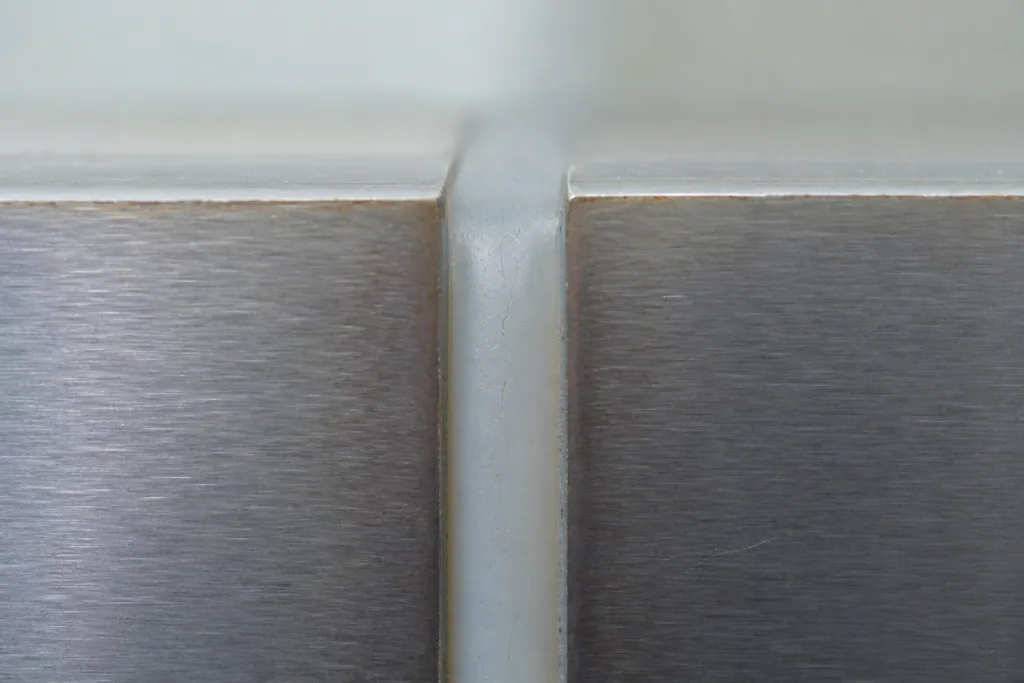
High-Temp RTV silicones are no longer just patch solutions or emergency sealants. Today, they’re core components of process, assembly, and device reliability in demanding metal applications across automotive, aerospace, electronics, and energy sectors. Innovations in formulation, user-friendliness, and sensor integration keep pushing the practical limits of what’s possible. The most successful projects follow a logical selection process, validate through real-world testing, and adapt to evolving compliance and performance standards. As industrial challenges grow more complex, the humble RTV silicone stands as a proven workhorse—flexible, durable, and ready for the next frontier.
Frequently Asked Questions
Can high-temp RTV be used on all metal types?
While high-temp RTV works on most metals like aluminum, steel, and copper, surface preparation or primers may be needed for maximum adhesion, especially on low-surface-energy metals.
How long does it take high-temp RTV to cure?
Typical skin-over time is 10–20 minutes, with full cure in 24–48 hours at room temperature, but this can vary with humidity, thickness, and temperature.
Is high-temp RTV chemical resistant?
Yes, it resists most industrial oils, coolants, and water. However, exposure to some aggressive solvents or acids may require special formulations. Always consult product data sheets for precise limitations.
Can high-temp RTV replace traditional gaskets?
In many applications, yes—especially when improved heat, vibration, and chemical resistance is needed. Ensure proper cure and verify OEM or assembly requirements before substituting.
Are there differences between 1-part and 2-part RTV for metal bonding?
Yes, 2-part addition-cure RTVs cure independently of humidity, handle deeper sections, and usually offer lower shrinkage and higher bond performance in demanding metal assemblies.
What’s the shelf life and storage condition for high-temp RTV?
Typically 6–12 months in sealed original packaging at room temperature, away from moisture. Check with your supplier for specific shelf life and storage recommendations for each product.
Related Reading
- Unveiling the Advantages & Pitfalls of Industrial Silicone Adhesives (2026 Edition)
- Thermal Epoxy vs. Softer Materials: Application Guide for Electronics & Power Modules
- Engineering Success: The Ultimate Metal-to-Metal Bonding Playbook
- Epoxy Resin Adhesives 101: Fundamentals, Techniques, and Real-World Use-Cases
- How Silicone Gel Solutions Defend Metal Components From Stress Damage