Understanding Adhesive vs Sealant: Fundamentals to Get You Started
For engineers, production specialists, and anyone tackling mixed-function joints, there comes a pivotal choice: adhesive, sealant, or a hybrid adhesive sealant? The answer hinges on knowing exactly how adhesives and sealants differ, and the situations where pairing or combining their properties delivers the needed performance. This guide breaks down adhesive vs sealant distinctions, explores where adhesive sealants excel, and delivers a stepwise selection logic—so you can pick the right material for your project, every time.
What is an Adhesive? The Bonding Role Explained
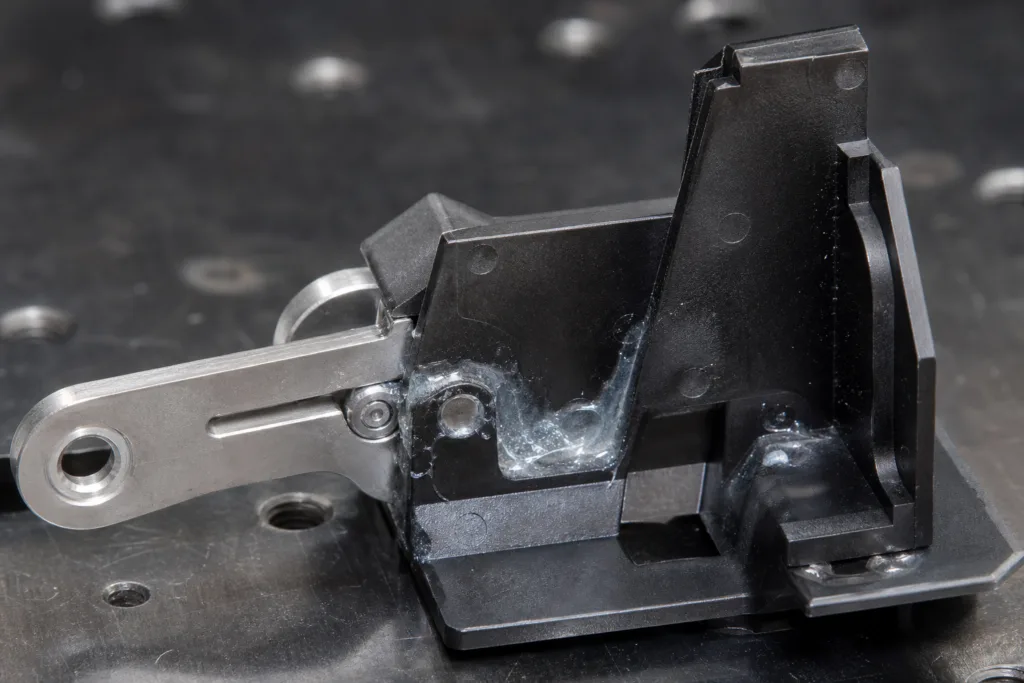
Adhesives are engineered substances—think epoxies, acrylics, cyanoacrylates, and polyurethanes—specifically designed to create strong bonds between two surfaces. Their priority? Maximizing bond strength: they join materials like metals, plastics, composites, or glass into a single load-sharing structure, often outperforming mechanical fasteners. Depending on chemistry, adhesives can provide high shear, peel, and impact resistance—and their performance lasts across wide temperature and moisture ranges when chosen carefully.
What is a Sealant? Focus on Protection and Flexibility
Sealants, by contrast, are engineered for gap filling, flexible sealing, and environmental protection. Their primary job isn’t to bear high loads; instead, they flex, stretch, and maintain an intact barrier against air, dust, water, chemicals, and more. Think silicones, polysulfides, polyurethanes, or butyls for sealing between glass panes, ductwork, or facades. Movement capability (the ability to expand/contract with joint movement) often takes priority over sheer strength for sealants.
Defining Adhesive Sealant: When Both Bonding and Sealing Are Critical
Here’s where the hybrid category—adhesive sealant—steps in. These materials are designed to bond and seal simultaneously, balancing moderate-to-high bond strength with flexible sealing and environmental resistance. They’re commonly used where joint movement is expected but some structural or semi-structural hold is required along with protection. Often, a close reading of manufacturer specs reveals which hybrid formulas truly handle both functions under real loads.
Why the Difference Matters: Failure Modes for Bonds vs. Seals
Adhesive failures can lead to joint separation, loss of structural integrity, or catastrophic collapse. Sealant failures usually manifest as leaks, ingress of moisture or chemicals, or loss of flexibility—rarely immediate, but potentially very expensive to remedy. In hybrid joints, you need a material that won’t simply fail at the first crack or gap—hence, choosing an adhesive sealant engineered for both load and movement is crucial for reliability.
Common Use Cases for Adhesives, Sealants, and Adhesive Sealants
- Pure Adhesives: Bonding metal-to-metal, plastic-to-metal, load-bearing glass panels.
- Pure Sealants: Sealing HVAC duct joins, glazing edges, automotive body seams.
- Adhesive Sealants: Bonding/sealing building facades, vehicle body panels, or electrical enclosures that need water resistance and joint movement compliance.
Key Selection Factors: Adhesive vs Sealant vs Adhesive Sealant
Selecting the right material involves analyzing four core factors: movement capability, gap filling, environmental resistance, and required structural performance.
Movement Capability: Can It Flex Without Failing?
Movement capability refers to the maximum joint expansion or contraction a product can withstand without loss of performance. Sealants and adhesive sealants are engineered with high movement capabilities (25%–50% or higher), essential for applications with thermal cycling, vibration, or dissimilar substrates. Pure adhesives typically offer minimal movement capacity—they’re designed for stiffness and rigidity.
Gap Filling: Accommodate Imperfect Fits and Surface Irregularities
Sealants and many adhesive sealants excel at filling wide joints or irregular gaps, often up to several millimeters. Adhesives (e.g., epoxies) may require thin, closely-matched joints to reach maximum strength. A key advantage of adhesive sealants is their ability to tolerate greater gap widths and provide functional load-bearing, which is vital for mixed-material assemblies with natural tolerances.
Environmental Resistance: Shielding Against Water, Chemicals, UV, and More
For exterior or harsh environments, look for materials rated for the specific exposures: moisture, salt spray, solvents, temperature swings, and UV. Many high-performance adhesive sealants offer robust aging and chemical resistance, surpassing some adhesive-only chemistries and rivaling pure sealants. For instance, weather-resistant adhesive systems are now pivotal in EV charging and infrastructure applications.
Structural Expectations: Do You Need Load-Bearing Capability?
If you need the joint to transfer significant loads (shear, tensile, or peel), a structural adhesive or a high-strength adhesive sealant is required. For purely non-structural joints, a sealant may suffice. The grey zone—where both strength and movement/flexibility are needed—is where hybrid adhesive sealants shine. For detailed engineering comparisons, lap shear and peel testing reveal true performance differences under cyclic or prolonged loading.
Adhesive Sealant Types: Chemistry and Their Hybrid Properties
- SMP (Silyl-Modified Polymer): Highly flexible, good movement, moderate strength.
- Polyurethane (PU): Broad versatility, good gap filling, balance of elasticity and strength.
- Silicone Adhesive Sealants: Excellent thermal/UV stability and movement, moderate load-bearing. Learn more at this in-depth silicone adhesive guide.
- Hybrid Chemistries: Blend properties for even higher strength or tailored flexibility.
Comparison Table: Adhesive, Sealant, and Adhesive Sealant at a Glance
| Property | Adhesive | Sealant | Adhesive Sealant |
|---|---|---|---|
| Bond Strength | High | Low to none | Medium to high |
| Movement Capability | Low | High | Moderate–high |
| Gap Filling | Low–moderate | High | High |
| Environmental Resistance | Varies | High | High |
| Structural Use | Yes | No | Sometimes |
| Typical Use | Bonding | Sealing | Bonding & Sealing |
Adhesive Sealant in Action: Practical Use Cases from Industry
- Construction/Facade Joints: Curtain walls requiring both structural hold and weatherproofing.
- Transportation: Vehicle body panels or cabins subject to flex and vibration.
- Electronics: Enclosures needing environmental seal and vibration resistance alongside electrical connection stability.
- Renewable Energy: Solar panel assembly—including glass-to-frame joins where water sealing and structural holding coincide.
Where Engineers Must Be Cautious: Hybrid Product Limitations
While adhesive sealants offer dual function, their bond strength may not match the highest-grade structural adhesives, just as their movement capacity can be a notch below ultra-flexible sealants. Always match product data—lap shear, movement, exposure ratings—to project-specific needs, and avoid one-size-fits-all thinking, especially in critical assemblies.
Decision Flow: How to Choose the Right Adhesive Sealant for Your Project
- Step 1: Define if the joint is primarily structural, sealing, or mixed-function.
- Step 2: Determine required movement (in %, per joint spec).
- Step 3: Check gap width and fitting tolerances.
- Step 4: Consult environmental, chemical, and thermal exposures.
- Step 5: Match product to your most demanding single requirement—but do not exceed it at the expense of other functions.
- Step 6: Test—never just assume—function with real substrates and loads. Ask for lap shear, peel, and fatigue data for hybrid products.
Testing and Specification: What Application Engineers Should Demand
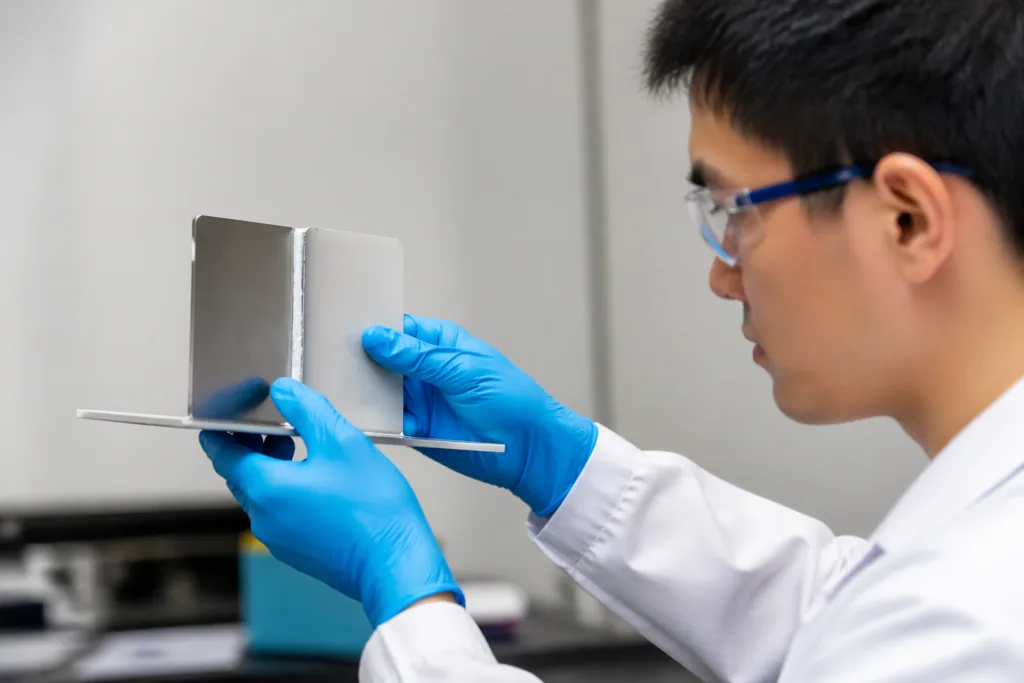
An experienced engineer or specifier always requests technical datasheets, application guides, and—when possible—independent testing (such as ASTM or ISO standard bonding and sealing tests). For multi-material or critical joint applications, sample and test in realistic conditions, considering both the maximum expected movement and load. Check aging, UV, thermal cycling, and humidity resistance as your field demands.
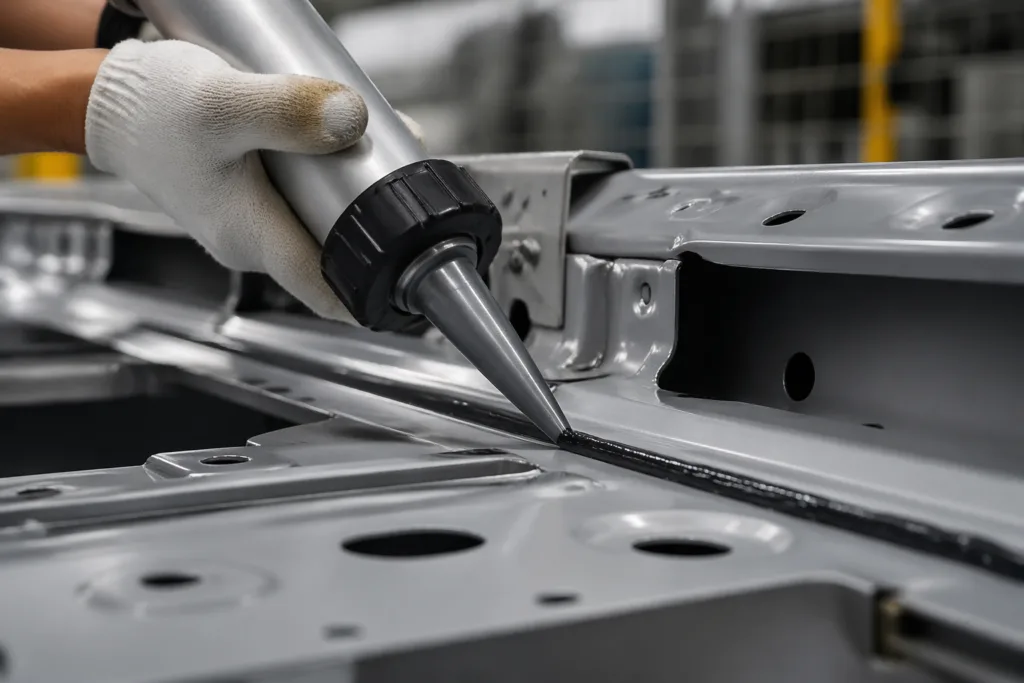
Substrate Considerations: Material, Surface Energy, and Pre-Treatment
Material selection impacts adhesive sealant performance. Difficult substrates like PP, PE, PTFE, or oily metals may require primer, plasma, or specific hybrid chemistries. For insights on tricky materials, see this plastic adhesive buyer’s guide. Always note: The right surface preparation can double bond reliability in harsh environments.
Process Impacts: Open Time, Cure Mechanism, and Dispensing Factors
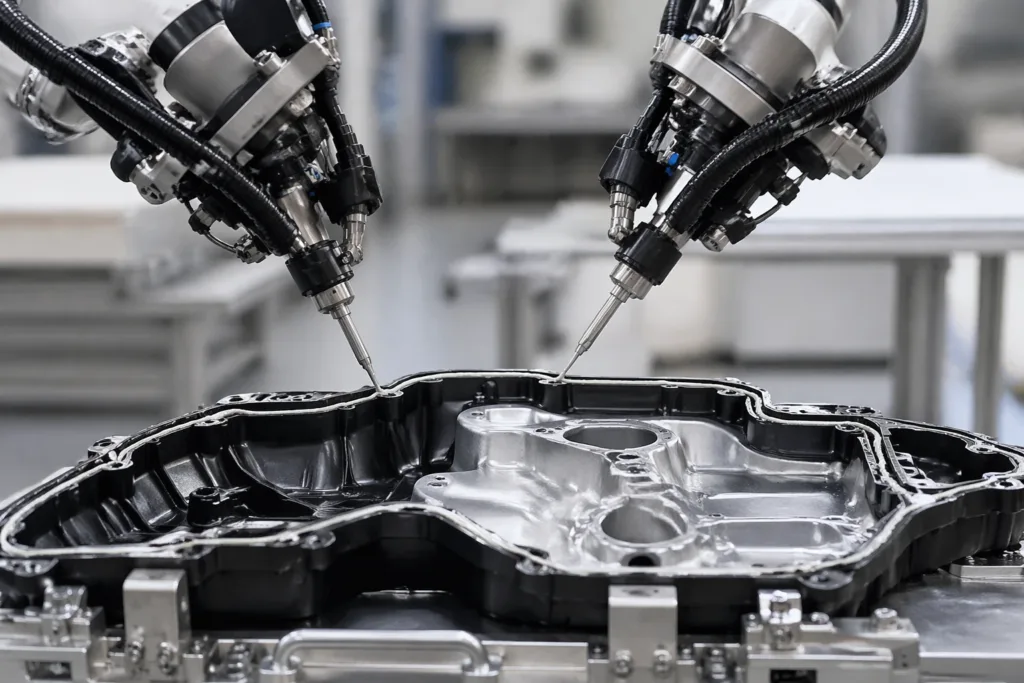
Consider cure mechanism (moisture cure, two-part, UV, thermal), pot life, open time, and available automation. Adhesive sealants with long open times help on large assembly lines, while rapid cure systems suit fast-paced or high-volume work.
Industry Voices: Practical Tips from ZDS Adhesive, an Industrial Adhesive Manufacturer
From an application engineering perspective at ZDS Adhesive, success often comes down to up-front planning and material validation. For instance, when joining dissimilar materials in large enclosure assemblies, engineers should:
- Specify lap shear and movement requirements for each joint
- Request both aging (UV, thermal cycling) and stress–strain data for candidate adhesive sealants
- Field-test for peel resistance, especially at corners or under vibration
This process-driven approach minimizes the risk of early joint failures in demanding production environments, especially where bond lines must also seal against water or dust ingress.
Cost, Availability, and Life-Cycle Factors
Hybrid adhesive sealants can reduce assembly complexity and inventory, but may cost more per unit than commodity adhesives or sealants. Weigh up disposal, environmental compliance, rework costs, and long-term reliability in your bill of materials planning.
Emerging Trends: Low-Odor, Fast-Curing, and Eco-Friendly Formulations
Modern adhesive sealants feature lower VOCs, odor suppression, and faster curing for improved factory safety and efficiency. Sustainability trends are pushing for bio-based chemistries and improved recycling compatibility as well.
Adhesive vs Sealant: How to Choose the Right Adhesive Sealant for Your Project
Engineers and specifiers today face mixed-joint challenges with rising complexity—sealing, bonding, and movement mitigation are often requested from a single product. By weighing structural versus sealing needs, matching movement and gap specs, considering exposure resistance, and demanding real-world test data, you can consistently select the right adhesive sealant for robust, reliable, and proven results across your most challenging applications.
Frequently Asked Questions
What is the main difference between an adhesive and a sealant?
An adhesive is designed to bond materials strongly together, while a sealant is used to fill gaps and block environmental elements, providing flexibility and protection rather than structural hold.
Can I use an adhesive as a sealant, or vice versa?
Most pure adhesives won’t offer sufficient flexibility or gap filling to replace a sealant, and most sealants aren’t built to handle significant loads. For both functions, an adhesive sealant hybrid is ideal.
How do I know if I need a hybrid adhesive sealant?
You need a hybrid when your joint must both carry some load (bonding) and compensate for movement, gaps, or exposure to fluids/chemicals (sealing). Hybrid products balance these requirements.
What are the most important environmental factors for selecting an adhesive sealant?
Consider temperature range, moisture/humidity, UV exposure, chemical contact, and any movement the joint will experience. Match product specs to your field conditions for reliability.
What tests should I ask for when evaluating adhesive sealants?
Request lap shear strength, movement capability (in %), peel strength, thermal cycling, UV aging, and chemical resistance. Test on your actual substrates when possible.
Why does substrate material matter when using adhesive sealants?
Certain substrates—like low surface energy plastics or oily metals—can resist bonding and sealing. The right chemistry, primer, or surface treatment ensures a reliable bond and seal.
Related Reading
- How Pro Engineers Separate Industrial Sealants from Adhesives
- 2026 Guide: When to Use Silicone Adhesives in Modern Manufacturing
- The Smart Way to Bond Any Plastic in 2026
- Industrial Metal-to-Metal Bonding: Strength, Speed, and Reliability
- How Structural Bonding Redefines Battery Swap Station Durability