Understanding Fatigue Resistance in Acrylic Structural Bonds
Fatigue resistance testing of acrylic structural bonds is critical for predicting joint performance over time, especially in applications with repeated loading. Acrylic adhesives are popular for their quick cure speeds, excellent toughness, and ability to bond diverse substrates. However, their true value in automotive, construction, or aerospace comes from their proven ability to resist failure under cyclic stress and strain.
Fatigue resistance refers to the adhesive’s capacity to withstand repetitive loading cycles without the bond cracking or losing integrity. This property is essential to prevent unexpected breakdowns, expensive repairs, and safety issues in the field. In this article, we’ll explore why fatigue testing matters, how tests are performed, and what the results mean for design engineers and quality assurance teams.
What Is Fatigue Resistance Testing of Acrylic Structural Bonds?
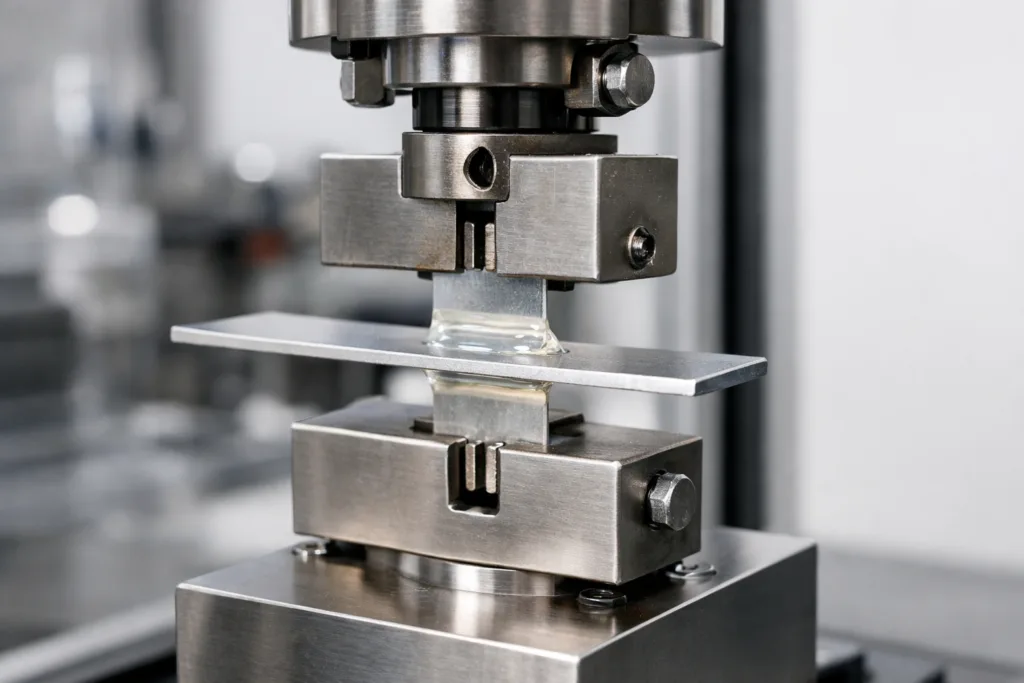
Fatigue resistance testing of acrylic structural bonds involves subjecting adhesive joints to repeated, controlled stress cycles until failure. This process assesses the material’s lifespan and helps forecast how the bond will perform when used in demanding environments. From automotive assemblies to building facades, these tests offer a predictive window into real-world reliability.
Why Is Fatigue Resistance Crucial for Structural Adhesive Applications?
Almost every modern structure—cars, trains, planes, or bridges—faces constant vibrations, impacts, and environmental variations. Even minor cyclic loads, unnoticeable to the naked eye, can slowly degrade adhesive bonds. For safety, performance, and warranty reasons, industries need adhesives that won’t let them down after thousands of cycles. Choosing acrylic structural adhesives with verified fatigue resistance can make the difference between years of trouble-free service and premature failure.
Key Properties of Acrylic Structural Adhesives
Acrylic adhesives are lauded for:
- High impact strength even at thin bond-lines
- Exceptional resistance to weathering and aging
- Ability to bond dissimilar materials (metals, composites, plastics)
- Fast fixture and cure times—vital for high-throughput production
Fatigue resistance adds another vital dimension—ensuring that these properties are preserved under long-term, repeated loads. For engineers, understanding the difference between short-term static strength and multi-cycle performance is a must.
How Fatigue Resistance Is Measured: Test Methodologies
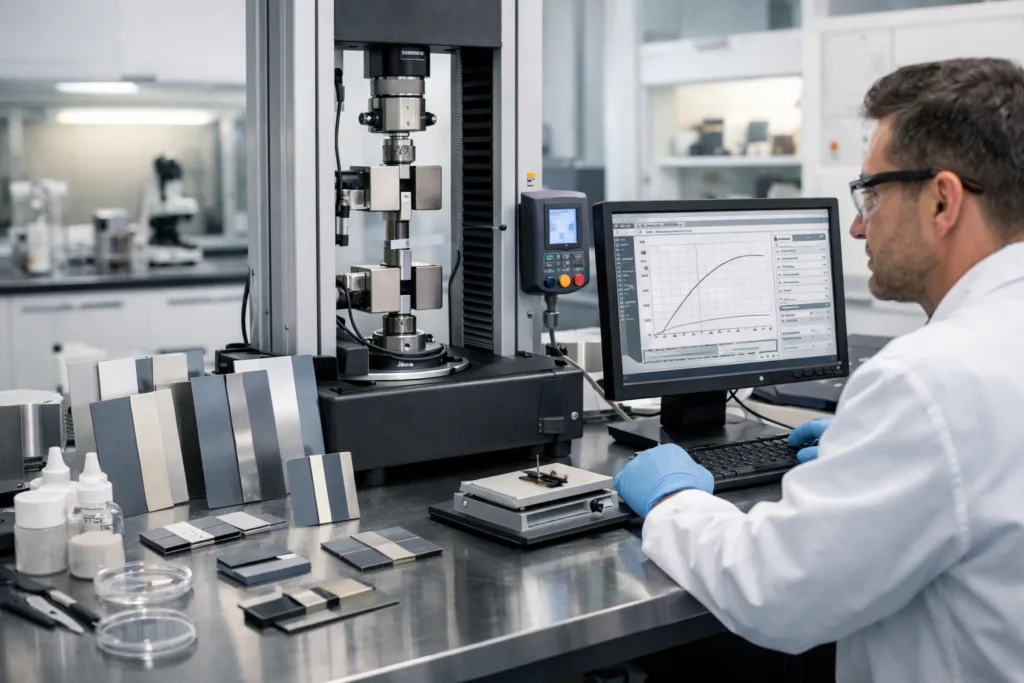
Fatigue testing is typically performed using mechanical test frames that apply cyclic loads (tension, shear, bending) to adhesive-bonded samples. Key methods include:
- Tension-Tension or Tension-Compression Cycles: Simulating tensile or compressive loads repeatedly.
- Lap Shear Fatigue Testing: Mimicking joint geometry and real stress concentrations.
- Wedge Peel and Peel Fatigue: Assessing durability in peel-type joints—common in flexible assemblies.
- Bending Fatigue (Three or Four-Point): For substrates prone to flexural stress.
A common protocol uses a sinusoidal or trapezoidal loading profile, setting maximum and minimum load levels, and tracks cycles to failure or specific degradation endpoints. The aim is to map out the “S-N Curve” (stress vs. number of cycles) for the adhesive joint.
Relevant Standards for Fatigue Testing in Acrylic Structural Bonds
Industry adopts several recognized standards to ensure compatibility and reproducibility of results. Common references include:
- ASTM D3166: Fatigue Testing of Adhesives
- ASTM D1002: Lap Shear Testing (with adaptation for cyclic loading)
- ISO 9664: Static and Fatigue Strength of Structural Adhesive Bonds
- SAE J4002: Adhesive Joint Fatigue Testing (Automotive Industry Focus)
When working with acrylics or any structural adhesive, always verify which standards apply to your application’s regulatory and technical requirements.
Interpreting Fatigue Test Results
Test results provide an S-N curve plotting maximum load (S) against cycles to failure (N). Critical metrics include:
- Endurance Limit: Highest stress the adhesive can withstand for a specified minimum number of cycles (e.g., 106).
- Fatigue Life: Number of cycles survived at a given load.
- Crack Initiation vs. Propagation: Identifying whether failure arises from flaws in the adhesive, the interface, or the substrate.
From an assembly-line viewpoint at ZDS Adhesive, an industrial adhesive manufacturer, tracking both the time to crack formation and its growth rate provides insight into how bond lines behave across different substrates and aging conditions. For reliability engineering, typical acceptance criteria might specify “no failure at X stress for Y cycles.”
Comparison Table: Fatigue Properties of Common Structural Adhesives
| Adhesive Type | Typical Substrate | Static Strength | Fatigue Endurance (MPa/106 cycles) | Common Application |
|---|---|---|---|---|
| Acrylic (MMA/2K MMA) | Steel, Aluminum, Plastics | 25–35 MPa | 10–16 | Automotive Body/Panels |
| Epoxy | Metals, Composites | 18–40 MPa | 7–12 | Aerospace, Structural Assembly |
| Polyurethane | Plastics, Glass, Painted Metals | 15–25 MPa | 5–9 | Construction, Glazing |
These values are averages—actual fatigue life will depend on surface prep, bond geometry, thickness, and environment. To select the right adhesive for high-cycle performance, in-depth application-specific testing is essential.
Environmental Factors Influencing Fatigue Behavior
Fatigue resistance isn’t only dictated by adhesive chemistry. Real-world conditions can lower expected life. Common influences include:
- Temperature Fluctuations: Expanding and contracting joints can hasten crack initiation.
- Humidity and Moisture: Can soften the adhesive or degrade the substrate interface.
- Chemical Exposure: Oils, fuels, and cleaning solutions can slowly attack the bond line.
Modern industrial adhesives are often tailored with additives to enhance resistance to specific environmental challenges, but always validate through appropriate testing.
Surface Preparation: Hidden Key to Fatigue Resistance
Proper substrate prep massively influences fatigue life. Contaminants, low surface energy, or poor treatment can act as crack-initiation sites. Methods such as sanding, solvent wiping, or plasma/corona treatment can greatly increase bond durability.
Fatigue Resistance in Automotive Body Assemblies
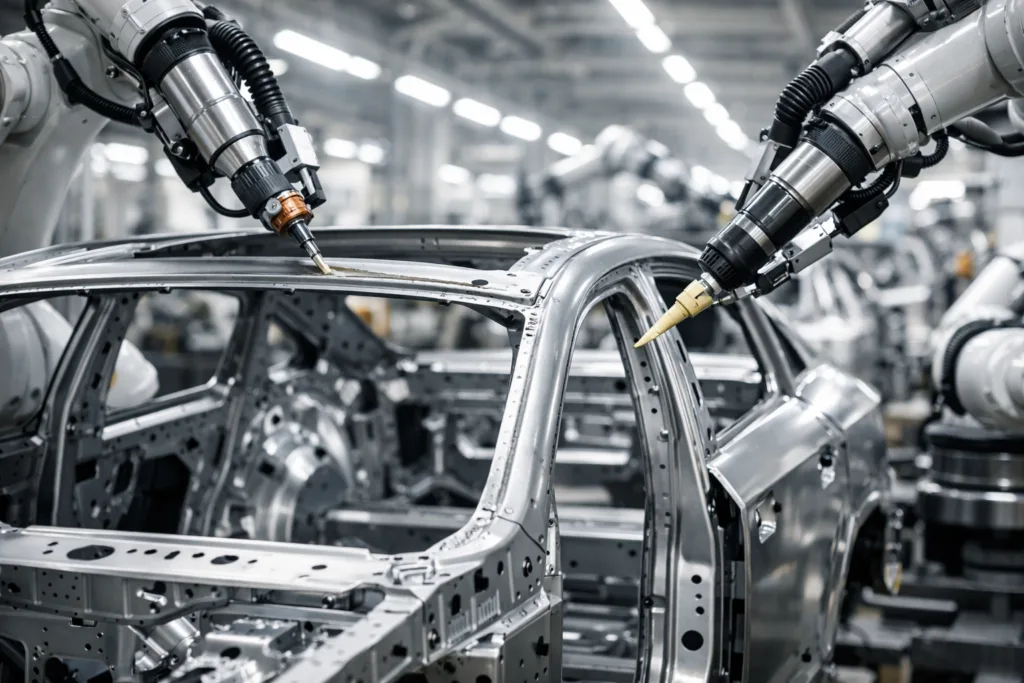
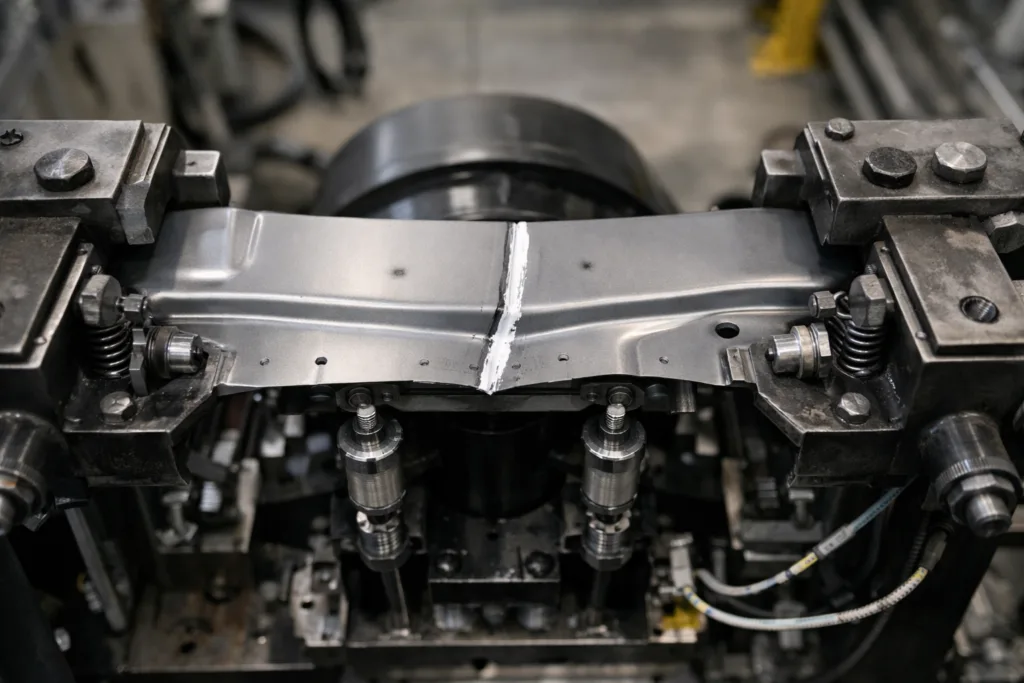
Automotive body panels experience road shocks, engine vibrations, and thermal cycles. Acrylic adhesives, used for hem-flange, roof, and bonding metal-to-plastic joints, are subjected to thousands of cycles in crash tests and durability evaluations. Testing for fatigue resistance ensures compliance with increasingly strict global performance standards. Automotive body adhesives are validated for both immediate crashworthiness and long-term vibration resistance.
Aerospace Use: When Every Gram and Cycle Matter
Aerospace relies on lightweight structures that endure constant vibration and pressure changes. Acrylic adhesives must be both tough and fatigue-resistant—enabling weight savings over welds or rivets, but only if they can guarantee multi-decade bond stability. Fatigue testing, both in the lab and under simulated flight cycles, is essential to qualify new adhesives for aerospace use cases.
Structural Bonds in Modern Construction
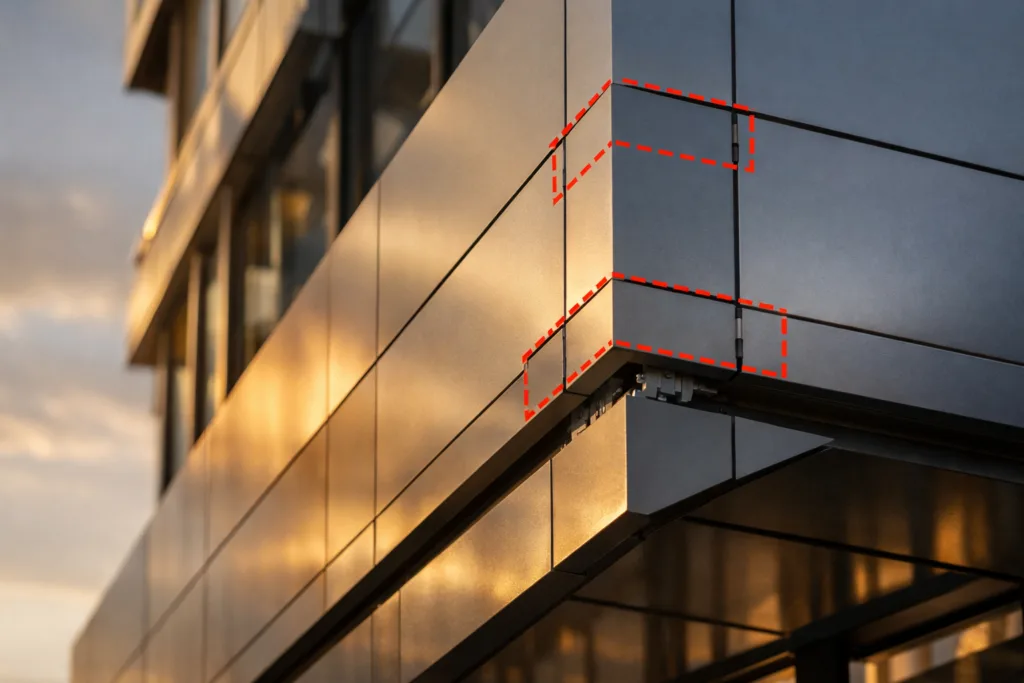
Buildings and bridges face wind, traffic, and even seismic loads over their lifespan. Acrylic structural adhesives are used to bond panels, windows, and decorative elements, offering clean aesthetics and rapid installation. Fatigue tests play a major role in confirming that these bonds won’t degrade under cyclic sway, wind pressure, or thermal contraction and expansion.
Advantages of Acrylics: Fatigue Performance vs. Other Adhesives
Acrylic adhesives often outperform alternatives for:
- Bonding oily or minimally prepped metals
- Shear and peel performance even under long-term cycling
- Routine repair—simple reapplication or replacement if needed
This makes them favorites in high-volume, multi-material assemblies. You can learn more about how acrylics compare at Acrylic vs. Epoxy: Discover Which Adhesive Wins for Shear and Peel Strength in Metal Applications.
Case Study: Fatigue Failure Analysis in Adhesively Bonded Joints
Suppose an automotive supplier notes door panel joints failing prematurely. Laboratory fatigue tests can simulate stress cycles, identify crack origination points, and guide process improvements—whether in material selection or surface prep. Such case studies underline the value of documented fatigue resistance for “right-the-first-time” design.
Best Practices for Reliable Fatigue Testing
- Test assembly samples that match real-world joint geometry and thicknesses
- Condition samples in actual service environments (temperature/humidity)
- Apply cyclic loads representative of in-use stresses
- Monitor both macro-failure and micro-crack growth rates
Rigorous adherence to standards, and using actual substrates, improves predictive power.
Recent Innovations in Acrylic Fatigue Testing
With automated testers and digital imaging, it’s possible to track micro-cracking and detect bond defects before complete failure. Some manufacturers incorporate multi-frequency or mixed-mode testing to more closely replicate real-world use. There’s also growing attention on rapid test protocols for faster turnaround without sacrificing data quality.
Implications for Quality Assurance and Product Development
Documented fatigue resistance data gives QA teams confidence in specifying acrylic adhesives for safety-critical applications. It also provides design engineers with input to reduce over-engineering or unnecessary fasteners, supporting lighter, more cost-efficient assemblies. During supplier audits, ask for fatigue test data—not just static strengths!
Fatigue Resistance Testing of Acrylic Structural Bonds: The Future Outlook
As industries demand lighter, stronger, and more durable structures, fatigue resistance will rise in importance. Ongoing research is extending both the testing methods and formulation improvements, aiming at even greater durability in adhesives under extreme service cycles. Whether for EVs, aerospace, or high-performance buildings, fatigue testing is an investment in reliability.
Conclusion
Fatigue resistance testing of acrylic structural bonds is not just a technical requirement—it’s a foundation for safety, quality, and long-term value in advanced manufacturing. Design and QA teams who integrate robust fatigue testing protocols can confidently specify acrylic adhesives for demanding uses.
Frequently Asked Questions
What is fatigue resistance in adhesives?
Fatigue resistance is an adhesive’s ability to withstand repeated stress cycles without the bond cracking or failing. This is vital for structural bonds exposed to continuous vibrations, impacts, or varying loads.
Why are acrylic adhesives preferred for fatigue resistance?
Acrylic adhesives provide rapid cure, toughness, and excellent fatigue life, especially when bonding metals and plastics. Their resilience under cyclic loading makes them ideal for automotive, aerospace, and construction.
What factors affect fatigue resistance in bonded joints?
Major factors include adhesive chemistry, surface preparation, cure quality, bond geometry, service temperature, moisture, and actual load types. Each aspect can influence long-term durability under cyclic stress.
How are fatigue resistance tests performed?
Specimens bonded with the adhesive are loaded repeatedly using machines that simulate the service stresses. Failure points, crack growth, or endurance limits are measured across many cycles.
Do environmental conditions impact acrylic bond fatigue life?
Yes. Conditions like extreme temperature, high humidity, or exposure to chemicals can accelerate degradation, reducing the number of cycles a bond can withstand without failure.
How do I choose the right acrylic adhesive for cyclic loading?
Compare fatigue resistance data, check compatibility with your substrates and environment, and use samples tested per recognized standards to ensure reliable, long-term bonding performance.