Understanding Damping Adhesives for Roof Panel Vibration Control
Vibrations in roof panels can be both a nuisance and a hidden threat to structural longevity. These oscillations, often triggered by wind, rain, or mechanical equipment, may lead to noise pollution, discomfort, and—over time—fatigue failures. Enter damping adhesives for roof panel vibration control, a specialized class of bonding systems that absorb, dissipate, and mitigate vibration energy before it can escalate into larger problems.
Engineered for reliability, damping adhesives play a pivotal role in boosting building comfort and durability by serving as both a bond and a vibration-absorbing layer between roof panels and their substrates. By strategically applying these adhesives, engineers can transform problematic roof structures into quiet, robust assemblies.
How Damping Adhesives Work for Vibration Control
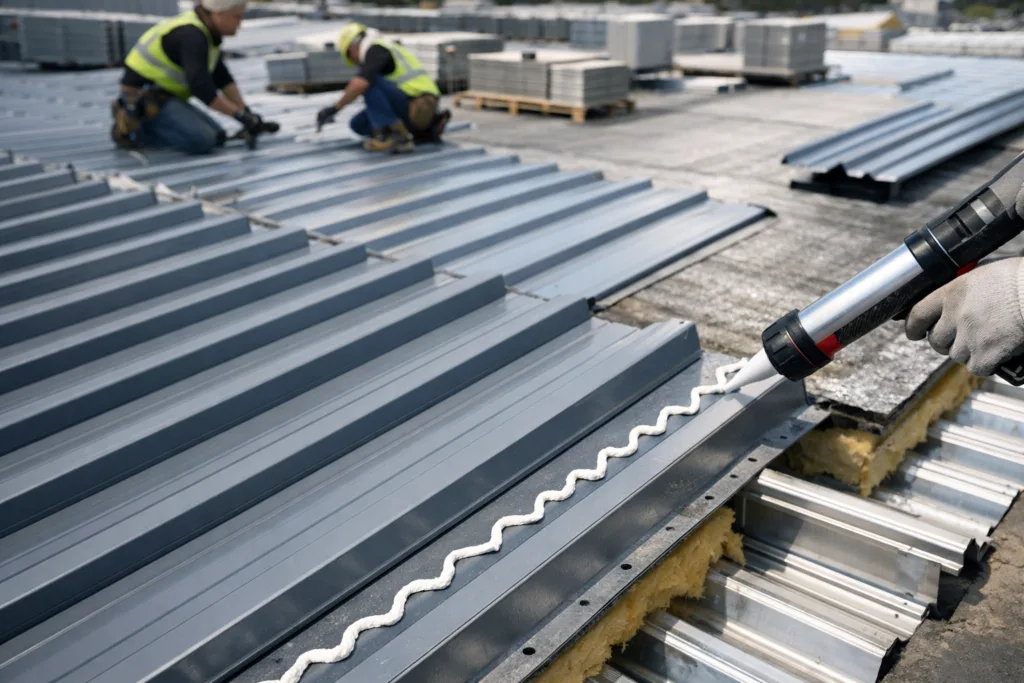
Damping adhesives function by converting mechanical vibration energy into a minimal amount of heat, which is harmlessly dissipated. These adhesives, commonly formulated from polyurethane, acrylic, or epoxy matrixes, contain viscoelastic polymers. When a roof panel vibrates, the adhesive’s internal structure deforms, frictionally converting movement into thermal energy. The result: the vibration amplitude diminishes quickly, reducing both noise and destructive resonance.
| Mechanism | Role in Vibration Control |
|---|---|
| Viscoelastic behavior | Absorbs vibrational energy and dissipates heat |
| Elastic support | Restores roof panel to position, preventing fatigue |
| Adhesion | Prevents delamination or movement at joints |
Primary Benefits of Damping Adhesives in Roof Panels
- Noise Reduction: Quieter indoor environments, critical in residential and office buildings.
- Structural Integrity: Less micro-cracking or fastener fatigue, extending service life.
- Thermal Stability: Maintains performance across temperature swings common in roof assemblies.
- Maintenance Savings: Fewer repairs for panel movement, detachment, or leaks caused by vibration-induced wear.
Main Types of Damping Adhesives for Roof Applications
Choosing the correct adhesive involves matching the chemistry to the substrate and environment. Here are common types:
- Polyurethane-based adhesives: Excellent flexibility, good for metal and composite panels, high elongation.
- Acrylic-based adhesives: High strength, moderate temperature tolerance, rapid fixture time.
- Epoxy-based adhesives: Superior structural support, often used where panels face high mechanical loads.
For more on advanced polyurethane structural adhesive, which excels in dynamic environments, consider its use in roofs exposed to wind uplift or machine vibration.
Mechanics: Energy Absorption and Dissipation
The science behind damping adhesives is rooted in material mechanics:
- Damping Ratio (ζ): Damping adhesives increase the system’s ζ, accelerating the decay of vibrational energy.
- Loss Factor (η): Indicates how much energy is absorbed versus stored—higher η means more dissipation.
- Bond Thickness: Thicker adhesive lines usually provide better isolation up to an optimal point; however, excessive thickness can compromise bond strength.
At ZDS Adhesive, an industrial adhesive manufacturer, selection is guided by balancing damping needs (loss factor ≥ 0.5), shear strength, and real-world temperature cycles from -40°C to 90°C, ensuring both energy absorption and long-term adhesion for diverse roofing contexts.
Common Vibration Sources in Roof Panels
- Wind Gusts: Periodic pressure changes creating resonance in metal roofs.
- Rain Impact: Direct transfer of impact into panel vibration.
- Mechanical Equipment: HVAC units or rooftop solar assemblies causing local vibration transfer.
- Foot Traffic: In industrial applications, occasional access introduces mechanical bending and vibration.
Consequences of Uncontrolled Panel Vibration
- Accelerated loosening of screws or mechanical fasteners
- Formation of micro-cracks in coatings or substrate
- Spread of water leaks due to movement-caused gaps
- Higher noise levels, creating occupant discomfort
Case Study: Noise Suppression in Commercial Buildings
One marketplace in East Asia retrofitted its lightweight steel roof with a specialized damping adhesive. Pre-installation, wind-driven noise measured 67 dB inside offices directly beneath the roof. After application, noise levels dropped to 51 dB—a critical improvement for employee comfort. Maintenance logs showed no further reports of panel detachment after three years of continuous operation.
Material Compatibility Considerations
Ensure the adhesive formulation is compatible with the core roofing substrate:
- Metal panels (steel, aluminum): Flexible polyurethanes or epoxy-amine hybrids
- Composites or sandwich panels: Low-modulus acrylics
- Bitumen or membrane overlays: Avoid aggressive chemistries that may cause swelling
Where low surface energy substrates are involved (e.g., certain plastics), surface treatment such as plasma or priming may be essential for durable bonding.
Environmental Factors Affecting Damping Adhesive Selection
- UV Exposure: Roof adhesives may need UV stability for edge-exposed joints.
- Moisture Resistance: Essential for any application with possible water ingress.
- Thermal Cycling: Expansion/contraction during day/night cycles challenges bond durability.
- Chemical Resistance: Especially for industrial zones or polluted atmospheres.
Industrial adhesives designed for harsh settings can meet these criteria. Learn more about industrial adhesives with tailored resistance profiles.
Design Strategies for Maximizing Vibration Control
- Full-surface bonding: Uniform coverage dissipates vibration evenly.
- Strategic bead placement: Target high-stress areas, such as seams or overlaps.
- Layered assemblies: Incorporate damping adhesives with insulation for a double benefit—thermal and sound control.
Installation Best Practices
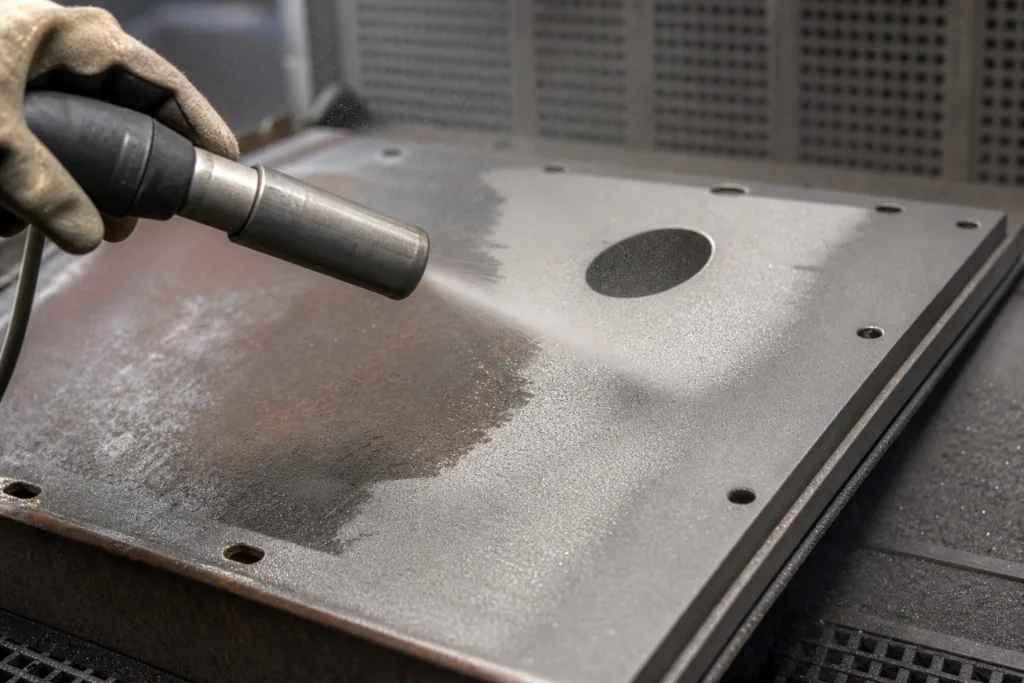
- Clean substrates thoroughly—oil, dust, or oxide layers reduce adhesion.
- Apply adhesive in controlled temperature/humidity to ensure correct curing profile.
- Clamp panels lightly to prevent squeeze-out, ensuring a uniform bond line.
- Respect the adhesive’s open time and fixture time specifications.
Testing: How to Measure Vibration Damping Performance
Performance is objectively qualified by standardized tests:

- Modal analysis: Exciting the panel and measuring vibration decay rates.
- Impulse hammer tests: Subjecting samples to controlled shocks and tracking response.
- Environmental chamber cycling: Exposing bonded panels to simulated temperature/humidity extremes.
- Lap shear and peel tests: Verifying bond strength post-vibration and aging.
Engineers may use epoxy adhesive and similar products for control samples thanks to their well-understood mechanical performance.
Maintenance and Longevity Factors
Properly chosen and installed damping adhesives require little ongoing maintenance. However, periodic inspection for edge peeling, yellowing, or debonding is recommended, particularly in climates with high UV or freeze-thaw cycles. Most modern adhesives offer 15–25 years of stable vibration dampening if environmental compatibility is matched.
The Importance of Cure Profile and Pot Life
Cure time must align with installation speed and operational timelines. Fast-cure systems speed up construction, while those with longer pot life suit large-scale panels needing precise alignment. The best choice balances process stability and assembly efficiency.
Regulatory and Testing Standards
- ASTM E756: Standard Test Method for Measuring Vibration-Damping Properties
- ISO 6721: Polymer testing—dynamic mechanical properties
Meeting these benchmarks ensures that the adhesive will perform under real-world conditions.
Cost-Benefit Analysis of Damping Adhesives
While damping adhesives may be more expensive upfront than conventional seals or tapes, the return on investment is realized through longer roof life, reduced repairs, improved employee satisfaction, and lower energy use (thanks to better-sealed panels).
Industry Applications: Beyond Buildings
- Automotive Production: On vehicle roofs to reduce cabin noise.
- Rail Car Construction: Vibration suppression in passenger compartments.
- Marine Engineering: Metal and composite deck panels for reduced resonance in vessels.
- Renewable Energy: Wind turbine nacelles and solar array supports.
Damping Adhesives for Roof Panel Vibration Control
The field of damping adhesives for roof panel vibration control has evolved rapidly, incorporating lessons from aerospace and automotive sectors to develop high-performance adhesives for construction. Improved chemistries deliver higher damping factors, broader service temperatures, and better compatibility with emerging panel materials.
Emerging Innovations in Damping Technology
- Smart adhesives with embedded sensing capabilities
- Hybrid formulations combining thermal insulation with vibration control
- Environmentally responsive systems (self-healing, UV-powered curing)
Top Considerations for Selecting the Right Damping Adhesive
- Panel and substrate material
- Expected vibration frequency and amplitude
- Temperature and moisture cycle severity
- Desired cure speed and process requirements
- Long-term resistance to chemicals, UV, and mechanical movement
Sample Specification Checklist for Engineers
- Damping factor (η) ≥ 0.6 at operational frequencies
- Adhesion: Minimum 2 MPa shear strength (metal/metal)
- Elongation: ≥ 100% for dynamic assemblies
- Service temperature: -40°C to 90°C (building exteriors)
Summary Table: Adhesive Chemistries and Use Cases
| Adhesive Type | Main Advantages | Typical Use Case |
|---|---|---|
| Polyurethane | Flexibility, moisture resistance | Metal and composite roofs |
| Acrylic | Fast curing, good thermal cycling | Office buildings, lighter panels |
| Epoxy | High structural support | Industrial roof panels |
Conclusion: Making the Right Choice for Long-Term Performance

Incorporating high-performing damping adhesives into roof panel assemblies not only quiets buildings but also ensures the structural health and comfort of the space beneath. By considering substrate compatibility, vibration profile, environmental conditions, and modern industry formulations, engineers can make confident choices that yield decades of trouble-free service. As damping technology advances, expect even smarter, more resilient systems to become standard in both new builds and retrofits.
Frequently Asked Questions
What is the main purpose of damping adhesives in roof panels?
The main purpose is to absorb and dissipate vibrational energy, reducing noise and preventing fatigue-related failures in roof structures.
How do I choose the right damping adhesive?
Select based on panel material, expected vibration frequency, temperature range, and required chemical or UV resistance for your application context.
Can damping adhesives be used for both metal and composite panels?
Yes, but ensure the adhesive chemistry (e.g., polyurethane for metals, acrylics for composites) is compatible with your specific surfaces.
Do damping adhesives impact roof thermal performance?
Some adhesives can enhance thermal insulation slightly; layered assemblies with insulation and damping adhesive can provide both thermal and acoustic control.
Is there a standard test for vibration damping adhesives?
Yes. ASTM E756 and ISO 6721 are common standards for measuring the damping and dynamic properties of adhesives in construction panels.
What’s the typical lifespan of a damping adhesive bond?
When matched to the substrate and environmental exposure, quality damping adhesives perform reliably for 15–25 years in roof panel applications.
Related Reading
- Why Toughened Epoxies Are Transforming Metal Adhesion in Modern Construction
- Structural vs. Thermal Adhesives: Choosing for CTP-Driven Innovation
- The Industrial Engineer’s Guide to 1-Part vs. 2-Part Epoxy Curing Profiles
- Essential Methods to Prevent Thermal Runaway in Modern Roofing Systems
- How Glass Transition Temperature Impacts Epoxy Performance and Longevity