Introduction: Why Manufacturer Fit Matters for Adhesive Procurement
In 2026, with global supply chains under constant pressure and thousands of choices in adhesive companies, selecting the right adhesive manufacturer has become more critical—and complex—than ever before. For procurement teams and engineers, it’s no longer just about finding any adhesive glue manufacturer; it’s about building a long-term partnership that delivers reliability, performance, and support across all application needs. This guide distills the must-know criteria for comparing industrial glue manufacturers and sealant companies for both U.S. and international procurement. We’ll examine how to evaluate suppliers based on their product spectrum, technical formulation depth, quality control, certifications, and responsiveness to real-world engineering challenges. By the end, you’ll have a proven roadmap to judge manufacturer fit—instead of relying on brand reputation alone.
Assessing Product Range and Application Breadth
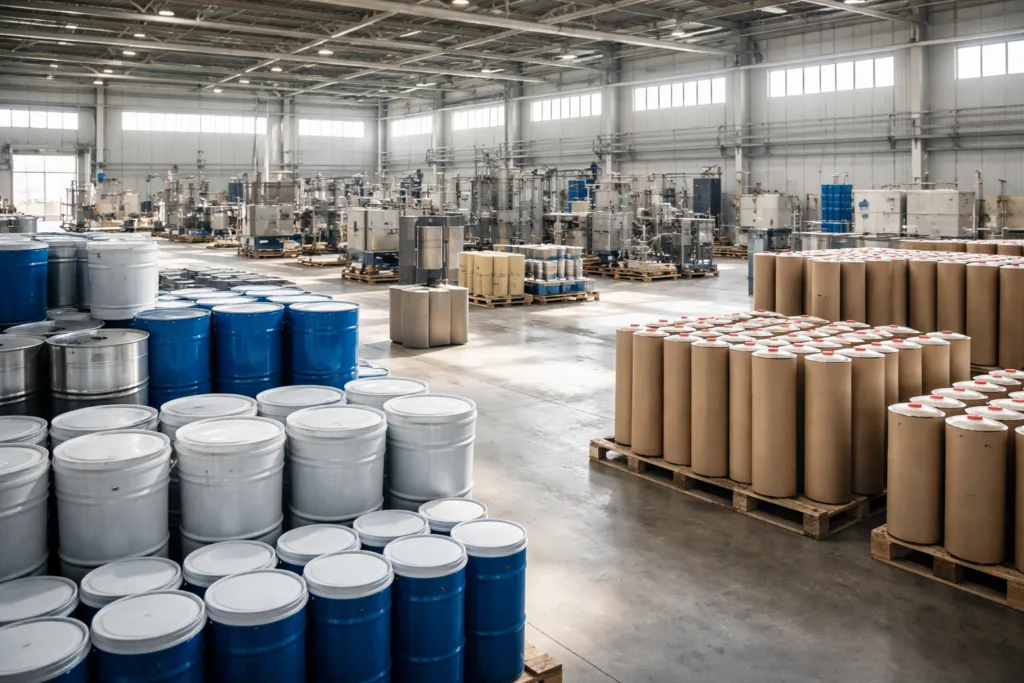
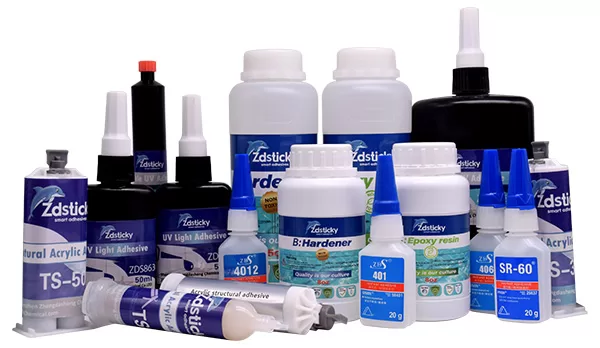
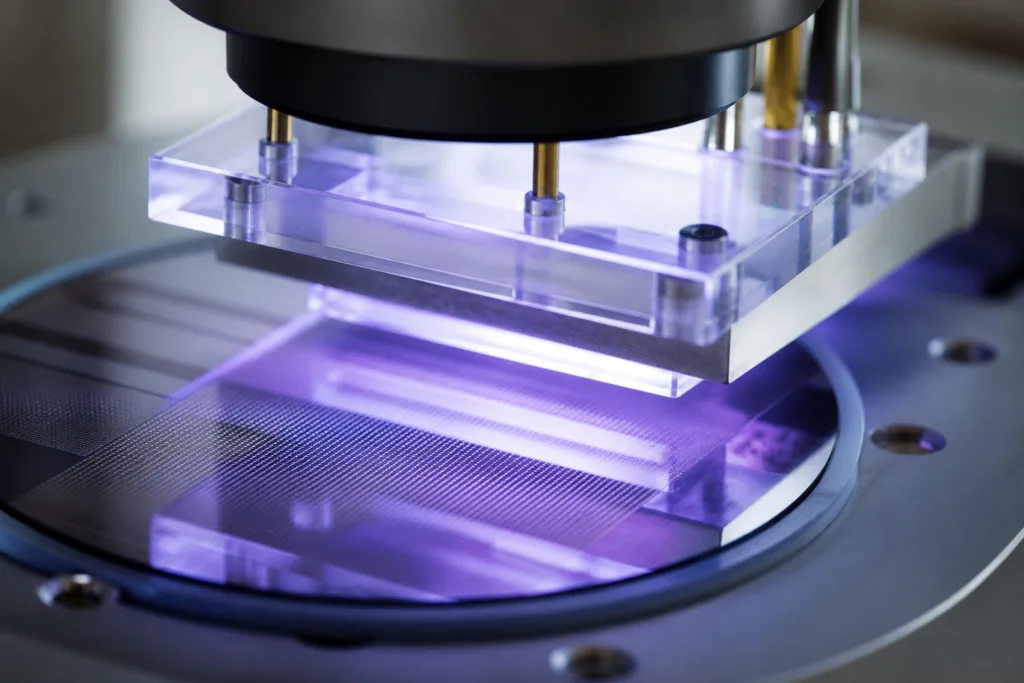
The best adhesive manufacturers offer much more than generic products—they bring a complete range aligned to your substrate, application method, industry, and end-use requirements. For example, wide-ranging portfolios cover industrial adhesives—from flexible silicones to structural epoxies—and specialty solutions like hot melt, UV-curing, cyanoacrylate (CA), or polyurethane systems. Ensure your chosen producer’s catalog supports not just current projects but also anticipated R&D needs in automotive, electronics, wood, glass, and metal bonding. Versatile manufacturers help future-proof your supplier relationships, minimizing costly switching as your own applications evolve.
Evaluating Formulation Capability and Custom Development
Beyond catalog breadth, true partnership value comes from in-house formulation expertise. An ideal manufacturer isn’t just a repacker; they offer custom development for unique process conditions, non-standard materials, or difficult bond-line geometries. Capabilities to seek:
- R&D labs for rapid prototyping
- Access to a range of polymer chemistries: epoxy, acrylic, polyurethane, silicone, and hybrid systems
- Support for color matching, viscosity adjustments, cure profile tuning, and property optimization (e.g., tensile strength, hardness, heat resistance)
For instance, certain assembly lines require adhesives for bonding oily metals or painted surfaces; being able to customize means fewer prep steps and higher throughput. Review the supplier’s track record for solving “off-spec” client challenges. This is especially crucial for structural acrylic adhesives—common in automotive and electronics where mechanical performance is critical.
Quality Control: The Foundation of Consistent Performance
No property matters more in adhesives than process consistency. Failure in one batch can mean line shutdowns, recalls, or warranty claims. A dependable manufacturer demonstrates:
- ISO 9001/14001 certifications (minimum)
- Batch-level QC with retained samples and documented traceability
- Availability of Certificates of Analysis (CoA) and Safety Data Sheets (SDS)
- Routine testing: lap shear strength, peel tests, thermal cycling, chemical resistance
ZDS Adhesive, an industrial adhesive manufacturer, maintains automated, closed-loop production lines with inline viscosity checks, ensuring that every batch meets the parameters for bond-line thickness tolerance and fixture time. This reduces variance on the customer production floor and raises first-pass yield rates.
Verifying Regulatory Certifications and Compliance
When purchasing adhesives for U.S., EU, or Asia-Pacific markets, certifications are non-negotiable. Your shortlisted sealant companies should show up-to-date compliance for:
- REACH, RoHS, and SVHC for electronics and automotive exports
- UL and CSA for electrical applications and flame retardance
- VOC standards for green building and sustainability certifications (e.g., LEED, BREEAM)
- Automotive-specific standards (OEM approvals, automotive glass adhesive regulations, crashworthiness)
A proactive supplier will flag regulatory changes and support audit processes—protecting your production from hidden compliance risks.
Production Scale, Supply Stability, and Lead Time Assurance
Can your adhesive partner keep pace with dynamic operational needs? High-volume, synchronized manufacturing demands:
- Sufficient installed capacity (with scalable lines for both pilot and bulk production)
- Inventory and warehousing support: buffered stock, local depots, or consignment options
- Track record of on-time delivery to global and U.S. hubs (supporting lean and JIT supply models)
Sustained process uptime is often where large brands and smaller niche manufacturers diverge significantly. Evaluate historic supply reliability, production redundancy, and contingency planning for disruptions.
Customization Support: Adapting to Unique Process Needs
Even the best off-the-shelf solution will need tweaks when used on new substrates or automated equipment. Leading adhesive glue manufacturers excel at:
- Rapidly adjusting product viscosity, open time, color, cure mechanism, or dispensing packaging (syringes, drums, bulk tanks)
- Providing detailed supporting data for adhesives used in challenging environments (e.g., high-humidity assembly, low-surface-energy plastics)
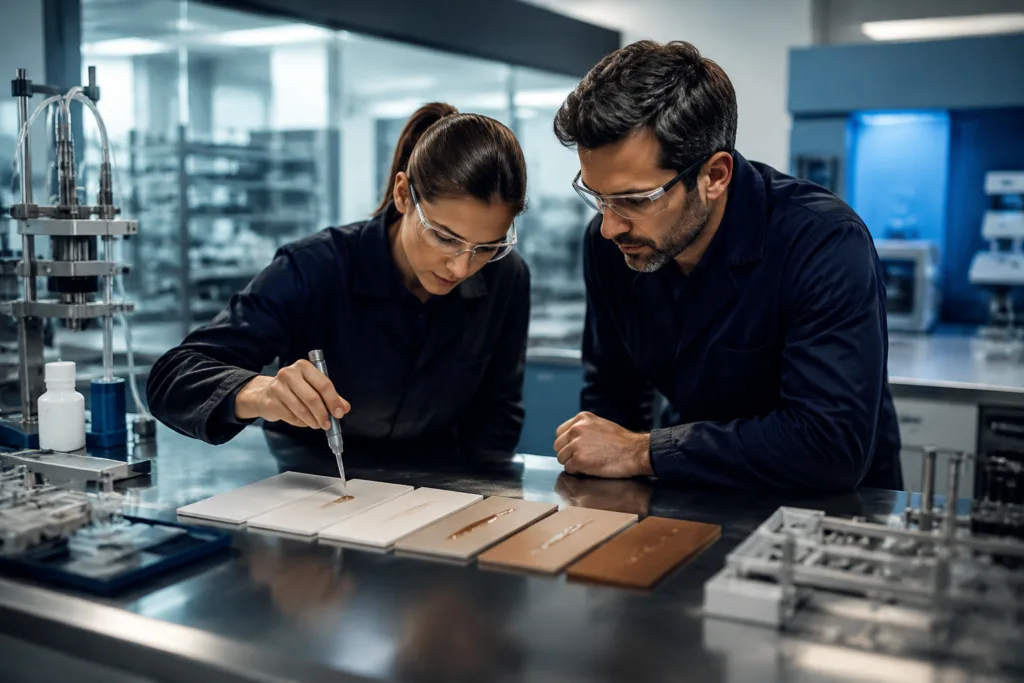
- Offering on-site process trials to validate material compatibility
If you manufacture furniture or flooring, for example, working with dedicated wood glue manufacturers ensures faster process integration and fewer line shutdowns due to clogging or inconsistent set times.
Depth of Application Engineering and Technical Support
Top-tier suppliers don’t just drop off cartons at your dock—they act as technical partners. Look for robust support in:
- Joint design input for optimal adhesive placement and thickness
- Failure analysis (root cause, not just surface troubleshooting)
- Material compatibility studies: plastics, composites, dissimilar metals, or glass
- On-site or remote training for operators
An embedded application engineer reduces costly downtime and helps your team accelerate product launches. Responsive support ensures new adhesives meet both production and field performance targets.
Brands of Adhesives versus Manufacturer Partnership: Looking Beyond the Label
With dozens of familiar adhesive brands on the market, it’s tempting to let reputation drive your choice. But procurement teams in 2026 know: the best partner is not always the most famous logo. Instead, seek out manufacturers with proven flexibility, custom engineering, and transparent quality documentation.
- Ask for client references that match your production scale and industry
- Scrutinize product development timelines—how quickly can they iterate and scale?
- Compare customer support structures (dedicated rep vs. generic help desk)
This shift to relationship-based supply unlocks tailored problem-solving and long-term competitiveness.
Key Considerations for Global vs. U.S. Buyers
The procurement calculus shifts slightly for global and U.S. buyers. U.S.-based plants may prioritize suppliers with established mainland warehousing, while global organizations weigh:
- International freight stability and customs support
- Language-appropriate technical documentation and training
- Ability to adapt formulations to meet cross-border regulatory differences
For U.S. buyers, responsiveness and proximity can be as vital as technical quality, especially for urgent line trials or process troubleshooting sessions.
Testing Protocols, Data Transparency, and Traceability
Modern procurement goes hand-in-hand with robust data. Leading manufacturers provide:
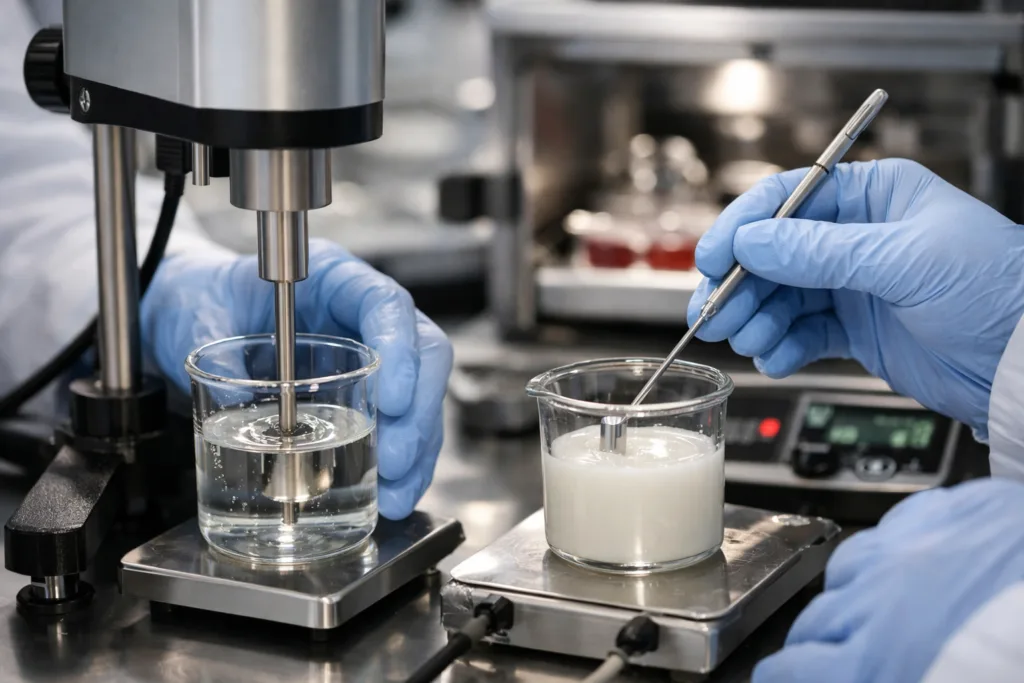
- Complete technical data sheets (TDS) with methods: ASTM, ISO, DIN
- Documented in-process checks: viscosity, color, reaction rate, shelf life
- Batch traceability from raw resin to finished tube, aiding field investigations
Ask your potential partner how they document process changes and handle customer feedback loops for continuous improvement. Routine client-site audits and shared improvement logs separate process-driven suppliers from the rest.
Managing New Application Trials and Pilot Runs
Trialing a new adhesive in production is never a plug-and-play affair. From an application engineer’s viewpoint, success depends on:
- Supplier support with small-lot, pilot-scale production for initial line validation
- Fast turnaround on formulation tweaks following pilot feedback
- Clear handling and storage guidelines to prevent pitfalls like skinning, settling, or premature curing
Choose manufacturers with infrastructure for fast-turn samples and experienced personnel to lead you through the scale-up process.
Cost Considerations: Total Value, Not Just Price Per Kilo
Lowest price rarely equals lowest cost—in adhesives, as in most industrial supplies. Focus on:
- Yield efficiency—are wastage rates lower due to consistent viscosity or less purge needed?
- Reduced downtime from fewer line stoppages or packaging failures
- Lifetime performance: fewer field recalls, better product longevity
The trade-off between price and process reliability should factor into every purchasing decision—especially for critical subassemblies as seen in automotive glass and electronic modules.
Red Flags and Common Pitfalls When Sourcing Adhesives
Be aware of risk signals that can derail production schedules or cause warranty headaches:
- Insufficient or outdated documentation
- Reluctance to share batch test data
- Poor responsiveness to technical queries or field failures
- Spotty delivery record—missed deadlines or short-shipped orders
Transparent manufacturers with nothing to hide see audits and documentation sharing as basic requirements, not as extra chores.
Supply Chain Integration and Digital Order Management
For global buyers and fast-moving OEMs, digitalization accelerates routine procurement tasks:
- Electronic data interchange (EDI) for order accuracy
- Online CoA/SDS downloads for compliance checks
- Real-time order tracking and predictive delivery updates
Suppliers that integrate with your ERP/MRP systems streamline the procurement workflow and reduce manual intervention errors.
Case Example: Transitioning to a High-Performance Polyurethane Structural Adhesive
A U.S. automotive supplier needed to swap out a legacy mechanical fastener for a polyurethane structural adhesive. What set the chosen adhesive manufacturer apart was their ability to:
- Quickly supply tailored samples matching OEM crashworthiness and durability requirements
- Iterate the open time and cure speed to fit the new robotic application cells
- Support on-site training for operators and QC checks at each process stage
The result? Improved throughput and reduced rework, all traced and documented from pilot to full-scale launch.
How to Choose the Right Adhesive Manufacturer: A Practical Guide for Global and U.S. Buyers

Summing up, procurement leaders and engineers must approach adhesive manufacturer selection with rigor and foresight. The supplier who supports not just with products but with deep-rooted process stability, data-driven quality, and ongoing engineering insight becomes a strategic asset—not a transactional vendor. Notably, a reliable partner in adhesives can help you:
- Integrate new materials, methods, or regulatory standards with speed and confidence
- Reduce uncertainty by maintaining consistency from the first sample to each production batch
- Achieve long-term savings via efficient lines, reduced scrap, and minimized field claims
Make it a standard process to evaluate manufacturers by their technical documentation, flexible chemistry, traceability, and true collaboration mindset. Only then can your supply chain stand up to the rapid shifts of modern manufacturing.
Frequently Asked Questions
What are the most important factors when selecting an adhesive manufacturer?
Look for product range, formulation capabilities, quality assurance systems, regulatory compliance, and application engineering support tailored to your process.
How can I confirm a manufacturer’s quality consistency?
Ask for batch-level QC data, traceability documentation, ISO certifications, and references from similar high-volume production environments.
Is it better to choose a well-known adhesive brand or a manufacturer with customization capabilities?
Customization often matters more for unique assembly needs. Brands offer recognition, but a flexible manufacturer can deliver tailored solutions and faster problem resolution.
How do I verify compliance for specific markets?
Request up-to-date certifications for REACH, RoHS, UL, VOC, and OEM standards relevant to your industry and destination market.
What kind of technical support should I expect from top adhesive suppliers?
Look for application engineering, joint design input, pilot trial support, material compatibility analysis, and prompt response to process upsets or failures.
What warning signs suggest a risky adhesive supplier?
Be cautious of missing documentation, reluctance to provide test data, inconsistent deliveries, and slow technical responses.
Related Reading
- Quieter E-Motors: Damping Adhesives That Cut Noise and Improve Performance
- How Acrylic Adhesives Bond Oily Metals and Eliminate Extra Prep Steps
- The Impact Strength Advantage: Why MMA Adhesives Rule in Metal Bonding
- Boosting Crashworthiness: How High-Modulus Adhesives Reinforce Chassis Stiffness
- Bonding Opaque Materials: The Power of Visible Light Curing Adhesives