Understanding Clear Structural Acrylics for Glass Furniture & Displays
Clear structural acrylics have rapidly become a go-to material for those designing eye-catching glass furniture and display pieces in 2026. With advances in acrylic formulas and bonding techniques, these adhesives and materials offer robust support, optical clarity, and unmatched versatility. Whether in retail, hospitality, office interiors, or residential settings, using clear structural acrylics allows for creative, practical, and reliable designs, making them an essential tool for engineers and designers alike.
What Makes Clear Acrylics Unique?
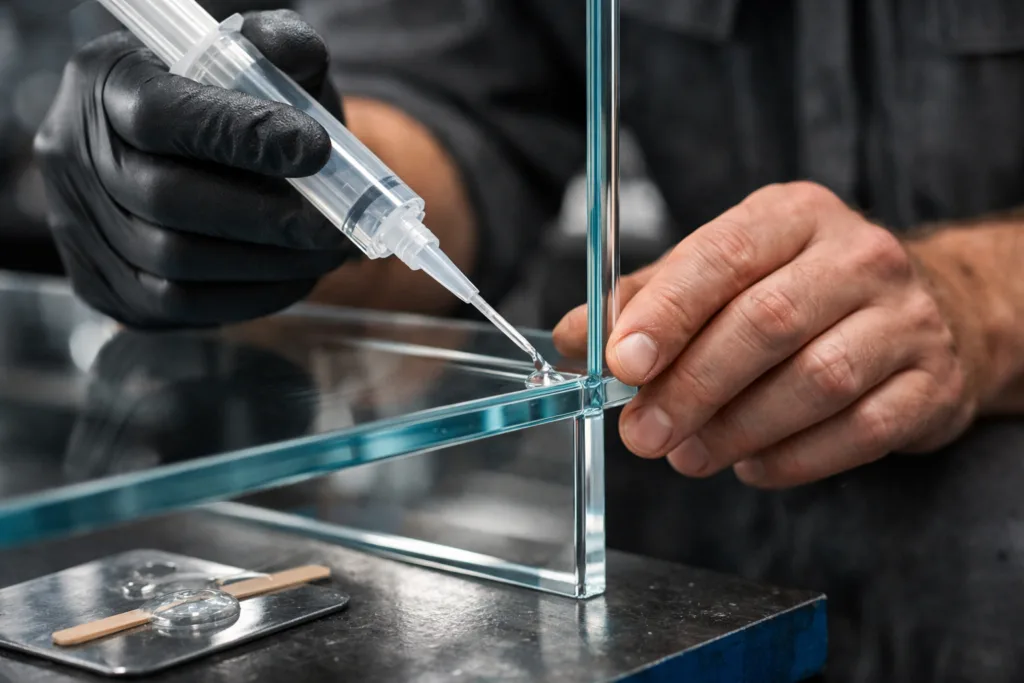
Clear acrylics are notable for their glass-like transparency, yet they surpass traditional glass by providing higher impact resistance and lighter weight. They resist UV-induced yellowing, meaning furniture and displays look pristine over long periods. Plus, acrylics offer versatile bonding with a range of substrates—including glass, metals, and certain plastics—enabling seamless connections and invisible joints for modern aesthetics.
Structural Adhesives: The Backbone of Glass & Acrylic Connections
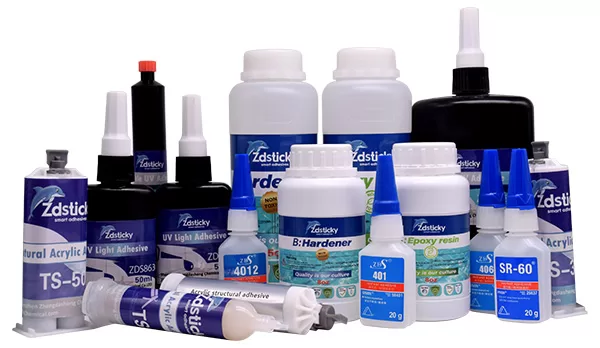
To achieve truly structural connections, specialized structural adhesives for acrylics are used in the fabrication of glass furniture and displays. These adhesives have high tensile and shear strength, essential for load-bearing joints or elements subjected to frequent handling. Accelerators and primers may be used to enhance adhesion or speed up work time for complex assemblies.
Comparing Acrylics to Other Structural Materials
| Attribute | Clear Acrylics | Glass | Polycarbonate |
|---|---|---|---|
| Transparency | Excellent (92%) | Excellent | Very good |
| Impact Resistance | 4–8x glass | Standard | High |
| UV Stability | High; resists yellowing | Prone to haze | May yellow |
| Workability | Easy to cut & bond | Brittle, chips | Difficult to bond |
| Typical Bond Strength (Shear) | 12–25 MPa* | 5–12 MPa* | 8–20 MPa* |
| Weight | Light | Heavy | Light |
*Varies by adhesive and preparation. For reliable values see Fatigue Resistance Testing of Acrylic Structural Bonds.
Common Applications for Clear Structural Acrylics
- Modern glass tables, shelving, and sideboards
- Award display cases and museum vitrines
- Retail store fixtures (product risers, signage bases)
- Architectural partitions and room dividers
- Custom artistic installations and lighting features
Benefits of Structural Acrylics for Glass Furniture
- Unobtrusive, crystal-clear joints for premium aesthetics
- Resistance to chipping, cracking, and yellowing over time
- Strong enough for load-bearing requirements
- Faster curing compared to some epoxies—minimizing production bottlenecks
The Science of Adhesion: How Structural Acrylics Work
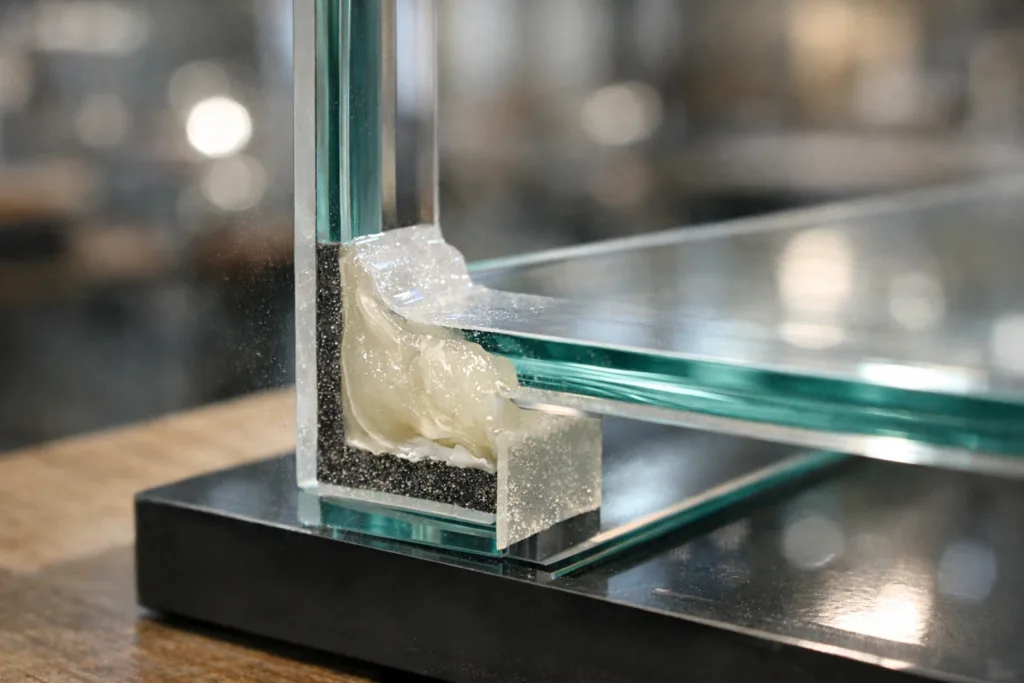
Bonding glass to glass or glass to acrylic requires adhesives designed for low-surface-energy substrates and rigid stress transmission. From an application engineer’s viewpoint at ZDS Adhesive, an industrial adhesive manufacturer, the right adhesive is chosen based on joint design, expected load (shear, peel, or tension), UV exposure, bond-line thickness (0.1–0.5 mm typical), and process speed. Accelerators can fine-tune fixture time and open time for complex installations (more on 2-part acrylic accelerators).
Types of Joints Where Clarity Matters
- Butt joints for glass shelving
- L-shape and T-shape connections in furniture frames
- Mitred edges for seamless look
- Invisible lap joints on display cases
- Fixture-free vertical stacking for risers or towers
Assessing Load Requirements in Glass Displays
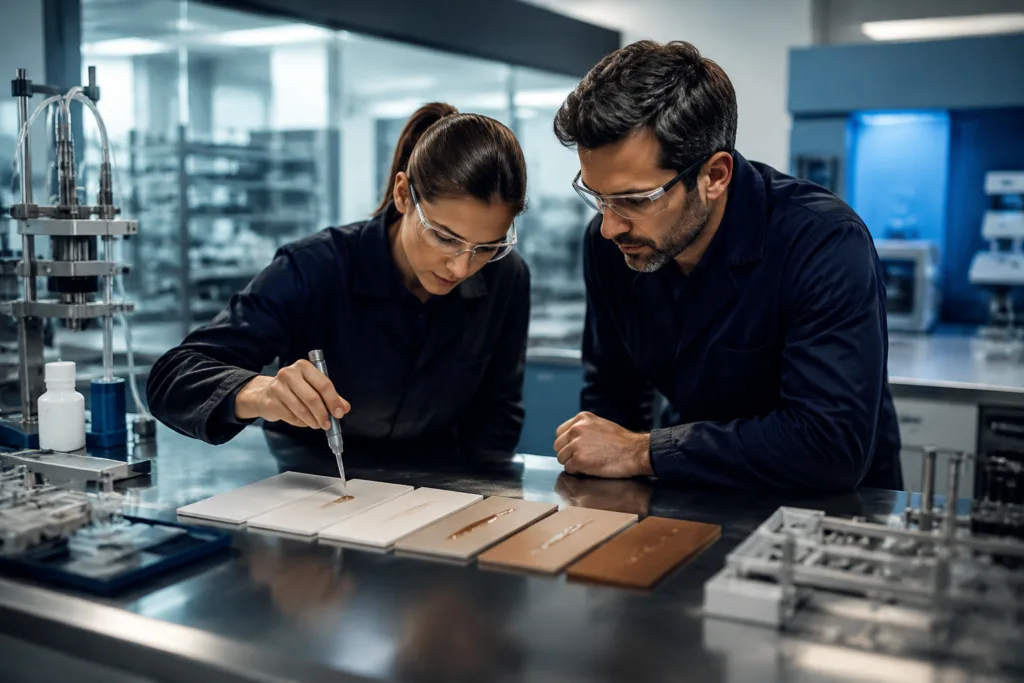
Structural joints must withstand not just static but also fatigue loads—a dynamic consideration often underestimated. Testing protocols such as lap shear and peel help validate adhesive choice (see fatigue resistance testing). For heavy furniture or cantilevered displays, always check the adhesive’s rated load and consult technical data.
Simple Best Practices for Durable Bonds
- Clean surfaces thoroughly; use an alcohol-based wipe to remove dust and oils
- Mask areas to avoid squeeze-out on visible faces
- Apply uniform bond-line thickness, 0.1–0.5 mm for optimal strength
- Control environment (ideally 18–25°C, low humidity)
- Handle with care until full cure is attained—see adhesive TDS for fixture time
Acrylic Structural Adhesives vs. Epoxy and Silicone
| Feature | Acrylic | Epoxy | Silicone |
|---|---|---|---|
| Clarity | Crystal-clear | Often yellowish | Clear (can haze) |
| Speed | Rapid fixture (minutes) | Slower (hours) | Varies (minutes–hours) |
| Surface Prep | Minimal/none (with proper formula) | Degreasing, abrasion | Requires priming for glass |
| Strength | High (12–25 MPa shear) | Very high (15–35 MPa) | Lower (2–6 MPa) |
| Environmental Resistance | Excellent UV & moisture | Variable | Superior water resistance |
For a deeper design comparison, read Acrylic vs. Epoxy: Which Adhesive Wins?
Working with UV-Curing Acrylic Adhesives
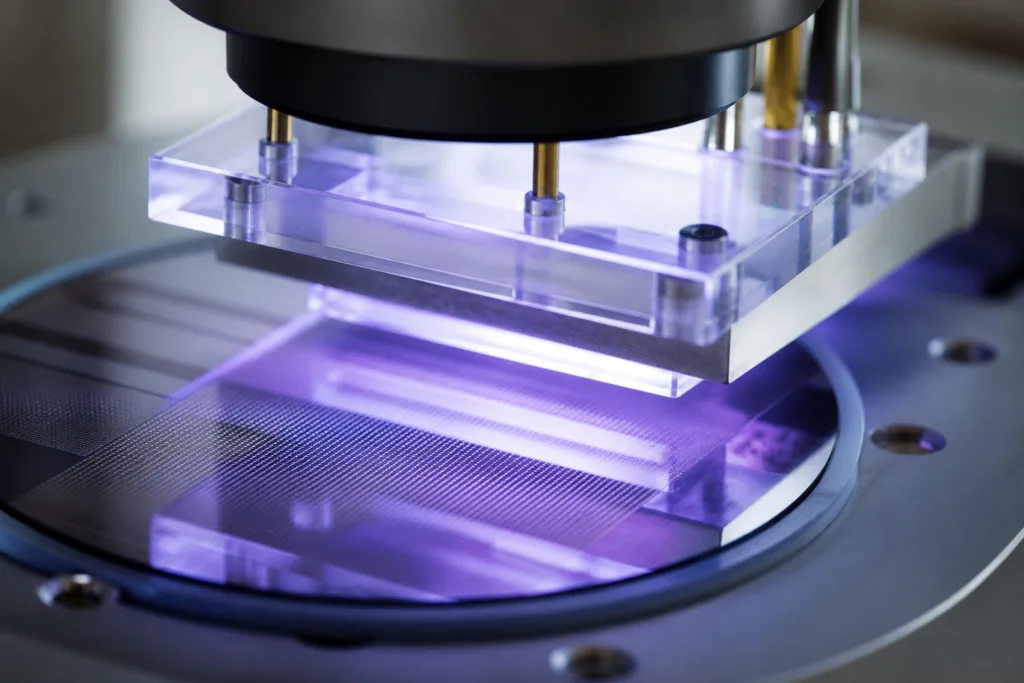
UV-curable acrylic adhesives are especially popular for glass-to-glass bonds and invisible edge work. They cure almost instantly under UV light, letting users inspect and handle parts quickly. It’s important to control curing light exposure to achieve complete reaction—see guidelines on calculating UV dosage for perfect curing.
Innovative Designs Enabled by Clear Acrylics
- Floating effect shelves
- Seamless retail display cubes with embedded LED lighting
- Multi-level product stages using cantilevered glass panels
- Invisible partition walls for open offices
- Art installations with embedded features and interactive elements
Maintenance and Longevity Tips for Acrylic-Bonded Glass Furniture
- Dust with microfiber wipes to avoid scratches
- Use pH-neutral cleaners (avoid ammonia and abrasives)
- Check bond lines periodically—whitening or haze may indicate water ingress or overloading
- For outdoor applications, use UV-stabilized grades and edge-sealing adhesives
Troubleshooting: Common Failures and How to Avoid Them
- Poor Bond Strength? Check for oily residues or too thin bond line.
- Visible Bubbles? Apply adhesive slower and allow entrapped air to escape.
- Early Yellowing? Use adhesive with proven UV stability.
- Cracking at Joints? Review load ratings, joint design, and shock exposure.
Future Trends: Smart and Interactive Acrylic-Glass Displays
Looking ahead, clear acrylics are opening doors to smart displays with integrated LEDs or sensors. Their chemical resistance and transparency enable creative multi-material assemblies with electronics, springs, or reactive features—making 2026 an exciting time for materials innovation in architecture and interior design.
Conclusion: Key Insights for Using Clear Structural Acrylics for Glass Furniture & Displays
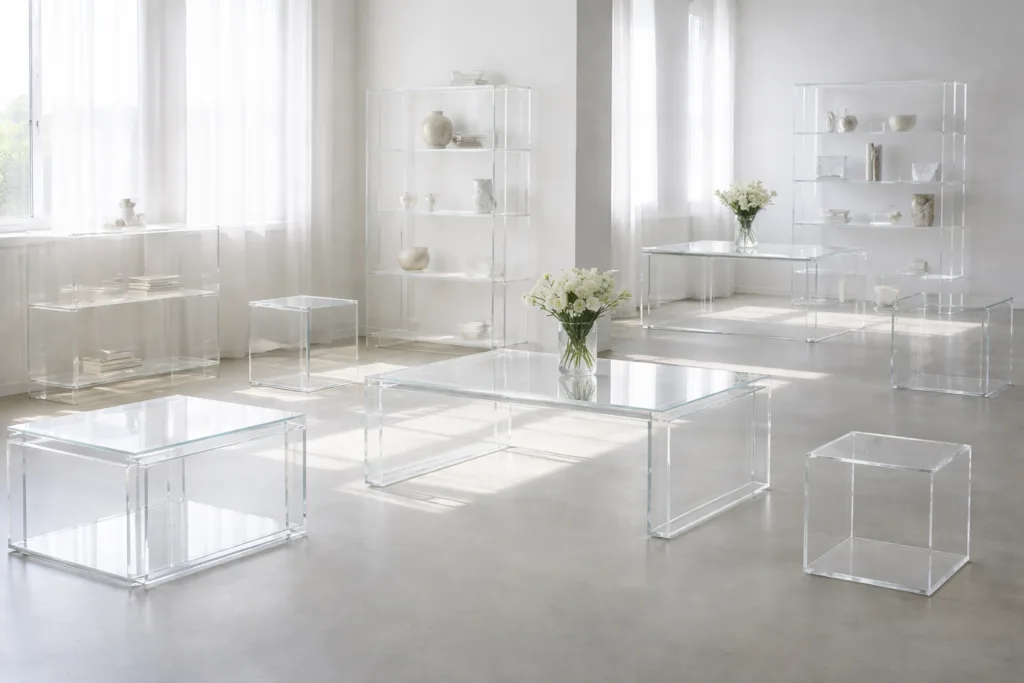
Clear structural acrylics stand out for their combination of transparency, strength, and durability—enabling both striking visual effects and robust daily use in modern furniture and displays. By understanding correct adhesive selection, joint type, and maintenance, designers and engineers can exploit these materials to push the boundaries of interior environments. As the technology evolves, applications will only grow smarter and more varied, underscoring the importance of foundational knowledge and process discipline in every project.
Frequently Asked Questions
Are clear structural acrylics as strong as glass?
Clear structural acrylics offer higher impact resistance than traditional glass, making them ideal for areas where durability and safety are important, even if they are slightly more flexible.
How do I prevent yellowing of acrylic bonds over time?
Choose adhesives specifically rated for UV resistance and keep the finished product away from harsh chemical cleaners, as these can accelerate yellowing.
What’s the best way to clean acrylic-bonded glass furniture?
Use a soft, non-abrasive cloth and mild, pH-neutral cleaners. Avoid ammonia-based or gritty products that can scratch or cloud the surface.
Can structural acrylic adhesives work on metals or plastics?
Yes, many modern structural acrylics are engineered for multi-material bonding, including certain metals and plastics, but check compatibility for each project.
Is there a difference between UV-cure and two-part acrylic adhesives?
UV-cure adhesives offer rapid, on-demand setting for clear joints, while two-part systems provide robust bonds where light cannot reach or for thicker joints.
What joint design gives the strongest results with acrylic adhesives?
Lap joints and mitred connections generally provide the best load distribution and visual effect when using clear structural acrylics.
Related Reading
- Find the Perfect Adhesive for Any Plastic Type: Plastic Bonding Mastery
- How Low Odor Acrylics Revolutionize Factory Safety in 2026
- Modern Manufacturing: Why Second-Gen Acrylics Outperform Rivets
- Expert Strategies for Fast, Reliable UV Bonding on Plastics
- Insider Secrets of Adhesive Experts: What Really Drives Production Success