Understanding Waterproof Silicone Sealant: What It Is and How It Works
Waterproof silicone sealant is one of the most versatile tools for professionals and DIYers alike. But is silicone really waterproof, and what can you expect in real-world use? In this article, we’ll explore the major benefits of waterproof silicone sealants, reveal where they truly shine, and address common misconceptions about their limits. By the end, you’ll know exactly when to reach for silicone—and when to think twice.
The Science Behind Silicone’s Waterproofing Capabilities
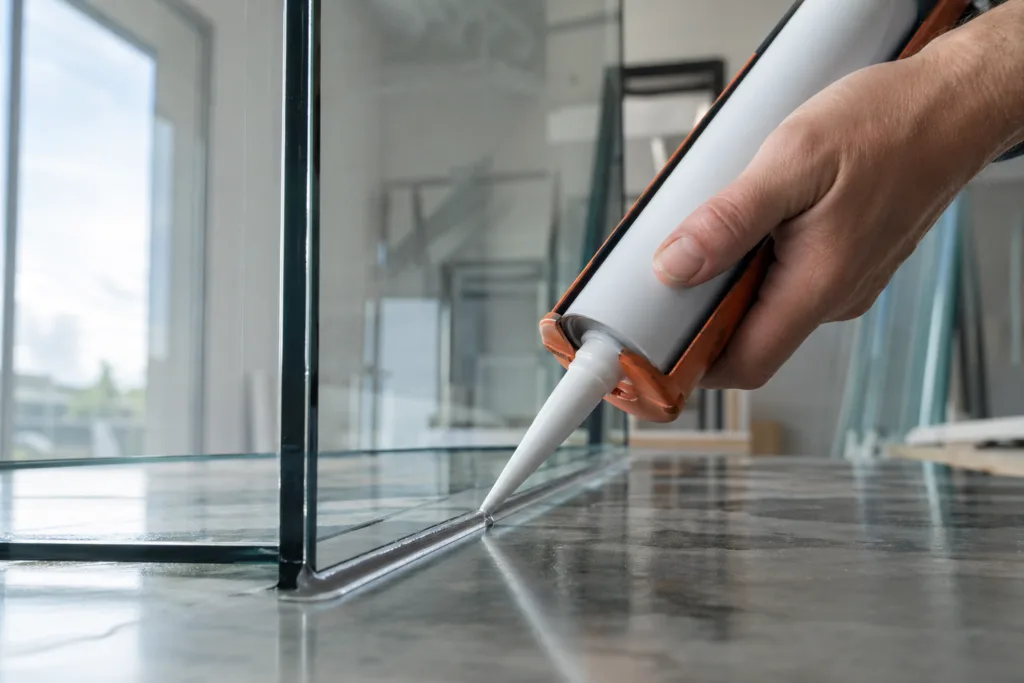
Silicone sealants belong to the family of elastomeric polymers, which means they cure into a flexible, rubbery material. The chemical backbone of polydimethylsiloxane provides excellent hydrophobic (water-repelling) properties. When applied and cured correctly, a waterproof silicone sealant forms a seamless, continuous barrier that moisture simply cannot penetrate—making it a go-to choice for bathrooms, kitchens, exterior gaps, and glazing seals.
Why Choose a Waterproof Silicone Sealant?
Silicone’s advantages are real and measurable. Its flexibility allows it to accommodate movement from thermal expansion or vibration, preventing cracks and leaks over time. Weather resistance is a hallmark—UV rays, humidity, and rain barely affect most silicone formulas. As a result, professional applications rely on this property for long-term reliability, even in extreme outdoor conditions.
Key Benefits at a Glance
- Flexible after curing—absorbs thermal and mechanical movement
- Highly resistant to water and atmospheric moisture
- Superior UV and temperature resistance
- Long service life without yellowing or hardening
Limits of Waterproof Silicone Sealants: What They Can’t Do
Despite their impressive strengths, there’s a dangerous myth: many assume waterproof silicone works everywhere. The truth is, silicone’s sealing power has very real limits, especially in contexts that demand load-bearing, chemical resistance, or adhesion to difficult substrates.
Where Silicone Sealant May Fail
- Structural bonding—can’t replace fasteners or structural adhesives
- Low surface energy plastics (like PE, PP, PTFE)
- Immersion in solvents, fuels, or aggressive chemicals
- Surfaces contaminated with oil, dust, or release agents
Is Silicone Really Waterproof? Debunking a Common Misconception
The phrase “waterproof silicone” is true, but only under certain conditions. For a perfect seal, the substrate must be clean, dry, and properly prepared. Poor application or wrong material matching can lead to leakage—water can migrate behind the seal, or mold can form if joints aren’t properly vented.
How Waterproof Silicone Sealant Performs Against Other Sealants
| Property | Waterproof Silicone | Polyurethane | Acrylic |
|---|---|---|---|
| UV Resistance | Excellent | Good | Poor |
| Water Resistance | Superior | Good | Moderate |
| Paintability | Poor | Good | Excellent |
| Flexibility | High | Medium | Low |
| Adhesion Range | Medium | Wide | Wide |
Key Application Areas for Waterproof Silicone Sealants
- Bathrooms & Wet Areas: Showers, tubs, sinks, tile edges
- Windows & Glazing: Weatherproofing frames, expansion joints
- Roofing & Gutters: Sealing penetrations and flashing
- Outdoor Equipment: Sealing enclosures and panels
For engineers seeking robust environmental protection in electronics, see our guide on IP68 waterproof potting methods.
Substrate Compatibility: Where Silicone Shines and Where It Struggles
Silicone sealant sticks well to many building materials—glass, ceramics, metals, and some plastics. However, it’s notorious for poor results on low surface energy plastics. Pretreatment, primer, or alternative adhesives may be needed for plastics like polyethylene or polypropylene.
Substrates for Reliable Waterproofing
- Glass & Ceramics
- Anodized or painted aluminum
- Enamel & glazed tiles
- Some plastics (after proper surface treatment)
Challenging Substrate Cases
- Unfinished metals prone to corrosion
- Polyethylene, polypropylene, PTFE
- Surfaces exposed to heavy oil or mud contamination
Weather Resistance—A Real-World Reliability Factor
One of silicone sealant’s defining strengths is its stamina when exposed to sunlight, rainfall, and freeze-thaw cycles. Unlike some polymer sealants, silicone rarely degrades, chalks, or cracks in outdoor conditions. Applications on glass assemblies or roof panels benefit significantly from this feature.
In installation of outdoor charging equipment, silicone’s resilience is a key contributor to long service life. Find more about UV stability techniques in outdoor OCR panel bonding applications.
Limits on Load-Bearing and Structural Use
Here’s a critical pointer: waterproof silicone sealants are sealers, not structural adhesives. They provide flexibility and weatherproofing but do not deliver high shear, tensile, or peel strength. If you need to join or carry loads, choose a structural adhesive or mechanical fastening method instead.
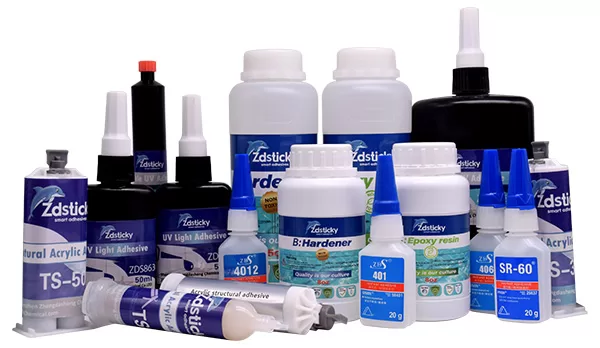
For example, ZDS Adhesive, an industrial adhesive manufacturer, recommends using formulated structural acrylic or epoxy adhesives for loads over 0.5 MPa lap shear. Silicone excels in joints that move, but not where parts must carry weight under stress.
Sensitivity to Chemicals and Extreme Environments
Waterproof silicone is not invincible—solvents, acids, alkalis, fuels, and some cleaning agents can break its backbone, leading to sticky breakdown or loss of adhesion. For applications with high chemical exposure, always confirm resistance with the manufacturer’s data sheets and consider specialty grades or alternative chemistries.
Application Mistakes That Compromise Waterproofing
1. Poor Surface Preparation
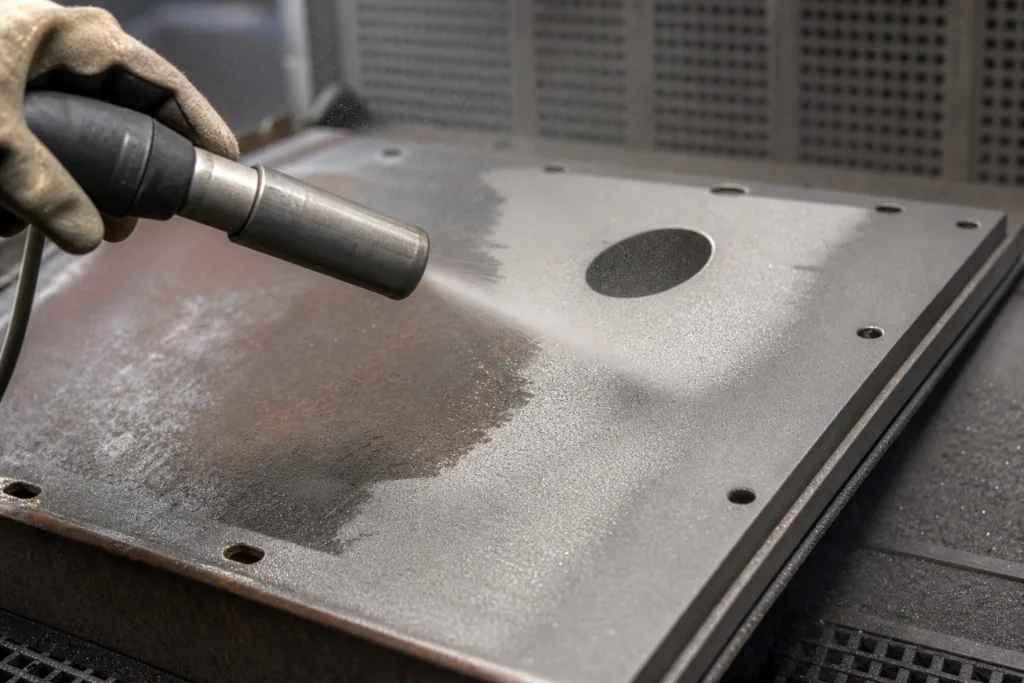
Dirt, moisture, oil, or old sealant remnants can all prevent silicone from making a long-lasting bond. Always clean, dry, and—if necessary—abrade the joint before applying.

2. Joints Too Wide or Too Deep
Excessive bead size may never fully cure inside, risking joint failure. Most manufacturers specify ideal bead width and depth, often around 6–12 mm each.
3. Use on the Wrong Substrate
Applying silicone where it can’t adhere—like untreated plastics or oily metal—will lead to leaks over time. Confirm compatibility and pretreat challenging surfaces, or switch to a different adhesive system if needed.
4. Wrong Grade Selection
Not all silicones are equally waterproof in all conditions. Bathroom sealants often contain fungicides, while glazing grades offer better UV protection. Matching the right grade to the use case is essential for reliability.
Is Paintable Silicone Waterproof?
Most true waterproof silicone sealants are not paintable—paint will not stick. Instead, if painted finish is required, look for hybrid or acrylic-based sealants, which offer less water resistance. There are some “paintable” silicones, but they rarely match the pure waterproofing power of the classic grades.
Best Practices for Achieving a Lasting Waterproof Seal
- Cut the tip to the correct size for the joint
- Smooth the bead immediately with a gloved finger or tool for uniform contact and finish
- Respect curing time (often 24 hours) before water exposure
- Check for full curing, especially in deep or wide beads
- Choose fungicide-containing grades for wet, indoor environments
When NOT to Use Waterproof Silicone Sealant
- When high mechanical strength is required (structural bonding)
- On surfaces with ongoing chemical exposure (industrial tanks, fuel lines)
- For underwater repairs (unless specifically rated for full immersion)
- Where plastic adhesion is uncertain or untreated surfaces are present
For in-depth comparison of industrial sealants vs. adhesives, see our expert guide: Industrial Sealants vs. Adhesives: Key Differences.
Recognizing and Diagnosing Application Failures
- Early loss of adhesion: Usually due to surface prep issues or contamination
- Mold growth: Occurs when using wrong grade in wet areas or poor caulking details
- Joint cracks or tears: Excessive movement beyond silicone’s elasticity, or wrong joint design
- Discoloration or breakdown: Chemical attack or incompatible cleaning agents
Maintenance and Reapplication—How Long Does It Really Last?
With proper installation, silicone sealant joints often last over 10 years for internal and external building uses. Environmental factors, movement cycles, or improper cleaning can shorten service life. Inspection and replacement cycles are good practice where leaks can be costly—especially roofing, cladding, or critical water barriers.
Summary Table: When to Use (and Not Use) Waterproof Silicone Sealant
| Application | Recommended? | Notes |
|---|---|---|
| Shower seams | ✔️ | Use a fungicidal grade |
| Structural glazing | ✔️/❌ | Check if structural silicone specified |
| Polyethylene panels | ❌ | Poor adhesion unless treated/primed |
| Fuel/oil tanks | ❌ | Chemical attack risk |
| Movement joints in concrete | ✔️ | Priming may improve adhesion |
Waterproof Silicone Sealant: Benefits, Limits, and Common Application Mistakes
All things considered, waterproof silicone sealant is a powerhouse for sealing water-prone joints—if used within its boundaries. Its flexibility and weatherproofing make it a top choice for countless jobs, while application failures often trace back to misunderstanding its chemistry or choosing the wrong grade.
Conclusion
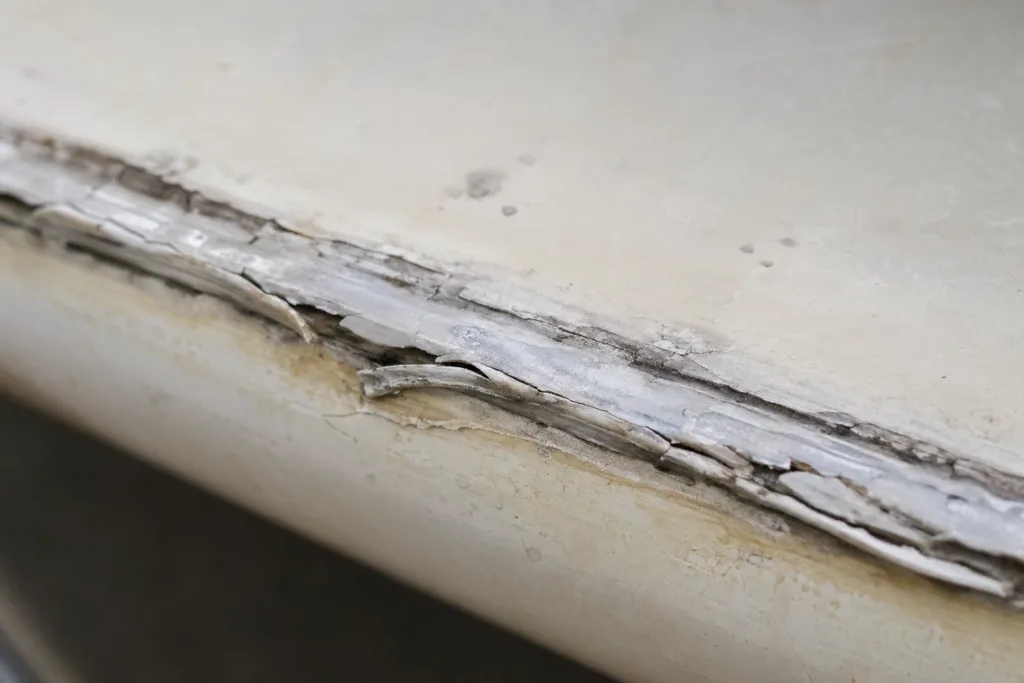
Silicone sealant’s waterproof properties are undisputed when applied on clean, compatible surfaces for genuine sealing—not load carrying. Its flexibility, UV stability, and moisture resistance have made it the sealing choice for everything from home bathrooms to industrial enclosures. Knowing the right (and wrong) uses is your best defense against leaks, mold, and premature failures. If in doubt, check the substrate and expected exposure: sometimes, a different adhesive system or extra surface preparation is the real key to long-term performance.
Frequently Asked Questions
Is silicone sealant completely waterproof?
Yes, true silicone sealant is waterproof when applied correctly to compatible, clean, and dry substrates. Poor prep or wrong substrate will compromise its seal.
Can I use waterproof silicone for structural bonding?
No, silicone sealants are designed for sealing and flexibility—not for holding loads or high-stress joints. Use structural adhesives for these cases.
Does mold grow under silicone in bathrooms?
Mold may develop if poor-grade silicone is used, the bead isn’t fully cured, or the environment stays wet. Use fungicidal bathroom grades for protection.
Why won’t silicone stick to some plastics?
Plastics like PP, PE, and PTFE have very low surface energy, making adhesion unreliable—pretreat with primer or select a different system for best performance.
How long does a waterproof silicone sealant last?
Service life typically ranges from 10–20 years when applied per instructions and not exposed to harsh chemicals or movement beyond its rated flexibility.
Can you paint over waterproof silicone?
Most pure silicone sealants are not paintable. For paintable applications, use a compatible hybrid or acrylic sealant, but water resistance will be lower.
Related Reading
- Sealants vs. Adhesives: Find the Real Differences for Your Next Project
- How to Achieve True IP68 Waterproofing for Outdoor Electronics
- Expert UV Stability Strategies for Outdoor Displays and Panels
- Adhesive vs. Sealant: Choose Wisely with These 7 Rules
- Master Deep Section Potting with Addition Cure Silicones