Understanding Conformal Coating for Charging Station PCBs: Moisture Protection
Charging stations play a critical role in the global shift toward electric mobility. At the heart of every charging station lies its electronics—especially printed circuit boards (PCBs)—that drive power management, communication, and reliability. However, PCBs face relentless threats from moisture, humidity, and environmental stress. Conformal coating for charging station PCBs: moisture protection is not only a technical requirement but also a cornerstone of long-term durability and safety. In this guide, we’ll unpack the science, methods, and best practices for conformal coating, ensuring your charging station PCBs remain robust against moisture challenges.
Why Moisture Protection is Non-Negotiable for Charging Station PCBs
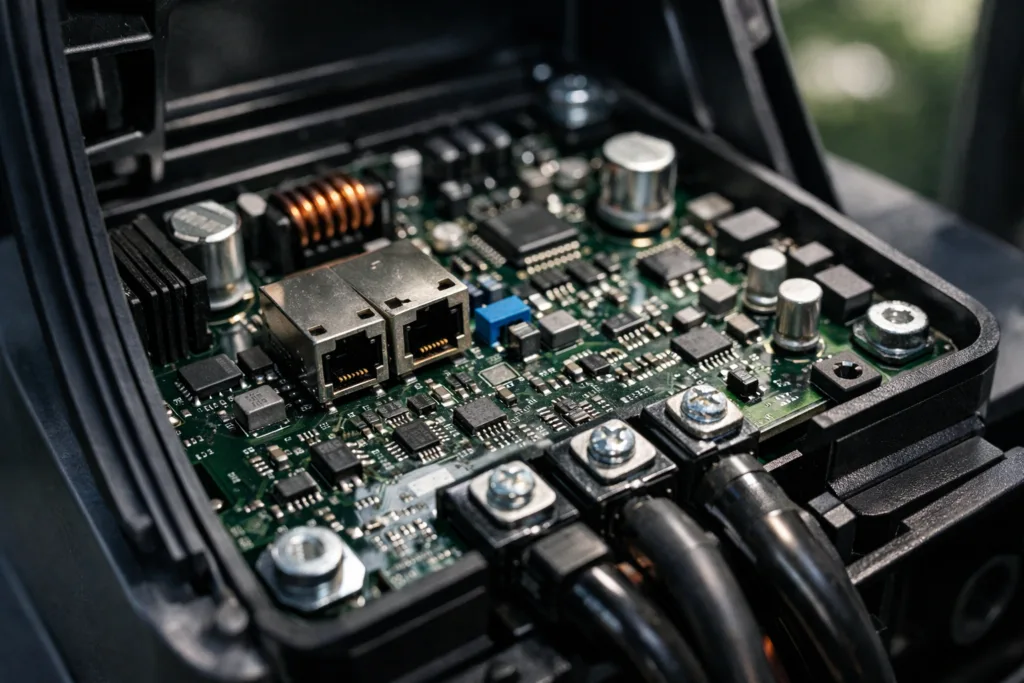
Moisture intrusion is a hidden but powerful cause of PCB failures. Exposure to rain, humidity, or condensation can cause corrosion, short circuits, and erratic operation. Since charging stations are often installed outdoors or in semi-exposed environments, robust moisture protection is essential. Without it, electronics can degrade quickly—leading to costly downtime and safety risks. Implementing conformal coating for charging station PCBs: moisture protection ensures that even minimal water exposure does not jeopardize performance or lifespan.
The Main Types of Conformal Coatings Used in Charging Stations
Conformal coatings are thin, protective layers applied to PCBs and electronic assemblies. Here are the four common types:
- Acrylic (AR): Easy to apply and rework, good moisture resistance.
- Silicone (SR): Flexible; withstands vibration, extremes of temperature and moisture.
- Polyurethane (UR): Excellent chemical and abrasion resistance; suited for harsh outdoor use.
- Epoxy (ER): High mechanical strength, great against solvents and moisture but harder to rework.
Each coating material offers a unique balance of moisture barrier, electrical insulation, and environmental resilience. For charging stations, silicone and polyurethane are often favored for their performance under fluctuating outdoor conditions.
How Conformal Coatings Create a Moisture Barrier
When applied correctly, a conformal coating creates a seamless, thin film over circuit traces and components. This film (typically between 25–75 microns thick) prevents water molecules from touching metal surfaces, blocks environmental contaminants, and reduces risk of electrical shorts. The result: improved reliability, fewer corrosion events, and stable charging station operation even in humid climates.
Application Methods: Choosing the Right Approach for PCB Designs
There are several ways to apply conformal coatings:
- Brushing: Ideal for prototypes and small batches; simple but least uniform.
- Spraying: Fast, covers large areas, but requires masking for selective parts.
- Dipping: Ensures full coverage; most suitable for complex PCBs with minimal keep-out zones.
- Selective Coating: Uses robotic equipment for precision; minimizes waste and avoids coating connectors.
For high-volume charging station production, selective coating and spraying are preferred due to their repeatability and thorough coverage.
Critical Surface Preparation: The Foundation of Reliable Coating
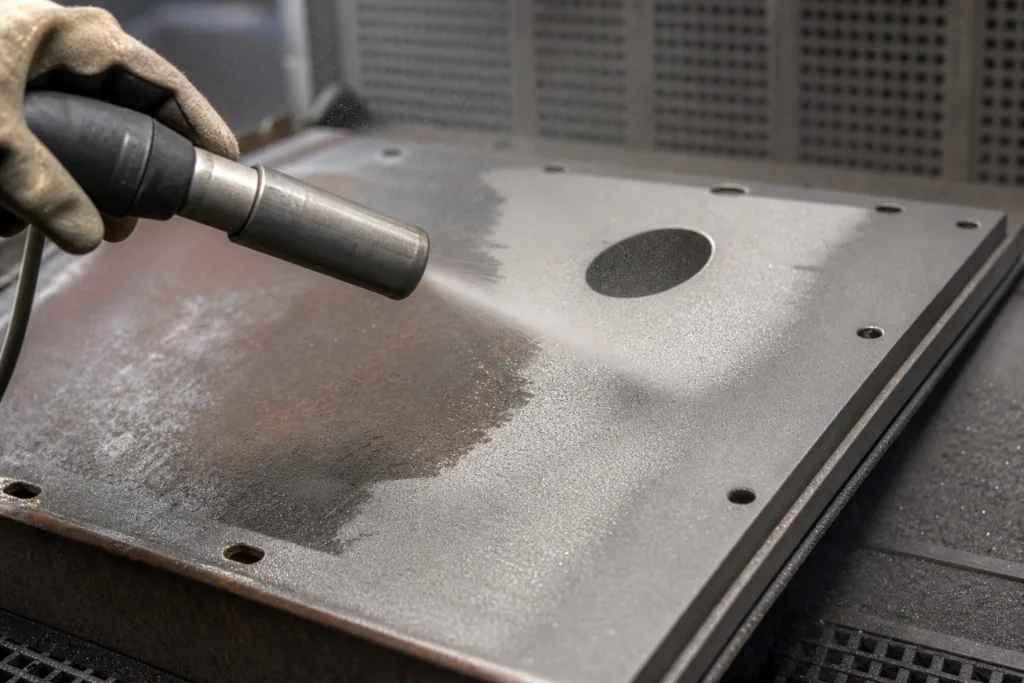
Before applying any coating, PCBs must be perfectly clean. Residual flux, oils, or dust can cause poor adhesion, bubbles, and voids. To learn how cleaning residues affect coating adhesion, see this detailed explanation.
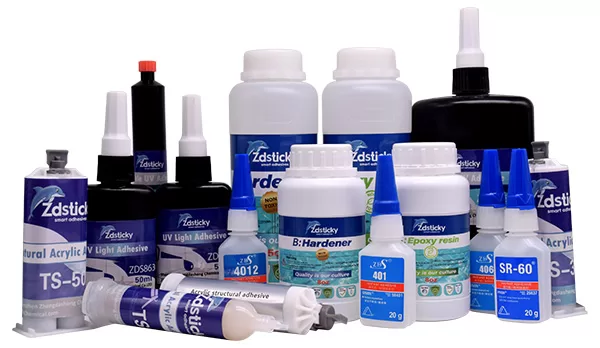
Assembly teams at ZDS Adhesive, an industrial adhesive manufacturer, recommend these checks before coating:
- Ensure surfaces are dry and free from flux residues.
- Use solvent cleaning or ultrasonic baths as needed.
- Test adhesion with small-scale “cross-hatch” tests if possible.
Case Study: Moisture-Proofing Outdoor DC Charging Piles
Real-world installations often demand IP68-rated protection. In a recent deployment, a leading EV charging brand combined polyurethane conformal coating with waterproof potting for connectors. This dual strategy ensured that the station’s PCBs survived heavy rain, floods, and temperature extremes, remaining operational for over two years without service interruptions. See more on IP68 waterproof potting solutions for DC charging piles for details on integrating coating and sealing approaches.
Material Selection: Key Factors for Choosing the Right Conformal Coating
Selecting a conformal coating is not one-size-fits-all. Consider the following:
| Factor | Why It Matters | Sample Test |
|---|---|---|
| Operating Environment | Outdoor/indoor, humidity, chemicals, UV | Humidity aging cycles |
| Electrical Requirements | Voltage, insulation resistance | Dielectric breakdown test |
| Maintenance/Rework | Ease of removal for repair | Solderability test |
| Production Volume | Manual vs. automated lines | Fixture time monitoring |
| Compatibility | Connectors, high-voltage paths | Creepage/clearance validation |
Meeting these criteria ensures both electrical safety and physical durability.
Tips for Effective Conformal Coating in Charging Applications
- Mask critical areas (e.g., connectors, switches) to avoid insulation issues.
- Monitor coating thickness—too thin can allow moisture in; too thick may trap heat.
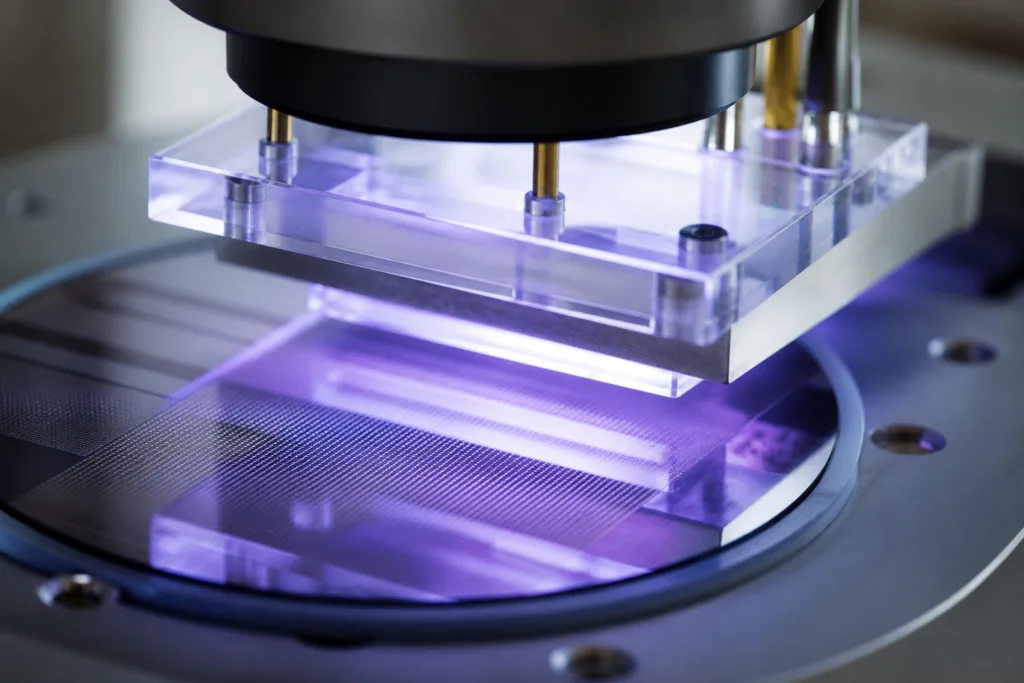
- Use UV-visible coatings to check coverage visually after application.
- Test performance under realistic humidity cycles and thermal shocks.
From an application engineer’s viewpoint, stable fixture time and easy visual inspection are essential for high-volume deployment.
Overcoming Moisture Risks with Integrated Sealing Strategies
Some charging station designs combine conformal coating with potting and weatherproof sealing. Potting compounds offer volumetric protection, while conformal coating provides selective, thin-film moisture resistance. You can read about 7 proven ways to achieve long-lasting moisture protection for server motherboards on this expert guide, which parallels PCB moisture risks in outdoor charging.
Testing and Verification of Moisture Protection Performance
Verification is done through accelerated aging, salt fog tests, and humidity exposure. Electrical parameters are checked before and after to confirm insulation and corrosion resistance. These tests should align with IEC and UL standards for outdoor electronic assemblies.

Common Failure Modes: What Happens If Moisture Penetrates
- Corrosion: Oxidizes copper traces, damaging conductivity.
- Delamination: Coating peels off, exposing bare PCB.
- Electrochemical Migration: Formation of dendrites causing electrical shorts.
- Mold Growth: Organic residue allows fungal colonization.
Avoiding these failure modes is critical for uninterrupted charging performance.
Industry Regulations and Compliance Standards for PCB Moisture Protection
Charging stations must comply with standards such as IEC 60664 (insulation), UL 746C (coating materials), and IP ratings for environmental seals. Meeting these standards is both a safety necessity and a market requirement.
Conformal Coating for Charging Station PCBs: Moisture Protection
In 2026, the expansion of EV infrastructure has intensified scrutiny over moisture-proofing electronics. Conformal coating for charging station PCBs: moisture protection continues to be a linchpin for reliability, driven by advanced materials and precise application techniques. Proper implementation reduces repair cycles, enhances user safety, and helps meet tough warranty expectations.
How ZDS Adhesive Approaches PCB Moisture Protection
ZDS Adhesive, an industrial adhesive manufacturer, focuses on measurable outcomes in coating selection: fixture time under humidity, lap shear testing post-thermal cycling, and reliable coverage verification. For charging stations, their engineers recommend polyurethane and silicone coatings with strict surface prep protocols, often integrating UV-visible additives for error-proof inspection.
Future Trends: Smarter Coatings and Rapid Quality Checks
Innovations like color-changing UV adhesives enable instant visual confirmation of coating coverage, reducing human error and field failures. AI-driven application robots now adjust for PCB layout, optimizing coating thickness and minimizing waste. See how color-changing UV adhesives are transforming visible curing at this industry insight.
Integrating Thermal Potting and Moisture Barriers for Enhanced Reliability
Charging stations often combine conformal coating and thermal potting for dual protection—first against moisture, then against heat. Find out why thermal potting compounds for LED driver boards matter for reliability on this practical guide.
Choosing Coating Materials for High-Voltage Insulation
As charging stations upgrade to higher voltages (up to 800V), insulation requirements grow tougher. Selecting a conformal coating that withstands voltage spikes, humidity, and surface tracking is essential for both safety and performance. Compare strategies with 7 game-changing methods for 800V high-voltage insulation at this advanced solutions guide.
Summary Table: Conformal Coating Properties for Charging Station PCBs
| Coating Type | Moisture Resistance | Reworkability | Typical Thickness | Flexibility |
|---|---|---|---|---|
| Acrylic | Good | Easy | 25–50 μm | Moderate |
| Silicone | Excellent | Moderate | 50–75 μm | High |
| Polyurethane | Excellent | Difficult | 50–75 μm | Moderate |
| Epoxy | Good | Difficult | 25–75 μm | Low |
Measuring Long-Term Reliability: Moisture Protection Metrics
Long-term PCB durability is tracked by metrics such as insulation resistance retention, absence of corrosion after humidity tests, stable dielectric strength, and minimal coating delamination rates. These benchmarks let manufacturers evaluate the real-world impact of moisture protection strategies.
Practical Recommendations for Moisture-Proofing Charging Station PCBs
- Choose coating materials based on climate, voltage, and PCB design complexity.
- Integrate automated application processes for consistent coverage.
- Regularly inspect coating quality post-application with UV or color-check methods.
Conclusion: Key Takeaways for Charging Station PCB Moisture Protection
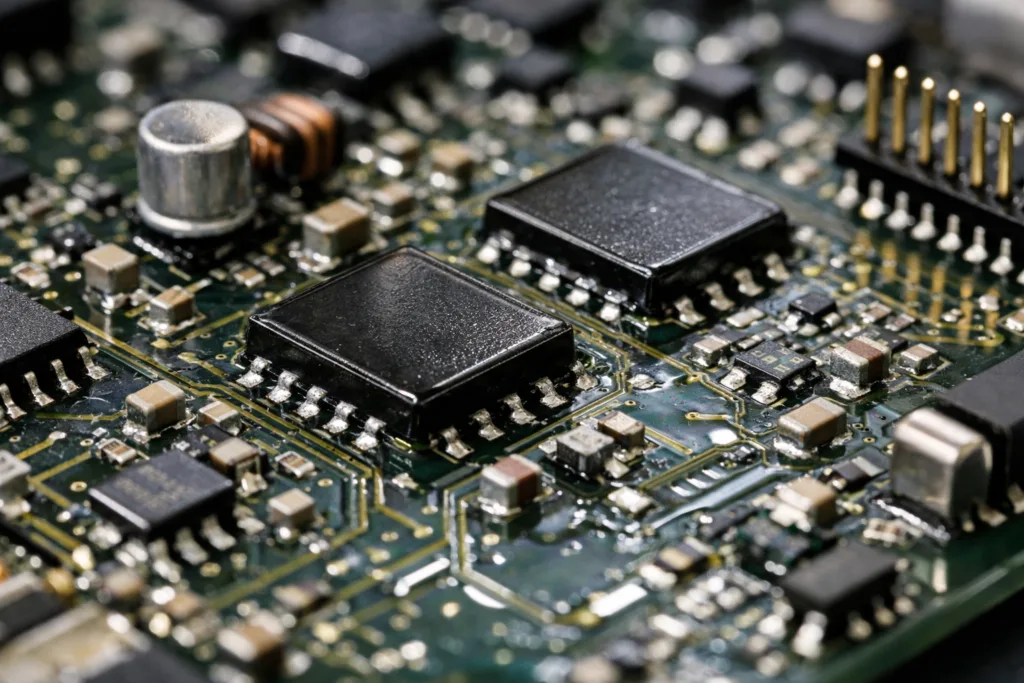
Moisture is a constant threat to charging station PCBs. Conformal coating for charging station PCBs: moisture protection remains the industry standard for durability, safety, and warranty compliance. Material selection, surface preparation, and precision application are equally crucial. As technology evolves, smarter, more reliable coatings and integrated sealing methods will continue to safeguard the backbone of electric mobility infrastructure.
Frequently Asked Questions
What is the best conformal coating for charging station PCBs exposed to outdoor weather?
Silicone and polyurethane coatings offer strong moisture resistance and flexibility, making them ideal for outdoor charging station PCBs.
How thick should conformal coatings be applied on PCBs for moisture protection?
Typical thickness ranges from 25 to 75 microns. It’s important to balance protection and avoid excessive buildup that may trap heat.
Do you need additional potting or sealing besides conformal coating?
For very harsh environments, combining conformal coating with potting and weatherproof sealing achieves robust moisture protection and extended lifespans.
Can conformal coatings be inspected visually after application?
Yes, using UV-visible or color-changing coatings allows for quick coverage checks, reducing risk of missed areas.
How do you ensure good adhesion of conformal coating to PCB surfaces?
Proper cleaning to remove flux, oils, and dust before coating is vital. Always test adhesion before scaling up production.
Are there standards for moisture protection in charging station PCBs?
Yes, standards like IEC 60664, UL 746C, and IP ratings define performance and safety requirements for PCB moisture protection.
Related Reading
- Weatherproof Adhesives: 7 Reliability Secrets for EV Charging Plugs
- Discover How VPI Resins Safeguard Copper Windings in High-Stress PCB Applications
- Accelerators Unleashed: How 2-part Acrylics Achieve Rapid PCB Bonding
- Your Quick Reference for Selecting the Right Adhesive for Plastic PCB Casings
- Engineers Reveal How Modern Encapsulation Boosts Heat Removal from Electronics